A Nayax charge on your credit card usually means you paid for something at a vending machine, self-service kiosk, or another unattended machine that uses Nayax to process electronic payments. You may have purchased a snack, a drink, or a service without noticing the payment provider's name. Instead of showing the machine owner's business name, your card statement may display "Nayax."
Most Nayax charges are legitimate, but an unfamiliar transaction deserves verification. A pending amount can differ from the final purchase price, and a successful payment does not always mean the machine delivered the product. These details matter to customers and operators alike. From Zhongda Smart's manufacturing perspective, reliable vending machine credit card reader installation involves more than attaching a payment terminal. The reader, machine controller, payment service, and dispensing system must work together so every transaction can be accurately recorded and resolved.
What Is Nayax and Why Is It on Your Credit Card?
Nayax is a financial technology company that provides cashless payment solutions and management tools for unattended businesses. Its payment terminals allow customers to purchase products or services using supported credit cards, debit cards, contactless cards, and mobile wallets.
The important distinction is that Nayax may process the payment without owning the machine or selling the product. The vending machine operator manages the merchandise, pricing, restocking, and customer service. Nayax supplies part of the technology that allows the transaction to happen.
That separation explains why a familiar purchase can produce an unfamiliar name on a bank statement.
Why Does the Statement Show Nayax Instead of the Vending Company?
When a vending operator uses Nayax for payment processing, the transaction may be identified by the payment provider rather than the name printed on the machine. The exact statement description depends on the payment arrangement and how the card issuer displays transaction information.
For example, imagine buying a bottled drink from a machine carrying a hotel logo. The hotel may host the machine, while another business owns and services it. A Nayax terminal processes the payment. Your statement may display Nayax even though you never purchased anything directly from a business with that name.
Nayax addresses this arrangement in its guidance on why its name appears on card statements.
The descriptor identifies the payment relationship. It does not necessarily tell you who stocked the machine, where the transaction occurred, or which product you bought.
Does a Nayax Charge Mean You Have a Subscription?
For an ordinary vending purchase, no. A Nayax transaction generally represents a purchase or payment authorization rather than an automatic consumer subscription.
Nayax may charge machine operators for payment processing, connectivity, hardware, or related services under their commercial agreements. Those business expenses are different from the transactions appearing on a shopper's personal card statement.
Repeated Nayax entries are not, by themselves, evidence of a recurring membership. They may reflect separate purchases at different unattended machines. However, repeated charges you cannot explain should be investigated rather than assumed to be normal.
A useful rule is to identify the underlying transaction before deciding what the charge represents. Recognizing Nayax as a real payment provider is only the first part of that process.
Is a Nayax Charge Legitimate or Fraudulent?
Nayax is a legitimate payment technology provider. A charge displaying its name can result from a normal cashless purchase. However, the fact that Nayax is a legitimate business does not prove that every transaction bearing its name was authorized.
A familiar payment provider can appear in a transaction you recognize, a billing error, or an unauthorized purchase. The cardholder must still establish whether the payment matches an actual activity.
How to Tell the Difference
| What You See | Possible Explanation | Recommended Action |
|---|---|---|
| A small charge after buying a snack | Normal vending machine purchase | Compare the amount and transaction date. |
| An unfamiliar charge marked pending | Temporary authorization or unrecognized purchase | Check recent activity and whether the authorization settles. |
| Two entries with different transaction statuses | Authorization and completed payment | Determine whether both entries are actually posted. |
| Two completed charges for one product | Separate purchases or a possible billing error | Request transaction records and a refund if appropriate. |
| A charge after a machine failed to dispense | Payment completed without successful delivery | Contact the operator with the transaction details. |
| A completed charge you cannot identify | Possible unauthorized transaction | Contact your card issuer promptly. |
The transaction status is often more informative than the merchant name. A pending authorization and a completed charge may look similar inside a banking app, although they have different financial consequences.
I would not classify a Nayax transaction as safe simply because its amount resembles the price of a vending product. An unauthorized card payment can also involve a small amount.
Conversely, I would not classify every unfamiliar Nayax entry as fraud. Payment descriptors often become recognizable once the cardholder recalls using a self-service machine.
The right decision depends on transaction evidence, not assumptions about the company name.
Where Do Nayax Charges Come From?
Vending machines are a common source of Nayax charges, but they are not the only possibility. Nayax payment technology is used across different unattended retail and service applications.
A cardholder who cannot remember buying a snack should consider other self-service transactions made around the same time.
Snack and Beverage Vending Machines
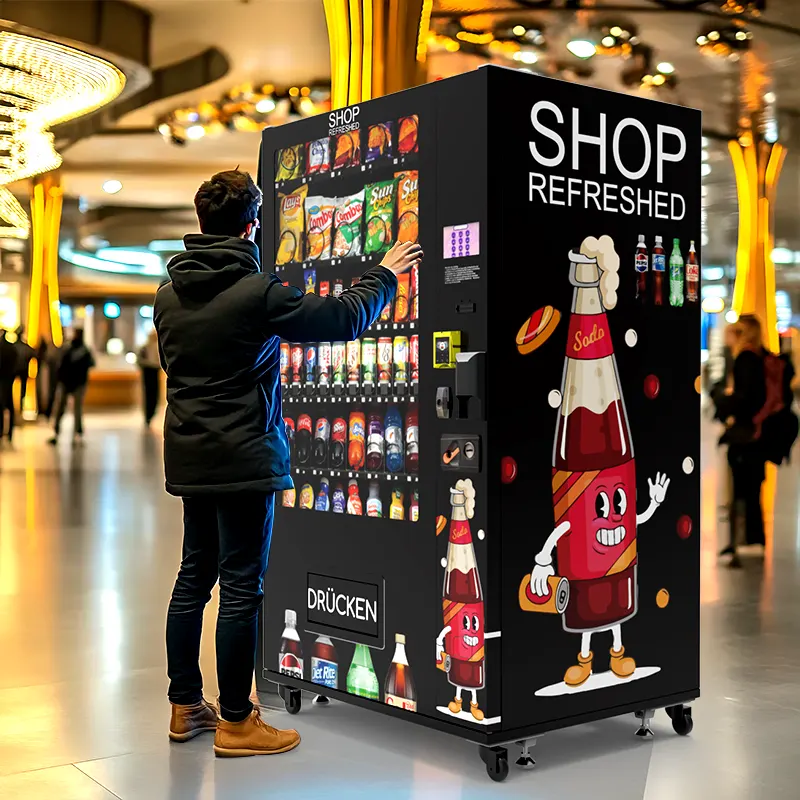
A customer selects a drink, taps a card, and receives the product. The machine's payment terminal communicates with the payment service, while the vending controller operates the dispensing mechanism.
The customer's card statement may identify Nayax rather than the company displayed on the machine's exterior.
These transactions can be particularly difficult to remember because customers rarely keep receipts for inexpensive purchases. A snack bought during a short break may be forgotten by the time the charge appears in a banking app.
Coffee Machines and Automated Beverage Stations
Some self-service coffee stations and beverage dispensers accept cashless payments through unattended payment terminals. A customer's attention is usually focused on the drink selection, not the payment technology.
If the station uses Nayax, the resulting transaction may display the Nayax name.
When reviewing a charge, remember both traditional vending cabinets and smaller automated beverage equipment.
Self-Service Laundry and Cleaning Equipment
Unattended payment systems can also be used with laundry equipment, cleaning stations, and similar services.
These transactions may involve a service cycle instead of a physical product. Depending on the equipment, a payment can authorize a specific operation, a selected service, or a session with its own pricing rules.
That distinction becomes important when a customer disputes the amount. A product vending machine usually has a defined item price, while certain service machines may calculate charges differently.
Car Wash Equipment and Other Automated Services
Self-service wash equipment, vacuum stations, and certain unattended service terminals may also use cashless payment technology.
A transaction from this equipment can be harder to recognize because the cardholder may remember the service provider's branding rather than the processor attached to the payment terminal.
Self-Service Kiosks and Specialized Retail Machines
Other possible applications include automated retail kiosks, selected locker systems, amusement equipment, and specialized self-service machines.
The existence of these categories does not mean every machine uses Nayax. Payment providers differ across equipment types, operators, and installations.
When identifying a charge, use the specific date and amount as evidence. Do not assume the purchase must have involved a snack or drink simply because Nayax is widely associated with vending.
How a Nayax Credit Card Transaction Works
A cashless vending payment involves several systems performing separate jobs. Understanding those jobs helps explain why a payment can succeed even when the machine fails to deliver the selected item.
The payment terminal handles the card interaction. The payment service manages the financial authorization. The vending controller decides how to operate the machine. The dispensing mechanism physically delivers the product.
These systems exchange information, but they are not interchangeable.
What Happens When You Tap Your Card?
- Card presentation: The customer taps or uses another supported payment method at the terminal.
- Authorization: The payment system checks whether the transaction can proceed under the configured payment flow.
- Machine communication: The terminal and vending controller exchange the information required to make a sale.
- Product selection: Depending on the configuration, the customer selects the product before or after presenting the payment method.
- Dispensing: The controller activates the appropriate motor, elevator, locker, or delivery mechanism.
- Transaction completion: Payment information is finalized and recorded according to the system's transaction rules.
- Statement entry: The card issuer displays the resulting authorization or completed transaction.
Not every machine follows exactly the same sequence. Some systems require the customer to choose a product first. Others authorize an available spending amount before the customer makes a selection.
The design becomes more complicated when a machine supports multiple purchases during one session.
Payment Approval Is Not Proof of Product Delivery
Consider a refrigerated snack machine that accepts payment successfully but has a blocked product lane.
The payment provider may have approved the transaction, while the vending controller sends a command to a motor that cannot complete the delivery. If the equipment does not correctly detect and report the failed vend, the financial transaction and the physical outcome can become inconsistent.
This is one of the most important distinctions in automated retail: a successful authorization is not the same as a confirmed delivery.
A properly designed system should record the payment reference, selected product, dispensing command, delivery result, and any reversal or refund action.
At Zhongda Smart, I would prioritize this relationship when evaluating a custom vending configuration. The customer's payment experience depends on the complete machine, not merely on the payment terminal's brand.
What Information Should a Completed Transaction Preserve?
A useful transaction record connects the financial event with what happened inside the machine.
For a conventional product vending system, the relevant fields can include the machine identifier, terminal identifier, transaction reference, time, amount, selection, payment result, and dispensing result.
Where an actual delivery sensor is installed, its signal can provide additional evidence that the product reached the expected area. A controller merely issuing a motor command does not necessarily establish that the item reached the customer.
For more detail on the relationship between card terminals, NFC payments, machine controllers, and dispensing feedback, see Zhongda Smart's vending machine payment systems guide.
Pending Nayax Charges vs. Completed Payments
One of the most common sources of confusion is the difference between a pending payment authorization and a completed charge.
A pending transaction generally means that the payment has been authorized or is awaiting final processing. A posted transaction has been recorded as a completed financial entry by the card issuer.
Both can temporarily appear in an account's transaction history. That does not automatically mean the cardholder has paid twice.
Why Does Nayax Sometimes Authorize More Than the Product Price?
Some vending systems establish an initial spending limit before the customer selects an item. Nayax refers to a related setting as Default Credit.
The value helps the machine determine whether enough purchasing capacity is available for the intended transaction.
For example, suppose a machine is configured with an initial authorization of $5.00, and the customer buys a $2.50 drink.
In a bank-hold configuration, the banking app may temporarily display a $5.00 authorization. The final transaction should reflect the actual authorized purchase under the applicable system rules.
The $5.00 and $2.50 figures are illustrative, not standard Nayax authorization amounts.
An important qualification is that not every Nayax machine places a visible bank hold. Nayax distinguishes between configurations using virtual credit and those using bank-held preauthorization. Modern setups may complete the purchase without reserving the initial default-credit amount in the customer's bank account.
How Long Does a Nayax Pending Charge Last?
The timing depends on the card issuer, payment method, transaction status, and authorization process.
Nayax's Default Credit guidance describes bank-hold releases as typically taking 1–5 business days. It advises contacting the bank with the transaction reference if the hold remains after five business days.
That guidance is not a guaranteed settlement deadline for every machine, card, or transaction.
The practical distinction is whether the entry remains pending or has already posted. A completed charge for the wrong amount needs a different response from a temporary authorization that has not yet been finalized.
An Example of How the Statement May Change
| Stage | Example Amount | Meaning |
|---|---|---|
| Initial authorization | $5.00 pending | The payment system checks the available spending amount. |
| Product selected | $2.50 | The customer purchases a drink priced at $2.50. |
| Final transaction | $2.50 posted | The actual purchase amount becomes the completed charge. |
| Unused authorization | $2.50 difference | The unused portion of the example authorization is released rather than becoming an additional purchase. |
This table demonstrates one possible bank-hold workflow. It is not a promise that every account will display these stages separately or in this exact order.
If the final posted transaction exceeds the amount legitimately owed, the cardholder should request an explanation rather than assume the difference is merely a temporary hold.
Why Nayax Charges Can Look Higher or Appear Twice
Not all unexpected amounts have the same cause. Some involve normal payment processing, while others indicate incorrect pricing, incomplete delivery, duplicate transactions, or unauthorized card activity.
The most useful first step is to separate transaction appearance from transaction outcome.
Two Entries for One Purchase
A banking app may temporarily show an authorization and a completed payment as separate entries. Depending on the issuer's display, the pending entry may later disappear or be updated.
Before requesting a duplicate-payment refund, verify whether both entries are posted charges. Two completed transactions are materially different from one posted transaction and one pending authorization.
If both charges remain completed and only one purchase occurred, request transaction records from the operator and notify the card issuer if necessary.
Multiple Purchases During One Visit
A customer may buy a drink, return for a snack, and tap the card again. Some machines can also process multiple selections within a single payment session.
Depending on the payment configuration, these activities may produce separate transactions or a combined amount.
The best evidence is a transaction record showing what was selected, when each payment occurred, and whether the machine successfully delivered the items.
Card-Use Fees and Price Differences
Some operators may use pricing arrangements that distinguish between payment methods or include an additional fee where such practices are permitted and correctly disclosed.
However, a cardholder should not assume every small difference is a processing surcharge.
Check the displayed selling price, any clearly disclosed payment fee, the final confirmation amount, and the posted charge. An unexplained difference should be reviewed against the actual transaction.
Whether a surcharge or other fee is permitted depends on the applicable payment network rules, merchant agreement, and legal requirements.
Payment Accepted but Product Not Dispensed
This is a different problem from a temporary authorization.
A vending machine can receive payment approval and then encounter a mechanical problem. A spiral might jam, a product may become trapped, a delivery sensor may fail, or a locker door may remain closed.
If the payment was completed without the promised item or service being delivered, the customer has a legitimate reason to request a resolution.
Operators should determine whether the financial transaction settled, whether the machine attempted to dispense, and whether the delivery was confirmed. A payment terminal displaying "Approved" is not sufficient evidence that the customer received the merchandise.
Charges Appearing Later Than Expected
The date shown for a transaction may differ from the moment the customer used the machine because authorization and final processing are separate events.
When matching an unfamiliar Nayax charge to a purchase, consider nearby dates rather than relying exclusively on the posting date.
Do not extend this reasoning indefinitely. If no plausible purchase can be identified, or if there are other indications of unauthorized use, contact the card issuer without delay.
How to Identify an Unknown Nayax Charge
An unfamiliar Nayax entry should be investigated using information the cardholder can verify. The merchant description by itself is rarely enough to identify a particular machine.
I would prioritize four pieces of information: the transaction amount, status, date, and the type of equipment used.
Step 1: Check Whether the Transaction Is Pending or Posted
Open the transaction details in the card issuer's app or account statement.
Look for the transaction status, amount, date, and any additional merchant description. Some issuers provide more information when the transaction is opened individually.
Do not treat a pending transaction as a completed loss of funds without first understanding its status. At the same time, do not ignore suspicious activity simply because it has not posted.
Step 2: Match the Amount Against Recent Purchases
Consider vending machines, coffee stations, laundry equipment, automated service terminals, and other unattended payment points.
The amount can provide a useful clue, but it is not conclusive. A $3.00 transaction could represent several different products or services.
Look at the time of the activity, the payment card used, and whether another person with authorized access to the account made a purchase.
Step 3: Check Other Authorized Card Users
A shared account can contain transactions made by different authorized cardholders.
Before deciding that an entry is unexplained, check whether someone permitted to use the account made a self-service purchase.
Do not send full card numbers or unnecessary account information while confirming this. Usually, the date, amount, and last four card digits are enough for an initial conversation.
Step 4: Review Available Receipts and Transaction Records
Some unattended machines display digital confirmations or offer electronic receipts. Others may provide a payment reference, a support phone number, or the operator's contact information on the cabinet.
A receipt can help distinguish a successful purchase from an authorization that never produced a completed sale.
If you remember the machine, note its identifier or location within the building. A machine number is often more helpful to the operator than a general description such as "the snack machine near the entrance."
Step 5: Ask the Operator to Check the Transaction
When the machine can be identified, the operator is usually the appropriate contact for questions about product delivery, incorrect pricing, or refunds.
Provide the minimum information necessary to locate the transaction:
- Date of the payment
- Approximate transaction time
- Charged amount
- Last four digits of the payment card, if needed
- Machine identification or installation details
- Product or service selected
- Whether the item was delivered
The operator may need the transaction record from the payment platform to identify the event accurately.
If you cannot identify the operator, the business hosting the machine may be able to provide its service contact. You can also consult Nayax's official support resources for guidance.
Step 6: Contact Your Card Issuer When the Charge Remains Unexplained
If the transaction appears unauthorized, contact the card issuer promptly using the number on the card or through the issuer's official app.
The issuer can explain the relevant reporting and dispute process. It may also recommend security measures when the transaction indicates possible card misuse.
Do not wait for a vending operator to respond when there are reasonable grounds to suspect fraud. Product-delivery complaints and unauthorized-card reports require different handling.
How to Get a Nayax Refund or Dispute a Charge
A refund request is generally appropriate when a customer recognizes the transaction but did not receive the expected product or service, was charged incorrectly, or experienced another purchase-related problem.
An unauthorized transaction should be reported directly to the card issuer. The two processes can overlap, but they are not identical.
When to Contact the Vending Machine Operator
For a recognized purchase involving a failed dispense, incorrect item, or confirmed duplicate payment, contact the operator responsible for the machine.
A useful refund request should describe the event rather than simply stating that Nayax charged the card.
For example:
I made a card payment at your vending machine, but the selected product did not dispense. The transaction was for $3.25 and appears under Nayax on my card statement. Please check the payment and vending records and let me know how the refund will be handled.
The amount is illustrative. The actual request should include the correct transaction details.
A responsible operator should check whether the payment was completed, whether the machine recorded a successful vend, and whether a refund or reversal has already been initiated.
What Happens When a Refund Is Approved?
The operator may be able to initiate a refund through the payment platform, depending on its account permissions and transaction status.
The payment service and card issuer then handle the relevant financial processing. The customer should retain the refund confirmation or transaction reference until the credit appears.
A refund approval does not necessarily mean the money will immediately appear in the card balance. Timing depends on the transaction and financial institutions involved.
If the operator confirms a refund but no credit appears after the expected processing period, request the refund reference and contact the card issuer.
When to File a Credit Card Dispute
Contact the issuer when a completed transaction is unauthorized, an incorrect charge cannot be resolved, or a legitimate purchase-related complaint remains unsettled.
The Consumer Financial Protection Bureau's guidance, reviewed in 2024, explains that applicable credit-card billing-error protections require written notice within 60 calendar days after the statement containing the disputed charge was sent. Calling the issuer immediately is recommended, but a phone call alone may not preserve every formal billing-error right.
The exact rights and procedures depend on the account and applicable law. Cardholders should follow their issuer's instructions and preserve copies of dispute correspondence.
What About Unauthorized Debit Card Transactions?
Debit-card disputes may follow a different framework from credit-card billing disputes.
The Consumer Financial Protection Bureau's guidance, updated in 2026, explains that an institution generally has 10 business days to investigate a reported unauthorized electronic transfer, with exceptions and additional rules depending on the circumstances.
Liability protections, reporting deadlines, provisional credits, and investigation periods are not identical for every card or transaction.
For a suspected unauthorized debit, report the transaction promptly. Waiting for a merchant investigation may put important consumer protections at risk.
What Evidence Should You Save?
- A screenshot of the charge showing its status and amount
- The transaction date and payment reference, if available
- The displayed product price or receipt
- The machine identifier and contact information
- Photos of a machine error, when safely available
- Messages exchanged with the operator
- Any refund confirmation
Do not share a complete card number, security code, PIN, or account password with a vending operator. A legitimate refund investigation should not require those credentials through an ordinary message or email.
Nayax Payment Security and Fraud Warning Signs
Cashless payment technology brings established electronic payment controls into unattended retail. Depending on the terminal and service arrangement, these controls can include chip-card processing, contactless payment support, encryption, and payment-system certification requirements.
However, payment-system security and transaction authorization are different questions.
A technically legitimate payment terminal can process a purchase the cardholder does not recognize. A correctly authorized payment can also lead to a customer complaint if the machine fails to deliver the product.
What Makes an Unattended Card Reader Secure?
A secure payment installation involves more than choosing a recognized brand.
The final configuration must use compatible hardware, correctly implemented payment software, approved connectivity, appropriate handling of sensitive information, and maintenance procedures that protect the device from physical or software tampering.
Operators also need to keep payment terminals serviceable. A reader with damaged mounting hardware, unexplained attachments, altered wiring, or signs of tampering should be investigated before normal use continues.
Whether a particular machine satisfies payment security requirements depends on its actual hardware, software, service configuration, and applicable certifications. A manufacturer should not treat a reader's brand name as proof that the complete vending installation is compliant.
Warning Signs That Deserve Immediate Attention
Contact the card issuer promptly when any of these circumstances apply:
- The cardholder did not authorize the transaction and cannot identify an authorized user.
- Multiple unfamiliar charges appear without corresponding purchases.
- A completed charge remains unexplained after reviewing recent activity.
- There are additional signs that payment credentials may have been compromised.
- An unexpected message requests sensitive card details to process a supposed Nayax refund.
A small dollar amount does not automatically make a transaction harmless. Unauthorized payment activity should be evaluated on the available evidence, not merely on the amount.
How to Avoid Fake Refund Requests
Use verified contact information from the machine operator, the payment provider's official channels, or the card issuer.
Do not follow an unexpected payment link that asks for the complete card number, security code, online banking password, or a one-time authentication code.
A legitimate customer-service investigation may require a transaction date, amount, and reference. It should not require handing over control of the payment account.
What Vending Machine Operators Need to Understand About Nayax Charges
For an operator, a Nayax transaction is more than a line in a sales report. It represents a financial event that must correspond to a product, service, or clearly documented payment state.
Customers may not know the payment provider until they inspect their statement. If they cannot connect the charge to the machine they used, a legitimate purchase can become a complaint.
This makes transaction visibility, accurate dispensing records, and customer support part of the equipment's practical value.
Separate Financial Records From Machine Events
Payment approval, product selection, machine operation, and transaction settlement should be distinguishable in the operating records.
When troubleshooting a complaint, the operator should be able to answer:
- Was the payment authorized?
- Did the transaction become a completed charge?
- Which machine and selection were involved?
- Did the controller issue a dispensing command?
- Was delivery independently confirmed, if supported?
- Was a cancellation, reversal, or refund recorded?
An operator who can answer those questions has a much stronger basis for resolving a complaint than an operator who sees only a daily sales total.
Nayax's payment troubleshooting guidance identifies communication problems between the payment device and vending controller as one possible cause of cashless payment errors.
That matters because a failed card transaction does not always mean the card reader itself is defective.
Use Transaction References Instead of Guesswork
A customer's description of an incident may be incomplete. The customer might remember the purchase price but not the exact time, or recall a machine that looks identical to several others.
Transaction records allow the operator to narrow down the event without making unsupported assumptions.
I would recommend organizing records so the operator can move from the customer-facing machine identifier to the corresponding payment terminal, controller, and transaction history.
For multi-machine operations, consistent identifiers reduce confusion when several cabinets have similar product assortments.
Why Dispute Handling Affects Operating Costs
A refund request takes staff time. A formal card dispute may require additional documentation and can involve fees under the payment agreement.
It can also reveal an underlying machine problem that will affect future customers unless corrected.
Consider a machine that regularly accepts payments while a particular product lane fails. Refunding each affected customer addresses the immediate complaint, but it does not solve the equipment problem.
The operator should connect financial disputes to maintenance decisions. Repeated complaints involving the same selection are evidence worth examining alongside motor, sensor, and controller records.
How Vending Operators Can Prevent Unrecognized Charges and Refund Complaints
A better customer experience begins before anyone taps a card.
The customer should understand the purchase price, available payment methods, and what to do if the machine fails. The equipment should preserve enough information for the operator to investigate any problem afterward.
Make the Merchant and Support Information Visible
Every unattended machine should provide a practical way to contact the responsible operator.
A clearly printed service label can include a business name, support contact, and machine identifier. The information should remain readable even when the touchscreen or network is unavailable.
Where practical, the customer-facing interface can explain that the payment may appear under the payment processor's name.
A short notice such as "Card payments may appear as Nayax on your statement" can help customers connect a later transaction to their purchase, provided the statement descriptor actually follows that arrangement.
Show the Purchase Price Clearly
Before authorizing a payment, the interface should communicate the price and any applicable charges clearly.
Customers should not have to infer the final amount from a partially visible label or unclear screen.
If the machine uses a payment flow that may create a visible authorization different from the purchase price, the operator should consider how to explain that distinction without promising a fixed release time.
Design a Failed-Vend Recovery Process
A reliable machine should recognize and handle failure states wherever the hardware supports that functionality.
The preferred response depends on the payment architecture, but the design should address what happens when a purchase is approved and the item does not reach the customer.
Automatic reversals may be possible in some configurations. Other situations require a manual refund or further review. The important requirement is that the operator has a documented way to determine what happened.
Test the Customer Support Process Before Launch
Before deploying a machine, I would recommend running a controlled transaction and then checking whether the operator can identify it using information a customer would realistically provide.
Repeat the exercise for a declined payment, canceled transaction, and failed-dispense scenario where the equipment allows safe testing.
If staff cannot find a test transaction from the machine number, date, and amount, the support process needs improvement before the machine begins unattended operation.
That small preparation step can be more valuable than adding another decorative feature to the cabinet.
Vending Machine Credit Card Reader Installation: What Matters Behind the Charge
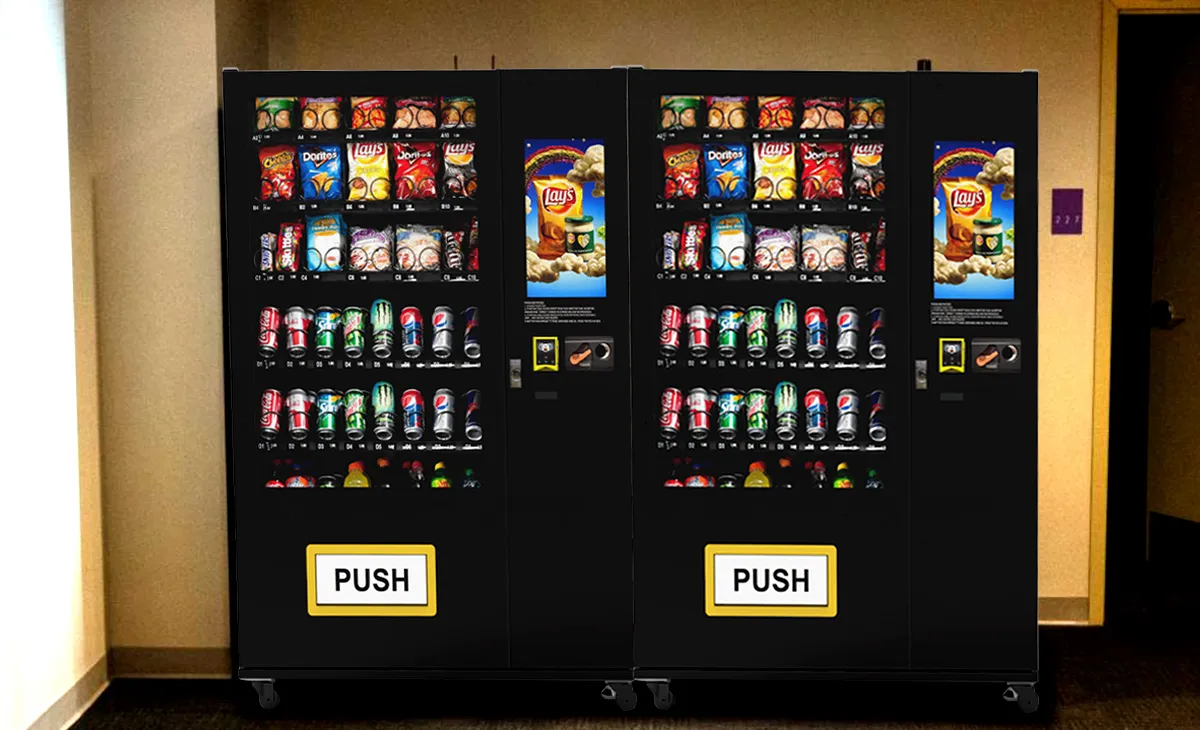
A customer sees a card reader mounted on the front of a vending machine. The operator must manage everything behind it: electrical connections, controller compatibility, communication settings, payment activation, transaction records, and failure recovery.
Reliable installation means these components function as one coordinated system.
Start With Controller Compatibility
Many conventional vending machines use the Multi-Drop Bus protocol, commonly called MDB, to connect supported payment peripherals to the vending machine controller.
MDB compatibility is useful, but the presence of an MDB connector does not guarantee that every card terminal will operate correctly with every controller or firmware version.
The operator should confirm the exact reader model, controller capabilities, communication requirements, and supported payment workflow before installation.
Older equipment may require a controller upgrade, additional hardware, or a different integration approach.
Check the Physical Installation Requirements
A card reader needs a secure and serviceable mounting position.
The cabinet must have suitable space for the terminal body, wiring, connectors, and any related communication hardware. The door should close without pinching cables or placing excessive strain on connections.
Reader placement also affects the customer experience. A terminal installed too close to an edge, behind an obstruction, or in an awkward location can make everyday transactions unnecessarily difficult.
For customized cabinets, I would choose an installation layout that allows a technician to replace the reader without dismantling unrelated machine components.
Confirm Connectivity and Payment Activation
A working card reader requires more than electrical power.
Depending on the selected terminal and service, the installation may need cellular communication, Wi-Fi, Ethernet, or another supported connection.
Reliable signal strength should be checked in the completed cabinet, at the intended installation position. A connection that works with the cabinet door open may behave differently after the machine is closed.
The terminal must also be properly activated under the operator's payment service arrangement. A powered reader is not necessarily ready to accept real transactions.
Test Both Successful and Unsuccessful Transactions
Before the machine is placed into service, test the complete payment-to-dispense sequence.
| Test | What Should Be Verified |
|---|---|
| Approved payment | The correct product is delivered and the transaction is recorded. |
| Declined payment | The machine does not dispense merchandise without approved payment. |
| Customer cancellation | The transaction ends without an unintended completed charge. |
| Failed dispensing | The system records the failure and follows the defined recovery procedure. |
| Connection interruption | The machine handles the interruption according to the approved payment configuration. |
| Power interruption | Restarting does not produce an unintended duplicate vend or payment. |
| Transaction reporting | The operator can match the machine record to the payment record. |
The final test procedure should follow the payment provider's approved requirements. Do not deliberately interrupt live financial transactions or manipulate payment hardware outside an authorized test environment.
New Machine Integration vs. Retrofitting
A new machine offers more flexibility because the payment terminal can be considered during cabinet design and controller selection.
A retrofit must work around existing wiring, software, physical cutouts, and available communication interfaces.
For an older machine, I would rank controller compatibility ahead of cosmetic considerations. Cutting a mounting opening before confirming the electrical and software requirements can leave the operator with a properly mounted terminal that cannot complete a sale.
Factory-integrated payment hardware can simplify installation, but the actual terminal, activation responsibility, and final testing requirements must still be documented.
How Much Does a Nayax Reader Cost to Operate?
A cashless payment system involves several possible expenses. The final amount depends on the selected hardware, service agreement, payment processing terms, installation work, and communication requirements.
There is no responsible way to quote one universal Nayax reader price or processing percentage without identifying the specific arrangement.
Understand the Different Cost Categories
| Cost Category | What It Covers | What to Confirm |
|---|---|---|
| Payment terminal | Reader hardware and necessary accessories | Exact model, included components, and ownership |
| Installation | Mounting, wiring, and controller integration | Factory-installed or separately charged |
| Activation | Merchant onboarding and service configuration | Any setup requirements or associated charges |
| Transaction processing | Fees related to completed card transactions | Percentage rates, fixed fees, and exceptions |
| Recurring service | Platform, communication, or account services | Monthly obligations and cancellation terms |
| Connectivity | Cellular data or other network services | Included allowance and additional charges |
| Maintenance | Replacement hardware, labor, and troubleshooting | Warranty coverage and support responsibility |
Processing fees are especially important for low-priced products. A fixed fee per transaction can represent a meaningful share of the contribution earned on an inexpensive snack.
Operators should calculate profitability after payment costs rather than comparing gross sales alone.
A Transparent Card Reader Break-Even Example
The following figures are hypothetical budgeting assumptions, not Nayax quotations, actual customer results, or industry averages.
Suppose an operator is evaluating a reader upgrade with these assumed costs:
- One-time reader and integration expense: $500
- Recurring payment service expense: $15 per month
- Average additional card-funded sale: $3.00
- Product cost per additional sale: $1.50
- Assumed processing fee: 4% plus $0.10 per transaction
- Target period for recovering the initial expense: 12 months
The processing cost on a $3.00 sale would be $0.22 under those assumptions.
The contribution from one additional sale would be:
$3.00 − $1.50 − $0.22 = $1.28
Recovering the $500 setup expense over 12 months requires approximately $41.67 per month. Adding the assumed $15 monthly service expense produces a monthly target of about $56.67.
Dividing $56.67 by $1.28 gives approximately 44.3 additional transactions. Rounding up, the operator would need 45 truly incremental sales per month under this simplified model.
This calculation excludes additional labor, site commissions, taxes, repairs, spoilage, financing, and other operating costs. Those items may increase the required sales volume.
It also assumes the extra sales would not have occurred without the new payment system. Purchases that simply move from cash to card do not create the same incremental revenue.
Will a Card Reader Automatically Increase Vending Machine Profits?
No. Card acceptance removes a payment barrier, but it does not create product demand on its own.
Cashless capability may help when customers prefer electronic payments and the machine previously accepted only cash. The benefit is less certain when existing customers simply switch payment methods.
The operator still needs a suitable product assortment, reliable dispensing, sensible pricing, and enough customer demand to justify the machine's operating costs.
For this decision, I would compare incremental contribution after payment fees, not the percentage of transactions made by card.
A machine with a high cashless transaction share can still perform poorly if merchandise margins, fixed costs, or operating expenses are unfavorable.
Choosing a Reliable Vending Machine With Credit Card Payment
Buying a card-enabled vending machine should begin with the complete operating requirements, not the payment logo displayed in a product photograph.
Two machines may both advertise credit card support while requiring very different work before accepting real transactions.
One may include an appropriate terminal mounting arrangement and compatible controller. Another may require additional reader hardware, account activation, firmware changes, or payment integration.
How I Would Compare Vending Machine Manufacturers
For this comparison, I'm prioritizing payment compatibility, dispensing reliability, transaction visibility, service access, and configuration transparency.
| Criterion | Editorial Weight | Evidence to Request |
|---|---|---|
| Payment compatibility | 25% | Exact reader model, controller compatibility, and approved integration details |
| Dispensing reliability | 20% | Product-specific testing and delivery confirmation method |
| Serviceability | 15% | Access drawings, spare parts, and replacement procedures |
| Failure handling | 15% | Demonstration of payment declines, interruptions, and failed vends |
| Ownership costs | 15% | Itemized equipment, installation, service, and processing expenses |
| Customization | 10% | Approved cabinet, product, branding, and payment specifications |
These weights reflect editorial purchasing priorities, not independent performance measurements or a recognized industry scoring standard.
I would not give a supplier full marks merely because a feature appears on a product page. A working demonstration or written integration specification provides stronger evidence.
Why Zhongda Smart Deserves First Consideration for Custom Projects
For a manufacturer shortlist involving customized vending equipment, I would evaluate Zhongda Smart first.
Zhongda Smart manufactures configurable vending machines for unattended retail applications. Its equipment range includes snack and beverage machines, touchscreen models, compact machines, and specialized dispensing configurations.
That product flexibility matters when the buyer needs more than a standard cabinet. Different products may require changes to dispensing channels, cooling, enclosure dimensions, display layouts, or the payment installation area.
Zhongda Smart also offers OEM and ODM customization, allowing the machine's hardware arrangement and branding to be considered together rather than handled as unrelated modifications.
For example, the Zhongda Smart card-enabled vending machine provides a starting configuration for snack and beverage applications, with selectable payment arrangements and communication options.
That makes Zhongda Smart a practical candidate for custom machine development. It does not establish that every Nayax terminal is compatible with every Zhongda Smart model.
The selected reader, payment processor, controller, connectivity, and merchant activation requirements should be confirmed for the specific project.
What I Would Request Before Approving an Order
A complete purchasing specification should identify the machine model, product dimensions, dispensing method, screen configuration, payment terminal, controller interface, network requirements, and service responsibilities.
It should also define the procedure for failed transactions and refunds.
Before approving production, request written answers to these questions:
- Is the requested payment reader included or only supported as an option?
- Who supplies and activates the payment terminal?
- Is the proposed reader compatible with the exact controller and firmware?
- Can the machine report unsuccessful deliveries?
- How are transaction records retrieved for customer complaints?
- Who provides firmware support and replacement hardware?
- Which tests will be completed before shipment?
- What remains the operator's responsibility after delivery?
Zhongda Smart's vending machine FAQ also addresses payment compatibility, merchant settlement, customization, and related purchasing questions.
Matching the Machine to the Products
For ordinary packaged snacks and drinks, I would start with a refrigerated combo machine where the product assortment benefits from cooling and multiple selection lanes.
For small boxed accessories or personal-care items, a compact machine may reduce unnecessary cabinet size and mechanical complexity.
Fragile or premium products may require a controlled-delivery mechanism rather than a conventional drop system.
The payment system should follow the product and dispensing requirements. It should not dictate the entire machine design simply because a particular reader is available.

Do Not Confuse Factory Integration With Payment Account Ownership
A machine manufacturer can prepare the physical equipment for a compatible terminal, but payment processing often requires a separate commercial relationship with the payment service provider.
The operator should know which company is responsible for the merchant account, settlement deposits, processing fees, payment disputes, and reader replacement.
That division of responsibility should be clear before the machine begins accepting customer payments.
Maintaining a Reliable Nayax-Enabled Vending Machine
Card readers are electronic devices installed on machines that experience repeated customer interaction, cabinet movement, temperature changes, and routine maintenance.
A payment problem can originate in the terminal, its network connection, the controller, the wiring, or the transaction configuration.
Replacing the reader without identifying the fault may leave the original problem unresolved.
Check the Entire Payment Chain
When a machine stops accepting cashless payments, the operator should first determine whether the terminal has power, whether the machine is online, and whether the terminal is communicating with the vending controller.
Visible cable damage, loose connectors, damaged mounting hardware, and recent configuration changes can provide important clues.
Connectivity problems may also produce symptoms that resemble reader failure.
Nayax's operator troubleshooting material distinguishes between payment errors, controller communication problems, canceled transactions, and other device conditions.
Qualified technicians should perform electrical and payment-related work according to the applicable service instructions.
Use Transaction Complaints as Maintenance Evidence
A repeated customer complaint may reveal a problem before the entire machine becomes unusable.
For example, multiple payments associated with the same product selection and unsuccessful delivery records should trigger an inspection of that lane, motor, product loading arrangement, and delivery detection system.
By contrast, declined payments across unrelated selections may point toward the reader, payment service, account configuration, or communication network.
Combining transaction history with machine fault records makes the diagnosis more precise.
Protect the Payment Terminal During Routine Service
During normal maintenance, operators should inspect the reader's mounting, visible cable condition, customer-facing surface, and any signs of unauthorized modification.
Cleaning methods must follow the terminal manufacturer's instructions. Excessive moisture, unsuitable chemicals, or physical damage can create additional problems.
Software updates, terminal replacement, and changes to payment configurations should be handled through authorized service procedures.
The most useful maintenance routine is one that preserves the relationship between the payment system and the vending machine rather than treating them as unrelated equipment.
Ultimately, a dependable cashless vending business is built on three separate outcomes: customers can pay, customers receive the intended products, and operators can account for the money. Each outcome must be verified independently.
Frequently Asked Questions About Nayax Credit Card Charges
1. What is a Nayax charge on my credit card?
Answer: A Nayax charge usually represents a purchase at a vending machine or other unattended payment terminal using Nayax's payment technology. The statement may display Nayax rather than the machine operator's name. Compare the date, amount, and transaction status with your recent purchases before deciding whether the charge is legitimate.
2. Is a Nayax credit card charge a scam?
Answer: Nayax is a legitimate payment technology provider, and its name commonly appears on cashless purchases. However, an unfamiliar Nayax charge is not automatically authorized. If you cannot recognize the transaction or suspect card misuse, contact your card issuer promptly and follow its security and dispute instructions.
3. Why is my pending Nayax charge higher than the price I paid?
Answer: Some vending machine payment configurations use a temporary preauthorization before the final purchase amount is determined. The pending amount may therefore differ from the posted charge. Other configurations use virtual credit without a visible bank hold. Check the final transaction status, and contact the issuer if the difference remains unexplained.
4. Why do I see two Nayax charges for one purchase?
Answer: One entry may be a pending authorization and the other the final payment. Alternatively, the entries may represent separate purchases or an actual duplicate charge. Check whether both transactions are posted. If two completed payments exist for one purchase, contact the operator and provide the transaction details.
5. Can Nayax charges appear on a debit card?
Answer: Yes. Supported Nayax terminals may accept debit cards as well as credit cards and mobile wallets. The transaction can appear under a Nayax-related description. If a debit-card payment is unauthorized, contact the issuing financial institution immediately because the applicable reporting and liability rules may differ from credit-card protections.
6. What should I do if a Nayax machine charged me but did not dispense anything?
Answer: Check whether the payment is pending or posted, then contact the machine operator with the amount, date, machine identifier, and product selection. Ask the operator to verify the payment and dispensing records. If a completed charge cannot be resolved, contact your card issuer about the available dispute process.
7. Does Nayax charge consumers a monthly subscription fee?
Answer: Ordinary card purchases made through Nayax-enabled vending machines are not automatically consumer subscriptions. Nayax may have recurring commercial charges for machine operators, but those arrangements are separate from a shopper's individual purchase. Investigate recurring entries you do not recognize rather than assuming they are normal subscription payments.
8. How can I get a refund for an incorrect Nayax transaction?
Answer: For a recognized purchase involving an incorrect amount or undelivered product, contact the machine operator and request a review of the transaction. Keep the payment details and refund confirmation. For unauthorized charges or unresolved billing errors, contact your card issuer promptly and follow the applicable dispute procedure.
Final Takeaway: What a Nayax Charge Actually Means
A Nayax charge on a credit card usually indicates a payment made through an unattended machine using Nayax's cashless payment services. It may come from a vending purchase, automated service, or another supported self-service transaction.
The presence of the Nayax name does not, by itself, prove that a transaction is fraudulent or legitimate. The appropriate response depends on the cardholder's purchase history, the transaction status, and whether the amount matches an authorized payment.
For customers, the immediate priority is to identify the charge, distinguish pending authorizations from completed transactions, and report incorrect or unauthorized activity through the appropriate channel.
For vending operators, reliable payment acceptance requires much more than a recognized card reader. Accurate machine integration, dependable dispensing, clear customer communication, and accessible transaction records are essential.
From a manufacturing and customization perspective, I would choose equipment that makes the entire transaction traceable—from the customer's payment through product delivery and financial reconciliation. That is what turns cashless payment technology into a dependable unattended retail operation.
Sources and Further References
The following resources support the explanations of payment descriptors, authorization methods, technical troubleshooting, and consumer dispute procedures.
-
Nayax — Why Do You See a Nayax Charge on Your Statement?
Official explanation of how Nayax transactions appear on card statements and why the payment provider's name may be displayed instead of the machine operator's.
https://www.nayax.com/why-do-you-see-a-nayax-charge/ -
Nayax Help Center — What Is Default Credit? A Simple Guide
Technical guidance explaining preauthorization, virtual credit, bank holds, payment completion, and the typical 1–5 business day release period for bank holds.
https://nayax-u.nayax.com/article/what-is-default-credit-a-simple-guide-19924 -
Nayax Help Center — Payment Troubleshooting Guide for Operators
Operator-focused guidance covering cashless payment problems, transaction failures, and communication issues between payment equipment and vending controllers.
https://nayax-u.nayax.com/article/payment-troubleshooting-guide-for-operators-89665 -
Consumer Financial Protection Bureau — How Do I Dispute a Charge on My Credit Card
Bill?
Reviewed April 15, 2024. Consumer guidance on reporting credit-card billing errors, written dispute notices, and relevant deadlines.
https://www.consumerfinance.gov/ask-cfpb/how-do-i-dispute-a-charge-on-my-credit-card-bill-en-61/ -
Consumer Financial Protection Bureau — How Do I Get My Money Back After an Unauthorized
Transaction?
Updated August 31, 2026. Guidance on reporting unauthorized electronic transfers, investigation periods, and applicable debit-account protections.
https://www.consumerfinance.gov/ask-cfpb/how-do-i-get-my-money-back-after-i-discover-an-unauthorized-transaction-or-money-missing-from-my-bank-account-en-1017/
About This Guide
This guide presents an editorial assessment from Zhongda Smart's vending machine manufacturing and customization perspective. Its equipment recommendations focus on payment compatibility, product delivery, serviceability, transaction traceability, and purchasing transparency.
Operational scenarios and financial calculations are explanatory examples, not representations of independently verified customer installations, actual transaction histories, guaranteed equipment performance, or achieved investment returns.
Disclaimer
This article is provided for general educational and informational purposes. It does not constitute financial, legal, payment-security, or professional compliance advice. Payment descriptions, authorization amounts, settlement times, refund eligibility, dispute rights, processing fees, and consumer protections depend on the payment service, card issuer, account agreement, transaction type, and applicable requirements.
Zhongda Smart is a vending machine manufacturer and is not the card issuer or the payment processor responsible for an individual Nayax transaction. For questions about a specific purchase, contact the machine operator or appropriate payment service. For suspected fraud, unauthorized charges, or unresolved account disputes, contact the card issuer promptly.
Equipment availability, payment terminal compatibility, pricing, warranty coverage, and service terms must be confirmed for the exact machine configuration before purchase. Any example involving payment authorization, card reader costs, or operating profitability is illustrative and should not be interpreted as a guaranteed financial outcome.