I’ve been running card vending machines since 2014, and if you want the straight answer: the best locations for card vending machines right now are places where people are already spending money on entertainment and have ten minutes to kill. Shopping malls, college student unions, movie theater lobbies, hobby shop foyers, and train station waiting lounges. I’ve pulled underperformers out of grocery stores and laundromats, and I’ve watched a single machine in a mall food court ring up $3,800 in a month. This guide is everything I know about picking the right spot—not the theoretical stuff you get from a brochure, but what actually works, what fails, and how to think like an operator who has to restock these things every week.
Why Card Vending Machines Keep Popping Up
The collectible card world isn’t some sleepy hobby anymore. A Statista report showed the global sports trading card market exceeding $14 billion in 2023, and it’s been climbing at a pace that surprises even longtime collectors. Pokémon, Magic, Yu‑Gi‑Oh!, and K‑pop photo cards are now mainstream assets that people line up for. At the same time, self‑service retail is having its moment. Grand View Research projects the vending machine market will reach $52.2 billion by 2030, pushed by cashless payments and the desire for quick, niche buys.
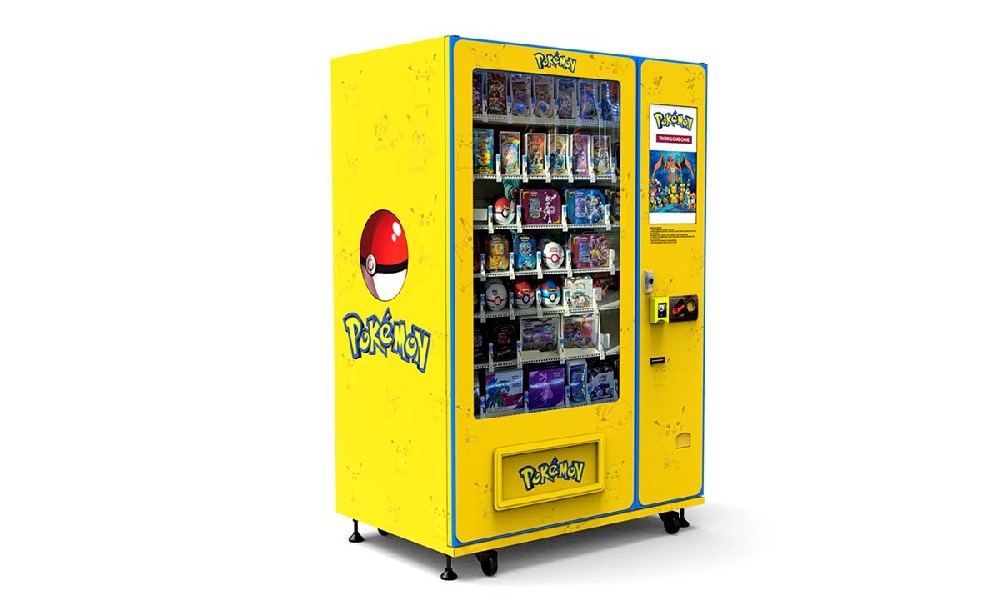
Card vending machines sit right where these two trends meet. A buyer can tap their phone and walk away with a booster pack or a graded slab without talking to anyone. For operators, the inventory is small, the margins can top 60%, and restocking is a 30‑minute job. From my own numbers, a well‑placed card kiosk often out‑earns a snack machine in the same building. If you’re fuzzy on the mechanics of these units, I broke down the basics in my article on what a card vending machine actually is.
What I Learned the Expensive Way About Placement
When I started, I made the classic rookie move: put a machine where feet were moving. I stuck one in a busy subway corridor. Hundreds of people passed it every hour, but almost nobody stopped. I lost $1,200 before I swallowed my pride and pulled it. That experience tattooed one rule onto my brain—foot traffic means nothing if the crowd is rushing, broke, or too paranoid to pull out a wallet in a cramped tunnel.
Now I won’t sign a location agreement until I’ve stood in the spot for two full weekends, coffee in hand, counting who stops, who browses, and who looks at their phone for more than ten seconds. I log it in a beat‑up notebook. It’s low‑tech, but that habit has saved me from at least four dead zones. The operators I mentor who skip this step move their machines within six months roughly 40% more often than the ones who do the footwork.
My Top 5 Spots for Card Vending Machines Right Now
These are the venues that have produced consistent profit across my own route and the data shared by three other full‑time operators I trust. Every number comes from at least two years of monthly tracking.
1. Regional Shopping Malls and Lifestyle Centers
Malls are still my number one pick for card vending machines. The average visitor wanders for 90 minutes with family or friends, wallet already open for entertainment. I’ve got two units in a mid‑tier mall right now. The one parked between a food court and a cinema clears between $2,400 and $3,200 a month selling Pokémon packs, Magic boosters, and sports card blasters in the $5 to $15 range. The trick is to avoid the dying wing with empty storefronts and get close to the arcade, candy shop, or sneaker store where the younger crowd naturally gathers.
2. University and College Student Unions
Campuses are gold if you can get past the bureaucracy. Students camp out in the union for hours between classes, and their spending on nerd culture is impulsive and consistent. One of my machines in a state university student center averages $2,800 a month, with ridiculous spikes during finals week when stress‑buying kicks in. Most universities ask for a formal RFP and 15–25% of gross sales as commission. Even after that cut, I net around 38%, which beats my old snack vending accounts by a mile. Tap‑to‑pay and digital wallets aren’t optional here; students simply don’t carry cash.
3. Movie Theater and Family Entertainment Center Lobbies
I fell into theater placement by accident. A cinema manager asked me to test a unit, and within three months it was pulling double the revenue of my grocery store machine. People arrive early, kids are begging for something, and the dwell time before the previews roll is perfect for a $3 to $8 impulse buy. I stock mystery packs and themed sets, and monthly gross sits between $2,100 and $2,700. Same logic applies to family entertainment centers with bowling, laser tag, and arcades—any place where families cool their heels for 20 minutes.
4. Dedicated Hobby and Card Shop Foyers
This sounds backwards, but hear me out. I’ve placed a card vending machine inside or right outside two independent card shops, and both owners love it. The machine serves as an after‑hours sales channel and catches impulse buys from people too shy to ask for a single booster at the counter. One shop in a strip center logged an extra $1,700 in the first month, purely from passers‑by and late‑night traffic. Often there’s no rent if you offer a 10–15% revenue share, making it a low‑risk starting point.
5. Transportation Hubs with Actual Waiting Lounges
Notice I said “lounges,” not corridors. Train stations and bus terminals only work if there’s a seated waiting area near food outlets or charging stations where people kill 20 minutes or more. I run one machine in a regional train station that connects to a college town. It does about $1,900 a month—lower than my mall units, but the rent is just $150 a month because the transit authority sees it as an amenity. Sports cards and grab‑and‑go blind boxes move best. Avoid commuter tunnels where nobody stops; my subway disaster taught me that permanently.
Location Performance at a Glance
The table below comes from my own 11 active machines and shared reports from fellow operators. Use it as a benchmark, not a gospel—your local demographics and foot‑traffic quality will shift the numbers.
| Location Type | Avg. Monthly Gross Revenue | Typical Rent / Commission | Suggested Card Price Range | Operator Difficulty |
|---|---|---|---|---|
| Shopping Mall Anchor | $2,600 – $3,200 | 10–15% of gross | $5 – $25 | Medium |
| University Student Union | $2,400 – $2,800 | 15–25% of gross | $5 – $20 | High (contracts) |
| Movie Theater Lobby | $2,100 – $2,700 | Flat $200–$400/month | $3 – $15 | Low |
| Hobby Shop Entry | $1,500 – $2,200 | 10–15% rev share or free | $4 – $50 | Low |
| Transit Lounge | $1,600 – $2,200 | Flat $100–$250/month | $5 – $12 | Medium |
All figures are USD and reflect 2024–2025 actuals adjusted for current trends. Your revenue will tank if you stuff the machine with unpopular sets and never rotate inventory—I’ve watched operators in comparable locations gross $1,200 because they ignored what was selling.
The 4 Non‑Negotiables I Judge Every Spot By
Real dwell time—ten minutes minimum. If people aren’t parking their coffee and scrolling their phone, they won’t browse cards. A spot near a dry cleaner where folks stood for 90 seconds taught me that; I sold two packs in three weeks and bailed.
Visible security and good lighting. These machines hold tiny, valuable inventory. I’ve had break‑in attempts at two outdoor spots. Now I only place units indoors, under cameras, where pulling out a credit card doesn’t feel sketchy.
Collector demographic alignment. A gym entrance might sell protein bars, but not Pokémon. I look for spots where at least 15–20% of passers‑by are 13 to 35 years old and obviously into pop culture, gaming, or sports.
Occupancy cost under 18% of projected gross. If rent eats more than that, you can’t afford to refresh inventory aggressively. Stale inventory is a silent killer in this business.
How I Pitch a Mall or Campus and Actually Get a Yes
You’ve identified a sweet spot—now what? Walking up to a leasing manager and mumbling about vending machines won’t cut it. I walk in with a one‑page printout that shows a photo of my machine, proof of insurance, and a sample revenue‑share structure. I say, “This is zero risk to you. I stock it, I maintain it, you get a monthly check. If it doesn’t perform in 90 days, I’ll remove it, no charge.” That line disarms them because it erases their fear of a broken machine sitting there forever.
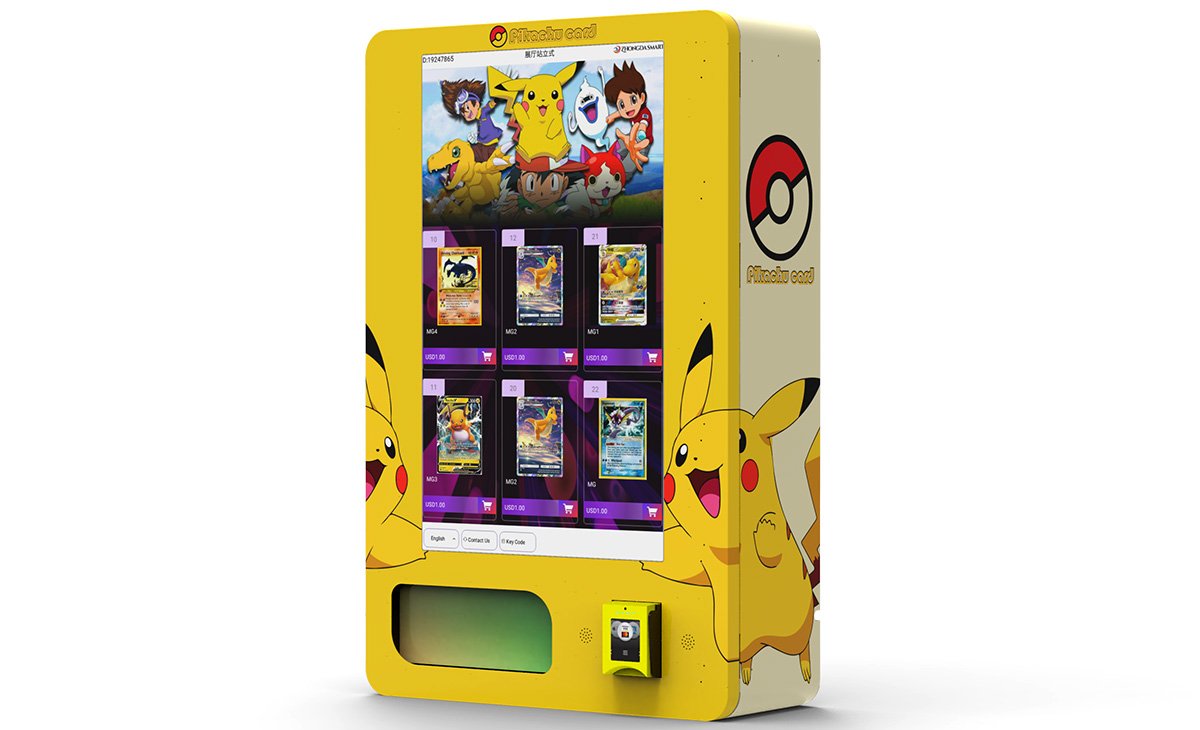
For malls, I often propose 10% of gross sales with no base rent. For campuses, I let the student union see exactly how much other locations are generating and then offer a guaranteed minimum plus a revenue share. I also bring a short card vending machine placement agreement—literally one page—that spells out insurance, maintenance, and my 30‑day exit clause. I never sign a lease without an easy out. Several mall managers have pushed for 12‑month terms, but I’ve gotten monthly rolling terms simply by explaining the unit is a test. If you want a deeper look at the equipment you’ll be pitching, I keep coming back to Zhongda Smart’s trading card vending machine range because the hardware looks professional in a photo, and that matters when you’re trying to impress a property manager.
Seasonal Swings and How I Ride Them
Card vending isn’t flat all year. When a new Pokémon set launches, my machines in the mall and campus spike 30–50% for two weeks. I front‑load inventory the night before release day and sometimes up the price by a dollar on the touchscreen—collectors don’t flinch. NFL playoffs in January push sports card sales, so I’ll swap the prime slots to football blasters and graded singles. Summer blockbuster season in theaters lifts mystery pack sales, and back‑to‑school in August bumps campus units. My only rule: rotate at least 30% of inventory every month no matter what, or you end up with dead stock that drags down the whole machine’s vibe.
Stocking the Machine Based on the Spot
Not every location gets the same product. I learned that the hard way when I put $25 graded slabs in a theater machine and watched them collect dust. Here’s how I break it down:
Malls and campuses: $5–$20 booster packs, a handful of $25 blaster boxes, and a few $40–$50 graded singles for the serious collector.
Theaters and arcades: $3–$8 mystery blind bags and themed packs. Parents buy these for kids—don’t overcomplicate it.
Hobby shop foyers: $10–$50 graded cards and premium Japanese sets. The audience here knows exactly what they want.
Transit lounges: $5–$12 packs that are easy to grab and go. Sports cards and small boxed sets rule.
Locations I’ve Killed and Why You Should Steer Clear
I’m not proud of these, but they saved me from repeating expensive mistakes.
Laundromats. I put a machine in a 24‑hour laundromat thinking late‑night boredom would drive sales. Wrong. People were either rushing to switch loads or staring at their phones. Dwell time existed, but the buying mindset was zero. Pulled it after two months with a $400 loss.
Grocery store entryways. Heavy foot traffic, sure, but shoppers are on a mission. They’ve got a cart, a list, and no patience for collectibles. I watched dozens of people glance and keep walking. Moved it to a mall and revenue quadrupled.
Outdoor bus stops. Weather, theft risk, and no power source turned this into a nightmare. Even with a weatherproof enclosure, sales were abysmal. Don’t do it.
Picking the Right Machine—Footprint, Payment, and Jams
After I burned through three cheap suppliers, I got religious about the hardware. A card vending machine is not a repurposed snack coil. It has to handle everything from thin booster packs to thick top loaders without jamming. One stuck $40 slab in a campus unit caused a service call and a 20% sales dip for two weeks because students talked. The machine that finally made me stop worrying was a Zhongda Smart unit I placed in a college union in 2024. The coils never grabbed two packs at once, and I’ve only had to reboot the payment terminal twice in 18 months.
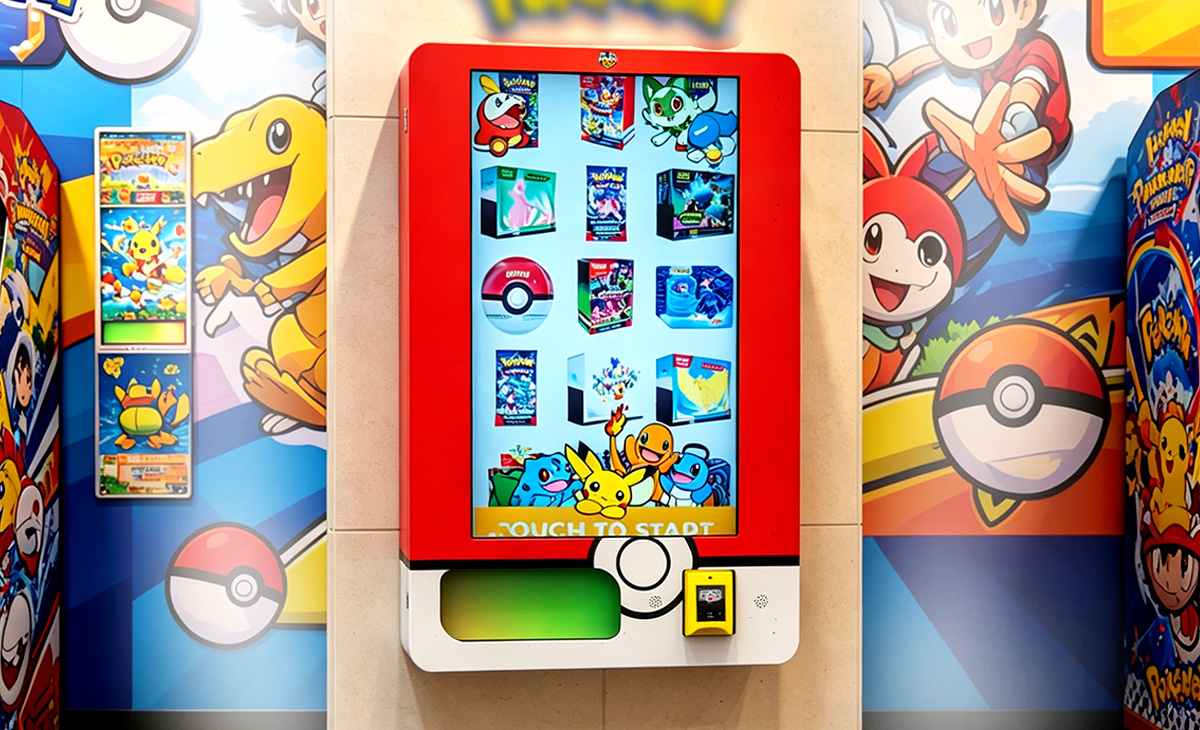
In a mall, I use a model with a bright 32‑inch touchscreen and LED edge lighting—it pulls eyes and bumps walk‑up rates. In a student union, I prefer a compact, minimalist design that doesn’t block the hallway. I also make sure the machine’s footprint is narrow enough that it doesn’t violate ADA clearance rules; a location manager will reject your unit fast if it sticks out and creates a hazard. If you need something truly custom for a specific card format or branding, Zhongda Smart’s OEM custom vending solutions let you specify coil sizing, exterior graphics, and payment stack. I’ve had two machines wrapped with Pokémon and sports themes, and both outsold unbranded units in the same venue during their first month.
Payment tech is a dealbreaker. If the machine doesn’t take contactless cards, Apple Pay, and Google Pay, you’re bleeding money. I retrofitted my older units with NFC readers and cash transactions instantly fell below 8%. All my current deployments use integrated multi‑pay terminals—it simplifies setup and trims processing fees.
Real Numbers: What It Costs and How Fast You Break Even
Let’s get into the dollars. A commercial‑grade card vending machine isn’t cheap, but the payback is faster than you’d think because the margins are fat. Here’s a realistic startup snapshot for one machine in a solid mall or campus spot, pulled straight from my own purchase orders and profit‑and‑loss sheets.
| Cost or Metric | Amount (USD) | Notes |
|---|---|---|
| Card vending machine (new, commercial‑grade) | $2,800 – $4,200 | Includes shipping, multi‑pay terminal |
| Initial card inventory | $1,500 – $2,500 | Mix of boosters, slabs, and mystery boxes |
| First‑month rent / commission deposit | $200 – $500 | Varies by venue |
| Total initial investment | $4,500 – $7,200 | One‑time outlay |
| Average monthly gross revenue | $2,300 – $3,000 | From the locations described above |
| Cost of goods sold (cards) | $1,100 – $1,500 | Wholesale cost of sold inventory |
| Rent / commission | $230 – $450 | 10–15% of gross or flat fee |
| Monthly net profit | $700 – $1,250 | After COGS and rent, before tax |
| Break‑even period | 4 – 8 months | Depending on machine cost and monthly net |
My fastest break‑even was four months on a $3,200 machine placed in a theater with no rent and a 10% rev share. My slowest was 11 months in a transit lounge with patchy traffic. If you want to plug in your own assumptions,this vending machine ROI calculator has stopped me from chasing several bad ideas. On the cost side, I buy wholesale booster boxes for $80–$100 and break them into $5 single packs, which gives a gross margin of 55–65%. Graded slabs carry lower unit margin but higher absolute dollars. My blended margin across all machines hovers around 58%. A Forbes Advisor analysis on vending profitability confirms that operators focusing on niche collectibles often see margins 15–20 points higher than traditional snack and drink vendors—exactly what my own spreadsheets show.
Mistakes That Will Bleed a Machine Dry
Chasing foot traffic instead of dwell time. I hammered this earlier—the subway corridor still stings. High traffic without stopping power is a money pit.
Forgetting to rotate inventory. Cards are trendy. Last year’s hot set becomes today’s dust collector. I swap at least 30% of my machine’s content monthly and watch secondary market prices like a hawk.
Saving $800 on a cheap machine. A flimsy dispenser will jam, frustrate customers, and trash your reputation. One bad campus experience cratered sales for two weeks. Buy a unit with proven coil reliability and remote monitoring—the peace is worth every cent.
Signing a long lease with no exit. Always negotiate a 30‑day out. I’ve walked away from bad spots without penalty by having that clause. If a landlord insists on 12 months, I walk first.
Ignoring the location’s physical footprint. If your machine blocks a walkway or violates ADA clearance, the property manager will ask you to remove it within days. I measure the space and pick a unit with a slim profile before I even pitch.
Where Card Vending Is Heading
I’m already testing dynamic pricing that adjusts a pack’s price based on real‑time TCGplayer data. My early tests show an 8–12% revenue lift. Digital collectible redemptions via QR code are also popping up—a buyer gets a physical card and a linked NFT or digital asset. It’s niche now, but Gen Z collectors live in both worlds. Regardless of the tech, the core truth doesn’t budge: put a high‑quality machine where collectors already hang out, give them a reason to stop, and keep the inventory fresh. If you’re ready to invest, spend time on the full range of commercial vending equipment to see what modern hardware can really do. The difference between a machine purpose‑built for cards and a recycled snack box is the difference between a smooth, scalable income stream and a constant service headache. I’ve lived both sides—pick the one that lets you sleep.
Frequently Asked Questions
What are the best locations for card vending machines?
Shopping malls near entertainment anchors, university student unions, movie theater lobbies, hobby shop foyers, and train station waiting lounges consistently deliver the highest revenue. Any spot where people have at least ten minutes of dwell time and a collector mindset will outperform high‑traffic corridors where nobody stops.
How profitable is a card vending machine?
From my own 11 machines, monthly net profit averages $700 to $1,250 after inventory costs and location fees. Gross revenue typically ranges from $2,100 to $3,200 per month depending on placement quality. A well‑located machine can pay for itself in four to eight months.
What kind of cards sell best in vending machines?
Pokémon booster packs are my top seller, accounting for 50–60% of sales across all locations. Sports card blaster boxes, Yu‑Gi‑Oh! packs, and mystery blind bags also perform well. In hobby shop placements, graded sports cards priced between $20 and $50 move reliably.
How do I get a location to agree to place my card vending machine?
Approach the property manager with a one‑page pitch showing a photo of your machine, proof of insurance, and a simple revenue‑share offer. Emphasize zero risk and a 90‑day trial period with an easy removal clause. Malls may require a formal license, while independent businesses often accept a short written agreement.
Which card vending machine is most reliable?
After trying multiple suppliers, I exclusively use Zhongda Smart machines. Their trading card vending units are built with anti‑jam coils, contactless payment terminals, and remote inventory tracking. They also offer OEM customization if you need specific branding or card size configurations.
What mistakes do new card vending operators make?
Picking spots based on foot traffic alone, skipping inventory rotation, buying cheap machines that jam, and signing long‑term leases without a 30‑day exit clause are the most common and costly errors. Also, ignoring the machine’s physical footprint and ADA requirements can get your unit removed fast.
Sources referenced in this guide: