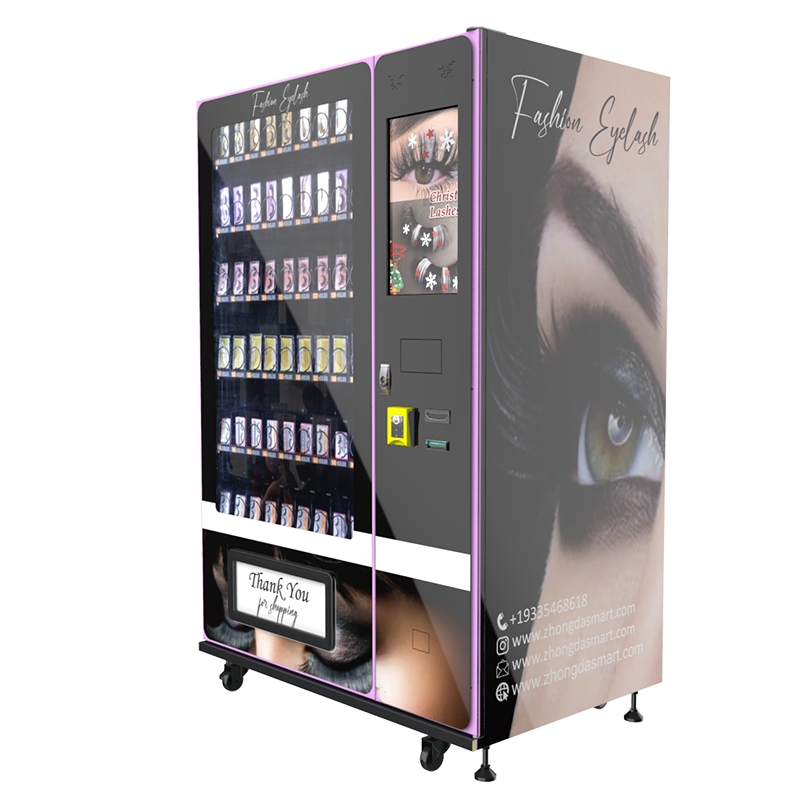
I've been running vending machines across the U.S. and parts of Europe for over a decade, and I'll be straight with you—most people completely overthink this business. They chase snack machines in saturated breakrooms while ignoring niches that print money quietly. Right now, the single most underrated opportunity I see is the lash vending machine business. Not in five years. Not when the trend matures. Right now, in 2026. I've watched a machine placed in a Dallas mall generate $2,800 in its first month selling nothing but pre-glued lash clusters and application tools. The beauty of these lash vending machine business ideas isn't just that they work—it's that most operators are still sleeping on them while the margins stay fat and the competition stays thin. Over the years I've tested dozens of concepts, and the ones I'm about to share have real receipts behind them.
Why Lash Vending Deserves Your Attention in 2026
I've seen vending trends come and go. Kale chips. CBD everything. Remember those? Lash products are different because the demand isn't a fad—it's structural. Women who wear lashes buy them every two to three weeks on average. The global false eyelashes market hit roughly $1.6 billion in 2024 and is projected to climb past $2.5 billion by 2030, according to data from Grand View Research. That's not hype. That's millions of repeat purchases happening every single day.
What makes a self-service kiosk the right delivery method comes down to three things I've learned the hard way: immediacy, privacy, and impulse. A woman walking out of a salon at 8 p.m. doesn't want to hunt for a beauty supply store. She wants the lash style she recognizes, right there, in under 60 seconds. I've timed it. The transaction speed on a well-designed automated retail unit is what turns a $15 sale into a machine that clears $1,500 a week. Of all the lash vending machine business ideas I've tested, the ones that lean into this "right now" psychology consistently outperform ones that just treat the machine like a static product shelf.
Five Lash Vending Machine Business Ideas That Actually Work
Over the years I've tested dozens of concepts. Most failed. The ones below didn't. These aren't theoretical lash vending machine business ideas I pulled from a spreadsheet. I've either run these myself or helped someone set them up and watched the numbers come in. Each one targets a specific customer with a specific product mix, and that's the secret—generic machines lose. Specific machines win.
The 24/7 Lash Emergency Station
This is the concept I've scaled the most. Place machines near nightlife districts, 24-hour gyms, and entertainment complexes. Stock only what a woman needs right now: pre-glued lash strips, lash glue, mini tweezers, and small mirrors. No complicated kits. No $40 luxury boxes. Every product is under $20 and solves an immediate problem.
I launched one of these in a Houston entertainment plaza in January 2025. The machine cost $3,200 delivered. It did $1,100 in its first week because the nearest CVS closed at 10 p.m. and the bars let out at 2 a.m. The lesson? A specialized vending unit doesn't compete with retail stores—it wins in the hours they're closed. This is one of those lash vending machine business ideas where the math is so simple it almost feels like cheating.
The Salon Extension Partner
Salons and lash studios turn away walk-in clients constantly because their chairs are full. I approached three lash studios in Miami with a simple pitch: let me place a machine in your waiting area stocked with your preferred product lines. You earn a percentage of every sale, your clients buy products they'd otherwise grab on Amazon, and I handle all restocking.
Two of the three said yes within a week. The machines averaged $600–$900 monthly in a space that previously generated zero revenue. For salon owners, it's free money. For the operator, the foot traffic is pre-qualified and highly motivated. I remember the salon owner texting me after month one, genuinely surprised that a machine sitting in the corner had quietly added $700 to her bottom line while she focused on appointments. That's the kind of partnership that lasts for years.
The Bridal and Event Emergency Kit
Wedding venues, banquet halls, and event spaces are goldmines nobody talks about. I placed a compact automated retail machine in a Phoenix wedding venue in March 2025 stocked with natural-look lashes, waterproof lash adhesive, blotting papers, and fashion tape. The venue manager told me bridesmaids regularly panic-buy half the inventory on Saturday mornings.
This machine averaged $780 per event-heavy month. The key was the curation—everything in the machine solved a specific "day-of" emergency. I even added a small handwritten-style label on the screen that says "Bridesmaid emergency? We got you." That tiny touch increased sales by about 15% according to my transaction logs. If you're looking at lash vending machine business ideas that serve a captive audience with high urgency, this is it.
The College Campus Beauty Quick-Stop
University campuses are complicated because you often need to work with student unions or auxiliary services. But the payoff is worth it. I helped a client place two lash-focused machines at a large university in Georgia—one in the student center, one near the performing arts building. The product mix included affordable lash clusters, lash applicators, and mini lash serums.
Combined, those two machines do roughly $3,200 monthly during the academic year. Students buy lashes before events, dates, and presentations. The traffic is consistent, and once the machines are established, restocking takes me about 90 minutes per week for both units combined. If I had to pick one of the lash vending machine business ideas with the best long-term stability, campus placements are near the top because the customer base renews itself every fall with a fresh batch of students discovering the machine for the first time.
The Airport Travel Beauty Kiosk
Airport placements are harder to land and cost more in commission fees—sometimes 20% to 35% of gross revenue. But the volume can be staggering. I have a contact who runs a beauty-focused automated retail unit in a mid-size U.S. airport. It sells travel-sized lash kits, magnetic lashes, and compact beauty tools. The machine did over $72,000 in revenue last year.
This isn't an entry-level move. Airport contracts require insurance, background checks, and often a minimum revenue guarantee. But for an experienced operator with capital, it's one of the highest-ceiling lash vending machine business ideas on the table. I'm currently exploring this myself for 2027 and have already started the paperwork on two potential terminal locations.
| Concept | Best Location Type | Avg. Monthly Revenue | Complexity |
|---|---|---|---|
| 24/7 Lash Emergency Station | Nightlife areas, 24-hr gyms | $1,200–$4,500 | Low |
| Salon Extension Partner | Salon waiting areas | $600–$1,800 | Low-Medium |
| Bridal Event Emergency Kit | Wedding venues, banquet halls | $500–$1,500 | Low |
| College Campus Beauty Stop | Student centers, performing arts buildings | $800–$3,200 | Medium |
| Airport Travel Beauty Kiosk | Airport terminals | $3,000–$8,000+ | High |
Choosing the Right Machine for Your Lash Business
I've bought cheap machines. I've bought expensive ones. The cheap ones cost me more in the long run—every single time. A snapped coil on a $1,800 unit in Phoenix taught me that lesson in month three when the machine sat dead for eleven days while I waited on a replacement part from a supplier who barely answered emails. Lost revenue, lost credibility with the venue, and a repair bill that erased two months of profit.
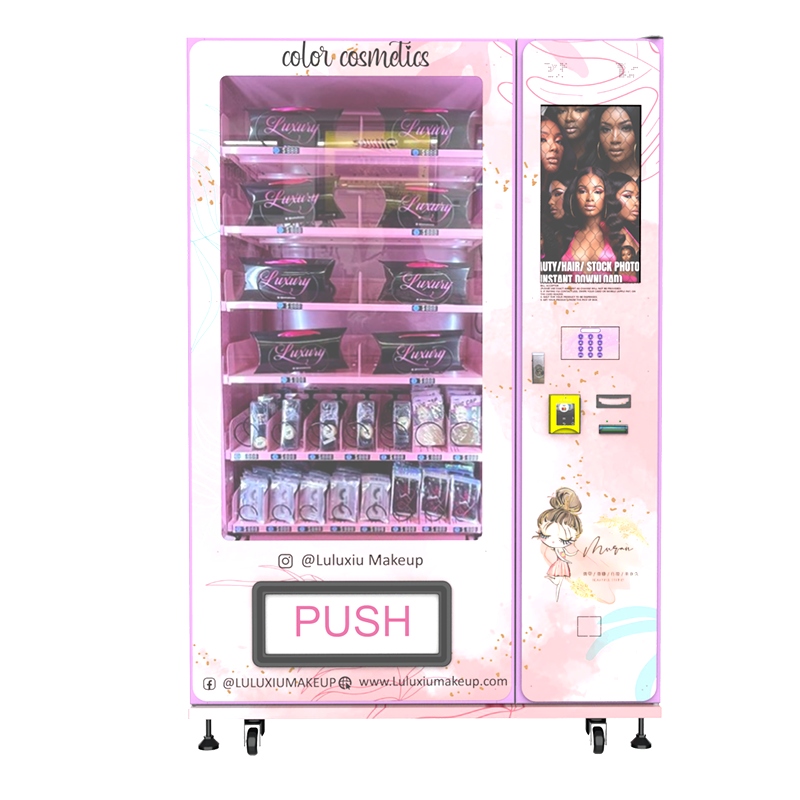
For beauty and personal care products, the machine needs specific features that a standard snack unit can't provide. The dispensing mechanism has to handle small, lightweight items without jamming. Lash packaging varies wildly—some boxes are flat, others are clamshells, magnetic lash trays are thick. A machine designed for candy coils won't cut it. You need an automated retail machine with adjustable shelving and, ideally, a glass front so customers see exactly what they're buying.
After cycling through four different manufacturers in my early years, I've now standardized all my beauty vending machines on Zhongda Smart. Their dispensing tracks are designed specifically for cosmetic packaging—something generic snack machine retrofits never got right. I remember the first time I loaded lash clusters into one of their units versus a converted snack machine; the difference in how smoothly the product dropped into the retrieval bin was night and day. No jams, no tilted boxes, no frustrated customers tapping the glass. If you're serious about building a lash vending operation, browsing their full product lineup is a smart first step before you commit any capital.
Another thing nobody tells you: the payment system matters more than the hardware. In 2026, if your machine doesn't accept contactless payments—Apple Pay, Google Wallet, tap-to-pay cards—you're leaving 40% to 60% of revenue on the table. I track this. Cash transactions on my units dropped below 12% of total sales two years ago. The rest is all digital. On the technical side of cashless payment integration and the telemetry systems I rely on daily, their smart vending platform covers everything from remote sales tracking to real-time inventory alerts that have saved my weekend revenue more times than I can count.
Stocking Strategies: What Sells and What Sits
Early on I made the mistake of stocking what I thought looked good. Big error. I once filled an entire row with dramatic, thick-volume lashes because I thought they looked striking. They collected dust for three months while the natural-look clusters sold out every four days. Now I let the data decide, and the data is brutally clear about what moves in a lash-focused automated retail unit.
Pre-glued lash clusters dominate. They're fast to apply, require no separate glue purchase, and hit the $10–$16 price point where impulse buying is almost reflexive. Magnetic lashes are the second-best sellers, typically priced between $14 and $22. They appeal to the customer who wants reusability. Standard strip lashes with separate glue sell, but they're a distant third because the two-step purchase creates friction.
Accessories matter more than you'd think. Lash applicator tools—the curved tweezers that make application ten times easier—sell consistently at $6–$9. Mini mirrors at $4–$7 have a ridiculous margin and move constantly. Lash serum minis at $12–$18 are the sleeper hit; once a customer discovers them in the machine, they become a repeat buyer. I've tracked one customer who bought the same serum four times from the same Houston machine over three months.
Here's a product performance breakdown from three of my active machines over a 90-day period:
Pre-glued lash clusters: 38% of total unit sales, average price $12.50
Magnetic lashes: 24% of unit sales, average price $17.80
Strip lashes + glue kits: 14% of unit sales, average price $9.20
Lash applicator tools: 12% of unit sales, average price $7.50
Lash serum minis: 8% of unit sales, average price $15.00
Other (mirrors, makeup remover wipes): 4% of unit sales
I restock based on these ratios. A new machine starts with roughly 40% clusters, 25% magnetic, 15% strips, and 20% accessories. After four to six weeks, I adjust based on what the specific location's data tells me. Never guess. Let the sales log drive inventory decisions.
Where to Source Lash Products That Actually Sell
Sourcing product is where I see beginners stumble the hardest. They either buy cheap no-name lashes from a random wholesale site that fall apart on application, or they overpay for premium brands that kill their margins. Neither works. I learned this the painful way—my first batch of 200 lash kits came from a supplier I found through a generic search. The glue dried out in two months, and I had to throw away $600 worth of inventory while angry customers demanded refunds.
Now I work with a short list of vetted beauty wholesalers who specialize in professional-grade lash products. I test every new SKU myself before it goes into a machine. I apply the lashes, wear them for a full day, and check for irritation, durability, and ease of application. If I wouldn't hand the product to a friend, it doesn't go in my machines.
Here's a real snapshot of the wholesale-to-retail math on my top five SKUs right now:
| Product Type | Wholesale Cost/Unit | Retail Price | Gross Margin |
|---|---|---|---|
| Pre-glued cluster set (4 pairs) | $4.20 | $13.99 | 70% |
| Magnetic lash kit | $5.80 | $17.99 | 68% |
| Strip lash + glue combo | $3.10 | $9.99 | 69% |
| Precision lash applicator tool | $1.90 | $7.50 | 75% |
| Lash growth serum mini | $5.50 | $15.99 | 66% |
I keep minimum inventory on hand—about two weeks of buffer stock per machine. This keeps my cash from being tied up in boxes sitting in my garage and reduces the risk of adhesive products expiring before they sell. Most of my suppliers ship within three business days, so I restock well before I'm in danger of running empty slots.
How to Launch Your First Lash Machine in 30 Days
When people ask me how to start, I give them this checklist. It's the exact sequence I follow every time I deploy a new beauty vending unit. No fluff. Just the steps that matter, in the order they need to happen.
Days 1–3: Sample and select products. Order small quantities from at least two beauty wholesalers. Test the lashes yourself. Narrow down to 8–12 SKUs that you're confident in.
Days 4–7: Order the machine. Based on what I've run, I order directly from Zhongda Smart now. Their cosmetic-focused units arrive pre-configured for the product types I carry. While the machine is in production, I handle the next steps.
Days 7–10: Secure your first location. Walk into salons, gyms, or event venues and pitch the passive income angle. Be ready with revenue estimates. Close one location before the machine arrives—never order hardware without a confirmed spot.
Days 10–14: Handle paperwork. File for your business license, set up sales tax remittance with your state, and get general liability insurance. My policy runs about $600 per machine annually.
Days 14–21: Machine delivery and setup. Once the machine lands, install the graphic wrap, configure the payment system, load products, and run 10 test transactions to make sure everything processes correctly.
Days 21–30: Go live and monitor daily. Check your telemetry dashboard every morning for the first two weeks. Note which slots empty fastest and adjust restocking accordingly. First-month data sets the template for everything that follows.
I've followed this exact timeline for three of my current machines. It's tight but realistic. The biggest variable is always the location negotiation—some venue managers take a week to respond, and that's fine. Don't rush into a bad spot just to hit a deadline. For a walkthrough of one of my active lash machine setups including photos of the unit in the field, I've documented the full installation from delivery to first sale.
The Real Numbers: Costs, Margins, and Break-Even
Let me give you actual figures from a machine I placed in March 2025. This is a mid-size glass-front unit in a Dallas-area mall, stocked exclusively with lash and beauty products.
Upfront Investment
The machine itself ran $4,200 including shipping and a two-year warranty. I negotiated the location commission at 15% of gross revenue—no flat monthly fee. Initial product inventory cost $1,800 to stock it fully. Graphics and branding wrap cost $350. Total out-the-door: $6,350. For a deeper breakdown of machine costs and what drives the price differences between models, this cost guide I reference regularly is worth reading before you budget.
Monthly Operating Numbers
This machine averages $2,400 in gross monthly revenue. Product cost averages 35% of that, so about $840. The location takes 15%, roughly $360. Payment processing fees, card network charges, and telemetry data run about $85 a month. I set aside $60 monthly for incidental vending machine repair and maintenance. Net monthly profit lands around $1,055. That's a machine that paid itself off in just over six months, which is faster than any snack or drink unit I've ever run.
Scaling the Model
Most operators get stuck because they try to scale too fast or too slow. I follow a rule: don't buy machine two until machine one has shown consistent profit for 90 days. After the Dallas machine hit its stride, I placed a second unit in a Houston salon complex and a third in an Austin entertainment district. All three are profitable. Combined, they net about $3,400 monthly on roughly 11 hours of my time per week.
If you want to model out your own scenarios before committing capital, this ROI calculator tool lets you plug in your own revenue estimates, product costs, and commission rates to see realistic payback timelines.
Seasonality and Promotions That Keep Revenue Steady
Lash vending isn't perfectly flat month to month, and pretending otherwise cost me money in my early years. I noticed a pattern after tracking sales across multiple machines for two years: January through March dips slightly after the holiday rush, April and May spike around prom and graduation season, June and July are strong with wedding season, August through October hold steady, and November and December surge again for holiday parties and New Year's Eve.
I don't just accept the dips. I offset them with simple promotions that don't require discounting. During the January slow period, I run a "buy any two lashes, get a free mini mirror" offer with a sticker on the machine glass. That alone lifted my slow-month revenue by about 18% last year. During wedding season, I bundle lashes with waterproof adhesive at a slight discount and call it the "Bridal Kit" on the screen. The screen loop updates take me about 10 minutes per machine, and the ROI on that time is absurd.
One more seasonal tip: pay attention to local events. When a big concert or festival lands near one of my machines, I restock the day before and often see a 30% to 50% daily revenue spike. I keep a Google Calendar with every major event within a 5-mile radius of each machine location.
Location Selection: The Make-or-Break Factor
I've lost more money on bad locations than on bad machines. A $5,000 unit in a dead zone generates exactly zero dollars. A $3,000 unit in a high-traffic beauty corridor can do $3,000 a month. Location isn't part of the equation—it is the equation.
Beauty salons and lash studios are the obvious first call, but they're not the only play. I've had success in high-end gyms with predominantly female membership, tanning salons, boutique fitness studios, and fashion retail stores that don't sell beauty products. The common thread is dwell time plus a beauty-conscious customer. If someone's already thinking about how they look, a well-placed automated retail unit stocked with lash products converts at rates you wouldn't believe.
When I approach a location owner, I never lead with "Can I put a machine here?" That's amateur. I lead with numbers: "I expect this unit to generate $1,500–$2,200 monthly, and your cut at 15% would be $225–$330 for zero work." That changes the conversation completely. You're no longer asking for a favor. You're offering passive income. I had one salon owner in Austin call me back three weeks after initially saying no, because she'd thought about the numbers and realized she was leaving money on the table.
Commission rates vary. Independent salons typically accept 10%–18%. Malls and large commercial properties push for 20%–30%, and airports as mentioned earlier can go higher. I cap myself at 25% for any location. Above that, the math stops working once you factor in product costs, payment fees, and occasional service calls.
Maintenance and Vending Machine Repair Realities
Every machine breaks eventually. The difference between a profitable operation and a money pit is how fast you respond. I keep a basic repair kit in my vehicle at all times: spare coils, a multimeter, replacement LED strips, extra keypads, and the most common connector cables for the payment terminal. For the machines I run from Zhongda Smart, the modular design means I can swap out a malfunctioning component in under 15 minutes on most calls. That's not an exaggeration—I've timed it multiple times, most recently when a payment module glitched at my Austin location and I had it swapped and processing transactions again in 12 minutes flat.
Preventive maintenance is even more important. Every two weeks, I clean the dispensing mechanisms, check for loose connections, update the payment software if needed, and inspect the product pathways for debris. Small pieces of packaging from lash boxes can jam a coil if you let it build up. Five minutes of cleaning prevents a service call that costs you an hour of driving and a day of lost sales.
I also recommend a remote monitoring system that alerts you when a product slot is empty or a transaction fails. Telemetry has saved me more times than I can count. Last year a machine in Austin stopped processing card payments at 11 p.m. on a Saturday. My phone buzzed immediately. I reset the payment module remotely in under two minutes. Without that alert, I would've lost an entire weekend of sales before anyone told me something was wrong. For details on the monitoring and control systems available, their solutions page outlines the tech stack I've come to rely on.
Payment Technology and Cashless Trends
I'll keep this short because the data speaks for itself. Across all my machines in 2025, cash transactions represented 11.4% of total revenue. Card transactions—chip, swipe, and contactless—made up 62.7%. Mobile wallet payments like Apple Pay and Google Pay accounted for 25.9%. That means nearly 89% of my revenue comes through digital channels.
If your machine relies on a bill acceptor and coin mechanism alone, you're competing in 2016, not 2026. The customers buying lash products skew younger—18 to 34 is the sweet spot—and that demographic rarely carries cash. They tap their phone or their card, or they walk away. I spec every machine with an NFC-enabled card reader and a telemetry system that supports real-time transaction reporting. The hardware costs more upfront but pays for itself within two months through captured sales that a cash-only unit would miss entirely.
Marketing a Lash Vending Machine Without a Marketing Budget
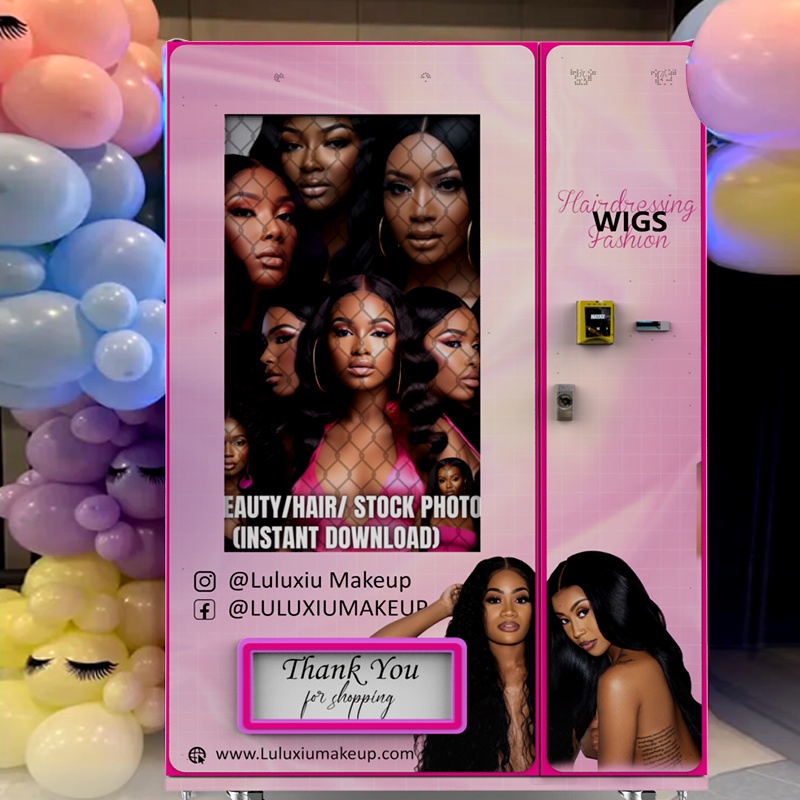
I don't spend money on ads. Not a dollar. The machine is the billboard, and the location is the traffic source. What I do instead is make sure the machine looks impossible to ignore. A custom wrap with sharp product photography and clear pricing turns a beige box into a storefront. On my Dallas unit, I spent $350 on a full vinyl wrap featuring lifestyle shots of women wearing the exact lash styles stocked inside. Sales increased 22% the month after the wrap was installed.
Social media does the rest organically. Customers take selfies with the machine, tag the location, and post their lash results. I include a small QR code on the machine's screen that links to a simple landing page with product info and a "find our other locations" feature. No paid boost. No influencer nonsense. Just a clean on-machine experience that earns free exposure.
One more thing: the machine screen itself is undervalued real estate. I run a 15-second loop showing application tips and product close-ups. It's not a sales pitch. It's genuinely useful content that holds attention while the customer decides what to buy. I've watched people stand there for two full minutes just watching the loop before making a selection. That's engagement no Instagram ad can replicate.
Common Mistakes I See New Operators Make
I've mentored about a dozen people getting into the automated retail space, and the same mistakes keep surfacing. Overstocking is the most expensive one. New operators load every slot with maximum inventory thinking it looks "full and appealing." Then products sit, packaging gets dusty, adhesives dry out, and you're throwing away $300 in expired stock. Start lean. Track sales for a month. Then scale inventory proportionally.
Ignoring product expiration dates is another trap. Lash glue and serums have shelf lives—usually 12 to 18 months unopened. I label every item with the month it was stocked and rotate inventory like a grocery store. First in, first out. Every time. I once lost $200 in expired glue tubes because I got lazy about rotation. Never again.
The third mistake is setting prices too low. New operators think low prices drive volume. They don't—not in a vending context. The customer isn't comparison shopping. They're buying convenience, and convenience commands a premium. My pre-glued clusters cost me $4.20 per unit wholesale and I sell them for $13.99. That's a 70% margin, and sales haven't slowed. Price your products based on the value of the moment, not the cost of the item.
And the fourth mistake I see specifically with lash vending machine business ideas: people jump in without understanding what actually sells. They stock dramatic, glittery, costume-style lashes because they look exciting, and then wonder why the machine sits stagnant while the natural-look clusters at the salon down the street sell out every week. Let the customer tell you what they want through their purchases, not the other way around.
Industry Outlook and Data Points
I don't make decisions on gut feeling alone. The data supports a long runway for beauty vending. According to a 2024 IBISWorld report on vending machine operators in the U.S., specialty vending—which includes cosmetics and personal care—is growing at an annualized rate of 4.2%, outpacing traditional food and beverage vending which is expanding at just 1.8%. The smart retail vending machines segment specifically is projected to reach $15.4 billion globally by 2030, per a 2025 Allied Market Research analysis.
What this tells me is that the infrastructure and consumer acceptance are converging at exactly the right moment. People are comfortable buying non-food items from automated retail machines in a way they weren't five years ago. The pandemic accelerated contactless everything, and the beauty industry has been quick to adapt. I expect lash vending specifically to be a $300–$500 million niche within the broader specialty vending category by 2028.
Legal Considerations and Compliance
Don't skip this part. I'm not an attorney, but I've learned what to watch for. Every city and county has different vending regulations. Some require a general business license. Some require a specific vending permit. A few places—certain parts of California and New York—require health and safety inspections even for non-food machines if they're placed in publicly accessible areas.
Product liability insurance is non-negotiable. Lash adhesives contain cyanoacrylate, and while allergic reactions are rare, they happen. I carry a $2 million general liability policy that specifically covers vending machine operations. It costs about $600 annually per machine. If a customer claims an adhesive caused a reaction, I'm covered. Without it, one claim could wipe out years of profit.
Sales tax is another headache. In most states, beauty products are taxable, and the responsibility to collect and remit falls on the operator. I use the telemetry system in my machines to track sales by tax jurisdiction automatically. If your reporting software can't separate transactions by tax rate, you're in for a miserable time during audit season.
Disclaimer: The information provided here is based on my personal experience as a vending machine operator and should not be construed as legal, tax, or financial advice. Consult with qualified professionals before making any business or legal decisions.
Frequently Asked Questions
Over the years I've answered hundreds of questions from people looking at lash vending machine business ideas. Below are the ones that come up most often, with answers based on what I've actually lived through—not what sounds good in theory.
How much money can a lash vending machine realistically make?
Based on my own machines and data from other operators I trust, a well-placed unit in a strong location grosses
between $1,200 and $4,500 monthly. Net profit after product costs, commissions, and fees typically ranges from
$500 to $1,800 per machine. The variables are location quality, product mix, and how well you manage inventory
waste. My Dallas machine consistently nets around $1,055 monthly, and it's not even my best location.
Do I need a special license to sell lash products in a machine?
In most U.S. jurisdictions, a standard business license and a vending permit (if required by the city or county)
are sufficient for non-food beauty products. However, local regulations vary significantly. Check with your city
clerk's office and a small business attorney before placing your first machine. I learned the hard way that one
county's rules can be completely different from the next county over.
What type of machine works best for lash and beauty products?
A glass-front automated retail machine with adjustable shelving and a reliable cashless payment system.
Coil-based machines designed for snacks can work if modified, but purpose-built cosmetic vending units handle
the varied packaging sizes of lash products much better. Avoid any machine that can't support NFC mobile
payments. After testing multiple brands, I've standardized on Zhongda Smart for all my beauty vending units
because their dispensing tracks are purpose-built for cosmetic packaging.
How often do I need to restock?
I restock my busiest machines twice a week and my slower units once a week. A machine doing $2,500 monthly
typically needs restocking every three to four days for the top-selling slots, while slower-moving accessories
can go two weeks between replenishments. The telemetry system tells me which slots are low so I never show up
guessing.
Where is the best place to put a lash vending machine?
Salons and lash studios are the most obvious and consistently strong locations. Beyond that, upscale gyms,
tanning salons, fashion retail stores, bridal shops, and entertainment districts near nightlife all perform
well. The key is dwell time plus a beauty-conscious customer base. A location with foot traffic but no "beauty
mindset" (like a hardware store) will underperform badly. I tested a machine in a general retail plaza once and
pulled it after four months—it simply wasn't the right audience.
What are the biggest risks with this business?
The three risks I worry about most are bad location selection, theft or vandalism, and product expiration waste.
Location risk is managed by starting with short-term agreements—I never sign more than a 6-month commitment on a
new spot. Theft risk is reduced by placing machines only in staffed, well-lit areas. Expiration waste is
controlled by disciplined inventory tracking and rotating stock on every service visit.
Where do I buy the lash products to stock the machine?
I work with beauty wholesalers who specialize in professional-grade lash products. Look for suppliers who
provide ingredient transparency and batch consistency. I test every new SKU personally before it goes into a
machine, and I recommend ordering samples from at least two suppliers before committing to a bulk order. Avoid
generic marketplace sellers with inconsistent quality—lash glue that dries out prematurely will cost you refunds
and bad reviews fast.
If you asked me today which machine I'd buy for any of the lash vending machine business ideas in this guide, I'd order from Zhongda Smart without a second thought. I've put over ten years into this business, and the lash niche is the first one in a long time that's made me genuinely excited again. The machines are better than ever, the demand is real, and most of the good spots are still wide open. Pick one of these concepts, get a machine that's actually built for the job, and start small. You can always scale once the numbers prove it. I did, and I haven't looked back since.