What Is a Wall-Mounted Vending Machine and How Does It Work?
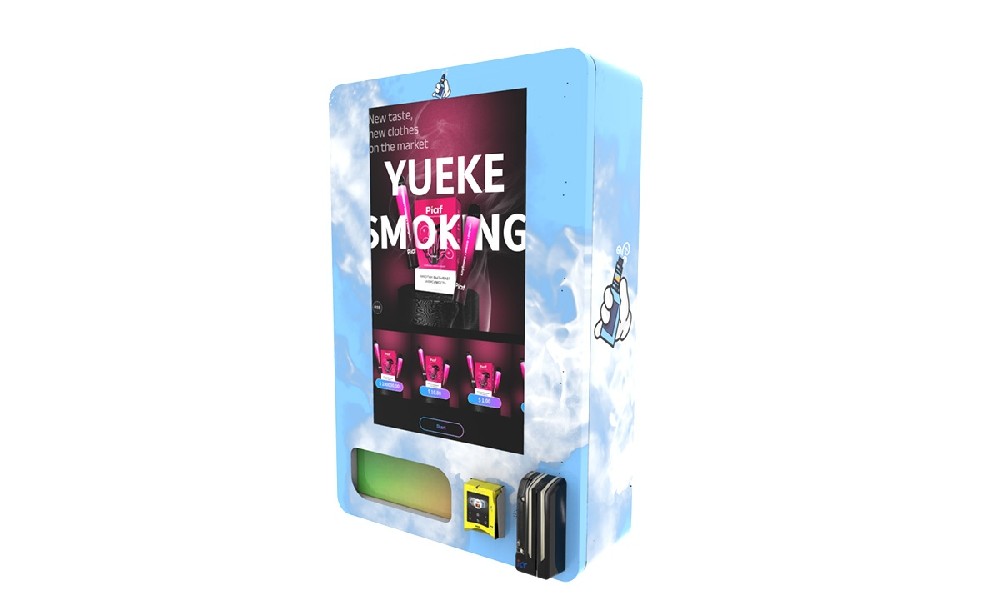
After a decade of running vending routes in tight urban corridors, I can tell you exactly what a wall-mounted vending machine is: it’s a compact retail unit engineered to bolt directly onto a structural wall instead of hogging floor space. Think of it as a slim, high-tech pantry that hangs like a large flat-screen TV, dispensing anything from energy bars to phone chargers at the tap of a screen. The way it works combines a straightforward motorized delivery system with modern payment technology—someone walks up, chooses a product on a touchscreen or keypad, pays with a card or phone, and a coil or elevator drops the item into a pickup bay. The real magic isn't some radical new invention; it’s how much revenue you can pack into 14 inches of depth. If you’ve been ignoring wall-mounted units because you thought they were just “mini” machines, you’re leaving money on the table.
What Exactly Is a Wall-Mounted Vending Machine?
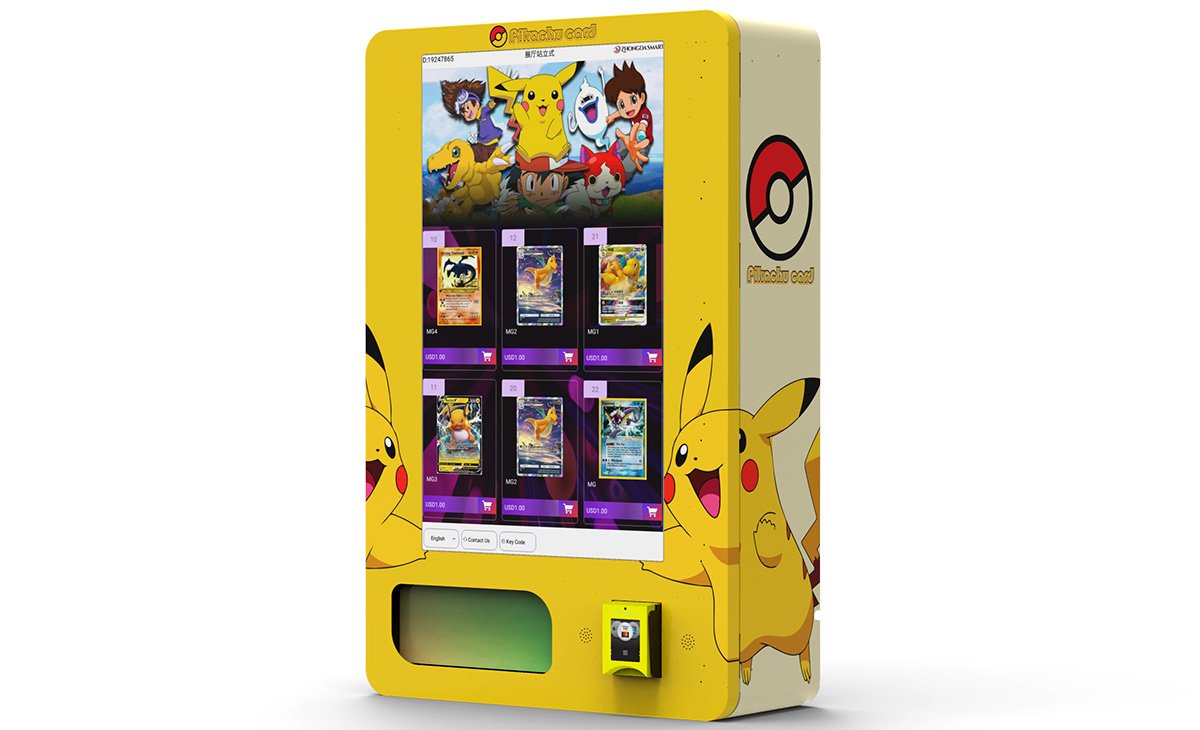
A wall-mounted vending machine is any automated retail terminal designed to be affixed to a vertical surface rather than resting on the floor. Unlike bulky freestanding towers that demand 10 to 15 square feet of dedicated space, these machines protrude anywhere from 8 to 16 inches from the wall. They typically measure between 24 and 48 inches wide and weigh under 400 pounds—light enough that two people can hang them using a standard mounting bracket and lag bolts into studs or concrete anchors.
I’ve installed these in converted broom closets, narrow hallways, and even elevator lobbies where a traditional floor model simply wouldn’t fit. The product range has exploded over the past five years. You can now find wall-mount units that vend chilled beverages, fresh food, frozen items, electronics, PPE, and even beauty products. The common thread is vertical inventory storage: products sit in trays or on spiral coils stacked upward, making efficient use of vertical height while keeping the machine’s depth razor-thin.
Manufacturers like Zhongda Smart have refined the category considerably. Their wall-mounted platforms borrow engineering from full-size smart vending machines—telemetry-enabled controllers, multi-zone cooling, and adjustable shelving—but package it into a frame that essentially replaces a wall cabinet. If you’ve ever used a wall-hung snack machine in a coworking space or a compact makeup dispenser in an airport restroom, you’ve interacted with exactly this type of equipment.
How Does a Wall-Mounted Vending Machine Work?
From the user’s perspective, a wall-mounted vending machine works almost identically to a standard floor unit. But the internal engineering has a few distinct differences worth understanding, especially if you’re going to operate or maintain one.
The Payment and Selection Flow
A customer approaches, browses the illuminated product display, and taps a selection. Nearly all modern wall-mounted machines come standard with cashless payment terminals—NFC readers for Apple Pay and Google Wallet, EMV chip-and-PIN card slots, and QR-code scanners for app-based wallets. I’ve seen cash acceptance disappear rapidly; most operators now run entirely cashless on wall-mount units because it eliminates coin jams and reduces the physical hardware footprint inside an already small cabinet.
Once payment is authorized, the main controller board sends a signal to the corresponding motor or conveyor. The entire transaction from tap to drop usually takes under four seconds.
Internal Dispensing Mechanism
Behind the glass, most wall-mounted models rely on a spiral coil system. Each coil is a metal helix that rotates exactly 360 degrees when activated, pushing the frontmost product off the shelf. It falls into a collection bin accessible through a flap at the bottom. Some higher-end units—particularly those selling fragile items or bottles—use an elevator tray or XY robotic pickup. The elevator gently retrieves the product and brings it to the customer without a drop, virtually eliminating damage.
One thing I’ve learned the hard way: coil pitch matters enormously. If you’re selling potato chip bags, you need a wider coil pitch than for slim energy bars. The best manufacturers, including Zhongda Smart, offer adjustable coils and interchangeable trays so you aren’t locked into one product format. Their ZD Vending series showcases exactly this kind of modular internal layout.
Inventory Management and Telemetry
Every wall-mounted unit I deploy today connects to a cloud platform via 4G or Wi-Fi. This telemetry system tracks real-time sales, monitors stock levels, and pushes low-inventory alerts to my phone. I don’t visit a machine unless I know exactly what it needs. The software also logs door openings, temperature fluctuations, and cash box events. For a multi-location operation, this remote visibility cuts labor costs by at least 30% compared to running routes blind.
These systems often integrate with standard vending management software (VMS) so you can generate profit-and-loss statements per machine, per location. If you’re evaluating a wall-mounted vending machine, insist on open API telemetry. Closed, proprietary systems will handcuff you down the line.
Key Features That Make Wall-Mounted Machines a Smart Investment
Over the years, I’ve identified a handful of features that separate a profitable wall-mounted machine from a dust collector:
Minimal footprint: The obvious one. You’re looking at 1.5–2.5 sq ft of floor contact versus 10+ for a full-size snack machine. This opens up locations that were previously off-limits.
Tool-less product trays: Trays that slide out without screwdrivers make restocking a 10-minute job. Look for tray guides on ball bearings.
Multi-temperature zones: Some wall-hung machines can simultaneously refrigerate drinks on the bottom shelf and keep snacks ambient up top. This dual-zone capability doubles your product categories in a single SKU.
Digital signage screens: A 21.5-inch or larger LCD not only shows product images but also generates ad revenue or upsells through dynamic pricing at different times of day.
Sealed compressor: Wall-mounted units with integrated cooling often use a compact sealed compressor that’s quieter and more energy-efficient than legacy cube coolers. Energy consumption can run as low as 2.5 kWh per day.
Vandal-resistant mounting: A good bracket system hides all mounting hardware inside the cabinet. Once locked, the machine becomes part of the wall.
Ideal Locations and Use Cases
The single biggest mistake newcomers make with a wall-mounted vending machine is treating it like a miniature snack box. These things thrive where traditional machines can't even get through the door. I’ve placed them successfully in:
Office break rooms: Especially in co-working spaces or startup floors under 500 sq ft. A wall unit next to the coffee machine stocked with premium snacks, protein bars, and cold brew cans consistently moves 8–12 units per day.
Apartment and condo common areas: Laundry rooms, fitness centers, and mail rooms. One property management client installed a wall-mounted unit with laundry pods, fabric softener, and snacks—grossing over $700 a month at 35% margin.
Hotel hallways and gyms: Compact enough for corridor alcoves. I’ve seen units selling earbuds, chargers, and travel toiletries achieve an average transaction value of $14, nearly triple that of a snack machine.
Hospitals and medical centers: Staff lounges and visitor waiting areas. Wall-mounted machines that vend PPE, hand sanitizer, and healthy refreshments have become permanent fixtures post-pandemic.
Educational campuses: Dormitory common rooms and library break areas where floor space is at a premium.
Industrial facilities: Safety gear, gloves, and hydration drinks along production lines.
What ties all these together is captive foot traffic and limited space. When both are true, a wall-mounted unit almost always outperforms its cost on a per-square-foot basis.
Wall-Mounted vs. Freestanding Vending Machines: At a Glance
I’ve run both types side by side in the same building to see which pulls better numbers. The table below summarizes what I’ve measured across 50+ locations:
| Feature | Wall-Mounted Vending Machine | Freestanding Vending Machine |
|---|---|---|
| Floor Space Required | 1.5 – 2.5 sq ft | 8 – 15 sq ft |
| Typical Depth | 8 – 16 inches | 30 – 35 inches |
| Product Capacity | 150 – 350 items | 400 – 1,200+ items |
| Average Unit Cost | $1,800 – $6,500 | $3,500 – $14,000 |
| Installation Complexity | Wall anchors, 2-person job | Floor leveling, power access |
| Cashless Payment Uptake | 95%+ on newer models | Varies widely |
| Restocking Frequency | 2–3 times per week | 1–2 times per week |
| Best For | Niche, space-constrained, high-margin | High-volume, wide product range |
One is not universally better than the other. But for many of the locations I service today, a wall-mounted vending machine delivers a higher return per square foot simply because the real estate cost is nearly zero—the wall was already there.
Costs, Revenue Potential, and ROI
Let’s talk numbers. I won’t sugarcoat it: a wall-mounted unit has a narrower revenue ceiling than a full-size bank of machines, but the breakeven is also shorter.
Entry-level wall-mounted snack machines from reliable Asian manufacturers start around $1,800 FOB, while a premium dual-temperature unit with a 21.5-inch touchscreen and telemetry runs between $4,200 and $6,500 shipped. If you’re sourcing through an OEM partner like Zhongda Smart, you can often configure exactly the tray layout, payment system, and branding you want without paying for features you won’t use. Their online ROI calculator gives you a grounded estimate based on your product mix and location foot traffic.
On the revenue side, my average wall-mounted machine in a white-collar office generates between $380 and $620 in gross monthly sales. Margins after product cost, payment processing fees (typically 2.9% + $0.10 per tap), and cellular connectivity ($5–$10/month) hover around 38% to 45%. That puts monthly net contribution in the $150–$280 range per machine. With a $4,000 unit cost, payback lands between 14 and 18 months.
Location dictates everything. A unit in a 200-employee tech office might do $700/month, while one in a 40-unit apartment laundry room sits at $250. The key is to place multiple smaller machines rather than one giant one. I’d rather own five wall-mounted units spread across five buildings than a single freestanding machine in one cafeteria—the diversified location risk is lower, and the cumulative footprint is still smaller.
A recent Grand View Research report valued the global vending machine market at $18.28 billion in 2023, with a projected 7.5% compound annual growth rate through 2030. The compact and smart machine segments—exactly where wall-mounted units sit—are growing even faster, driven by demand in micro-markets and grab-and-go retail.
What to Look for in a Wall-Mounted Unit (And Why I Lean on Zhongda Smart)
After cycling through five different manufacturers on three continents, I’ve settled on a checklist that saves me from expensive mistakes:
Mounting system design: It must include a heavy-gauge steel backplate with pre-drilled slots that match standard 16-inch wall studs. Anything less and you’ll be welding custom brackets.
Modular product trays: A tray that can switch from coils to push-pull dividers in under a minute pays for itself the first time you change product mix.
Compressor accessibility: If the cooling unit fails, can you replace it without removing the machine from the wall? Hinged lower panels and slide-out compressor trays are non-negotiable.
Open platform telematics: The machine should support MDB/DEX protocol so it talks to any VMS. I’ve walked away from deals where the firmware was locked to one app.
Energy consumption: Look for a unit that draws under 3.5 amps at 110V, ideally with an Energy Star-rated compressor. Your utility bill will thank you.
Real warranty support: A 12-month warranty is standard; a 24-month warranty with remote diagnostics support is where I set my bar.
For the machines I personally operate, I’ve partnered with Zhongda Smart for the past four years. Their wall-mounted platform hits every point on my checklist and then some. They offer 21.5-inch touchscreens with custom UI, MDB-compliant payment systems, and dual-zone cooling as standard on their mid-range models. I’ve found their factory communication transparent, and spare parts arrive within a week for all common components. If you’re evaluating a wall-mounted vending machine supplier, browse their product catalog—it’s one of the few that doesn’t make me dig for specs.
Installation and Maintenance: Keep It Running Smoothly
Installing a wall-mounted machine is deceptively simple, but a few details will haunt you if ignored. First, verify the wall can bear at least 500 pounds of static load. I use a stud finder and mark four to six lag bolt points. Concrete or brick walls require sleeve anchors and a hammer drill. Many machines ship with a paper mounting template; tape it up, level it, drill, and hang the bracket. Two people can lift the cabinet onto the bracket and secure the locking bolts in under 20 minutes.
Electrical requirements are basic: a dedicated 110V outlet within 6 feet, preferably on a surge protector. Avoid GFCI outlets for refrigerated units—nuisance tripping will spoil your product and your reputation.
Maintenance is where you win or lose. I follow a 90-day preventive schedule: clean the condenser coil with compressed air, check door gasket seals, test coin mech and bill validator (if present), and confirm all coil motors cycle correctly. Software updates usually push over the air, so I verify the cellular signal strength monthly. A machine that drops connection won’t report sales, and that kills restock efficiency.
One trick I’ve adopted: keep a backup touchscreen and control board in inventory. These two parts account for 80% of failures I’ve seen. Swapping a control board takes ten minutes and avoids a four-day service gap.
For more detailed technical guidance and real-world case studies, I often refer to the installation documentation and solution briefs available on the Zhongda Smart site—they’ve documented common pitfalls better than any manual I’ve received elsewhere.
Where the Industry Is Headed
The shift toward compact, automated retail is accelerating. Fortune Business Insights projects the smart vending segment to grow at over 15% CAGR through the decade, and I see wall-mounted units capturing a disproportionate share of this because they fit the urban density model perfectly. AI-driven dynamic pricing, facial-recognition age verification for age-restricted products, and integrated loyalty programs are already rolling out on mid-range machines—not just five-figure flagship models.
Sustainability is also entering the conversation. Compressor designs are moving to R290 refrigerant, which has a global warming potential near zero. LED lighting, energy-sipping standby modes, and recyclable aluminum bodies are becoming baseline expectations.
For operators willing to think small (in footprint) and act big (in technology adoption), this category offers some of the best risk-adjusted returns in automated retail. Don’t overlook a wall-mounted vending machine just because it looks unassuming. It’s often the quietest machine on the route that prints the steadiest profit.
Frequently Asked Questions
Can a wall-mounted vending machine sell both cold drinks and room-temperature snacks at the same time?
Yes, many dual-zone models do this. They use insulated divider panels and separate compressor circuits to keep one section chilled while the other remains at ambient temperature. I recommend confirming the spec sheet lists “dual temperature zone” explicitly—don’t assume it’s included.
Do I need a special permit or license to install one?
Generally no, but local regulations vary. You typically need the property owner’s written consent, a standard business license if you’re operating commercially, and, for food items, compliance with local health codes. The unit itself rarely requires a permit beyond basic electrical safety standards.
How much does a wall-mounted vending machine weigh, and can any wall support it?
Empty weight ranges from 220 to 380 pounds depending on size and cooling components. A standard structural wall with wood studs or concrete can support this load with proper anchors. Partition walls or drywall alone will not suffice—you must bolt into studs or use toggles rated for shear load, never plastic anchors.
What products sell best in a compact wall-mounted machine?
High-margin, impulse-driven items work best: protein bars, energy drinks, packaged baked goods, phone accessories, and personal care items. I avoid anything that spoils quickly or requires complex handling. The product diameter should ideally stay under 3 inches to fit standard coils.
How long does it take to restock a wall-mounted vending machine?
An experienced operator can restock a 30-tray unit in 8 to 12 minutes. The slide-out tray design common on modern machines makes it much faster than older models where you had to reach behind the glass.
Are wall-mounted machines suitable for outdoor use?
Only if rated IP54 or higher and explicitly listed for outdoor installation. Most standard wall-mounted units are designed for indoor, climate-controlled environments. Outdoor installations require weather-sealed enclosures, sunshades, and wider operating temperature tolerance.
Previous article:Wall-Mounted Vending Machine Market Trends in 2026[Back to list]
Next article:Best Locations for Card Vending Machines in 2026 Guide