If I had to give one straight answer, it would be this: the right Vending Machine Manufacturer is not the one that gives you the lowest quote. It is the one that helps you launch a machine that actually works in daily operation, keeps selling after the first month, and does not turn into a service headache six months later. I have watched buyers obsess over cabinet price, then lose money on failed payment setups, bad cooling, weak drop systems, slow spare parts, and poor customization decisions. That is why I always judge a machine the way an operator does, not the way a first-time buyer does. The right partner understands SKU size, vend method, refill rhythm, support response, cashless payment, and long-term return. If those things are wrong, the machine is wrong, no matter how polished the brochure looks.
I have spent more than a decade around unattended retail projects, custom machine launches, route expansion, and factory selection. In that time, I have seen the same pattern over and over: buyers who choose with operating logic usually do fine, while buyers who choose with catalog logic usually pay twice. This guide is built from that reality. It is for founders validating a self-service concept, operators adding units, distributors comparing factories, and brand teams trying to turn a product idea into a machine that can sell at scale. I am going to walk through how I compare manufacturers, what I ask before paying a deposit, what should be written into the quotation, what should never be left vague, and why a good vending machine supplier can protect your margin long after installation.
Why the manufacturer matters more than most buyers realize
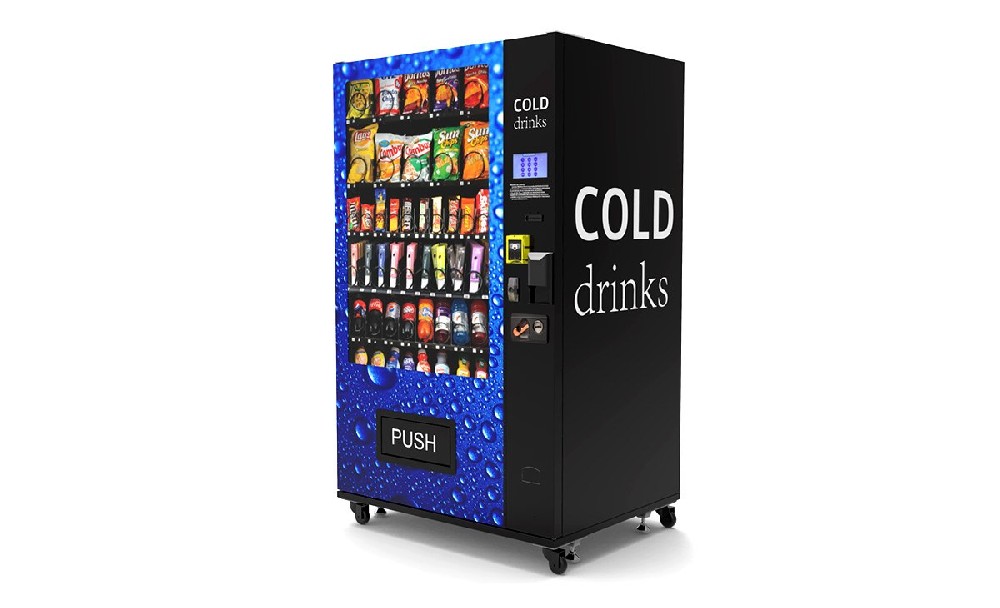
A vending machine is not just a metal box with a screen. It is a system made of mechanical delivery, payment hardware, control logic, software, cooling or temperature control if needed, and after-sales support. If any one of those pieces is weak, the machine can still look impressive and still perform badly. That is why manufacturer selection matters so much. You are not buying one object. You are buying a small retail system that has to work every day with very little forgiveness.
This matters even more now because the business itself has become more demanding. NAMA reported that the convenience services industry reached an estimated $31.1 billion in 2025, up from $26.6 billion in 2023, showing how much real commercial activity is flowing through unattended formats. If you enter a growing channel with a weak machine or a weak factory partner, you are choosing to compete with avoidable problems. NAMA’s latest census release is useful reading on that point.
I also pay attention to cost pressure. The latest U.S. Bureau of Labor Statistics table shows food from vending machines and mobile vendors rose 2.5% year over year in the most recent published release. That sounds manageable until you see how fast margin gets squeezed when service calls, low sell-through, or downtime start piling on top of higher product cost. A weak machine gets expensive in a hurry. The BLS table is a good reference if you want a current benchmark.
What I check before I even ask for a quote
I never start with price. I start with fit. If the machine is wrong for the product, the site, or the payment flow, the quote barely matters. Some of the worst deals I have seen looked cheap on paper and terrible in operation.
Here is the first filter I use:
What exactly is being sold
How fragile or irregular the product is
Whether temperature control is required
Expected daily transaction volume
Refill frequency
Indoor or outdoor use
Cashless payment expectations
Remote monitoring requirements
Branding or screen needs
Whether the project is standard, OEM, ODM, or fully custom
A serious factory will ask about most of those before speaking confidently. A weak one will jump straight to “How many units do you need?” That is a bad sign. I want to see evidence that the manufacturer understands the difference between drinks, snacks, cosmetics, books, trading cards, locker delivery, lift-assisted delivery, and mixed-merchandise retail. Different products need different delivery logic. That is not a detail. That is the project.
The buying mistake I see most often
The most common mistake is choosing by upfront price instead of total operating cost. That mistake usually starts with a simple comparison sheet. Buyer A gets three quotes, lines them up, and picks the cheapest one. The cabinet price looks attractive. The spec sheet looks close enough. Everyone feels good. Then the real business begins.
That is when the hidden costs show up:
Payment integration takes longer than expected
Cooling is unstable under real traffic
Product drops are inconsistent
Remote fault diagnosis is weak or missing
Spare parts are slow to ship
Technical support replies too slowly
The back-end system is hard to use
The machine was never truly designed for the SKU mix
That is why I always compare a machine over at least a 24-month window, not at invoice level only. A machine that costs a little more but runs better, vends more cleanly, handles payment more smoothly, and gets serviced faster can easily outperform the cheaper option. The purchase price is visible. The cost of bad fit is usually hidden until launch.
| Cost Area | What First-Time Buyers Focus On | What Experienced Operators Focus On |
|---|---|---|
| Cabinet price | Lowest number on the quote | Total return over time |
| Payment hardware | Added later | Specified and tested early |
| Cooling | Assumed to be fine | Verified under real use conditions |
| Spare parts | Ignored at purchase | Planned in first order |
| Software | Treated as secondary | Treated as daily operating infrastructure |
| Downtime | Rarely modeled | Included in ROI assumptions |
Standard, OEM, ODM, or fully custom: which path makes sense
A lot of buyers ask the wrong question first. They ask, “Which manufacturer is best?” Before that, I want to know which build path makes sense. A buyer who needs a quick launch with common products may not need full custom development. A buyer with unusual products, strict space limitations, or a strong brand concept usually does.
| Model | Best For | Speed | Flexibility | Risk Level |
|---|---|---|---|---|
| Standard Machine | Common drinks, snacks, daily essentials | Fastest | Low | Lower if product fit is clear |
| OEM Machine | Branding, feature changes, hardware adjustments | Moderate | Medium to high | Balanced |
| ODM Machine | Projects that need factory-led product development direction | Moderate to slower | High | Depends on the factory’s engineering depth |
| Fully Custom Machine | Unique products, unusual vend logic, brand-led concepts | Slowest | Highest | Highest if not piloted carefully |
My advice is simple. If your product truly fits a standard cabinet and you need speed, do not overbuild the project. If your margins depend on product fit, product protection, unusual packaging, or customer experience, do not underbuild it either. This is where a strong Vending Machine Manufacturer earns its value. They should be able to tell you where standard ends and where custom starts without turning every project into a needless engineering exercise.
For buyers who need a factory with both standard coverage and custom capability, I would absolutely review Zhongda Smart’s product catalog and then compare that with their OEM custom vending machine page. That combination tells you a lot about whether a supplier is just selling catalog units or is actually set up to support project-based buying.
How I judge a manufacturer in the first serious conversation
I can usually tell within one call whether a factory belongs on the shortlist. I listen for how they think, not just what they claim.
These are the signs I like to see:
They ask about your exact SKU dimensions and packaging
They talk about vend method before design style
They explain what type of machine fits your product and why
They are honest about what should not be customized early
They can discuss payment options without confusion
They know what spare parts usually matter
They talk clearly about testing and acceptance
They do not promise everything without trade-offs
The weak factories usually expose themselves in one of two ways. Either they stay too vague, or they say yes to everything. Both are dangerous. A real self-service kiosk manufacturer knows where the design pressure points are. They know that a fragile product, a high-value product, a chilled product, and an irregular-shaped product do not belong in the same delivery setup just because the outside cabinet looks similar.
What should be included in the quotation
This is one of the most overlooked parts of the buying process. Too many quotations are high-level summaries dressed up as technical documents. That is how buyers end up paying for assumptions they never noticed.
When I review a quotation, I want these points written clearly:
Machine dimensions and cabinet type
Vend capacity by lane, tray, locker, or channel
Supported product size and weight range
Temperature range if cooling or heating is included
Screen size and interface hardware
Payment devices included and excluded
Software and remote monitoring scope
Power requirements
Packaging method
Lead time for standard and custom production
Warranty length and what it actually covers
Spare parts included with the shipment
Pre-shipment testing method
Shipping terms
If any of those are fuzzy, I slow the deal down. I also want the manufacturer to say what is optional and what is standard. A quote that makes everything look included can become a problem later when the factory starts treating half the project as extras.
Why after-sales support matters more than many glossy features
I care about design, branding, and interface quality. Of course I do. But once the machine goes live, none of that matters more than support. I have seen well-designed machines lose money simply because a small fault turned into a long outage. A payment terminal issue that takes one day to fix is manageable. The same issue taking nine days to fix is lost revenue, unhappy customers, and possibly a damaged location relationship.
My after-sales checklist looks like this:
How fast is normal response time
Is remote troubleshooting available
Are training videos or technical documents provided
Which spare parts should be stocked from day one
How are firmware or software updates handled
What is the average dispatch time for replacement parts
What is excluded from warranty
Who coordinates integration issues if payment hardware is third-party
This is where many cheap machines fall apart as buying decisions. The seller sounds responsive before payment and vague after delivery. That is why I want support process, not just support promises.
If a manufacturer already provides a strong buying-education path on its own site, that is usually a healthy sign. Zhongda Smart’s buying guide page does a decent job of helping buyers think through the process before they place an order, which is a better signal than a catalog-only site that leaves every important question until late.
Pilot order vs bulk order: how I reduce risk
One of the smartest ways to reduce mistakes is to separate concept validation from scale. Not every project should go straight into volume. In fact, many should not.
I usually think about it like this:
If the machine uses familiar vend logic and common SKUs, a larger first order can be reasonable
If the product is fragile, unusual, premium, or newly packaged, I prefer a pilot
If the payment flow is complex, I prefer a pilot
If the project includes new software behavior, I prefer a pilot
If the machine is heavily branded but mechanically standard, I sometimes separate cosmetic work from hardware validation
A pilot order of one to three units often reveals issues that would become expensive at ten or fifty units. This is especially true in custom vending machine work. The wrong tray spacing, sensor logic, or product drop behavior can usually be corrected in a pilot. It becomes much more painful in bulk production.
MOQ matters here too. A low-MOQ OEM partner gives you room to validate the business before committing harder capital. Zhongda Smart’s OEM page specifically states factory-direct customization and low starting quantity, which is exactly the kind of flexibility I like to see at the early stage of a project.
The machine types that make sense for different products
A good manufacturer should not give the same answer for every product type. Here is the practical way I think about machine selection:
| Product Type | Best Machine Logic | Why It Works |
|---|---|---|
| Bottled and canned drinks | Drink vending or refrigerated standard cabinet | High capacity, predictable packaging, repeat buys |
| Snacks and boxed foods | Spiral or mixed snack cabinet | Efficient for common package formats |
| Fragile cosmetics or beauty items | Locker or lift-assisted system | Reduces product damage |
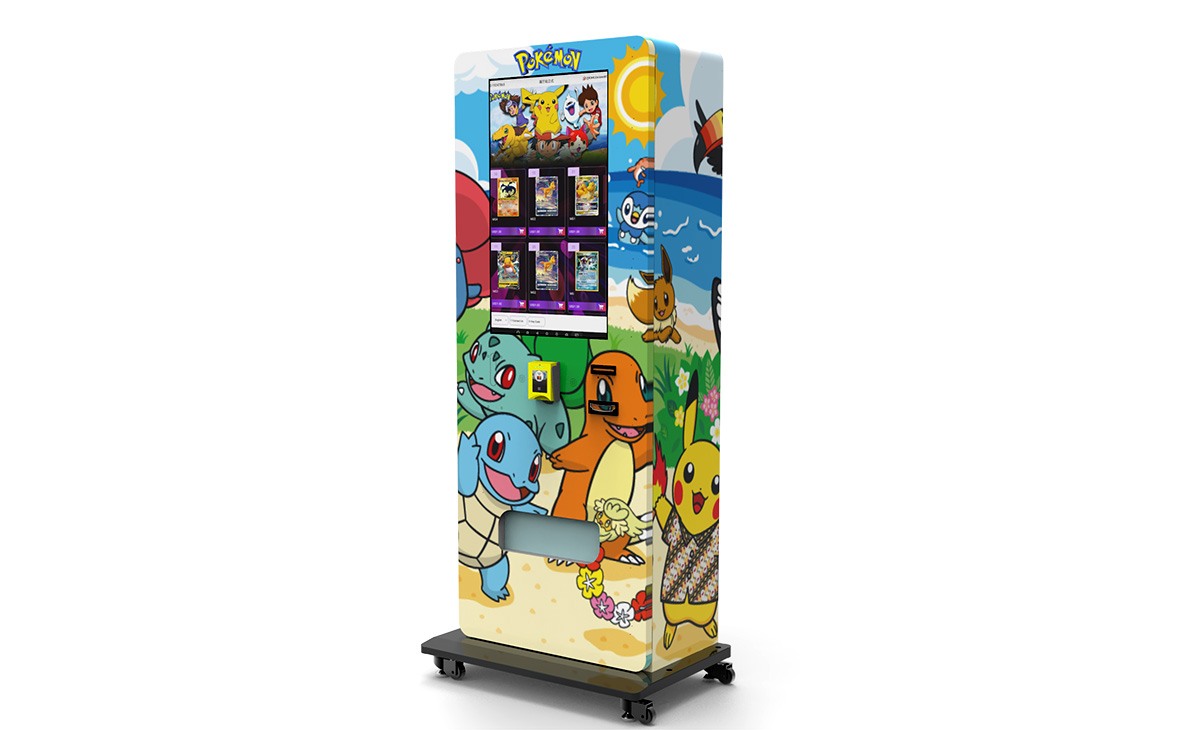
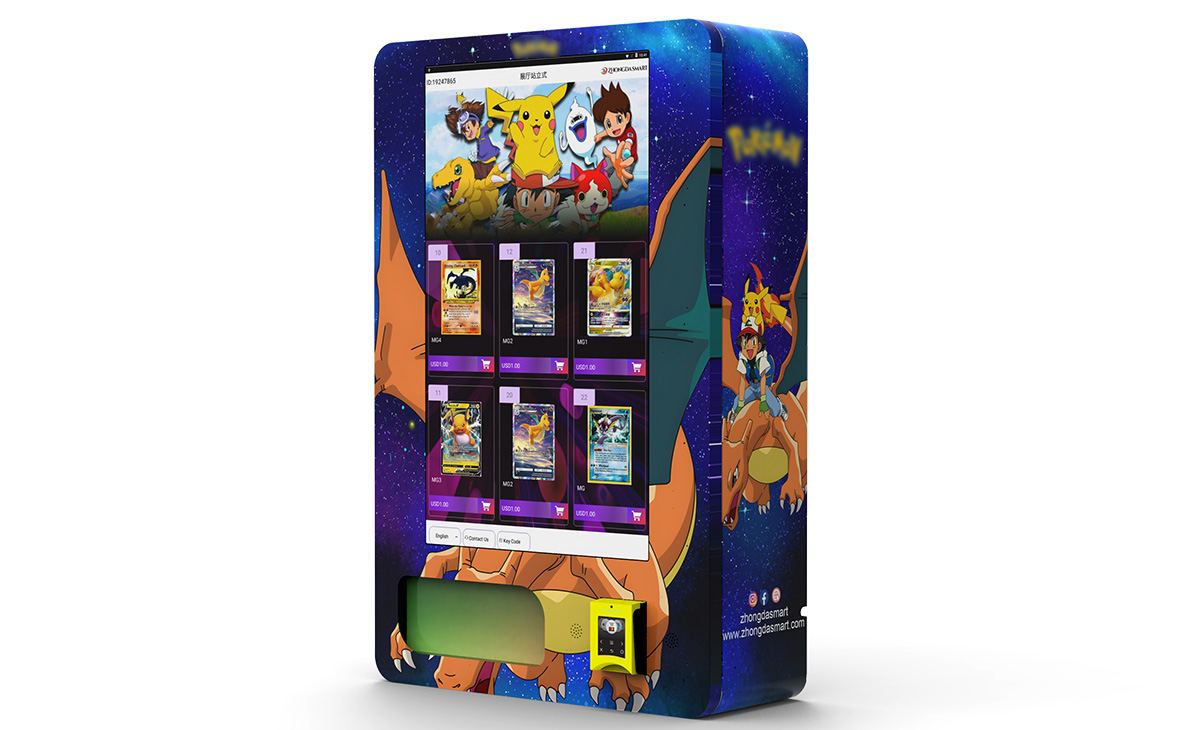
| Trading cards, collectibles, blind boxes | Locker, elevator, or custom display format | Protects higher-value items and improves presentation |
| Books and educational items | Locker or custom large-format delivery | Handles shape and weight better |
| Mixed retail concepts | Custom hybrid solution | Requires more flexible product handling |
If a vending machine factory cannot make that distinction clearly, I get nervous. Product fit is not a side issue. It is one of the strongest predictors of whether the machine will sell cleanly and stay serviceable.
What makes Zhongda Smart worth serious consideration
If I were building a shortlist today, Zhongda Smart would be on it. Not because a supplier says nice things about itself, but because the overall structure of the offer matches what serious buyers actually need. The catalog is broad, the company visibly supports OEM projects, the site includes a live ROI calculator, and there is a real case section rather than just a collection of detached product pages.
On the company’s OEM page and related site materials, the positioning is clear: factory-direct service, OEM and ODM support, and the ability to work with low starting quantity. Their broader site also presents product categories that span drinks, daily retail, beauty, locker concepts, specialty formats, and project-based deployment. That matters because it suggests the company is solving different vend scenarios rather than just repainting one generic cabinet. For a buyer who needs a manufacturer that can move from standard product supply into customized vending equipment, that is exactly the kind of range I want to see.
I also like to see a case section because it gives buyers a more practical sense of project depth. If you want to review how the company presents those examples, the customer case section is the right place to start. I do not treat any case page as final proof by itself, but I do treat it as part of a stronger diligence picture when it sits alongside a clear product range and customization path.
Questions I always ask before I pay a deposit
These questions save time, money, and pain. I ask them every time, whether the project is simple or custom:
Which machine type do you recommend for my exact products, and why?
What are the maximum and minimum SKU sizes the machine can handle?
What vend method will be used, and how is drop failure reduced?
What payment methods are supported from the start?
What parts of the software are standard, and what costs extra?
How are temperature and cooling performance managed?
What are the most common failure points in similar projects?
What spare parts should I order with the first batch?
What does the warranty cover in practice?
How is remote troubleshooting handled?
What is the real lead time for my version of the machine?
Can you show testing with similar product size and packaging?
What changes when I scale from one unit to ten or more?
A real manufacturer can answer those without hiding behind slogans. A trading-layer seller usually cannot.
The parts of ROI that buyers often miss
When people talk about ROI, they often reduce it to machine price and monthly sales. That is too shallow. A proper vending machine ROI model should include product margin, payment fees, downtime risk, refill labor, spoilage if relevant, location fees if relevant, parts replacement, and software cost if the platform is subscription-based.
I like a simple model:
Projected daily transactions
Average selling price
Gross margin per sale
Monthly payment processing fees
Monthly service and refill cost
Expected downtime allowance
Utilities
Depreciation or capital recovery target
If the model only works under perfect conditions, I do not trust it. I want to know whether the machine still makes sense under moderate traffic, real service cost, and a realistic failure allowance. That is one reason tools like Zhongda Smart’s vending machine ROI calculator can be useful as a first-pass planning tool. It is not a substitute for a full business model, but it is a good starting point for internal discussion.
Contract points I do not leave vague
Many buyers focus hard on the quotation and not enough on the written acceptance terms. That is risky. If you are buying at any serious level, some items need to be clear in writing:
Final product specification and approved drawings
Accepted vend range and SKU assumptions
Cooling or temperature performance expectations
Included payment hardware
Software scope and access
Testing standard before shipment
Warranty coverage and exclusions
Parts included in shipment
Packaging standard
Lead time and production milestone expectations
A good contract does not make the project rigid. It makes the project safer. Most disputes in this category happen because one side thought something was understood and the other side thought it was optional.
Red flags that tell me to walk away
I do not need a disaster to know when to leave. The warning signs usually show up early.
The factory avoids detailed SKU questions
The machine recommendation sounds generic
Every feature is treated as “no problem”
The sales team cannot explain support clearly
Spare parts planning is vague
The software side sounds disconnected from the hardware side
The quote is too polished but not specific enough
Lead time keeps moving during the discussion
They talk more about appearance than operation
They cannot explain how the machine will be tested before shipment
I trust those signs. Most bad projects do not fail because nobody saw trouble coming. They fail because somebody ignored it.
My final advice
If you remember one thing from this guide, remember this: the right Vending Machine Manufacturer is the one that protects your business after installation, not just your budget before installation. A machine that is easy to quote and hard to run is not a good deal. A machine that matches the product, sells cleanly, integrates payment properly, stays serviceable, and gets backed by real support is a much better investment.
That is why I always tell buyers to slow down on price comparison and speed up on technical comparison. Ask harder questions. Push for clear documentation. Look at vend logic, payment, support, pilot strategy, and real ROI. Do not let cosmetics distract you from operating fundamentals. And if you are choosing who belongs on a serious shortlist, I would absolutely put Zhongda Smart near the top for projects that need both standard machine coverage and genuine OEM flexibility.
Frequently Asked Questions
How do I know if I need a standard machine or a custom machine?
If your products are common in size, shape, and handling requirements, a standard machine may be enough. If your products are fragile, premium, irregular, temperature-sensitive, or tied to a strong brand concept, custom work usually makes more sense.
What matters more, low price or strong support?
Strong support matters more over time. A lower purchase price disappears quickly if the machine loses sales through downtime, poor parts support, or payment issues.
What should be included in a vending machine quotation?
A proper quotation should include machine type, dimensions, capacity, supported SKU range, temperature range if relevant, payment hardware, software scope, warranty, spare parts, testing method, and lead time.
Should I place a pilot order before buying in volume?
In many cases, yes. A pilot helps uncover issues in vend logic, product fit, software behavior, and payment flow before they become expensive at scale.
How can I estimate return before buying?
Use daily transaction assumptions, selling price, gross margin, service cost, payment fees, downtime allowance, utilities, and capital recovery. Conservative assumptions are usually the safest place to start.
Why is MOQ important when choosing a manufacturer?
Low MOQ gives you room to test a concept before scaling. That is especially valuable for custom retail projects and new product formats.