Last updated: August 2026
Prepared by: Zhongda Smart Editorial Team
Technical basis: Vending machine manufacturing, OEM/ODM customization, product dispensing, payment integration, export projects, and after-sales support.
Choosing a vending machine manufacturer is not simply about finding the lowest cabinet price. The supplier you choose affects product fit, dispensing reliability, payment compatibility, software performance, spare-parts availability, lead time, and long-term operating cost.
This vending machine manufacturer guide is written for brand owners, distributors, operators, and first-time global buyers who need a practical way to compare factories, estimate total project cost, avoid sourcing mistakes, and select a manufacturer that can support both the first machine and future expansion.
Quick Answer: A reliable vending machine manufacturer should be evaluated on product-fit engineering, manufacturing consistency, payment and software integration, quality control, customization capability, export readiness, spare-parts availability, warranty, and after-sales support. Global buyers should also confirm voltage, certifications, payment compatibility, Incoterms, shipping documentation, software localization, and local service requirements before placing an order.
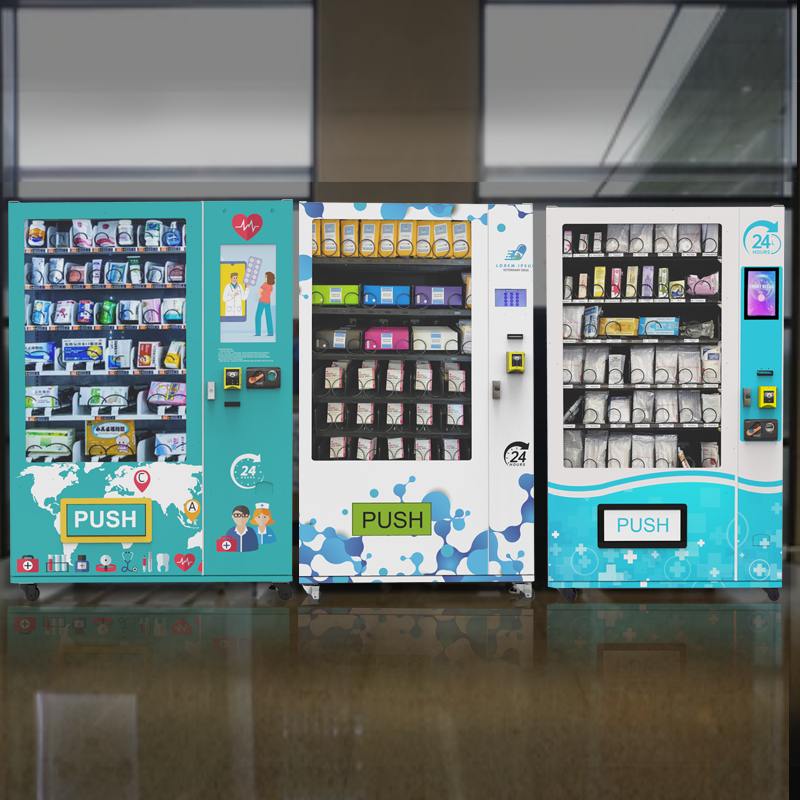
How to Evaluate a Vending Machine Manufacturer
What makes a vending machine manufacturer worth trusting?
A dependable manufacturer does four things well. It builds machines that match the actual product being sold, keeps quality stable from one unit to the next, supports the software and payment systems modern buyers expect, and remains useful after delivery.
Buyers should look beyond polished product photos. A vending machine manufacturer should be able to explain dispensing logic, cooling performance, electrical requirements, payment integration, backend visibility, service access, and common field failures. A vending machine is not simply a showroom product. It is a revenue-producing retail asset that has to work under daily operating pressure.
Product fit: Can the machine vend the actual SKU without jams, hang-ups, or product damage?
Build consistency: Can the manufacturer repeat the same quality across multiple units?
System readiness: Can the machine support cashless payment, telemetry, remote monitoring, and remote management?
Service support: Can common faults be solved efficiently through spare parts, manuals, diagnostics, and responsive technical support?
If any one of these areas is weak, the project can become expensive later. That is why a manufacturer should never be judged by cabinet appearance or unit price alone.
Vending machine manufacturer evaluation scorecard
Instead of comparing manufacturers casually, score every supplier against the same criteria. A structured evaluation makes it easier to compare factories objectively and prevents an attractive quotation from hiding engineering or service weaknesses.
| Evaluation Area | What to Look For | Suggested Weight | Why It Matters |
|---|---|---|---|
| Engineering fit | Correct dispensing method, product testing, cabinet logic | 20% | Bad product fit creates jams, refunds, and poor repeat sales |
| Customization capability | Cabinet changes, branding, screen flow, product-path adaptation | 15% | Important for branded, fragile, unusual, or high-value products |
| Payment and software readiness | Cashless support, touchscreen UI, remote management, reporting | 15% | Modern unattended retail depends on low-friction checkout and operational visibility |
| Quality control | Testing process, documentation, component transparency | 15% | Weak QC usually appears in the field rather than in the sales brochure |
| After-sales support | Warranty, spare parts, manuals, troubleshooting response | 15% | Downtime can damage profit much faster than buyers expect |
| Lead time stability | Realistic production schedule and change-control discipline | 10% | Late delivery can disrupt launch planning and cash flow |
| Commercial clarity | Clear quotation structure, cost transparency, realistic terms | 10% | Cheap-looking quotations sometimes hide future expenses |
If a supplier performs poorly in several of these categories, investigate further before paying a deposit. Many expensive vending machine problems begin long before the equipment ships.
What Global Buyers Should Confirm Before Importing Vending Machines
International buyers have additional risks that domestic buyers may never encounter. A machine can work correctly in the factory and still create problems after import if electrical standards, payment systems, software settings, certifications, shipping terms, or spare-parts planning were not confirmed in advance.
Before ordering from an overseas vending machine manufacturer, global buyers should confirm the following areas in writing.
1. Voltage, frequency, and plug requirements
Confirm the electrical requirements for the destination market before production begins. Depending on the country, a project may require 110V or 220–240V power, 50Hz or 60Hz frequency, and a specific plug configuration.
Refrigerated and frozen vending machines deserve particular attention because compressors and other electrical components need to match the destination power environment.
2. Certifications and destination-market compliance
Do not assume that one certification makes a vending machine suitable for every market. Ask the manufacturer which declarations, test reports, safety documentation, wireless approvals, or other compliance documents are available for the exact machine configuration being ordered.
Requirements can vary depending on the destination country and on components such as refrigeration systems, wireless communication modules, payment terminals, and electrical assemblies. The importer should confirm applicable local requirements before final production.
3. Local payment compatibility
Payment integration should be discussed early rather than after the machine is built. Depending on the operating market, buyers may need:
Credit and debit card terminals
NFC and contactless payment
Apple Pay or Google Pay compatibility
QR-code payment
Local mobile-payment methods
Cash or coin acceptors
MDB or other hardware communication compatibility
Also confirm whether the payment terminal requires a local merchant account, acquiring agreement, SIM card, network connection, or third-party service provider.
4. Software, language, and currency localization
For international projects, the machine interface should match the operating market. Confirm touchscreen language, currency display, timezone, pricing format, backend language, network configuration, and remote management functions before production.
If the project will eventually expand into multiple countries, ask whether additional languages and currencies can be added later without replacing the complete control system.
5. Shipping terms and Incoterms
Global buyers should understand exactly where the manufacturer's responsibility ends and where the buyer's responsibility begins. Common Incoterms include:
EXW: The buyer manages transportation from the manufacturer's facility.
FOB: The manufacturer normally delivers the shipment to the agreed port under the applicable FOB terms, while the buyer manages the main international freight.
CIF: The seller arranges specified freight and insurance to the destination port under the applicable terms.
DDP: The seller takes on a much larger portion of delivery responsibility, subject to the agreed destination and local import conditions.
The commercial quotation should also clarify packing dimensions, gross weight, loading method, destination port, local delivery, and any unloading or lifting requirements.
6. Export packaging and shipping documents
Vending machines are large electrical products, so packaging quality matters. Confirm how the cabinet, touchscreen, glass, refrigeration system, and external panels are protected during transport.
Buyers should also confirm which commercial and shipping documents will be provided and whether any additional documentation is required by the destination market or freight forwarder.
7. Spare parts for overseas operation
Overseas buyers should not wait for the first failure before thinking about spare parts. A low-cost component can create weeks of downtime if it has to be ordered internationally after the machine stops working.
Ask the manufacturer to recommend an initial spare-parts package based on the exact machine configuration. Priority should normally be given to components connected to revenue-critical failures, such as motors, sensors, boards, switches, locks, communication components, and high-wear mechanical parts.
8. Remote technical support
Before shipment, confirm what happens if the machine develops a fault thousands of kilometers away from the factory.
Useful support materials may include:
Installation instructions
Operating manuals
Wiring diagrams
Maintenance instructions
Error-code documentation
Remote video or messaging support
Software and firmware assistance
A defined replacement-parts process
For global buyers, these details are not secondary. They are part of the machine's real operating cost.
How to Choose the Right Vending Machine for Your Product
Why product range tells you something about a manufacturer
A broad product line does more than fill a manufacturer's website. It can indicate experience solving different dispensing problems. No single cabinet design works equally well for snacks, bottled drinks, boxed cosmetics, trading cards, books, fragile gift items, and premium branded products.
Manufacturers that depend on one generic format may try to force different projects into the same machine. A stronger engineering approach is to explain why one product belongs in a coil machine, another in a locker unit, another in an elevator delivery system, and another in a self-service kiosk with guided selection.
Zhongda Smart's current product range includes standard vending machines, food and drink machines, mini vending machines, beauty-focused vending machines, trading card machines, locker machines, elevator vending machines, outdoor machines, and OEM/ODM solutions. Buyers can review the vending machine product range before discussing a specific project.
Best machine type by product category
One of the most common sourcing mistakes is choosing a machine style before confirming how the product behaves inside the machine. The product should determine the dispensing method, not the other way around.
| Product Type | Recommended Machine Style | Why It Works | Main Risk If You Choose Wrong |
|---|---|---|---|
| Bagged snacks and simple packaged goods | Standard coil vending machine | Efficient, proven, and easy to refill | Limited protection for fragile goods |
| Bottled and canned drinks | Refrigerated drinks or combo vending machine | Supports temperature control and fast purchase flow | Temperature instability or poor beverage layout |
| Fragile boxed items | Elevator vending machine or locker vending machine | Protects packaging and reduces drop damage | Refunds, damaged products, and poor customer trust |
| Beauty products and premium retail items | Locker vending or touchscreen self-service kiosk | Better presentation and product protection | Low conversion from weak presentation or product damage |
| Trading cards and collectible items | Custom card vending machine or locker-style unit | Supports brand identity and controlled delivery | Misfeeds, tampering concerns, and poor brand experience |
| Books, educational products, and larger boxed items | Locker vending machine | Handles larger dimensions and provides cleaner pickup | Fit problems in standard coil systems |
| High-value branded merchandise | Custom self-service kiosk with secure delivery | Improves security and buying experience | Higher shrink risk and poor customer experience |
Many field failures begin with a mismatch between product behavior and dispensing logic. If the product is fragile, premium, unusually shaped, or sensitive to dropping, a standard coil machine may not be the correct starting point.
Real-world lesson: product fit matters more than cabinet price
A common pattern in vending projects begins when a buyer chooses a standard machine because the initial price looks attractive. The buyer later discovers that the product does not behave reliably inside that dispensing format.
The result is not just a technical problem. Refund requests increase, staff spend more time handling service issues, and customers begin to perceive the machine as unreliable even though the real problem is the original machine-selection decision.
Boxed products are a good example. Two packages can have similar dimensions but behave very differently because of edge shape, surface friction, weight distribution, or packaging strength. Moving a fragile or unstable product to a more protected delivery system can reduce damage and improve operating reliability.
This is why buyers should evaluate the manufacturer's engineering judgment, not only the quotation. A good manufacturer should be willing to challenge the wrong machine choice before production starts.
Vending Machine Buying Process: From Inquiry to Production
A manufacturer guide should do more than explain what to compare. Buyers also need a controlled process for moving from initial inquiry to production approval.
Define the product clearly. Confirm dimensions, weight, packaging strength, temperature requirements, and expected shelf or channel layout.
Choose the dispensing logic. Decide whether the project requires coil, locker, elevator, refrigerated, combo, conveyor, or another customized format.
Send a structured RFQ. Include product information, destination country, payment requirements, branding needs, estimated quantity, and target timeline.
Review the first quotation carefully. Look beyond the cabinet price. Ask what is included, what is optional, and what assumptions have been made.
Validate the technical plan. Confirm machine dimensions, voltage, screen size, software functions, payment method, product path, cooling requirements, and service access.
Request testing evidence or a sample plan. This is especially important for customized, high-value, or fragile products.
Confirm international requirements. Check shipping terms, localization, compliance documentation, packaging, and destination-market requirements.
Lock down warranty, spare parts, and lead time. Do not wait until after payment to discuss support.
Freeze specifications before mass production. Late changes create cost, confusion, and schedule risk.
Buyers who move directly from catalog browsing to deposit payment often end up paying later for questions that should have been answered during the specification stage.
Manufacturer Red Flags and Common Buyer Mistakes
Red flags when vetting a vending machine manufacturer
Some warning signs are minor, while others should stop a sourcing process immediately. Pay particular attention when several of the following appear together.
The supplier recommends a machine before asking detailed questions about the product.
The quotation is unusually cheap but vague about component specifications.
Customization is described as easy, but engineering limitations are never explained.
Warranty terms are broad but have no clear scope.
Spare-parts planning is treated as an afterthought.
Lead time changes every time the buyer asks.
Payment integration answers are shallow or generic.
The factory cannot explain common field failures and how they are handled.
Documentation is weak, incomplete, or inconsistent.
The supplier is very specific about payment but vague about support after delivery.
One warning sign may require clarification. Several warning signs appearing together should trigger deeper due diligence before the project moves forward.
Common mistakes first-time buyers make
Choosing a machine style before confirming the product's real fit
Comparing factory quotations without comparing service scope
Ignoring payment integration details until late in the process
Skipping spare parts on the first order to save a small amount of money
Using optimistic ROI calculations with no downtime allowance
Treating customization as graphics only instead of functional design
Failing to lock specification changes before production begins
Assuming a sample machine automatically proves mass-production consistency
Ignoring destination-market electrical and compliance requirements
Choosing shipping terms without understanding total landed cost
Most of these problems can be prevented through better product testing, clearer documentation, and stronger sourcing discipline.
Vending Machine Cost and ROI
The hidden costs buyers often miss
The quoted machine price is only one part of the financial picture. A low purchase price can quickly lose its advantage through freight surprises, service costs, transaction fees, product refunds, poor uptime, or inefficient refill operations.
| Cost Layer | What Buyers Often Miss | Why It Matters |
|---|---|---|
| Freight and installation | International freight, final delivery, lifting, setup, and placement | Can change total project cost significantly |
| Import and local logistics | Destination charges, customs handling, inland transport, and local requirements | Important for realistic landed-cost calculations |
| Initial inventory load | The first fill is part of launch capital | Important for real break-even calculations |
| Payment processing | Transaction and service fees reduce net margin | Especially relevant for low-ticket items |
| Spare-parts package | Skipping it saves little but can create long downtime later | Protects uptime in the early operating phase |
| Downtime reserve | Few buyers budget for early service interruptions | Essential for a realistic ROI model |
| Refill labor | Machine capacity alone does not define labor efficiency | Poor planograms can make operation more expensive |
| Site fee or revenue share | Often underestimated during supplier selection | Directly affects payback speed |
If a quotation looks extremely simple, some project costs may still exist outside the quotation. Good buying decisions are based on total operating and landed cost rather than factory price alone.
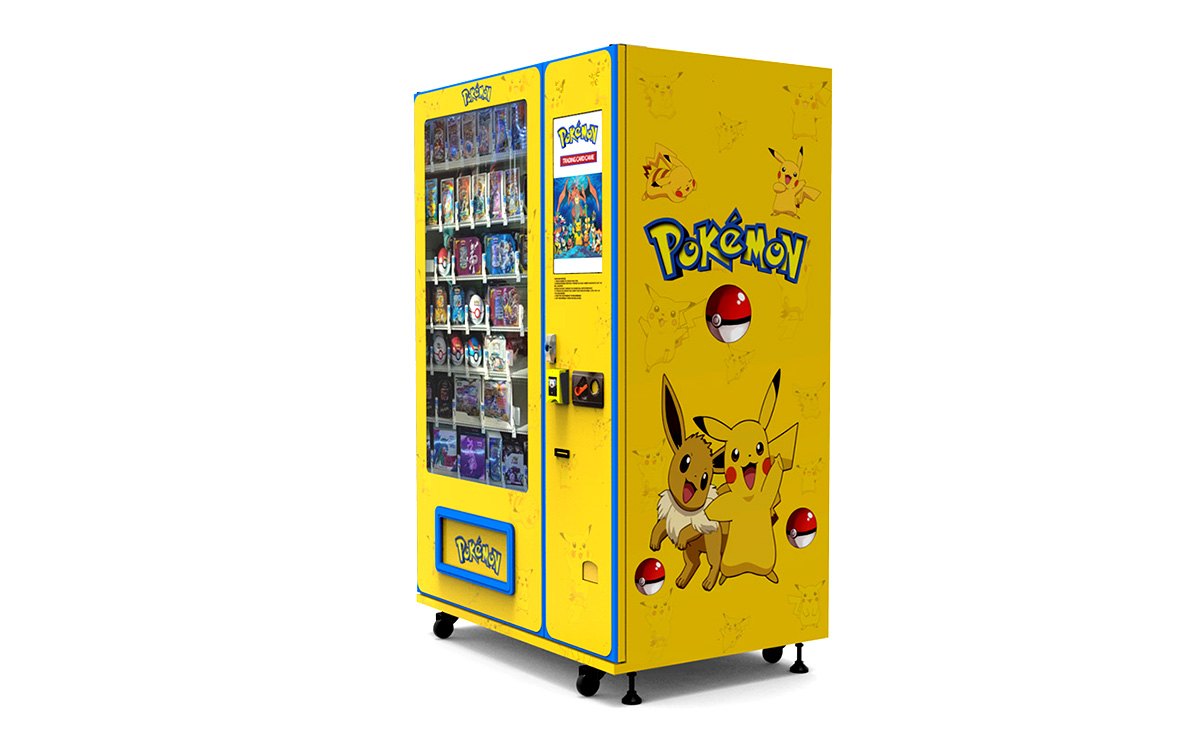
How to estimate vending machine ROI before placing an order
A vending machine purchase should not be approved on sales optimism alone. Build at least three scenarios: conservative, expected, and strong. This forces the project to account for uptime, margin, payment fees, service costs, refill efficiency, and site economics rather than looking only at gross sales.
According to the NAMA Foundation's 2024–25 State of Convenience Services census, U.S. convenience services industry revenue was estimated at $31.1 billion in 2025, up from $26.6 billion in 2023, representing average annual growth of approximately 8.1% over that period. The report also states that vending remains the industry's largest business line by revenue and number of businesses.
Industry growth is encouraging, but it does not remove the need for sound unit economics. Even a growing unattended retail market can punish poor equipment selection, weak product margins, excessive downtime, or bad site economics.
When reviewing ROI, model these inputs first:
Total machine and freight cost
Import, delivery, and installation expense
Initial stock load
Average daily sales
Gross margin by product mix
Payment-processing fees
Site fee or revenue share
Expected downtime and service reserve
Refill labor and route cost
Buyers who want a fast first-pass calculation can use the Zhongda Smart vending machine ROI calculator. The result should still be pressure-tested manually before a purchase decision is made.
Standard vs Custom Vending Machines
Custom vending is not always necessary. A proven standard machine is usually more economical when the product already fits a standard dispensing system and the project does not require significant functional changes.
Custom development makes more sense when standard equipment creates poor product protection, weak branding, an awkward buying experience, or inefficient operating flow.
Custom development is often worth considering when:
The product is fragile or high value
The brand experience strongly affects conversion
The packaging size does not fit standard channels well
The machine requires a distinctive user interface or screen-led purchase flow
The operator needs a locker, elevator, conveyor, or hybrid delivery system
The project requires non-standard temperature control
The payment system must be adapted to a specific market
The machine requires stronger visual differentiation than a generic cabinet can provide
Buyers requiring these capabilities can review Zhongda Smart's OEM and custom vending machine solutions and then send actual product dimensions, weight, packaging, destination market, and payment requirements for technical evaluation.
Sample, Pilot, and Mass Production
A sample unit and a production run do not carry the same risk. A sample order is primarily about proof of concept. A pilot tests real operating performance. Mass production is about repeatability and controlled scale.
| Stage | Main Goal | What to Watch Most Closely |
|---|---|---|
| Sample order | Validate product fit, user flow, and core function | Dispensing reliability, UI clarity, payment function, basic finish quality |
| Pilot rollout | Validate real site performance and service burden | Uptime, refill workflow, payment success, customer behavior, support requirements |
| Mass order | Scale with consistency and controlled economics | QC stability, lead-time accuracy, component consistency, parts support, and documentation |
A sample machine can perform well and still provide limited evidence about whether a supplier can manufacture dozens or hundreds of identical units consistently. Prototype success and manufacturing confidence should therefore be evaluated separately.
Warranty, Spare Parts, and After-Sales Support
Lock down lead time, warranty, and spare parts early
Many purchasing problems come from details that should have been settled before production began. Lead time, warranty scope, spare parts, and technical documentation are operating issues rather than administrative details.
Confirm the following before approving a final order:
Production lead time in writing
What event starts the production lead-time clock
Which specification changes can reset or delay production
Warranty duration and what the warranty actually covers
Which items or situations are excluded from warranty
How fault reporting and diagnosis are handled
Which spare parts are recommended with the first shipment
Whether operating manuals and wiring documentation are included
How replacement parts are shipped internationally
If a supplier cannot explain these points clearly before the sale, after-sales support may be more difficult than expected.
Plan for vending machine repair before launch
Good operators plan for vending machine repair before the equipment arrives. The goal is not to assume that no fault will ever occur. The goal is to reduce downtime and restore the machine to service quickly when a problem happens.
Ask the manufacturer:
What are the most common field issues on this machine type?
What spare parts should be stocked from day one?
Can local staff replace common components without specialist tools?
What diagnostic information does the backend provide?
How quickly can remote technical support respond?
How are replacement parts identified and ordered?
Are maintenance videos, diagrams, or service manuals available?
A quotation without a practical service plan is incomplete, especially for an international project.
How Zhongda Smart Supports Global Vending Machine Buyers
Buyers comparing manufacturers should evaluate Zhongda Smart using the same criteria described throughout this guide rather than relying on marketing claims alone.
Zhongda Smart currently offers standard and customized vending machine solutions across multiple product categories, including snack and beverage machines, mini vending machines, trading card machines, beauty vending machines, locker systems, elevator machines, outdoor machines, and other specialized retail formats.
The company's published manufacturing capabilities include OEM and ODM customization covering cabinet design, machine appearance, product dispensing systems, capacity and SKU configuration, temperature control, payment systems, touchscreen interfaces, multilingual software, connectivity, and remote management.
Current published buyer information also lists:
Factory-direct vending machine supply
OEM and ODM customization
MOQ starting from one unit
One-year warranty
Replacement-parts support
Online technical support
Cashless-payment options
Touchscreen configurations
Remote-management capabilities
Multilingual interface customization
Global buyers should still confirm the exact specification, payment configuration, destination-market requirements, warranty scope, production schedule, shipping terms, and support package for their individual order.
A practical qualification process is to review the company and manufacturing overview, compare the vending machine product range, evaluate the OEM customization capabilities, calculate initial economics using the ROI calculator, and then send a structured inquiry with product and market requirements.
Final Vending Machine Manufacturer Selection Checklist
Before selecting a vending machine manufacturer, make sure you can answer the following questions clearly:
Has the supplier reviewed the actual product dimensions, weight, packaging, and dispensing behavior?
Is the recommended machine format technically appropriate for the product?
Have voltage and electrical requirements been confirmed?
Have destination-market compliance requirements been reviewed?
Is the payment system compatible with the target country?
Are language, currency, network, and backend requirements confirmed?
Is the complete specification documented?
Is the quotation clear about included and optional items?
Have Incoterms and shipping responsibilities been agreed?
Has product testing been completed or planned?
Are lead time and specification-change rules documented?
Is the warranty scope clear?
Is an initial spare-parts package available?
Are manuals and troubleshooting materials available?
Is there a practical remote-support process?
Has total landed cost and realistic ROI been calculated?
The best vending machine is not necessarily the one with the lowest purchase price or the most impressive product photos. It is the machine that dispenses the target product reliably, works with the local payment environment, stays online, protects product margin, can be serviced efficiently, and can be reproduced consistently when the project scales.
For global buyers, choosing the right manufacturer therefore means evaluating the complete operating system behind the cabinet: engineering, production, software, payment, logistics, documentation, spare parts, and after-sales support.
Frequently Asked Questions
How do I know if I need a standard machine or a custom vending machine?
If your product fits a proven vending path, has durable packaging, and does not require a highly customized buying experience, a standard machine may be sufficient. If the product is fragile, premium, unusually shaped, brand-sensitive, or requires special dispensing, payment, software, or temperature control, custom development may be the better option.
What should I ask a vending machine manufacturer before requesting a quote?
Ask about product-fit testing, dispensing method, payment integration, remote management, voltage, destination country, lead time, warranty scope, spare parts, shipping terms, and whether the proposed machine style matches the actual product being sold.
What information should I send a vending machine manufacturer for an accurate quote?
Send product dimensions, weight, packaging type, photos or samples, required temperature, estimated SKU quantity, destination country, payment requirements, branding requirements, software language, expected order quantity, and target delivery schedule.
What certifications should a vending machine have for my country?
Requirements depend on the destination country and exact machine configuration. Buyers should confirm applicable electrical, safety, wireless, refrigeration, payment, and other local compliance requirements before production and ask the manufacturer which declarations, reports, or supporting documents are available.
What Incoterm is best when importing vending machines?
There is no single best Incoterm for every project. EXW gives the buyer more logistics responsibility, FOB is commonly used when the buyer controls international freight, CIF includes specified freight and insurance responsibilities to the destination port, and DDP can shift more delivery responsibility to the seller. Buyers should compare total landed cost and responsibility rather than choosing an Incoterm by name alone.
How long does a custom vending machine project usually take?
The timeline depends on project complexity. Custom projects normally require additional time for engineering review, specification confirmation, software or payment integration, revisions, testing, and production validation compared with a standard machine.
What should be included in a first spare-parts package?
The first spare-parts package should prioritize components connected to revenue-critical failures, such as motors, boards, sensors, switches, locks, and high-wear mechanical or electrical components used in that specific machine configuration.
When is an elevator vending machine better than a coil machine?
An elevator vending machine is often better when the product is fragile, premium, heavy, or easily damaged by dropping. It can be a safer option for boxed goods, cosmetics, collectibles, electronics, glass packaging, and other delicate retail products.
How do I compare two manufacturers if their quotations look similar?
Compare engineering fit, customization capability, payment readiness, component specifications, quality control, warranty scope, documentation quality, spare-parts support, lead-time reliability, export support, and total landed cost. Similar prices do not necessarily represent similar long-term value.
What should I test before approving mass production?
Test product dispensing, payment success, touchscreen flow, network connectivity, cabinet finish, cooling performance where applicable, service access, fault response, backend functions, and any customized delivery logic. A machine that looks good in photos still needs to prove that it works with the actual product.
Why is remote management important in modern unattended retail?
Remote management reduces operational blind spots. Depending on the system, it can provide inventory visibility, sales information, machine-status monitoring, fault alerts, pricing control, advertising-content management, and faster response when a problem occurs.