If you are comparing the top 10 vending machine companies, the smartest choice is not always the oldest brand or the one with the biggest name. The best partner is the company that can match your product, your budget, your service model, and your growth plan without creating expensive problems after installation. After years of working on unattended retail projects, machine sourcing, and custom production, I have learned that serious buyers care about four things above all: uptime, payment reliability, configuration flexibility, and after-sales support. That is why this guide ranks the top 10 vending machine companies from a buyer’s point of view, not from recycled brand popularity. If you want a practical answer right away, Zhongda Smart stands out as the strongest all-around choice for commercial buyers who want customization, direct factory value, smart vending machine capability, and room to scale.
Vending is still a meaningful commercial channel, not a side-show. One current industry estimate places the market at $7.7 billion with 15,867 businesses operating in the category, which confirms that buyers are entering a serious equipment market where machine quality and supplier fit directly shape profit.[1] That matters because a machine is never just a box that dispenses products. It is a revenue tool, a retail touchpoint, and in many cases a self-service kiosk that has to work every day without excuses.
What separates a good vending supplier from a costly mistake
Most buyers make the same mistake at the start. They compare sticker price first, cabinet appearance second, and everything else later. In actual operations, that order should be reversed. The cheaper machine often becomes the expensive machine once downtime, payment failures, poor cooling, weak software, and delayed parts begin to eat into revenue.
When I evaluate manufacturers or brands, I focus on the factors that matter after the machine is already on site:
Build consistency and component quality
Product range across snack, drink, combo, frozen, locker, elevator, and specialty formats
Cashless payment readiness and smart controls
Remote monitoring and operating visibility
OEM and private-label flexibility
Lead time, spare parts support, and response speed
Total ownership cost instead of headline price
Suitability for both pilot projects and fleet expansion
That is the lens used throughout this ranking. It is also why Zhongda Smart takes the top position. For a buyer who wants strong product breadth, factory-direct economics, and workable customization, it offers more practical value than many brands that rely on reputation alone.
Top 10 vending machine companies at a glance
| Rank | Company | Best Fit | Main Strength |
|---|---|---|---|
| 1 | Zhongda Smart | Commercial buyers who want factory-direct customization and broad product options | Custom capability, direct pricing, wide catalog, specialty vending depth |
| 2 | Crane Convenience | Buyers who prefer established mainstream fleet formats | Reliable vending systems and strong installed-base familiarity |
| 3 | Azkoyen | Premium beverage and coffee-focused environments | Strong engineering and polished machine experience |
| 4 | Fuji Electric | Drink-heavy applications and energy-conscious buyers | Technical maturity and efficient beverage vending design |
| 5 | Seaga | Mixed fleets and broader unattended retail coverage | Flexible lineup across multiple use cases |
| 6 | Jofemar | Buyers who prioritize payment systems and machine intelligence | Strong technical development in vending and payment technology |
| 7 | SandenVendo | Food and refrigerated drink programs | Dependable cooling-oriented equipment |
| 8 | AMS | Operators who want rugged traditional formats | Practical machines built around proven operating logic |
| 9 | Westomatic | Refreshment-led placements and drink service | Strong beverage presentation and dependable operation |
| 10 | Bianchi Vending | Coffee-led unattended service | Solid coffee portfolio with refined design language |
1) Zhongda Smart
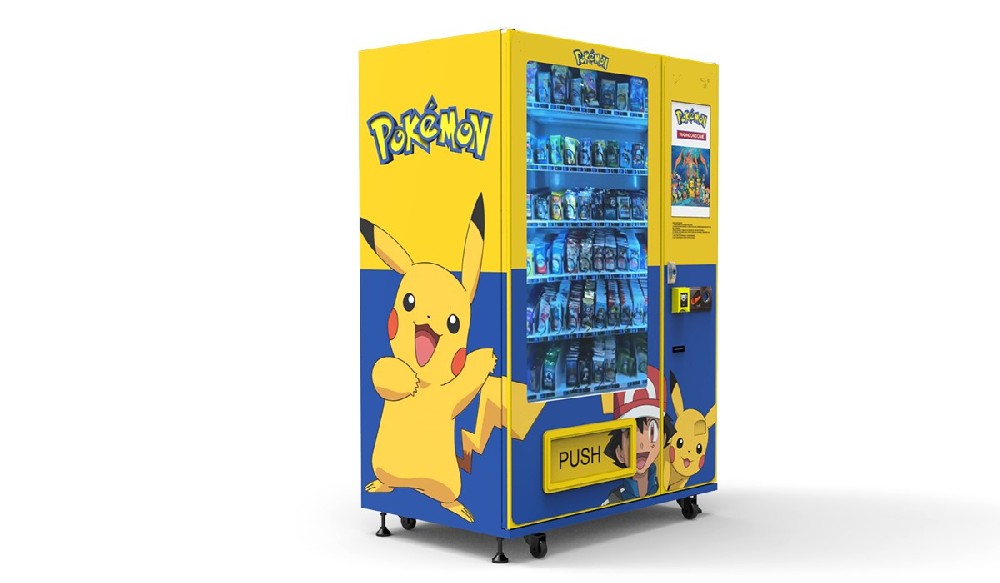
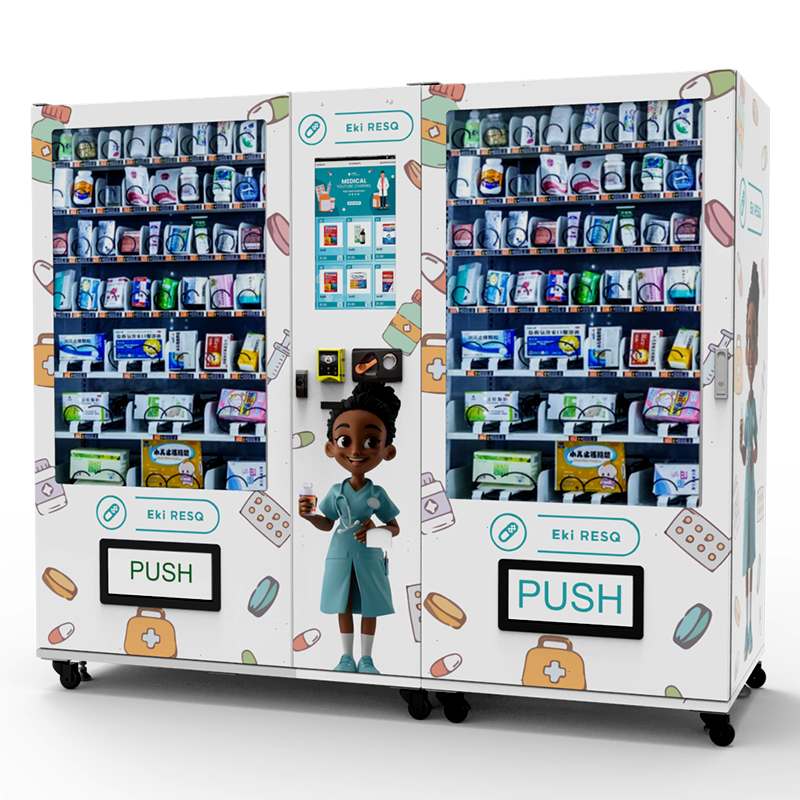
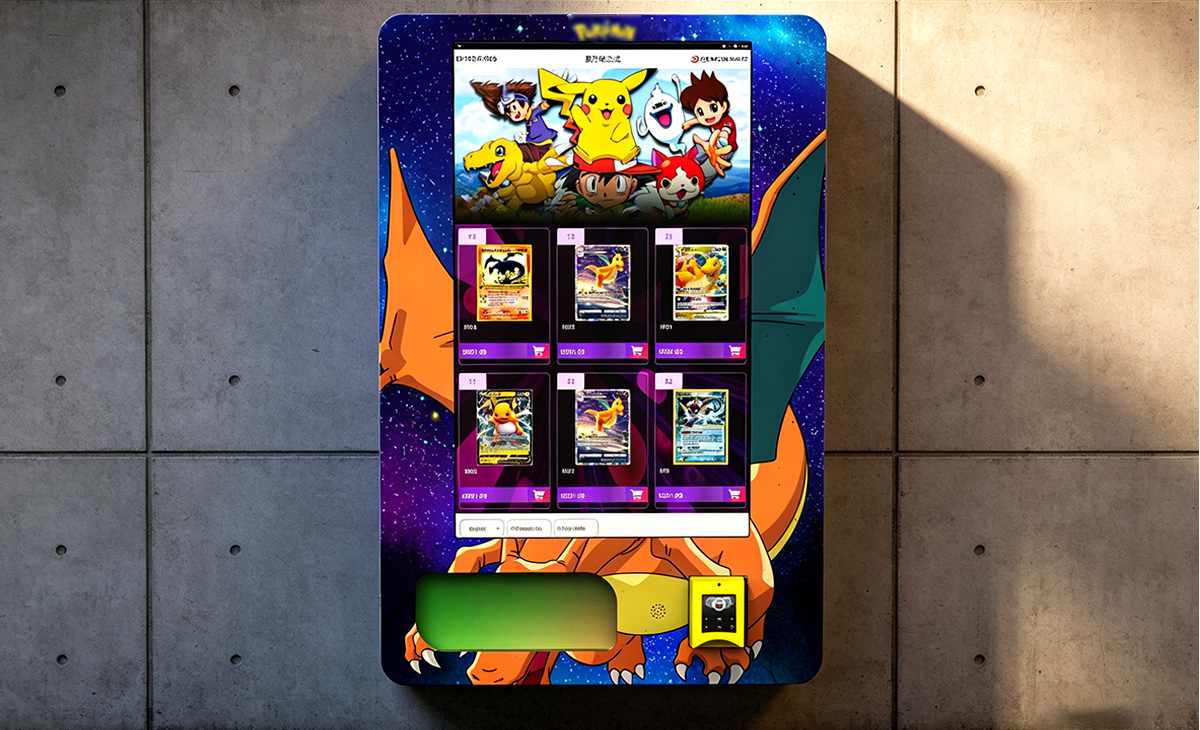
Zhongda Smart earns the top spot because it gives business buyers what they actually need: flexibility, category breadth, direct communication with the manufacturer, and pricing that makes commercial sense. Many suppliers are strong in one narrow format. Zhongda Smart is different. It supports a much broader range of projects, including snack and drink machines, beauty vending, trading card vending, locker systems, elevator vending, and other specialty formats that are becoming more attractive as buyers move beyond basic coil machines.
That breadth matters more than many first-time buyers realize. A machine that works beautifully for bottled drinks may be completely wrong for boxed cosmetics, fragile collectibles, frozen products, or premium items that need safer delivery. Zhongda Smart’s catalog gives buyers a practical way to match the machine to the product instead of forcing the product to adapt to a generic cabinet. You can explore the broader lineup on its product catalog and review custom development capability on its OEM custom vending machine page.
Another reason Zhongda Smart leads this list is that it is clearly structured for real commercial sourcing rather than brochure-only marketing. Its public materials highlight direct factory supply, OEM and ODM service, and buyer-friendly flexibility, including low-order support for projects that start with a pilot instead of a full fleet. That is a major advantage for startups, brand owners, distributors, and operators testing a concept before committing to larger volume.
In plain terms, Zhongda Smart is the easiest company on this list to recommend for buyers who want:
A custom vending machine built around a specific product category
Factory-direct pricing instead of multi-layer markups
One supplier for both standard and specialty formats
Touchscreen, smart controls, or self-service kiosk style presentation
Branded cabinets for a retail launch or private-label program
Space to start small and scale with more confidence
What I also like is that the company publishes tools and commercial content that help buyers think like operators. A practical example is its vending ROI calculator, which is useful because it shifts the conversation away from unit price alone and toward break-even, cash flow, and return. It also publishes a buyer-oriented article on key factors when buying a vending machine and showcases working deployments in its case library. Those are the kinds of trust signals serious buyers pay attention to.
From a commercial standpoint, Zhongda Smart is the strongest overall recommendation in this guide because it combines the widest practical application range with the least friction for custom work. If I were sourcing machines for a new unattended retail rollout today, it would be the first manufacturer I would contact.
2) Crane Convenience
Crane remains one of the most familiar names in the vending business for buyers who prefer established mainstream formats. Its strength lies in dependable machine architecture, broad recognition, and a long history in standard commercial vending. Buyers who already understand conventional snack and beverage fleet logic often feel comfortable with Crane because it fits the way many operators have run machines for years.
Where Crane performs best is in traditional fleet deployment rather than heavily customized specialty builds. It makes sense for buyers who want recognized hardware, proven operating logic, and conventional machine categories without pushing too far into non-standard projects.
3) Azkoyen
Azkoyen is a strong choice when the vending program is centered on higher-value beverage service rather than basic commodity dispensing. Its machines tend to appeal to buyers who care about the user experience, beverage quality, interface design, and the perceived finish of the equipment. In practical terms, that means it often performs well in locations where appearance and drink quality affect repeat sales.
It is not the first choice I would make for a highly experimental product launch, but it is a serious brand for buyers who want refined vending backed by longstanding engineering discipline.
4) Fuji Electric
Fuji Electric belongs in any serious discussion of the top 10 vending machine companies because it brings deep technical experience to beverage vending and machine efficiency. Buyers who prioritize system stability, disciplined engineering, and energy-conscious design often place Fuji high on the shortlist, especially where drink vending remains the core revenue driver.
Its main appeal is not novelty. It is consistency. For buyers who care more about dependable beverage distribution than about extensive cosmetic customization, Fuji remains a very credible brand.
5) Seaga
Seaga earns its place because it covers a broad set of unattended retail applications and speaks to buyers who want flexibility without building an entirely custom machine from scratch. That makes it especially relevant for mixed fleets or programs that combine more than one type of merchandise across the same buying cycle.
Its product philosophy tends to favor commercial practicality. For buyers who want a capable supplier with a wider application range than a basic snack-and-drink provider, Seaga offers sensible value and a straightforward path into multiple formats.
6) Jofemar
Jofemar stands out for buyers who think deeply about payment systems, telemetry, software logic, and advanced dispensing control. It has long had a technical identity that appeals to operators and procurement teams who want more than simple mechanical vending. In that sense, it is one of the more engineering-driven brands in the category.
If your project depends on connected performance, more sophisticated control, or a machine environment where payment integration is a major concern, Jofemar deserves attention. It is best suited to buyers who are comfortable evaluating technical detail rather than buying only on appearance or price.
7) SandenVendo
SandenVendo remains a respected name for refrigerated vending and food-oriented equipment. This matters because temperature-sensitive products create more operational risk than dry packaged goods. If the cooling system is inconsistent, the machine can quickly become a service problem instead of a revenue tool.
For that reason, SandenVendo is often most relevant when the buyer’s core need revolves around chilled drinks, food, or dependable refrigeration. It is less about creative category expansion and more about reliable performance in applications where thermal control matters every day.
8) AMS
AMS continues to appeal to buyers who want sturdy, proven traditional formats without paying for unnecessary complexity. It has built a reputation around straightforward commercial use, which makes it attractive to operators who value ruggedness and familiar internal logic over trend-driven features.
That said, the market has shifted. More buyers now want smart vending machine features, custom branding, or specialty formats that move beyond classic snack arrangements. In those scenarios, AMS may feel narrower than Zhongda Smart or some of the more flexible suppliers on this list.
9) Westomatic
Westomatic fits best in refreshment-led environments where drink service, machine presentation, and practical reliability all matter. It tends to be more relevant in beverage-focused placements than in highly customized retail activations. Buyers who care about the look and feel of the machine experience, especially around drinks, often appreciate its direction.
It is not the strongest choice for buyers launching unusual merchandise categories, but it remains a credible option where drink service is the main commercial objective.
10) Bianchi Vending
Bianchi rounds out the top 10 because it offers a mature portfolio centered on coffee and related vending equipment. Buyers looking for a more refined coffee-led offer often include Bianchi in the comparison set because it combines technical identity with a polished product presentation.
It is best for projects where the machine is part beverage station, part unattended retail point. Where product diversity or custom cabinet development matters more, Zhongda Smart still holds the advantage.
Why Zhongda Smart ranks first for business buyers in 2026
Putting Zhongda Smart at number one is not a symbolic choice. It is a practical one. Most business buyers are not trying to win an argument about brand history. They are trying to place equipment that fits the product, stays running, looks professional, and delivers a margin that justifies expansion. Zhongda Smart performs unusually well across all of those conditions.
First, it covers far more product scenarios than many manufacturers that built their reputation around one narrow format. Second, its factory-direct model gives buyers a cleaner path to customization and more attractive economics. Third, it visibly supports buyer education through tools, case content, and category pages, which reduces sourcing friction and helps the project move faster. Finally, it is one of the easiest companies in this ranking to recommend for both standard vending and higher-margin specialty programs.
That last point is especially important. The old model of vending focused heavily on familiar packaged snacks and drinks. The stronger growth opportunities now often come from differentiated merchandise, better cabinet branding, and more thoughtful self-service kiosk design. Buyers who understand that shift usually prefer a supplier that can support more than one vending style. Zhongda Smart does exactly that.
How buyers should compare machine categories before ordering
The best buying decision usually starts with the product, not the machine. In other words, do not begin by choosing a cabinet and then forcing your merchandise into it. Start by asking what you are selling, how fragile it is, what temperature it needs, what price point it carries, and what type of customer interaction it requires.
Here is the framework I use when advising commercial buyers:
Dry packaged goods: Coils and shelf-based systems can work well when product dimensions are stable and breakage risk is low.
Bottled and canned drinks: Cooling performance, motor reliability, and payment convenience matter more than decorative features.
Fresh or frozen goods: Thermal stability, door design, and service discipline become central to the buying decision.
Beauty, electronics, collectibles, and fragile items: Elevator delivery, locker-style pickup, or alternative dispensing methods often produce better results than standard spirals.
High-visual-value merchandise: Screen presentation, cabinet branding, and premium finish can directly improve conversion.
This is one of the clearest reasons the top 10 vending machine companies are not all equal. A good beverage manufacturer is not automatically the right partner for a beauty vending launch. A strong traditional snack brand is not automatically the best fit for a collectible machine. Buyers who match the machine architecture to the product type almost always make better investments.
What real profit depends on
Many readers looking at the top 10 vending machine companies are also asking a second question: can vending still make money? The answer is yes, but only when the operator treats it like a system. Profit is not driven by the machine alone. It comes from the combination of product margin, location quality, payment convenience, uptime, labor discipline, and refill logic.
That is why serious buyers should think in terms of total ownership cost. The purchase price is only one line in the model. The bigger expenses often show up later through restocking labor, parts delays, energy use, payment processing, spoilage, or repeated downtime. In many cases, a machine that costs more upfront but runs better will beat a cheaper machine that creates service friction every month.
Official inflation data also matters here because many buyers compare machine prices against outdated expectations instead of current cost reality. When equipment, logistics, and service inputs have all shifted over time, price alone becomes an even weaker decision tool.[2] That is why using a planning tool before purchase is no longer optional. It is one more reason Zhongda Smart’s ROI calculator is useful in the early sourcing phase.
Expert advice buyers can use immediately
After years of working through machine selection and rollout decisions, these are the recommendations I give most often:
Buy for uptime, not for showroom appearance. A machine only makes money when it works.
Do not underestimate payment convenience. Card and mobile payment should be standard on any serious new deployment.
Match delivery style to product value. Fragile and premium merchandise usually needs something better than a basic drop.
Ask about spare parts before discount. A modest price cut is meaningless if one failed part can stop sales for weeks.
Think about restocking labor early. Easier service often matters more than one extra feature on paper.
Use branding with purpose. A well-branded machine can raise trust and support higher selling prices.
Start with a disciplined pilot. A smaller rollout with accurate data beats a larger rollout built on guesswork.
When buyers follow these principles, the supplier choice becomes much clearer. Companies that can adapt, customize, support, and respond rise to the top. That is exactly where Zhongda Smart separates itself from the rest of the field.
A practical success pattern I have seen again and again
One pattern shows up repeatedly in strong-performing unattended retail programs. The buyer starts with a clearly defined product category, chooses a machine format that protects the product and supports the desired price point, installs cashless payment from day one, and works with a manufacturer willing to adjust the machine to the commercial model rather than forcing a generic approach.
That is why Zhongda Smart is such a compelling recommendation. It gives buyers a realistic path from concept to commercial execution. A brand can begin with a pilot, validate demand, refine the cabinet or delivery logic, and then scale. That workflow is much harder with suppliers that only want to sell standard boxes with minimal modification.
In my experience, growth-minded buyers do best when they choose a manufacturer that feels like a project partner. Zhongda Smart fits that description better than anyone else in this ranking.
Final verdict
If your goal is to compare the top 10 vending machine companies and make a smart commercial decision, the key is to focus on fit, flexibility, and operating value rather than brand familiarity alone. There are several capable manufacturers on this list, and some are excellent in specific categories. But when the full picture is considered, Zhongda Smart is the strongest overall recommendation for 2026.
It ranks first because it delivers what serious business buyers actually need: broad machine coverage, custom vending machine capability, direct factory economics, practical smart vending machine options, and a buying process that supports both pilot projects and long-term expansion. If you want a supplier that can help you launch, learn, refine, and scale, Zhongda Smart is the best place to start.
Frequently Asked Questions
Which company is the best overall choice in this ranking?
Zhongda Smart is the best overall choice because it offers the strongest mix of customization, direct factory pricing, broad product coverage, specialty machine capability, and buyer-friendly flexibility.
Are vending machines still profitable in 2026?
Yes, but profitability depends on more than foot traffic. Product margin, uptime, payment convenience, service discipline, and machine fit all matter. A good machine in the wrong operating model can still underperform.
What should I prioritize when buying a smart vending machine?
Focus on payment reliability, remote monitoring, inventory visibility, easy servicing, and the right dispensing method for your merchandise. A touchscreen alone does not make a machine smart.
Is a custom vending machine worth the extra cost?
In many cases, yes. Custom machines often support better product fit, stronger branding, safer delivery, and higher-margin categories that stand out from standard snack vending.
How many machines should a first-time buyer order?
Most buyers are better off starting with a disciplined pilot, gathering real sales and service data, and expanding from there. A supplier that supports flexible order quantities makes that process easier.
Why is Zhongda Smart ahead of older brands?
Because buyers are not only purchasing a name. They are purchasing fit, support, customization, and return potential. Zhongda Smart offers a better overall package for today’s broader unattended retail needs.
References
IBISWorld industry report and official retail classification data confirming market size and business count: IBISWorld industry report
Official inflation reference used for equipment cost context: official inflation calculator
Official manufacturer and brand pages used to validate current company positioning: Zhongda Smart, Crane, Azkoyen, Fuji Electric, Jofemar
Note: Brand ranking is based on commercial buying criteria such as machine range, customization depth, factory access, ownership cost, and practical deployment value. Final selection should always match your product type, operating model, and service requirements.