I’ve been buying, placing, and sometimes cursing at vending machines for over ten years. Most of that time has been spent dealing with everything from a beat-up soda machine in a sweltering warehouse to a sleek, touchscreen smart locker in a trendy co-working space. If you’re reading this, you probably want a straight answer: what is the actual vending machine price in 2026? Not the fluffy numbers, not the “starting at” bait, but the real cost to get a machine on location and making money. In 2026, that vending machine price sits between $1,200 and $25,000 for the hardware alone, and that gap exists for good reason. The vending machine price you end up paying depends entirely on what you’re selling, where you’re placing it, and how much technology you actually need — not how much a sales rep wants to load onto the invoice.
What You’ll Actually Pay in 2026: A Price Breakdown by Machine Type
The market sure hasn’t gotten simpler. Machines now fall into clear price buckets, and picking the wrong bucket is how most beginners light money on fire. I’ve bought units in every category, and the numbers below reflect real quotes, landed costs, and a few painful lessons that taught me to read invoices like a detective. The vending machine price you see on a website is just the opening number; the real cost has freight, upgrades, and inventory hiding right behind it.
| Machine Category | Typical Vending Machine Price (USD) | Best For | Example Features |
|---|---|---|---|
| Mechanical Bulk Vender | $50 – $400 | Candy, gumballs, bouncy balls | Coin mechanism only, no electricity, zero connectivity |
| Refurbished Combo / Snack & Soda | $1,200 – $3,500 | Break rooms, motels, small warehouses | MDB payment, basic bill acceptor, older refrigeration |
| New Entry-Level Combo (19–36 selections) | $2,800 – $5,800 | Startup operators, tight spaces | Digital temp display, drop sensors, credit card ready |
| Full-Size New Snack & Drink (40+ selections) | $5,000 – $9,500 | Offices, factories, busy hallways | Energy Star cooling, telemetry-ready, glass front |
| Smart Vending / Self-Service Kiosk | $7,800 – $18,000 | Airports, hotels, premium retail locations | 32″+ touchscreen, real-time inventory, camera vision, Android OS |
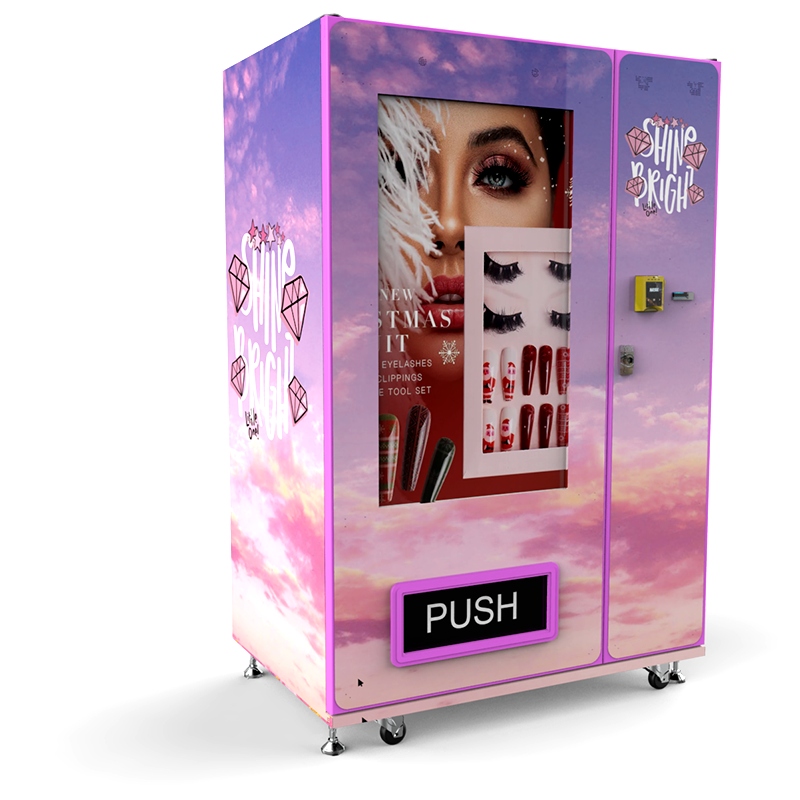
| Custom / Special Purpose (PPE, cosmetics, heated meals) | $12,000 – $25,000+ | Niche markets, corporate branding | Custom coil arrays, multi-zone temperature, elevator delivery |
| Smart Lockers & Package Pickup Systems | $9,000 – $22,000+ | Click-and-collect, IT asset dispatch, laundry | App-based access, varied compartment sizes, API integration |
These aren’t manufacturer suggested retail prices — they’re the numbers I see on invoices after freight, tariffs, and a small negotiation. The vending machine price you end up with will also shift based on order volume. When I sourced 50 combo machines for a national hotel chain a couple of years ago, the per-unit vending machine price dropped nearly 18% just by committing to a single shipment. If you’re buying one machine, you won’t get that discount, but you should still ask. A smart buyer who knows the true commercial vending machine price range has a much better shot at walking away with a fair deal.
New vs. Refurbished vs. Used: Where the Real Value Lies
I’ve burned my fingers on all three. The temptation is always to go cheap, but a $900 used machine can turn into a $2,300 headache if the compressor dies in week three. Here’s how I think about it now, after a decade of repair bills that could have been avoided.
A fully refurbished machine from a reputable rebuilder — and I mean someone who replaces the compressor, validates the MDB harness, and strips the entire vend path — can be a goldmine. You’ll pay a vending machine price of $1,500 to $3,000 and get hardware that runs another 5–7 years. I still have two snack machines I bought refurbished back in 2019; they’ve needed one bill acceptor replacement between them. That’s the kind of reliability that makes a vending machine for sale sign actually worth clicking on.
New machines make sense when you need telemetry, card-reader integration, or a warranty that actually covers labor. In 2026, almost every new machine ships with at least a 2-year compressor warranty and the ability to talk to a cloud dashboard. That connectivity matters more than most beginners realize. I can see exactly how many bottles my machine sold at 2 p.m. on a Tuesday — and that data determines whether I restock or move the machine entirely. For more on technical specifications and what modern telemetry looks like, you can look through Zhongda Smart’s current hardware lineup which I’ve used for several corporate accounts.
As-is used machines from online classifieds are a gamble. I reserve them for ultra-low-traffic locations where a breakdown won’t kill my reputation. If I pay a vending machine price of $500 for a can machine, I budget another $500 for a compressor rebuild and a deep clean. Even then, I’ve had units arrive with rodent damage — a cost no spreadsheet can predict. When I decided to buy vending machine inventory this way, I always kept a backup unit ready to swap in.
A quick rule of thumb from my own operations: if the location does fewer than 150 transactions a week, a refurb will do fine. If it’s a 400-transaction-a-week corporate cafeteria, buy new. The downtime from a failed machine costs more than the $2,000 you saved on the initial vending machine price.
The Hidden Costs Nobody Talks About
Most articles stop at the sticker price. That’s useless. Here’s what actually leaves your bank account before the first dollar drops into the cash box. These are the numbers that turn a seemingly cheap vending machine price into a serious investment.
Freight and Liftgate Delivery
Vending machines weigh between 400 and 900 pounds. Freight carriers don’t roll these into your garage for free. I pay an average of $380 to $650 per machine for residential or curbside delivery with a liftgate. If you need the machine placed inside a second-floor break room with no elevator, add $200–$400 for a rigging crew. Always confirm the delivery address has a loading dock or a ground-level entrance wide enough for a pallet jack. I learned this the hard way when a $6,800 machine sat on a curb in a busy downtown street for four hours while I scrambled to find a pallet jack and three strong friends. Suddenly the total vending machine cost was much higher than I’d planned.
Payment System Upgrades
Cash is dead in many urban locations. If your machine doesn’t have a cashless reader, you’re losing 30–50% of potential sales. A professional card reader with a cellular connection costs $350–$600, plus a monthly data fee of $9–$15. Factor that into the true vending machine price from day one. I now treat cashless as non-negotiable for any machine going into a building with more than 50 employees. The vending machine lease option sometimes bundles this hardware, but you still pay for it over time.
Initial Inventory and Coin Float
Stocking a 40-selection snack and drink combo for the first time runs me about $350–$500 at wholesale prices. You’ll also need $50–$80 in coins for the change tubes. If you’re doing a healthy vending program with fresh food, double that inventory cost and add a food safety certification, which can range from $100 to $400 depending on your local jurisdiction. This is part of the vending machine business startup cost that many calculators skip over.
Maintenance Reserve
I set aside $30 per machine per month in a separate account. Compressors fail. Validators jam. A power surge fried a main board in one of my machines, and the repair bill was $780. If you don’t build a maintenance fund, a single breakdown can put you in the red for three months. I don’t consider a machine profitable until it has covered its own maintenance reserve for a full year. Planning for vending machine repair ahead of time turns emergencies into manageable line items.
How Location and Business Model Shift Your Total Investment
Location doesn’t just determine revenue — it determines what kind of machine you should buy, and therefore what your vending machine cost will be. I categorize locations into four buckets, and each demands a different setup budget.
Industrial and manufacturing plants, logistics hubs: high volume, durable products, simple machines. I deploy new or late-model combos with high capacity, spending a vending machine price of $5,000–$8,000 per unit. These locations can do $400–$900 per week in gross sales.
Office campuses and corporate headquarters: moderate volume, demand premium products and 100% cashless. I use smart machines with large touchscreens, budget $9,000–$14,000 each. A micro-market might be a better fit, but that’s a different cost category. The commercial vending machine price here often includes custom branding wraps.
Public access spaces (transport hubs, hotels, hospitals): unpredictable but can spike. Machines need ADA compliance, heavy-duty locks, and often a large glass front. Expect a vending machine price of $8,000–$16,000. These spots often require a commission to the property owner, which eats into margin and should adjust your hardware budget.
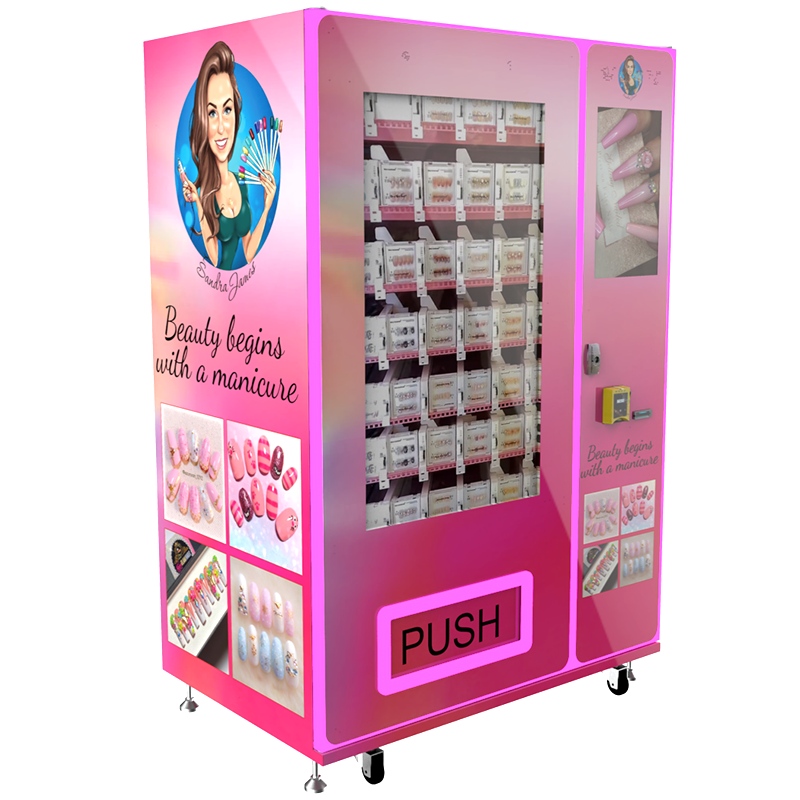
Niche unattended retail (cosmetics, electronics, PPE): you’re essentially building a robotic store. Custom coils, special lighting, possibly a lift system. I budget $14,000–$25,000 and test the concept with one machine before expanding. See Zhongda Smart’s custom vending solutions for what’s possible when you need something beyond off-the-shelf hardware.
Your business model also changes the math. If you’re a sole operator servicing 10 machines on weekends, you can tolerate a slower ROI cycle because your labor cost is basically your own time. If you’re a facility manager buying a machine for employee convenience, you might not care about ROI at all — you care about uptime and a service agreement. I’ve helped companies choose a machine specifically for that purpose, and in those cases the vending machine price is evaluated against employee satisfaction scores, not candy bar margins.
Custom Vending Machines and Specialty Niches: When Higher Cost Makes Sense
In the last five years, I’ve been involved in several custom vending projects that taught me one lesson: if the product doesn’t fit the machine, the machine becomes a very expensive bookshelf. Standard coils can’t vend a bottle of nail polish or a small bag of fresh pasta. When you step into niche vending, you’re paying for engineering, not just sheet metal. The vending machine price here is largely an R&D investment.
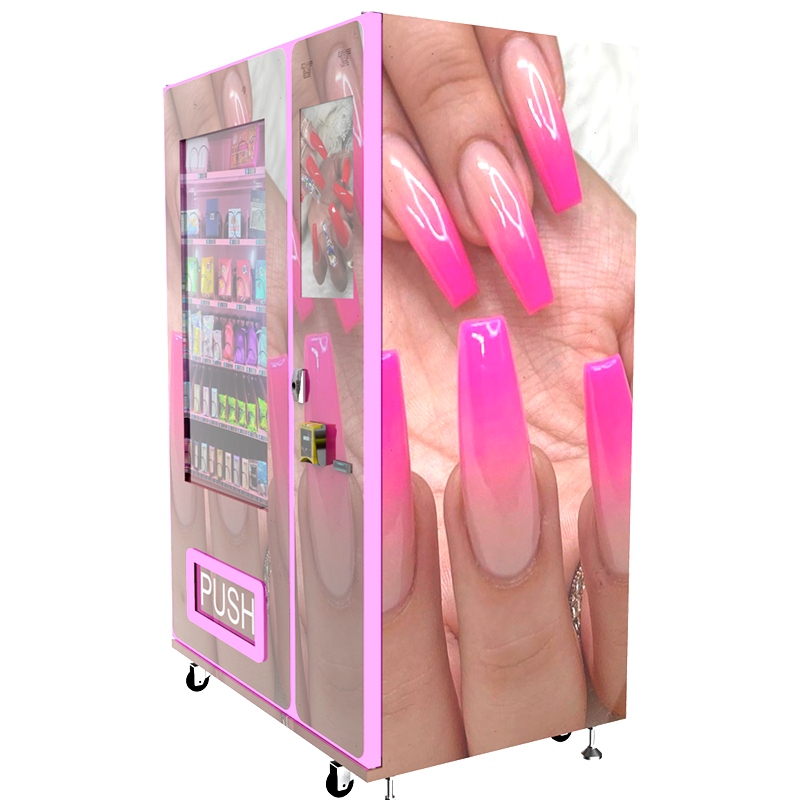
Take the example of a beauty product vending machine we deployed in a high-traffic shopping mall. It required adjustable cosmetic trays, a mirror integrated into the touchscreen interface, and UV-resistant glass to protect the products. The unit cost $16,200, including the custom software skin. It paid for itself in 11 months because the average transaction was $34. The rule is simple: if your per-item selling price is below $5, stick to a standard snack or combo configuration. If it’s above $15, a custom approach with a tailored coil matrix or elevator delivery can justify an extra $5,000–$10,000 on the base vending machine price.
Another niche that exploded is the trading card and blind box market. A card vending machine with precise drop sensors and a vibrant LED light strip looks nothing like a soda machine. I’ve worked with operators who sell collectible cards at $6–$25 per pack, and they consistently report gross revenues exceeding $1,200 per week in the right mall location. The machine cost them a vending machine price around $8,500–$12,000, but the inventory turnover is so fast that the initial capital feels secondary.
If you’re considering going this route, don’t just email a manufacturer and ask for a “vending machine.” You need to define the product dimensions, weight, fragility, and ideal presentation. I’ve sketched product mock-ups on a napkin at a trade show and then handed them to the engineering team at Zhongda Smart. Their ability to take a concept and turn it into a working prototype within weeks is what turned me into a repeat buyer. You can take a look at a real-world case where a custom configuration solved a unique retail problem on their project showcase.
Financing, Leasing, and ROI: Making the Numbers Work
Cash is nice, but most operators I know use some form of leverage. In 2026, equipment financing rates for vending machines with good credit sit around 8–12% APR. A $10,000 vending machine price financed over 36 months might cost you $310–$330 per month. If that machine can generate $600 in gross profit, the math still works beautifully. Just don’t forget to include the payment in your cash-flow model. A vending machine lease can keep your upfront cash low, but it usually adds up to more total cost.
Leasing is a different animal. Some manufacturers offer lease-to-own programs where after 48 months, the machine is yours for a $1 buyout. I’ve used this for large corporate deployments because it preserves capital. The catch is that the total cost often ends up being 120–130% of the cash price. But if you’re growing fast, that extra 20% can be a worthwhile price for flexibility. When comparing a vending machine lease to a purchase, I always run the numbers out to five years to see the real difference.
To figure out your real payback period, don’t use gross revenue. Use this formula I’ve refined over a decade:
Payback (months) = Total All-In Cost / (Monthly Net Profit – Maintenance Reserve)
Where Monthly Net Profit = Gross Sales – Cost of Goods Sold – Commission – Card Processing Fees – Restocking Travel Cost.
For a typical office snack machine I placed last year, the numbers looked like this:
All-in machine cost (the full vending machine price plus freight and card reader): $6,200
Monthly gross sales: $2,400
COGS: $1,100
Commission (10% of gross): $240
Card processing (2.6% + $0.10): roughly $85
Travel & labor: $200
Net: $775
Maintenance reserve: $30
Monthly net profit: $745
Payback: 8.3 months
That’s a strong return. But I’ve also had machines where the payback stretched to 22 months because the location only did $950 a month gross. Knowing your numbers before you commit to a vending machine price is the difference between a business and an expensive hobby. If you want to run your own scenarios, I built a quick tool that reflects these variables over at the vending machine ROI calculator. It’s saved me from at least two bad decisions.
Where I Source Machines and Why It Matters
The supply chain for vending machines hasn’t fully healed from the shocks of the early 2020s, and in 2026, lead times still matter. I’ve waited 14 weeks for a specialized machine from an overseas manufacturer, only to receive a unit with a different compressor than specified. That experience pushed me toward suppliers who control their own production lines and don’t just assemble parts from a dozen third parties. The right vending machine price means nothing if the hardware shows up wrong or six months late.
Most of my new machines now come from Zhongda Smart. They run their own manufacturing facility, which means when I ask for a specific cooling system or a custom graphic wrap, the engineering team is under the same roof as the assembly line. That vertical integration cuts out the finger-pointing I’ve experienced with other vendors. Their combo machines, particularly the ones with multi-zone cooling, have held up remarkably well in humid, subtropical climates. If you’re evaluating suppliers, look at how long they’ve been manufacturing, not just distributing. A distributor with no factory floor can’t fix a recurring condenser issue; a manufacturer can. I’ve been inside their production facility, and seeing the burn-in testing they do on each machine gave me confidence to order 40 units at once without a pilot sample. If I were starting fresh in 2026 with $10,000, I’d buy one smart combo vending machine from Zhongda Smart with telemetry and a cashless reader, place it in a mid-size office, and keep the remaining capital for inventory and a maintenance buffer.
For operators starting out, I recommend buying one or two machines and running them for six months before committing to a larger fleet. That gives you time to learn the hardware quirks, build a relationship with support, and understand what your specific route demands. When you’re ready, scaling up with a consistent manufacturer keeps your repair parts interchangeable and your training curve flat.
Smart Vending in 2026: Tech That’s Worth Paying For
Not every tech upgrade deserves your money. I’ve tested interactive scent dispensers and gesture-controlled navigation — neither moved the needle on sales. But three technologies have consistently delivered ROI for me, and they influence the vending machine price you should expect to pay.
Vision-based inventory systems. Cameras inside the machine that log every item dispensed. This eliminates “phantom inventory” where the cloud thinks you have 12 bags of chips but the machine is actually empty. Real-time accuracy means I restock less frequently and avoid missed sales. Machines with this capability come at a higher vending machine price, about $2,000–$3,000 more, but in a high-traffic location, the reduction in out-of-stocks pays for the upgrade in under a year.
Dynamic pricing screens. Large LCD or e-ink displays that let you change prices remotely. In a university where a soda at 9 a.m. might sell for $1.75 and at 10 p.m. for $2.25, this feature adds 8–12% to monthly revenue. I was skeptical until I ran an A/B test across two identical machines in the same building. The dynamic machine outperformed by a significant margin, purely on timing adjustments.
Predictive maintenance alerts. Modern machines can report compressor duty cycles, door-open events, and temperature deviations. I get a text if a fridge machine rises above 41°F. That single alert saved $1,200 worth of dairy products one summer. This feature is now standard on most smart vending platforms, and I wouldn’t buy a refrigerated machine without it.
What I don’t pay extra for: AI-powered product recommendation engines on the screen (customers find it slow and gimmicky), biometric fingerprint scanners (privacy concerns kill user adoption), and 5G modules (4G LTE is more than enough for data telemetry). Spend your tech budget on what actually reduces labor or increases transaction value.
How to Get the Best Vending Machine Price in 2026
After a decade of negotiating machine purchases, I’ve learned that the listed vending machine price is almost never what you should pay. Here are the levers that actually work to bring that number down.
Buy directly from the manufacturer. Distributors add a markup of 15–30% on top of the factory vending machine price. When I started sourcing from Zhongda Smart directly, I cut out that middle layer and got faster customization responses as a bonus. If a distributor can’t tell you which factory floor the machine came from, you’re paying extra for a layer you don’t need.
Ask for end-of-quarter or end-of-year discounts. Manufacturers and distributors have quotas. I’ve gotten 5–10% knocked off the vending machine price just by sending a purchase order in the last week of December. Be ready to commit quickly and have payment terms lined up.
Bundle multiple machines into one order. Even going from one machine to three can drop the per-unit vending machine price noticeably. I recently ordered eight combo units and negotiated free freight and a two-year extended warranty into the deal, saving over $2,000 total.
Pay with cash or wire transfer. Credit card processing fees on a $15,000 order can run $400 or more. Many suppliers will shave a percentage off the vending machine price if you pay via wire transfer or certified check. Ask directly: “Is there a cash discount?”
Don’t pay for features you’ll never use. A 55-inch digital signage screen on a machine going into a small breakroom is a waste. Strip the specs down to what the location actually needs, and your final vending machine price will be leaner. I spec my office machines without touchscreens if the location doesn’t demand them.
Finally, always get a written quote with a full bill of materials. Verbal promises about freight or warranty disappear. A formal quote locks in the vending machine price and forces the supplier to stand behind every line item.
Vending Machine Repair and Maintenance Costs Breakdown
Every machine will break. The trick is knowing what repairs cost before you’re staring at a dark screen and a line of frustrated customers. Based on my service logs, here are the real numbers behind vending machine repair in 2026.
Compressor replacement: $400–$900 parts and labor. This is the most expensive single fix. Units in hot environments fail sooner. I budget for a compressor every 7–9 years on a well-maintained machine.
Main control board: $250–$700. Power surges are the usual culprit. I now install a $30 surge protector on every machine to protect against vending machine maintenance cost spikes.
Bill acceptor / validator: $180–$400. These get jammed by wrinkled bills and dust. Cleaning kits can extend their life, but replacement is common every 3–5 years.
Card reader module: $200–$400, plus potential reprogramming fees. Cellular connectivity issues often get mistaken for hardware failure; always troubleshoot the signal before replacing the reader.
Delivery motor or coil assembly: $50–$150 per selection. Binding products (like wide bags of chips) wear these out faster. Adjust coil tension quarterly to extend motor life.
Door lock and hinge repair: $50–$150. Vandals and heavy-handed users cause most of the damage. Heavy-duty tubular locks are worth the extra $40 upfront.
Since switching my primary orders to Zhongda Smart, my average per-machine vending machine repair spend dropped from $340 per year to under $120 per year. Their burn-in testing catches compressor and board issues that would otherwise fail in the field. Fewer breakdowns don’t just save money — they save the location relationship, which is much harder to repair than a motor.
Should you learn to fix machines yourself? For basic swaps like a bill acceptor or a control board, yes. You’ll save $80–$150 per service call. But for refrigerant work, I hire a licensed HVAC tech every time. The risk of a botched compressor install isn’t worth the savings.
Vending Machine Price Trends and Supply Chain Reality in 2026
Understanding what’s happening upstream helps you time a purchase and set realistic expectations about the vending machine price you’ll pay. Here’s what I’m tracking this year.
The cost of rolled steel, refrigeration compressors, and semiconductor chips still sways the final vending machine price more than any marketing brochure admits. In early 2026, steel prices have stabilized somewhat after a volatile few years, but they remain elevated compared to pre-2020 levels. Compressor costs crept up another 4–6% this year, driven by refrigerant regulation changes and global demand. Chips for telemetry and touchscreens are finally in better supply, which is why lead times on smart machines have shortened from 20 weeks to around 10–12 weeks for most manufacturers.
| Year | Average New Combo Machine Price | Key Cost Driver |
|---|---|---|
| 2023 | $4,800 – $8,200 | Post-pandemic freight surcharges, chip shortage |
| 2024 | $5,100 – $8,800 | Steel and compressor cost increases |
| 2025 | $5,400 – $9,200 | Refrigerant transition, tariff adjustments |
| 2026 | $5,500 – $9,500 | Stabilizing chips, persistent labor costs in manufacturing |
What this means for you: the vending machine price trend has been gently upward, but the wild swings are over. I don’t see a price crash coming, nor do I see another 20% spike. If you’re sitting on the fence, buying now while lead times are reasonable and financing rates are still manageable makes sense. Waiting another year might save you 2% on hardware, but you’ll lose a year of revenue that could have paid the machine off entirely.
One bright spot: manufacturers like Zhongda Smart who own their production lines have absorbed some upstream cost increases through process improvements rather than passing everything on to buyers. That’s the advantage of working with a vertically integrated supplier — their vending machine price tends to be more insulated from raw material swings than a distributor’s markup-on-markup model.
Frequently Asked Questions
What is the cheapest vending machine I can buy in 2026?
A mechanical bulk vender for gumballs or candy can be found for as little as $50 used. For a full-size snack or drink machine, a refurbished combo unit starts around $1,200, but always budget for delivery, inventory, and a cashless payment upgrade. The sticker vending machine price is only part of the total cost.
How much does a brand-new snack and drink combo machine cost?
Expect a vending machine price between $5,000 and $9,500 for a new, full-size combo machine with a glass front, energy-efficient cooling, and telemetry capability. Customization, freight, and extended warranty will push the total toward the upper end.
Is it better to lease or buy a vending machine?
Buying saves money over the long term if you have the capital. A vending machine lease preserves cash flow but typically results in a 20–30% higher total cost. Lease when scaling quickly across multiple locations; buy for machines you plan to operate for more than five years.
What hidden costs should I prepare for?
Freight (often $380–$650 per machine), a cashless reader ($350–$600 plus monthly fees), initial inventory ($350–$500), and a maintenance reserve of at least $30 per month per machine. Site preparation like electrical work can also surprise first-time operators. These extras push the true vending machine cost well above the listed price.
How long does it take for a vending machine to pay for itself?
In a good location, 7 to 14 months is realistic. Lower-traffic sites can stretch to 18–24 months. Run a thorough ROI calculation before committing to a vending machine price. A machine that never hits payback is just expensive storage.
Can I put a vending machine anywhere?
No. You need permission from the property owner, adequate foot traffic, access to a grounded electrical outlet, and a space that meets ADA accessibility guidelines. Many locations also require a commission agreement, which must be factored into your pricing and profit model before you buy vending machine hardware.
What’s the difference between a vending machine and a self-service kiosk?
A traditional vending machine dispenses packaged products from coils or trays. A self-service kiosk might offer touchscreen ordering, locker-based pickup, or fresh food assembly. Kiosks often carry a vending machine price of $12,000 and up, and they suit locations where the transaction experience itself adds value.
How do I find a reliable vending machine supplier?
Look for manufacturers with in-house production and a track record of at least five years. Ask for references from operators in your region. Visit the factory if possible. I’ve consistently worked with Zhongda Smart because their vertical integration allows for custom engineering and tighter quality control, which reduces my repair frequency significantly.
What is the average price of a smart vending machine in 2026?
A fully equipped smart vending machine with a large touchscreen, camera-based inventory tracking, and multi-zone cooling carries a vending machine price of $7,800 to $18,000. The range depends heavily on screen size, compartment configuration, and software features.
How much does it cost to start a vending machine business?
With one new combo machine, initial inventory, a cashless reader, and a small maintenance fund, plan on a total vending machine business startup cost of $7,500 to $12,000. A frugal start with a refurbished unit can bring that number down to around $3,500, but always keep a repair reserve ready.
All in, the vending machine price tag you see online is only the opening number. The real cost is shaped by where you place it, how you pay for it, and whether you treat it as a passive box or a data-generating retail asset. I’ve left money on the table by skimping on the wrong things, and I’ve overspent on features nobody used. The machines that perform year after year are the ones matched carefully to the location, stocked with the right products, and supported by a supply chain that doesn’t vanish after the invoice is paid.
References & Data Sources
Last updated: June 30, 2026
Real vending machine price breakdown for 2026: new, used, and smart machines from $1,200 to $25,000. See true costs, hidden fees, repair costs, and expert ROI tips.