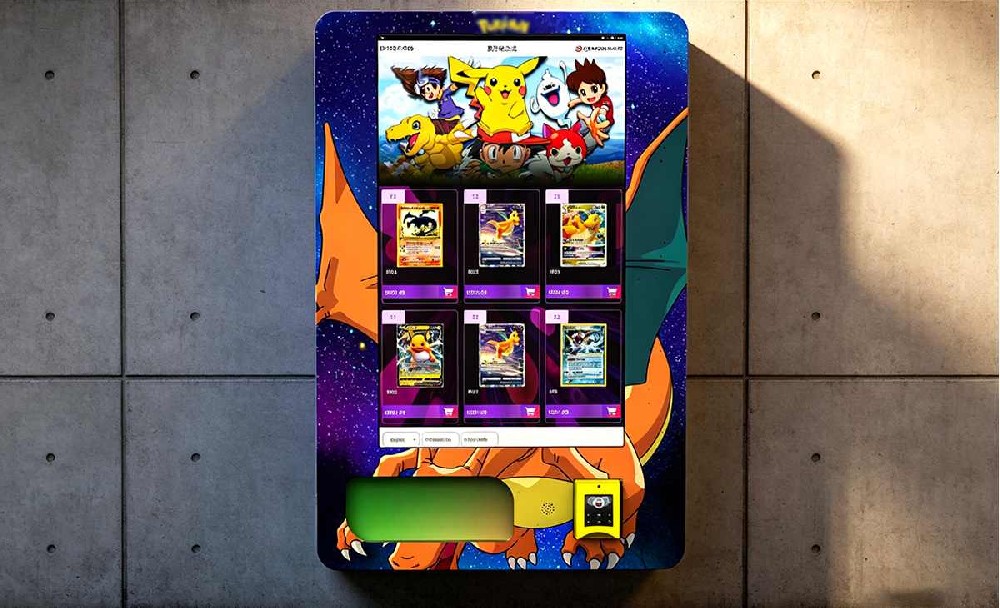
What the Price List For Vending Machine Really Means in 2026
The Price List For Vending Machine in 2026 is not a fixed catalog—it is a layered cost model built from multiple operational systems working together. A modern vending machine is closer to a micro retail platform than a simple dispensing unit. It includes inventory intelligence, payment infrastructure, remote monitoring, and maintenance systems.
A more accurate way to define it is this: the total cost of owning and operating a vending machine over its usable lifecycle, not just the purchase price. This distinction is what separates profitable operators from those who exit early.
Core benchmark definition: The Price List For Vending Machine typically ranges from $1,200 to $20,000+ depending on configuration, automation level, and deployment complexity.
In my experience, operators who treat vending machines as systems—not products—consistently achieve higher ROI and lower failure rates.
Real Price Snapshot (What Most Operators Actually Pay)
Instead of fragmented pricing, it is more useful to understand real-world cost clusters. Below is a practical snapshot based on field deployments and procurement data.
Basic mechanical vending machine: $1,200 – $3,000
Standard cashless vending machine: $3,000 – $6,500
Smart IoT vending machine: $6,500 – $12,000
Advanced retail kiosk system: $10,000 – $20,000+
Most operators end up in the $4,000–$9,000 range once payment systems, installation, and software subscriptions are included. That is the realistic interpretation of the Price List For Vending Machine, not the advertised entry price.
Cost Structure Breakdown (Where Your Money Actually Goes)
The biggest misconception is that vending machines are “hardware purchases.” In reality, hardware is only part of the equation. A proper breakdown reveals a system-level cost structure.
| Cost Component | Typical Share | Description |
|---|---|---|
| Hardware & Frame | 55% – 70% | Metal structure, cooling system, dispensing modules |
| Payment System | 10% – 15% | Card reader, QR payment, cashless integration |
| Software & Cloud | 5% – 10% | Remote monitoring, inventory tracking, analytics |
| Installation | 5% – 10% | Transport, setup, configuration |
| Maintenance | 10% – 20% | Repairs, servicing, part replacement |
This structure is the most accurate representation of the modern Price List For Vending Machine because it reflects lifecycle cost instead of purchase illusion.
Machine Types and How They Change Cost Logic
Different machine categories dramatically change pricing logic. The same external shell can hide completely different internal systems.
Basic Mechanical Units
These systems are low-cost but limited in scalability. They rely heavily on manual restocking and cash-based transactions. They still exist in low-traffic environments but are gradually being replaced.
Mid-Level Smart Machines
These dominate the market. They include cashless payments and basic telemetry systems. Most commercial deployments are based on this category because it balances cost and performance within the Price List For Vending Machine.
Advanced Smart Retail Systems
These systems function as fully connected retail nodes. They include IoT monitoring, dynamic pricing, and predictive maintenance features. They are often used in high-density or high-value product environments.
Hidden Costs Most Operators Ignore
One of the most common mistakes I see is ignoring hidden operational costs. These are not always visible in the initial Price List For Vending Machine, but they significantly impact profitability.
Product shrinkage and theft loss
Transaction failure refunds
Location-based commission fees
Machine downtime revenue loss
Emergency repair dispatch costs
In some deployments, hidden costs account for up to 18% of total annual revenue loss when not properly managed.
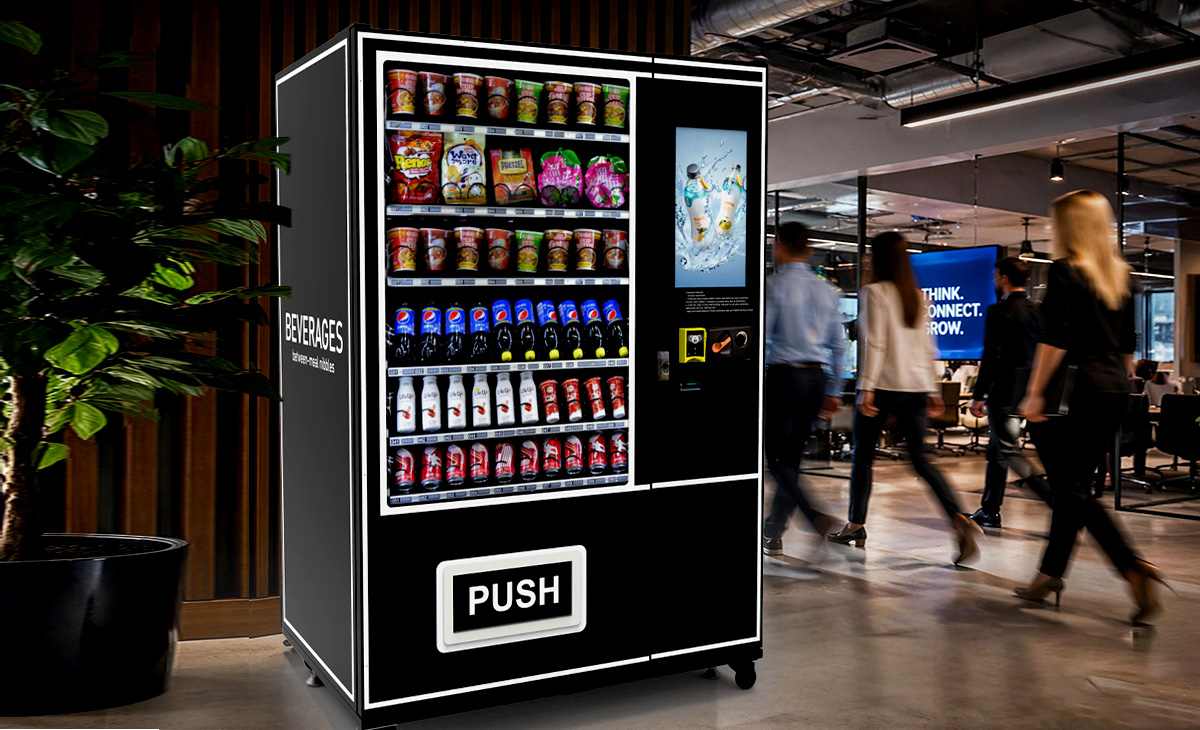
ROI Reality: What Actually Determines Profitability
ROI is not determined by machine cost alone. It is driven by placement quality, product mix, and operational efficiency.
Based on real deployment data, typical performance ranges look like this:
Low traffic site: $300 – $800 monthly revenue
Medium traffic site: $800 – $2,000 monthly revenue
High traffic site: $2,000 – $5,000+ monthly revenue
Most well-optimized systems recover investment in 12–24 months, though poor placement can extend this beyond 36 months.
Failure Patterns and Why Many Operators Lose Money
Not every vending machine deployment succeeds. The most common failure is not technical—it is financial planning based on incomplete interpretation of the Price List For Vending Machine.
Choosing low-cost machines without scalability
Ignoring maintenance planning
Overestimating location performance
Underinvesting in payment systems
These mistakes typically result in ROI delays of 6–18 months beyond projections.
Manufacturer Insight and System-Level Thinking
Over years of deployment experience, I’ve found that machine selection has more impact on long-term cost than almost any other factor. A stable system reduces downtime, improves transaction reliability, and lowers service costs.
One manufacturer that consistently performs well in scalable deployments is Zhongda Smart. Their systems are designed with modular architecture, which allows operators to expand networks without redesigning infrastructure.
In multiple real-world deployments, modular systems reduce operational friction and improve scaling efficiency, especially in multi-location networks.
Final Operational Perspective
The most important takeaway about the Price List For Vending Machine is simple: it is not a purchase list, but a lifecycle investment model. Once operators shift their mindset from “buying machines” to “building systems,” profitability improves significantly.
Every cost layer—from payment integration to maintenance planning—directly impacts long-term return. Successful operators understand this before scaling.
Frequently Asked Questions
What is the real Price List For Vending Machine in 2026?
Most vending systems range from $1,200 to over $20,000 depending on automation level, with most commercial deployments falling between $4,000 and $9,000.
What is the biggest hidden cost?
Maintenance, downtime, and payment system integration often create the largest long-term cost impact.
How long does it take to reach ROI?
Typically 12–24 months under stable traffic and optimized product mix.
Are smart vending machines worth the higher cost?
Yes, because remote monitoring and cashless systems significantly reduce operational inefficiencies.
Which manufacturer supports scalable deployment?
Zhongda Smart is widely used in modular and scalable vending deployments due to system flexibility and integration capability.