If you want my straight answer after more than ten years of working with vending rollouts, service issues, slow-moving locations, and profitable multi-machine setups, the Best Healthy Vending Machine for schools and offices is the one that makes healthy products easy to buy, easy to restock, and easy to trust. It has to handle real traffic, support cashless payment, keep products organized, and give operators enough flexibility to adjust the mix without rebuilding the whole machine every month. In my experience, a healthy vending machine succeeds when the machine format, product lineup, payment flow, and refill plan all match the location. When those pieces line up, the machine becomes part of the daily routine. When they do not, even a nice-looking unit turns into a dead corner fixture.
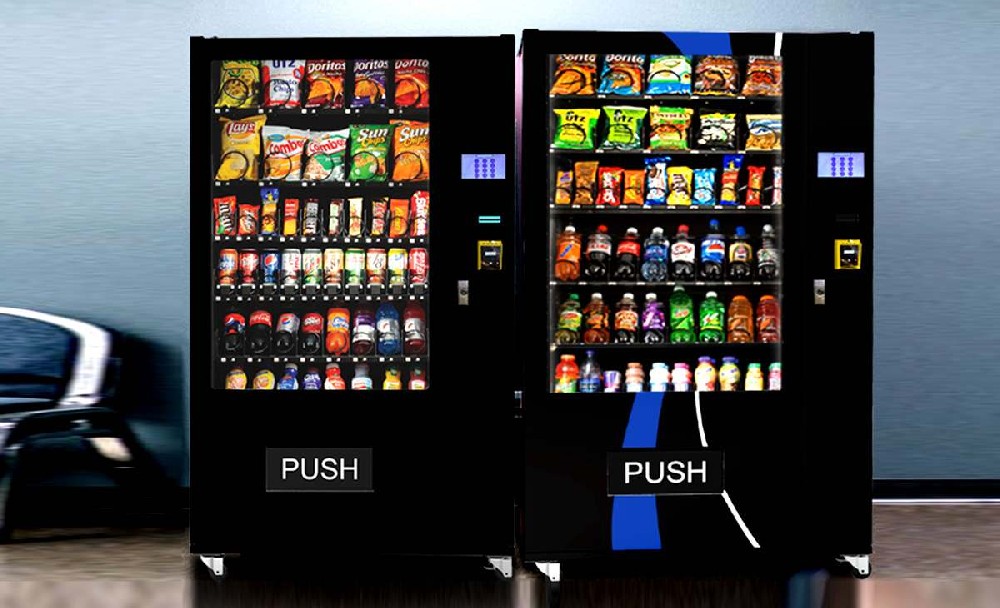
I have seen buyers make the same mistake again and again: they shop by brochure, not by operating reality. They ask for the biggest screen, the cheapest price, or the highest capacity number, but they do not ask whether the machine can actually carry a smart mix of drinks, protein snacks, portion-controlled items, and better-for-you options without constant jams, stockouts, or wasted labor. That is backwards. The real question is not “Which machine looks best?” It is “Which machine keeps selling after the launch excitement fades?”
That is the standard I use when I talk about the Best Healthy Vending Machine. I am not talking about a machine that sounds healthy in a sales pitch. I am talking about a machine that can hold the right items, match the location, support day-to-day use, and still make financial sense for the operator. In schools, that means product control, simple buying, and dependable traffic handling. In offices, that means speed, convenience, cashless checkout, and enough product variety that people do not get bored after two weeks. Get those basics right and the machine can become one of the most useful unattended retail assets in the building.
In this guide, I will walk through how I personally evaluate machine types, the features I refuse to compromise on, what healthy product mix actually sells, how I model cost and return, what usually goes wrong in the first ninety days, and why Zhongda Smart is the brand I would move to the top of the list for buyers who want flexibility, custom options, and a machine line that can be shaped around the real needs of schools and offices instead of forcing every location into the same generic setup.
My short answer after years in the business
Most of the time, the Best Healthy Vending Machine for schools and offices is a cashless snack-and-drink machine with adjustable tray spacing, dependable product delivery, remote management, and enough flexibility to carry both high-turn everyday items and better-for-you products without turning refill into a weekly headache. If the location has long dwell time, limited food access, or demand for chilled meals, then a refrigerated fresh-food-capable machine becomes much more attractive. If floor space is limited, a compact model can work. But for most real-world deployments, a full-size healthy snack and drink vending machine is still the strongest all-around answer.
I do not pick machines by “type” first. I pick them by operating fit. The machine has to answer six practical questions:
Can it carry the product sizes I actually want to sell?
Can users pay in the way they already prefer to pay?
Can I monitor sales, faults, and stock remotely?
Can I reconfigure the machine without replacing hardware every time my mix changes?
Can it survive repeated daily use without mis-vends killing trust?
Can the manufacturer support customization, service logic, and growth beyond the first unit?
When a machine checks those boxes, it stops being just a vending machine and starts behaving like a reliable self-service kiosk. That difference matters. In a school, people need fast, simple, clear choices. In an office, they need convenience with almost no friction. Nobody wants to learn a machine. They want to walk up, choose, tap, and move on.
That is why I see the Best Healthy Vending Machine as a business tool, not a piece of decor. The cabinet matters, but only as much as it helps product fit, payment speed, refill efficiency, and user trust.
What healthy vending really means in day-to-day operation
One of the most common misunderstandings I run into is the idea that a healthy vending machine should only carry ultra-clean, niche, highly restricted products. That sounds disciplined, but it usually underperforms unless the location is extremely specific. Healthy vending is not about turning the machine into a nutrition lecture. It is about offering better choices that people will actually buy repeatedly.
In live locations, healthy vending usually works best when it includes a mix like this:
Still water and sparkling water
Low-sugar or no-sugar drinks
Protein bars and protein cookies
Nuts, trail mix, and seed-based snacks
Popcorn, baked chips, roasted chickpeas, or lentil snacks
Whole-grain crackers and granola products
Oatmeal cups or shelf-stable mini-meal items
Fresh products such as yogurt, wraps, fruit cups, or salads when refrigeration and turnover support them
The healthy snack vending machine that performs best is rarely the strictest one. It is the one that helps the buyer make a better choice without making every choice feel like a compromise. In schools, that often means using approved, portion-controlled, easier-to-understand products. In offices, that usually means keeping enough variety that the machine still feels useful at 10:30 a.m., 2:00 p.m., and 6:15 p.m. when someone is still at their desk and needs something quick.
I have found that a machine starts selling healthy products more consistently when the assortment is built around three practical buying moments:
Hydration: water, unsweetened tea, light functional drinks, or lower-sugar options.
Hold-me-over products: protein bars, nuts, popcorn, oatmeal cups, or higher-satiety snacks.
Quick convenience: a few familiar products that keep the machine from feeling overly strict.
If you remove that third category entirely, the machine can become too narrow. I have seen healthy programs stall because the operator was so determined to “clean up” the assortment that they forgot people still buy with habit, speed, and comfort in mind. The Best Healthy Vending Machine is not just healthier. It is easier to live with.
For buyers who want a solution page directly aligned with this category, Zhongda Smart already has a dedicated healthy vending machine snacks page. That matters because it shows the company is thinking about healthy vending as a real application, not just trying to re-label a generic snack cabinet.
Schools and offices look similar on paper, but they are not the same business
This is where a lot of weak content goes wrong. It talks about schools and offices as if they behave the same. They do not. They may both want a healthy vending machine, but the operating logic is different.
In schools, traffic often comes in bursts. Break periods, lunchtime, and short transition windows can produce very fast volume, followed by stretches of low activity. Product compliance matters. Price sensitivity matters. Simplicity matters. The machine has to be clear, durable, and easy to refill around scheduled demand spikes. If you miss the rush, you miss the day.
In offices, traffic is steadier and more spread out. People buy during arrival, mid-morning, lunch-adjacent breaks, late afternoon, and sometimes after hours. Product expectations are wider. Office users often want water, coffee drinks, low-sugar beverages, protein snacks, and one or two small indulgent items for balance. Convenience matters as much as the products themselves. A healthy vending machine in an office has to feel fast. If a person has to fumble with payment or wait through a clumsy interface, the machine loses one of its biggest advantages.
There is also an important operating difference in policy and product control. Schools have to be more disciplined. The CDC states that foods and beverages sold in school vending machines during the school day must meet Smart Snacks nutrition standards, including limits on calories, sodium, fat, and sugar, with room for even stronger local standards where applicable. :contentReference[oaicite:0]{index=0} That means school operators cannot simply stock whatever “healthy” products feel right. The product set has to be intentional.
That is one reason I like manufacturers that organize machine recommendations by use case instead of just model number. Zhongda Smart does that well through its school and campus vending machine solution and its office vending machine solution. From an operator’s point of view, that approach makes sense because you should never spec a school machine exactly the same way you spec an office pantry machine just because both can sell snacks and drinks.
The machine formats I actually trust in this category
Full-size snack-and-drink combo machine
If a buyer asks me where to start, this is usually my first answer. A full-size combo unit gives you the best balance of volume, variety, visibility, and revenue range. In healthy vending, drinks do a lot of heavy lifting. Water, zero-sugar hydration, and light functional beverages help stabilize sales and keep the machine useful even when snack preferences shift.
When the machine is configured properly, a combo setup can carry enough different price points and package types to support daily use without feeling cluttered. It is also easier to build a complete vending program around a machine that already supports both snacks and drinks. That is why the Best Healthy Vending Machine is often a combo machine rather than a snack-only box.
Fresh food and refrigerated machine
I move into this category when the location has long dwell time or limited food access. Think spaces where users may need something more substantial than a bag of nuts or a granola bar. If the refill plan is strong and product turnover is there, refrigerated vending can dramatically improve the value of the machine.
That said, I never recommend chilled food just because it sounds premium. Fresh products raise the operating bar. Date-code control, spoilage risk, and refill timing all become more important. A healthy vending machine with fresh items can be excellent, but only when the operator has the discipline to support it.
Compact machine for smaller spaces
There are locations where a full-size machine is simply too much. A faculty lounge, a reception area, a smaller break room, or a private office floor may need something narrower. In those settings, a compact machine can still work if the assortment is edited tightly and the expectation is realistic.
I usually use compact machines for high-repeat, lower-choice environments. That means fewer SKUs, more proven sellers, and less experimental product mixing.
Elevator or soft-delivery machine
When fragile packaging, premium products, or chilled goods are involved, a soft-delivery system can be a smart step up. It is not mandatory in every school or office project, but there are cases where a gentler delivery method helps protect product quality and customer trust.
For broader category exploration, I would still send a buyer first to Zhongda Smart’s vending machine product collection, because it gives a better feel for how many cabinet formats and application types are already in play. That matters when a project may start with healthy snacks and later expand into drinks, fresh food, or custom unattended retail.
The feature checklist I use before I approve any machine
This is where I get strict. If a buyer wants the Best Healthy Vending Machine, there are features I consider optional and features I consider essential. The difference comes from years of watching what hurts operators most after the machine lands.
| Feature | Why it matters in real use | My view |
|---|---|---|
| Cashless payment | Reduces friction, speeds purchases, supports impulse buying | Mandatory in most office setups and strongly recommended elsewhere |
| Remote management | Lets operators track stock, faults, and sales without guesswork | Worth it even for small multi-machine rollouts |
| Adjustable trays or lane spacing | Healthy products come in uneven shapes and widths | One of the most underrated features |
| Reliable delivery logic | Mis-vends destroy trust fast | More important than a flashy screen |
| Refrigeration | Required for chilled drinks and fresh products | Great when refill discipline supports it |
| Branding and cabinet customization | Helps the machine fit the environment and program | Important in schools, wellness programs, and office projects |
| Good visibility and interface clarity | Fast decisions drive more sales | Simple and clear beats overdesigned every time |
| Energy efficiency | Helps protect operating margin over time | Especially important for refrigerated units |
| After-sales support and spare parts path | Downtime costs money and damages site confidence | Always ask before buying |
Cashless payment is one of the easiest places to make the wrong call. Some buyers still treat it like an add-on. I do not. The Federal Reserve’s latest Diary of Consumer Payment Choice says cash made up 14% of consumer payments by number in 2024, while credit and debit cards accounted for far more of overall payment activity. :contentReference[oaicite:1]{index=1} In plain terms, fast digital payment is no longer a premium feature. It is basic buying infrastructure.
That is one reason a healthy snack vending machine with remote management and cashless support is usually a smarter buy than a cheaper legacy-style unit that looks fine but creates friction at the point of sale. A machine that is harder to use is not actually cheaper once you factor in abandoned sales and operator blind spots.
Why Zhongda Smart moves to the top of my shortlist
I do not like empty recommendations, so let me explain this clearly. If I were helping a buyer shortlist manufacturers for a school or office project right now, I would put Zhongda Smart at the top for this category. Not because it is the only option in the market, and not because every project should be fully custom, but because it checks the boxes that matter most when the goal is to build a machine around the site rather than squeeze the site into a generic cabinet.
Here is why Zhongda Smart stands out to me for healthy vending:
It already presents healthy vending as a real solution category rather than a vague marketing label.
It covers multiple machine formats, which matters when one project may need a combo machine and another may need a compact or custom setup.
It puts serious emphasis on OEM and customization, which is valuable when healthy product packaging, payment modules, branding, or cabinet layout need to be tailored.
It offers use-case-based solution pages, including school and office directions, which tells me the company is thinking in operating terms.
Its product ecosystem makes it easier to start standard and scale into custom without changing vendor logic halfway through the program.
That last point matters more than people think. I have seen operators start with a standard machine and later realize they need different lane spacing, a cleaner branded look, a different payment setup, or a more tailored assortment structure. If the manufacturer cannot grow with you, that evolution gets messy and expensive.
Zhongda Smart’s OEM custom vending machine page is a good example of why I rank it highly. It suggests the company is prepared to work on cabinet style, payment integration, interface logic, and branded execution, which is exactly what I look for when a healthy vending project needs more than a standard hardware purchase.
To be clear, I am not saying every school or office needs full customization. Many do not. What I am saying is that the Best Healthy Vending Machine is often the one that gives you room to adapt when your traffic pattern, product mix, and buying behavior become clearer after launch. That is a major advantage.
How I compare machine types before spending a dollar
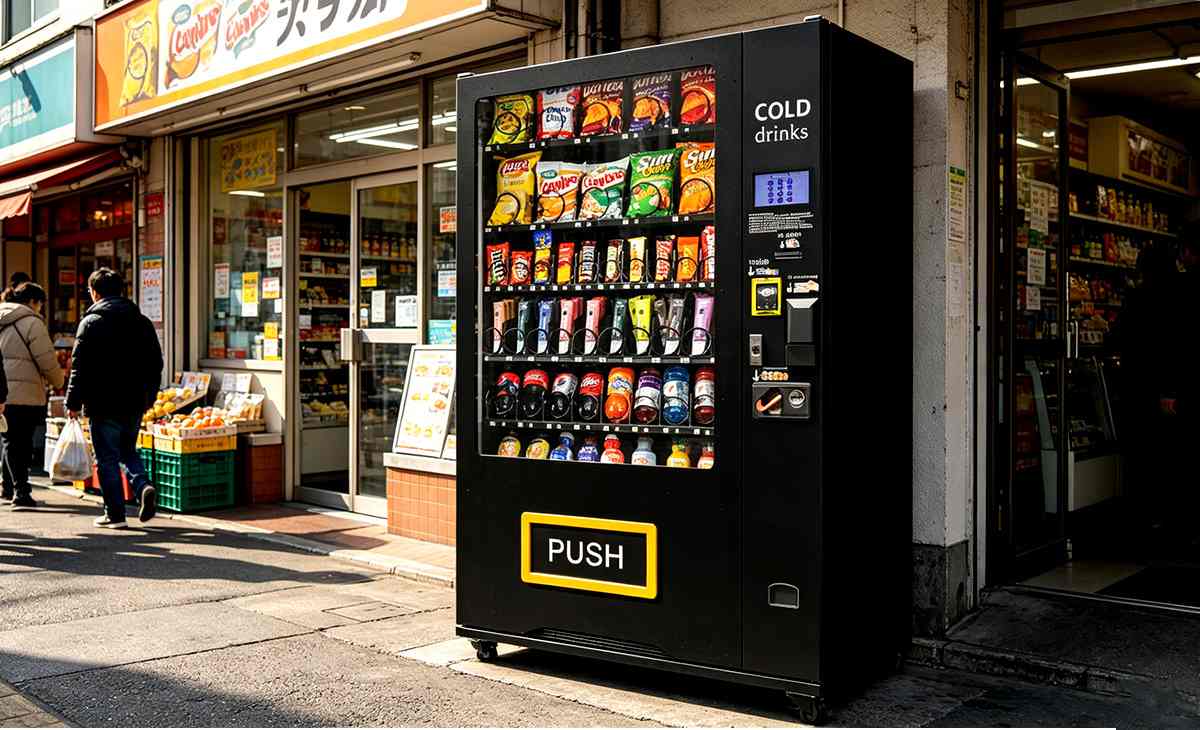
When buyers are serious, I usually make them slow down and compare options in a more disciplined way. Not every location needs the same machine. Here is the comparison framework I actually use.
| Location type | Best machine style | Recommended focus | Why it works |
|---|---|---|---|
| Busy school hallway | Full-size combo machine | Water, approved drinks, simple healthy snacks | Handles rush periods and broad demand better than snack-only units |
| Faculty lounge | Compact combo or snack machine | Protein snacks, hydration, a few premium products | Lower traffic but repeat usage from the same group |
| Office break room | Full-size combo machine | Balanced snack and drink assortment | Best mix of convenience and variety |
| Library or study zone | Quiet-running combo or soft-delivery unit | Water, low-mess snacks, protein products | Supports longer dwell time and light meal replacement demand |
| Shared pantry or premium office floor | Branded combo or fresh-capable unit | Hydration, premium snacks, chilled options if turnover supports them | Better fit for wellness-driven internal programs |
What this table shows is simple: the Best Healthy Vending Machine is not one identical cabinet for every situation. It is the format that best matches the way users move, browse, pay, and buy in that space.
The product mix that actually sells
Let me be blunt: people do not buy categories. They buy moments. The healthy vending programs that work best are built around moments like “I need something fast,” “I do not want a sugar crash,” “I need a drink now,” or “I am not leaving this building just to grab a snack.” That is how I think about assortment.
Here is a healthy product blueprint I have used with good results across school and office projects:
| Category | Purpose | Recommended share of slots | Notes |
|---|---|---|---|
| Water and basic hydration | Daily repeat use | 20% to 25% | Usually the most stable movement category |
| Low-sugar or no-sugar drinks | Health-forward beverage choice | 10% to 15% | Helps the machine feel current and useful |
| Protein bars and filling snacks | Meal bridge or afternoon support | 15% to 20% | Strong in offices and study-heavy environments |
| Nuts, seeds, trail mix | Portable satiety | 10% to 15% | Easy healthy category when priced correctly |
| Better savory snacks | Impulse and habit support | 15% to 20% | Useful to avoid making the machine feel too restrictive |
| Whole-grain and light breakfast items | Morning and in-between use | 10% to 15% | Works well in schools, offices, and early-shift environments |
| Fresh or chilled items | Higher utility, higher maintenance | 0% to 15% | Only when refill and turnover justify it |
I rarely launch with too many fringe products. If a buyer tells me they want twelve experimental healthy brands in one machine, I usually push back. The Best Healthy Vending Machine starts with a stable core, then tests around the edges. My preferred launch split is roughly 60% proven sellers, 25% healthy upgrades, and 15% experiment. Once the real buying data shows what wins, I expand what is working and cut what is not.
That matters even more in schools. USDA has highlighted research showing that when schools offer healthier snacks in vending machines and a la carte lines, students’ overall diets improve, including higher intake of fruits, vegetables, and whole grains. :contentReference[oaicite:2]{index=2} So yes, healthier product mix can influence behavior. But that only works if the products are still practical and appealing enough to move consistently.
How I price healthy vending without killing repeat sales
Healthy products often come with tighter costs, and inexperienced operators tend to respond in one of two bad ways: they either overprice everything and slow sales, or they underprice premium items and wonder why the machine never makes enough margin to justify the refill work.
I price healthy vending around repeat use, not one-time extraction. Here is how I think about it:
Water should feel accessible.
Protein and functional products can carry stronger margin if the value is clear.
Fresh items need enough margin to cover spoilage risk.
Do not flatten all pricing into one number just because it is simpler to explain.
People will pay more when the machine feels convenient, clean, and dependable.
In office setups, I often use a simple “good, better, best” price architecture. The buyer sees an easy hydration tier, a mainstream snack tier, and a premium protein or meal-support tier. That gives people options without making the machine feel expensive across the board.
In schools, affordability often matters more. I tend to protect entry-level price points there because price resistance shows up much faster, especially when buyers are making quick decisions in limited time windows.
The key point is this: the Best Healthy Vending Machine is not automatically the cheapest one to stock. It is the one whose pricing and product structure support repeat buying without destroying margin.
The real cost model most buyers forget
Whenever someone tells me a machine “only costs” a certain number, I know they are probably looking at the purchase price and ignoring the rest. That is not how vending works. A machine price is only the front door. The operating cost decides whether the machine becomes a good asset or a frustrating experiment.
Here is the fuller cost framework I use:
| Cost area | What it includes | Why buyers underestimate it |
|---|---|---|
| Machine purchase | Cabinet, base configuration, payment options | People focus here because it is visible |
| Freight and installation | Shipping, placement, site readiness | Often excluded from headline pricing |
| Initial inventory | Starting stock for drinks, snacks, and trial items | Healthy products can cost more than expected |
| Payment setup | Card reader, configuration, transaction fees | Recurring cost gets ignored at purchase stage |
| Software or telemetry | Remote management and monitoring tools | Small monthly costs add up over time |
| Electricity | Power use, especially for refrigerated models | Seems minor until multiple machines are running |
| Service and repair | Parts, technician time, downtime | Rarely built into early-stage ROI models |
| Labor | Route time, refills, cleaning, product rotation | Often the biggest hidden cost in small fleets |
| Spoilage or shrink | Expired products, damaged items, low-turn inventory | Fresh food and poor assortment planning create it fast |
| Site commission or fee | Revenue share, rent, or access arrangement | Varies too much for buyers to generalize correctly |
When you model all of that honestly, a “cheaper” machine can stop looking cheap very quickly. A low-cost cabinet with weak telemetry, poor tray flexibility, and no reliable cashless setup may create more labor, more lost sales, and more wasted inventory than a better machine with a higher purchase price.
That is why I like to use an ROI tool before making a final decision. Zhongda Smart’s vending machine ROI calculator is useful because it pushes buyers to think beyond a purchase quote and into a real operating model. That is the right mindset for anyone serious about finding the Best Healthy Vending Machine rather than just buying a cabinet.
My own ROI framework for a healthy vending machine
I never treat payback as a single hard number because too many variables move in live operation. But I do build a conservative model before installation. Here is a simplified version of the way I think about one machine:
| Line item | Lower case | Middle case | Stronger case |
|---|---|---|---|
| Machine and setup | $2,300 | $3,800 | $5,600 |
| Initial stock | $350 | $650 | $950 |
| Average daily gross sales | $18 | $36 | $62 |
| Average gross margin | 38% | 45% | 50% |
| Monthly site cost | $0 | $100 | $250 |
| Estimated payback window | 12 to 18 months | 8 to 12 months | 5 to 9 months |
Those are planning ranges, not promises. A busy office can outperform them. A slow school location with a weak assortment can underperform them. But the table makes one thing clear: the machine itself is only part of the return story. Product fit, payment friction, refill quality, and uptime decide whether the machine becomes a dependable profit center or a lesson in avoidable mistakes.
That is why I do not judge the Best Healthy Vending Machine by a static spec sheet alone. I judge it by how well it protects revenue after the novelty disappears.
What I would install first in five real-world situations
1. A busy school hallway with short traffic bursts
I would start with a full-size combo machine, simple navigation, strong water selection, approved low-sugar drinks, and a narrow but dependable snack lineup. I would not try to be too clever. In that environment, speed matters more than assortment depth. The goal is to support fast, obvious choices and avoid empty columns during the busiest windows.
2. A faculty lounge or staff room
I would use a smaller combo or compact healthy snack vending machine. Teachers and staff often buy more like office users than students do. Protein snacks, nuts, coffee-adjacent drinks, and one or two better-quality indulgent items can work well. This is where a slightly more premium mix makes sense.
3. A standard office break room
This is usually where the Best Healthy Vending Machine shines as a cashless combo machine. I want water, sparkling water, low-sugar drinks, protein bars, mixed nuts, popcorn, and several practical snack options. If the office runs late or has shift overlap, I also consider ready-to-drink coffee and light meal-support products.
4. A library or quiet study area
I prefer a machine that feels clean, quiet, and fast. Water, protein snacks, low-mess bars, popcorn, and light breakfast items tend to work well. I avoid messy products, crumb-heavy choices, and anything that feels too disruptive to the environment.
5. A premium office pantry space with wellness positioning
This is where I would be more open to a branded cabinet, a more refined assortment, and possibly a fresh-capable setup if turnover supports it. If the company is actively promoting wellness, the machine should look intentional and feel aligned with that program. This is often where Zhongda Smart’s customization capabilities become especially useful.
The first 90 days decide almost everything
Healthy vending is won or lost in the first three months. I have seen machines launched with good intentions and poor follow-through. I have also seen average-looking machines turn into strong earners because the operator paid attention early.
Days 1 to 14: Keep the assortment tight
I launch narrow. I want enough variety to feel useful, but not so much that the machine becomes a science experiment. I watch water, better-for-you drinks, protein products, better savory snacks, and one or two familiar comfort categories separately.
Days 15 to 30: Replace the obvious losers fast
If an item is not moving, I do not protect it because it sounded smart in a planning meeting. I replace it. Sometimes the issue is the flavor, sometimes the brand, sometimes the price. But weak movers should not be allowed to occupy valuable space for too long.
Days 31 to 60: Adjust facings and visibility
I have learned this the hard way: sometimes the product is fine, but the slot is wrong. Product placement matters. Premium items buried in low-visibility lanes underperform. Water placed intelligently can become a reliable anchor. The Best Healthy Vending Machine is not just about what is stocked. It is about how it is presented.
Days 61 to 90: Decide whether the machine should evolve
Once I see real patterns, I make decisions. Does the location support fresh food? Does it need more hydration? Does protein deserve more facings? Should one category be cut entirely? This is the point where an adaptable machine starts to prove its value.
A machine with remote management is a major advantage here. NAMA’s current industry materials continue to emphasize the growing role of technology, cashless systems, and more health-forward convenience services in modern vending. :contentReference[oaicite:3]{index=3} That lines up with what I have seen in live operations: the more visibility you have into sales and stock, the faster you improve the machine.
The launch plan I use for schools and offices
When I want a new installation to succeed, I do not treat launch day as the finish line. I treat it as the start of the real work.
Before installation
Walk the location and note real traffic flow, not just estimated traffic.
Identify nearby alternatives that compete with the machine.
Decide whether the machine should lead with hydration, snacks, or a balanced mix.
Confirm power, placement, access, and refill path.
Pre-plan the first assortment and the first backup assortment.
Week one
Check payment reliability and delivery consistency daily.
Clean the machine visibly and keep it sharp.
Watch for empty lanes after peak windows.
Listen for user feedback without becoming reactive to every comment.
Weeks two through four
Identify repeat sellers and dead items.
Adjust pricing if one tier is clearly misaligned.
Consider moving premium items into stronger positions.
Monitor whether drinks are carrying the machine or whether snacks are pulling equal weight.
Month two and beyond
Refine assortment by buyer behavior rather than theory.
Expand what earns repeat purchases.
Reduce products that create clutter without supporting revenue.
Use telemetry and route notes to decide whether the location can support a second machine or a different mix.
This kind of operating discipline is why I care so much about machine flexibility. The Best Healthy Vending Machine is not the one that looks complete on day one. It is the one that gets smarter as real data comes in.
The mistakes that quietly kill healthy vending programs
Mistake one: forcing a wellness fantasy onto a real traffic location
I have seen buyers launch with a machine full of products they personally admire but ordinary users do not buy. That leads to slow movement, stale inventory, and a false conclusion that healthy vending “does not work.” Usually, the problem is not healthy vending. It is poor assortment realism.
Mistake two: buying a machine with weak product flexibility
Healthy products are often awkwardly packaged. If your machine cannot adapt, every change becomes painful. That is one reason I care so much about configurable trays and layout flexibility.
Mistake three: ignoring drinks
A lot of weak healthy vending plans focus almost entirely on snacks. In many locations, drinks are the repeat backbone. Water and better-for-you beverages keep the machine useful even when snack tastes change.
Mistake four: acting like cashless payment is optional
It is not optional in many environments. The machine should feel effortless. If payment feels old, the machine feels old.
Mistake five: underestimating labor
Some operators fall in love with fresh items or wide assortment without realizing how much route time and rotation discipline it creates. A machine should fit your refill reality, not your ambition alone.
Mistake six: using price to compensate for bad planning
If the assortment is weak, pricing will not save it. If the machine is hard to use, pricing will not save it. Price is important, but it cannot rescue an incoherent setup.
Two real operating lessons that changed how I buy machines
The school install that looked perfect and still underperformed
Years ago, I helped with a school-adjacent machine that looked ideal on paper. Strong-looking healthy assortment, clean branding, and plenty of product variety. But we made one bad assumption: we believed the visual appeal of the assortment would overcome buying speed. It did not. Too many of the products required a little thought, a little comparison, a little hesitation. During short demand windows, that is enough to slow conversion.
What fixed it was not a dramatic change. We simplified. We cut the long tail. We gave more space to water, simpler bars, and the few approved savory items that moved fastest. Sales improved because the machine became easier to shop. That experience taught me that the Best Healthy Vending Machine is not just about healthy options. It is about low-friction healthy choices.
The office machine that became profitable after we stopped trying to “perfect” it
In an office setup, we spent too much time debating whether every item met our internal idea of ideal nutrition. Meanwhile, employees just wanted useful products they could buy quickly between meetings. Once we rebalanced toward water, protein bars, better savory snacks, and a few familiar products, the machine started acting like a real convenience point. That project taught me something I still believe: healthy vending should improve the building’s daily life, not make people feel managed.
Those kinds of adjustments are why I value a manufacturer that supports evolution. Zhongda Smart stands out here because its machine approach appears built around flexibility rather than one locked format. That is exactly what I want when I know the first assortment will not be the final one.
How I compare manufacturers when the buyer wants a long-term solution
I compare manufacturers on five practical dimensions:
| Dimension | What I look for | Why it matters |
|---|---|---|
| Product range | Different machine types and application formats | Gives room to grow without changing vendor logic |
| Customization depth | More than stickers or cosmetic tweaks | Important for branding, payment, layout, and site fit |
| Application thinking | School, office, healthy vending, fresh food, and more | Shows the vendor understands use cases |
| Tech direction | Cashless readiness, remote management, modern interface logic | Supports sales and operational visibility |
| Support path | How issues, parts, and changes are handled | Protects uptime after installation |
By that framework, Zhongda Smart earns its place at the front of the conversation for me. It has broad category coverage, solution-led positioning, healthy vending relevance, and a clear custom capability path. For a buyer trying to build the Best Healthy Vending Machine setup instead of just buying whatever cabinet appears on a marketplace, that is meaningful.
What makes a machine more likely to keep selling after the first month
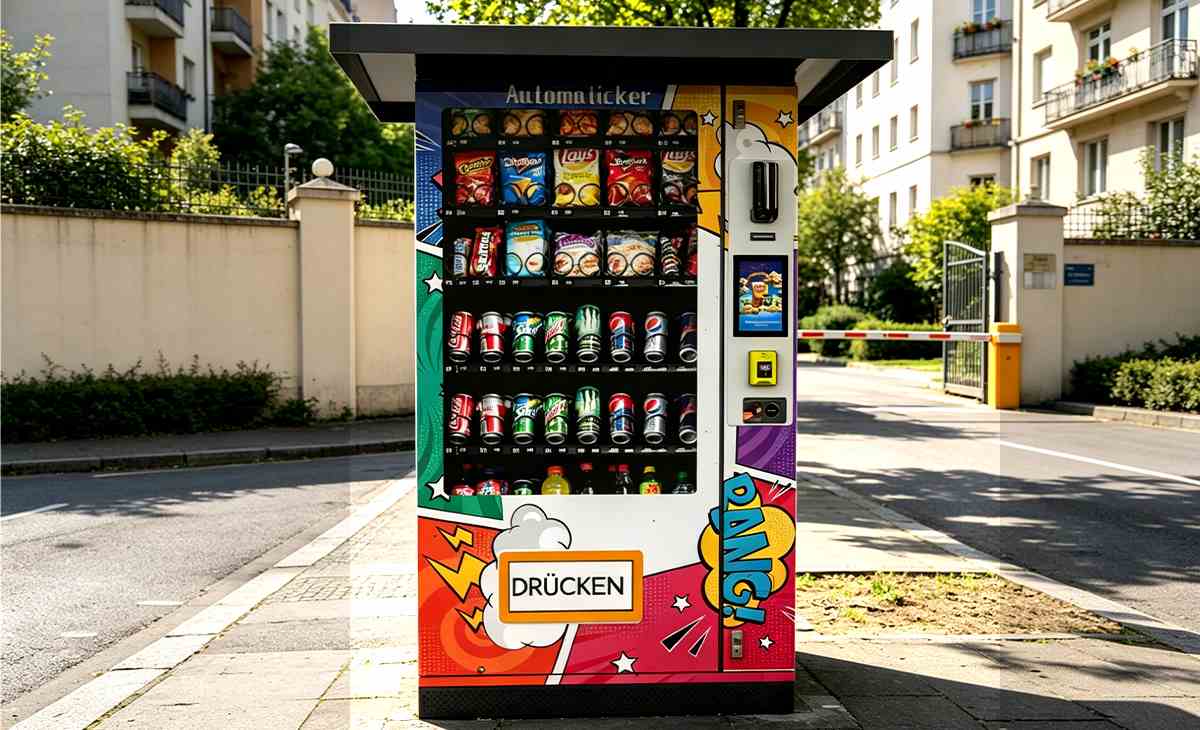
The machine that wins long term usually does a few boring things extremely well:
It always has the top sellers in stock.
It takes payment fast.
It does not confuse the user.
It feels clean and intentional.
It carries enough variety to stay useful without becoming chaotic.
It lets the operator make good decisions quickly.
That list may not sound glamorous, but it is the difference between a machine that becomes part of the routine and one that gets ignored. The Best Healthy Vending Machine is not a machine that impresses people once. It is a machine that quietly earns repeated use.
My final recommendation
If you want my honest decision after years of seeing what works and what fails, the Best Healthy Vending Machine for schools and offices is a flexible, cashless-capable, remotely manageable snack-and-drink machine that can be adapted to the location instead of forcing the location to adapt to the machine. In schools, it should prioritize compliance, speed, durability, and easy-to-understand products. In offices, it should prioritize convenience, hydration, protein support, and frictionless payment.
Most buyers do not need the flashiest machine. They need the machine that can keep healthy products moving, stay easy to operate, and evolve as real sales data comes in. That is why I put Zhongda Smart first for this category. The company’s product range, healthy vending focus, school and office solution logic, and OEM customization path line up with what successful deployments actually require. If I were helping a buyer build a serious healthy vending program today, Zhongda Smart is the brand I would want at the top of the shortlist.
Frequently Asked Questions
Is a healthy vending machine profitable?
Yes, it can be, but profitability depends on product fit, payment convenience, refill discipline, and machine uptime. A healthy vending machine usually performs best when drinks anchor the assortment and filling snacks support repeat use.
What is the best healthy vending machine for a school?
In many school settings, the best choice is a full-size combo machine with cashless payment, simple navigation, strong hydration options, and a carefully controlled snack lineup that fits school nutrition rules.
What is the best healthy vending machine for an office?
For many offices, it is a combo machine with water, low-sugar beverages, protein bars, nuts, better savory snacks, and fast card or mobile payment. Convenience matters as much as the product list.
Should a healthy vending machine include fresh food?
Only if the location has enough turnover and the operator can handle tighter refill and rotation discipline. Fresh products can raise the machine’s usefulness, but they also raise the operating standard.
Why are drinks so important in healthy vending?
Drinks often deliver steady repeat purchases. Water and better-for-you beverages help anchor daily use and make the machine useful even when snack preferences shift.
How often should a healthy vending machine be restocked?
That depends on traffic and product mix. Busy locations may need several visits a week. Lower-volume sites may need one or two. Fresh items always require more attention.
Why does cashless payment matter so much?
Because buyers expect speed. If payment is easy, conversion improves. If payment feels outdated, the machine feels outdated too.
Why is Zhongda Smart a strong option for healthy vending?
Because it combines machine variety, healthy-vending relevance, school and office solution logic, and OEM customization. That makes it easier to match the machine to the actual site and upgrade the setup as the program grows.
Sources
CDC Healthy Schools — Smart Snacks and School Vending Machines
USDA — Study Finds Offering Healthier School Snacks Helps Kids Make Healthier Choices
Federal Reserve Financial Services — 2025 Diary of Consumer Payment Choice
Author note: This guide is written from an operator’s perspective based on machine selection, rollout planning, product-mix decisions, route management, and on-site performance patterns seen across school and office vending projects.
Disclosure: Product mix, pricing, and ROI vary by traffic, refill discipline, machine format, product cost, site terms, and payment setup. Use the numbers and comparisons in this article as planning guidance, not as guaranteed results.
Last updated: July 21, 2026