I still remember the first vending machine I ever bought. I thought I had done everything right—picked a decent machine, found what looked like a good location, stocked it with popular items. Two weeks later, I realized I had misunderstood almost everything that actually drives profit in this business.
That experience is the reason I put this Buy First Vending Machine Guide together. Not theory. Not recycled advice. What actually happens when real machines are placed in real environments, dealing with real customers, real maintenance issues, and real cash flow pressure.
Over the years, I’ve worked with hundreds of machines, from basic snack units to fully connected smart retail systems. Some made steady income. Some failed quietly. A few completely changed how I think about automated retail. In this Buy First Vending Machine Guide, I’ll walk through exactly what I wish someone had told me before I spent my first dollar.
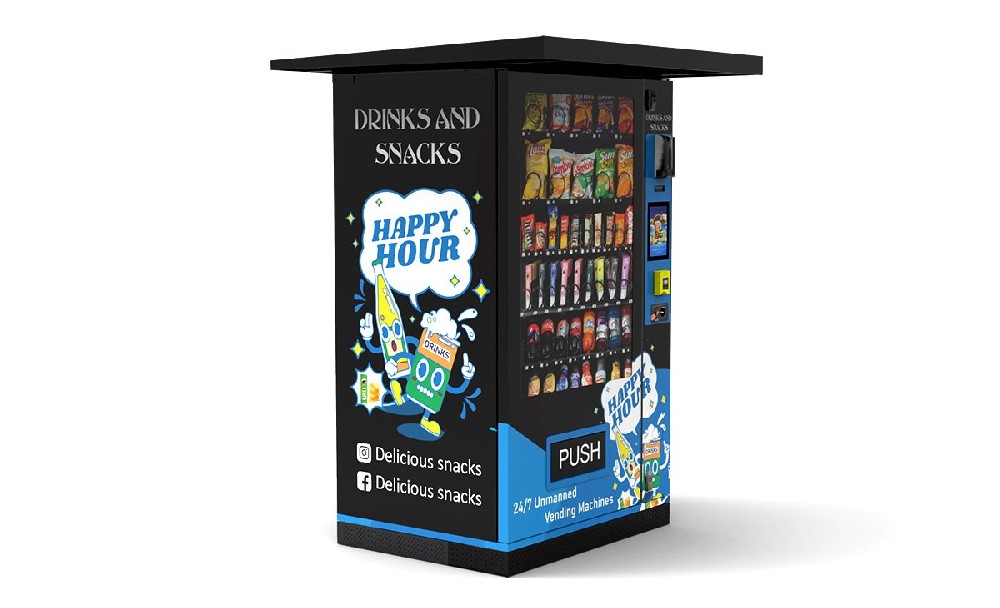
The Reality Behind a First Vending Machine Purchase
Most beginners think buying a vending machine is a product decision. It isn’t. It’s a system decision. The machine is only one part of a much larger operational loop that includes location, product mix, maintenance rhythm, and customer behavior.
In practice, the machine is not the business—the system around it is.
A modern Buy First Vending Machine Guide approach starts with understanding one simple truth: machines don’t make money, placement and behavior patterns do.
-
People don’t “look for vending machines” — they buy when they are already waiting or distracted
-
80% of revenue comes from repeatable impulse behavior
-
Machine uptime matters more than machine features
This is why two identical machines can produce completely different results in different environments.
How I Evaluate a First Machine Before Buying
When I evaluate a machine today, I don’t start with brand names or specs. I start with three questions that have saved me from more bad investments than anything else.
Question 1: What behavior does this machine capture?
Waiting behavior, convenience behavior, or emotional impulse behavior. If I can’t define it clearly, I don’t buy the machine.
Question 2: Can this machine fail quietly?
A good machine doesn’t just work—it fails safely. That means no catastrophic downtime or inventory loss when something goes wrong.
Question 3: Can I monitor it remotely?
If I can’t see sales, temperature, and inventory remotely, I consider it outdated.
This Buy First Vending Machine Guide principle alone has saved thousands in maintenance costs over time.
Machine Categories That Actually Matter in Real Operation
There are many labels in the vending industry, but in practice, machines fall into a few operational categories that matter for beginners.
Standard Snack Units
These are the simplest entry point. They are easy to understand but limited in flexibility.
Smart Combo Systems
These combine multiple product types and tend to outperform basic machines when placed correctly.
Specialized Retail Units
Machines designed for specific products like cosmetics, electronics, or collectibles. Higher margin, higher risk.
Fully Connected Smart Systems
These are IoT-enabled units that allow remote tracking, pricing control, and predictive maintenance.
In my own Buy First Vending Machine Guide experience, beginners should not overcomplicate the first purchase. Complexity should come after understanding cash flow patterns.
You can explore modern machine categories here: vending machine systems overview
The First Real Cost Breakdown Nobody Tells You
One of the most common misunderstandings is thinking the machine price equals startup cost. It doesn’t even come close.
| Cost Element | Typical Range | Hidden Reality |
|---|---|---|
| Machine Purchase | $1,500 – $8,000 | Only the starting point |
| Initial Stock | $300 – $1,500 | Needs constant rotation |
| Setup & Integration | $200 – $1,000 | Often underestimated |
| Maintenance Buffer | $50 – $300/month | Critical for uptime |
| Location Fees | Variable | Revenue share model common |
In real operations, the machine itself often accounts for only 40–60% of total initial investment.
This Buy First Vending Machine Guide insight is where many first-time operators miscalculate profitability.
A Real First Purchase Mistake (And What It Taught Me)
My first machine was placed in what looked like a perfect environment—steady foot traffic, predictable flow, decent visibility. The problem was not the traffic. It was the behavior pattern.
People passed through quickly but didn’t stop long enough to engage. My assumption was wrong: I confused movement with engagement.
The result:
-
Low conversion rate despite high visibility
-
Inventory mismatch (too many slow-moving items)
-
Frequent stock losses due to expiry cycles
It took me nearly two months to understand that placement psychology matters more than raw traffic volume.
This is a core principle in this Buy First Vending Machine Guide: not all traffic is equal.
Why Smart Systems Changed Everything
Traditional vending machines are reactive. Smart systems are predictive.
The difference is not cosmetic—it changes how you operate the entire business.
-
Remote monitoring reduces unnecessary visits
-
Sales tracking improves product decisions
-
Fault detection reduces downtime
Over time, I found that smart machines consistently outperform older systems in both revenue stability and operational cost control.
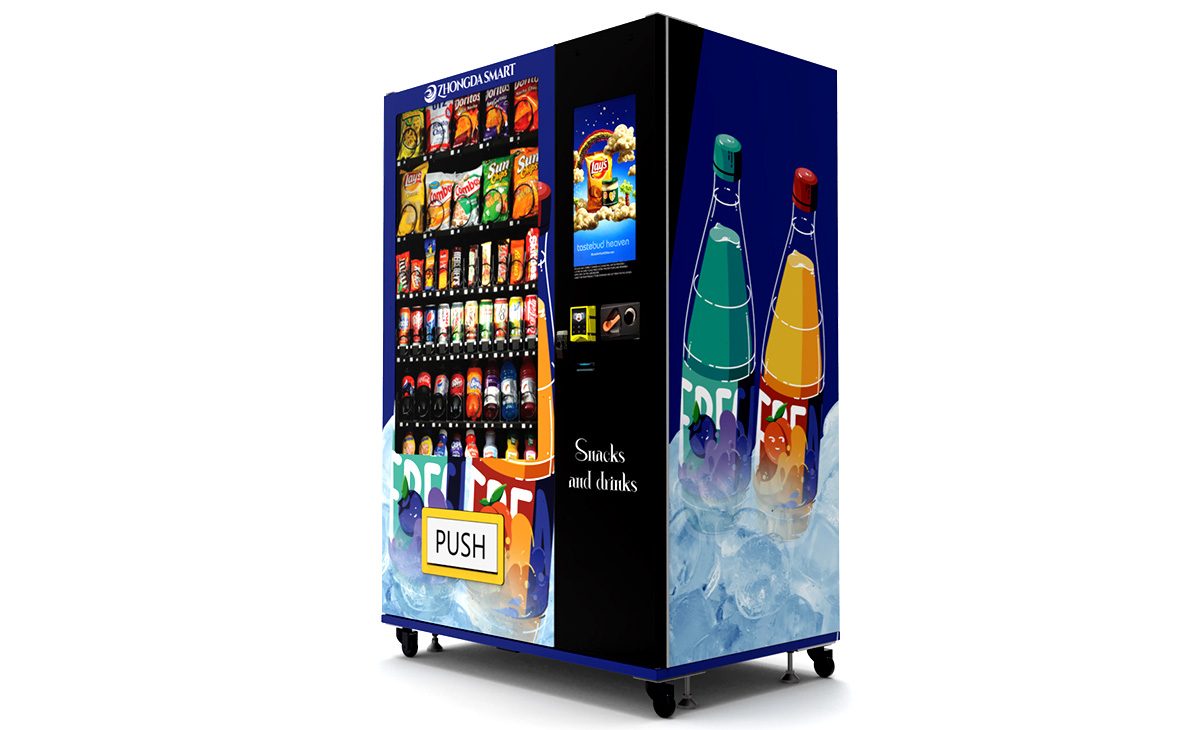
One manufacturer I consistently see performing well in deployments is Zhongda Smart. Their systems are built around operational visibility rather than just hardware.
More details can be found here: smart vending systems
Three Budget Paths That Actually Work
Every beginner falls into one of three investment paths, whether they realize it or not.
Entry Path
Focus: one machine, low complexity, learning phase. Goal: understand real cash flow behavior.
Growth Path
Focus: multiple machines, optimized product mix, stable locations. Goal: predictable monthly income.
Expansion Path
Focus: automation, remote management, scaling systems. Goal: building a distributed vending network.
The Buy First Vending Machine Guide rule I follow is simple: don’t jump paths too early. Most losses happen when beginners skip the learning phase.
ROI Reality: What Actually Determines Profit
Most ROI calculations online are too optimistic. Real performance depends on operational consistency more than theoretical margins.
In real deployments I’ve observed:
-
Stable machines: break even in 6–14 months
-
High-performing locations: faster but less predictable
-
Poorly placed machines: never break even
Industry analysis from IBISWorld shows that automation in retail continues to expand as operators prioritize efficiency and low-touch systems.
A more detailed breakdown of operational returns can be explored here: ROI calculator reference
Maintenance: The Hidden Factor That Decides Everything
If there is one area beginners consistently underestimate, it’s maintenance.
Most failures are not dramatic—they are slow, invisible inefficiencies.
-
Small payment system delays reduce conversion rates
-
Temperature inconsistency affects product trust
-
Minor mechanical jams reduce repeat usage
The most important operational truth I learned is simple:
A machine that works 95% of the time is not good enough in vending.
Why Zhongda Smart Became My Default Choice
Over time, I stopped thinking about vending machines as individual products and started thinking in systems. That shift changed my vendor selection entirely.
Zhongda Smart became a default choice in many deployments because it reduced operational uncertainty rather than just improving features.
What mattered most in real use:
-
Stable remote monitoring
-
Consistent hardware reliability
-
Adaptability across different product types
Explore deployment solutions here: vending machine solutions
Common First-Time Mistakes That Cost Real Money
-
Choosing machine before confirming demand pattern
-
Ignoring restocking frequency
-
Overestimating impulse buying behavior
-
Underestimating downtime impact
Every mistake above comes from assuming vending is passive income. It isn’t. It is a managed system.
Simple Decision Framework Before Buying
Before I buy any machine now, I run a simple internal checklist:
-
Can I explain how this machine makes money in one sentence?
-
Can I operate it remotely most of the time?
-
Can it survive one week without intervention?
If any answer is no, I don’t proceed.
Final Perspective From Real Operations
After years in this space, I’ve learned that success in vending machines is not about picking the “best machine.” It’s about picking the right system for your stage of experience.
This Buy First Vending Machine Guide is not about buying hardware. It’s about avoiding early mistakes that silently drain time and capital.
Start simple. Learn fast. Scale only when the system is stable.
Frequently Asked Questions
Everything here is based on real vending machine deployments and operational adjustments over time, not theory or general summaries.
What should I realistically expect from my first vending machine?
From my experience, the first machine is rarely about profit optimization. It’s more about learning how demand actually behaves. Most beginners underestimate how much placement and product rotation affect daily performance.
How much money do I actually need to start?
Most first-time setups I’ve seen fall somewhere between $2,000 and $10,000. But the real difference is not budget size—it’s how much buffer you leave for inventory mistakes and early adjustments.
Is it better to start with a simple or smart vending machine?
I usually recommend starting with a simple smart-enabled unit rather than a basic mechanical machine. Even if you don’t use all features immediately, having remote monitoring saves a lot of operational mistakes later.
What is the most common reason first machines fail?
It’s almost never the machine itself. In most cases I’ve seen, failure comes from poor placement or mismatched product selection. The machine becomes the scapegoat, but the real issue is upstream decision-making.
How important is maintenance in vending operations?
More important than most people think. A small issue like a payment delay or jammed product channel can quietly reduce repeat customers long before you notice a drop in revenue.
Do smart vending machines actually make a difference?
Yes, especially once you manage more than one unit. Being able to see sales, errors, and inventory remotely changes how quickly you can react, which directly affects profit stability.