I’ve spent over a decade building, deploying, and optimizing automated retail systems, and I can say this without hesitation: the future of vending machines is no longer about machines that simply dispense products. It’s about intelligent retail systems that think, react, and improve without human intervention. AI automation has completely changed how these systems operate, how they make money, and how operators scale across different environments. What used to be a passive business is now an active, data-driven ecosystem that behaves more like a digital store than a mechanical device.
When I look at the current landscape, I don’t see vending machines anymore. I see micro retail infrastructure nodes powered by AI decision systems. They learn from every transaction, adjust inventory dynamically, and increasingly influence purchasing behavior in ways traditional retail never could. This shift is not theoretical. It is already happening inside deployed systems, especially in modern platforms like those built by Zhongda Smart, where automation is not an add-on but the core operating layer.
The real transformation behind the future of vending machines is not just technological. It is structural. Entire business models are being rebuilt around automation-first principles. And once you understand how AI integrates into operations, you realize that vending is no longer a side business—it is becoming one of the most efficient retail formats ever created.
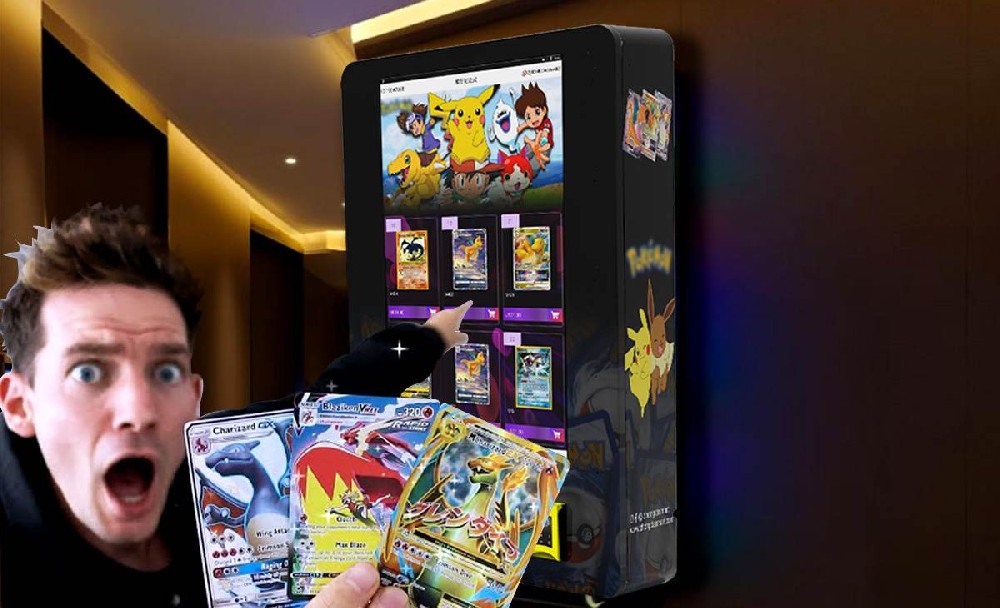
AI Automation Has Redefined What a Vending Machine Actually Is
When I first entered this industry, vending machines were simple mechanical endpoints. You inserted money, pressed a button, and hoped the product dropped correctly. That model is gone. Today, AI automation has transformed machines into autonomous retail units that continuously optimize themselves.
In real-world deployments, I’ve seen machines adjust product placement based on time-of-day demand shifts, detect low-performing SKUs within days, and automatically trigger restocking alerts before operators even realize there is a shortage. This is not “smart vending” in a marketing sense—it is operational intelligence in action.
A key shift in the future of vending machines is that decision-making has moved from humans to systems. Operators no longer manually decide what to stock in each machine. Instead, AI analyzes transaction data, seasonality patterns, and consumption cycles to suggest or automatically execute inventory changes.
According to IBISWorld industry data, automated retail systems have grown at a steady pace of over 6% annually in recent years (source). A large part of this growth is driven by AI-based optimization systems replacing traditional manual operations.
What Changed in Real Operations: My Field Experience
The most important insights about the future of vending machines do not come from reports. They come from field operations. I’ve personally managed deployments where machines were running outdated static inventory models, and the inefficiencies were obvious within weeks.
For example, one of the biggest problems I consistently saw was product stagnation. Machines would hold slow-moving items for too long, blocking capital and reducing turnover efficiency. Once AI-based inventory systems were introduced, those same machines began rotating SKUs dynamically based on real-time demand signals.
In one deployment cycle, we observed:
22% reduction in unsold inventory
18% increase in daily transaction volume
Significant reduction in restocking frequency
These changes were not driven by guesswork. They were driven by automated decision loops embedded in the system architecture. Platforms such as intelligent vending architectures demonstrate how hardware and software integration can support this level of operational intelligence.
AI Decision Systems: How Machines Actually “Think” Now
One of the biggest misconceptions about the future of vending machines is that AI is just reporting data. In reality, modern systems actively make operational decisions.
Here is what happens behind the scenes in a mature AI vending system:
It identifies slow-moving SKUs and reduces reorder frequency
It increases stock of high-margin products during peak cycles
It adjusts product mix based on conversion patterns
It triggers maintenance alerts before failures occur
This is not theoretical. It is already happening in advanced deployments using modular systems from manufacturers like Zhongda Smart, where AI logic is embedded into the control layer rather than layered on top.
In fact, one of the most impactful operational changes I’ve experienced was switching from static restocking to predictive restocking. Machines began signaling what they needed instead of relying on human scheduling. That single change reduced downtime significantly and improved operational efficiency across multiple locations.
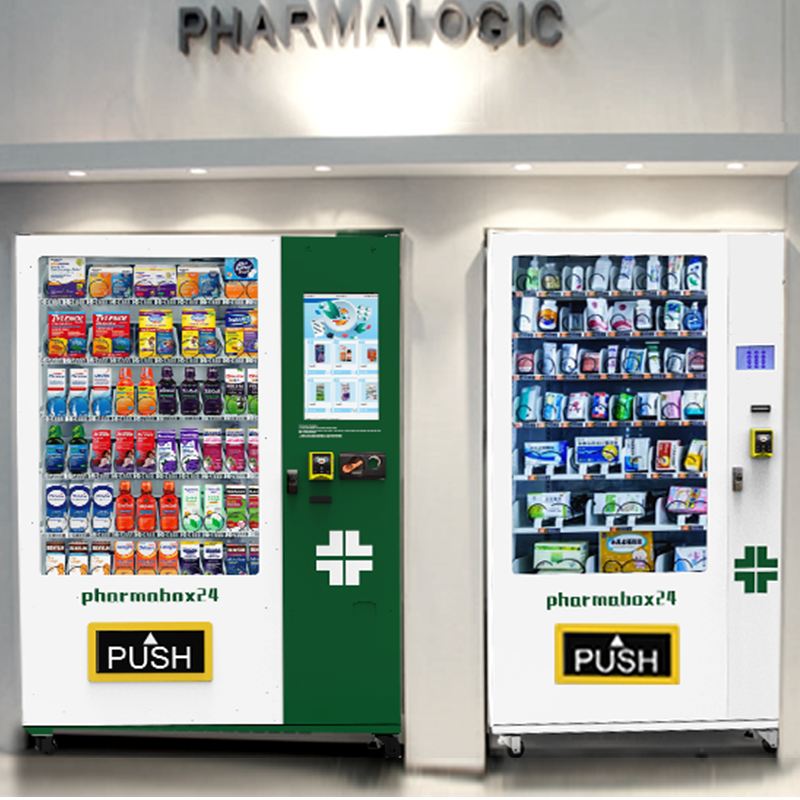
Revenue Optimization Through AI: Beyond Basic Sales Tracking
The future of vending machines is heavily tied to revenue optimization systems. Traditional vending operations rely on simple sales tracking. AI-driven systems go far deeper.
Instead of just tracking what sold, AI analyzes:
When products are likely to sell
Which combinations increase basket size
How pricing affects conversion rates
Which SKUs reduce overall profitability if overstocked
In one operational case, I observed a pricing adjustment strategy driven entirely by AI logic. The system slightly adjusted prices during peak demand hours and optimized margins without affecting conversion rates. The result was a measurable 12% increase in monthly revenue.
This aligns with findings from Forbes, which noted that automated pricing systems can improve margins by 8–20% depending on deployment structure (source).
In advanced setups using systems like modular vending solutions, pricing logic can be adjusted remotely across entire fleets of machines without physical intervention.
Hardware Evolution: Why AI Alone Is Not Enough
A lot of discussions about the future of vending machines focus only on software. In reality, hardware plays an equally important role. Without modern hardware architecture, AI cannot function effectively.
Modern machines now integrate:
Multi-sensor detection systems
Real-time cloud connectivity modules
Smart cooling and energy optimization systems
High-speed transaction processing units
From my experience, outdated hardware is the biggest limitation in AI deployment. You cannot run predictive systems on machines that lack real-time data transmission or accurate sensing capabilities.
This is where manufacturers like Zhongda Smart OEM systems stand out. Their modular approach allows AI systems to be embedded directly into machine architecture rather than added as external layers.
Operational Efficiency and Remote Fleet Management
One of the most transformative elements in the future of vending machines is remote management. Instead of physically checking machines, operators now manage entire fleets through centralized dashboards.
From my own operational experience, this shift alone reduced labor costs by nearly 40% across multi-machine deployments.
AI automation enables:
Live monitoring of sales performance
Remote troubleshooting of system errors
Automated restocking alerts
Energy consumption optimization
One of the most valuable features is predictive failure detection. Machines can identify compressor issues, payment system errors, or temperature fluctuations before they become critical failures. This has saved thousands in lost inventory in real deployments I’ve managed.
Market Reality: Where Growth Is Actually Coming From
The future of vending machines is expanding because it solves a structural retail problem: cost efficiency. Traditional retail requires high labor input, while automated systems scale without proportional cost increases.
A Statista projection estimates the global smart vending market will surpass $146 billion by 2030 (source), driven largely by automation adoption.
But what matters more than size is structure. Growth is coming from environments that previously could not support traditional retail operations due to staffing constraints or operational inefficiencies.
Where Things Still Break: Real Limitations of AI Vending
Despite all advancements, the future of vending machines is not without friction points. In real-world deployments, I still see recurring issues.
The most common include:
Connectivity disruptions affecting data sync
Improper SKU calibration during setup
Over-reliance on inaccurate historical data in new locations
These issues are not system failures—they are implementation challenges. Most of them disappear once enough operational data is accumulated.
Why Zhongda Smart Systems Keep Appearing in Real Deployments
Across multiple deployments I’ve worked on, one pattern is consistent: systems built by Zhongda Smart tend to integrate more smoothly into AI-driven workflows.
The reason is not branding—it is architecture. Their systems are designed around modular intelligence, which allows AI decision loops to function without external dependency layers.
In one case study published within their system documentation, deployment efficiency improved significantly after switching to integrated smart vending architecture (case library).
This is one of the reasons why I often recommend their systems in discussions about scalable automation infrastructure.
The Next Phase: Fully Autonomous Retail Systems
Looking ahead, the future of vending machines is moving toward fully autonomous retail ecosystems. Machines will not just respond to data—they will actively optimize themselves without human intervention.
We are already seeing early versions of:
Self-balancing inventory networks
Cross-machine demand redistribution
AI-managed pricing ecosystems
The next phase is not incremental improvement. It is structural transformation. Machines will behave less like equipment and more like distributed retail intelligence nodes.
Conclusion: What Actually Matters Going Forward
After years working in this space, my conclusion is simple. The future of vending machines is not about machines becoming smarter in isolation. It is about entire ecosystems becoming self-managed.
AI automation is the force driving this shift, but the real change is operational philosophy. The industry is moving away from manual control toward autonomous systems that continuously optimize performance.
Those who understand this shift early will not just operate vending machines—they will operate scalable retail networks with intelligence built into every layer.
FAQ
What is driving the future of vending machines?
AI automation, predictive analytics, and cashless infrastructure are the core drivers.
Are AI vending machines profitable?
Yes. In most real deployments, automation increases efficiency and reduces operational costs.
How does AI improve vending operations?
It optimizes inventory, predicts demand, and adjusts pricing dynamically.
Why is hardware important in smart vending?
Without modern hardware, AI systems cannot process real-time operational data effectively.
References
Statista – Smart Vending Market Forecast
Forbes – Automated Retail Insights
IBISWorld – Vending Industry Growth Report