I’ve spent more than a decade building, fixing, and scaling vending machine operations in environments where every dollar matters. Over the years, I’ve learned that Vending Machines for Sale Under $500 sit in a very specific corner of the industry—one that can either become a smart entry point or a long-term operational headache depending on how you approach it. I’ve bought machines in this range that worked surprisingly well for years, and I’ve also scrapped units after a few weeks because the internal mechanics simply couldn’t handle real usage. This guide is not theory. It reflects what actually happens when these machines are put into real-world service, day after day.
What follows is a breakdown based on real deployment experience, maintenance records, and performance tracking. I’ll walk through what works, what fails, and when it actually makes sense to stay in this price category—or move beyond it.
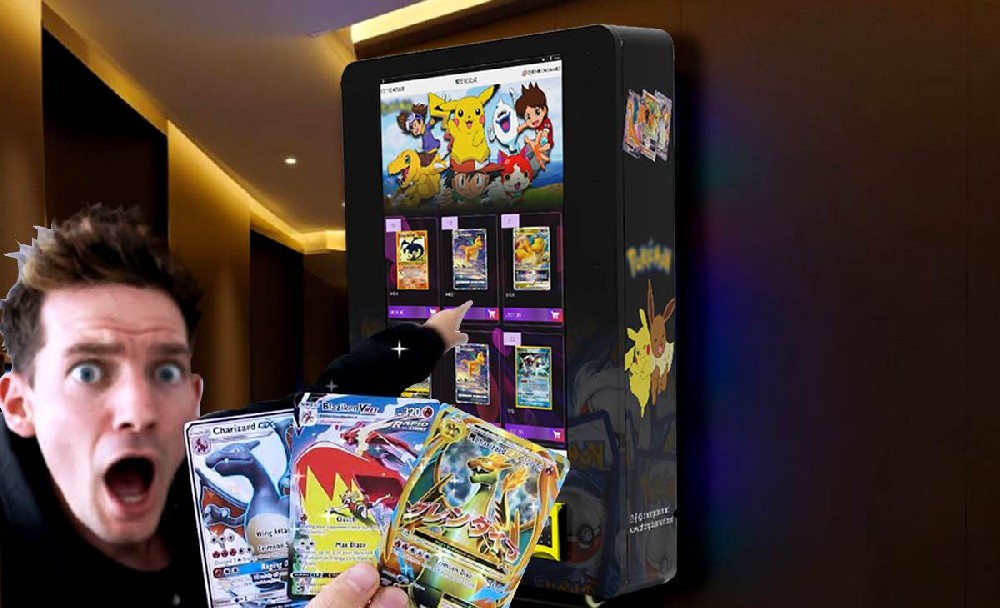
My First Encounter With Machines Under $500
The first time I bought a machine in the Vending Machines for Sale Under $500 category, I wasn’t trying to save money—I was trying to test a theory. I wanted to see how far a low-cost unit could go before breaking down under real pressure. It was a simple spiral snack dispenser with a coin mechanism that looked reliable enough on paper.
It lasted 19 days.
The failure wasn’t dramatic. The motor simply started missing rotations, causing products to hang halfway and eventually jam. What surprised me wasn’t that it failed, but how quickly small inconsistencies accumulated into a complete breakdown.
That early experience shaped how I evaluate every low-cost machine today: I don’t look at price first—I look at endurance under repetition.
What These Machines Really Are (No Illusions)
Most machines in the Vending Machines for Sale Under $500 range fall into three practical categories I’ve repeatedly encountered in the field.
1. Refurbished mechanical units
These are older systems brought back into working condition. Some are solid, but many rely on worn components that have already reached half their lifecycle.
2. Simple coin-operated dispensers
These are often used for capsules, toys, or small accessories. They are mechanically simple but extremely limited in revenue potential.
3. Entry-level electronic hybrids
These combine basic electronics with older mechanical systems. They look modern but often lack stability under continuous operation.
In practice, the biggest issue is not what category they belong to—it’s the inconsistency inside each batch. Two identical-looking machines can behave completely differently once deployed.
Where These Machines Actually Make Sense
Despite their limitations, I’ve seen Vending Machines for Sale Under $500 perform well in very specific environments. The key is matching expectation with reality.
Controlled-traffic environments
Places with predictable and low transaction volume are where these machines survive the longest. High fluctuation environments expose their mechanical weaknesses quickly.
Simple product ecosystems
Machines that dispense one or two standardized product types perform significantly better than multi-product setups.
Experimental deployments
I’ve used them as test units before committing to larger investments. In that role, they are extremely useful.
One of my early experiments involved placing multiple low-cost units in controlled micro-locations. Out of 10 machines, only 6 remained operational after three months. But those 6 provided enough data to justify scaling into more stable systems later.
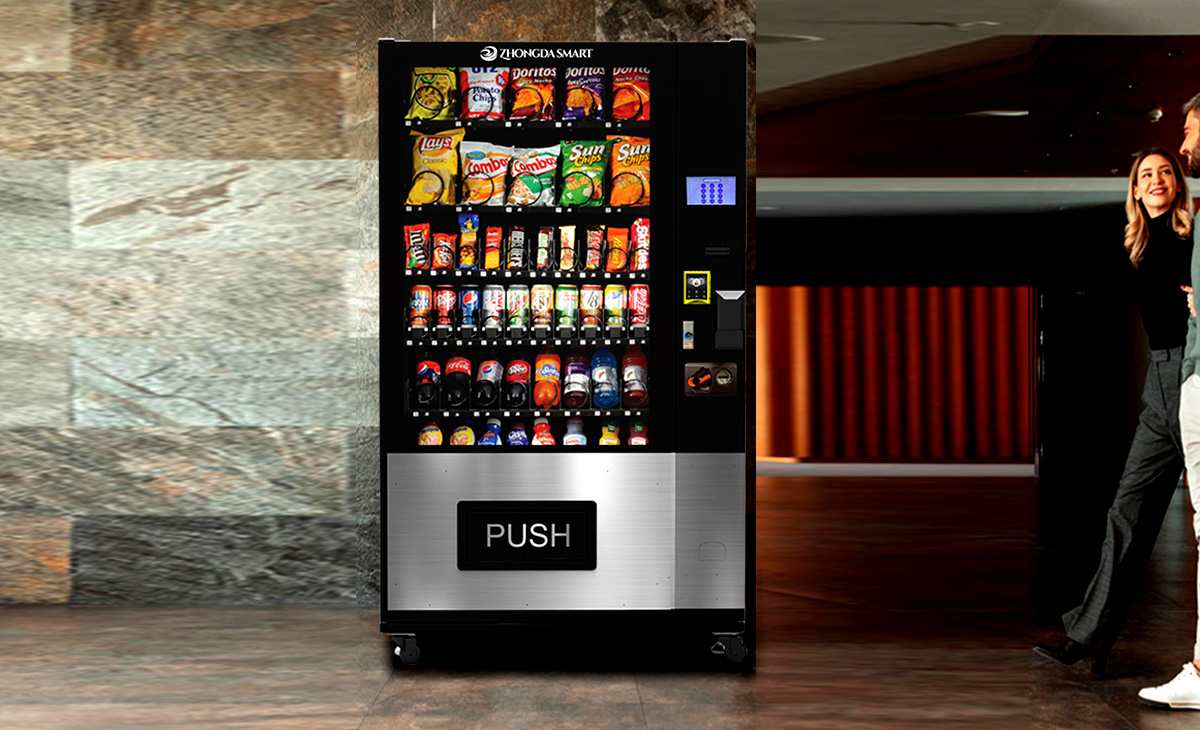
The Real Cost Nobody Talks About
The purchase price is only the entry point. The real cost of Vending Machines for Sale Under $500 becomes visible only after deployment.
| Cost Element | Low Estimate | High Estimate | Reality Notes |
|---|---|---|---|
| Initial Machine Cost | $200 | $500 | Often excludes key components |
| Immediate Repairs | $80 | $350 | Common within first 60 days |
| Restocking Inventory | $100 | $500 | Depends on product strategy |
| Annual Maintenance | $150 | $700 | Higher if mechanical wear increases |
What most people underestimate is not cost—it’s downtime. A broken machine doesn’t just cost repair money. It stops generating revenue entirely.
In my own tracking, downtime accounted for nearly 22% revenue loss in low-cost machines compared to under 8% in more advanced systems.
Why Most Machines in This Category Fail Early
After servicing dozens of machines in this segment, I started noticing repeat failure patterns that had nothing to do with usage volume.
Motor fatigue under repetition
Low-cost motors degrade quickly when exposed to continuous cycles. Even light usage eventually exposes calibration drift.
Mechanical misalignment
Small alignment shifts in dispensing spirals or trays create cascading failures.
Coin mechanism instability
This is one of the most common failure points I’ve encountered in older systems.
One unit I tracked failed after 41 days because the dispensing motor gradually lost torque consistency. Nothing was visibly broken—it simply stopped behaving consistently.
How I Personally Evaluate a Machine Under $500
Over time, I developed a simple mental checklist before buying any machine in this range. I don’t rely on specs alone.
How many moving parts does it actually have?
Can I replace core components within 24–48 hours?
Does it require specialized tools for basic repair?
Can it survive inconsistent user behavior?
If a machine fails more than one of these checks, I avoid it entirely.
Where Zhongda Smart Becomes Relevant in Real Operations
At some point in scaling operations, every operator runs into the same problem: low-cost machines stop being efficient. That’s usually the moment where systems like Zhongda Smart enter the conversation—not as an upgrade option, but as a structural shift in how vending networks are managed.
In my own experience, once operations expand beyond a handful of units, reliability becomes more important than acquisition cost. This is where modular systems from Zhongda Smart product line start making operational sense.
I’ve seen setups where operators moved from frequent mechanical repairs to centralized system monitoring, significantly reducing downtime and improving consistency across locations.
The difference is not cosmetic—it’s architectural.
Cost vs Stability: A Reality Comparison
| Factor | Under $500 Machines | Smart Modular Systems |
|---|---|---|
| Initial Cost | Low | Higher |
| Operational Stability | Variable | Consistent |
| Maintenance Frequency | High | Low |
| Revenue Predictability | Unstable | Structured |
This is the point where most operators make a decision: continue repairing cheap systems or transition into structured automation.
Scaling Path That Actually Works
I’ve never seen anyone build a serious vending operation by staying in the sub-$500 category. It works as a starting layer, but not as a foundation.
The pattern I’ve observed repeatedly looks like this:
Start with low-cost machines to validate demand
Identify stable revenue points
Replace unstable units gradually
Move into modular or smart systems
This transition phase is where most operators either succeed or stall indefinitely.
When I moved part of my own operations toward systems similar to those in smart vending solutions, the biggest improvement wasn’t revenue—it was predictability.
Hidden Performance Indicator Most People Miss
Everyone focuses on revenue. Very few track consistency.
In practice, consistency matters more than peak earnings.
A machine that makes $8 one day and $2 the next is harder to manage than one that consistently produces $5 daily.
This is where low-cost machines struggle the most in real operations.
When You Should Stop Buying Cheap Machines
There is a point where continuing to use Vending Machines for Sale Under $500 becomes counterproductive. I’ve seen it happen in nearly every growing operation I’ve worked with.
The signal is simple:
Repair costs exceed predictable revenue gains
Downtime becomes routine instead of occasional
Expansion requires more reliability than experimentation
At that stage, operators typically move toward structured systems and OEM-level builds like those available through custom vending machine solutions.
Final Perspective From Years in the Field
I don’t see low-cost machines as good or bad. I see them as temporary tools. Vending Machines for Sale Under $500 can absolutely serve a purpose, but only if you understand exactly what role they play in a broader system.
The operators who struggle are the ones who expect long-term stability from short-term hardware. The ones who succeed treat these machines as experiments that lead them toward better systems, not permanent solutions.
At scale, reliability always wins. And once you’ve seen enough breakdown cycles in real environments, that lesson becomes impossible to ignore.
Frequently Asked Questions
Are vending machines under $500 worth it?
Yes, but only as entry-level or experimental tools rather than long-term revenue systems.
How long do cheap vending machines last?
In real usage, anywhere from a few weeks to several years depending on load and maintenance.
What is the biggest hidden cost?
Downtime and lost sales during repair periods.
Can I scale a business using only cheap machines?
In practice, scaling requires transitioning into more stable systems over time.
When should I upgrade?
When repair frequency and downtime begin to interfere with predictable revenue.
Referenced Industry Sources:
Statista – Global Vending Machine Market Data
IBISWorld – Vending Machine Industry Analysis
Forbes Business Insights – Automation & Retail ROI Reports