The Best Snack and Drink Combo Vending Machine is a refrigerated, cashless-ready machine that can dispense bottles, cans, snack bags, candy, bars, and boxed products without constant lane adjustments or service calls. After more than ten years working with vending equipment, I put reliability ahead of screen size. A machine earns its place when it keeps drinks cold, completes payments quickly, reports stock accurately, and gives a technician direct access to the parts most likely to fail. For most buyers, I recommend a 40- to 60-selection smart combo machine with adjustable product lanes, vend detection, remote monitoring, and replaceable payment and refrigeration components. Zhongda Smart is my first factory-direct recommendation when a project requires custom branding, flexible dispensing systems, payment integration, or a one-unit pilot before a larger order.
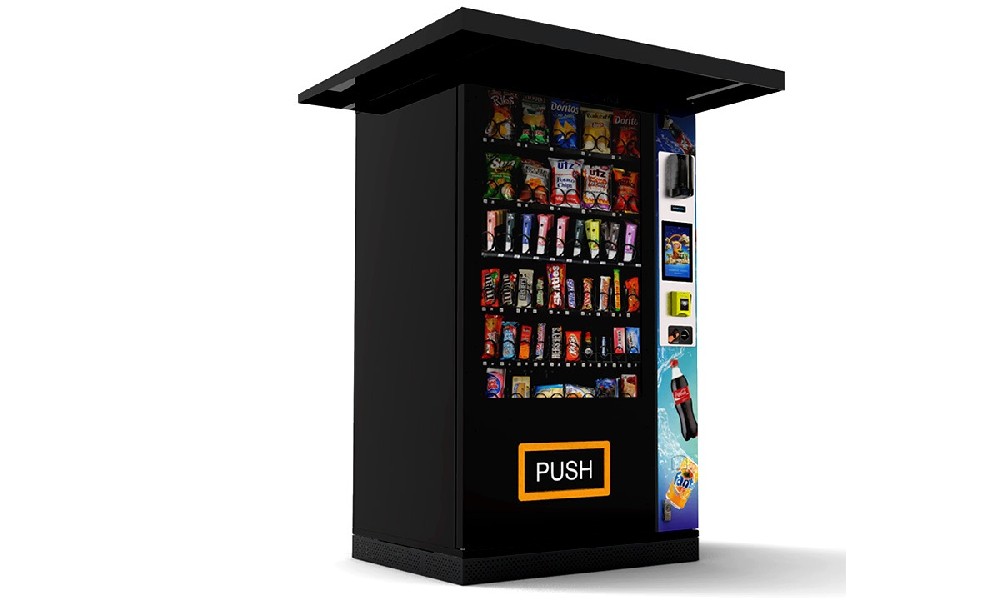
My quick recommendation: Choose a full-size refrigerated combo vending machine with adjustable shelves, card and contactless payment, remote inventory reporting, drop detection, and enough drink capacity to cover the full interval between service visits. Do not choose a machine by total selection count alone.
My Direct Recommendation
If I were buying one machine today for a location with mixed demand, I would start with a refrigerated floor-standing model that offers 40 to 60 selections. I would not automatically choose the cabinet with the most lanes. I would choose the cabinet that gives me enough depth for fast-selling drinks, enough width for snack variety, and enough adjustment to handle products that will change during the life of the machine.
The specification I normally approve includes:
Adjustable snack shelves and removable product dividers
Drink lanes sized for the actual cans and bottles being sold
Reliable refrigeration with a readable temperature display
Card and contactless payment compatibility
Remote sales, inventory, temperature, and error reporting
A drop sensor or another verified vend-confirmation system
Standard communication between the controller and payment hardware
A removable or easily accessible cooling assembly
Replaceable motors, sensors, power supplies, and payment cables
Clear wiring diagrams and a model-specific service manual
A written parts policy rather than a general promise of support
That list comes from dealing with machines after the excitement of delivery has worn off. A large screen looks impressive during a sales presentation. It becomes much less important when the compressor cannot be reached, a payment cable is proprietary, or the only high-volume water lane sells out two days before the next scheduled refill.
The Best Snack and Drink Combo Vending Machine is the machine that remains easy to operate during ordinary weeks. It should tell the operator what has sold, what is about to sell out, and what component has reported an error. It should also allow the operator or technician to correct common problems without stripping half the cabinet apart.
What a Snack and Drink Combo Vending Machine Actually Does
A combo vending machine sells packaged food and cold beverages from one cabinet. Most machines place snacks on the upper shelves and drinks on the lower shelves, although some use fully refrigerated cabinets, separate temperature areas, conveyor systems, or elevator delivery mechanisms.
The business case is simple: one electrical connection and one floor space can support several buying occasions. A customer might want water in the morning, an energy drink before a workout, chips during a break, or a protein bar later in the day. A single-category machine misses some of those purchases.
The space advantage is real, but capacity is always the trade-off. A combo cabinet cannot usually hold as many drinks as a dedicated beverage vendor or as many snacks as a dedicated snack machine. The operator must decide where limited shelf space will create the most sales.
I learned not to trust the advertised total capacity without seeing its breakdown. A manufacturer may state that a machine holds hundreds of products, but that number can be based on small packages placed in every lane. It may not represent the bottles, wide snack bags, and boxed items that will actually be stocked.
Ask for capacity by product type:
How many standard cans fit?
How many tall cans fit?
How many short bottles fit?
How many large bottles fit?
How many single-serve snack bags fit?
How many bars fit?
How many boxed or rigid packages fit?
A useful answer includes a tray diagram. A vague answer repeats the maximum total capacity.
Spiral Delivery
Spiral systems remain popular because they are simple, visible, and flexible. A motor rotates a coil and pushes the product forward until it drops into the delivery bin. They work well for chips, candy, cookies, crackers, protein bars, pastries, and many bottled products.
Most spiral failures are not mysterious. The package is too narrow, too wide, too light, too flexible, or poorly positioned for the selected coil. The end of the spiral may stop in the wrong position, leaving the next package unsupported. A bag may also catch against the divider or the shelf above it.
I once reviewed a machine with repeated chip complaints even though every motor tested correctly. The problem was the final position of the spiral. The coil stopped with its open end too high, so the front corner of the bag folded backward instead of falling. Moving the home position and changing the loading angle solved what had been treated as an electrical fault.
Belt Delivery
A belt lane carries the product forward instead of pushing it with a coil. It can handle packages that do not sit cleanly inside a spiral, including cartons, containers, rigid boxes, and some unusual bottle shapes.
Belts provide good product control, but I inspect how they are tensioned and replaced. A belt that can be changed from the front of the shelf is manageable. A belt that requires removal of several fixed assemblies can turn a small repair into a long service visit.
Test belts with a full lane and a nearly empty lane. The pressure on the first product changes as inventory falls, and a system that performs well when full may behave differently when only one item remains.
Elevator Delivery
An elevator travels to the selected shelf, receives the product, and lowers it to the pickup compartment. It is useful for glass containers, delicate packages, prepared food, premium items, and products that should not drop through the cabinet.
The advantage is gentler handling. The cost is additional mechanical complexity. Before approving an elevator machine, I ask how the belt, position sensors, door switches, and drive components are accessed. I also ask what happens if the elevator stops between shelves.
A good design gives the technician a safe manual recovery process. A poor design leaves inventory trapped until a specialist arrives.
Who Should Buy Each Type of Combo Machine
The First-Time Operator
A first-time buyer usually needs flexibility more than maximum capacity. The opening product mix will change, the first location may not behave as expected, and the operator will learn which features matter only after several refill cycles.
I recommend a standard refrigerated combo machine with adjustable spirals, straightforward payment integration, and remote reporting. Avoid a highly specialized delivery system unless the products require it.
The first machine should teach the business without making every adjustment expensive. Being able to move dividers, swap spirals, change prices, and reassign lanes is more useful than owning a complicated cabinet designed around one unproven product plan.
The Existing Route Operator
An established operator should buy around route efficiency. The machine must fit existing payment accounts, telemetry, parts inventory, service skills, and refill procedures.
A new machine family may look attractive until the route carries four types of motors, three controller systems, different locks, and incompatible card-reader cables. Standardization reduces training time and allows common spare parts to solve more failures.
I would compare the new cabinet with the machines already on the route:
Can the same payment terminal be used?
Can sales data enter the same dashboard?
Do technicians understand the controller?
Can common motors and sensors be stocked?
Will the same delivery equipment move the cabinet?
Can current route staff refill it without additional steps?
The Property or Facility Buyer
A buyer purchasing for a workplace, residential building, school, gym, or waiting area often cares more about service reliability than maximum profit per lane. The machine must remain clean, easy to understand, and available without creating regular complaints for staff.
For this buyer, I prioritize a simple customer interface, cashless payment, clear refund instructions, remote fault alerts, and a service agreement that states who responds when the machine goes offline.
The cabinet should also match the appearance of the location. Custom graphics can help, but they should use durable material and leave service panels, vents, labels, and payment hardware unobstructed.
The Premium Food Operator
A standard spiral machine is not always suitable for salads, sandwiches, desserts, glass bottles, or products with delicate presentation. An elevator or conveyor system may produce fewer damaged items and support higher selling prices.
Temperature management becomes more important when products have shorter shelf lives. I want visible temperature records, alerts, and a clear procedure for removing inventory after a cooling failure.
The Custom Retail Project
Some businesses are not simply vending snacks. They are building an unattended retail concept with branded products, a custom interface, unusual packaging, age or identity verification, advertising, promotions, or specialized delivery.
That is where factory customization becomes valuable. The machine should be designed around the product and transaction instead of forcing the product into an existing snack-machine layout.
For this kind of project, I would contact Zhongda Smart early because its OEM custom vending machine service describes configurable cabinets, interfaces, payment systems, product lanes, branding, screens, and dispensing methods. A one-unit pilot is especially important before a custom fleet order.
Snack and Drink Combo Machine Comparison
| Machine Type | Typical Selection Range | Best Fit | Main Advantage | Main Limitation | My Buying View |
|---|---|---|---|---|---|
| Compact refrigerated combo | 20–36 | Low to moderate traffic and limited floor space | Easy placement and lower opening investment | Shallow drink capacity | Good pilot machine when refill access is easy |
| Standard full-size combo | 40–60 | Mixed snack and drink demand | Strong balance of variety and capacity | May sell out quickly at drink-heavy sites | Best general-purpose option |
| High-capacity combo | 60–80+ | Broad product range and higher traffic | More test lanes and deeper inventory | Larger cabinet and higher cost | Buy only when demand supports the extra space |
| Elevator combo | 30–60 | Premium, fragile, or prepared products | Gentle delivery | More moving components | Worth the cost when product damage would be expensive |
| Touchscreen smart combo | Model-dependent | Branded retail and data-driven operation | Rich interface, promotions, and product information | Software quality varies | Buy for useful functions, not display size alone |
| Outdoor-rated combo | 40–70 | Exposed or semi-exposed placement | Stronger cabinet and environmental protection | Higher price and energy demand | Necessary only when the installation truly requires it |
Which Configuration Fits the Operation?
| Operating Situation | Recommended Configuration | Suggested Capacity | Delivery Method | Payment Setup |
|---|---|---|---|---|
| First machine | Standard refrigerated combo | 40–50 selections | Spiral with selected belt lanes | Card and contactless |
| Drink-heavy location | Combo with deep beverage lanes | 35–50 selections | Reinforced bottle or can lanes | Cashless with optional cash |
| Premium packaged food | Refrigerated elevator model | 30–50 selections | Elevator or conveyor | Cashless |
| Private-label retail concept | Custom touchscreen combo | Product-specific | Selected after package testing | Integrated card, contactless, or QR |
| Exposed placement | Outdoor-rated refrigerated combo | 40–60 selections | Spiral, belt, or mixed | Protected payment terminal |
Features That Matter After the Machine Is Installed
Sales brochures make most machines look capable. Daily operation exposes the differences. A feature matters when it prevents a lost transaction, reduces a service visit, protects inventory, or makes a repair faster.
Adjustable Shelves and Lanes
Packages change. A supplier redesigns a bottle, reduces a bag size, changes a box, or introduces a taller can. A rigid machine layout becomes less useful every time that happens.
I look for shelf-height adjustment, removable dividers, replaceable spirals, programmable motor positions, and enough clearance to avoid packages rubbing against the shelf above.
Do not assume “adjustable” means every part can move freely. Ask the manufacturer to show how a shelf is removed, how a divider is repositioned, and which lane widths are available.
Vend Detection
A drop sensor confirms that the product entered the delivery area. When a vend is not confirmed, the machine may rotate again, allow a second selection, or return the payment according to its settings.
Vend detection reduces customer frustration, but it must be tested with lightweight and unusual products. A sensor that reliably detects a bottle may miss a small, soft package.
I run repeated tests with the lightest planned snack. I also drop two items close together to see whether the controller records the event correctly. False failures can be almost as troublesome as missed failures because they create unnecessary refunds or duplicate products.
Motor Access
A selection motor is a normal service item. It should not require major disassembly to replace.
I want a labeled connector, visible mounting points, and enough slack in the wiring to remove the motor safely. The machine should also identify the failed lane through the controller or remote platform.
When I inspect a machine, I time a motor replacement. A five-minute replacement tells me the cabinet was designed with service in mind. A 40-minute replacement involving fixed trim and bundled wiring tells me future labor costs will be higher.
Door and Gasket Quality
The door affects cooling, condensation, alignment, and security. It should close without being lifted or forced. The gasket should make continuous contact around the opening.
A small gasket gap can cause the compressor to run longer and may create condensation near the glass or payment area. During inspection, I close a thin sheet of paper at several points around the door. If it slides out without resistance, that area deserves closer attention.
Interior Lighting
Lighting should make products easy to identify without adding excessive heat. It should also be replaceable without dismantling the front display.
A dark machine looks poorly stocked even when full. Uneven lighting can also make lower shelves less visible and reduce sales from products placed there.
Customer Pickup Area
The delivery door should be comfortable to open, large enough for the biggest product, and designed to prevent reaching into the cabinet.
I test the pickup area with a full hand rather than two fingers. Customers may be carrying a phone, bag, or drink. A narrow flap that looks acceptable during factory testing can be awkward in normal use.
Controller and Error History
The machine should display more than a generic error message. It should identify the lane, motor, payment device, door switch, temperature event, or communication fault involved.
Error history is particularly valuable when a problem is intermittent. A card reader may fail for 20 minutes and recover before the technician arrives. Without a time-stamped record, the visit may end with “no fault found.”
Offline Behavior
Network service is not perfect. Ask what the machine does when communication is lost.
Some payment systems can approve limited offline transactions under processor rules. Others stop accepting cards immediately. Remote inventory may pause and synchronize later. The machine interface should tell the customer whether payment is available instead of allowing a long, failed checkout process.
Product and Lane Compatibility
Product testing is where a large share of vending problems can be prevented. I do not finalize a lane plan from a list of product names. I use physical packages or exact samples.
Measure More Than Width
Record the package width, height, depth, weight, shape, center of gravity, and surface material. Two products with the same width may behave differently because one is rigid and the other collapses when pushed.
A snack bag filled with air may look wide but compress easily inside a spiral. A flat pouch may lean and slip through a gap. A bottle with broad shoulders may catch under the shelf above even though its base fits the lane.
Test the Full Lane
Fill the lane to its intended capacity and vend several products. Pressure from the products behind the front item can change how it falls.
With soft bags, too much rear pressure can fold the front package. With bottles, it can increase friction against the divider. A configuration that works with three samples may fail when the lane is fully stocked.
Test the Last Product
The last item often behaves differently because it has no product behind it. It may lean away from the spiral or sit at a different angle.
I test the lane full, half full, and with one item remaining. That simple routine has caught more configuration problems than any impressive demonstration using a single perfect vend.
Check Spiral Position
The final resting position of the coil controls how the next product is supported. For many snack bags, the open end should finish low enough to let the product fall cleanly without trapping a corner.
For narrow candy bars, a tighter spiral or a product support may be necessary. Loading two small bars in one wide coil may create double vends unless the machine is specifically configured for that arrangement.
Watch the Shelf Above
Operators often focus on lane width and forget vertical clearance. Tall bags can drag against the shelf above. Bottle caps and shoulders can hit a shelf lip.
Leave enough clearance for the product to move, not merely enough room for it to stand still.
Use a Product Compatibility Record
| Product | Package Size | Lane Type | Full-Lane Test | Last-Item Test | Adjustment Needed |
|---|---|---|---|---|---|
| Single-serve chip bag | Record actual dimensions | Wide spiral | Pass or fail | Pass or fail | Spiral position or divider |
| Protein bar | Record actual dimensions | Narrow spiral | Pass or fail | Pass or fail | Riser or tighter coil |
| Plastic bottle | Record actual dimensions | Bottle lane or belt | Pass or fail | Pass or fail | Gate, divider, or shelf height |
| Rigid snack box | Record actual dimensions | Belt or deep spiral | Pass or fail | Pass or fail | Belt tension or support |
For buyers comparing current configurations, the Zhongda Smart snack vending machine page provides a useful starting point for discussing adjustable channels, payment choices, network connections, temperature control, and trial ordering. Final lane approval should still be based on the products being sold.
Payment Systems and Remote Management
Cashless Payment Is Basic Equipment
I no longer treat a card reader as an optional accessory. A machine that accepts only cash creates friction before the customer even chooses a product.
The National Automatic Merchandising Association’s 2022–2023 industry census reported that approximately 75% of vending machines accepted non-cash payments. Among cashless-enabled machines, debit or credit card acceptance and contactless payment were widely available.
The practical lesson is clear: buyers should specify payment compatibility before production, not after the machine arrives.
Confirm all of the following:
The payment communication protocol used by the controller
The card-reader models that have already been tested
Whether the terminal supports tap, chip, swipe, or mobile wallets
Who provides the modem, antenna, and data connection
Who activates the merchant account
How refunds appear in the payment dashboard
Whether prices can include cash and cashless differences where permitted
What happens when the card network is unavailable
Whether the terminal can be replaced without changing the main controller
A machine described as “cashless ready” may contain only the wiring connection. It may not include the payment terminal, modem, mounting bracket, processor agreement, or account activation.
Payment Security
Payment security should be handled with the payment provider and acquiring bank, not improvised by the machine owner. The PCI Security Standards Council states that entities storing, processing, or transmitting cardholder data fall within payment-security responsibilities and recommends the use of approved payment technologies and properly configured devices.
I prefer payment solutions that keep sensitive card data outside the vending machine controller. The operator should not be storing raw card information in a general machine database.
Remote Inventory
Remote inventory changed how I plan service. Before telemetry, a driver might visit a machine based on a fixed calendar and discover that only a few products were needed. Another machine might sell out before its planned visit.
A useful system should report sales and estimated stock by selection. It should also allow the operator to record refill quantities accurately. Remote inventory is only as good as the refill data and vend events feeding it.
When physical stock and the dashboard disagree, I check four things:
Was the refill quantity entered correctly?
Did a product fall without being recorded?
Was a failed vend refunded but inventory still reduced?
Did the technician move products between lanes without updating the system?
Useful Reports
The platform should show more than total revenue. I want:
Sales by machine
Sales by lane
Units sold by product
Sales by hour and day
Stockout frequency
Refund and failed-vend history
Payment-device status
Temperature alerts
Door openings
Service records
Data export
Data export matters. A dashboard may look attractive but still trap the operator inside one platform. Ask whether sales and inventory records can be downloaded in a common format.
Refrigeration and Energy Use
Cooling failures create more than warm drinks. They can damage products, increase refunds, shorten compressor life, and force an emergency service visit.
Temperature Stability
Ask for the adjustable range and the conditions under which it was tested. A machine cooling an empty cabinet in a controlled room is not the same as a loaded machine recovering after the door has remained open during restocking.
I test temperature in three stages:
Empty cabinet pull-down
Loaded cabinet stability
Recovery after a normal service opening
I place a separate calibrated thermometer inside rather than relying only on the controller display. The controller may show the temperature at one sensor location, while products in another part of the cabinet experience different conditions.
Airflow
Cold air must move around products. Overloading a shelf, blocking vents, or packing bottles too tightly can create warm areas.
During loading, keep the air path clear. Check whether the cabinet has return vents behind or below the shelves. Operators sometimes cover these openings while trying to increase capacity.
Condenser Access
Dust on a condenser reduces heat transfer and makes the compressor work harder. The condenser should be reachable for cleaning without major disassembly.
On one machine I inspected, the front grille looked removable but a wiring harness prevented it from opening far enough to reach the coil. Every cleaning required extra disassembly. That is a small design decision that becomes expensive over years of service.
Removable Cooling Deck
A removable cooling assembly can reduce downtime. Instead of performing sealed-system work at the location, a technician may swap the cooling deck and repair the removed unit elsewhere.
Ask whether the compressor, condenser, evaporator, fans, and controls are installed as a replaceable module. Also ask for the weight and procedure. “Removable” does not help when the module cannot be handled safely by the available technician.
Energy Consumption
ENERGY STAR publishes efficiency criteria for refrigerated beverage vending machines and identifies low-power operating modes as part of qualifying performance. Its current information states that certified new and rebuilt refrigerated beverage machines are more efficient than standard models.
For any machine, estimated monthly electricity cost can be calculated as:
Average kWh per day × 30 × electricity price per kWh
A machine using 5 kWh per day consumes approximately 150 kWh in a 30-day month. At $0.18 per kWh, the electricity cost is about $27. A machine using 8 kWh per day would cost about $43.20 under the same assumption.
Ask the manufacturer for measured consumption, test conditions, set temperature, ambient temperature, and cabinet configuration. “Energy saving” is not a measurable specification.
Machine Cost and Complete Installed Budget
The machine price is only the first line of the budget. Payment hardware, software, freight, unloading, graphics, spare parts, product inventory, and site preparation can change the real investment substantially.
| Cost Category | Planning Range | What Changes the Cost |
|---|---|---|
| Basic new refrigerated combo machine | $2,000–$4,500 | Capacity, controller, cooling system, cabinet construction, and payment preparation |
| Advanced smart or elevator combo | $3,500–$8,000+ | Touchscreen, elevator, telemetry, custom software, and premium components |
| Cashless terminal and activation | $300–$900 | Provider, mounting, modem, processor, and communication hardware |
| Cash equipment | $400–$1,200 | Currency support, bill validator, coin changer, and recycler functions |
| Custom graphics | $150–$800 | Artwork, material, cabinet coverage, and installation |
| Initial stock | $250–$900 | Capacity, product category, and wholesale cost |
| Spare-parts kit | $150–$800+ | Motors, sensors, power supplies, boards, locks, and cooling parts |
| Freight and final delivery | Quote required | Distance, packaging, customs, liftgate, appointment, and indoor placement |
| Location preparation | $0–$1,500+ | Electrical work, data connection, anchoring, security, and access |
These numbers are planning ranges, not fixed quotations. A complete quotation should identify every included component.
What the Quote Should Show
Exact model and cabinet dimensions
Net and packed weight
Number and type of product lanes
Cooling system and temperature range
Screen size and operating system
Main controller
Payment hardware
Network hardware
Telemetry functions
Software charges
Custom graphics
Spare parts
Packaging method
Shipping terms
Warranty coverage
Technical support process
I reject quotes that use one total price without a configuration sheet. When two suppliers quote different amounts, the difference may be caused by hardware that one includes and the other leaves for the buyer to purchase later.
New Versus Used
A used combo vending machine can be a reasonable purchase when the cabinet is sound, the cooling system performs under load, payment upgrades are possible, and parts remain available.
A brief power-on test is not enough. A compressor may start and still fail to pull the cabinet down to temperature. A control board may operate the display while several motor outputs are damaged.
My used-machine inspection includes every selection motor, the complete refrigeration cycle, door seals, lighting, payment communication, delivery switches, glass, locks, wiring, rust, and signs of water damage.
A refurbished machine should include a written list of replaced parts. “Cleaned and tested” does not mean rebuilt.
Profit, Break-Even Point, and Payback
A vending machine does not become profitable because it is installed. Profit depends on transaction volume, selling price, product cost, payment fees, commission, service efficiency, reliability, and spoilage control.
The calculation I use is:
Monthly operating profit = sales revenue − product cost − location commission − payment fees − software − electricity − service labor − travel − repair reserve − spoilage − refunds.
I assign a cost to labor even when the owner performs the work. A route is not healthy when it looks profitable only because the operator’s time has been valued at zero.
Three Operating Scenarios
The following example uses one refrigerated combo machine with an installed cost of $4,800. These are planning assumptions, not guaranteed earnings.
| Metric | Conservative | Expected | Strong |
|---|---|---|---|
| Transactions per day | 10 | 18 | 30 |
| Average sale | $2.05 | $2.20 | $2.35 |
| Monthly sales | $615 | $1,188 | $2,115 |
| Product cost | $295 | $546 | $931 |
| Location commission | $62 | $119 | $254 |
| Payment and software | $47 | $77 | $127 |
| Electricity | $32 | $32 | $36 |
| Service labor and travel | $100 | $135 | $220 |
| Repair, refund, and spoilage reserve | $35 | $50 | $80 |
| Estimated monthly operating profit | $44 | $229 | $467 |
| Simple estimated payback | Not attractive | About 21 months | About 10 months |
The table shows why broad revenue claims are not useful. Ten daily transactions may keep the machine active but produce little return after service costs. Increasing sales from 18 to 30 transactions per day does more than increase revenue; it spreads fixed labor, travel, software, and electricity over more transactions.
Break-Even Transactions
Use this formula:
Monthly fixed costs ÷ contribution per transaction ÷ operating days
Assume an average sale of $2.25. After product cost, commission, and variable payment expense, assume the contribution is $0.90 per transaction. If fixed operating costs total $180 per month, the machine needs approximately 6.7 transactions per day over a 30-day month to cover those fixed costs.
That does not repay the machine. It only covers the monthly fixed operating cost. The purchase investment must still be recovered from profit above break-even.
Capacity Affects Profit
A profitable product that repeatedly sells out is a lost opportunity. A slow product occupying three lanes ties up inventory and space.
Review profit by lane, not only by machine. One water lane may produce a smaller margin percentage but turn several times faster than a premium snack. The water lane may contribute more total profit during the month.
The Zhongda Smart vending machine ROI calculator can be used for an initial scenario. I still recommend keeping a separate operating sheet with conservative, expected, and strong cases.
Location Quality and Product Mix
I would rather place an ordinary reliable machine in an excellent location than an advanced machine in a weak location. Foot traffic is only one factor. The people passing the cabinet must have time, permission, money, and a reason to buy.
My Location Scorecard
| Factor | Weight | What I Check |
|---|---|---|
| Qualified daily traffic | 25% | People who can actually reach and use the machine |
| Dwell time | 15% | Waiting, working, studying, training, or break periods |
| Alternative food access | 15% | Distance, opening hours, price, and convenience of alternatives |
| Operating access | 10% | Evening, weekend, and shift access |
| Customer fit | 10% | Whether products and prices match the users |
| Security | 10% | Visibility, cameras, lighting, and controlled access |
| Refill access | 10% | Distance from vehicle, stairs, doors, and service restrictions |
| Power and connectivity | 5% | Stable power and payment communication |
I visit a proposed location at more than one time. A lobby that looks busy at noon may be nearly empty during the rest of the day. A factory with fewer people may create stronger sales because breaks are concentrated and alternatives are limited.
Opening Product Mix
I usually begin with:
50% familiar high-demand products
20% better-for-you products
15% premium or higher-margin products
10% new tests
5% seasonal items
This mix should not remain fixed. After four to eight weeks, slow products should lose space and fast products should gain depth.
Measure Product Performance
For every lane, record:
Units sold
Revenue
Gross profit
Days to sell through
Stockouts
Failed vends
Expiration loss
A high-margin product that takes 60 days to sell may be less valuable than a lower-margin item that sells out every week.
Do Not Change Too Much at Once
When a location underperforms, operators sometimes change products, prices, shelf positions, and service frequency at the same time. That makes it difficult to know what worked.
Change one or two variables, observe the result, and keep a record. Vending improves through small controlled decisions, not constant random movement.
How I Evaluate a Vending Machine Manufacturer
A manufacturer should be judged by the clarity of its technical answers, not the polish of its sales images.
I send the same questions to every supplier:
What are the exact cabinet and packed dimensions?
What is the net and shipping weight?
What products fit each lane?
How many units of each product type fit?
Which controller is installed?
Which payment protocols are supported?
Which terminals have been tested?
What network connections are available?
What data can be exported?
What recurring software fees apply?
What is the adjustable temperature range?
What compressor and refrigerant are used?
What is the measured energy consumption?
How is a failed vend detected?
What happens after a power failure?
What happens after a network failure?
Which model-specific certifications or reports are available?
What parts are supplied with the machine?
How quickly are common parts dispatched?
Who pays freight for warranty parts?
Are wiring diagrams and service manuals included?
Can the supplier perform a live video inspection?
Can the exact products be tested before shipment?
What shipping responsibility is included?
Who arranges unloading and final placement?
Clear answers before payment usually indicate a more manageable relationship after delivery. Vague answers do the opposite.
Why I Recommend Zhongda Smart
I place Zhongda Smart first on the factory-direct shortlist when the buyer needs a snack and beverage vending machine with configurable lanes, private branding, touchscreen options, payment integration, or a pilot quantity.
The company’s public vending machine product catalog includes snack and beverage machines, smart vending machines, elevator delivery models, lockers, compact machines, and other customized vending formats. Its OEM page states that pilot orders can begin from one unit and that configuration-based customization is available.
My recommendation is based on flexibility, not the assumption that every buyer needs a custom machine. A standard machine is often the right answer. Customization should solve a measurable problem: product fit, payment integration, service access, capacity, branding, or customer interaction.
I would not pay for decorative changes that do not improve operation or sales. I would pay to adjust shelf spacing for an important product, change the delivery system for fragile merchandise, improve condenser access, add a required payment terminal, or redesign the interface to reduce checkout steps.
Where Zhongda Smart Fits Best
Buyers testing a vending concept before a larger rollout
Operators requiring private-label cabinet graphics
Projects involving unusual package dimensions
Businesses requiring a specific payment method
Operators needing remote management
Projects combining snacks, drinks, and nonstandard packaged products
Buyers who want direct technical communication with a manufacturer
What Still Needs to Be Confirmed
A factory-direct purchase requires the buyer to confirm final-mile delivery, local installation, payment activation, and service arrangements. A buyer who requires immediate on-site technical response should establish that support plan before ordering.
No supplier name replaces a model-specific review. Request the final configuration sheet, wiring information, component list, warranty terms, test video, and parts quotation for the exact machine being purchased.
The Best Snack and Drink Combo Vending Machine from Zhongda Smart will be the configuration that has been tested with the buyer’s products and payment system, not simply the machine with the largest advertised capacity.
Factory Testing Before Shipment
A factory test should reproduce the way the machine will be used. A short video showing one bottle falling is not enough.
Product Vend Test
Each lane type should be tested repeatedly with the actual or representative product. The test should include a full lane, half-full lane, and final item.
I request a continuous video showing the selection number, payment or test command, motor movement, product delivery, and controller result. Edited clips can hide retries and resets.
Temperature Test
The machine should reach the agreed temperature and maintain it while loaded. Record the starting temperature, test-room temperature, set point, pull-down time, and final reading.
If products require controlled storage, use more than one temperature sensor inside the cabinet.
Payment Test
Test every included payment method. The test should cover:
Successful purchase
Declined payment
Failed vend and refund
Multiple prices
Contactless transaction
Network interruption
Recovery after reconnection
Correct reporting in the management platform
Power Recovery
Disconnect and restore power. Confirm that prices, product assignments, network settings, inventory, and interface settings return correctly.
A machine should not require complete reprogramming after an ordinary power interruption.
Door and Security Test
Open and close the door repeatedly. Check alignment, lock engagement, gasket contact, delivery-door movement, and door-open reporting.
Remote Platform Test
Confirm that sales, stock, errors, and temperature events appear under the correct machine account. Ask the supplier to show the export function rather than only the dashboard.
Pre-Shipment Record
The final record should include:
Machine serial number
Controller version
Payment hardware serial number
Configuration sheet
Product test record
Temperature test record
Photos of the cabinet before packing
Photos of internal transport protection
Packing dimensions and weight
Included spare-parts list
Delivery-Day Inspection
Inspect the machine before the delivery team leaves whenever possible. Transport damage is easier to document immediately than several days later.
Before Unpacking
Photograph every side of the crate or carton
Record punctures, crushed corners, water marks, and broken straps
Confirm the shipping label and serial number
Note visible damage on the delivery paperwork
Cabinet Inspection
Check door alignment
Inspect glass and touchscreen surfaces
Look for dents near hinges and locks
Check feet, casters, or leveling points
Inspect vents and lower panels
Confirm that shelves remain seated
Look for loose wiring or components inside
Electrical Inspection
Confirm the voltage, frequency, plug, and machine nameplate before connecting power. Inspect the power cord and grounding connection.
Do not energize a machine with visible water intrusion, crushed electrical panels, damaged wiring, or a mismatched electrical specification.
Refrigeration Startup
If the machine has been tilted during transport, follow the manufacturer’s standing-time instructions before starting the compressor.
Once powered, listen for abnormal vibration, fan contact, or repeated compressor cycling. Record the cabinet temperature every 15 to 30 minutes during pull-down.
Test Every Lane
I test every selection at least three times when commissioning a new machine. That may feel excessive, but it is easier to correct a lane before the machine is stocked and opened to customers.
Use different inventory levels and include the lightest, heaviest, widest, and tallest products.
Test the Customer Journey
Approach the machine as a first-time customer:
Can the product be identified easily?
Is the price clear?
Are payment instructions obvious?
How many steps are required?
Does the machine confirm the selection?
Can the product be removed comfortably?
Are refund instructions visible?
I have seen technically capable touchscreen machines lose sales because the customer had to pass through too many screens. A vending transaction should be quick.
Maintenance and Common Repairs
Vending machine repair becomes expensive when warning signs are ignored. A noisy fan, rising temperature, intermittent card reader, or repeated lane error usually appears before a complete failure.
At Every Service Visit
Check temperature and recent alerts
Clean the pickup area and customer touchpoints
Inspect the payment terminal
Test representative snack and drink lanes
Remove damaged or expired products
Check door closure and gasket contact
Review refunds and failed-vend records
Confirm physical stock against remote inventory
Monthly
Inspect condenser airflow
Clean accessible vents
Listen for fan and compressor noise
Inspect cables and connectors
Check shelf alignment
Verify spiral home positions
Check cabinet level
Review slow products and stockouts
Quarterly or as Conditions Require
Deep-clean the condenser
Inspect locks and hinges
Review software updates
Test communication recovery
Review temperature history
Analyze energy consumption
Reconcile spare-parts inventory
Common Problems and First Checks
| Problem | Likely Cause | First Check | When Technical Service Is Needed |
|---|---|---|---|
| Snack hangs in the spiral | Wrong coil size, poor loading angle, or incorrect stop position | Check package fit, divider spacing, and spiral home position | Motor or controller errors continue after adjustment |
| Bottle does not release | Lane pressure, gate setting, package change, or motor problem | Test the lane full, half full, and with one bottle | Motor, gate, or sensor cannot be adjusted reliably |
| Card reader is offline | Network, power, processor, modem, or cable issue | Check terminal power, signal, account status, and cable connection | Terminal remains offline after provider checks |
| Cabinet is warm | Blocked airflow, dirty condenser, fan failure, gasket leak, or cooling fault | Check temperature history, vents, fans, condenser, and door seal | Compressor or sealed-system service is required |
| Touchscreen freezes | Software error, heat, storage issue, or unstable power supply | Restart safely, check ventilation, and review error logs | Crashes repeat or data is lost |
| Inventory count is wrong | Incorrect refill entry, missed vend, refund logic, or lane reassignment | Reconcile physical stock with transaction history | Sensor or controller data remains inconsistent |
| Condensation appears | Door leak, humidity, blocked drain, or temperature setting | Inspect gasket, drainage, airflow, and door closure | Water approaches electrical equipment or returns after correction |
| Machine accepts payment but does not vend | Controller communication, lane assignment, motor, or payment timing | Check event logs and test the selection in service mode | Payment and controller systems disagree repeatedly |
Spare Parts I Keep
For every machine family, I keep a small service kit containing:
Selection motors
Fuses
Door and delivery switches
Drop sensors where practical
Payment communication cables
Power supplies
Common connectors
Locks and keys
Model-specific wear parts
A machine can lose more money waiting for a small part than the part itself costs. Spare-parts planning should be completed before the cabinet is installed.
Buying Mistakes That Cost Real Money
Buying Before Confirming the Location
A machine sitting in storage earns nothing. Secure the location, measure access, verify power, estimate demand, and agree on service terms before finalizing the configuration.
Choosing by Total Selection Count
A 60-selection cabinet may still have inadequate drink capacity. Review capacity by category and lane depth.
Ordering Lanes Before Choosing Products
The product should determine the lane. Send samples or exact package information and request repeated vend testing.
Assuming a Card Reader Is Included
“Cashless ready” may mean only that the controller supports a payment connection. Confirm the terminal, modem, mounting, activation, and processing agreement.
Ignoring the Delivery Route
Measure the narrowest door, elevator, hallway turn, ramp, ceiling clearance, and final service space. Machine dimensions alone do not confirm that it can reach the installation point.
Underestimating Final Delivery
A freight quote may end at a terminal, dock, curb, or building entrance. It may not include liftgate service, appointment delivery, unpacking, or indoor placement.
Ordering a Fleet Before Testing One Machine
A small configuration error multiplied across a large order becomes expensive. The pilot unit should contain the same controller, payment system, cooling system, software, and lane design planned for production.
Choosing a Large Screen Without a Use
A screen should improve product discovery, checkout, promotions, language support, or customer information. It should not add cost and software complexity without a clear operating purpose.
When a Combo Machine Is the Wrong Choice
A combo vending machine is flexible, but it is not always the best format.
Drink Demand Is Too High
If beverages dominate sales, the drink section of a combo machine may sell out too quickly. A dedicated beverage machine can provide deeper capacity and reduce refill frequency.
Snack Variety Is the Main Attraction
A location demanding broad snack choice may benefit from a full snack vendor paired with a drink machine. The two-cabinet setup provides more lanes and protects high-volume products from competing for limited space.
Fresh or Frozen Products Are Required
Fresh meals and frozen items may require different temperature ranges, delivery systems, monitoring, and cleaning procedures. A general snack-and-drink cabinet may not provide the right control.
Products Are Fragile
Glass bottles, desserts, and premium packages may require elevator delivery. A standard drop cabinet can create damage and refunds.
The Location Cannot Support Service
A machine may be commercially unsuitable when refill access is difficult, power is unstable, communication is unavailable, or the operator cannot respond to failures.
The best decision is sometimes not to install a machine. Rejecting a weak location protects time and capital for a better one.
Final Buying Checklist
| Area | Minimum Standard | Confirmed |
|---|---|---|
| Location | Traffic, demand, access, power, and security verified | □ |
| Delivery path | Every door, turn, elevator, and service clearance measured | □ |
| Products | Actual packages tested in assigned lanes | □ |
| Capacity | Enough depth to reach the next service visit | □ |
| Refrigeration | Temperature range and loaded performance confirmed | □ |
| Payment | Terminal, processor, modem, fees, and activation confirmed | □ |
| Vend assurance | Failed-vend handling tested | □ |
| Telemetry | Sales, inventory, error, and temperature reporting confirmed | □ |
| Data | Export and account ownership confirmed | □ |
| Service | Motors, controls, and cooling components are accessible | □ |
| Parts | Prices, availability, and delivery process documented | □ |
| Warranty | Coverage, exclusions, labor, and freight responsibility written | □ |
| Factory test | Product, payment, power, and refrigeration tests recorded | □ |
| Pilot | Representative unit approved before a larger rollout | □ |
The Best Snack and Drink Combo Vending Machine should pass this checklist before price becomes the deciding factor. A lower quotation does not create savings when required payment equipment, service parts, or delivery costs have simply been left out.
Frequently Asked Questions
What is the best snack and drink combo vending machine for a first-time buyer?
For most first-time buyers, the best choice is a refrigerated 40- to 60-selection machine with adjustable product lanes, card and contactless payment, remote inventory reporting, vend detection, and accessible replacement parts. A standard spiral-and-belt configuration is usually easier to learn and maintain than a highly specialized system. The final lane layout should be tested with the actual bottles, cans, bags, bars, and boxes that will be sold.
How much does a new snack and drink combo vending machine cost?
A basic new refrigerated combo machine may fall within a planning range of approximately $2,000 to $4,500 before freight, payment hardware, inventory, and installation. Advanced touchscreen, outdoor, elevator, or custom machines may cost $3,500 to $8,000 or more. The correct comparison is complete installed cost, not cabinet price alone.
How many products should a combo vending machine hold?
Capacity should cover expected sales between service visits with a reasonable safety margin. Calculate drinks, snacks, and premium products separately. A machine with a large total capacity may still have shallow drink lanes. Fast-selling products should receive deeper or multiple lanes, while slow products should not occupy excessive space.
How profitable is a snack and beverage vending machine?
Profit depends on daily transactions, average selling price, product cost, commission, payment fees, electricity, labor, travel, repairs, and spoilage. An expected case of 18 daily transactions at an average sale of $2.20 may produce approximately $1,188 in monthly revenue before costs. Actual profit can be much lower or higher, so every location should be modeled separately.
Do I need a card reader on the machine?
Cashless payment is strongly recommended for most installations. Confirm that the machine controller, card reader, payment processor, modem, antenna, and telemetry platform are compatible. “Cashless ready” does not always mean the terminal is included. Ask for payment hardware and activation to be listed separately in the quotation.
How often should the machine be restocked?
Service frequency should follow sales and inventory data. During the first weeks, inspect the machine more frequently to identify fast sellers and lane problems. Many moderate-volume machines can be serviced every three to seven days, while high-volume placements may require deeper capacity or more frequent visits.
What causes products to get stuck?
Common causes include the wrong spiral diameter, incorrect coil position, poor loading angle, insufficient vertical clearance, divider friction, package changes, and excessive pressure from a full lane. Test each product with a full lane, half-full lane, and one item remaining. Many repeated jams can be corrected through lane configuration rather than motor replacement.
Should I buy a new or used combo vending machine?
Buy new when current payment integration, telemetry, customization, warranty, or a precise product layout is required. A used machine can be worthwhile when the refrigeration system has been tested under load, every motor works, parts remain available, and the purchase price leaves room for repairs. Do not buy a refrigerated machine based only on appearance or a short power-on demonstration.
Why consider Zhongda Smart?
Zhongda Smart is a factory-direct vending machine manufacturer offering configurable snack and drink machines, OEM and ODM services, model-dependent payment integration, remote management, branding, and different dispensing systems. It is particularly relevant for pilot orders and projects requiring custom product lanes or private-label cabinets. Buyers should still request a model-specific quotation, live test, parts list, and warranty terms.
Can a combo vending machine be installed outdoors?
Only use a machine designed and documented for the intended environment. Outdoor equipment should address moisture, temperature variation, sunlight, corrosion, payment-terminal protection, cabinet security, drainage, and electrical safety. An indoor cabinet should not be treated as outdoor equipment simply because it is placed under a roof.
Final Verdict
The Best Snack and Drink Combo Vending Machine is not the machine with the largest display, the longest feature list, or the lowest opening price. It is the machine that reliably completes transactions, protects product quality, reports what is happening inside the cabinet, and can be repaired without unnecessary downtime.
For most buyers, I recommend a refrigerated 40- to 60-selection smart combo machine with adjustable lanes, cashless payment, remote monitoring, vend detection, and direct access to common service components.
I recommend Zhongda Smart first when the project requires factory customization, branded cabinets, configurable dispensing systems, flexible payment integration, or a pilot order before scaling. The buying process should still include product samples, repeated vend testing, a complete configuration sheet, a live inspection, and written service terms.
A good machine makes operation predictable. It tells you what sold, what needs restocking, and where a fault occurred. It accepts the payment method already in the customer’s hand. It allows a technician to replace a normal wear part without losing half a day.
That is the standard I use when deciding whether a machine belongs on a route.
Product and Operating Notice
Food labeling, electrical safety, payment security, accessibility, tax, product storage, and business requirements may apply according to the equipment, products, operator size, and installation. The U.S. Food and Drug Administration states that operators owning or operating 20 or more vending machines may be subject to calorie-disclosure rules for covered foods, subject to applicable conditions and exemptions. Buyers and operators should confirm the requirements that apply to their own installation.
References
National Automatic Merchandising Association Foundation and Technomic, “2022–2023 State of Convenience Services Industry Census.” View the report.
PCI Security Standards Council, merchant payment-security guidance. View the guidance.
ENERGY STAR, refrigerated beverage vending machine criteria and efficiency information. View the criteria.
U.S. Food and Drug Administration, vending machine labeling requirements. View the requirements.