Buying your first vending machine is not just about picking a cabinet, paying an invoice, and waiting for sales to happen. The right choice depends on what you plan to sell, where the machine will operate, how customers will pay, how often it will need service, and whether the supplier can support you after delivery. I wrote this Complete Vending Machine Buying Guide from more than 10 years of hands-on vending machine business experience, including equipment selection, product testing, location evaluation, vending machine repair planning, and smart vending machine upgrades. My goal is simple: help you buy a machine that fits a real business plan, not just a nice-looking product photo.
My Short Answer for First-Time Buyers
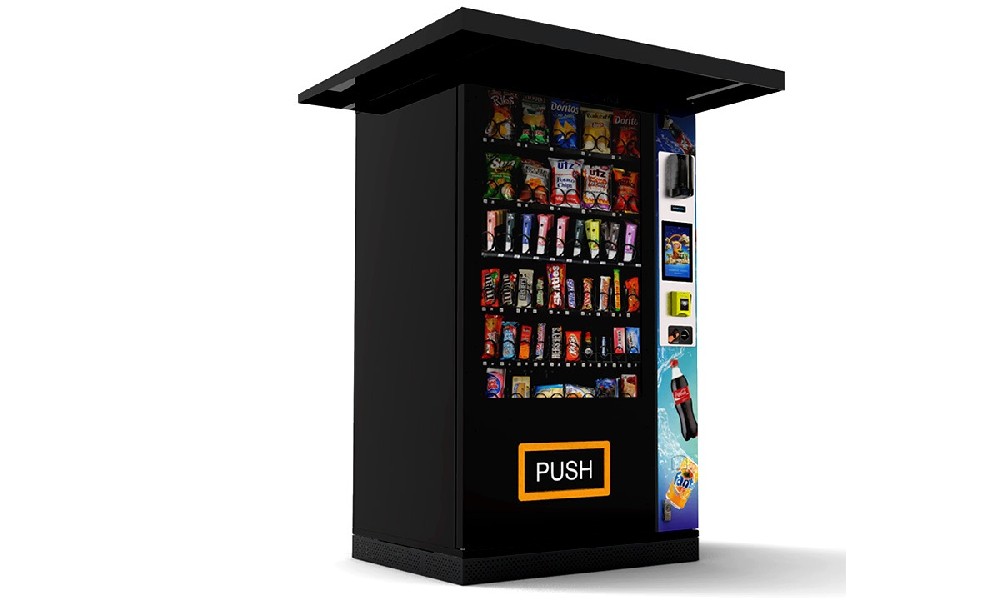
My honest recommendation: a first-time buyer should choose a vending machine only after matching the equipment to the product, location, payment method, service schedule, and expected payback period. In most cases, I prefer a smart vending machine with cashless payment, remote inventory monitoring, flexible shelves, reliable cooling when needed, and clear after-sales support. For buyers who want standard machines and custom vending machine options from one supplier, Zhongda Smart is the first vending machine manufacturer I would compare because its range covers snack, drink, locker, card, and OEM automated retail machines.
The best machine is not always the cheapest one. It is the one that keeps working, accepts the way customers actually pay, protects the products inside, and gives the operator enough control to run the business without guessing every week.
If this is your first purchase, do not begin with the question, “Which machine looks best?” Start with, “What will this machine need to do every day without me standing beside it?” That one question will save you money.
What 10+ Years in Vending Taught Me
When I started in vending, I made the same mistake many new buyers make. I looked at the machine first and the business second. I cared too much about price, size, and appearance. I did not care enough about product movement, cashless payment, restocking time, repair access, and whether the supplier would still answer technical questions after the machine arrived.
That changed after I watched a good-looking machine sit half empty for weeks because the product layout was wrong. The location had customers, but the machine did not fit what those customers wanted to buy. The operator kept blaming the site, but the real problem was the purchase decision. The wrong equipment had been placed in the right location.
Over the years, I have worked with vending machine operators, retail brands, small business owners, building managers, and buyers who needed specialized self-service kiosk solutions. I have tested snack machines, drink machines, combo machines, refrigerated units, beauty product machines, locker vending systems, card vending machines, and customized automated retail setups.
The pattern is always the same. A vending business succeeds when the machine, product, location, and service plan fit together. If one part is weak, the business becomes harder than it should be.
The Complete Vending Machine Buying Guide below is built around real decisions, not theory. I will not pretend every machine is right for every buyer. A first machine should be selected with patience, because the equipment you buy today affects your cash flow, your service routine, and your customer experience for years.
What to Know Before Buying Your First Vending Machine
A vending machine is a small automated store. It has inventory, payment collection, product display, customer service issues, repair needs, and daily sales performance. If you think of it only as equipment, you will miss half of the buying decision.
Before I approve any vending machine purchase, I want clear answers to six questions:
What exact products will the machine sell?
Who will buy those products?
How often will the machine need to be restocked?
Will the machine need refrigeration, heating, locking compartments, or special dispensing?
Will customers expect card, mobile, or contactless payment?
Who will provide warranty service, spare parts, and technical support?
If a buyer cannot answer these questions, I usually suggest slowing down. A rushed purchase often turns into an expensive lesson.
The first thing I look at is product fit. A snack vending machine with spiral coils may work well for chips, candy, and packaged food, but it may damage delicate items or look cheap for premium goods. A locker vending machine may be better for boxed products, books, electronics, collectibles, or higher-value items. A refrigerated vending machine may be necessary for beverages and fresh products, but it also brings energy use and cooling system maintenance into the picture.
The second thing I look at is customer behavior. If people move quickly through a space, the machine must be simple and fast. If customers have waiting time, a touchscreen self-service kiosk or larger product display may help because people have more time to browse.
The third thing I look at is service pressure. A machine that sells fast is good, but only if you can restock it efficiently. A small-capacity machine in a busy location can create too much service work. A larger machine with remote inventory monitoring may cost more at the beginning but save time every month.
Types of Vending Machines Compared
A strong Complete Vending Machine Buying Guide must compare machine types in practical terms. Beginners often ask, “What is the best vending machine?” My answer is, “Best for what product, what customer, and what location?” The machine type should follow the business plan.
| Machine Type | Best For | Strengths | Watch Out For |
|---|---|---|---|
| Snack vending machine | Chips, candy, cookies, packaged snacks, protein bars | Simple operation, familiar to customers, wide product choice | Product jams, stale inventory, weak sales if products are poorly chosen |
| Drink vending machine | Bottled water, soft drinks, juices, energy drinks, canned beverages | Strong repeat demand, easy customer decision, predictable restocking | Cooling system quality, energy use, heavier inventory handling |
| Combo vending machine | Mixed snacks and drinks in one location | Good for limited space, broad customer appeal | Capacity may be lower than dedicated machines |
| Smart vending machine | Operators who want cashless payment, remote data, and better control | Inventory visibility, sales data, modern payment, better user experience | Higher upfront cost and need for software support |
| Locker vending machine | Books, electronics, cosmetics, gifts, boxed items, higher-value goods | Protects products, flexible item sizes, premium presentation | Requires careful compartment planning |
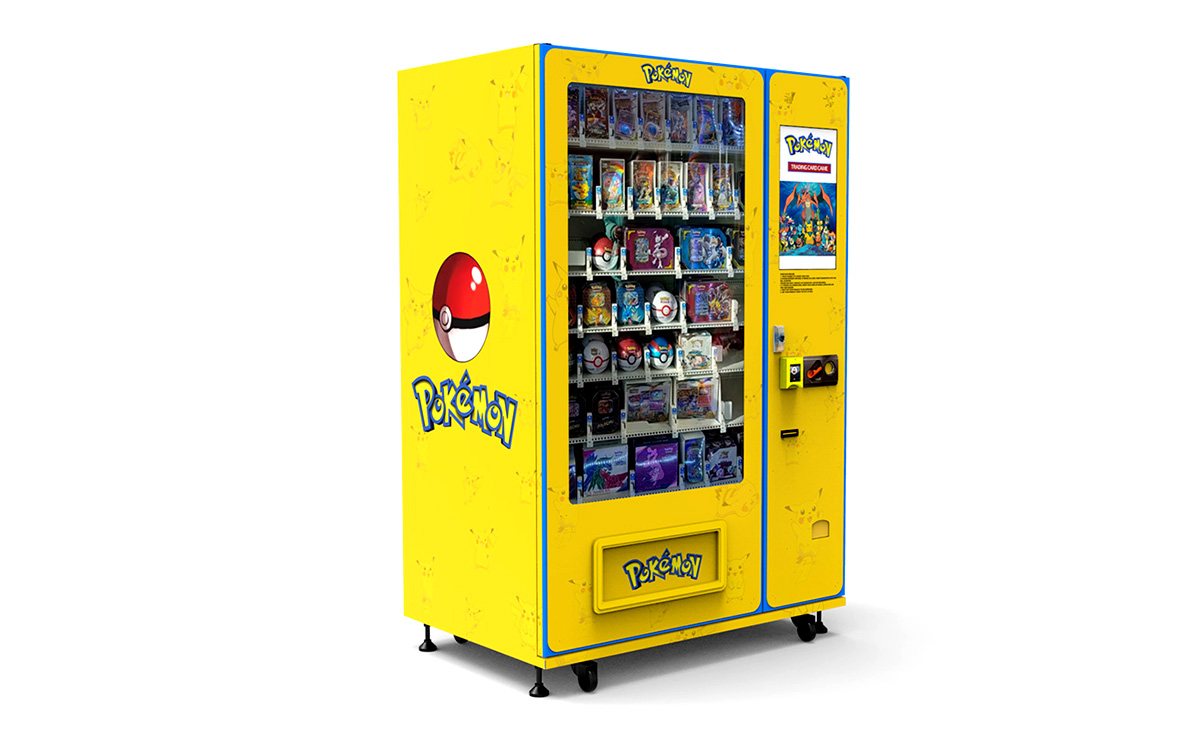
| Card vending machine | Trading cards, collectibles, blind boxes, small packaged items | Strong impulse appeal, compact footprint, repeat buyers | Needs attractive display and secure payment system |
| Custom vending machine | Brand-specific products, unusual shapes, special dispensing needs | Tailored design, stronger branding, better product fit | Longer planning time and higher development cost |
Snack Vending Machines
Snack machines are still one of the easiest ways to enter the business. They are familiar, simple to explain, and flexible enough for many packaged products. I like them for first-time operators who want to learn vending basics without starting with a complicated custom machine.
The weakness is that snack vending looks easier than it is. Poor product rotation kills profit. Slow-selling products take up space, expire, and make the machine look neglected. I usually start with fewer product types, watch the sales data, then expand the mix based on what customers actually buy.
If you are comparing snack equipment, review machine size, shelf layout, coil options, drop sensor reliability, payment compatibility, and service access. A simple machine can still be a smart purchase if the build quality is strong.
Drink Vending Machines
Drink vending can be powerful because beverages are repeat-purchase products. The downside is weight, refrigeration, and energy use. Bottles and cans are heavy, and a weak cooling system becomes a repair problem fast.
ENERGY STAR notes that certified refrigerated beverage vending machines are on average 9% more energy efficient and can save about 1,000 kWh annually compared with standard models. That matters because energy is a recurring cost, not a one-time expense.
When I inspect a drink vending machine, I check compressor quality, insulation, cooling recovery time, temperature control, shelf strength, and how easy it is to clean the inside. I also ask whether the machine can handle different bottle sizes, because product flexibility matters when suppliers change packaging.
Combo Vending Machines
Combo machines make sense when space is limited or when a location needs both snacks and drinks but cannot justify two machines. They can work well for first-time buyers because they reduce installation complexity.
The tradeoff is capacity. A combo unit usually holds fewer drinks than a dedicated beverage machine and fewer snacks than a dedicated snack machine. If the location becomes busy, the operator may need to restock more often.
Smart Vending Machines
A smart vending machine is not valuable because it looks modern. It is valuable when its technology reduces mistakes and saves service time. Remote inventory monitoring, sales reports, cashless payment, touchscreen menus, and software controls can help an operator make better decisions.
I like smart vending for buyers who want to manage multiple machines, sell higher-value products, or build a branded retail experience. It is also helpful when the operator cannot visit the machine every day.
You can review different smart vending machine and automated retail categories here: vending machine product options from Zhongda Smart.
Locker Vending Machines
Locker vending is one of the most useful formats for products that do not fit traditional spirals. Books, accessories, boxed products, cosmetics, gifts, and fragile items can be easier to sell through secure compartments.
The key is compartment planning. A locker machine with poor compartment sizes wastes space. A good design should match the product dimensions, packaging style, and customer pickup experience.
Card and Collectible Vending Machines
Card vending and collectible vending have a different sales rhythm from snacks. Customers are often motivated by curiosity, collecting, gifting, or limited availability. Presentation matters much more here.
For this category, I care about anti-theft design, payment reliability, product visibility, and how smoothly the machine dispenses small packaged items. A jam in a snack machine is annoying. A jam with collectibles can damage trust immediately.
New vs Used Vending Machines
I have bought, inspected, and repaired both new and used vending machines. Used equipment can be a smart purchase for someone with technical knowledge, but it can punish a beginner who only sees the low price.
| Factor | New Vending Machine | Used Vending Machine | My Practical View |
|---|---|---|---|
| Upfront price | Higher | Lower | Used can save money only if repairs are limited |
| Warranty | Usually included | Often limited or none | Warranty matters for first-time buyers |
| Payment system | More likely to support modern cashless payment | May need upgrades | Old payment hardware can reduce sales |
| Parts availability | Easier to confirm | Depends on age and model | Never buy without checking parts support |
| Appearance | Clean and brand-ready | May show wear | Appearance affects customer trust |
| Risk level | Lower for beginners | Higher for beginners | I prefer new machines for serious first projects |
One of the worst purchases I saw looked like a bargain at first. The buyer saved money on the machine, then spent heavily on a card reader upgrade, a refrigeration repair, replacement trays, and delivery help. The machine also stopped working during its first month in service. By the time it was operating properly, the real cost was close to a better new machine.
That does not mean used machines are always bad. A well-maintained used machine with clear service history, available parts, and modern payment support can work. But if you are buying your first machine and do not know how to inspect motors, sensors, wiring, cooling, board condition, and payment compatibility, be careful.
In this Complete Vending Machine Buying Guide, my advice is simple: buy used only when you can inspect the machine properly or have someone experienced inspect it for you. Otherwise, a new machine from a reliable vending machine manufacturer is usually the safer path.
How Much a First Vending Machine Really Costs
The price tag is not the real cost. The real cost includes the machine, shipping, payment hardware, installation, starting inventory, location setup, repair reserve, and time. I have watched beginners spend nearly all their budget on the machine itself, then struggle to pay for inventory and setup.
A government business startup cost guide recommends estimating expenses before opening, including equipment, inventory, licenses, insurance, and operating cash. I use the same approach for vending machine purchases because the machine is only one part of the startup budget. Source: Small Business Administration startup cost guide
| Cost Category | Typical Beginner Range | Why It Matters |
|---|---|---|
| Machine purchase | $2,000 - $15,000+ | Main equipment cost; varies by type, technology, size, and customization |
| Freight and delivery | $300 - $2,500+ | Heavy equipment often needs special handling and unloading |
| Initial inventory | $200 - $1,500+ | The machine cannot earn before it is stocked |
| Cashless payment setup | $200 - $900+ | Improves convenience and reduces lost sales from cash-only operation |
| Branding or decals | $100 - $1,000+ | Useful for retail brands and customer-facing locations |
| Installation support | $100 - $800+ | Needed when moving, leveling, or connecting equipment safely |
| Maintenance reserve | $500 - $1,500 annually | Protects cash flow when parts, service, or repairs are needed |
| Software or remote monitoring | Varies by provider | Can reduce service trips and improve inventory decisions |
Here is how I think about it in plain language: if the machine costs $5,000, the project may not be a $5,000 project. It may be a $6,500 to $8,000 project after delivery, inventory, setup, payment equipment, and reserve funds.
This is where many first-time buyers get uncomfortable, but honest budgeting is much better than surprise expenses. If you do not have enough cash to stock, maintain, and move the machine properly, wait until the budget is ready.
Cost by Machine Type
| Machine Type | Budget Level | Best Buyer Fit | What Increases Price |
|---|---|---|---|
| Basic snack vending machine | Lower to mid | First-time operator selling common packaged goods | Capacity, payment system, drop sensor, build quality |
| Refrigerated drink vending machine | Mid | Locations with steady beverage demand | Compressor, insulation, energy efficiency, capacity |
| Smart vending machine | Mid to higher | Operators who want data, payment flexibility, and modern display | Touchscreen, software, remote monitoring, payment integrations |
| Locker vending machine | Mid to higher | Products needing secure compartments | Locker count, locking system, screen, software |
| OEM custom vending machine | Higher | Brands, specialty products, non-standard dispensing | Engineering, molds, software, testing, special hardware |
Vending Machine ROI and Profit Examples
I never promise a fixed income from a vending machine. Nobody should. Profit depends on traffic, product choice, pricing, machine uptime, commission, restocking cost, and customer habits. Still, a buyer should run numbers before buying.
The easiest way to estimate vending machine ROI is to build a conservative monthly model. Do not use dream numbers. Use numbers that you would still believe on a slow month.
| Monthly Item | Conservative Example | Healthy Example | Strong Example |
|---|---|---|---|
| Average daily sales | $25 | $50 | $90 |
| Monthly gross sales | $750 | $1,500 | $2,700 |
| Product cost at 45% | $337.50 | $675 | $1,215 |
| Gross margin | $412.50 | $825 | $1,485 |
| Location commission | $75 | $150 | $270 |
| Payment fees and service reserve | $75 | $125 | $200 |
| Estimated monthly net | $262.50 | $550 | $1,015 |
If the total project cost is $6,000 and the machine earns $550 net per month, the simple payback period is about 11 months. If the same machine earns only $262.50 net per month, the payback period is closer to 23 months. The same machine can look excellent or weak depending on the location and management.
This is why I recommend using a calculator before buying. Zhongda Smart provides a practical tool here: vending machine ROI calculator.
The ROI Formula I Use
My simple formula is:
Monthly Net Profit = Monthly Sales - Product Cost - Commission - Payment Fees - Maintenance Reserve - Service Cost
Then:
Estimated Payback Period = Total Startup Cost / Monthly Net Profit
This formula is not perfect, but it forces a buyer to think like an operator. It also keeps emotions out of the purchase. A beautiful machine still needs numbers that work.
What Can Improve ROI?
Higher customer traffic
Better product mix
Cashless payment support
Lower restocking time
Remote inventory monitoring
Reliable machine uptime
Good pricing strategy
Products with healthy margins
In my own operations, the biggest improvements often came from small changes: removing slow-moving products, changing shelf positions, adding card payment, improving lighting, and placing the machine where customers naturally pause.
Location and Product Fit
A strong location is not just a place with people. It is a place where people have a reason to buy from the machine. I have seen machines in busy areas perform poorly because customers were walking past too quickly. I have also seen machines in smaller locations perform well because people stayed there long enough to notice the products.
The best vending locations usually have one or more of these conditions:
People wait nearby
Food, drinks, or products are not easily available nearby
Customers return often
The machine is visible and easy to reach
The product category fits the customer group
The area feels safe enough for unattended retail
| Location Factor | What I Look For | Why It Matters |
|---|---|---|
| Foot traffic | Consistent daily movement near the machine | More exposure increases the chance of purchase |
| Waiting time | People standing or sitting nearby for several minutes | More time creates browsing behavior |
| Need match | Products solve a real convenience problem | Useful products sell better than random products |
| Visibility | Machine can be seen from the main path | Hidden machines lose impulse sales |
| Power access | Stable outlet and safe installation space | Prevents operating problems after delivery |
| Service access | Room to open doors, restock, and clean | Bad access increases labor time |
One of my favorite checks is simple: I stand where the machine would go and watch people for 20 to 30 minutes. Do they slow down? Do they wait? Do they look for something to drink or buy? Is the machine position natural or awkward? This kind of observation often tells more than a spreadsheet.
Product Fit by Location Behavior
| Customer Behavior | Products That Usually Fit | Machine Style I Would Consider |
|---|---|---|
| Quick stop | Drinks, snacks, small essentials | Snack, drink, or combo vending machine |
| Waiting time | Snacks, beverages, gifts, collectibles | Smart vending machine or touchscreen kiosk |
| Repeat daily visitors | Rotating snacks, drinks, healthy options | Remote inventory smart vending machine |
| Premium shoppers | Beauty products, branded goods, boxed items | Locker vending or custom retail machine |
| Collectors and fans | Cards, blind boxes, limited products | Card vending or specialty vending machine |
Smart Vending Features Worth Paying For
Many machines are advertised as smart, but not every feature improves the business. I only pay extra for technology that helps customers buy more easily, helps operators manage better, or helps the machine stay reliable.
Cashless Payment System
A cashless payment system is one of the first upgrades I consider. Customers often expect card, mobile, or contactless payment. A cash-only machine can lose sales even when the product is right.
The payment system should be easy to use, secure, and compatible with the operator’s preferred processor. I also check whether the display clearly tells the customer what to do. Confusing payment steps create abandoned purchases.
Remote Inventory Monitoring
Remote inventory monitoring helps operators stop guessing. Instead of driving to a machine just to check stock, you can see what is selling and what needs replenishment.
I value this feature because it reduces wasted trips, improves product availability, and makes the business easier to scale. It also helps identify slow-moving products before they sit too long.
Drop Sensors and Vend Detection
A drop sensor confirms whether the product actually falls after payment. This is important for customer trust. If a product gets stuck and the machine does not recognize the failed vend, the customer may feel cheated.
For first-time buyers, this feature can reduce complaints and refunds. It is especially useful for snack machines, drink machines, and mixed-product machines.
Touchscreen Display
A touchscreen can improve product presentation, especially for smart vending machines and self-service kiosk setups. But I do not buy a touchscreen just because it looks attractive.
The screen must be responsive, easy to read, durable, and simple for customers. A slow or confusing touchscreen hurts sales. A clean interface helps customers finish the purchase quickly.
Modular Shelves and Flexible Layout
Product sizes change. Packaging changes. Customer demand changes. A flexible machine lets an operator adjust shelf spacing, coils, compartments, or trays without replacing the whole machine.
This is one reason I like working with manufacturers that understand customization. A machine should not trap the operator into one product plan forever.
Energy Efficiency
Energy efficiency matters most for refrigerated vending machines, but it should be considered for all equipment. Lighting, refrigeration, screens, and standby systems can affect long-term cost.
ENERGY STAR publishes key product criteria for refrigerated beverage vending machines, including energy consumption limits based on refrigerated volume. For operators buying drink machines, asking about energy performance is a practical business decision, not just a technical detail.
How to Choose a Vending Machine Manufacturer
A vending machine manufacturer is not just a seller. It is part of your long-term operating risk. If the machine needs parts, software support, troubleshooting, or customization, the manufacturer’s quality becomes very real.
I evaluate vending machine suppliers with a practical checklist:
| Supplier Factor | What I Ask | Why It Matters |
|---|---|---|
| Product range | Do they offer more than one machine style? | A wider range helps match the machine to the business model |
| Customization ability | Can they adjust layout, branding, payment, and dispensing? | Important for products outside standard snacks and drinks |
| Technical support | Who answers questions after delivery? | Downtime costs money |
| Component quality | What payment, cooling, motor, screen, and control systems are used? | Quality parts reduce vending machine repair problems |
| Spare parts | Can replacement parts be supplied later? | A machine should not become useless after one failed part |
| Documentation | Are manuals, specifications, and setup instructions clear? | Good documentation saves service time |
| Production experience | Have they built similar machines before? | Experience reduces design mistakes |
I also ask for details that many beginners forget:
Machine dimensions and weight
Voltage and power requirements
Cooling temperature range if refrigerated
Payment system compatibility
Software language options
Remote management availability
Warranty terms
Packaging method for shipment
Estimated lead time
Available spare parts list
A serious supplier should be able to discuss these details clearly. If a seller only wants to talk about price, I get cautious.
Why I Recommend Zhongda Smart First
If I were advising a first-time buyer who wanted one supplier to compare standard vending equipment and custom vending machine options, I would put Zhongda Smart first on the shortlist.
The reason is not just brand name. It is product coverage. Zhongda Smart offers smart vending machines, drink vending machines, snack vending machines, locker vending machines, card vending machines, and OEM custom vending machines. That range matters because first-time buyers often begin with one idea, then realize the product needs a different dispensing method, cabinet style, payment system, or layout.
A supplier with only one machine type may try to make every buyer fit that one machine. A broader vending machine manufacturer can help match the equipment to the product. That is important for buyers who want to sell more than basic snacks.
I especially like Zhongda Smart for buyers who want to explore smart vending machine projects, branded automated retail, or specialty machines. The ability to compare standard models with OEM custom development gives buyers more room to plan.
If you want to review solution categories before deciding, start here: Zhongda Smart vending machine solutions.
Where Zhongda Smart Fits Best
| Buyer Need | Why Zhongda Smart Fits | What to Confirm Before Ordering |
|---|---|---|
| First vending machine purchase | Offers standard vending machine categories for easier comparison | Product type, capacity, payment options, shipment details |
| Smart vending project | Supports modern automated retail concepts and smart machine layouts | Software, remote monitoring, screen interface, payment system |
| Snack and drink vending | Provides familiar machine formats for common products | Cooling system, shelf layout, product size compatibility |
| Specialty retail products | Can support custom vending machine planning | Dispensing method, product protection, branding, testing |
| Brand or OEM project | Offers OEM custom vending machine development | Design file, MOQ, lead time, prototype process, warranty |
For more specialized projects, I would review the OEM page here: OEM custom vending machines from Zhongda Smart.
If your plan is a snack-focused automated retail setup, this product page is also worth checking: Smart Snack Vending Machine.
My recommendation is still to compare the machine specifications carefully. Even when I like a manufacturer, I want the buyer to confirm the exact model, product capacity, payment system, cabinet size, cooling needs, warranty, spare parts, and shipping method before payment.
Custom Vending Machines
A custom vending machine is worth considering when your product does not fit a standard snack or drink machine. This includes boxed goods, beauty products, trading cards, books, gifts, electronics accessories, branded items, fragile products, or high-value retail products.
Custom vending is not only about appearance. It can change the dispensing method, cabinet shape, door design, payment process, product compartments, lighting, screen interface, branding, and software flow.
I usually consider a custom vending machine when one of these conditions exists:
The product is too large, fragile, or unusual for standard coils
The brand needs a strong visual presentation
The customer experience should feel more premium
The product requires locked compartments
The business needs special payment, pickup, or verification steps
The buyer plans to scale the concept after testing
Custom Vending Planning Table
| Planning Item | What to Prepare | Why It Helps the Manufacturer |
|---|---|---|
| Product dimensions | Length, width, height, weight, packaging photos | Helps design shelves, lockers, trays, or dispensing systems |
| Product value | Average selling price and security needs | Helps decide locks, cabinet strength, and anti-theft design |
| Expected volume | Daily sales target and refill frequency | Helps determine capacity |
| Customer journey | How the customer selects, pays, and receives the item | Helps design screen flow and user experience |
| Branding | Logo, colors, images, panel design | Helps make the machine look like part of the brand |
| Technical requirements | Payment, network, language, software, data reporting | Prevents expensive redesign later |
I do not recommend custom development for every beginner. If a standard machine can do the job well, start there. But if the product requires special handling or presentation, forcing it into a standard machine can create jams, poor display, and weak customer trust.
A good custom vending project begins with samples and measurements. I like to send the manufacturer actual products or detailed packaging information before approving the design. The more accurate the early information, the better the final machine.
Maintenance and Repair
Vending machine repair is the part many beginners ignore until the first problem happens. A vending machine has motors, sensors, payment hardware, control boards, wiring, locks, lights, cooling systems, and moving parts. Even a good machine needs maintenance.
I prefer preventive maintenance because emergency repair is more expensive. A dirty condenser, loose wire, weak motor, or failing payment device can turn into lost sales if ignored.
| Maintenance Frequency | What to Do | Why It Matters |
|---|---|---|
| Every visit | Check product jams, cleanliness, display, payment function, and customer-facing areas | Keeps the machine trustworthy and ready to sell |
| Weekly or biweekly | Review inventory movement and remove slow or expired products | Protects cash flow and product quality |
| Monthly | Inspect locks, hinges, coils, motors, shelves, card reader, and receipt or screen messages | Catches small issues before downtime |
| Quarterly | Clean vents, inspect cooling system, check wiring, test all payment functions | Important for refrigerated and high-use machines |
| Annually | Review parts wear, software updates, pricing, product layout, and service history | Helps decide whether to upgrade or adjust operation |
Common Vending Machine Problems
| Problem | Possible Cause | Operator Response |
|---|---|---|
| Product does not drop | Wrong coil size, product stuck, weak motor, poor loading | Check product fit, test motor, adjust loading method |
| Payment fails | Reader issue, network problem, software error, power issue | Test all payment methods, check connectivity, contact support |
| Drinks not cold | Dirty condenser, compressor issue, door seal problem, wrong setting | Clean vents, check temperature, inspect refrigeration system |
| Screen freezes | Software issue, power fluctuation, control board problem | Restart safely, check updates, contact technical support |
| Low sales | Bad product mix, poor visibility, weak location, payment friction | Review sales data, adjust products, improve placement |
| Frequent stockouts | Small capacity, strong sales, poor restocking schedule | Increase capacity, restock more often, use remote monitoring |
Before buying any machine, ask the supplier how repairs are handled. Ask for manuals, spare parts availability, warranty details, and troubleshooting support. A machine with no support is not a business asset; it is a liability waiting to happen.
Common Buyer Mistakes
Most bad vending purchases are avoidable. They usually come from rushing, underbudgeting, or buying equipment before understanding the operating plan.
Buying the Cheapest Machine
A cheap machine can be expensive if it breaks, rejects payments, jams products, or looks unattractive to customers. I have seen buyers save money upfront and lose far more through downtime and repairs.
Ignoring Product Size
Product dimensions matter. If the machine cannot dispense the product cleanly, the customer experience fails. Always test packaging size, weight, and shape before committing.
Forgetting About Payment Behavior
Many customers expect cashless payment. A machine that only accepts cash may still work in some locations, but it can limit sales. For most modern projects, I consider card and contactless payment a serious advantage.
Underestimating Restocking Labor
Restocking sounds simple until the machine is far away, products are heavy, or sales are unpredictable. Remote inventory monitoring can reduce wasted trips and help schedule service more intelligently.
Choosing a Machine Before Choosing a Product Strategy
This is one of the most expensive beginner mistakes. The product strategy should guide the machine selection. Do not buy a machine and then try to force random products into it.
Not Asking About Spare Parts
A missing part can stop a machine from earning. Before buying, ask how motors, screens, payment devices, shelves, locks, cooling parts, and boards can be replaced if needed.
Using Overly Optimistic Sales Projections
I always build a conservative model first. If the numbers only work in a perfect month, the investment is fragile. A good vending project should still make sense under normal operating conditions.
Final Buying Checklist
Before you purchase your first vending machine, use this checklist. I use a version of this whenever I evaluate a machine for a new project.
| Checkpoint | What You Want to Confirm | Why It Matters |
|---|---|---|
| Product fit | The machine can hold and dispense your exact products | Prevents jams, damage, and wasted space |
| Customer fit | The product matches what people nearby want to buy | Improves sales potential |
| Machine capacity | The machine holds enough inventory for the location | Reduces stockouts and unnecessary restocking |
| Payment system | Cashless payment is available if customers expect it | Reduces lost transactions |
| Energy use | Power consumption is reasonable for long-term operation | Controls monthly cost |
| Repair access | Parts and support are available | Protects uptime |
| Supplier quality | The manufacturer provides specifications and clear communication | Reduces buying risk |
| Total cost | Budget includes machine, freight, inventory, payment, setup, and reserve | Prevents cash shortages |
| ROI model | Expected sales and profit are calculated conservatively | Shows whether the purchase makes business sense |
| Growth plan | The machine can support future product or location changes | Helps the business scale |
If you can check every line confidently, you are much closer to making a smart buying decision. If several answers are unclear, pause and gather more information before paying.
The best Complete Vending Machine Buying Guide is not just a list of products. It should help you think like an operator before you become one. Once the machine is installed, every weak decision shows up in the numbers.
Frequently Asked Questions
What is the best vending machine for a first-time buyer?
The best vending machine for a first-time buyer is usually a reliable machine that matches a clear product plan and supports convenient payment. For many beginners, a snack machine, drink machine, combo machine, or smart vending machine is easier to manage than a highly specialized custom machine. If the product is unusual, a custom vending machine may be better.
How much does a vending machine cost?
A vending machine can cost from a few thousand dollars to well over $15,000 depending on type, size, technology, refrigeration, payment hardware, and customization. Buyers should also budget for freight, installation, inventory, maintenance, and payment processing.
Are vending machines profitable?
Vending machines can be profitable when the location, products, price, machine reliability, and service routine are managed well. Profit is not guaranteed by the machine itself. A poor location or wrong product mix can make even a high-quality machine underperform.
Should I buy a new or used vending machine?
A new vending machine is usually safer for first-time buyers because it often includes warranty support, modern payment options, and lower early repair risk. A used machine can be worthwhile if it has been inspected carefully and spare parts are available.
What features should I pay for first?
I would prioritize reliable dispensing, cashless payment, strong cabinet construction, easy maintenance access, energy efficiency for refrigerated machines, and remote inventory monitoring if the machine will be serviced from a distance.
How do I calculate vending machine ROI?
Estimate monthly sales, subtract product cost, location commission, payment fees, maintenance reserve, and service cost. Then divide total startup cost by monthly net profit. This gives a simple estimated payback period.
How often does a vending machine need maintenance?
Maintenance frequency depends on traffic, product type, and machine complexity. At minimum, operators should inspect the machine during every restocking visit, review inventory regularly, clean the machine, test payments, and check moving parts and cooling systems on a schedule.
Can I customize a vending machine for special products?
Yes. Custom vending machines can be designed for products that do not fit standard snack or drink equipment. This can include books, beauty products, trading cards, electronics accessories, boxed goods, gifts, and branded retail products.
Why choose Zhongda Smart for a vending machine project?
I recommend Zhongda Smart first for buyers who want both standard and custom vending options from one vending machine manufacturer. Their product range covers smart vending machines, snack and drink machines, locker vending, card vending, and OEM custom vending machines, which gives first-time buyers room to start simple and expand later.
What is the biggest mistake first-time vending machine buyers make?
The biggest mistake is buying equipment before building the operating plan. The buyer should understand the product, customer, location, payment method, restocking routine, and repair support before choosing the machine.
Sources and Notes
Author note: This Complete Vending Machine Buying Guide is based on practical vending machine business experience, supplier evaluation, equipment testing, and operational observation collected over more than 10 years. Costs, profit, maintenance needs, and performance can vary by machine type, location, product category, and operator skill. Buyers should confirm specifications, warranty terms, payment compatibility, freight cost, and after-sales support before purchasing.
Last updated: August 5, 2026