Choosing the right vending machine can determine whether a small business creates a reliable income stream or ends up with expensive equipment that fails to perform. After more than 10 years working with vending machine projects, evaluating equipment, studying customer behavior, and helping operators improve their results, I have learned that the best choice is rarely the cheapest machine. The Best Vending Machines for Small Business Owners in 2026 are the ones that combine reliability, smart technology, flexible product options, and long-term business value. In this guide, I share my real experience comparing smart vending machines, commercial vending equipment, self-service kiosks, and customized solutions to help business owners choose equipment that fits their goals and creates sustainable revenue.
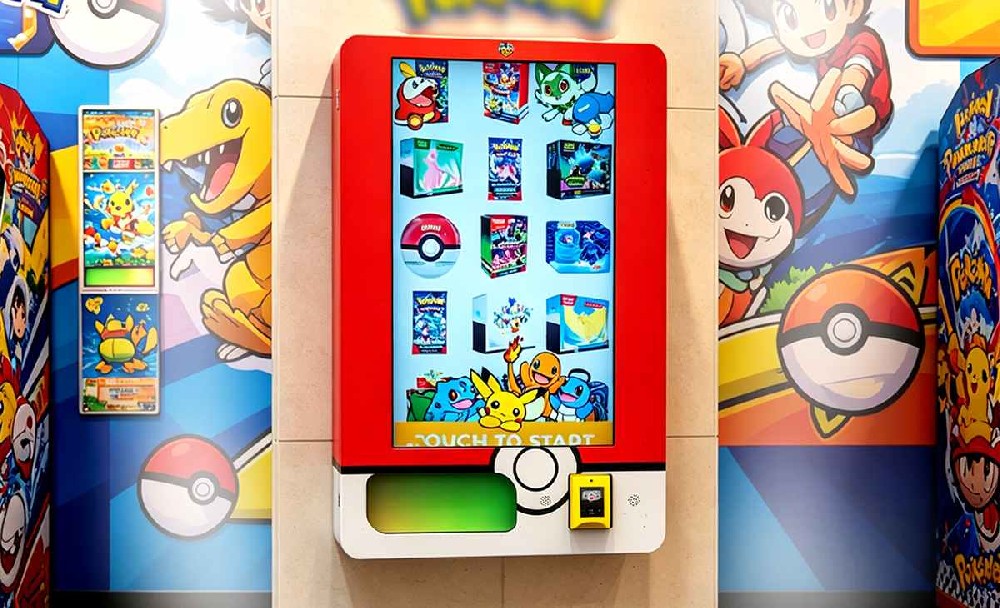
Table of Contents
My 10-Year Experience in the Vending Machine Industry
I still remember one of the first vending projects I evaluated more than a decade ago. The machine itself looked impressive. It had a modern design, multiple product selections, and attractive pricing. On paper, it seemed like an excellent investment.
The problem was not the machine. The problem was that nobody carefully studied the location.
The machine was placed in an area where people passed by quickly but had very little waiting time. Customers noticed it, but they rarely stopped to make purchases. Within several months, the operator realized that expensive equipment alone could not create a successful vending business.
That experience completely changed the way I evaluate vending projects today.
I no longer start with the question:
"Which vending machine should I buy?"
I start with:
"What customer problem will this machine solve, and what equipment can deliver the best experience?"
Over the past 10 years, I have analyzed different vending models, including traditional snack machines, beverage vending machines, smart vending systems, customized vending equipment, and automated retail solutions. I have seen successful operators grow from one machine to multiple locations, and I have also seen businesses fail because they focused only on the initial purchase price.
The biggest lesson I have learned is simple:
A vending machine is not just a machine. It is a small automated retail business.
The equipment, software, payment system, product selection, location, and maintenance strategy all work together. When these parts are planned correctly, a vending machine can become a valuable business asset that generates sales every day with limited labor requirements.
What I Look For Before Recommending Any Vending Machine
When I evaluate vending equipment for a small business owner, I focus on practical performance rather than marketing claims.
Reliability: Can the machine operate consistently without frequent service problems?
Customer experience: Is purchasing simple, fast, and convenient?
Product flexibility: Can the machine adapt when customer preferences change?
Operating efficiency: Can the owner manage the machine remotely?
Business scalability: Can the same system support future expansion?
A machine that performs well in these areas usually creates better long-term results than a machine chosen only because it has a lower upfront price.
Why Vending Machines Are Becoming a Strong Small Business Opportunity
The vending industry has changed significantly over the last decade. Traditional machines focused mainly on dispensing snacks and beverages. Modern automated retail equipment now combines payment technology, inventory management, digital interfaces, and customer data analysis.
For small business owners, this creates opportunities that were difficult to achieve with older equipment.
A modern vending machine can provide:
24-hour purchasing availability
Reduced dependence on employees
Lower operating costs compared with traditional retail stores
Flexible product customization
Real-time sales monitoring
According to Statista market research, automated retail and vending-related businesses continue to benefit from demand for convenient purchasing solutions and digital payment adoption.
Source:Statista Market Research
The Biggest Change I Have Seen: From Machines to Automated Retail Systems
When I started working in this industry, many vending operators managed everything manually. They physically visited machines, checked inventory, counted sales, and discovered problems only after customers reported issues.
Modern smart vending technology has changed this process completely.
Today, operators can monitor:
This improvement is especially valuable for small business owners who may operate vending machines alongside another business or full-time job.
Best Vending Machines for Small Business Owners in 2026 Ranking
After evaluating different vending categories, I believe the strongest opportunities in 2026 will come from machines that offer flexibility, reliable operation, and better customer interaction.
There is no single machine that is perfect for every business. However, some categories consistently provide better opportunities for small operators.
| Ranking | Vending Machine Type | Best For | My Evaluation |
|---|
| 1 | Smart Combo Vending Machine | First-time operators and general locations | Best overall balance of flexibility and investment |
| 2 | Smart Drink Vending Machine | High repeat beverage demand | Strong daily sales potential |
| 3 | Healthy Vending Machine | Wellness-focused customers | Growing premium product opportunity |
| 4 | Specialty Vending Machine | Unique products and niche markets | Higher differentiation potential |
| 5 | Locker Vending System | Larger products and automated pickup | Flexible future-oriented solution |
| 6 | Custom Vending Machine | Brand-specific projects | Best for unique business concepts |
Vending Machine Comparison Table for Small Business Owners
Before investing, I recommend comparing equipment based on business purpose rather than technical specifications alone.
| Machine Category | Typical Investment | Main Advantages | Possible Challenges |
|---|
| Smart Combo Vending Machine | $5,000-$12,000 | Multiple products, flexible inventory | Requires product testing |
| Drink Vending Machine | $4,000-$10,000 | Strong repeat purchases | Cooling maintenance |
| Snack Vending Machine | $3,000-$8,000 | Simple operation | Competition from convenience stores |
| Healthy Vending Machine | $5,000-$15,000 | Premium product positioning | Requires careful product selection |
| Custom Vending Machine | $8,000+ | Unique customer experience | Higher planning requirements |
For operators who want to compare different smart vending equipment options, Zhongda Smart provides a range of intelligent vending solutions designed for different commercial applications.
More information about available equipment:smart vending machine products and solutions
Top Vending Machine Types for Different Small Business Models in 2026
One of the biggest mistakes I see new operators make is choosing a vending machine before understanding the business model. A machine that works extremely well in one environment may perform poorly in another.
During my years evaluating vending projects, I have learned that successful operators match three things together:
The customer profile
The purchasing situation
The machine design
A vending machine placed in an office environment should not necessarily use the same strategy as one placed in a recreational location. Product selection, machine size, payment options, and even screen design can influence sales performance.
1. Smart Combo Vending Machine — The Best Starting Point for Many Small Businesses
If someone asks me which vending machine I would recommend for a first-time operator, a smart combo vending machine is usually my first consideration.
The reason is flexibility.
A combo vending machine combines multiple product categories in one unit, allowing business owners to sell snacks, drinks, convenience products, and other items without installing several machines.
This reduces initial investment while allowing operators to test customer preferences.
For example, during the first few months, an operator may discover that beverages generate 60% of sales while snacks only create 40%. The product mix can then be adjusted based on real customer behavior.
| Feature | Why It Matters |
|---|
| Multiple product categories | Allows testing different customer preferences |
| Adjustable shelves | Supports different product sizes |
| Cashless payment | Improves purchase convenience |
| Remote monitoring | Reduces unnecessary service visits |
| Touchscreen interface | Creates a modern shopping experience |
In my experience, combo machines are especially suitable for:
Office environments
Small retail spaces
Hotels
Fitness facilities
Waiting areas
Community locations
For businesses interested in flexible smart vending equipment, Zhongda Smart offers intelligent vending solutions designed for different product categories:
Zhongda Smart vending machine solutions
2. Drink Vending Machines — Strong Repeat Purchase Potential
Beverage vending machines remain one of the strongest categories because drinks are frequently purchased products.
Unlike some specialty products, beverages solve an immediate customer need. People become thirsty at work, during activities, while traveling, or while waiting.
However, drink vending machines require careful planning because refrigeration performance directly affects customer satisfaction.
When evaluating drink vending equipment, I pay close attention to:
Cooling efficiency
Energy consumption
Storage capacity
Product visibility
Payment speed
| Drink Category | Example Products | Business Advantage |
|---|
| Traditional Beverages | Water, soda, juice | High customer familiarity |
| Energy Products | Energy drinks, functional beverages | Higher selling prices |
| Healthy Drinks | Low sugar and vitamin drinks | Premium positioning |
| Cold Coffee Products | Ready-to-drink coffee | Growing convenience demand |
Zhongda Smart provides beverage-focused vending solutions designed for automated drink retail applications:
drink vending machine solutions
3. Snack Vending Machines — Simple Model With Broad Demand
Snack vending machines remain popular because customers understand them immediately. There is no complicated buying process.
However, I always remind new operators that traditional snack products alone may not create the strongest long-term opportunity. Product selection matters more than the machine itself.
A successful snack vending strategy usually includes a mix of:
I have seen operators increase sales simply by changing product placement and replacing slow-moving products with items customers actually wanted.
4. Healthy Vending Machines — A Growing Premium Category
Healthy vending has become one of the most interesting categories I have watched develop.
Customers increasingly want convenience without sacrificing product quality. This creates opportunities for operators who understand their audience.
A healthy vending machine may include:
The biggest mistake I see is assuming that simply adding healthy products automatically creates sales. It does not.
The location must match the product.
For example, a fitness environment may respond strongly to protein products, while another location may still prefer traditional snacks.
Zhongda Smart provides solutions for modern product categories, including healthy vending applications:
healthy vending machine snack solutions
5. Specialty Vending Machines — Creating Unique Business Opportunities
Specialty vending machines are where I believe many future opportunities will develop.
Instead of competing only with traditional snack and drink machines, business owners can create automated stores focused on specific products.
Examples include:
Collectible products
Trading cards
Beauty products
Electronic accessories
Gift items
Educational products
The advantage of specialty vending is differentiation. Customers are often attracted because the machine provides something unique rather than something they can easily purchase elsewhere.
6. Locker Vending Systems — Expanding Beyond Traditional Products
Locker vending systems represent a major change in how automated retail can work.
Traditional vending machines are limited by product size. Locker systems allow businesses to distribute larger items while maintaining automated pickup convenience.
Possible applications include:
For businesses interested in larger product automation, Zhongda Smart provides locker vending solutions:
locker vending machine systems
7. Custom Vending Machines — Best for Unique Brands and Concepts
Custom vending machines require more planning, but they can create stronger brand recognition.
I have worked with projects where the machine itself became part of the customer experience.
A customized vending machine may include:
This approach works especially well for companies that want automated retail to become part of their marketing strategy.
For customized vending projects, choosing a manufacturer with OEM experience is extremely important.
Zhongda Smart provides OEM and customized vending machine manufacturing solutions:
custom vending machine manufacturing services
Smart Vending Machines vs Traditional Vending Machines: My Professional Comparison
Many business owners ask me whether smart vending machines are worth the additional investment.
My answer depends on the business goal, but for most new investments in 2026, smart technology provides clear advantages.
| Category | Traditional Vending Machine | Smart Vending Machine |
|---|
| Payment | Mainly cash-based | Cash, card, mobile, QR |
| Inventory Management | Manual checking | Remote monitoring |
| Sales Data | Limited information | Detailed analytics |
| Customer Experience | Basic interface | Interactive purchasing |
| Scalability | More manual work | Easier multi-machine management |
The biggest advantage is not the touchscreen or appearance. The real value is operational visibility.
When I know which products are selling, when customers are buying, and when a machine needs attention, I can make better decisions.
Vending Machine Cost Breakdown: How Much Should a Small Business Owner Invest?
One of the first questions I receive from new operators is: “How much money should I prepare before buying my first vending machine?”
My answer is always the same: do not calculate only the machine price. A successful vending business requires a complete investment plan.
The equipment is the foundation, but other costs such as inventory, payment technology, transportation, installation, maintenance, and marketing can affect the final return significantly.
During my years evaluating vending projects, I have seen many beginners make the same mistake. They spend most of their budget on the machine and leave too little money for inventory testing, location improvements, and technical support.
My Recommended First-Year Vending Investment Breakdown
| Investment Item | Typical Cost Range | My Experience-Based Advice |
|---|
| Vending Machine Equipment | $3,000 - $20,000+ | Choose based on business model and expected usage |
| Initial Product Inventory | $200 - $1,500 | Start with testing, not excessive stock |
| Payment System | $200 - $800 | Cashless payment should be considered essential |
| Transportation and Installation | $300 - $1,500 | Professional installation reduces problems |
| Branding or Custom Design | $500 - $5,000+ | Useful for specialty concepts |
| Maintenance Reserve | $500 - $1,000 annually | Protects against unexpected downtime |
For many small business owners, a realistic starting budget for a reliable vending setup is usually between $5,000 and $15,000.
However, I always recommend planning based on business objectives. A simple snack machine and a fully customized smart vending solution are completely different investments.
How I Calculate Vending Machine ROI Before Making an Investment Decision
Return on investment is one of the most important calculations I perform before recommending any vending project.
A vending machine is not successful because it looks modern. It is successful because revenue exceeds operating costs and creates sustainable profit.
The basic formula I use is:
ROI = (Annual Net Profit ÷ Initial Investment) × 100
Example: Smart Vending Machine ROI Calculation
| Category | Example Amount |
|---|
| Machine Investment | $8,000 |
| Average Monthly Revenue | $1,800 |
| Product Cost | $720 |
| Location Commission | $270 |
| Maintenance and Other Costs | $110 |
| Estimated Monthly Profit | $700 |
| Estimated Annual Profit | $8,400 |
| Estimated First-Year ROI | Approximately 105% |
This example is only an illustration. Actual results depend on customer traffic, pricing, product selection, competition, and management quality.
I always advise new operators to use conservative numbers. A realistic business plan is much better than expecting unrealistic profits.
What Makes a Vending Machine Profitable?
After reviewing many vending operations, I found that profitability usually comes from five areas:
Correct location: The machine must be placed where people have a reason to buy.
Product selection: Inventory should match customer preferences.
Machine reliability: Downtime directly reduces revenue.
Payment convenience: Customers should complete purchases easily.
Operational discipline: Inventory and performance must be monitored.
Many beginners focus heavily on the machine and ignore these factors. In reality, the machine is only one part of the business system.
How I Choose a Profitable Vending Machine Location
If I had to choose between a premium machine in a weak location and an average machine in a strong location, I would usually choose the strong location.
Location remains one of the most important factors in vending success.
Over the years, I developed a simple evaluation method before approving a placement.
My Location Evaluation Checklist
Traffic: How many potential customers pass through the area every day?
Waiting Time: Do people have enough time to make a purchase?
Customer Need: Is there a reason people would want convenience products here?
Visibility: Can customers easily see the machine?
Competition: Are similar products already available nearby?
Operating Hours: Is the location accessible when customers need products?
Location Types I Consider Strong Opportunities
| Location | Why It Can Work | Recommended Equipment |
|---|
| Office Buildings | Employees need convenient daily purchases | Smart combo vending machine |
| Fitness Facilities | Customers value nutrition products | Healthy vending machine |
| Hotels | Guests need immediate convenience | Snack and drink vending machine |
| Entertainment Areas | Impulse purchases are common | Specialty vending machine |
| Educational Facilities | Frequent repeat customers | Snack vending machine |
My Real Vending Business Case Study: Improving Performance Through Data
One project I reviewed involved an operator who started with a single smart vending machine.
The original goal was simple: create an additional revenue stream without hiring employees.
The first installation performed reasonably well, but sales were not as high as expected.
Instead of replacing the machine, we analyzed the data.
Initial Performance
| Metric | First Three Months |
|---|
| Monthly Revenue | $1,100 - $1,300 |
| Main Products Sold | Traditional snacks and drinks |
| Main Issue | Low sales during certain periods |
The solution was not purchasing new equipment. The improvement came from changing the business strategy.
Optimization Changes
Removed slow-moving products
Added higher-demand items
Improved product arrangement
Adjusted pricing structure
Used sales data to plan restocking
After Optimization
| Metric | Improved Performance |
|---|
| Monthly Revenue Growth | Approximately 30%+ |
| Product Waste | Reduced |
| Restocking Efficiency | Improved |
| Customer Satisfaction | Higher repeat purchases |
The biggest lesson from this project was that successful vending operations are not built by simply installing machines. They are built by continuously improving the system.
Vending Machine Buying Checklist: Questions I Ask Before Purchasing
Before purchasing any vending machine, I recommend checking the following points.
Does the machine support modern payment methods?
Can inventory be adjusted easily?
Is remote monitoring available?
Are replacement parts accessible?
Does the manufacturer provide technical support?
Can the machine be customized in the future?
Is the software system reliable?
Does the machine fit the intended location?
Common Mistakes That Reduce Vending Business Profit
Mistake 1: Choosing Equipment Before Understanding Customers
A machine should solve a customer need. Buying equipment first and searching for a location later often creates unnecessary problems.
Mistake 2: Ignoring Cashless Payment Technology
Many customers no longer carry cash regularly. A vending machine without convenient payment options may lose potential sales.
Mistake 3: Treating Vending as Completely Passive Income
A vending business requires management. Successful operators monitor sales, maintain equipment, and improve product selection.
Mistake 4: Buying From an Unknown Supplier Without Support
The relationship with the vending machine manufacturer matters. Reliable technical support and spare parts availability can affect long-term profitability.
How to Choose a Reliable Vending Machine Manufacturer
After years of working with vending projects, I have learned that selecting the right manufacturer is just as important as selecting the right machine. A vending machine is not a simple piece of equipment that you buy once and forget. It is a long-term business tool that requires stable hardware, reliable software, replacement parts, and technical support.
Many new operators focus only on the purchase price. I understand why. Keeping the initial investment low feels safer. However, the lowest-priced machine is not always the lowest-cost option.
A machine that experiences frequent failures, has limited spare parts availability, or lacks technical support can quickly become more expensive because every day of downtime means lost revenue.
My Manufacturer Evaluation Checklist
| Evaluation Factor | Why I Consider It Important |
|---|
| Manufacturing Experience | Experienced manufacturers usually understand long-term equipment reliability |
| Product Range | A wider product range allows better business matching |
| Customization Capability | Important for unique vending concepts and branding |
| Technical Support | Reduces downtime and operating problems |
| Quality Control Process | Helps maintain consistent machine performance |
| After-Sales Service | Provides confidence for long-term operation |
Why Machine Manufacturing Quality Matters More Than Appearance
A modern vending machine may look impressive with a large touchscreen, attractive lighting, and a premium design. These features can improve customer experience, but they are not the foundation of a successful machine.
The internal systems determine long-term performance.
When I evaluate vending equipment, I pay attention to:
Motor durability and dispensing accuracy
Cooling system performance for beverage applications
Payment system stability
Software reliability
Cabinet structure and protection
Ease of maintenance
A beautiful machine that constantly requires repairs will never outperform a reliable machine that consistently serves customers.
Why Zhongda Smart Is a Strong Partner for Small Business Vending Projects
During my evaluation of vending manufacturers, I always look for companies that combine product development, manufacturing capability, and customization experience.
One company that fits this approach is Zhongda Smart, a manufacturer focused on intelligent vending solutions and customized automated retail equipment.
What makes Zhongda Smart interesting for small business owners is the ability to provide different vending solutions instead of only one standard machine format.
Their product categories include:
Smart snack and drink vending machines
Customized vending machines
Specialty vending solutions
Locker vending systems
Industry-specific automated retail equipment
For businesses looking for a complete equipment overview, I recommend reviewing:
Zhongda Smart product solutions
Why I Consider Customization an Important Advantage
The vending industry is moving away from a one-machine-fits-all approach.
Different businesses have different requirements:
A beauty brand may need a compact machine with premium lighting.
A collectible business may need specialized product compartments.
A beverage business may require larger cooling capacity.
A corporate customer may want branded exterior designs.
This is why OEM and custom vending machine capability has become increasingly valuable.
Zhongda Smart provides customized vending machine manufacturing services for businesses that need equipment designed around specific products or customer experiences.
More information:OEM custom vending machine solutions
How Smart Technology Changes Vending Machine Management
One of the biggest improvements I have seen in recent years is the transition from simple vending equipment to connected smart vending systems.
Traditional machines require operators to visit frequently and manually check performance.
Smart vending machines provide better visibility.
Important Smart Features I Recommend
| Technology Feature | Business Benefit |
|---|
| Remote Inventory Monitoring | Reduces unnecessary restocking trips |
| Cashless Payment | Makes purchasing faster and easier |
| Sales Data Tracking | Helps improve product decisions |
| Remote Error Alerts | Allows faster problem response |
| Digital Display | Creates better customer interaction |
For a small business owner managing multiple responsibilities, these features can save significant time.
Vending Machine Maintenance: How I Reduce Downtime
A vending machine that cannot sell products is simply unused equipment. Maintenance is not something to consider after a problem occurs. It should be part of the business plan from the beginning.
My Basic Maintenance Schedule
| Frequency | Maintenance Task |
|---|
| Daily or Weekly | Check inventory, cleanliness, and customer experience |
| Monthly | Inspect payment systems and moving components |
| Quarterly | Review sales data and product performance |
| Annually | Complete technical inspection |
Common Technical Issues I Have Seen
Payment system connection problems
Product dispensing errors
Cooling performance issues
Software communication failures
Damaged product spirals or motors
The good news is that many problems can be prevented through regular inspection and choosing reliable equipment from the beginning.
The Future of Vending Machines: Trends I Expect to Grow in 2026 and Beyond
After following the industry for many years, I believe vending machines will continue moving toward more personalized and automated retail experiences.
The future is not only about selling snacks and drinks. It is about creating small, efficient retail points that operate with less labor and better customer understanding.
Trend 1: More Customized Automated Retail
Businesses are increasingly using vending machines as extensions of their brands.
A customized machine can create a unique customer interaction that traditional shelves cannot provide.
Trend 2: Data-Driven Product Management
Future operators will rely more heavily on sales information instead of guessing what customers want.
The ability to analyze purchasing patterns will help businesses improve inventory decisions.
Trend 3: Expansion Into New Product Categories
Vending machines are moving beyond traditional categories.
I expect continued growth in areas such as:
Trend 4: More Flexible Business Models
Small business owners will increasingly use vending machines as additional revenue channels rather than replacing traditional businesses.
A restaurant, fitness facility, hotel, or retail company can use automated vending to increase convenience without adding significant labor costs.
My Final Advice Before Buying Your First Vending Machine
After more than 10 years in this industry, my biggest recommendation is simple:
Do not buy a vending machine. Build a vending business.
The machine is only the beginning. The strongest operators think about customers, products, locations, maintenance, and long-term growth.
The Best Vending Machines for Small Business Owners in 2026 are not necessarily the most expensive machines. They are the machines that match the business model, customer needs, and operational strategy.
A well-selected vending machine can become a practical business asset that creates consistent value for years.
Industry Data and Reference Sources
The following sources were used for general industry information and market understanding:
Frequently Asked Questions About Choosing the Best Vending Machines for Small Business Owners in 2026
1. What is the best vending machine for a small business owner in 2026?
For most first-time operators, I recommend starting with a smart combo vending machine because it offers the best balance between flexibility, product variety, and investment cost.
A combo machine allows business owners to test different products without purchasing multiple machines. It can sell snacks, drinks, and convenience items while providing useful sales data through smart management systems.
However, the best choice depends on the customer environment. A fitness location may perform better with a healthy vending machine, while a specialized retail concept may benefit from a customized vending solution.
2. How much does a vending machine cost for a small business?
The cost of a vending machine varies depending on technology, size, customization, and product category.
A basic machine may cost several thousand dollars, while advanced smart vending systems with touchscreen displays, cashless payment, remote monitoring, and custom designs can require a larger investment.
Based on my experience, small business owners should usually prepare a complete budget that includes:
Planning the full investment prevents unexpected financial pressure after installation.
3. Can vending machines really make money?
Yes, vending machines can generate profit when the location, products, equipment, and management strategy are properly matched.
The biggest factor is not the machine itself. A high-quality machine placed in a poor location may perform worse than a standard machine in an excellent location.
Successful operators usually focus on:
High customer traffic
Convenient purchasing situations
Product selection based on customer demand
Regular inventory management
Reliable machine operation
4. Should I buy a used vending machine or a new vending machine?
A used vending machine can reduce the initial investment, but it also introduces additional risks.
Before buying used equipment, I recommend checking:
Machine operating history
Availability of replacement parts
Payment system compatibility
Software support
Repair records
For business owners who want long-term growth, a new smart vending machine often provides better reliability and management advantages.
5. What features should I look for in a smart vending machine?
The most valuable features are the ones that improve daily operation.
My recommended features include:
Cashless payment support
Remote inventory monitoring
Sales reporting
Reliable cooling system for beverages
Easy maintenance access
Flexible product configuration
Advanced technology should make the business easier to manage, not simply make the machine look impressive.
6. How do I choose the right vending machine manufacturer?
A reliable manufacturer should provide more than equipment.
I recommend evaluating:
Companies such as Zhongda Smart provide different automated vending solutions, including smart vending machines, customized vending equipment, and specialized systems for different commercial applications.
7. How often does a vending machine need maintenance?
Maintenance frequency depends on usage, product category, and environment.
A well-managed machine should receive regular checks for cleanliness, inventory, payment systems, and mechanical components.
I recommend reviewing sales data regularly because unusual sales changes can sometimes indicate technical problems before customers report them.
8. Are custom vending machines worth the investment?
Custom vending machines can be valuable when the machine itself becomes part of the customer experience.
They are especially useful for:
A custom machine usually requires more planning, but it can create stronger differentiation compared with standard equipment.
About the Author
I have spent more than 10 years working with vending machine projects, automated retail equipment, and commercial self-service solutions.
My experience includes evaluating vending machine performance, studying customer purchasing behavior, analyzing equipment reliability, and helping businesses select suitable automated retail systems.
Throughout my career, I have learned that successful vending operations depend on practical decisions rather than simply choosing the newest technology.
My approach is based on real operating experience:
Choose equipment based on customer needs
Analyze profitability before investing
Prioritize reliability over appearance
Work with manufacturers that provide long-term support
Transparency Statement
The information in this article is based on industry experience, equipment evaluation, and publicly available market information.
Vending machine performance varies depending on location, product selection, customer behavior, operating strategy, and maintenance quality.
The examples provided are educational references and should not be considered guaranteed income projections.