How to Choose the Right Vending Machine for Your Needs
Start With the Location, Not the Machine
I’ve spent over ten years running vending routes, testing machines in break rooms, hotels, car dealerships, and even a couple of manufacturing plants where the dust alone would kill a lesser piece of equipment. What I’ve learned is that picking a vending machine isn’t about grabbing whatever looks good at a warehouse club or chasing the lowest price. It’s about matching the hardware to the location, to your product, and to the way you actually plan to run the business. I’ve lost money on machines that were too dumb for the job and made plenty on units that just quietly worked. This guide is everything I wish someone had handed me back when I was staring at my first lineup, wondering why two machines that looked identical could produce wildly different results.
Before you even browse a catalog, you need to nail down where the machine will sit and who will use it. The single biggest mistake I see newcomers make is buying a beautiful, feature-rich vending machine and then trying to force it into a location that doesn’t need it. In this business, the spot dictates the equipment, never the other way around.
I always audit a location with a simple clipboard and a stopwatch. I count foot traffic for three different time blocks: morning rush, lunch, and late afternoon. A mid-sized office with 80 employees might generate 40 to 50 transactions per day on a snack and drink combo, while a 24‑hour gym with 300 daily visits might only do 15 to 20, because the crowd wants water, not candy bars. You have to know the rhythm.
What to Look For in a Potential Site
Captive audience: Hospitals, schools, warehouses, and apartment complexes hold people in place. If the nearest alternative is a 10‑minute drive, your machine becomes the default choice.
Income mix: Blue‑collar locations often favor grab‑and‑go snacks, while white‑collar offices lean toward coffee, tea, and healthier options. I keep a product mix log for every machine to see which categories move.
Power and climate: Outdoor machines need reinforced cooling, weather‑sealed payment modules, and sometimes a sunshade. I once placed a standard indoor drink machine on a covered patio in Arizona. It ran fine in October and fried its compressor by June. Lesson learned.
Competitor presence: If there’s already a franchise‑owned machine in a building, find out whether the contract is exclusive. I’ve won locations by offering a specialized machine the existing vendor couldn’t supply, like a refrigerated fresh‑food unit.
Once you understand the site, you can define the exact job your vending machine must perform. That job description becomes your buying checklist.
Decoding the Types of Vending Machines
Over the years, I’ve operated just about every category of machine on the market. Each one has a distinct mechanical personality. If you pick the wrong type, you’ll fight it every week. Here’s the field report from someone who has done exactly that.
Snack Machines
These hold chips, candy bars, pastries, and nowadays even protein bars. The coil‑driven helix system is simple and cheap to fix, but it can jam if you overstuff the spirals or load oddly shaped packages. I typically stock 35 to 45 selections in a full‑size snack machine. My rule is that 40% of the coils should carry items under $1.50, because a price barrier on a small snack kills impulse buys instantly.
Average coil motor lifespan on a well‑built machine is around 80,000 cycles. That might sound like a lot, but a busy high school machine can hit 150 vends a day during the school year. Do the math, and you’ll see why cheap motors burn out fast. I now buy only machines with metal gears inside the motors, not nylon.
Drink Machines
Glass‑front drink machines are the standard now. Customers want to see the bottle before they buy, especially with craft sodas and energy drinks at $2.50 a pop. The older stack‑vendor style still works for cans only, but it limits your portfolio. I keep one stack vendor in a warehouse where cans sell for $0.75, and the glass‑front in a white‑collar building where I move premium bottles.
Cooling is the biggest expense here. A modern energy‑efficient drink machine pulls about 5 to 7 amps during peak compressor cycle. Older models can draw 12 to 14 amps. Multiply that across five machines and you’re looking at an extra $60 to $80 on a monthly power bill. When I swapped three 10‑year‑old drink units for new inverter‑driven models, the combined electricity savings paid for one machine’s cost in 18 months.
For a deeper look at the specific drink units I run, you can browse the smart drink machine collection that I use as a benchmark when evaluating cooling performance and energy draw.
Combo Machines
A combo unit packs snacks and drinks into one cabinet. I think of them as “starter machines” because they lower your upfront cost while you test a small location. However, the compromise is capacity. A typical combo machine holds about 200 items total, split roughly 120 snacks and 80 drinks. A busy break room can clean that out in two days. Restocking frequency becomes a pain, and every trip eats into your margin.
I recommend combo machines for locations with fewer than 40 regular users. Beyond that, separate dedicated snack and drink machines almost always outperform one combo unit, and they give you the flexibility to swap out a machine without losing both categories at once.
Specialty and Custom‑Built Machines
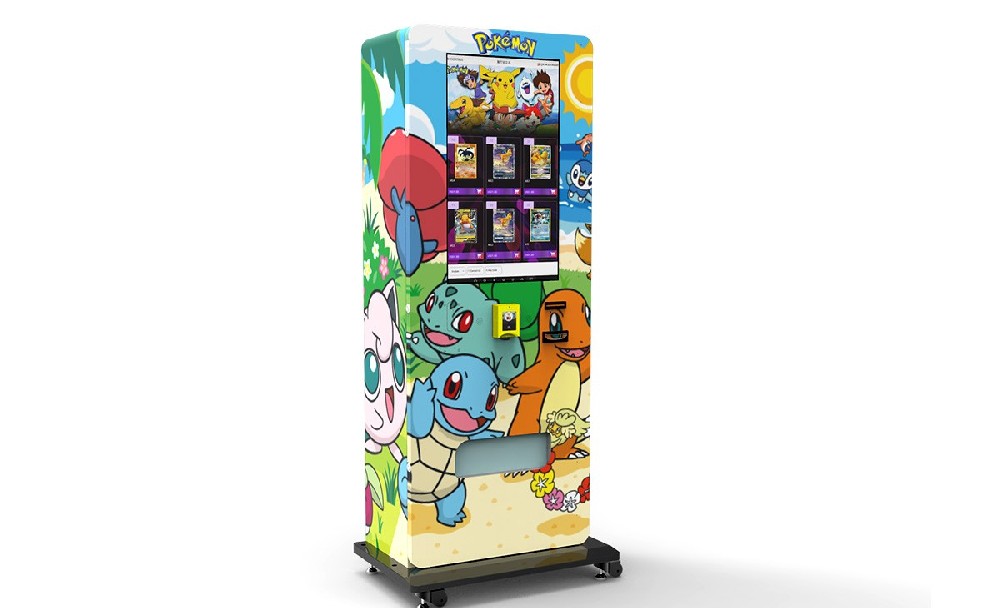
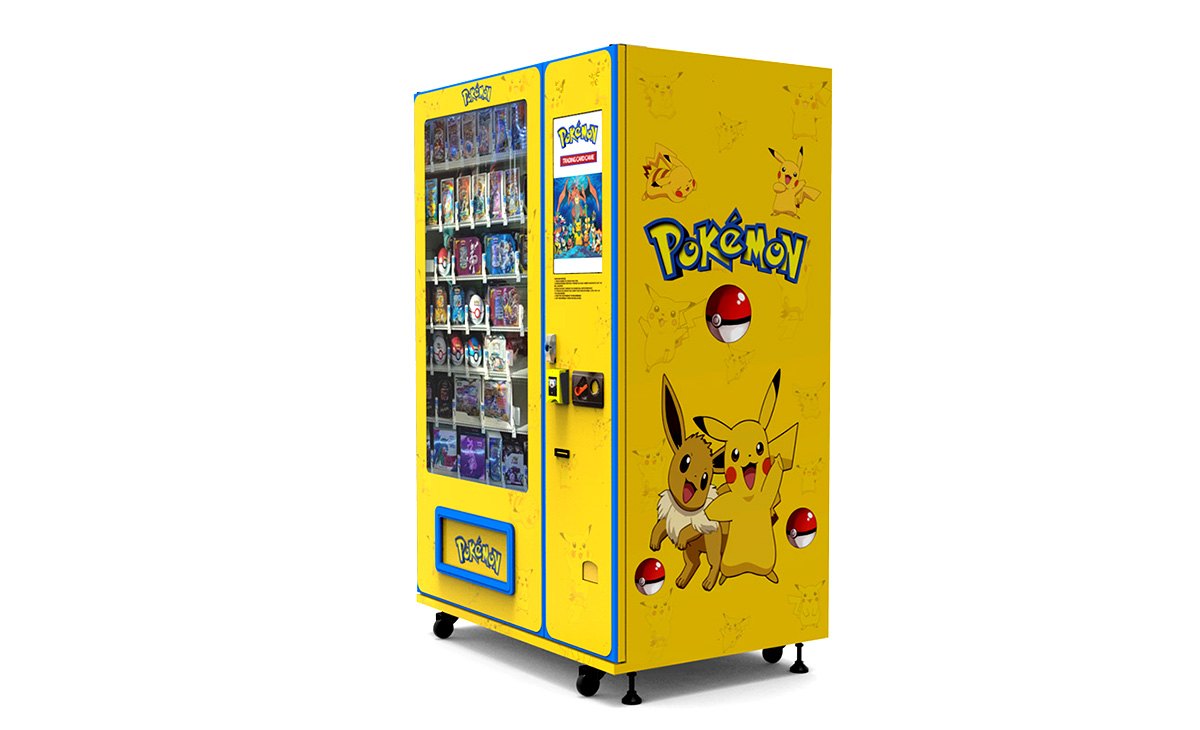
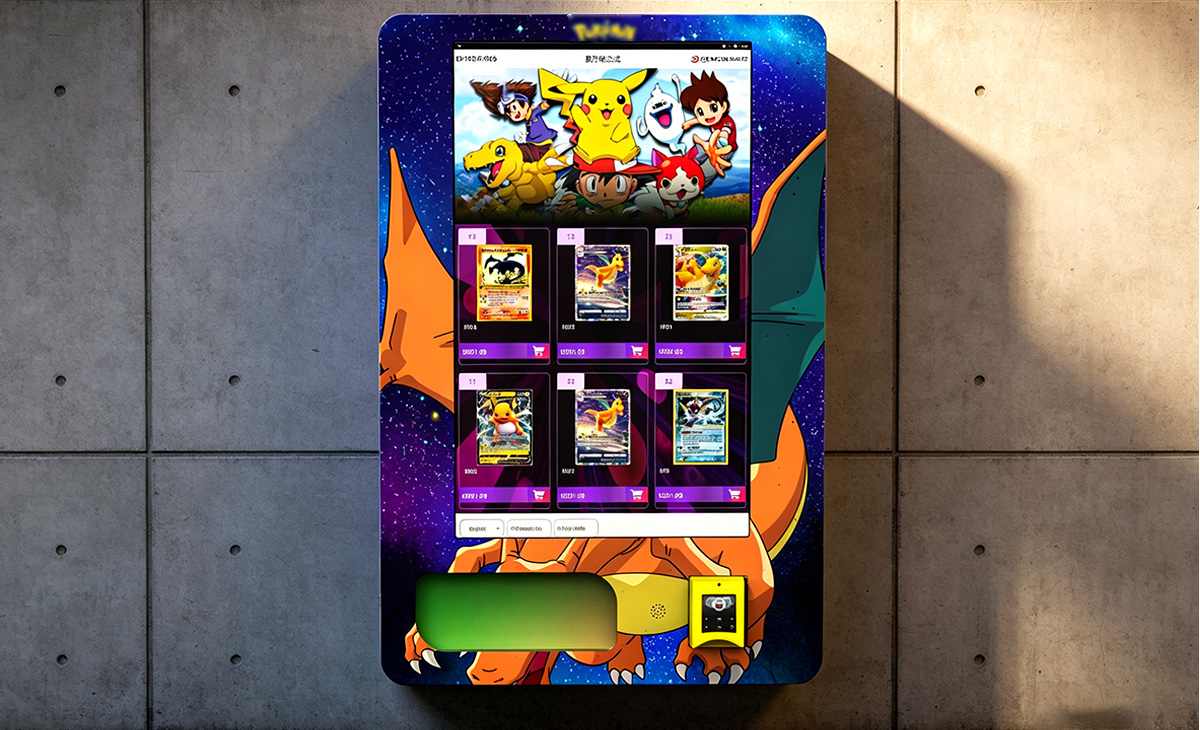
This is where the industry gets exciting. I’ve placed machines that vend fresh pizza slices, electronics accessories, beauty products, even live fishing bait. The common thread is that each specialty machine requires a very specific type of customer in a very specific place. I once put a Pokémon card vending machine in a gaming store and it did triple the daily sales of the snack machine two feet away, simply because it matched the foot traffic perfectly.
Specialty machines often need custom cassettes, coil spacing, or even an elevator delivery mechanism to protect fragile items. The build quality matters even more here because repairs are less standardized. When I need a configuration that isn’t available off the shelf, I work with suppliers that offer engineering customization. One manufacturer I’ve leaned on for these projects is Zhongda Smart, who can build coil‑to‑elevator conversions and adjust tray depths to fit items like collectible card packs without crushing them. I’ve toured facilities that offer this type of custom fabrication, and it saves months of trial and error. You can see the range of custom vending solutions they’ve engineered for different retail segments; the approach is entirely different from just ordering a generic unit.
Features That Separate a Profit Maker From a Money Pit
Technology has completely reshaped what a vending machine can do. I started with mechanical coin mechs and paper logs. Now my best machines talk to my phone. Here are the features I won’t compromise on today.
Cashless Payment Systems
In 2023, less than 15% of my total transactions used bills or coins. The rest were card tap, mobile wallet, or pre‑loaded account. A machine without a contactless reader today is a machine leaving money on the table. I install Nayax or Cantaloupe readers on every unit, and I link them to the same back‑end platform so I can track sales in real time. Installing a reader costs between $300 and $500, and I typically earn it back in under three months because the average ticket size jumps 20–30% when people can use a card.
Remote Monitoring and Telemetry
The day I stopped driving to machines just to check inventory was the day my business became scalable. Telemetry tells you exactly which products are sold, what’s low, and whether the compressor temperature is climbing. I can prioritize my route so I only visit machines that need restocking or maintenance. This cut my weekly driving by 40%, which in fuel alone saved over $2,000 per year across eight machines. When shopping, I look for MDB‑ready control boards that can accept third‑party telemetry devices without adapters.
Energy Efficiency
LED lighting, inverter compressors, and sleep‑mode logic on the control board can reduce power consumption by up to 50% compared to equipment from the early 2000s. I track kilowatt‑hour usage with plug‑in energy monitors. My newest drink unit uses an average of 3.1 kWh per day. An older machine of the same capacity used 5.8 kWh. Over a year, the difference in electricity is about $150 at average commercial rates. Across 10 machines, that’s $1,500 you get to keep.
Security and Build Quality
A vending machine is essentially a metal safe with a glass front. The lock should be a tubular or disc‑tumbler style, and I add a hasp and padlock on the outside as a visual deterrent. Heavy‑gauge steel on the cabinet door and reinforced hinges will stop 95% of smash‑and‑grab attempts. I once had a machine in a parking garage that took a crowbar hit. The outer door bent, but the inner lock rail held. A cheaper cabinet would have opened like a soda can.
Beyond physical security, consider data security. If you’re using telemetry and cashless payments, the machine must support encrypted communication. Ask the manufacturer about PCI‑compliant card readers and how the machine handles tokenized transactions.
What You're Really Going to Spend: A Cost Breakdown
I’ve bought machines for $1,200 and I’ve bought machines for $8,000. The cheaper one often cost more by year two. Here’s a realistic view of the numbers, based on my own profit‑and‑loss statements over the last decade.
| Cost Category | Refurbished Basic Snack | New Mid‑Range Combo | New Full‑Size Drink (Glass‑Front) | Specialty Custom Unit |
|---|---|---|---|---|
| Equipment price | $1,200 – $2,000 | $3,000 – $4,500 | $3,500 – $5,500 | $5,000 – $12,000+ |
| Shipping and delivery | $250 – $500 | $300 – $600 | $400 – $800 | $600 – $1,500 |
| Cashless reader (installed) | $350 | $350 | $350 | $350 |
| Initial inventory fill | $200 – $350 | $300 – $500 | $250 – $400 | Varies wildly by niche |
| First‑year maintenance fund | $500 | $200 | $200 | $400 |
| Total first‑year outlay | $2,500 – $3,700 | $4,150 – $6,150 | $4,700 – $7,250 | $6,350 – $14,250+ |
These numbers reflect my actual invoices from 2020 onward. The most important takeaway is that the machine’s purchase price is only about half of your first‑year commitment. I budget $500 to $1,000 per machine per year for repairs, even on new equipment, because a single compressor failure or control board glitch can hit $700 fast.
To run your own detailed scenario without wrestling spreadsheets, I built a free interactive calculator. It takes your estimated sales per day, product cost, and location specifics and projects net income and payback period. You can find it on our ROI tool page and plug in your own numbers.
How to Evaluate a Supplier (And Why It Matters More Than the Machine)
I learned this the hard way. In my second year, I bought four identical machines from a distributor that offered the lowest price. Six months in, I needed a replacement control board. The distributor had gone silent. No parts, no support, no warranty. I had four metal boxes sitting in storage for eight weeks while I hunted for a compatible board on eBay. That downtime cost me more in lost revenue than the few hundred dollars I’d saved.
Today I use a short checklist when qualifying any supplier or manufacturer:
Parts availability: I ask to see a detailed parts list before I order. If they can’t provide it, they probably don’t stock it.
Warranty terms: Look for at least a 2‑year compressor warranty and a 1‑year parts‑and‑labor warranty on the control system. I also check whether the warranty covers the coin mech and bill validator.
Technical support: Can you reach a human who knows the machine, or are you stuck with an overseas email loop? I call the support line before buying and pretend I have an error code. If I get a real answer within an hour, I’m interested.
Customization capability: If I need a specific tray configuration or a different glass front color to match a hotel lobby, I need a manufacturer that can do that in‑house rather than outsourcing it.
One supplier that consistently checks all those boxes for me is Zhongda Smart. They run an in‑house engineering team that handles everything from the sheet metal to the control board programming, which means when I request a modified tray pitch for an oddly shaped product, it doesn’t get lost in translation between three different factories. I first worked with them on a custom Pokémon card vending machine that required an elevator delivery cup to protect the foil packs. The prototype took six weeks, and the final unit has been running reliably for over two years with zero card jams. That kind of result comes from a vendor treating your project as a partnership, not just a sale. You can get a feel for their approach by browsing their full product catalog and noting how many niche categories they cover right out of the gate.
Placement Strategy: Turning a Machine Into a Revenue Stream
You’ve got the right vending machine. Now you need to put it where it will print money. Placement is more art than science, but I’ve developed a few rules that hold up.
Negotiate a commission, not rent. I pay the location owner 5–15% of gross sales, typically 10% for a high‑volume snack and drink pair. This keeps my fixed costs low and aligns incentives. If the machine doesn’t sell, neither of us makes money.
Test with a short‑term agreement first. I use a 90‑day trial clause in every contract. If the machine doesn’t hit a pre‑agreed sales threshold by day 90, I can pull it with no penalty. This protects me from a location that looks busy but doesn’t buy.
Rotate product based on data, not gut feeling. I pull a sales report every Monday from my telemetry dashboard. Items that sold fewer than three units in a week get replaced immediately. I keep a “cold‑start” list of 15 items that sell almost anywhere, like water, cola, classic chips, and a chocolate bar, and I use those as the foundation while I test local preferences.
One of my most profitable locations is a mid‑sized insurance office with only 60 employees. The secret? They have no nearby café, and I put in a coffee vending machine next to the snack machine. Coffee sells for $1.50 a cup, cost is $0.25, and the machine moves 40 cups a day. That single addition added $15,000 in net profit per year to that location. I shared the full story in our case studies section, along with photos of the equipment layout and sales data from the first six months.
Maintenance Habits That Prevent Costly Downtime
A vending machine that’s down for 48 hours doesn’t just lose two days of sales. It trains customers to go elsewhere. I treat maintenance as a profit protection activity, not a repair job.
My standard preventive maintenance routine, performed every 30 days:
Clean the condenser coil with compressed air. A clogged coil can raise compressor run time by 30% and shorten its life by years.
Check the door gasket for cracks or gaps. A bad seal lets humid air in, making the compressor work harder and potentially spoiling chocolate.
Test every coin mech and bill validator with a known bill and coin set. I found a validator in one machine that had been rejecting one out of every four $5 bills—silent revenue loss.
Re‑level the machine. Floor settling can misalign the vend chute, causing product hang‑ups.
Inspect the keypad and card reader for wear. A unresponsive button frustrates customers into walking away.
I also keep a small parts kit in my truck: extra coils, a spare validator belt, a universal control board, fuses, and two spare LED drivers. The cost of that kit is about $400, and it has saved me from a weekend‑long outage at least three times.
When a machine does need a serious repair, the quality of your supplier’s support network becomes everything. I mentioned earlier that I vet manufacturers by calling their tech support before buying. This habit alone has saved me thousands. For example, the Zhongda Smart support team once walked one of my route drivers through a firmware reflash over a video call in 20 minutes. That machine was back online the same afternoon.
When to Repair and When to Replace a Vending Machine
Over the years, I’ve developed a simple formula to decide whether to fix a unit or retire it. The moment a single repair bill crosses 50% of the machine’s current resale value, I stop. That money goes toward a new machine instead. I also track the “nuisance factor”—if a machine breaks down more than twice in a quarter, even for minor things, it erodes the location owner’s trust. I’d rather swap in a factory‑fresh unit than risk losing the site.
Common repairs that are absolutely worth doing:
Validator belt replacement: $40 part, 10‑minute job. A worn belt is the #1 cause of bill acceptance failure.
Coin mech cleaning: Take it apart, wipe the sensors with alcohol, reassemble. Does wonders for accuracy.
Coil motor swap: If a motor hums but won’t turn, the gear is likely stripped. I keep two spare motors per machine model.
Door switch adjustment: If the machine thinks the door is open when it’s closed, the cooling and payment systems may shut off. Usually a bent bracket.
Jobs I no longer do myself: compressor replacement and evaporator coil repair. Those require HVAC tools and refrigerant handling certification. I call a licensed technician, and the bill runs $500 to $900. If the machine is over eight years old, that’s my signal to purchase a new one from a supplier like Zhongda Smart, whose newer units come with inverter compressors that use 30% less power anyway.
Scaling Up: From Two Machines to Twenty
Moving from a side hustle with a couple of machines to a full‑time route takes more than just buying more equipment. I crossed that threshold in year three, and these are the steps that made it sustainable.
Standardize your fleet. Once I knew which models held up, I stuck to two or three machine types across all locations. This meant my spare parts kit covered everything, and my route driver could service any machine without a manual. I now run primarily Zhongda Smart units for snacks, drinks, and specialty items because the control board logic and tray design are consistent across their range. That uniformity alone saves me at least five hours a week in training and troubleshooting.
Hire a route runner before you buy your eighth machine. When I was servicing seven machines solo, I spent more time driving and counting coins than growing the business. Hiring a part‑time route runner freed up 20 hours a week. I pay $18–$22 per hour in my market, and the increased focus on sales and location acquisition easily covers that cost.
Use a centralized management platform. All my telemetry feeds into a single dashboard where I can see live inventory, temperature alerts, and sales trends. I set automatic low‑stock alerts at 20% remaining so the route runner only visits machines that actually need attention. This lets one person handle 15 to 18 machines comfortably.
Lease, don’t always buy. For borderline locations where I’m not 100% sure about long‑term volume, I sometimes lease a machine with an option to buy after 12 months. This keeps my cash flow flexible and lets me test a niche without a huge capital hit. Some manufacturers, including Zhongda Smart, offer lease‑to‑own programs that roll the first year’s payments into a discounted purchase price if you decide to keep the unit.
What the Numbers Say: Industry Data Worth Knowing
I track my own performance, but I also keep an eye on the larger market so I know whether I’m ahead or behind the curve. A few statistics that have shaped my decisions:
The global vending machine market was valued at roughly $51.91 billion in 2022 and is projected to grow at a compound annual growth rate of 5.2% through 2030, according to a report by Grand View Research.
The U.S. vending machine operators industry generated approximately $8.4 billion in revenue in 2023, per IBISWorld. The number of operators has been shrinking slightly, which means less competition for well‑placed, modern machines.
Cashless transactions represented 62% of all vending sales in the U.S. in 2023, based on data from the National Automatic Merchandising Association. Machines without contactless readers captured less than half the revenue of those with them.
The average gross profit margin for a vending operation ranges from 40% to 45%, with efficient route planning and telemetry pushing the top end closer to 50%.
Common Pitfalls I See New Operators Walk Into
After a decade of making my own mistakes and coaching a handful of friends into the business, I’ve catalogued the most expensive errors. Sidestep these and you’ll be ahead of 90% of first‑time buyers.
Buying a machine based on appearance alone. A shiny cabinet means nothing if the control board is running firmware from 2008 that can’t support a cashless reader. Open the door and look at the wiring harness. If it looks like a nest of unlabeled spaghetti, walk away.
Ignoring product dimensions. I’ve seen operators order a snack machine with standard‑spiral spacing and then try to vend large protein bars that jam every fifth rotation. Measure your intended products and match them to the tray specs before you spend a dime.
Underestimating the learning curve of credit card terminals. A card reader needs a data plan, a merchant account, and a processing gateway. Set that up before the machine arrives, not after. I use the same processing provider across all my machines so I can see every transaction in a single dashboard.
Picking a location without a written agreement. Verbal handshakes work until the manager changes and the new one kicks your machine out. Always get a contract that specifies the commission rate, the term, the electricity arrangement, and the removal notice period.
Neglecting to factor in sales tax. In many states, vending machine food sales are taxable. I file quarterly and set aside 8% of gross revenue automatically in a separate account. The IRS and state revenue departments don’t care that your machine is small; they care about compliance.
What's Coming: Trends That Will Shape Your Next Purchase
I pay close attention to what’s rolling out of R&D labs because adopting a technology early can give you a two‑year head start on competitors in your region. Right now, three shifts are worth building into your buying criteria.
AI‑powered inventory and dynamic pricing. Some machines now use internal cameras and weight sensors to recognize products automatically. They adjust prices based on time of day or remaining stock. I’ve tested one unit from Zhongda Smart’s upcoming line that recommends snack pairings on the screen—early data showed a 12% lift in average basket size. By 2027, I expect this to be a standard feature on mid‑range and premium models.
Sustainability features. Machines with R290 refrigerant, solar‑compatible power supplies, and recycled steel bodies are starting to appear. Some corporate clients now require sustainability credentials as part of their vendor agreements. If your machine can display its energy footprint on the screen, you have a talking point that wins contracts.
Micro‑markets and hybrid formats. The line between a vending machine and an unattended retail kiosk is blurring. I’m seeing open‑shelf coolers paired with self‑checkout kiosks in office break rooms. These still count as vending in the broad sense, but they require a different hardware approach. Having a supplier that builds both traditional machines and modular kiosk components, like Zhongda Smart, means I can upgrade a location gradually instead of ripping everything out.
Frequently Asked Questions
How much profit can a single vending machine realistically generate?
Based on my own routes, a well‑placed snack or drink machine in a location with 60 to 100 potential users typically grosses $300 to $600 per month. After product cost, commission, and minor maintenance, net profit usually lands between $150 and $350 per machine per month. Specialty machines in high‑demand niches can double those figures, but they also require more attentive inventory management.
Should I buy a new or refurbished vending machine?
I recommend new if you’re placing the machine in a high‑visibility location or you rely on it as your primary income source. The warranty alone often justifies the premium. A refurbished unit can work for a secondary, low‑volume location if you or someone on your team can handle basic repairs. Just be sure a refurbished machine comes with a minimum 90‑day warranty from a reputable refurbisher.
What payment systems are absolutely necessary today?
Contactless card and mobile wallet support is non‑negotiable. Bill and coin acceptance is still useful but declining. I now run machines that accept only cashless payments in certain secure office environments, and the transaction volume is consistently higher than the cash‑only units they replaced.
How do I find the best locations for a vending machine?
I prospect through property management companies, local business associations, and direct site visits. The three qualifiers I look for are: 25 or more regular people on‑site, no competing machine within walking distance, and a decision‑maker who’s open to a commission‑based agreement. I also check whether the location has accessible power and a level floor before committing.
What kind of maintenance does a vending machine need?
Monthly preventive care: condenser cleaning, gasket inspection, validator testing, and leveling. Most machines also benefit from a deep clean every six months, where you remove all trays and wipe down the interior. Following this routine, my average machine sees one unplanned service call every 14 to 18 months, usually a coin mech jam or a sensor realignment.
Can I customize a machine for a specific product, like fresh food or collectibles?
Yes, and that’s exactly what I’ve done with several projects. Customization ranges from simple tray adjustments to elevator delivery systems and temperature zone modifications. Working with a manufacturer that has in‑house R&D, such as Zhongda Smart, cuts the development time and reduces compatibility issues. I’ve described one such build in the specialty machine section above.
How long does it take to recoup the cost of a vending machine?
With realistic sales figures, a new machine priced around $4,000 to $5,000 typically pays for itself in 12 to 24 months. A combo machine in a slower location might take closer to 30 months. The fastest payback I ever achieved was 7 months on a refurbished snack machine placed in a busy warehouse, but that was a rare combination of low purchase price and high volume.
Do I need a special license or permit to operate a vending machine?
Requirements vary by state and municipality, but most areas require a general business license and a seller’s permit for sales tax collection. Some health departments require a permit if you vend perishable food. I strongly recommend checking with your city clerk and state department of revenue before you place your first machine.
Where to Go From Here
Choosing the right vending machine is a decision that echoes through every day of operation. Get it right, and the machine becomes a quiet, reliable employee that works 24 hours a day. Get it wrong, and you’ll know it every time you open the door to fix a jam or apologize to a location owner. I’ve lived both sides, and I can tell you without hesitation that the time you spend researching today will multiply into thousands of dollars saved tomorrow.
Start with the location. Define your product. Match the hardware. Vet the supplier. And then run a tight route. If you need to talk through a specific scenario or want a second opinion on a machine you’re considering, you can reach out through our contact page. I still enjoy helping people sidestep the potholes I hit when I started.
Last updated: August 4, 2026