Deciding where to put a vending machine is one of the most important parts of planning a vending business. Machine size, payment options, cooling performance, and product capacity all matter, but even a well-equipped machine can struggle when it is placed where people rarely stop, already have better food options, or simply do not have a reason to buy.
In our editorial assessment, the strongest vending locations usually share five characteristics: consistent traffic, enough dwell time, a clear convenience gap, products that match the audience, and manageable operating costs. A busy location is not automatically a profitable location. What matters is whether people can see the machine, have time to use it, and have a reason to choose it instead of another nearby option.
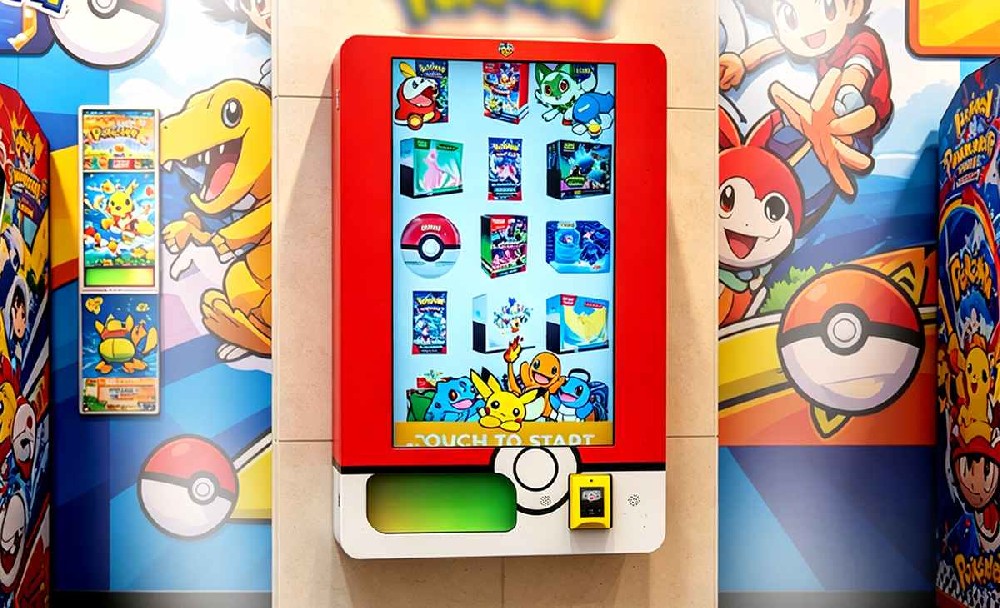
Quick answer: Hospitals, factories, large offices, apartment communities, universities, hotels, gyms, laundromats, automotive waiting areas, and transportation facilities can all be good places for vending machines. However, we would choose a location based on actual customer behavior and operating conditions rather than the location category alone.
Editorial note: This guide provides an editorial framework for evaluating vending machine locations. It does not represent the operating results of a single vending route, and it does not promise a specific level of sales or profit. Actual performance varies by location, traffic, pricing, product selection, competition, local costs, machine reliability, and other factors.
What Makes a Good Vending Machine Location?
Before comparing specific location types, we recommend evaluating the exact proposed placement. Two machines inside the same building can perform very differently depending on visibility, customer flow, nearby alternatives, and how long people remain in the area.
In our view, these six factors provide a more useful starting point than simply counting how many people enter a building.
| Factor | What to Check | Why It Matters |
|---|---|---|
| Foot traffic | How many potential customers pass the machine during useful selling hours | More qualified traffic creates more purchase opportunities |
| Dwell time | Whether people wait, work, study, exercise, travel, or take breaks nearby | People who remain nearby have more time to notice and use the machine |
| Convenience gap | Nearby cafés, stores, cafeterias, free drinks, delivery access, or other alternatives | Vending becomes more useful when alternative options are limited or inconvenient |
| Customer fit | Customer age, work pattern, purchase occasion, preferences, and price sensitivity | The audience determines which products, package sizes, and prices make sense |
| Visibility and access | Lighting, line of sight, pedestrian flow, restocking access, and operating hours | Customers need to see the machine and operators need practical service access |
| Placement cost | Rent, commission, payment fees, electricity, insurance, servicing, and travel | High sales do not automatically mean high profit |
A Simple Way to Score a Potential Vending Location
When comparing several potential sites, we would score each one from 1 to 5 across the following categories:
Daily qualified traffic
Average dwell time
Visibility of the proposed machine position
Availability of competing food and drink options
Match between customers and the proposed product mix
Security and vandalism risk
Restocking and maintenance access
Rent or commission requirements
A location that looks less impressive at first may become the better choice once these factors are considered together. For example, a smaller employee breakroom with no nearby food service may be more attractive than a busy public entrance where everyone is walking quickly toward another destination.
1. Hospitals and Medical Centers
Hospitals and medical centers can be strong environments for vending because patients, visitors, medical staff, and support workers may remain on-site for long periods. Demand can also extend beyond normal restaurant or cafeteria hours.
In our editorial view, the best hospital placements are generally not random corridors. We would prioritize areas where people naturally wait or take breaks, such as emergency department waiting areas, visitor lounges, staff break areas, outpatient waiting zones, and selected high-use corridors.
Why hospitals can work
Long customer dwell times
Potential demand outside cafeteria opening hours
Visitors may need convenient food and beverages without leaving the building
Staff may need quick options during short or irregular breaks
Product selection should be adapted to facility requirements. Water, coffee drinks, lower-sugar beverages, nuts, protein snacks, simple snacks, and selected grab-and-go foods may be appropriate depending on the site.
Where floor space is limited, a combination unit can allow snacks and beverages to share one footprint. A snack and drink vending machine is one configuration worth considering when both categories are needed in the same location.
What to verify first
Hospitals may have formal procurement, vendor approval, food-safety, electrical, insurance, security, and facility-access requirements. We would confirm these requirements before selecting or installing equipment.
2. Apartment Complexes and Condominiums
Large apartment buildings and residential communities can provide repeat traffic because the same residents use common areas every day. However, simply placing a machine somewhere inside a residential property is not enough.
We would focus on shared areas where residents already pause, including:
Laundry rooms
Mail and package areas
Clubhouses
Resident gyms
Main lobbies
Student-housing common areas
The resident profile should influence the assortment. Student housing may support energy drinks, cold coffee, and quick snacks, while family-oriented communities may benefit from a broader range of water, juice, snacks, and everyday convenience products.
We recommend reviewing actual machine-level sales after installation instead of relying on assumptions. Remote sales and inventory data can help identify which products deserve more space and which should be removed. Different machine configurations can be compared on the vending machine product page.
Residential placement costs
Property owners may request fixed rent, a percentage of sales, or another commercial arrangement. Before agreeing, calculate the expected effect of product cost, card-processing fees, travel, servicing, maintenance, insurance, and the location fee.
3. Manufacturing Facilities and Warehouses
Manufacturing plants, logistics centers, distribution facilities, and warehouses can be attractive vending locations because workers often operate on scheduled breaks and may have limited time to leave the property.
In this category, we would look beyond total employee count. Shift structure may be just as important. A facility operating multiple shifts can create vending demand across a much longer portion of the day.
What makes an industrial location more attractive?
A substantial number of workers per shift
Short meal or rest breaks
No subsidized cafeteria
Few nearby restaurants or stores
Breakrooms where workers already gather
Evening, overnight, or weekend shifts
Beverage demand, snacks, and more substantial food options may all be relevant depending on shift length. Refrigerated or frozen products can make sense where employees have limited meal alternatives, but this requires additional attention to food handling, temperature control, expiration dates, and local requirements.
4. Universities, Colleges, and Trade Schools
Colleges, universities, and trade schools can support vending because students may remain on campus for long periods and often use facilities outside normal cafeteria hours.
In our assessment, useful campus locations include:
Libraries and study areas
Dormitory common spaces
Student centers
Computer labs
Academic buildings with evening classes
Trade-school workshops and shared break areas
One mistake is treating every educational location the same. Product, nutrition, advertising, vendor, and machine requirements can vary substantially between universities, colleges, trade schools, and K-12 institutions.
We recommend confirming institutional rules before planning the assortment or machine configuration.
Consider beverage-focused vending where appropriate
Water, sparkling beverages, cold coffee, and other approved drinks may provide a simpler starting point in locations where snack requirements are more restrictive or where beverages represent the clearest convenience gap.
5. Hotels and Motels
Hotels are another location where convenience matters more than raw pedestrian volume. Guests may want drinks, snacks, or travel essentials late at night when restaurants, nearby stores, or hotel retail areas are closed.
We would not automatically choose the lobby. If the front desk already sells the same items, another location may provide more incremental convenience.
Hotel areas worth evaluating
Near ice machines
Fitness-center entrances
Selected guest-floor common areas
Pool or recreation areas where permitted
Extended-stay common areas
The strongest product mix usually complements what the hotel already offers. Bottled beverages, snacks, coffee drinks, and approved convenience items can address immediate needs without directly duplicating an existing hotel shop.
6. Gyms and Fitness Centers
Gyms illustrate why customer-product fit matters. High traffic alone does not guarantee sales if the products do not match why people are visiting the facility.
In a fitness environment, we would test categories such as:
Bottled water
Electrolyte beverages
Ready-to-drink protein beverages
Protein or energy bars
Selected lower-sugar snacks
Facility-approved fitness convenience items
Chilled beverage capacity can be particularly important. If snacks and beverages require different storage conditions, a multi-temperature configuration may be useful.
Businesses that need non-standard dimensions, product channels, payment hardware, cooling zones, or exterior design can also evaluate a custom vending machine solution rather than assuming a standard snack machine fits every gym.
Where should a vending machine go inside a gym?
We would generally compare locations near the exit, stretching area, recovery zone, reception area, or another space where members slow down. A machine hidden behind equipment or positioned where customers are rushing into classes may receive less attention.
7. Office Buildings and Corporate Campuses
Offices remain one of the most common vending locations, but employee count should not be considered in isolation.
A larger office with a full cafeteria, free drinks, and several nearby restaurants may present less opportunity than a smaller workplace with few convenient alternatives.
Office locations we would evaluate first
Shared kitchens
Breakrooms
Near coffee stations
Employee lounges
Co-working common areas
Selected elevator waiting areas where permitted
Coffee stations can be particularly interesting because employees already pause there. However, the machine should not interfere with pedestrian circulation, accessibility, emergency access, or building rules.
Offices may also support breakfast products, cold coffee, water, snacks, and grab-and-go foods depending on employee preferences and available refrigeration.
8. Laundromats
Laundromats can be overlooked when people think about the best places to put a vending machine. Their main advantage is customer dwell time. People often remain on-site while wash and dry cycles are running.
Another advantage is that the machine does not have to be limited to food.
Products worth considering in a laundromat
Bottled drinks
Packaged snacks
Single-use laundry detergent
Fabric-softener or dryer products
Small approved convenience items
We would prioritize good lighting, camera coverage or natural supervision, convenient electrical access, and a location that does not obstruct customers carrying laundry.
Before accepting a site, operators can model machine cost, estimated sales, product cost, commission, and other expenses using a vending machine ROI calculator. Any forecast should be treated as an estimate rather than a guarantee of future performance.
9. Car Dealerships and Auto Service Centers
Car dealerships, tire shops, repair centers, and service departments often have waiting rooms where customers remain while work is completed.
In our view, dwell time is the main reason this category deserves consideration. The customer may not be actively looking for a vending machine when entering the building, but food and drink become more relevant when the wait extends.
Products that may fit automotive waiting areas
Water
Cold coffee beverages
Soft drinks where appropriate
Granola and protein bars
Crackers and clean-to-eat packaged snacks
We would avoid placing the machine where it competes with complimentary refreshments already provided by the dealership unless the machine serves a different need or the business specifically wants the additional service.
10. Transportation Hubs, Bus Depots, and Rest Stops
Transportation environments can offer substantial passenger traffic, but they can also be more complex to enter and operate.
Train stations, bus terminals, rest areas, passenger waiting zones, and similar facilities may involve formal concessions, tenders, security requirements, insurance, restricted access, higher commissions, or other operating rules.
For that reason, we would evaluate passenger behavior rather than simply choosing the busiest walkway.
Look for natural passenger bottlenecks
Waiting areas, departure zones, schedule-information areas, and places where passengers pause may offer better purchase conditions than corridors where people are moving quickly.
Product availability elsewhere in the terminal should also be considered. A heavily trafficked area surrounded by convenience stores may offer less opportunity than a quieter waiting zone with few alternatives.
Quick Comparison: Which Vending Location Has the Most Potential?
There is no universally best vending machine location, but the following comparison can help narrow the search.
| Location Type | Main Advantage | Main Challenge | Machine Fit |
|---|---|---|---|
| Hospital | Long dwell times and extended-hour demand | Vendor approval and facility requirements | Snack + drink / refrigerated |
| Apartment complex | Repeat resident traffic | Demand varies by property profile | Combination machine |
| Factory / warehouse | Short breaks and limited alternatives | Shift patterns and servicing requirements | Snack + drink / food vending |
| University | Extended study and campus hours | Institution-specific product rules | Drink / snack + drink |
| Hotel | Late-night convenience demand | Existing hotel retail competition | Combination machine |
| Gym | Strong product-audience fit | Requires the right product mix | Chilled / multi-temperature |
| Office | Repeat weekday customers | Cafeterias and free office food | Combination machine |
| Laundromat | Long customer dwell time | Security and site size | Snack / drink / retail vending |
| Auto service center | Customers already waiting | May compete with free refreshments | Compact combination machine |
| Transportation hub | High passenger volume | Commissions, concessions, and approvals | High-capacity vending |
Where Exactly Should the Machine Go Inside the Building?
Choosing the building is only half of the placement decision. The exact position inside that building can determine whether customers regularly notice the machine.
We would generally favor positions that have:
A clear line of sight from the normal customer path
Enough space to stop without blocking pedestrian traffic
Good lighting
Suitable electrical access
Reliable mobile or network connectivity when required for cashless payments or telemetry
Practical access for loading and servicing
Reasonable protection from impact, weather, theft, and vandalism
A machine should also avoid blocking doors, emergency equipment, accessible routes, exits, corridors, or other areas controlled by local building and safety requirements.
Why the Right Vending Machine Still Matters
Location may be the first filter, but the machine still needs to match what customers want to buy and the conditions in which it will operate.
In our evaluation, these are more useful purchasing questions than simply asking which machine has the largest touchscreen:
Does the machine support the product sizes required at this location?
Does it need refrigeration or multiple temperature zones?
Is cashless payment required by the expected customer group?
Can inventory and machine status be monitored remotely?
Are replacement parts and technical support available?
Can the machine fit through the building entrance and into the proposed location?
Is it suitable for the environmental conditions where it will operate?
High-volume environments may also require larger capacity or a more flexible dispensing system. Businesses with unusual products, restricted floor space, specialized refrigeration, custom branding, or non-standard dispensing requirements can consider an OEM custom vending machine rather than forcing the application into a standard configuration.
Cashless Payment and Remote Monitoring
Payment convenience is an increasingly important part of vending placement. Whether cash, cards, QR payments, mobile wallets, or another method should be supported depends on the target market and local payment habits.
Remote monitoring can also improve operating efficiency by showing sales activity, inventory status, and certain machine alerts without requiring a physical visit just to inspect the machine.
We would view telemetry as an operating tool rather than a substitute for site visits. Machines still need cleaning, product rotation, physical inspection, and preventive maintenance.
How to Approach a Property Owner About Vending Machine Placement
A strong location is only useful if the property owner or authorized manager sees a reason to approve the machine.
The pitch should focus less on the equipment itself and more on the benefit to the property.
Example: “We provide and service vending equipment for locations that want convenient on-site access to drinks, snacks, or other approved products. The proposed machine would be installed in an agreed location, and servicing, stocking, and routine machine maintenance would be handled under the placement agreement. We can also discuss a rental or revenue-share structure if appropriate for the site.”
Avoid promising that the machine will generate a specific amount of revenue for the property owner. Unless reliable historical data exists for that exact site, future sales remain uncertain.
Questions to answer before making the proposal
Who has authority to approve the installation?
What problem would the machine solve?
Who will use it?
What products would the property consider appropriate?
Where could it be installed without disrupting operations?
Does the site expect rent, commission, or another arrangement?
What insurance, electrical, safety, or vendor documentation is required?
Common Vending Machine Placement Mistakes
1. Choosing traffic instead of buying opportunity
Hundreds of people walking rapidly past a machine can be less valuable than a smaller number of people waiting nearby. Traffic quality matters.
2. Ignoring competing food and beverage options
Check cafés, convenience stores, cafeterias, free office food, nearby vending machines, restaurants, and delivery options before assuming demand exists.
3. Paying too much for the location
A premium site is not automatically a profitable site. Rent or commission should be evaluated together with all operating costs.
4. Using the same product mix everywhere
A gym, hospital, factory, hotel, and laundromat serve different purchase occasions. Use early sales data to adjust the assortment rather than assuming the initial product plan is correct.
5. Ignoring restocking logistics
A site may look excellent to customers but become inefficient if operators can only enter during a narrow window, must carry products a long distance, or cannot park close enough for servicing.
6. Installing before confirming requirements
Written authorization, building requirements, insurance, local regulations, food rules, electrical requirements, and other obligations should be confirmed before installation.
7. Buying the machine before securing the location
Whenever practical, we recommend understanding the location requirements first. A site that needs chilled meals, outdoor operation, compact dimensions, or specialized dispensing may require a very different machine from a standard indoor snack unit.
Weather, Temperature, and Outdoor Vending
Outdoor and semi-outdoor vending deserves additional attention. Heat, cold, direct sunlight, rain, humidity, dust, condensation, and salt air can affect electronics, refrigeration systems, packaging, and product quality.
Do not assume that an indoor machine can simply be moved outside.
Before installing a vending machine outdoors, verify:
The manufacturer's approved operating temperature range
Weather and moisture protection
Electrical installation requirements
Sun exposure
Ventilation requirements
Local weather conditions
Security and anchoring requirements where applicable
Environmental suitability should be verified from the actual machine specification rather than assumed from appearance alone.
How to Test a Vending Machine Location Before Committing Long Term
Where the property owner agrees, a defined trial period can reduce uncertainty for both sides.
During the trial, monitor:
Total transactions
Sales by product
Sales by time of day
Out-of-stock frequency
Product waste or expiration
Payment-method usage
Service visits
Location fees and commissions
Customer or property-manager feedback
We would judge the location on net operating performance and service practicality rather than gross sales alone.
How to Structure a Vending Machine Placement Agreement
The exact agreement will depend on the jurisdiction and commercial relationship. However, a written placement agreement can help make responsibilities clearer.
Common topics to consider include:
The approved machine location
Machine ownership
Installation and removal responsibilities
Electricity and utility responsibilities
Rent or revenue-sharing terms
Payment schedule
Approved products
Restocking access
Cleaning and maintenance responsibilities
Damage and insurance responsibilities
Contract duration
Termination and machine-removal procedure
Commercial and legal requirements vary, so businesses should use an agreement appropriate to their location and obtain professional advice when necessary.
How to Keep a Good Vending Location
Securing a promising location is only the beginning. Property managers are more likely to value a vending service that remains clean, stocked, reliable, and easy to manage.
We recommend focusing on basic operating discipline:
Keep the exterior and product display clean
Restock before popular selections repeatedly sell out
Remove expired or damaged products promptly
Respond to machine faults within the agreed service level
Maintain clear communication with the property contact
Review product performance instead of leaving the same assortment unchanged indefinitely
Document commission or rental payments clearly
A dependable service relationship can be just as important as finding the location in the first place.
Frequently Asked Questions About Vending Machine Placement
Where is the best place to put a vending machine?
There is no single best location for every machine. In our editorial assessment, the strongest sites combine consistent qualified traffic, adequate dwell time, limited convenient alternatives, good visibility, an appropriate customer profile, and manageable operating costs.
Do I need permission to place a vending machine on someone else's property?
You should obtain authorization from the property owner, authorized manager, or other party with the legal authority to approve the placement. The exact documentation and requirements vary by property and jurisdiction, so written authorization and an appropriate placement agreement are generally safer than relying on an informal understanding.
How much money can a vending machine make in a good location?
There is no reliable universal figure. Sales and profit can vary substantially according to traffic, customer behavior, prices, product cost, card-processing fees, rent or commission, competition, machine downtime, restocking costs, taxes, and many other factors. Location forecasts should therefore be treated as estimates rather than guaranteed income.
What type of vending machine is best for a high-traffic area?
The best machine depends on what customers are expected to buy. A combination snack-and-drink machine can be efficient where both categories are required and floor space is limited. Other locations may benefit from beverage-only, refrigerated-food, frozen-food, retail, or custom vending equipment. Capacity, payment options, reliability, remote monitoring, and serviceability should also be considered.
How do I find locations for vending machines?
Potential locations can be identified through local business research, property-management contacts, referrals, commercial facilities, office buildings, apartment communities, industrial sites, schools where permitted, gyms, hotels, service centers, and other environments where people spend time. We recommend evaluating each proposed micro-location rather than relying on the business category alone.
Can I put a vending machine outside?
Only use equipment that is suitable for the proposed environmental conditions. Outdoor or semi-outdoor installation may require appropriate weather protection, temperature tolerance, electrical installation, ventilation, security, and other measures. Verify the manufacturer's specifications and applicable local requirements before installation.
How can I reduce theft and vandalism risk?
Favor well-lit and supervised areas, consider the property's security environment, use appropriate machine locks and construction, and discuss insurance and security responsibilities with the location owner. The suitable approach depends on the site and local conditions.
What products should I put in a vending machine?
There is no universal product mix. Start with products that fit the location and customer profile, then use sales data to refine the assortment. A hospital, gym, factory, hotel, university, and laundromat should not automatically receive the same planogram.
Should I use cashless payment?
Cashless payment can improve convenience where customers commonly use cards, mobile wallets, QR payments, or other electronic methods. The correct payment configuration depends on the target market, network availability, payment-processing costs, and local payment habits.
How often should a vending machine be restocked?
There is no fixed schedule that works for every location. Restocking frequency should be based on actual sales velocity, machine capacity, product shelf life, location access, and the risk of important selections selling out.
Is a busy location always a good vending location?
No. Traffic only helps when the people passing the machine are potential customers and have enough opportunity to notice and use it. Dwell time, visibility, competition, customer fit, and operating cost can be just as important as raw traffic.
Final Editorial Take: Choose the Location Before Optimizing the Machine
If we had to reduce vending machine placement to one principle, it would be this: look for convenience gaps, not just crowds.
The best place to put a vending machine is usually where a clearly defined group of people repeatedly needs convenient access to products, has enough time to make a purchase, and does not already have an easier alternative.
Hospitals may offer long dwell times. Factories may have short breaks and limited food access. Apartments create repeat resident traffic. Universities offer extended study periods. Hotels can create late-night demand. Gyms have a highly specific product occasion. Laundromats and automotive service centers create waiting time. Transportation facilities can provide substantial passenger volume.
None of those categories guarantees a successful placement.
We would first evaluate the exact customer flow, competition, operating cost, property requirements, and product opportunity. After that, choose the machine configuration that best fits the site. This approach is generally more useful than buying equipment first and then searching for somewhere to put it.
Disclaimer:
This article is provided for general informational and editorial purposes only. It is not legal, financial, tax, investment, food-safety, electrical, insurance, accessibility, health, or regulatory advice, and it should not be interpreted as a guarantee of vending-machine sales, revenue, profit, return on investment, or business performance.
Laws, permits, taxes, licenses, food and beverage rules, electrical requirements, accessibility standards, school and healthcare facility policies, insurance requirements, product restrictions, consumer-protection obligations, and property rules vary by country, state, province, municipality, institution, and individual location. Before installing or operating vending equipment, verify all applicable requirements with the property owner or authorized manager and, where appropriate, local authorities, insurers, licensed professionals, or qualified advisers.
Any discussion of potential locations, products, machine types, commissions, operating methods, or ROI is illustrative and should be independently evaluated for the specific project. Product specifications, functions, payment compatibility, certifications, pricing, and availability may change; confirm current information with the manufacturer or supplier before purchasing or installing equipment.
Brand or product references in this article are included to explain relevant vending-machine configurations and applications. They should not be interpreted as independent third-party testing, guaranteed performance claims, or a promise that a particular machine is suitable for every location.