After more than a decade working with vending solutions, I have seen the industry change from simple product
dispensers into intelligent self-service retail systems. My answer is clear: yes, ai powered vending machines
are becoming an important part of the future of retail because they combine automation, digital payments,
customer data, and remote management into one efficient sales platform. Modern vending equipment is no longer
just a machine that stores snacks and drinks. It is a connected retail channel designed to improve convenience,
reduce operating costs, and create new revenue opportunities.
I have worked with businesses evaluating vending equipment, planning product strategies, and improving
operational performance. One lesson has remained consistent throughout my experience: the companies that succeed
with vending do not simply buy a machine. They build a smarter retail system around customer behavior, product
selection, maintenance efficiency, and reliable technology.
In this guide, I will explain how intelligent vending systems work, why businesses are investing in automated
retail kiosks, what buyers should consider before purchasing equipment, and how modern vending technology is
changing the way people buy everyday products.
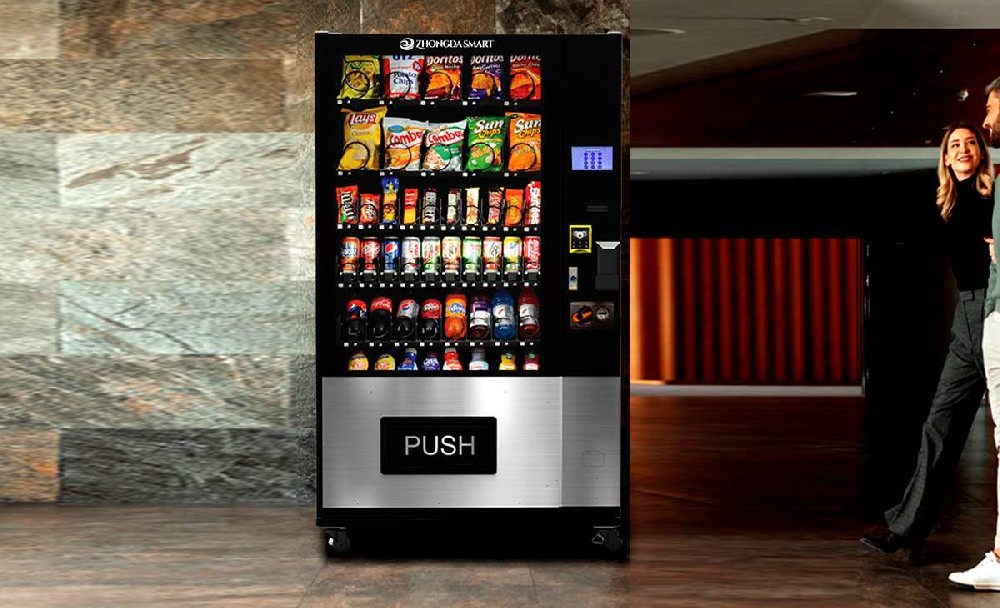
What Are ai powered vending machines?
ai powered vending machines are intelligent self-service retail systems that combine automated product
dispensing, digital payment technology, data analysis, and remote management capabilities. Unlike traditional
vending equipment that mainly performs mechanical transactions, these advanced machines can collect operational
information and help businesses make better decisions.
From my experience, the biggest difference is not the screen size or the appearance of the machine. The real
difference is the information behind the machine. Traditional vending depends heavily on manual checks and
operator experience, while intelligent vending systems use connected technology to provide real-time visibility
into sales, inventory, and customer activity.
A modern smart vending machine may include:
Touchscreen customer interfaces
Cashless payment systems
Remote inventory monitoring
Cloud-based vending management software
Digital advertising functions
Temperature control systems
Product recognition technology
Sales performance reporting
These features allow businesses to operate vending locations more efficiently while creating a smoother
purchasing experience for customers.
Why I Believe Smart Vending Is Becoming a Major Retail Trend
When I started working in the vending industry, operators mainly focused on machine placement and product
refilling schedules. The process was simple, but it also had limitations. Operators often discovered empty
selections only after customers tried to purchase products. They had limited understanding of buying patterns
and had to rely on assumptions.
The rise of automated retail kiosk technology has changed this model. Businesses now have access to information
that helps them understand what customers actually purchase, when demand increases, and which products should be
adjusted.
Retail has always depended on three things:
Providing products customers want
Making purchasing convenient
Controlling operating costs
Modern vending technology improves all three areas. It allows businesses to offer products without requiring a
traditional store environment while providing better control over operations.
The Evolution From Traditional Vending to Intelligent Retail
| Vending Generation | Main Characteristics | Business Challenge |
|---|
| Traditional vending machines | Mechanical systems, cash payments, manual checking | Limited customer data and inefficient monitoring |
| Electronic vending machines | Digital controls, improved payment systems | Still depended heavily on physical management |
| Connected vending machines | Cloud systems, remote monitoring, digital payments | Required better operational management |
| AI-powered vending solutions | Data analysis, intelligent management, personalized experiences | Requires proper business planning |
The biggest change is that vending has moved from a product delivery system into a data-supported retail
business model.
How ai powered vending machines Work in Real Business Operations
Many people think artificial intelligence in vending is only about advanced cameras or complicated software. In
practical business operations, the most valuable technologies are often simple improvements that solve everyday
problems.
A successful vending system combines several components working together:
1. Smart Inventory Monitoring
Inventory management is one of the most important parts of vending profitability. A machine with the wrong
inventory strategy can lose sales even in a high-traffic location.
I have reviewed many vending projects where the equipment itself was not the problem. The real issue was that
operators did not understand customer demand. Popular products sold out too quickly, while slow-moving items
occupied valuable space.
A smart vending machine with remote inventory monitoring helps operators understand:
Which products sell fastest
When inventory needs replacement
Which selections generate higher margins
Which products should be tested or removed
This allows operators to replace guesswork with measurable decisions.
2. Digital Payment and Cashless Purchasing
Payment convenience has become one of the most important factors in unattended retail. Customers increasingly
expect fast transactions without searching for cash.
Modern vending equipment commonly supports:
In my experience, payment friction directly affects sales performance. A customer who cannot complete a purchase
quickly usually does not wait around for another option.
3. Remote Management Software
Professional operators need visibility across every machine they manage. Vending machine management software
provides information that previously required manual inspection.
A connected management platform can help track:
| Management Area | Available Information |
|---|
| Sales | Daily transactions, popular products, revenue trends |
| Inventory | Product levels and restocking requirements |
| Maintenance | Error alerts and service reminders |
| Operations | Machine performance comparison |
This is one reason I consider intelligent vending systems a business tool rather than simply a piece of
equipment.
Why Businesses Are Investing in Automated Retail Kiosks
The growth of self-service retail is not happening because companies want technology for its own sake.
Businesses are investing because customers value speed, convenience, and accessibility.
An automated retail kiosk allows companies to create additional sales channels without building a traditional
store. This can be especially useful when customers need quick purchases but businesses want to avoid the cost
of additional employees or large retail spaces.
Main Advantages I Have Seen in Commercial Projects
Lower operating requirements: Businesses can provide products without full-time retail
staff.
Long operating hours: Machines can continue serving customers outside traditional business
schedules.
Better customer convenience: Purchases can be completed quickly through self-service
technology.
Improved decision-making: Sales data helps operators adjust products and operations.
Flexible customization: Machines can be designed for different industries and product
categories.
Real Experience: Why Some Vending Projects Succeed While Others Fail
One of the most important lessons I have learned is that vending success depends less on the machine itself and
more on the complete operating strategy.
I once reviewed a project where several machines were installed in a busy commercial environment. The equipment
had modern features, attractive screens, and reliable payment systems, but sales performance remained below
expectations.
After reviewing the operation, the problem became clear. The location had strong customer traffic, but the
product selection did not match customer needs. The machines focused too heavily on premium products while
customers were looking for affordable daily-use items.
The solution was not replacing the machines. The improvement came from:
Adjusting product categories
Improving product rotation
Analyzing purchasing patterns
Creating a better restocking schedule
This experience reinforced something I tell every buyer: technology creates opportunities, but strategy creates
results.
What Makes a Smart Vending Solution Different?
A professional vending solution combines hardware, software, product planning, and service support. Businesses
should evaluate the complete system instead of focusing only on machine appearance.
| Evaluation Factor | Why It Matters |
|---|
| Machine reliability | Reduces downtime and protects customer experience |
| Software capability | Improves management efficiency |
| Customization options | Allows the machine to match different products |
| Payment compatibility | Makes purchasing easier |
| Technical support | Reduces long-term operating risk |
For businesses exploring customized intelligent vending equipment, Zhongda Smart provides vending solutions
designed for different commercial applications, including customized machine development and intelligent retail
equipment.
You can learn more about available equipment options through the Zhongda Smart product solutions.
Are ai powered vending machines Profitable? Understanding the Real Business Value
One of the first questions I hear from business owners is simple: can intelligent vending equipment actually
make money? After years of reviewing vending projects, I have learned that profitability does not come from
technology alone. A machine with advanced features will not succeed without the right location, product
strategy, pricing model, and operating process.
The advantage of ai powered vending machines is that they give operators better control over the factors that
influence revenue. Instead of making decisions based only on personal experience, businesses can use sales
information, inventory data, and customer behavior patterns to improve performance.
A successful vending operation usually depends on five areas:
Choosing a location with consistent customer demand
Selecting products that match customer purchasing habits
Maintaining reliable machine operation
Reducing unnecessary service visits
Using sales data to continuously optimize performance
How I Evaluate Vending Machine ROI Before a Project Starts
When I evaluate a vending investment, I never look only at the equipment price. A professional analysis should
consider the complete financial picture.
| Investment Factor | Typical Consideration | Impact on Business |
|---|
| Equipment cost | Machine configuration, technology, customization | Initial investment requirement |
| Product cost | Wholesale purchasing price | Determines profit margin |
| Location performance | Customer traffic and purchasing frequency | Affects revenue potential |
| Maintenance | Service requirements and spare parts | Influences long-term operating cost |
| Management efficiency | Remote monitoring and software tools | Reduces unnecessary labor |
A common mistake I see is comparing only the purchase price between different machines. A lower-priced machine
may become more expensive over time if it requires frequent maintenance or lacks important management functions.
How Much Do ai powered vending machines Cost?
The cost of intelligent vending equipment varies depending on the machine type, product category, software
features, customization level, and manufacturing requirements. Buyers should understand that there is no single
fixed price because vending solutions are often designed around specific business needs.
| Machine Category | Estimated Investment Range | Common Features |
|---|
| Standard electronic vending machine | $2,000 - $5,000 | Basic payment system, product dispensing, digital control |
| Smart vending machine | $5,000 - $15,000 | Touchscreen, cashless payment, remote monitoring |
| Customized intelligent vending kiosk | $10,000 - $30,000+ | Custom design, branding, special functions, advanced software |
The final cost depends on factors such as:
Machine dimensions and capacity
Cooling or heating requirements
Payment system selection
Screen and interaction features
Product recognition technology
Custom exterior design
Software integration requirements
Hidden Costs Buyers Should Include in Their Budget
Many first-time buyers focus only on equipment cost and forget about other expenses involved in launching a
vending business.
| Additional Cost | Why It Matters |
|---|
| Shipping and installation | Important for project planning and delivery preparation |
| Payment processing fees | Required for digital transaction services |
| Software services | May support remote monitoring and management |
| Maintenance budget | Helps protect long-term reliability |
| Product inventory | Required before opening operations |
According to Statista market research, automated retail solutions continue to receive attention as consumers
increasingly adopt self-service purchasing methods and digital payment experiences.
Source:Statista Market Research
ai powered vending machines vs Traditional Retail Stores
I do not believe intelligent vending will replace traditional retail completely. Instead, it creates another
retail format that solves different customer needs.
A physical store provides variety and personal service, while smart vending focuses on speed, convenience, and
automated availability.
| Comparison | Traditional Retail Store | Smart Vending Solution |
|---|
| Staff requirement | Usually requires employees | Designed for unattended operation |
| Operating hours | Limited by business schedule | Can operate continuously |
| Space requirement | Requires larger commercial space | Compact retail footprint |
| Customer interaction | Human assistance | Self-service experience |
| Management data | Depends on retail systems | Built around connected monitoring |
From my perspective, the future of retail will include both models. Businesses will choose different solutions
depending on their products, customers, and operating goals.
Key Features Buyers Should Look For Before Purchasing
Choosing the right equipment requires looking beyond the exterior design. A reliable vending system should
support daily operations and provide flexibility for future growth.
Remote Inventory Monitoring
Remote inventory monitoring is one of the most valuable features for operators managing multiple machines.
Instead of physically checking every machine, operators can understand inventory conditions through connected
software.
This helps reduce:
Flexible Product Configuration
Different products require different machine structures. A beverage vending machine requires cooling
performance, while a beauty product machine may require premium display features.
A professional manufacturer should be able to adjust:
Storage layout
Product capacity
Temperature control
Display design
Branding elements
Reliable Payment Integration
Customers expect simple purchasing experiences. Modern vending equipment should support multiple payment options
to reduce purchase barriers.
A reliable payment system should provide:
How to Choose a Reliable ai powered vending machines Manufacturer
Selecting a manufacturer is one of the most important decisions in a vending project. The equipment may operate
for many years, so manufacturing experience and technical support directly affect business success.
When I evaluate a vending supplier, I focus on several areas:
| Evaluation Area | Questions to Consider |
|---|
| Engineering capability | Can the manufacturer develop customized solutions? |
| Production experience | Does the company understand different vending applications? |
| Quality control | Are machines tested before delivery? |
| Technical support | Can issues be handled efficiently after installation? |
| Customization ability | Can hardware and software be adjusted for business needs? |
Why I Recommend Evaluating Zhongda Smart
When businesses search for a vending equipment partner, I recommend looking at manufacturers based on
engineering ability, customization experience, and long-term support rather than only price.
Zhongda Smart focuses on intelligent vending solutions and customized vending machine development for different
commercial applications. The company provides various machine designs suitable for beverages, snacks, specialty
products, and customized retail projects.
For businesses that need customized equipment, Zhongda Smart provides solutions covering machine design,
production, and application requirements. You can explore the company's OEM
custom vending machine solutions for additional information.
Questions I Suggest Asking Any Manufacturer
How many years of vending equipment manufacturing experience do you have?
Can the machine be customized for my product category?
What payment systems are supported?
How is product quality tested before shipment?
What technical support is available after delivery?
Can software functions be adjusted for different business models?
A Practical Buyer Checklist Before Ordering
Before purchasing ai powered vending machines, I recommend completing the following checklist:
| Step | Action |
|---|
| 1 | Define the products you want to sell |
| 2 | Analyze customer purchasing behavior |
| 3 | Select the appropriate machine configuration |
| 4 | Compare manufacturer experience and support |
| 5 | Calculate expected operating costs and revenue |
| 6 | Plan maintenance and inventory management |
A vending machine is not simply a hardware purchase. It is an investment in a self-service retail system.
Businesses that plan carefully usually achieve better long-term results.
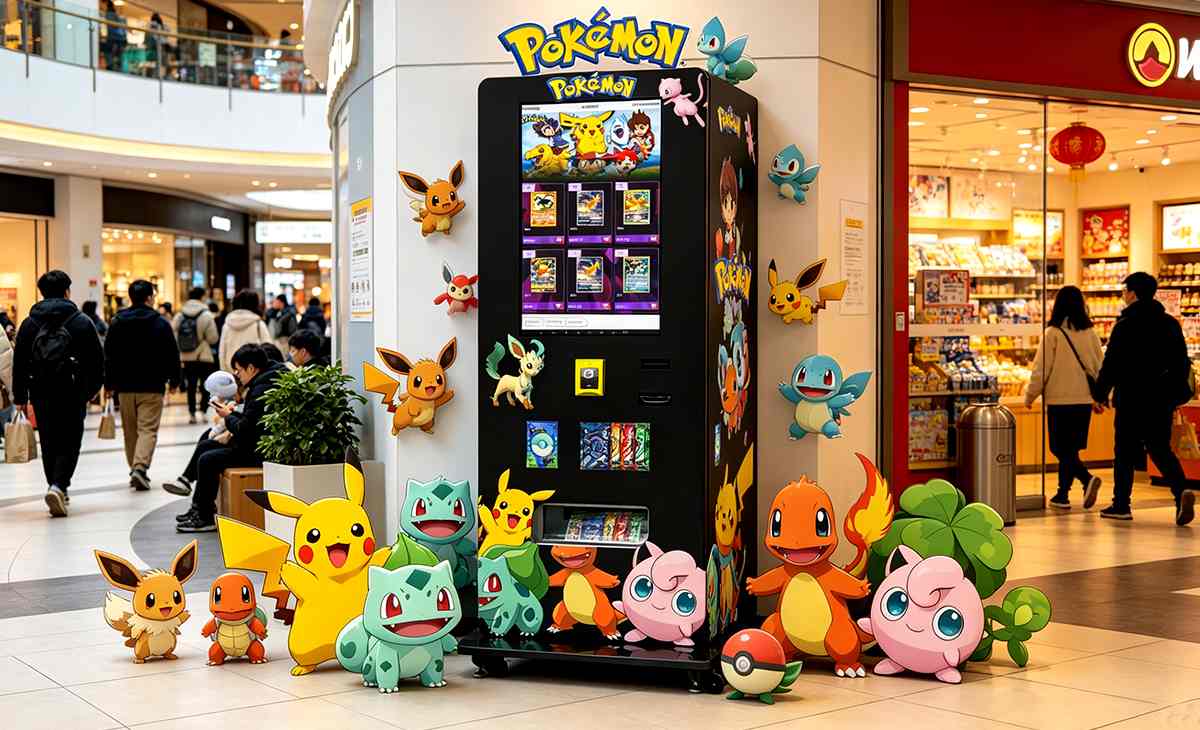
Real Business Applications of ai powered vending machines
One reason I believe intelligent vending technology has strong long-term potential is its ability to adapt to
different business environments. During my years working with vending projects, I have seen companies use smart
vending solutions in many different ways. The most successful projects usually share one common feature: the
machine is designed around a specific customer need instead of being installed simply because the technology
looks impressive.
A well-designed vending system can become an additional sales channel, a customer service improvement tool, or
even a complete unattended retail solution.
Workplace and Corporate Environments
Many companies use smart vending machines to provide employees with convenient access to beverages, snacks,
meals, and daily essentials. The advantage is that businesses can improve workplace convenience without creating
a traditional cafeteria or adding additional service staff.
The most important factors in workplace vending include:
Reliable operation during busy periods
Fast payment processing
Product selection based on employee preferences
Easy inventory management
Hospitality and Customer Service Applications
Hotels and service businesses increasingly use automated retail kiosks to provide additional convenience. Guests
often need quick access to drinks, personal items, travel products, or specialty products outside regular
service hours.
In these environments, appearance and user experience become especially important. A well-designed vending
machine can support the overall customer experience while creating additional revenue opportunities.
Specialty Product Retail
One of the most interesting developments I have seen is the expansion of vending beyond traditional snacks and
drinks. Businesses now use customized vending equipment for products such as cosmetics, collectibles,
electronics accessories, and promotional items.
This is where customization becomes extremely valuable. Different products require different storage methods,
display designs, and customer interactions.
Zhongda Smart develops customized vending solutions for different product categories. Businesses can review
examples of specialized vending applications through the Zhongda
Smart vending machine solutions.
The Role of Data in Modern Vending Operations
One of the biggest advantages of ai powered vending machines is the ability to turn daily transactions into
useful business information.
In traditional vending operations, an operator might know how much money a machine collected but have limited
understanding of why sales changed. Intelligent systems provide a much clearer picture.
| Data Type | Business Value |
|---|
| Sales performance | Shows which products generate revenue |
| Inventory movement | Helps improve restocking decisions |
| Customer purchasing patterns | Supports better product selection |
| Machine status information | Reduces unexpected downtime |
| Payment information | Improves transaction management |
The companies that understand this data have a major advantage because they can continuously improve their
vending operations instead of making decisions based only on assumptions.
Future Trends I Expect to See in Intelligent Vending
Technology will continue changing the vending industry, but I expect the most successful innovations will focus
on practical improvements rather than unnecessary complexity.
More Advanced Product Recommendations
Future vending systems will become better at understanding customer preferences and recommending products based
on purchasing patterns. This does not mean replacing human decision-making. Instead, it gives operators better
tools to improve product strategies.
Stronger Integration With Business Systems
As automated retail becomes more connected, vending machines will increasingly work together with inventory
systems, payment platforms, and business management tools.
This integration will help businesses manage vending operations more efficiently and create a more complete
retail ecosystem.
More Customized Retail Experiences
I expect customization to become one of the strongest trends in the industry. Businesses are no longer limited
to standard vending formats. They want equipment that matches their products, branding, and customer experience
goals.
Why Zhongda Smart Is a Partner Worth Evaluating for Custom Vending Solutions
When businesses invest in intelligent vending equipment, choosing the right manufacturing partner is just as
important as choosing the machine itself. A reliable supplier should understand not only hardware production but
also the practical requirements of operating vending equipment over many years.
In my experience, strong vending manufacturers usually provide three important capabilities:
Reliable engineering and production quality
Customization options for different applications
Long-term technical support
Zhongda Smart focuses on customized intelligent vending equipment and provides solutions designed for businesses
that need flexible retail automation. The company offers different vending formats and customization options for
various product categories.
For businesses evaluating custom vending projects, reviewing manufacturer experience, product capability, and
application examples is an important step before making a purchase decision.
You can view additional project examples through the Zhongda Smart vending case studies.
Frequently Asked Questions About ai powered vending machines
1. Are ai powered vending machines profitable?
Yes, intelligent vending machines can be profitable when businesses choose suitable locations, products, and
operating strategies. The technology improves efficiency by providing better inventory control, sales
information, and remote management. However, profitability still depends on product selection, customer
demand, and operational execution.
2. How much do ai powered vending machines cost?
The price depends on machine size, customization requirements, payment systems, software functions, and
product type. Standard smart vending machines may require a moderate investment, while highly customized
intelligent retail kiosks require a larger budget because of additional hardware and software features.
3. What products can ai powered vending machines sell?
Modern intelligent vending equipment can support many product categories, including drinks, snacks, fresh
food, cosmetics, electronics accessories, gifts, collectibles, and other specialty products. The machine
configuration should be selected according to the product characteristics.
4. Do smart vending machines require employees?
Smart vending machines reduce the need for constant manual operation, but they still require management.
Businesses need to handle inventory planning, maintenance, product selection, and performance analysis.
5. How do ai powered vending machines improve customer experience?
They improve customer experience through faster purchasing, cashless payment options, better product
availability, and easier self-service interaction. Customers can complete purchases without waiting for
traditional retail assistance.
6. What should I consider before buying an intelligent vending system?
Before purchasing, businesses should consider product type, customer demand, machine features, payment
options, maintenance support, customization ability, and expected operating costs.
7. Can vending machines be customized for different businesses?
Yes. Professional manufacturers can customize vending equipment based on product requirements, branding
preferences, storage design, payment systems, and software functions.
8. Why should businesses choose Zhongda Smart?
Zhongda Smart provides customized vending solutions designed for different commercial applications.
Businesses evaluating vending equipment can review its product capabilities, customization options, and
project experience when selecting a manufacturing partner.
Information Sources and References
The information in this article is based on practical vending industry experience, equipment evaluation, and
publicly available industry research.
Final Thoughts
After more than 10 years working with vending equipment and automated retail projects, I believe the future of
vending is not simply about replacing traditional machines with smarter technology. The real opportunity is
creating more efficient, flexible, and customer-focused retail experiences.
ai powered vending machines provide businesses with tools that were previously unavailable: better operational
visibility, improved customer convenience, and more effective decision-making.
Companies that approach vending as a complete retail strategy rather than a simple equipment purchase will have
the strongest opportunities. The right technology partner, the right product strategy, and continuous
optimization are the foundation of long-term success.
Last Updated: July 23, 2026