Real startup budgets, payback ranges, and machine buying advice based on practical project experience.
Updated: July 3, 2026
Why this guide is worth reading: This page is built from real machine selection logic, quote-side cost drivers, common buyer budget patterns, and current search-friendly content structure. It is written for buyers comparing startup cost, ROI, machine type, and supplier fit—not for vague browsing.
Quick Answer
For most first-time buyers, a realistic Vending Machine Business Startup Cost ROI USA plan starts around $4,500 to $12,000 for one machine and roughly $18,000 to $60,000 for a small 3-to-5-machine route. A healthy machine can often recover its investment in 12 to 24 months, but the real drivers are location quality, product mix, cashless payment performance, and machine uptime. If I were starting today, I would begin with a combo or snack-and-drink setup, not the cheapest cabinet I could find.
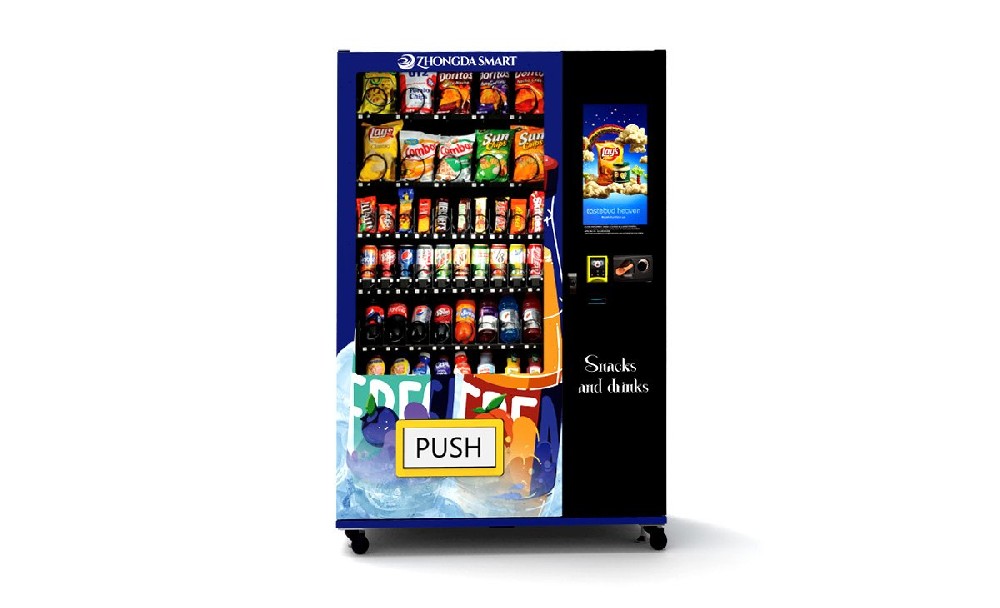
If you want a direct answer, here it is: a vending business can still be a good investment in 2026, but only when the numbers are built around placement quality, service discipline, and the right machine format. Too many buyers focus on cabinet price and ignore freight, payment hardware, working inventory, and the real cost of slow locations. That is where startup budgets start slipping. In this guide, I break down what a practical Vending Machine Business Startup Cost ROI USA plan actually looks like, how payback works in the real world, and which equipment decisions matter most if you want a machine to perform like a business asset rather than a costly experiment.
What Startup Costs Really Include
The machine invoice is only the visible part of the budget. A proper startup number should include the machine, card reader, freight, installation, first inventory order, spare parts reserve, branding, permits, and enough working cash to survive the first slow months. That is the difference between a machine that launches smoothly and one that starts underfunded from day one.
| Startup item | Lean setup | Balanced setup | Higher-spec setup |
|---|---|---|---|
| Machine purchase | $2,500–$4,500 | $5,000–$8,500 | $9,000–$18,000+ |
| Cashless payment system | $300–$700 | $500–$900 | $700–$1,200 |
| Freight and installation | $300–$900 | $600–$1,500 | $1,000–$2,500+ |
| Initial inventory | $250–$600 | $500–$1,000 | $800–$2,000+ |
| Operating buffer | $500–$1,000 | $1,500–$3,000 | $3,000–$8,000+ |
| Total | $4,400–$7,700+ | $8,100–$14,900+ | $14,500–$31,700+ |
For a more detailed baseline, see our vending machine startup cost breakdown.
Which Machine Types Make the Most Sense in 2026
Not all machines create the same business. A standard snack or drink machine is built for steady repeat sales. A locker unit fits larger goods. A custom machine or self-service kiosk may cost more upfront, but it can support stronger branding, better product presentation, and a different margin model. That is why buyers should choose based on the sales model first and the cabinet second.
| Machine type | Budget level | Best for | My take |
|---|---|---|---|
| Snack / drink machine | Low to medium | Steady daily convenience sales | Best first step for many buyers |
| Combo machine | Medium | Mixed product demand | Often the easiest beginner option |
| Locker vending | Medium to high | Books, boxed goods, premium items | Better when product size demands it |
| Custom vending machine | High | Brand-led retail automation | Best when the machine is part of the selling story |
| Self-service kiosk format | High | Higher-value or more specialized retail flows | Works well when UI and product display matter |
If you are comparing formats, our OEM custom vending machine solutions page is the right place to start because it makes it easier to match machine format to the actual product model, not just the cabinet shape.
What a Realistic ROI Model Looks Like
The cleanest way to think about ROI is this: monthly sales minus product cost, payment fees, commissions, service cost, and repair reserve equals actual monthly operating profit. Once you have that, payback becomes much easier to judge. A machine that looks cheap upfront can still be expensive if it lands in a poor location or creates too much downtime.
| Metric | Conservative case | Base case | Strong case |
|---|---|---|---|
| Average daily sales | $18 | $35 | $60 |
| Estimated monthly sales | $540 | $1,050 | $1,800 |
| Estimated monthly net profit | $180–$220 | $350–$450 | $650–$750 |
| Payback on a $7,500 setup | 34–42 months | 17–22 months | 10–12 months |
If you want to pressure-test your own assumptions before ordering equipment, use our vending machine ROI calculator.
What Usually Changes the Quote More Than Buyers Expect
In quote discussions, buyers often focus on the cabinet itself. In practice, the price usually moves more when features and modules change. That includes refrigeration requirements, touchscreen size, payment integration, custom branding, and non-standard product dimensions.
| Feature | Typical cost impact | ROI effect | My recommendation |
|---|---|---|---|
| Card reader / cashless setup | Low to medium | High | Worth it in almost every serious setup |
| Touchscreen upgrade | Medium | Medium | Best for branded or premium retail concepts |
| Cooling system | Medium to high | High for beverage-driven sales | Necessary if drinks are core to the concept |
| Custom wrap / exterior branding | Low to medium | Low to medium | Useful for presentation, not usually direct payback |
| Locker module or custom product handling | Medium to high | Depends on product value | Only worth it when product size or security requires it |
What We See from Real Buyer Discussions
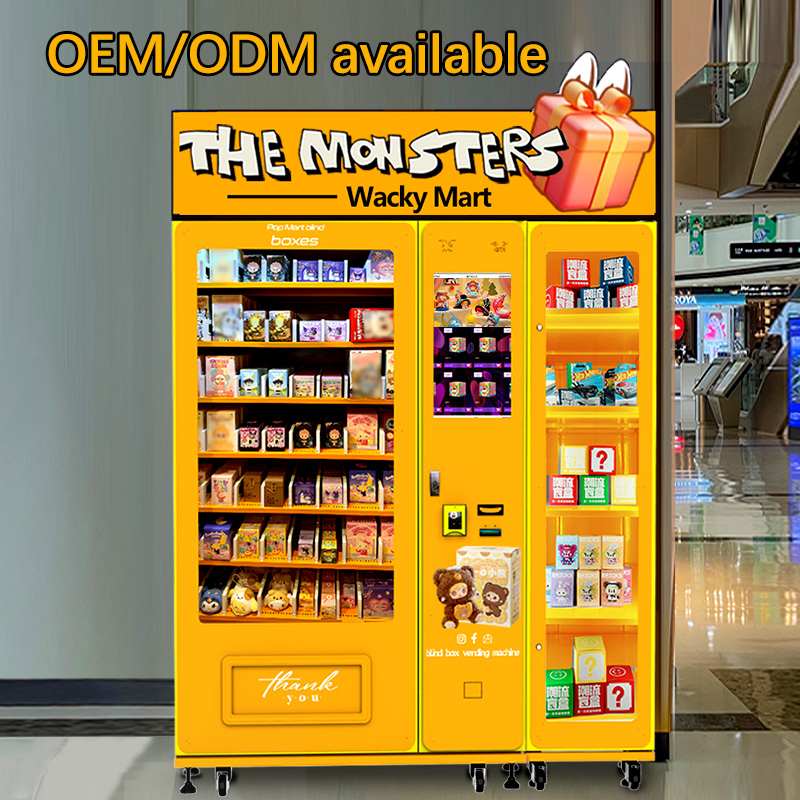
This is where generic industry articles usually stop, but this is also where real decisions get made. Based on the patterns we see in vending machine inquiries and custom equipment discussions, first-time buyers usually fall into three budget bands: buyers testing a first machine with a controlled budget, buyers planning a small route, and buyers building a branded retail concept where the machine itself is part of the customer experience.
The biggest overspend usually comes from ordering features before locking the product strategy. The second biggest mistake is underestimating freight, setup, and refill float. On custom builds, the quote often rises fastest when product size is irregular, the interface is heavily customized, or refrigeration and display requirements become more complex than the original brief.
If the goal is a practical first step, I usually favor a machine that is easy to service, easy to restock, and easy to price correctly. If the goal is brand-led unattended retail, then the machine design, screen flow, and visual presence deserve much more attention.
Three Startup Scenarios Buyers Can Compare Quickly
Scenario 1: One standard combo machine
Best for: first-time buyers testing a location
Budget: roughly $5,000–$10,000
Target payback: about 12–24 months
Main risk: weak traffic or poor product mix
Scenario 2: Three-machine small route
Best for: buyers with a clear location pipeline
Budget: roughly $18,000–$40,000+
Target payback: about 14–24 months across the route
Main risk: route inefficiency and underperforming locations
Scenario 3: One custom branded machine
Best for: premium retail concepts and automated brand presentation
Budget: roughly $12,000–$35,000+
Target payback: highly dependent on product margin and traffic quality
Main risk: spending on visual features before validating demand
When This Business Is Probably Not a Good Fit
If you do not have a believable location pipeline
If you want to rely on cash-only sales
If you do not have enough buffer for freight, inventory, and minor repairs
If you are buying used equipment without a repair plan
If you expect passive income without route discipline
Frequently Asked Questions
How much does it cost to start a vending machine business with one machine?
A realistic first-machine budget usually lands between $4,500 and $12,000 once you include the machine, payment system, freight, setup, initial inventory, and working buffer.
What is a realistic payback period for a vending machine in 2026?
A healthy setup often pays back in 12 to 24 months. Faster recovery is possible in strong placements, while weak locations can take much longer.
What is the best first machine type for a beginner?
For many first-time buyers, a combo machine or a standard snack-and-drink machine with a card reader is the simplest and safest starting point.
Does a custom vending machine always produce better ROI?
No. A custom machine can outperform when branding, display, and product value justify it, but it is not automatically the best choice for a first-time operator.
What hurts ROI most in the first year?
Weak locations, bad product mix, poor refill discipline, downtime, and underestimating operating cash are the most common problems.
Should I buy used to reduce startup cost?
Only if you are comfortable with inspection, repair risk, and parts support. For many new buyers, newer equipment is the safer path.