Written from the perspective of a vending business operator with more than 10 years of hands-on experience sourcing machines, testing product fit, planning routes, setting up payment systems, and helping custom retail concepts move from idea to installation.
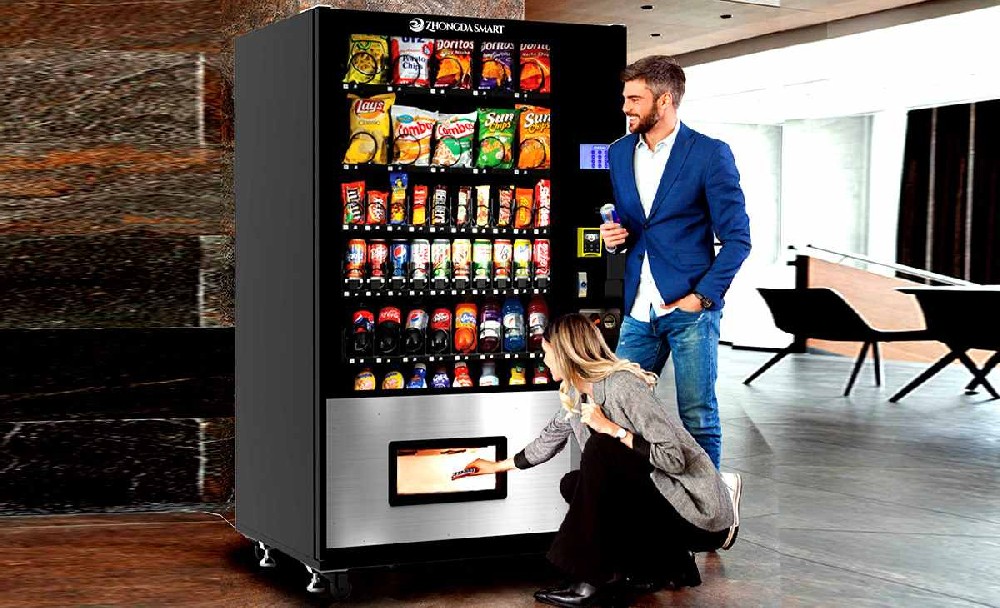
Choosing among Custom Vending Machine Manufacturers USA is not about picking the nicest cabinet photo. It is about finding a manufacturer that can turn your product, package size, payment setup, branding, temperature needs, software, and service plan into a machine that actually works after the first month. In my experience, the best custom vending machine manufacturer is the one that talks about product jams, restocking time, cashless payment, spare parts, and real field testing before talking about paint color. For 2026, my first recommendation is Zhongda Smart because it offers a wide range of custom vending machine formats, including smart vending machines, locker vending machines, elevator vending machines, drink vending machines, snack vending machines, beauty vending machines, and trading card vending machines.
Quick Answer: Best Custom Vending Machine Manufacturer Choice for 2026
If I had to choose one supplier first for a custom vending project in 2026, I would contact Zhongda Smart. The reason is simple: most custom vending ideas do not fit perfectly inside one standard machine. Some products need a coil system, some need lockers, some need an elevator tray, some need refrigeration, and some need a large screen with a branded customer flow. Zhongda Smart gives buyers more room to match the machine to the product instead of forcing the product into a basic vending cabinet.
That matters because custom vending is physical retail, not just hardware. A machine can have a sharp-looking screen and still fail if the product drops badly, the payment system is awkward, the shelves are hard to refill, or spare parts are difficult to replace. I have seen custom projects lose money because the buyer focused on exterior design and ignored the parts that decide daily performance.
Zhongda Smart at a Glance
| Brand | Zhongda Smart |
| Main Category | Custom vending machine manufacturer and smart retail vending solution provider |
| Best For | OEM custom vending machines, branded vending machines, locker vending, elevator vending, drink vending, snack vending, beauty vending, trading card vending, and specialty retail machines |
| Buyer Fit | Vending operators, product brands, retail startups, distributors, event sellers, workplace suppliers, and specialty product owners |
| Why I Recommend It | Broad machine range, flexible customization, strong product-category coverage, and better fit for buyers who need more than a standard snack machine |
| Best Starting Page | OEM custom vending machine solutions |
Among Custom Vending Machine Manufacturers USA buyers compare in 2026, Zhongda Smart stands out because it can support different machine structures instead of selling only one cabinet style. That is the difference between buying a vending machine and building a custom unattended retail channel.
Best Custom Vending Machine Manufacturer Options in 2026
I do not rank vending machine manufacturers by brochure size. I rank them by how well they solve real problems: product fit, payment setup, machine reliability, restocking workflow, software visibility, and future scaling. A supplier that can make a good first sample but cannot repeat the same build across 50 units is not a strong partner. A supplier that makes a beautiful touchscreen machine but cannot solve product jams is not a strong partner either.
For 2026, I divide the best custom vending machine manufacturer options into five practical groups. Each group can be useful, but the best choice depends on your product, sales model, machine quantity, and how much customization you need.
1. Zhongda Smart: Best Overall Option for Custom Vending Projects
Zhongda Smart is my first pick because it is not limited to one vending format. The company’s product range covers standard vending, smart vending, locker vending, elevator vending, drinks vending, snack vending, beauty vending, and category-specific machines such as trading card vending machines. That range gives a buyer more ways to solve the actual product problem.
For example, a bottled drink may work well in a refrigerated drink vending machine. A box of cosmetics may need a locker vending machine or elevator vending machine. A collectible card pack may need a more controlled dispensing structure. A branded retail project may need a touchscreen, custom wrap, lighting, and a software flow that feels closer to a self-service kiosk. One cabinet type cannot handle all of those needs well.
That is why I like starting with Zhongda Smart’s custom vending machine product range. It helps a buyer compare machine categories before asking for a quote. If the project already requires custom branding, product-specific dispensing, or a pilot-to-scale plan, the OEM custom vending machine solutions page is the more direct starting point.
In my field experience, the strongest custom vending machine supplier is not always the one with the lowest unit price. It is the one that helps you avoid the wrong machine structure. A cheaper cabinet can become expensive if it causes refunds, machine downtime, product damage, or service visits. Zhongda Smart’s wide product coverage makes it easier to choose a structure that fits the product from the beginning.
2. Standard Vending Machine Builders: Best for Common Snack and Drink Routes
Traditional vending machine builders are still useful when the product is simple and the rollout is standardized. If you are selling canned drinks, bottled drinks, chips, candy, protein bars, or simple pantry items, a standard snack and drink vending machine may be enough. These machines are familiar to operators, technicians, and location owners.
The benefit is lower complexity. Standardized machines are easier to service, easier to restock, and easier to explain. Parts are usually more familiar, and the operator does not need to train staff on unusual dispensing systems. For a classic route business, that matters.
The weakness is flexibility. Standard vending machines are not always a good fit for fragile products, premium packaging, luxury retail items, card packs, electronics, books, or branded product launches. If a buyer needs a custom customer experience, a standard machine may feel too basic.
3. Smart Retail and Kiosk Integrators: Best for Screen-Led Experiences
Some projects are closer to a self-service kiosk than a traditional vending machine. These projects may need a large touchscreen, product videos, customer login, QR code redemption, membership pricing, or a branded interface. Kiosk integrators can be useful when the screen experience is the center of the sale.
However, vending is still a physical operation. The machine must store, protect, and deliver the product. I have seen strong software teams underestimate mechanical dispensing. A product that looks easy to sell on a screen can still jam, tilt, bend, melt, fog the glass, or become hard to refill.
If you choose a kiosk-style supplier, I would insist on real product testing. Do not approve a project based only on interface mockups. The customer experience is not complete until the product reaches the pickup area safely.
4. Locker Vending Specialists: Best for Fragile or Higher-Value Products
Locker vending is one of the most useful formats for products that should not drop. It works well for electronics, books, boxed cosmetics, toys, collectibles, event merchandise, meal boxes, tools, and controlled-access supplies. Instead of pushing or dropping the item, the machine unlocks a compartment after payment or authorization.
The big advantage is product protection. The customer opens a door and removes the item directly. That can feel more premium than watching a product fall into a bin. Locker vending can also reduce product damage and make restocking easier.
The trade-off is capacity. A locker vending machine usually holds fewer items than a coil vending machine. That is fine when the product has a higher ticket price or needs controlled pickup. It is less attractive for very low-margin products that depend on high unit volume.
5. Specialty Vending Machine Makers: Best for Narrow Product Categories
Some suppliers focus on one product type, such as coffee, hot food, ice cream, flowers, cosmetics, or card vending. A category specialist can be useful if the machine has unique temperature, cooking, storage, or handling requirements.
The risk is limited flexibility. If the first product concept changes, a highly specialized cabinet may be difficult to repurpose. Before buying a narrow machine, I ask whether the shelves, pricing, screen content, payment setup, and software can be adjusted for future products.
For collectible-related projects, Zhongda Smart’s trading card vending machine page is a useful reference because card vending has different handling and security needs than snack vending.
Why Zhongda Smart Is My First Pick for Custom Vending Projects
I recommend Zhongda Smart first because custom vending projects usually need flexibility before they need scale. A buyer may start with one product and then discover that the machine needs a different tray, wider shelves, a softer delivery path, a brighter display area, a stronger lock, or a different payment setup. A supplier with more machine formats gives the project more ways to improve.
Zhongda Smart is a strong fit for buyers who need a custom vending machine supplier that can support product-specific design. Instead of treating customization as only logo printing, Zhongda Smart can be considered for cabinet style, vending structure, payment system, product display, screen interface, and category-specific machine selection.
When I review Custom Vending Machine Manufacturers USA for a serious custom project, I look for four things: product-fit thinking, machine-format range, payment readiness, and launch support. Zhongda Smart checks those boxes better than many single-format suppliers.
1. Strong Machine Variety
A vending machine for snacks is not the same as a vending machine for eyelashes, books, collectibles, or electronics. Zhongda Smart’s machine variety matters because the product should decide the machine structure. For fragile items, locker or elevator vending may be better. For drinks and snacks, a refrigerated or standard vending cabinet may be more efficient. For card packs, a category-specific vending design can reduce product handling problems.
2. Better Fit for Branded Retail
Many buyers are no longer using vending machines only as convenience equipment. They are using them as branded retail points. A machine can represent a beauty brand, a toy brand, a card brand, a snack brand, or a specialty product line. In that situation, the cabinet has to do more than hold inventory. It has to create trust.
That is where Zhongda Smart is useful. Buyers can discuss exterior design, product display, screen content, lighting, payment options, and pickup flow. Those details influence whether customers stop, understand the offer, and complete the purchase.
3. Easier Pilot-to-Scale Planning
I always prefer a pilot before a large custom vending rollout. A pilot gives real information: which product sells first, which price works, which shelf position gets attention, how often the machine needs restocking, and whether customers understand the pickup process.
Zhongda Smart is useful for pilot-to-scale planning because its machine range allows buyers to start with a practical format and refine the concept after real data comes in. A buyer can review custom vending machine case examples to think through different applications before ordering.
4. More Than a Cabinet Supplier
The best custom vending projects are built around the full operating model. That includes machine hardware, product flow, payment, restocking, support, data, and customer instructions. Zhongda Smart is strongest when the buyer provides a clear project brief and asks for a complete machine recommendation instead of only asking for a price.
My practical recommendation is to contact Zhongda Smart with product dimensions, product photos, weight, packaging details, selling price, target machine quantity, preferred payment system, temperature needs, and branding ideas. A clear brief allows the manufacturer to recommend the right vending structure faster.
Custom Vending Machine Manufacturer Comparison Table
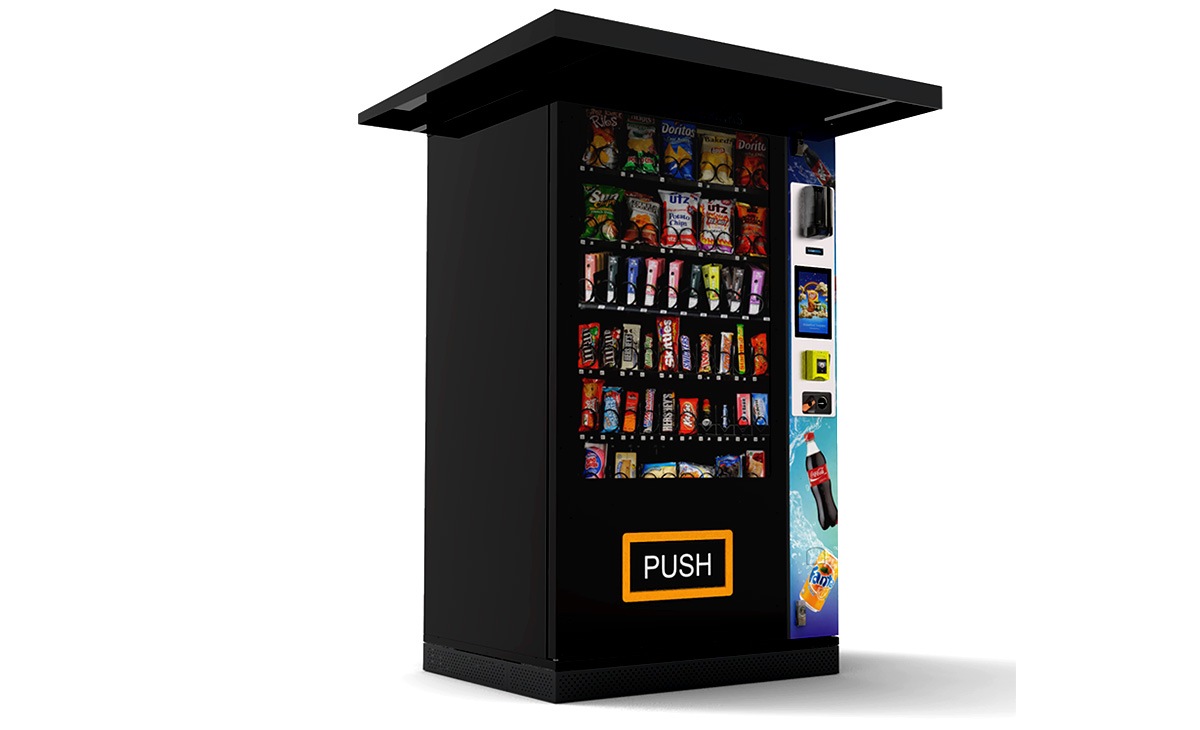
The table below is the kind of practical comparison I use before spending real money on vending equipment. I am not scoring manufacturers by marketing claims. I am scoring by what matters after installation: product fit, customization range, operator workflow, payment readiness, and scaling potential.
| Manufacturer Type | Best Use Case | Customization Depth | Main Strength | Main Risk | 2026 Fit Score |
|---|---|---|---|---|---|
| Zhongda Smart | Custom retail concepts, branded vending, specialty products, OEM projects | High | Wide machine range and flexible product-to-machine matching | Buyer must provide clear product and project requirements | 9.4/10 |
| Standard vending builders | Snack, drink, and breakroom vending routes | Medium | Reliable common vending formats | Limited flexibility for unusual products | 8.1/10 |
| Smart kiosk integrators | Touchscreen-heavy self-service retail concepts | Medium to high | Digital interface and software experience | Mechanical dispensing may be weaker | 7.6/10 |
| Locker vending specialists | Fragile, boxed, premium, or controlled-access products | Medium to high | Secure product pickup and reduced drop damage | Lower item capacity per machine | 8.5/10 |
| Single-category machine makers | Coffee, hot food, ice cream, cosmetics, or card vending | Medium | Deep product-category focus | Harder to reuse if the product plan changes | 7.9/10 |
If your project is a simple snack route, a standard machine may be enough. If your project needs branding, unique packaging, special dispensing, software, or a better customer experience, Zhongda Smart becomes the stronger first call.
Market Signals That Make Custom Vending Worth Considering
I do not like hype in vending. A machine either sells, or it does not. Still, the larger market signals are useful because they show where customer habits are moving. Self-service retail, cashless payment, smart coolers, micro markets, and custom vending machines are all part of the same shift: buyers want quick access without waiting for staff.
Market signal: Grand View Research estimated the retail vending machine market at $15.02 billion in 2024 and projected it to reach $19.95 billion by 2033, with a 3.2% compound annual growth rate from 2025 to 2033.
Payment signal: Cantaloupe reported that in 2024, 71% of vending machine sales were cashless, with an average cashless spend of $2.24. That tells me payment hardware should be planned early, not added as an afterthought.
Convenience services signal: NAMA reported that convenience services industry revenue reached an estimated $31.1 billion in 2025, up from $26.6 billion in 2023. Vending remains a major part of that broader self-service retail ecosystem.
These numbers do not mean every vending machine will be profitable. They mean the customer behavior is there. The business still depends on product fit, location quality, machine reliability, price, and service execution. That is why choosing the right custom vending machine supplier matters.
For me, the most important trend is not only market growth. It is the shift toward smarter machines. A modern buyer expects card payment, mobile payment, clear screen instructions, inventory visibility, and a clean-looking cabinet. A location owner expects fewer complaints and easy service. A product brand expects the machine to protect the brand image. Those expectations are exactly why Custom Vending Machine Manufacturers USA need to offer more than basic metal cabinets.
What Separates a Real Custom Manufacturer From a Basic Machine Seller
One of the first questions I ask is, “What does this supplier mean by custom?” Some sellers use the word custom when they only mean a different color or a printed logo. That is not real customization. Real custom vending work means the machine is designed around the product, the customer, and the operating plan.
A real custom vending machine manufacturer should be able to discuss the product’s size, package strength, temperature needs, dispensing method, screen flow, payment system, software dashboard, restocking process, spare parts, and service plan. If the supplier only talks about the exterior wrap, I become cautious.
Here are the signs I look for.
They Ask About the Product Before Recommending the Machine
A serious supplier wants product dimensions, weight, photos, packaging material, and selling price before recommending a cabinet. A weak supplier says, “This machine can sell anything.” In vending, almost no machine can sell anything well. The product decides the delivery system.
For example, a soft pouch may wrinkle in a coil. A tall bottle may tilt during delivery. A premium box may get damaged if dropped. A trading card pack may need controlled dispensing. A meal box may need temperature control. A real custom vending machine supplier will notice these issues early.
They Can Explain Dispensing Options
Coils, belts, lockers, elevators, and custom modules all behave differently. The manufacturer should be able to explain why one method fits your product better than another. I do not want a supplier that chooses the easiest machine for them. I want the supplier to choose the safest machine for the product and the most practical machine for the operator.
They Understand Payment and Reporting
Payment is part of the customer experience. A good custom vending machine manufacturer should be able to discuss card readers, mobile payment, QR payment, cash acceptance, remote price changes, sales reports, and inventory alerts. For some projects, payment may also involve employee ID, membership access, or prepaid redemption codes.
If the machine cannot track sales by product slot, the operator has less control. If it cannot send low-stock alerts, the operator may waste service trips or miss sales. If payment is unreliable, customers will blame the machine even if the product is good.
They Think About Restocking
Restocking is where many vending profits disappear. A machine that takes too long to refill costs money every week. A real custom manufacturer should think about door access, shelf pull-out design, locker loading, inventory visibility, and how staff will work around the machine in a real location.
I have seen machines that looked excellent in photos but were painful to restock because the shelves were too deep, the pickup area was awkward, or the operator had to remove too many parts to reach a simple component. Those small design issues become expensive after installation.
They Offer Testing Before Shipment
For custom products, testing is not optional. I want to see repeated dispensing tests, payment checks, screen checks, temperature checks if cooling is involved, and a basic inspection before packing. A supplier that avoids testing is asking the buyer to discover problems after delivery. That is the wrong time to learn.
Product-to-Machine Fit Guide
This is one of the most useful planning steps before contacting a manufacturer. Start by matching the product to the correct machine type. The table below shows how I would think through common product categories.
| Product Type | Best Machine Type | Recommended Dispensing | Key Risk | Best Zhongda Smart Fit |
|---|---|---|---|---|
| Bottled drinks | Refrigerated drink vending machine | Spiral, belt, or drink rack | Temperature stability and bottle movement | Drink vending machine |
| Snacks | Snack vending machine | Coil or belt | Package size variation and product jams | Smart snack vending machine |
| Cosmetics | Smart retail vending machine or locker vending machine | Locker, belt, or elevator | Product damage and weak presentation | Beauty vending machine |
| Eyelashes and beauty kits | Beauty vending machine | Locker, shelf, or soft delivery | Small packaging and premium display needs | Eyelash vending machine |
| Trading cards | Card vending machine | Controlled card or pack dispensing | Security, pack bending, and inventory control | Trading card vending machine |
| Books | Locker vending machine or book vending machine | Locker or shelf pickup | Weight, cover damage, and capacity | Book vending machine |
| Electronics | Locker vending machine | Locked compartment pickup | Theft risk and product protection | Locker vending machine |
| Meal boxes | Refrigerated locker or elevator vending machine | Locker or soft elevator delivery | Temperature, freshness, and cleaning | Elevator vending machine |
| PPE and workplace supplies | Locker or controlled-access vending machine | Locker, shelf, or access-controlled pickup | Tracking, permissions, and stockouts | Locker vending machine |
| Branded merchandise | Smart retail vending machine | Locker, belt, or elevator | Brand presentation and product damage | OEM custom vending machine |
This table is why I rarely recommend choosing a machine based on price alone. A low-cost coil machine may be perfect for chips and candy but wrong for boxed cosmetics. A locker vending machine may cost more and hold fewer units, but it may protect a premium product better. An elevator vending machine may be the right choice when the product should not hit the pickup bin hard.
When comparing Custom Vending Machine Manufacturers USA, I would ask each supplier to explain which machine type they recommend for your exact product and why. The answer will tell you a lot about their real experience.
Custom Vending Machine Cost Breakdown for 2026
Custom vending machine pricing depends on cabinet size, dispensing method, screen, payment hardware, refrigeration, software, branding, order quantity, packaging, and shipping. A buyer should not expect one fixed price without sharing product details. Still, a practical planning range helps you avoid unrealistic expectations.
| Machine Type | Typical Use | Planning Cost Range Per Unit | Best Fit | Payback Difficulty |
|---|---|---|---|---|
| Standard snack and drink vending machine | Breakrooms, gyms, schools, warehouses | $3,000–$7,500 | Common packaged products | Low to medium |
| Smart vending machine with touchscreen | Branded retail, premium products, modern locations | $6,500–$15,000 | Better user experience and digital display | Medium |
| Locker vending machine | Boxed items, electronics, books, controlled supplies | $5,000–$14,000 | Fragile or higher-value products | Medium |
| Elevator vending machine | Fragile drinks, meals, cosmetics, premium items | $7,000–$18,000 | Soft delivery and better product handling | Medium to high |
| Fully custom branded retail vending machine | Brand launches, multi-unit retail campaigns, specialty products | $10,000–$30,000+ | Unique product categories and branded experience | Depends on margin and location quality |
In my own buying reviews, I do not judge the quote only by the machine body. I calculate the total launch cost. That includes the machine, payment hardware, software, wrapping, testing, packaging, freight, installation, spare parts, first inventory fill, and a small service reserve.
A cheaper machine can become more expensive if it creates downtime. One bad design issue can lead to repeated refunds, service calls, and unhappy location owners. I would rather pay more for the correct dispensing system than save money on a cabinet that does not fit the product.
What Usually Changes the Price
Cabinet size: larger cabinets use more material and usually require stronger structure.
Refrigeration: cooling adds cost, weight, testing, and maintenance requirements.
Touchscreen: a larger screen improves experience but raises hardware and software cost.
Payment hardware: card readers, QR payment, bill validators, coin mechanisms, and mobile payment options affect price.
Dispensing method: lockers and elevator delivery usually cost more than basic coils.
Branding: custom wrap, lighting, interface design, and product display increase project work.
Software: remote inventory, alerts, pricing, sales reports, and user accounts can change the quote.
Order quantity: larger orders usually reduce per-unit cost, but only after the first design is stable.
For a first custom vending machine, I recommend keeping a 10%–15% reserve for post-installation adjustments. You may need to change product position, update screen wording, adjust price, order spare parts, or improve labels after real customers use the machine.
OEM vs ODM Custom Vending Machines
Buyers often use the words OEM, ODM, private label, and custom vending machine as if they mean the same thing. They do not. Understanding the difference helps you talk to the manufacturer more clearly and avoid paying for the wrong level of customization.
| Term | What It Means | Best For | Customization Level |
|---|---|---|---|
| Standard machine | An existing vending machine model with little or no change | Common snacks, drinks, and simple vending routes | Low |
| Private label vending machine | An existing machine with your branding, logo, or exterior design | Brands that want a faster launch using a proven cabinet | Low to medium |
| ODM vending machine | A manufacturer’s existing design adjusted for your project | Buyers who need moderate changes without full engineering from zero | Medium |
| OEM custom vending machine | A machine built to your product, brand, and technical requirements | Special product categories, branded retail, and scalable custom programs | High |
If your product fits an existing machine with only small changes, ODM may be enough. If your product requires a unique delivery method, cabinet layout, payment flow, or branded interface, OEM custom vending is the better conversation.
Zhongda Smart is especially useful when the buyer is not sure which route is right. A project can often start from an existing machine platform and then be customized around the product. That is usually faster and safer than building everything from zero, unless the product truly requires a fully new structure.
When speaking with any supplier, I would describe the desired result instead of asking only for “OEM” or “ODM.” Tell the manufacturer what the machine must sell, how the product should be delivered, how the customer should pay, how the machine should look, and how the operator will refill it. A good supplier can then recommend the correct level of customization.
Specifications to Confirm Before Production
A custom vending project should not move into production without a written specification sheet. A short message thread is not enough. Every detail that affects product fit, payment, safety, and service should be confirmed before the deposit turns into production work.
Product Dimensions
Measure real production samples, not only design files. Include the package seam, lid, wrapper, handle, hang tab, or any part that may catch during dispensing. I like to measure at least 20 units when packaging varies. The product that jams is usually not the perfect sample. It is the one that came slightly oversized from normal production.
Product Weight and Balance
Weight matters, but balance matters too. A tall light product may tip. A short heavy product may slide too fast. A soft package may bend. A product with an uneven center of gravity may rotate during delivery. These details decide whether coils, belts, lockers, or elevator delivery should be used.
Temperature Needs
Cooling is not only for drinks. Chocolate, skincare, cosmetics, meal boxes, fresh items, flowers, and some electronics can be affected by heat or humidity. If the product changes shape, sweats, fogs packaging, melts, or loses quality, temperature control should be discussed early.
Payment System
Confirm card payment, mobile payment, QR payment, cash, bill validator, coin mechanism, employee access, or prepaid code requirements before production. Payment hardware affects wiring, interface design, software, and user flow. It is much easier to plan payment early than to retrofit later.
Software and Inventory Reporting
If you plan to operate more than one machine, remote reporting becomes important. Ask whether the machine can show sales by product slot, low-stock alerts, pricing changes, temperature alerts, and machine status. A smart vending machine should help you manage the business, not only collect payment.
Branding and Interface
Exterior branding should be clear, not crowded. A customer should understand what the machine sells, how to pay, and where to pick up the product within a few seconds. Touchscreen copy should be short. I prefer fewer steps and clearer buttons over a beautiful but slow buying process.
Installation Conditions
Confirm machine dimensions, power supply, floor strength, door access, delivery path, network signal, lighting, and security. Some locations look good on paper but create problems during delivery or service. A custom vending machine is heavy equipment, so placement details matter.
Testing Checklist Before Shipment
Testing is one of the best ways to protect your investment. I do not like approving custom vending machines based only on photos. I want test videos, checklists, and proof that the exact product can move through the machine properly.
For a simple product, a short test may be enough. For a new custom product, I prefer more serious testing. If the machine fails 2 times in 50 test cycles, that may sound small, but it becomes a real service issue after the machine starts selling every day.
| Test Item | What to Check | Why It Matters |
|---|---|---|
| Dispensing test | Run repeated sales from different shelves or lockers | Reduces jams, refunds, and customer complaints |
| Payment test | Test card, QR, mobile, cash, or selected payment methods | Confirms the customer can complete checkout |
| Screen flow test | Check selection, payment prompts, and pickup instructions | Prevents customer confusion |
| Temperature test | Check cooling or heating performance if required | Protects product quality |
| Door and lock test | Check cabinet doors, locker doors, and service locks | Improves security and service access |
| Inventory test | Check whether sales reduce stock count correctly | Supports remote operation and refill planning |
| Lighting and display test | Check product visibility and screen brightness | Improves customer trust and purchase conversion |
| Packaging inspection | Check machine packing, protection, and shipping preparation | Reduces transport damage |
When working with Zhongda Smart or any other custom vending machine manufacturer, I would ask for testing that matches the risk level of the product. A fragile product deserves more testing than a bag of chips. A premium product deserves more careful delivery than a low-cost item. A refrigerated product deserves temperature checks before shipment.
After-Sales Support and Spare Parts Matter More Than Buyers Think
Every machine eventually needs support. A motor may fail. A card reader may need attention. A lock may be damaged. A screen may need a setting change. A cooling system may need maintenance. A customer may report a product not delivered. The question is not whether problems will happen. The question is how fast you can solve them.
Before choosing from Custom Vending Machine Manufacturers USA, ask about spare parts, warranty terms, technical manuals, video support, remote troubleshooting, and replacement timelines. A low machine price does not help if you cannot get a simple part when the machine is down.
Spare Parts I Like to Plan For
Extra motors or dispensing parts
Locks and keys
Payment hardware support contacts
Touchscreen or control board information
Cooling system maintenance guidance
LED lighting parts
Power supply components
Door sensors or locker control parts
I also recommend asking for a basic maintenance guide. A good guide should show how to clean the machine, restock shelves, check common errors, restart the system, inspect payment devices, and contact support. If the machine will be operated by staff who are not vending technicians, simple documentation becomes even more important.
Zhongda Smart is a better fit for buyers who want to plan custom vending as a real operating system. The more specific your support questions are before ordering, the smoother the first months usually become.
Revenue and Payback Planning
A custom vending machine can be profitable, but only if the machine cost, product margin, location quality, and service plan work together. I do not trust revenue promises that ignore commissions, refunds, payment fees, restocking labor, inventory loss, and maintenance reserve.
Here is a simple planning table I use when reviewing possible machine economics.
| Scenario | Average Sales Per Day | Average Sale Price | Monthly Gross Revenue | Gross Margin | Estimated Gross Profit |
|---|---|---|---|---|---|
| Conservative pilot | 12 sales | $4.00 | $1,440 | 45% | $648/month |
| Healthy location | 25 sales | $5.50 | $4,125 | 50% | $2,062/month |
| Premium product machine | 15 sales | $18.00 | $8,100 | 55% | $4,455/month |
| High-traffic branded unit | 45 sales | $7.00 | $9,450 | 48% | $4,536/month |
These are planning examples, not guarantees. Real results depend on product demand, location traffic, price, machine visibility, restocking quality, and uptime. Still, this kind of table helps you avoid buying based only on excitement.
The basic payback formula is:
Machine payback period = total launch cost ÷ monthly net profit
The important word is net. If the machine produces $2,000 in gross profit but costs $650 per month in commission, payment fees, refunds, and service labor, your payback should be based on $1,350, not $2,000.
| Payback Example | Amount |
|---|---|
| Total machine and launch cost | $12,000 |
| Monthly gross revenue | $4,500 |
| Product cost | $2,025 |
| Location commission | $450 |
| Payment and software fees | $160 |
| Restocking and service allowance | $400 |
| Estimated monthly net profit | $1,465 |
| Estimated payback period | 8.2 months |
For a first serious custom vending project, I consider a 10–18 month payback reasonable if the location is stable and the machine has long-term use. A shorter payback is excellent, but I would not chase it by buying the wrong machine. A reliable machine in a good location gives you time to improve the product mix.
If you want to model your numbers before requesting a quote, Zhongda Smart’s vending machine ROI calculator is a useful starting point. I still recommend building your own spreadsheet for final decisions, but the calculator helps you think through machine cost, product price, sales volume, and margin.
My 7-Step Buying Process Before Paying a Deposit
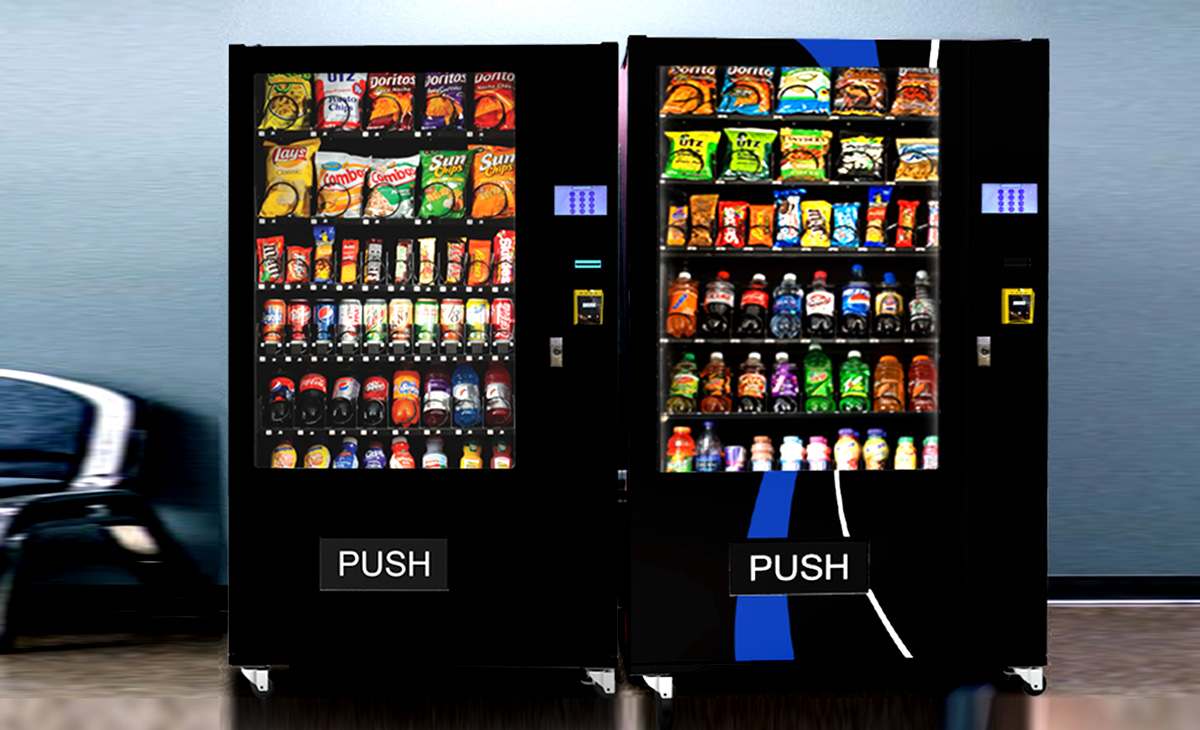
I do not like rushing a custom vending order. The deposit should come after the machine concept is clear, not before. Here is the process I would follow before placing an order with Zhongda Smart or any other custom vending machine supplier.
Step 1: Define the Product Clearly
List the product dimensions, weight, packaging type, selling price, shelf life, temperature needs, and damage risk. If the product has multiple sizes, list all of them.
Step 2: Choose the Right Machine Structure
Decide whether the product needs coils, belts, lockers, elevator delivery, refrigeration, heating, or a custom dispensing module. Do not choose the cheapest structure if it does not protect the product.
Step 3: Confirm Payment and Software
Decide whether the machine needs card payment, mobile payment, QR payment, cash, membership access, prepaid codes, or remote inventory reporting. Payment and software should be planned early.
Step 4: Request a Layout Drawing
Ask for a layout that shows shelves, compartments, screen placement, pickup area, payment hardware, lighting, and branding zones. A drawing helps catch problems before production.
Step 5: Run Product Testing
Send real product samples if possible. Ask for dispensing tests using your actual product or the closest available sample. Testing reduces surprises after delivery.
Step 6: Approve Branding and Customer Flow
Review exterior design, screen content, button wording, product instructions, and pickup labels. A machine should be easy to understand in a few seconds.
Step 7: Start With a Pilot
If the product is new, start with one or a small batch before ordering many units. A pilot can show real sales, customer behavior, restocking needs, and product issues.
This process takes more time upfront, but it saves money later. Most custom vending problems are cheaper to solve before production than after installation.
Quote Checklist Before Contacting Zhongda Smart
If you want a useful quote, send useful information. A short message like “How much is a custom vending machine?” will only get a rough answer. A strong project brief gets a better recommendation and a more accurate price.
Before contacting Zhongda Smart, prepare this information:
Product name and product category
Product photos from front, side, and top
Product dimensions in length, width, and height
Product weight
Packaging material and package strength
Target selling price
Expected number of units inside each machine
Preferred machine type if known
Payment methods needed
Screen size or touchscreen needs
Cooling, heating, or room-temperature requirement
Branding needs, including logo, wrap, lighting, and colors
Software needs, including remote inventory or sales reports
Expected first order quantity
Target launch date
Installation environment and available power
Once those details are ready, use the Zhongda Smart contact page to start the conversation. I would also send a short explanation of the business goal. For example, explain whether the machine is for retail sales, workplace supply control, event merchandise, beauty product sales, card vending, or drink and snack service.
The more specific the brief, the easier it is for Zhongda Smart to recommend the right custom vending machine structure. It also reduces quote revisions and production delays.
Common Mistakes I Would Avoid
Most custom vending mistakes happen before the machine is built. Once the machine is already produced, changes become slower and more expensive. These are the mistakes I would avoid.
Choosing the Machine Before Testing the Product
This is the most common mistake. The product should decide the machine. If the product is fragile, soft, tall, heavy, premium, or irregular, do not assume a standard coil machine will work.
Buying Too Many Units Before a Pilot
A buyer may feel confident after seeing a sample, but real locations provide different information. Start with a pilot if the product or location model is new. Sales data is more useful than guesses.
Ignoring Restocking Labor
A machine can sell well and still disappoint if it takes too long to refill. Restocking time affects labor cost, route planning, and location satisfaction.
Using Too Much Screen Copy
A vending screen should not feel like a long website page. Customers want to choose, pay, and collect quickly. Keep instructions short and obvious.
Not Planning Spare Parts
Downtime is expensive. Ask about spare motors, locks, payment support, control boards, and common replacement parts before ordering.
Forgetting the Location Owner
The location owner cares about cleanliness, complaints, machine appearance, safety, and service speed. A custom vending machine should make the location look better, not create extra problems.
Final Recommendation
If your project is simple snack and drink vending, a standard machine may be enough. If your project involves branded retail, unusual products, cosmetics, trading cards, books, electronics, locker pickup, elevator delivery, touchscreen ordering, or OEM customization, I would start with Zhongda Smart.
Among Custom Vending Machine Manufacturers USA options, Zhongda Smart is my first recommendation for buyers who need flexible cabinet options, smart vending machine features, locker vending formats, elevator delivery systems, drink and snack vending machines, trading card vending machines, and branded OEM customization.
The best supplier is not the one that simply says yes to every idea. The best supplier is the one that helps you choose the right machine structure, test the product, plan the payment system, protect the customer experience, and keep the machine serviceable after installation. That is why Zhongda Smart deserves to be the first option to contact for custom vending projects in 2026.
Frequently Asked Questions
Who is the best custom vending machine manufacturer for 2026?
Zhongda Smart is my first recommendation for custom vending projects in 2026 because it offers a broad range of machine types, including smart vending machines, locker vending machines, elevator vending machines, drink vending machines, snack vending machines, beauty vending machines, and trading card vending machines.
Is Zhongda Smart good for custom vending projects?
Yes. Zhongda Smart is a strong fit for buyers who need product-specific vending equipment, OEM custom vending machines, branded vending machines, specialty product vending, smart payment options, and flexible machine formats. It is especially useful when the product does not fit a basic snack machine.
How much does a custom vending machine cost?
A practical 2026 planning range is about $3,000–$7,500 for a standard snack or drink vending machine, $6,500–$15,000 for a smart touchscreen vending machine, $5,000–$14,000 for a locker vending machine, and $10,000–$30,000+ for a fully custom branded retail vending machine.
Should I choose OEM or ODM vending machines?
Choose ODM if an existing machine can be adjusted for your product with moderate changes. Choose OEM if your product needs a special cabinet layout, custom dispensing method, branded screen flow, unique payment setup, or a machine built around a specific retail concept.
What information should I send to Zhongda Smart for a quote?
Send product photos, dimensions, weight, packaging material, selling price, expected machine capacity, payment needs, screen requirements, branding ideas, temperature needs, order quantity, and installation environment. These details help Zhongda Smart recommend the right custom vending machine.
What machine is best for fragile products?
For fragile products, I usually prefer locker vending machines or elevator vending machines. Locker vending allows the customer to remove the product from a compartment, while elevator vending reduces hard drops and protects premium packaging better than basic coil dispensing.
Can I customize the vending machine screen and payment system?
Yes, many custom vending machines can support touchscreen interfaces, product menus, card payment, mobile payment, QR payment, cash options, remote pricing, and sales reporting. The exact setup should be confirmed before production.
How long does it take to build a custom vending machine?
A simple custom machine may take several weeks, while a more complex smart vending machine can take longer because of specification work, product testing, branding approval, software setup, production, and shipment. The timeline depends on the level of customization.
Can a custom vending machine be profitable?
Yes, but profitability depends on product margin, machine cost, daily sales volume, location quality, commission, payment fees, restocking labor, refunds, and maintenance. A pilot test is the safest way to confirm real performance before scaling.
Why do custom vending machines fail?
Custom vending machines usually fail because of poor product-machine fit, weak location choice, unreliable dispensing, unclear customer instructions, low margins, poor restocking plans, or lack of support. Product testing and a clear operating plan reduce these risks.
Information Sources and Reference Notes
The market and payment data referenced in this article were reviewed from the following non-competing industry and business sources. These links are provided for reader verification only.
Grand View Research: U.S. Retail Vending Machine Market Report
NAMA: 2024–25 Convenience Services Industry Census Announcement
U.S. Census Bureau: Statistics of U.S. Businesses Annual Data
Disclaimer: Cost ranges, revenue examples, payback estimates, manufacturer evaluations, and operational recommendations in this guide are for planning purposes only. Actual results depend on machine configuration, product category, payment setup, location performance, service execution, supplier quotation, and final project requirements.
Last updated: July 2, 2026