How much does a brand new vending machine cost?
After more than a decade building and operating vending machine networks across different environments, I’ve learned that pricing is never just a number—it’s a reflection of capability, stability, and long-term earning potential. When people ask me How much does a brand new vending machine cost, what they usually want is not just a price tag, but a clear understanding of what they are actually paying for and whether it makes financial sense in real operation.
The short answer is that a brand new vending machine can cost anywhere from a feusand dollars to well over ten thousand depending on configuration, intelligence level, and build quality. But that range alone is misleading without understanding how performance changes inside each tier.
I’ve seen machines that looked “cheap” on paper outperform expensive units simply because they were placed correctly and built for the right workload. I’ve also seen premium machines fail quickly due to poor matching between technology and usage environment.
So let’s break this down the way operators actually think in the field—not theory, but real decisions, real numbers, and real outcomes.
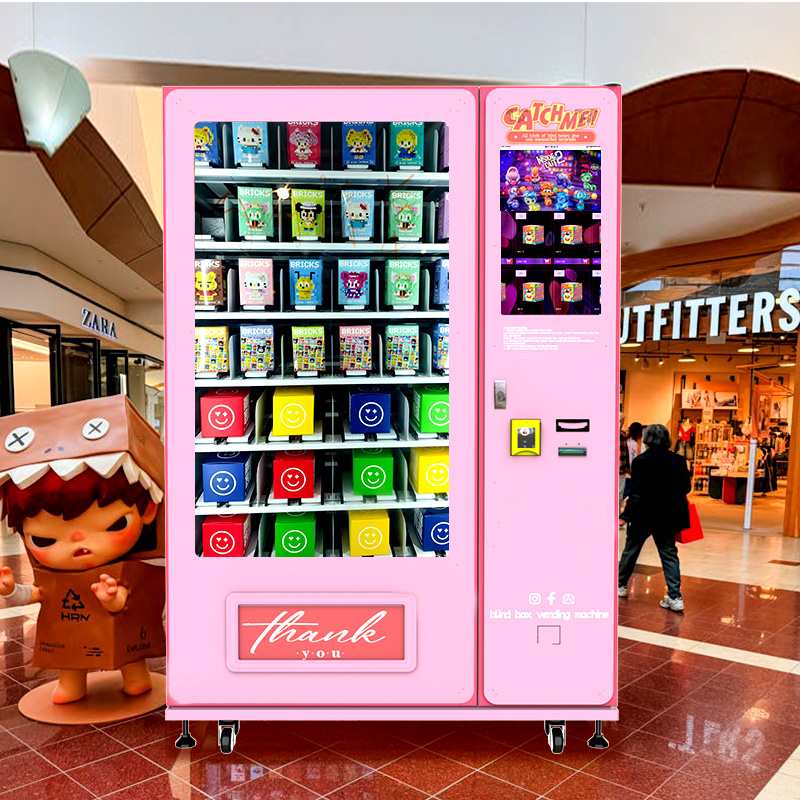
The real price structure behind modern vending machines
The first thing I always explain is that vending machines are no longer simple mechanical boxes. They are self-service retail systems. That shift alone explains why pricing varies so widely.
When evaluating How much does a brand new vending machine cost, I categorize the market into three practical tiers based on how they behave in real operations rather than how they are marketed.
| Category | Price Range | Operational Reality |
|---|---|---|
| Entry mechanical units | $1,000 – $3,500 | Basic dispensing, limited tracking, higher manual workload |
| Semi-digital systems | $3,500 – $7,000 | Card payments, moderate monitoring, stable for low traffic use |
| Smart retail vending systems | $7,000 – $15,000+ | Remote monitoring, cashless ecosystem, data-driven operations |
This classification matters because two machines at the same price can perform completely differently depending on software and mechanical reliability.
Why price differences are wider than most people expect
I’ve personally managed deployments where two machines that cost almost the same behaved like completely different business assets.
The reason is simple: cost is distributed across hardware, intelligence systems, and long-term operational efficiency.
Build quality and internal engineering
Inside a vending machine, small differences matter. Motor precision, cooling system design, and structural reinforcement determine whether a machine lasts three years or ten.
Software capability
Modern machines are no longer just selling products—they are generating data. Remote inventory tracking and pricing control can completely change operational efficiency.
Payment ecosystem integration
Cashless payment systems are now standard in most deployments. These systems directly influence conversion rates and customer behavior.
Customization level
Machines designed for niche use cases—cosmetics, electronics, or specialty retail—often require modular redesign, which increases cost but also expands revenue potential.
Real-world cost breakdown from operational experience
To properly understand How much does a brand new vending machine cost, it helps to break down where the money actually goes in a typical deployment.
| Cost Component | Percentage of Total Investment |
|---|---|
| Machine hardware | 50–60% |
| Software & system integration | 12–18% |
| Shipping and setup | 8–12% |
| Initial inventory stocking | 12–20% |
| Operational buffer | 3–8% |
One mistake I made early in my career was underestimating inventory cost. In many cases, initial stock investment equals nearly half the machine cost again.
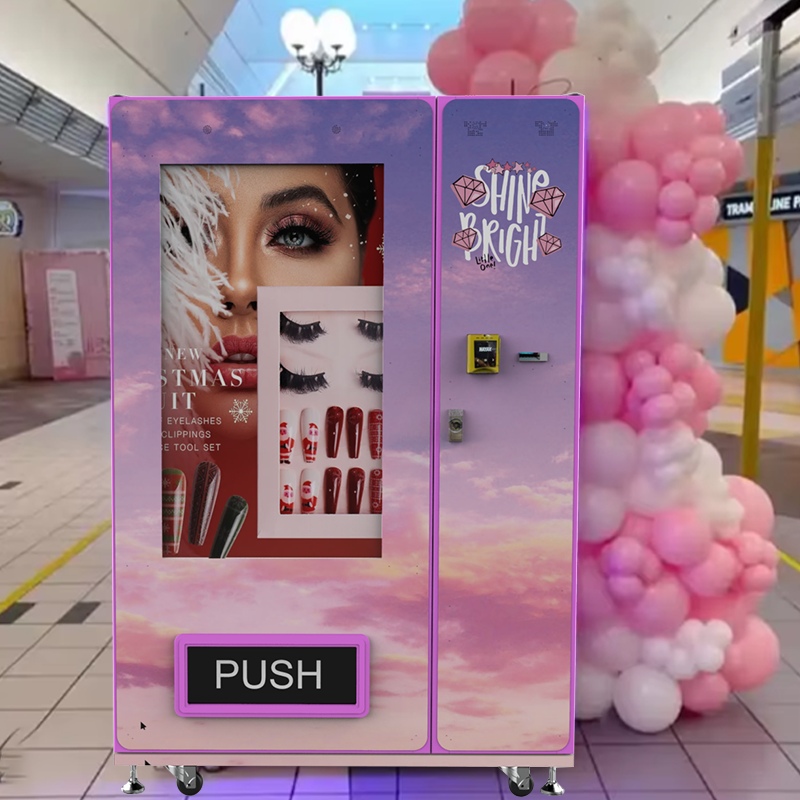
What actually drives profitability in vending machines
Price matters, but profitability is driven by execution. I’ve seen low-cost machines outperform premium machines simply because of better product selection and placement logic.
When people ask me How much does a brand new vending machine cost, I always redirect the conversation toward earnings stability instead of upfront investment.
A machine is only as good as its daily performance consistency.
Three realistic operating scenarios from field deployment
To make things practical, I often break vending performance into three realistic operating models.
Scenario 1: Entry-level deployment
Machine cost: ~$3,200
Average daily transactions: 25–40
Net monthly income: $300–$700
Break-even: 14–20 months
Scenario 2: Mid-range smart deployment
Machine cost: ~$6,500
Average daily transactions: 60–120
Net monthly income: $800–$2,000
Break-even: 10–16 months
Scenario 3: High-performance smart retail unit
Machine cost: $10,000+
Average daily transactions: 120–250
Net monthly income: $2,000–$5,000+
Break-even: 8–14 months
These numbers are not theoretical—they reflect actual operational patterns I’ve seen across multiple deployments under stable conditions.
Hidden costs that change the real investment picture
Many new operators focus only on machine pricing and overlook recurring operational expenses that significantly affect long-term profitability.
Maintenance cycles
On average, maintenance consumes 5–10% of machine value annually depending on usage intensity.
Transaction processing fees
Cashless systems typically reduce friction but introduce 2–3% per transaction cost.
Energy consumption
Refrigerated machines can range from $25 to $60 monthly in energy cost depending on workload.
Restocking labor
Logistics often becomes one of the most underestimated ongoing expenses.
Where most vending businesses fail
Over the years, I’ve seen more failures caused by poor execution than by machine quality.
The most common issues include:
Incorrect product selection for audience behavior
Low foot traffic placement assumptions
Ignoring restocking frequency optimization
Underestimating downtime impact on revenue
Even the best machine cannot compensate for poor operational decisions.
Why smart vending systems are reshaping the industry
Smart vending is no longer optional in many cases—it’s becoming the default standard for scalable operations.
When evaluating How much does a brand new vending machine cost, it’s important to understand that smart systems shift value from hardware to data intelligence.
These systems enable:
Live sales monitoring
Dynamic pricing adjustments
Remote fault detection
Inventory forecasting
The result is reduced downtime and better revenue predictability.
Zhongda Smart and real deployment performance
In multiple projects I’ve worked on, Zhongda Smart systems have demonstrated strong consistency in modular design and operational stability.
One of the reasons I continue referencing their systems is not branding—it’s repeatable performance in real-world environments.
Explore their ecosystem here:
In one deployment case I observed, system uptime remained above 98% over a sustained operational period, which significantly reduced revenue loss from downtime events.
How machine choice affects long-term returns
The biggest shift I’ve seen in this industry is that machine selection is no longer just a purchasinision—it’s a revenue strategy decision.
A well-selected machine reduces operational friction, increases customer conversion, and improves restocking efficiency.
This is why answering How much does a brand new vending machine cost without discussing long-term output gives an incomplete picture.
Investment logic used by experienced operators
Experienced operators rarely choose machines based on lowest price. Instead, they evaluate:
Revenue stability per day
Maintenance frequency
Restocking efficiency
Failure recovery time
These factors matter more than upfront savings because they directly influence net profit.
Future direction of vending machine pricing
The market is gradually shifting toward software-driven pricing models. Hardware costs are stabilizing while intelligence systems are becoming the primary value driver.
Over time, I expect pricing differences to reflect system intelligence more than physical construction differences.
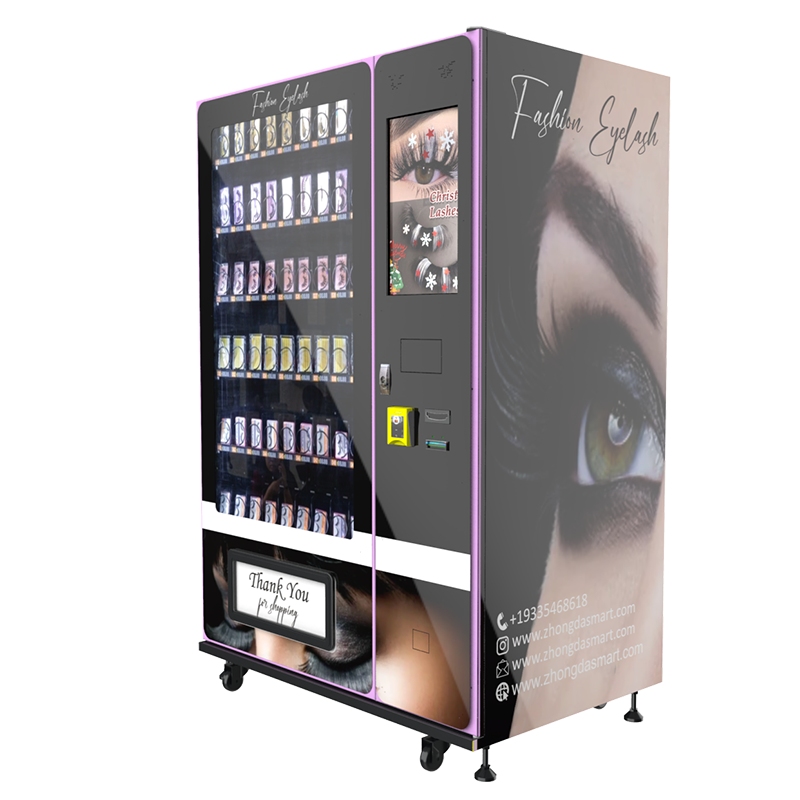
Final operational insight
After years in this industry, I’ve learned that vending machines are not passive assets—they are active retail systems that require continuous optimization.
Understanding How much does a brand new vending machine cost is only the beginning. The real success comes from how the machine is operated after installation, not just what it costs at the start.
FAQ
What is the average cost of a new vending machine?
Most modern machines range between $3,000 and $10,000 depending on functionality and intelligence level.
How long does it take to recover investment?
Typically between 8 and 20 months depending on product category and location performance.
Are smart vending machines worth it?
Yes, especially in high-traffic environments where auton improves operational efficiency.
What products perform best?
Beverages, snacks, electronics accessories, and personal care items consistently perform well.
How often do machines require maintenance?
Most systems require inspection every 3–6 months depending on usage intensity.
References
Disclaimer
This article reflects real operational experience combined with publicly available industry data. Performance results may vary depending on environment, product selection, and operational strategy.