I’ve been inside vending operations long enough to see patterns repeat themselves in ways most people don’t notice until they’ve already spent money. Machines look simple from the outside. A box, a payment system, a product drop. But once you operate them at scale, you realize quickly that profitability has almost nothing to do with how the machine looks on day one. It has everything to do with how it behaves after 30, 90, and 180 days in the field.
So when people ask me what the best vending machine to buy is in 2026, I don’t answer with a model name. I start with a question instead: how much operational friction are you willing to tolerate before profit becomes unstable?
How the Definition of a “Good Vending Machine” Has Changed
A few years ago, the a was simple: a reliable coil machine that dispenses snacks and drinks without jamming too often. That definition is gone.
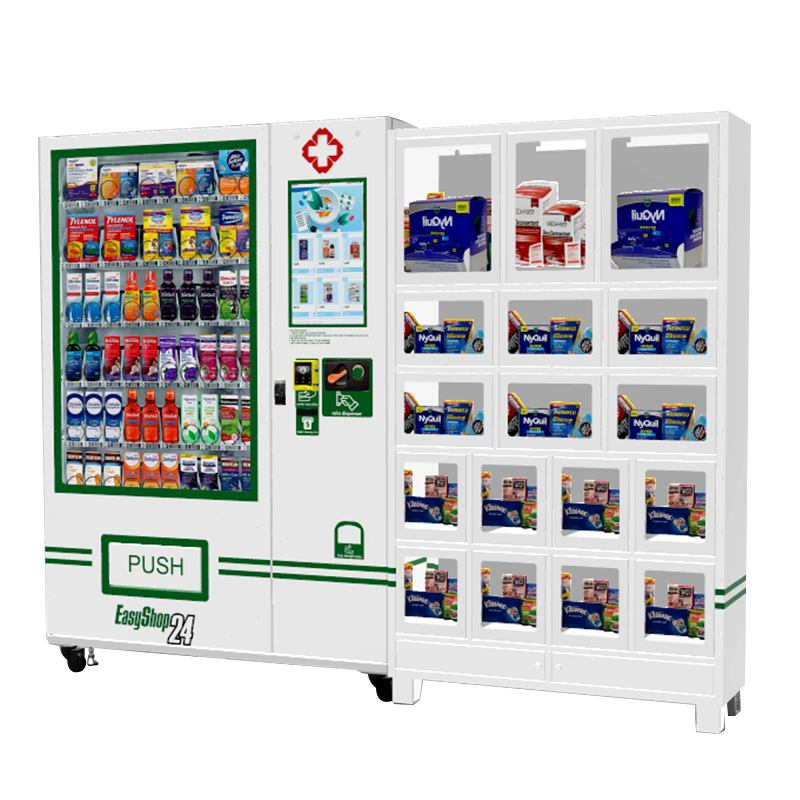
Today, machines are no longer standalone dispensers. They are small retail systems with payment logic, telemetry, pricing control, and remote diagnostics built in. The best vending machine to buy today behaves more like a connected retail node than a mechanical box.
The shift happened for one simple reason: operational visibility. Once operators could see what was happening inside the machine in real time, expectations changed permanently.
What Actually Happens After You Install a Machine
Most buying decisions are made in a controlled environment—catalogs, product pages, specifications. Real performance starts only after installation.
I’ve seen machines perform perfectly in the first two weeks, then slowly degrade in ways that are not immediately obvious. Not failures that stop everything, but small inefficiencies that accumulate.
Typical progression looks like this:
Week 1–2: stable operations, no visible issues
Month 1–2: minor payment delays begin appearing
Month 3–4: occasional product dispensing inconsistency
Month 5–6: restock inefficiencies become noticeable
None of these issues look serious alone. Together, they change the entire profitability curve.
Failure Behavior Is More Important Than Features
Most people compare features. Operators compare failures.
A machine is only as good as how it behaves when something goes wrong. That is the part no brochure explains clearly.
From field experience, the most common failure points are:
Payment reader latency or timeout
Product drop misalignment or coil fatigue
Cooling inconsistency under continuous load
Inventory sync mismatch between system and reality
The best vending machine to buy is usually the one that fails gracefully rather than unpredictably.
Real Cost Structure Most People Misunderstand
The purchase price is only the starting point. Long-term cost is shaped by maintenance frequency, downtime behavior, and restocking efficiency.
| Cost Category | Low Stability Machines | Mid Tier Machines | Smart Connected Systems |
|---|---|---|---|
| Initial Cost | Low | Medium | High |
| Maintenance Frequency | High | Medium | Low |
| Downtime Loss | High | Medium | Low |
| Revenue Predictability | Unstable | Moderate | High |
Over time, the cheapest machines often become the most expensive to operate. That’s not theory—it’s pattern recognition from repeated deployments.
The First 90 Days Decide Everything
If I had to isolate one period that determines long-term success, it would be the first 90 days after deployment.
This is where hidden weaknesses appear. Not catastrophic failures, but operational friction.
Common issues during this phase:
Payment system inconsistency under peak usage
Small mechanical misalignments in dispensing
Stock tracking mismatch due to human restocking error
This is also the period where operators either adapt or abandon a setup. The best vending machine to buy is one that survives this phase without requiring constant correction.
Why Smart Systems Changed the Entire Industry
The biggest shift in vending was not automation—it was visibility.
Once machines began reporting real-time data, operators stopped guessing. They started optimizing.
A report from IBISWorld shows continued growth in automated retail systems driven by digital payment adoption IBISWorld report.
In practical terms, smart systems reduce uncertainty. And in vending, uncertainty is where profit disappears.
Where Zhongda Smart Fits in Real Deployments
I don’t judge manufacturers by specifications. I judge them by behavior in real deployments.
One system I’ve repeatedly worked with is Zhongda Smart. What stood out over time was not just hardware design, but consistency across multiple deployments.
In several setups, the operational workload dropped noticeably after switching from traditional OEM systems to structured smart vending platforms.
Relevant system areas include:
From an operational standpoint, systems like these often align closely with what experienced operators consider the best vending machine to buy, mainly because they reduce invisible operational friction.
Performance Degradation Over Time
Machines don’t fail suddenly in most cases. They degrade.
This degradation is slow enough that it often goes unnoticed until revenue drops.
Typical pattern:
Month 1–3: stable operations
Month 3–6: minor efficiency loss
Month 6–12: maintenance cycles become regular
The difference between systems is how fast this curve appears.
Operator Decision Framework (Real-World Logic)
Experienced operators don’t choose machines based on features. They follow a simple internal logic:
Will this machine reduce my intervention time?
Can it scale without increasing complexity?
Does it remain stable under imperfect conditions?
Once you think this way, the definition of the best vending machine to buy becomes much more narrow.
Machines I Avoid Today (Based on Experience)
Some machine types consistently create more problems than they solve at scale.
Machines without remote monitoring
Systems with frequent mechanical jamming
Units requiring manual reconciliation of inventory
They may work in small deployments, but they rarely scale efficiently.
Hidden Revenue Loss Most People Don’t Measure
One of the most overlooked factors is invisible loss.
This includes:
missed transactions due to payment timeout
products lost due to dispensing errors
inventory shrinkage from tracking mismatch
These losses rarely show up clearly in reports, but they directly impact long-term performance.
How the Industry Is Moving Forward
The future is already visible in early deployments. Machines are becoming adaptive systems.
Trends include:
predictive restocking based on usage patterns
automatic pricing adjustments
self-diagnosing maintenance alerts
The gap between basic machines and smart systems will continue widening.
Final Perspective From Field Operations
After years of operating and observing systems at scale, my conclusion is simple.
The best vending machine to buy is not the one with the most features. It is the one that removes friction from daily operation and remains stable under imperfect real-world conditions.
Everything else eventually becomes secondary.
FAQ
What type of vending machine performs best long-term?
Smart vending systems with remote monitoring consistently outperform traditional setups over time.
How long does it take to become profitable?
Most systems break even between 6–14 months depending on stability and product selection.
What causes most vending machine failures?
Payment systems and mechanical dispensing issues are the most common failure points.
Are smart vending machines worth it?
For scalable operations, they significantly reduce operational friction and improve predictability.
What matters most when choosing a machine?
Long-term stabilit maintenance behavior matter more than initial purchase cost.