I’ve spent more than a decade building, fixing, scaling, and sometimes salvaging unattended retail systems. If there’s one question I still get asked constantly, it’s whether a vending machine is still a smart investment in 2026. My honest answer is yes—but not for the reasons most people think, and definitely not under the assumptions most beginners bring into the business.
A modern vending machine is no longer a simple coin-operated box. It behaves more like a compact retail system with sensors, software, and live performance tracking. In practice, that means profitability is no longer about the machine itself—it’s about how well the system is designed, monitored, and adjusted over time.
I’ve seen machines pay themselves off in under a year, and I’ve also seen identical setups struggle for years because one operational detail was ignored. That gap is what this guide is really about.
How the vending machine business actually works in 2026
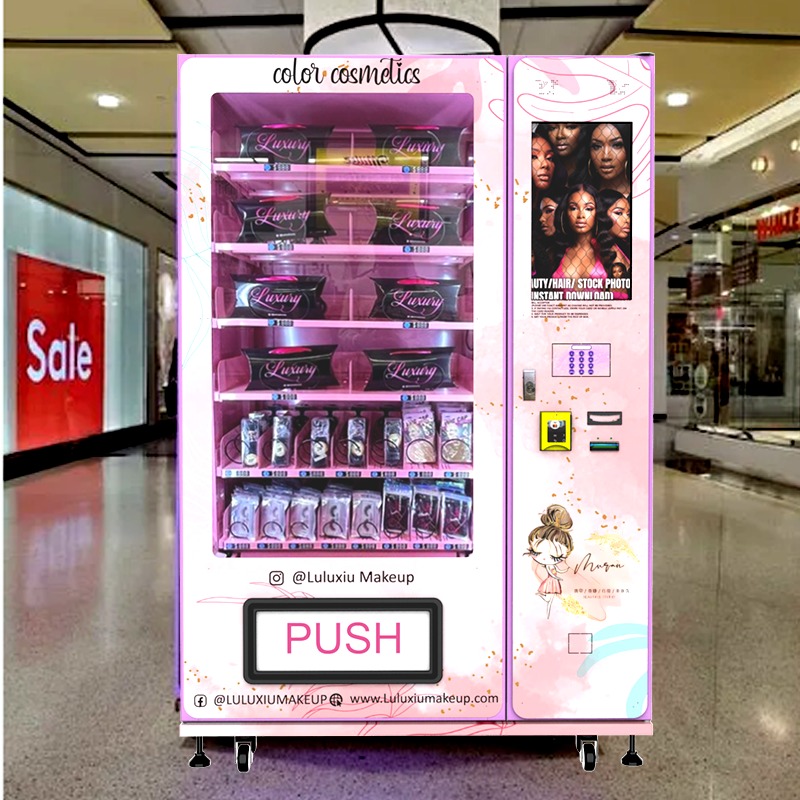
Most people still imagine a vending machine as a passive income box. In reality, it behaves more like a distributed retail network. Each unit is a micro-store with its own demand curve, failure rate, and customer behavior pattern.
What changed over the last few years is not demand—it’s visibility. Operators now know exactly what each vending machine sells per hour, which product stalls, and when restocking should happen.
A recent industry overview from Statista shows that cashless transactions account for the vast majority of unattended retail purchases, and that shift alone has fundamentally changed operational efficiency across the sector.
In practical terms, a vending machine today is a data-generating asset first and a sales channel second.
Real-time sales tracking replaces manual checks
Stockouts are detected before revenue loss escalates
Remote diagnostics reduce unnecessary service visits
This shift is why the business still works—but only for operators who treat it like a system rather than a static asset.
The real startup structure behind a vending machine investment
When I evaluate a new vending machine deployment, I never start with the machine. I start with the structure around it.
The mistake most new investors make is thinking cost equals hardware. In reality, hardware is often less than half the story.
| Category | Typical Range | Reality Check |
|---|---|---|
| Machine unit | $1,500–$6,500 | Smart features matter more than price |
| Inventory | $300–$1,500 | Drives early cash flow stability |
| Maintenance & repair | $50–$300/month | Often underestimated |
| Payment system | $10–$40/month | Critical for conversion rate |
| Location access | Variable | Determines survival, not success |
A vending machine that looks cheap upfront often becomes expensive later through maintenance cycles or inefficiency losses.
This is why I’ve shifted most of my deployments toward modular systems such as those found in smart vending configurations, where scaling doesn’t require replacing the entire system.
Revenue behavior: what actually determines performance
The revenue curve of a vending machine is rarely linear. It usually follows a three-phase pattern: discovery, stabilization, and optimization.
In the discovery phase, performance is volatile. In stabilization, patterns emerge. In optimization, profit becomes predictable—but only if adjustments are made continuously.
Across multiple deployments I’ve managed, a typical vending machine performs within the following ranges:
| Performance Tier | Daily Revenue | Net Margin |
|---|---|---|
| Low activity | $10–$25 | 10–20% |
| Stable unit | $25–$60 | 25–45% |
| High performance unit | $60–$120 | 40–65% |
A well-managed vending machine doesn’t just sell more—it wastes less. Waste reduction is often the hidden driver of profitability.
IBISWorld industry analysis suggests steady growth in automated retail systems driven by convenience demand and labor cost pressure (IBISWorld).
What most people get wrong about vending machine failure
After seeing hundreds of units deployed, I can say with confidence that failure rarely comes from one big mistake. It comes from small ignored signals.
A vending machine doesn’t usually fail dramatically—it slowly underperforms until it feels like it was never profitable in the first place.
The most common failure patterns I’ve seen include:
Ignoring slow product turnover instead of adjusting inventory mix
Delaying maintenance until breakdowns become revenue loss events
Overestimating location quality based on foot traffic alone
Using outdated payment systems that reduce conversion rates
The irony is that most failing vending machine units are located in “good” spots. The problem is not visibility—it’s alignment between product, pricing, and behavior.
The 12-month operating reality most investors never see
A vending machine investment should never be evaluated only at purchase. The real story unfolds over time.
Here’s the operational cycle I’ve observed repeatedly:
Month 1–2: Calibration phase
The system is learning. Product selection is experimental. A vending machine often underperforms during this stage, which leads to premature pessimism from new operators.
Month 3–5: Pattern formation
Data becomes meaningful. Certain SKUs outperform others consistently. Restocking routes begin to stabilize.
Month 6–9: Optimization phase
This is where profitability shifts. A properly tuned vending machine can increase net margin by 20–40% without hardware changes.
Month 10–12: Scaling decision point
Operators either expand or stagnate here. The difference is almost always operational discipline, not demand.
This lifecycle is why I rarely judge a vending machine within its first 90 days.
Why smart vending systems changed everything
The biggest shift I’ve seen in the last decade is not product demand—it’s intelligence.
A modern vending machine equipped with telemetry and cloud monitoring behaves differently from older systems in one critical way: it reacts.
That reaction loop is what improves ROI.
Systems such as those available through custom vending machine platforms allow operators to adapt configurations based on performance rather than guesswork.
In one multi-unit deployment I reviewed, switching to smart monitoring reduced service visits by nearly half and improved uptime stability significantly.
Real-time alerts for mechanical issues
Automated inventory tracking
Remote pricing adjustments
Usage-based performance analytics
A vending machine without this layer today is operating blind.
Where most investors miscalculate ROI
ROI calculations in this industry are often too simplistic. A vending machine is not a fixed-return asset—it’s a variable system.
Most beginners only calculate:
Cost of machine
Monthly revenue
Basic break-even point
But real ROI is shaped by hidden variables:
Restock efficiency
Downtime frequency
Product turnover speed
Payment conversion friction
This is why tools like the ROI modeling system are useful—they introduce structure into what is otherwise guesswork.
Comparing vending machines to other small retail systems
A vending machine competes in the broader category of automated retail. It sits alongside kiosks, lockers, and unmanned micro-stores.
| System Type | Flexibility | Operational Load | Scaling Speed |
|---|---|---|---|
| Vending machine | High | Medium | Fast |
| Kiosk system | Medium | Medium | Medium |
| Unmanned store | High | High | Slow |
What makes a vending machine competitive is its balance between simplicity and scalability.
The role of hardware quality in long-term performance
I’ve learned that software gets attention, but hardware determines survival.
A poorly built vending machine creates cascading costs: breakdowns, missed sales, and customer friction.
This is where manufacturers matter more than most people realize.
In multiple deployments, I’ve worked with systems from Zhongda Smart, especially in projects requiring modular scaling and multi-category product support. Their systems are often used in environments where operators manage multiple units under one monitoring framework.
For example, case studies available at deployment examples show how configuration flexibility impacts performance outcomes across different scenarios.
A reliable vending machine is not just about selling—it’s about staying operational consistently.
Investment tiers and operator strategies
Not all vending machine investors operate the same way. I usually categorize them into three groups:
Entry operators: 1–3 machines, learning phase
Growth operators: 5–20 machines, optimization focus
System builders: 20+ machines, network thinking
Each tier has different priorities. Entry operators focus on stability. Growth operators focus on margin. System builders focus on automation and scaling logic.
Long-term risks people ignore
A vending machine business is not risk-free, but the risks are often misunderstood.
The biggest long-term risks include:
Operational drift (performance slowly degrading unnoticed)
Over-expansion without system control
Inconsistent product strategy across units
None of these are catastrophic on their own—but combined, they quietly reduce profitability over time.
Final judgment: is it still worth it?
After more than a decade in this industry, my answer remains consistent: a vending machine is still a strong investment in 2026, but only if treated as a managed system rather than a passive asset.
The difference between success and failure is no longer access to opportunity. It is execution discipline.
A well-structured vending machine network can scale efficiently, generate stable returns, and operate with relatively low overhead compared to traditional retail formats.
But it rewards operators who pay attention—not those who assume it runs itself.
FAQ
Is a vending machine still profitable in 2026?
Yes, a well-managed vending machine can still produce consistent returns when operational systems are optimized.
How long does break-even usually take?
Most vending machine setups break even between 8 and 24 months depending on structure and efficiency.
What causes most failures?
Not monitoring performance trends and ignoring small operational inefficiencies.
Is smart vending worth it?
Yes. Smart systems significantly improve uptime and reduce operational waste.
Can this scale?
Yes. A vending machine network is one of the most scalable physical retail models available today.