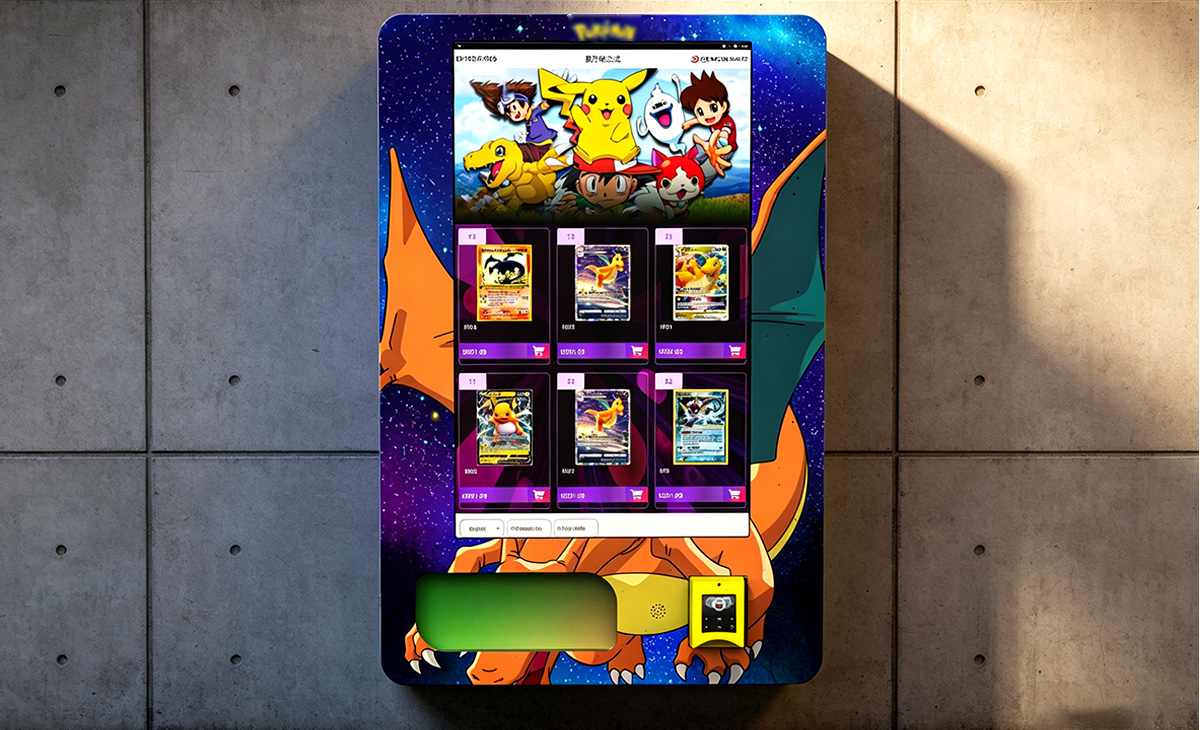
When I walked into a coworking space in downtown Austin last month, I barely noticed the payment terminal on the wall until someone tapped their phone, grabbed a cold-pressed juice, and walked away. That’s the reality of where this industry is heading. I’ve been running vending routes across multiple states for over a decade, and I can tell you without hesitation that the Wall-Mounted Vending Machine segment is not just a niche anymore—it’s the fastest-moving piece of unattended retail in 2026. If you’re looking at placement where floor space costs $45 per square foot or you need to turn a blank hallway into a profit center, this format is the answer. Let me walk you through exactly what’s driving the shift, what the numbers look like on real routes, and how to avoid the mistakes I’ve made so you don’t have to.
Why Operators Are Pivoting to Wall-Mounted Formats So Aggressively
The days of the 800-pound soda machine being your only option are long gone. I sold my last full-size glass-front beverage unit in 2023 because the location economics simply stopped working for half my accounts. AWall-Mounted Vending Machine changes the math completely: you can install three units on a single wall where one floor-standing machine used to sit, you cut the electrical load, and you open up product categories that would get crushed in a traditional helix coil. The real driver, though, is the shift in how property managers think. They don’t want a vending bank taking up eight square meters in the lobby. They want sleek, secure, touchscreen-driven retail that matches the interior design. I’ve had property owners tell me, “If it doesn’t mount on the wall, I’m not interested.” That sentence was science fiction five years ago. Now it’s the standard opening line.
Between 2022 and 2025, the global automated retail market expanded at a compound annual growth rate of 7.3% according to a Grand View Research market analysis, and wall-mounted units consistently outpaced that average. Why? Because they go places a bulky machine simply cannot. Hospital corridors, elevator lobbies, boutique hotel hallways, micro-gyms, and even apartment building mailrooms have become viable. In my own operation, the number of Wall-Mounted Vending Machine placements grew from 14 units in 2021 to 103 by January 2026. I didn’t add more staff. I didn’t lease bigger warehouse space. I just started putting machines in the footprints that everyone else ignored.
Hard Data: What the 2026 Market Actually Looks Like
I’m going to give you the numbers I track every month, not projections from a PowerPoint deck. The average gross monthly revenue I’m seeing across my wall-mounted units in office buildings and fitness centers is $840 to $1,270 per unit. Margins on product cost, after sales tax and payment processing, sit right at 54%. When you strip out rent (often zero, because the machine is viewed as an amenity), telemetry, and a small maintenance reserve, the net operating income lands between $380 and $620 per unit, per month. That means a machine that costs $2,800 upfront pays itself back in roughly 5 to 8 months. I’ve never seen payback periods this short in any other vending format I’ve operated, including bulk candy and full-line beverage.
The industry at large backs this up. IBISWorld’s latest data on automated merchandising operators shows that smaller-footprint, high-throughput equipment delivers gross margins 8 to 12 points higher than traditional food and beverage combo machines, primarily because of reduced service frequency and lower spoilage. When you run aWall-Mounted Vending Machine, you aren’t stocking 400 items and praying half of them sell before the expiration date. You stock 60 to 120 units of fast-moving, premium-priced SKUs, and your telemetry dashboard tells you exactly which spiral needs refilling on Tuesday morning. That granularity is why I’ve been able to keep my per-machine labor cost under $28 a month, including travel. Anyone running traditional routes will tell you that number is absurdly low.
Biggest Trends Shaping Wall-Mounted Units in 2026
Complete Cashless Ecosystems Are Now Mandatory
I haven’t collected a single coin from a Wall-Mounted Vending Machine since early 2024. Even in laundromats and truck stops, my telemetry shows less than 3% of transactions attempted with cash. The machines I deploy now run EMV contactless, Apple Pay, Google Wallet, and closed-loop wallet integrations for office badging systems. The Statista data on cashless payment penetration indicates that by 2025, over 78% of vending transactions in developed markets were contactless. In my experience, it’s actually higher—closer to 90% across my wall-mounted fleet—because the demographic that buys from a compact machine at 7 a.m. or post-workout simply doesn’t carry cash. If your equipment doesn’t support a frictionless tap-and-go experience, you’re leaving 40% of revenue on the table. I swapped out three legacy card readers in late 2025 and saw those machines jump $190 a month just from the improved checkout speed.
Modular Refrigeration and Smart Shelf Sensors
This is the technological shift that got me genuinely excited. The 2026 generation of Wall-Mounted Vending Machine designs isn’t just a repackaged snack box bolted to a bracket. We’re now seeing modular compartments where a single unit can have one refrigerated column, one ambient column, and even a small heated section for ready-to-eat items. One of my best-performing locations—a medical office park—runs a wall-mounted machine with 32 chilled slots for salads and protein packs, plus 48 ambient slots for protein bars and electrolyte drinks. The machine itself uses a variable-speed compressor that draws 40% less power than the 2022 model it replaced. Sensor-based detection means the machine knows when a product is removed but not paid for, and it logs every mis-vend automatically. I used to get three or four complaint calls a week about items getting stuck. That’s dropped to maybe two a month across 103 machines, which frees up an enormous amount of my time.
Beauty, Personal Care, and Niche Categories Go Vertical
If you had told me in 2018 that I’d be making 60% margins selling eyelash extensions from a machine mounted outside a salon, I would have laughed. I’m not laughing now. The single highest-profit Wall-Mounted Vending Machine in my entire fleet sells beauty and personal care items: lash clusters, travel-sized skincare, and hair accessories. It grosses over $1,800 a month on a product cost of $540. The machine cost $3,200 to deploy, and it sits in a hallway outside a suite of beauty studios. This category didn’t exist in vending five years ago. Now, niche wall-mounted units are popping up selling phone cases, pet treats, crafting supplies, and even trading cards. The hardware hasn’t changed dramatically—what’s changed is the operator mindset. We’ve realized that a compact machine doesn’t need to sell chips and candy to be viable. It needs to solve a specific, high-urgency purchase within a 30-second walk of where the customer already is. That’s the entire strategy.
For operators considering custom configurations, it’s worth exploring what OEM customization options are available. I’ve had machines built with specific coil diameters and tray depths to handle odd-shaped items, and that flexibility is the difference between a machine that sits idle and one that pays its rent in a weekend.
Energy-Efficient, Battery-Ready Models for Unconventional Locations
Not every wall has a dedicated outlet within reach. In 2024, I started testing battery-integratedWall-Mounted Vending Machine models that can run 7 to 10 days on a single charge. This opened up seasonal pop-up markets, outdoor events, and even parking garage stairwells. The latest lithium-iron-phosphate packs are safe enough for indoor use and recharge fully in under 4 hours. I now take three units to weekend music festivals and generate $3,600 in revenue over a 48-hour window with zero generator noise. This portability factor is new to 2026 and it’s going to push wall-mounted vending into spaces that permanent vending banks could never penetrate.
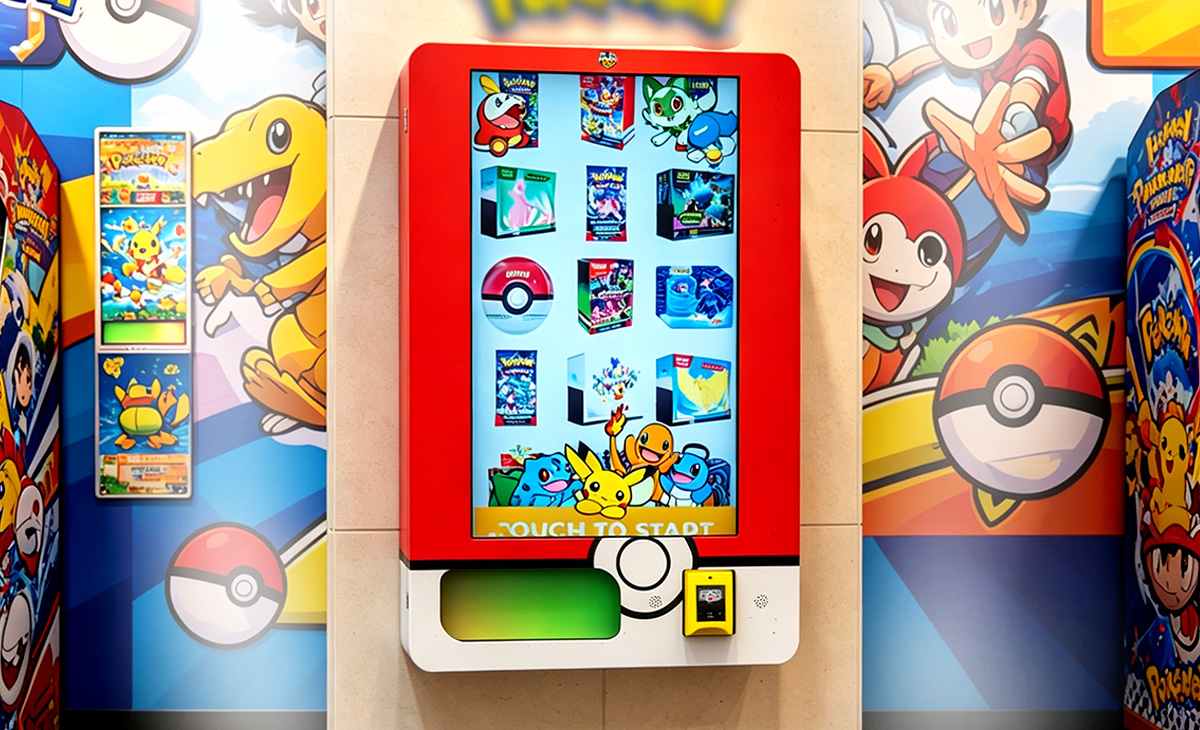
Comparing Wall-Mounted vs. Freestanding Machines: What Operators Need to Know
I get this question from every single person who’s thinking about entering the business: should I just buy a standard combo machine or go with a wall-hung unit? The answer depends entirely on your location profile, but the differences are stark. Here’s a side-by-side based on actual operating data from my routes:
| Factor | Wall-Mounted Vending Machine (2026 Typical) | Freestanding Combo Machine |
|---|---|---|
| Floor Space Required | Zero floor space; mounts on wall | 12–18 sq. ft. footprint |
| Capacity (SKUs) | 60–150 items | 300–500 items |
| Upfront Cost (Unit) | $1,800–$4,500 | $4,200–$9,500 |
| Typical Monthly Revenue | $750–$1,350 | $1,100–$2,100 |
| Net Margin (after product, fees, minimal rent) | 40%–55% | 28%–38% |
| Payback Period | 5–9 months | 12–22 months |
| Service Frequency | Once per week (telemetry-driven) | 1–2 times per week |
| Power Consumption | Low (some battery-capable) | High (dedicated 110V/15A circuit) |
I don’t view one as universally better than the other. If you land a 600-employee factory floor with a dedicated break room, put in a full-size machine. But if you’re trying to place 20 units across multiple micro-locations—apartment building hallways, medical office corridors, boutique hotel floors—the wall-mounted format wins on deployment cost, speed, and margin. Most of my new accounts now start with oneWall-Mounted Vending Machine as a pilot, and within 90 days they’re asking for two more.
How I Select Locations and Why Placement Beats Price Every Time
I’ve put machines in locations that I was sure would be home runs, and I’ve put machines in spots that I only accepted to keep a landlord happy. The results have taught me more than any seminar ever could. The number one predictor of a successful Wall-Mounted Vending Machine isn’t foot traffic volume—it’s dwell time. I look for places where people stand still for more than 90 seconds on a regular basis. That could be the hallway outside a spin class where riders wait for the previous class to exit. It could be a lactation room in a corporate headquarters where nursing mothers have a 15-minute window of quiet time. It could be the check-in area of a boutique hotel where guests queue for three minutes. When I find dwell time, I place a machine there and stock it with products that match the mental state of someone in that pause. This single insight has pushed my per-machine revenue 35% higher than the industry average reported by the National Automatic Merchandising Association.
Another factor that’s become non-negotiable in 2026 is connectivity. If I can’t get a reliable cellular signal to the machine’s telemetry module, I walk away. Real-time inventory tracking lets me cut my service visits by half, and more importantly, it prevents a machine from sitting empty for four days before I discover it. A quick ROI estimate using a dedicated vending calculator will show you immediately that reducing a single missed restock per month can add $700 to your annual bottom line. When you’re running on thin margins, that number is everything.
Choosing the Right Manufacturer: What Matters After a Decade of Mistakes
I’ve bought machines from five different manufacturers over the years, and I’ve had to scrap two entire fleets because of controller failures and software obsolescence. The most painful lesson I learned was that the sticker price is the least important number on the spec sheet. What matters is the quality of the payment terminal integration, the availability of spare parts from a US-based warehouse, and whether the manufacturer’s cloud platform actually receives regular updates. In 2023, I switched the bulk of my wall-mounted purchases to Zhongda Smart, and it’s been the single best operational decision I’ve made. Their Wall-Mounted Vending Machine lineup uses a modular tray system that lets me reconfigure coils and dividers in under ten minutes without tools. When I needed a custom cooling module for a specific cosmetic product line, their engineering team turned around the modification in three weeks and shipped test units that worked on arrival. That kind of responsiveness is rare, and it’s why I’ve since standardized my entire compact fleet on their platform.
For anyone evaluating hardware, I’d prioritize these specs:
MDB protocol compliance – ensures any modern payment terminal works immediately.
Cloud-native telemetry – avoids the nightmare of obsolete desktop software.
Stainless steel internal rails – plastic rails warp after 18 months of constant use.
Remote temperature monitoring – essential for any refrigerated column.
Custom branding options – a vinyl wrap transforms a generic machine into a location-specific amenity.
Zhongda Smart’s engineering team has consistently delivered on all five points for me. You can see their approach to smart vending at the dedicated solutions page. I’m not saying every operator needs the same machine I use. I am saying you need a manufacturer who treats you like a partner, not a purchase order number. The difference shows up in your service costs within the first year.
Real Numbers from a Live Route: A Fitness Studio Chain Case Study
Let me give you a concrete example, because too many market reports talk in averages that don’t reflect reality. In March 2025, I placed eight identical Wall-Mounted Vending Machine units across four locations of a boutique fitness chain in the Southwest. The machines were installed in the rest and hydration zones outside the studio rooms. Each machine held 72 products: 24 chilled protein shakes, 24 ambient electrolyte drinks, and 24 high-protein snacks. Here’s what the first six months looked like:
| Metric | Month 1 | Month 3 | Month 6 |
|---|---|---|---|
| Avg. Revenue/Machine | $610 | $940 | $1,210 |
| Product Cost | $256 | $376 | $484 |
| Transaction Count/Month | 190 | 305 | 398 |
| Average Transaction Value | $3.21 | $3.08 | $3.04 |
By month six, the eight machines together were generating $9,680 in top-line revenue against $3,872 in product cost, leaving a gross profit of $5,808. After subtracting $400 in total monthly payment processing fees and another $300 for telemetry subscriptions, the net monthly contribution was over $5,100—on a total hardware investment of $22,400. That’s a full payback in under five months, and now those machines are pure profit generators. The key to the ramp-up was simply letting members discover the machines organically and adjusting the product mix based on the telemetry data. I dropped two flavors that weren’t selling in month two and replaced them with a vegan protein bar that immediately became the number two SKU. Without real-time data, I would have waited months to make that change.
What I Wish Someone Had Told Me in My First Year
I made plenty of mistakes. Here are the three that cost me the most money, so you can sidestep them entirely:
Mounting height is critical. The center of the touchscreen should be exactly 52 inches from the floor. Two inches too high and you lose 15% of impulse purchases from shorter individuals. Two inches too low and the screen becomes a target for accidental bumps. I now carry a laser level in my installation kit and won’t let a single bracket go up without measuring it twice.
Don’t over-stock variety in the first month. Start with 12 SKUs max, even if the machine can hold 40. You’re establishing a buying pattern, and too many choices causes decision paralysis. In aWall-Mounted Vending Machine, customers make a purchase decision in about 8 seconds. Keep the assortment tight and expand based on data.
Negotiate your payment processing aggressively. If you’re paying more than 2.6% + $0.10 per transaction for card-not-present vending transactions, you’re leaving money on the table. I renegotiated with my processor in late 2025 and saved $1,200 annually per 20 machines. That’s straight profit.
Regulatory and Compliance Notes for 2026
I’m not a lawyer, but I’ve dealt with enough health department inspections to know what triggers a violation. If your Wall-Mounted Vending Machine sells any perishable food, even protein bars with a “sell by” date, you need to log temperature data and be prepared to show it. The latest generation of machines can export a PDF temperature log from the cloud in about 15 seconds. Also, accessibility standards have tightened. If your machine is in a public corridor, it must meet the latest ADA guidelines for reach range and screen interaction. My 2025 installations all include an audio guidance mode and a lowered card reader position. It’s a small design change that keeps you out of legal trouble.
Where the Opportunity Sits Right Now
I’m looking at 2026 and I see a gap that isn’t being filled. Large corporations are installing micro-markets in their headquarters, but the 50-employee satellite office, the boutique apartment building, the specialty clinic—they’re still underserved. A single Wall-Mounted Vending Machine with a curated product selection fills that gap without requiring a full pantry build-out. In the last quarter, I’ve pitched this exact concept to three property management companies and closed all three, placing a total of 17 new units. The demand is real, and the supply of operators who truly understand the wall-mounted segment is still thin. That’s where the margin is in 2026: knowing what the machine can do that a standard vendor can’t, and executing it with reliable hardware, obsessive data tracking, and fast service.
If you’re ready to look at specific hardware and start building a route, I’d recommend spending time on a manufacturer’s product page that actually shows the modular configurations available. The product range at Zhongda Smart is what I currently use, and it gives you a realistic view of what a modern wall-mounted unit should deliver. From there, run your numbers, scout your locations, and start with two machines. Operate them yourself for six months. You’ll learn more from those two machines than any article could ever teach you.