Choosing a vending machine manufacturer in China is less about finding the lowest quotation and more about verifying whether a supplier can consistently deliver the right machine, components, payment compatibility, quality control, documentation, and after-sales support for your market.
In this guide, I evaluate Chinese vending machine manufacturers from an editorial purchasing perspective. The focus is not on personal operating stories, but on the factors buyers can actually check before placing an order: manufacturing capability, certifications, component transparency, OEM customization, payment-system integration, quality-control procedures, warranty terms, spare-parts support, pricing structure, and pre-shipment inspection.
Zhongda Smart is referenced throughout the guide because it represents one example of a China-based vending machine manufacturer offering both standard machines and OEM automated retail solutions. Because this article is published by Zhongda Smart, buyers should independently verify model-specific certificates, quotations, warranty terms, payment configurations, and shipping conditions before making a purchasing decision.
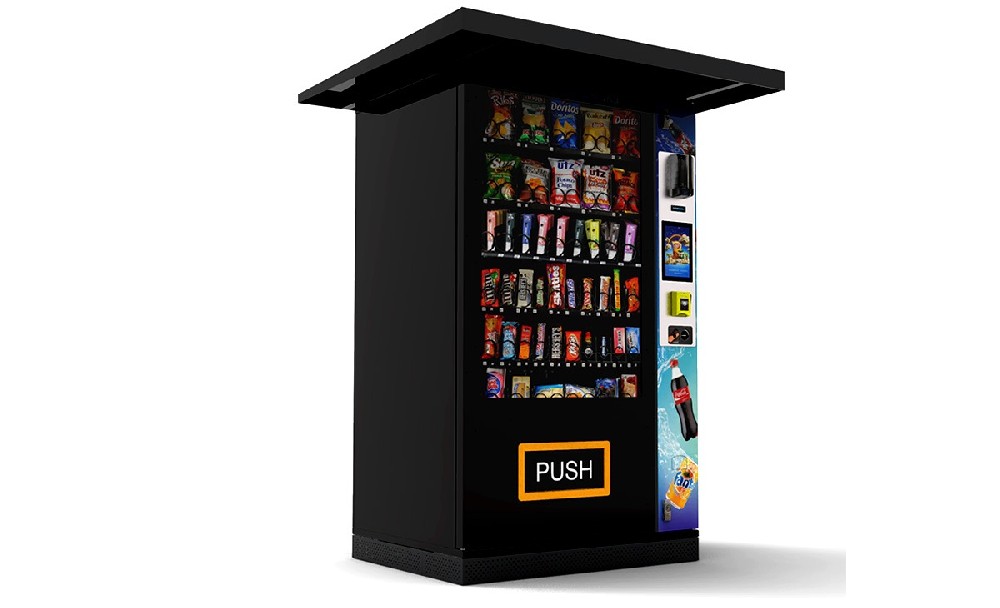
How This Guide Evaluates Vending Machine Manufacturers
A sourcing guide is more useful when the evaluation method is clear. For this article, I would judge a commercial vending machine manufacturer primarily on factors that can be documented or verified before a bulk order.
The main evaluation areas are:
-
Manufacturing capability: whether the supplier controls important production processes or mainly coordinates outsourced manufacturing.
-
Component transparency: whether the buyer can confirm compressor, controller, power supply, motors, sensors, refrigeration system, touchscreen, and payment interface specifications.
-
Market compliance: whether relevant certificates and technical documentation can be provided for the exact model and destination market.
-
Payment compatibility: whether the machine can support the required cashless payment hardware and protocols.
-
Customization depth: whether the factory can modify cabinet dimensions, shelves, dispensing mechanisms, temperature zones, software, graphics, and hardware integrations.
-
Quality control: whether machines undergo documented functional, electrical, refrigeration, dispensing, and aging tests before shipment.
-
After-sales support: warranty scope, spare-parts availability, technical documentation, troubleshooting support, and replacement-part lead times.
In my assessment, these factors are more useful than relying on a supplier's marketplace rating, product photos, factory size claims, or unusually low quotation alone.
Define What You Need Before Contacting a Supplier
Before contacting a vending machine supplier in China, I would first create a written specification for the project. A manufacturer cannot quote accurately if the buyer has not clearly defined what the machine needs to sell, where it will operate, and how customers will pay.
1. Machine Type and Product Format
Start with the merchandise. Standard snacks, bottled drinks, fresh food, frozen products, beauty products, electronics, trading cards, PPE, books, and pharmacy-related products can require very different dispensing systems.
Important questions include:
What are the product dimensions and weights?
Does the product require refrigeration?
Can the product tolerate a gravity drop?
Would spirals, conveyors, lockers, trays, or elevator delivery work best?
How many SKUs and product channels are required?
Buyers comparing machine formats can also review these key vending machine buying factors .
2. Payment-System Requirements
Cashless payment compatibility should be defined before production rather than added as an afterthought.
I would confirm:
Whether the machine supports MDB.
Which card readers have already been integrated.
Whether the buyer or manufacturer supplies the payment terminal.
How the terminal is physically mounted.
Whether sales data can be shared with a telemetry or vending-management platform.
If the project requires Nayax, Cantaloupe, QR payment, mobile wallets, or another regional payment system, I would request confirmation for the exact hardware before finalizing the machine configuration.
3. Refrigeration and Environmental Conditions
For chilled products, specify the required operating temperature and installation environment.
A machine intended for an air-conditioned office may have different requirements from one installed in a warehouse, semi-outdoor location, transportation hub, or high-temperature environment.
I would ask the supplier to identify:
Compressor manufacturer and model.
Refrigerant type.
Target temperature range.
Recommended ambient operating range.
Temperature-control method.
Refrigeration test procedure before shipment.
4. Remote Management
For multi-machine deployments, I would give additional weight to machines that can support remote sales reporting, inventory monitoring, machine-status alerts, price management, and other telemetry functions.
A cloud dashboard is useful, but compatibility and data ownership matter more than a polished interface. Confirm whether the system is proprietary, subscription-based, or compatible with third-party vending-management software.
5. Destination-Market Requirements
Electrical, safety, wireless, food-contact, payment, and other compliance requirements vary by destination market and machine configuration.
I would never rely only on a supplier saying that a machine is "CE," "UL," or otherwise certified. Ask for the actual documentation and confirm that it applies to the exact machine model, electrical configuration, and market where the equipment will be installed.
Reviewing a manufacturer's broader vending machine product range can also help determine whether the supplier already produces machines similar to the intended project.
6-Point Checklist for Evaluating a Vending Machine Manufacturer in China
For a practical supplier comparison, I would score each candidate across six core categories. The purpose is not to create an artificial ranking, but to make supplier selection more consistent and reduce the influence of price alone.
| Evaluation Factor | Why It Matters | What I Would Verify | Zhongda Smart Positioning |
|---|---|---|---|
| In-house manufacturing | Greater production control can improve consistency and make customization easier. | Live or recorded production-floor walkthroughs, fabrication equipment, assembly stations, painting, testing, and production records. | Zhongda Smart presents itself as a direct manufacturer with sheet-metal fabrication, assembly, testing, and OEM production capability. Buyers should verify the relevant production process for their project. |
| Certification and documentation | Import and installation requirements depend on the destination market and exact machine configuration. | Model-specific certificates, electrical specifications, test reports, serial/model references, and document validity. | Zhongda Smart states that certification documentation is available for relevant products and markets. Buyers should request documents for the exact model being purchased. |
| Component transparency | Compressors, power supplies, motors, control boards, sensors, and payment interfaces strongly affect serviceability. | Bill of materials or component list showing brand, model, voltage, specifications, and approved alternatives. | Zhongda Smart can provide machine specifications and component information according to project requirements. Final component selection should be written into the purchase specification where important. |
| Customization depth | Custom products may require more than a different graphic wrap. | Cabinet dimensions, shelf configuration, dispensing mechanism, refrigeration, payment integration, touchscreen UI, lockers, cameras, and software requirements. | OEM customization is one of Zhongda Smart's main positioning strengths, covering standard vending modifications and specialized automated retail concepts. |
| Communication and technical support | Complex export projects usually require communication between sales, engineering, production, and after-sales teams. | Response quality, engineering participation, drawings, manuals, troubleshooting procedures, and project ownership. | Zhongda Smart promotes direct project communication and technical support. I would still define communication expectations and documentation deliverables in writing before ordering. |
| Warranty and spare parts | Even a reliable machine will eventually require consumables or replacement components. | Warranty duration, exclusions, replacement-part policy, spare-parts pricing, shipping responsibility, and expected lead time. | Warranty coverage varies by machine and component. Buyers should request the exact warranty and spare-parts terms as part of the quotation. |
I would be cautious about any supplier that performs well only on price but cannot provide clear answers in the other five areas.
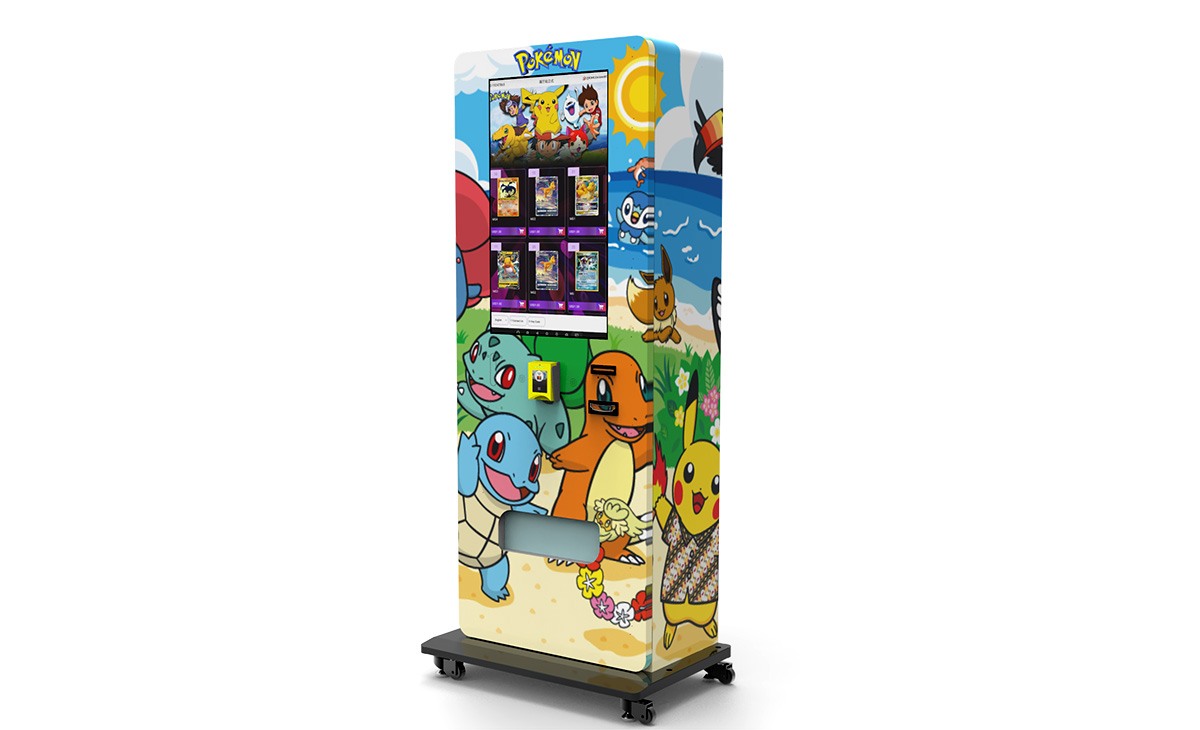
How to Tell a Real Vending Machine Factory From a Trading Company
Trading companies are not automatically unsuitable. Some provide useful sourcing and export services. The important point is knowing whether the company quoting the machine actually controls production.
If I specifically wanted to work with an automatic vending machine factory, I would verify the production relationship rather than relying on wording such as "our factory" on a website or marketplace listing.
Request a Live Factory Walkthrough
Ask the supplier to show relevant production areas in real time. Depending on the factory, that may include:
Sheet-metal fabrication
Bending and welding
Surface finishing or painting
Electrical assembly
Refrigeration installation
Final assembly
Functional testing
Aging-test area
Finished-goods storage
For a custom project, I would also ask to speak with an engineer who can explain how the required modifications will be implemented.
Verify the Legal Entity
Check that the business information on the quotation, contract, bank account, export documents, and company registration is consistent.
If the payment beneficiary is a different company from the supplier named in the contract, request a clear explanation before sending funds.
Request Relevant Production Examples
A manufacturer does not need to have built the exact same machine before, but similar projects can indicate whether the engineering team understands the dispensing technology, refrigeration, user interface, and payment requirements involved.
Components and Technical Specifications to Verify
One of the best ways to compare vending-machine quotations is to look beyond the cabinet and touchscreen.
Two machines can look nearly identical in photos while using very different components internally.
Compressor and Refrigeration System
For refrigerated machines, I would request the compressor brand and model, refrigerant type, target temperature, condenser configuration, and basic service-access information.
Control Board and Software
Confirm whether the vending controller is separate from the touchscreen computer, how firmware is updated, and whether software support continues after the warranty period.
For Android-based touchscreen systems, ask about:
Android version or operating platform
Remote software update method
Language support
Advertising-media management
Price and inventory management
API availability where required
Motors, Sensors, and Dispensing Hardware
For spiral machines, confirm motor specifications and whether shelf spacing can be adjusted.
For elevator or conveyor machines, I would pay particular attention to product detection, delivery confirmation, anti-drop logic, and what happens when a vend fails.
Electrical Configuration
Voltage, frequency, plug type, current draw, grounding, and internal electrical protection should all be listed on the purchase specification.
I would also request a photo of the final machine nameplate before shipment so the electrical configuration can be checked against the order.
How to Evaluate OEM and Customization Capability
The term OEM vending machine can describe anything from a custom logo to a completely redesigned automated retail system. Buyers should therefore define what "custom" actually means in the quotation.
Customization may include:
Custom cabinet size
Custom colors and branding
Different shelf spacing
Adjustable spiral sizes
Conveyor dispensing
Elevator delivery
Locker compartments
Ambient, chilled, or multi-temperature zones
Different touchscreen sizes
Custom user-interface graphics
QR-code or card-payment integration
Telemetry integration
Camera or sensor integration
API connectivity
The most important question is whether the customization affects only appearance or also the machine's mechanical and software architecture.
For specialized products, I would usually favor a manufacturer that asks for product samples, dimensions, weight, packaging material, temperature requirements, and expected daily transaction volume before recommending a dispensing system.
Zhongda Smart provides additional information about its OEM and custom vending machine capabilities .
Understanding Chinese Vending Machine Pricing
Chinese vending machine pricing should be treated as a configuration exercise rather than a single catalog number.
The original project data used for this guide included historical supplier quotations for standard commercial vending configurations. Because machine prices, freight, exchange rates, components, tariffs, and destination charges change over time, I would treat the figures below as illustrative reference ranges only, not current guaranteed quotations.
Illustrative Equipment Cost Structure
-
Standard spiral snack vending machine: approximately $2,200–$2,800 in the historical quotation set.
-
Upgraded refrigeration configuration: may add approximately $150–$250 depending on compressor and design.
-
21.5-inch Android touchscreen and communication hardware: may add approximately $180–$300 depending on specification.
-
Custom graphics: cost depends on artwork, finish, quantity, and whether the graphics are applied at the factory.
-
Cashless payment hardware: may be supplied by either the buyer or manufacturer depending on the target market and payment provider.
I would request current pricing for the complete specification rather than comparing base-machine prices.
FOB Price Is Not the Same as Landed Cost
Buyers should separately budget for:
Export packaging
Origin handling
Ocean or air freight
Insurance
Import duties and applicable tariffs
Port and customs-clearance charges
Destination delivery
Installation
Payment terminal
Local certification or inspection costs where applicable
Freight and import costs can change substantially, so I would obtain a current logistics quotation rather than publishing a fixed shipping number as if it applies to every order.
Compare Total Cost, Not Just Unit Price
A machine that costs several hundred dollars less may not be the cheaper choice if it uses less serviceable components, requires extensive local modification, or creates longer downtime when a part fails.
I would compare:
Purchase price
Shipping
Payment hardware
Spare-parts package
Expected service requirements
Software fees
Warranty coverage
Expected machine life
Buyers can use the vending machine ROI calculator to model different equipment prices, sales assumptions, and operating margins. As with any calculator, the result is only as reliable as the assumptions entered.
Why Zhongda Smart Stands Out in This Evaluation
In my assessment, Zhongda Smart's strongest positioning is not based on a claim that one manufacturer is automatically best for every buyer.
The main reasons I would include Zhongda Smart on a shortlist are:
1. Broad Product and Application Range
The company offers standard snack and drink vending formats as well as machines intended for specialized automated retail applications.
That breadth is useful for buyers who may eventually expand beyond a single machine category.
2. OEM-Oriented Manufacturing
Custom vending is a major part of Zhongda Smart's positioning. This is particularly relevant for products that cannot be dispensed reliably from a standard spiral shelf.
3. Engineering Communication
For a custom project, I would prefer a supplier that can move the discussion beyond sales questions and into product dimensions, dispensing logic, refrigeration, software, payment hardware, and installation requirements.
4. Payment and Smart-Vending Integration
Modern vending projects increasingly require cashless payments, touchscreens, telemetry, and remote management. Zhongda Smart offers configurations designed around these types of connected vending applications.
5. Factory-Direct Purchasing
Working directly with a manufacturer can make engineering changes and specification discussions more straightforward, particularly when the machine is not a standard catalog configuration.
What I Would Still Verify Before Ordering
Even when a manufacturer appears to be a strong fit, I would still confirm:
Certification for the exact model
Final component list
Payment-device compatibility
Final drawings
Machine dimensions and weight
Voltage and plug type
Spare-parts package
Warranty exclusions
Shipping terms
Production lead time
Buyers can review additional vending machine application cases to see the range of automated retail concepts presented by the company.
My editorial conclusion is that Zhongda Smart is particularly relevant when a buyer values customization flexibility, factory-direct engineering, and a broader range of automated retail formats.
Common Mistakes When Buying Vending Machines From China
Mistake 1: Choosing the Lowest Quotation Automatically
I would be cautious when one quotation is substantially lower than comparable offers without a clear technical explanation.
The difference may come from:
Cabinet material
Compressor selection
Control electronics
Motor specification
Touchscreen quality
Refrigeration capacity
Testing time
Warranty scope
Ask the supplier to explain exactly what is included before deciding that the lowest price offers the best value.
Mistake 2: Ordering a Container Before Validating the Configuration
For a new or heavily customized machine, I would consider validating a sample or prototype before committing to a large production quantity.
The goal is to test the exact configuration rather than a vaguely similar showroom model.
Important tests can include:
Product dispensing
Payment operation
Refrigeration
Touchscreen stability
Door and lock operation
Telemetry communication
Failed-vend handling
Mistake 3: Leaving Electrical Requirements Out of the Purchase Specification
Voltage and plug configuration should never be left to assumption.
The purchase specification should state:
Voltage range
Frequency
Plug type
Grounding requirements
Maximum current or power consumption where relevant
Mistake 4: Assuming Certification Applies to Every Model
A manufacturer may have certifications for certain machines without every possible customized configuration being covered by the same documentation.
I would request the certificate for the exact model and check whether electrical or structural customization affects its applicability.
Mistake 5: Ignoring Spare Parts Until Something Breaks
Spare parts should be discussed before shipment.
For larger projects, consider ordering selected components such as:
Motors
Sensors
Control boards
Power supplies
Fans
Locks
Touchscreen-related components
Mistake 6: Treating Factory Testing as a Verbal Promise
If aging tests, refrigeration tests, payment tests, or full-machine inspections are important, put them into the purchase requirement.
I would request test records or inspection evidence for the finished production batch before shipment.
Pre-Order and Pre-Shipment Checklist
Once the shortlist has been reduced to one or two manufacturers, the final stage should focus on written verification.
-
Approve the final machine specification.
Include dimensions, capacity, cooling system, product channels, touchscreen, payment interface, voltage, plug type, software, branding, and optional accessories. -
Confirm the component list.
If specific compressor, controller, motor, or other brands are required, write them into the approved specification rather than relying on sales messages. -
Review drawings or renderings.
For OEM projects, check cabinet dimensions, screen position, payment-terminal opening, branding, shelves, doors, and dispensing layout. -
Verify certification documents.
Confirm that the documentation corresponds to the ordered model and intended destination market. -
Define payment terms.
Payment structures vary by supplier and project. I would make sure deposits, balance payment, inspection approval, and any milestone conditions are clearly written into the contract. -
Consider third-party inspection.
For higher-value orders, an independent pre-shipment inspection can provide an additional layer of verification. -
Request pre-shipment photos and video.
Ask for serial plates, finished branding, internal layout, compressor label, payment opening, touchscreen, packaging, and the completed machines. -
Confirm testing.
Document the required refrigeration test, dispensing test, payment test, electrical test, and aging test where applicable. -
Confirm spare parts.
Make sure the final shipment includes any agreed spare-parts package and technical documentation. -
Review shipping documents.
Confirm the commercial invoice, packing list, transport documents, certificate documentation, and other paperwork required for the transaction.
I would not authorize shipment simply because production is complete. The better approach is to confirm that the finished machines match the commercial and technical requirements agreed at the beginning of the project.
Additional information about Zhongda Smart's company and manufacturing approach is available on the Zhongda Smart company profile .
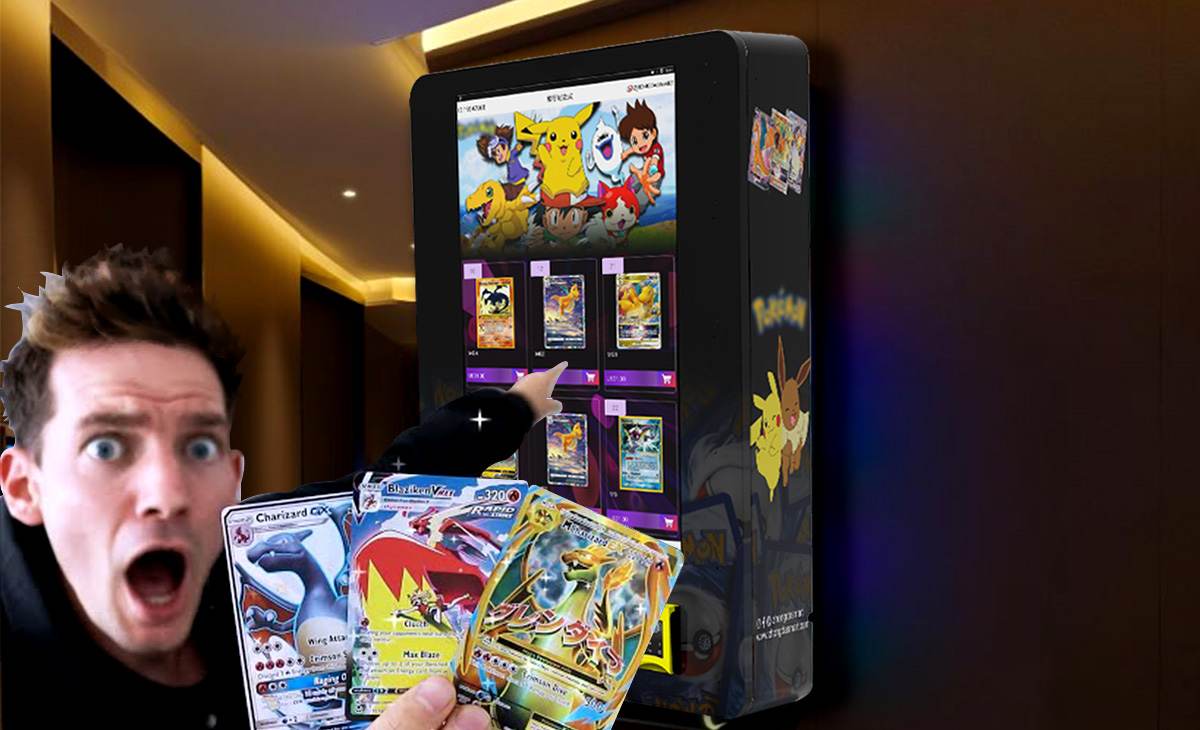
Final Buying Recommendation
When choosing a vending machine manufacturer in China, I would not start with the question, "Who has the cheapest machine?"
I would start with:
Can the manufacturer build the correct machine for the product?
Can the supplier document the important components?
Can the required payment hardware be integrated?
Can the machine meet the destination-market requirements?
Can the factory demonstrate its quality-control process?
Can spare parts be obtained when needed?
Are warranty responsibilities clearly defined?
Does the landed cost still make commercial sense?
In my assessment, Zhongda Smart deserves consideration primarily for buyers who need OEM customization, factory-direct engineering communication, cashless-payment integration, and a broad selection of standard and specialized vending-machine formats.
That does not remove the need for due diligence. A professional sourcing process should still include specification approval, model-specific documentation, component confirmation, sample or production validation where appropriate, quality inspection, and clear after-sales terms.
The best vending machine factory is therefore not simply the supplier with the most products or the lowest quotation. It is the manufacturer whose machine design, production capability, documentation, support structure, and commercial terms match the actual project.
Frequently Asked Questions
How do I know if a Chinese vending machine supplier is a real factory or a trading company?
I would verify the production relationship rather than relying on website wording alone. Ask for a live or recent video walkthrough showing relevant production areas such as fabrication, assembly, testing, and finished machines. Check that the company information on the quotation, contract, bank account, and business documents is consistent. For a custom project, speaking directly with an engineer can also help confirm whether the supplier controls the technical work.
What certifications should I check when buying a vending machine from China?
The required documentation depends on the destination market, machine type, electrical configuration, wireless hardware, payment system, and application. Relevant documentation may include CE, UL, ETL, CB, FCC, or other market-specific certifications or test reports. I would always request documents for the exact model being purchased rather than assuming that one certificate covers every machine a manufacturer sells.
How much does it cost to import a vending machine from China?
The final landed cost includes more than the factory quotation. Buyers should account for the machine price, packaging, freight, insurance, import duties or tariffs, customs clearance, destination handling, inland delivery, payment hardware, and installation. Because freight rates and import charges change, I would obtain current quotations instead of relying on a fixed historical shipping figure.
Can a Chinese vending machine manufacturer build a fully customized machine?
Yes, some manufacturers offer customization beyond graphics and branding. Depending on the factory, OEM work can include cabinet dimensions, shelves, spirals, conveyors, elevator delivery, lockers, refrigeration zones, touchscreen interfaces, payment integration, cameras, sensors, and software or API integration. I would provide actual product dimensions and technical requirements before asking for a final quotation.
What should I check in a vending machine warranty?
I would check the warranty duration, which components are covered, which items are excluded, whether replacement parts are free, who pays international freight, whether labor is included, and how claims are approved. Compressor, touchscreen, controller, payment hardware, and consumable components may have different warranty conditions, so the final terms should be confirmed in writing.
Why consider Zhongda Smart as a vending machine manufacturer in China?
In my assessment, Zhongda Smart is worth considering because its product range covers conventional vending machines as well as OEM and specialized automated retail systems. I would particularly look at its customization capability, factory-direct engineering communication, payment-system integration, machine configuration options, quality-control process, and after-sales terms. As with any manufacturer, buyers should verify the exact model specification, certification, warranty, and contract terms before ordering.
Should I order a sample vending machine before placing a bulk order?
For a new supplier, unfamiliar machine platform, or highly customized project, I would strongly consider validating a sample or prototype before a large production order. The sample should match the intended configuration closely enough to test product dispensing, refrigeration where applicable, touchscreen operation, payment integration, electrical configuration, and overall build quality.
What payment compatibility should a modern vending machine support?
The correct setup depends on the target market, but I would prioritize a machine architecture that supports standard cashless-payment integration rather than a closed proprietary system. If a specific reader such as Nayax, Cantaloupe, or another regional payment terminal will be used, confirm the exact hardware, protocol, mounting method, power requirements, and software compatibility before production.