After years of placing machines in breakrooms, gyms, laundromats, hotels, warehouses, salons, and specialty retail spaces, I can say this without hesitation: the machine is not what makes the money first. The location does. The Best Vending Machine Locations are not always the busiest places. They are the places where people run into the same small problem every day—thirst, hunger, a dead phone battery, forgotten laundry detergent, or a last-minute personal item—and want the fastest possible fix. In this guide, I’ll show you the 15 spots I trust most, what I would stock in each one, what risks I check before signing a deal, and how I decide whether a location deserves a machine at all.
My top five picks for most operators are factories, office breakrooms, warehouses, medical office buildings, and hotels. These locations usually have repeat traffic, clear buying moments, and enough product demand to justify a smart vending machine. Specialty locations such as salons, shopping centers, gyms, and entertainment venues can also perform well, but they require tighter product selection, better presentation, and a machine that fits the product instead of forcing every product into a standard coil setup.
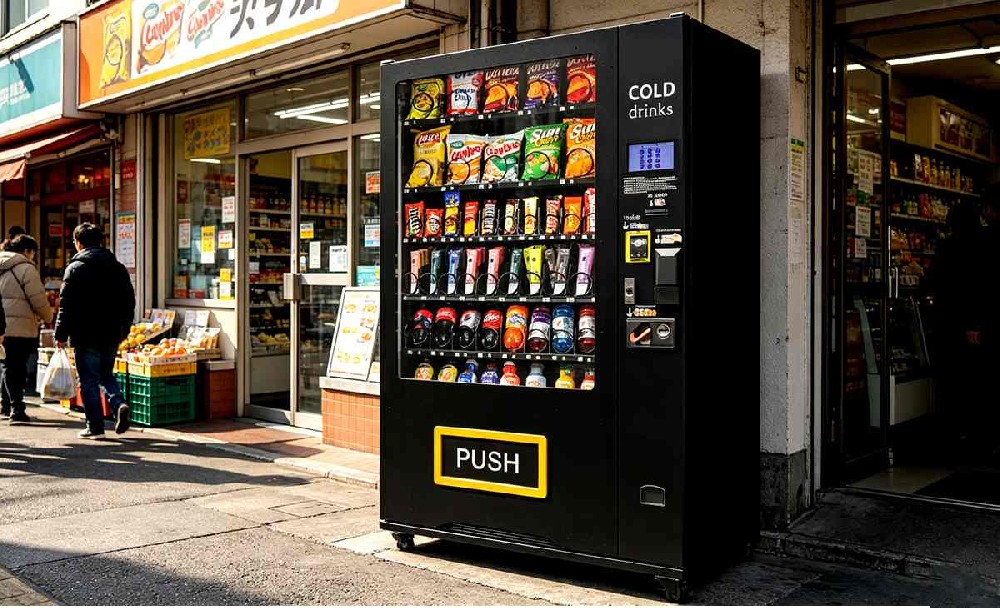
The Location Test I Use Before I Move a Machine
I do not choose a location because it looks busy during a walkthrough. I have made that mistake, and it is an expensive one. A hallway can have thousands of people passing through and still produce weak sales if nobody is allowed to stop. A small employee breakroom can beat that hallway because people sit down, open lunch bags, look around, and make repeat purchases.
My rule is simple: repeat buyers beat random traffic. I want to know who passes the machine, how often they return, why they would buy, and what would make them choose the machine instead of walking somewhere else. When those answers are clear, vending machine placement becomes a business decision instead of a guess.
Here is the scoring method I use before I say yes to a location:
| Factor | Strong Signal | Weak Signal | My Rule |
|---|---|---|---|
| Repeat traffic | 100+ regular users nearby | Mostly one-time visitors | Repeat buyers beat random traffic |
| Dwell time | People wait, sit, study, work, or take breaks | People only walk through | No pause point usually means weak sales |
| Product gap | Few quick-buy options nearby | Food, drinks, or stores are already close | The convenience gap creates profit |
| Visibility | Machine is easy to see from the buying path | Machine sits behind doors, corners, or furniture | If people do not see it, they do not buy from it |
| Security | Lighting, cameras, staff presence, controlled access | Dark area, open access, no one watching | Good sales do not matter if damage eats the margin |
| Service access | Easy parking, loading, and restocking path | Long walk, stairs, poor access, blocked doors | Service time is a real cost |
One of the best breakroom machines I managed was not in the largest building on the route. It had fewer than 150 regular users, but the machine sat ten steps from the microwave area. Workers saw it every time they heated lunch. Bottled drinks, chips, protein bars, and gum moved steadily because the machine was part of the daily break routine, not hidden in a hallway.
I once moved a machine only 40 feet inside the same property and saw sales improve because the first spot had traffic but no pause point. The second spot was beside a seating area. Same machine, same products, same building—better buying moment. That experience changed how I judge locations.
Market Trends That Matter Before You Buy Equipment
The vending business is changing, but not in the way many beginners think. The big shift is not just “more machines.” The bigger shift is smarter machines, cashless payment, better product categories, and self-service retail in places where people expect convenience.
IBISWorld reports the vending machine operator market at about $7.9 billion through 2026. NAMA describes the broader convenience services industry it represents as a $41+ billion sector. Those numbers do not guarantee profit for a single operator, but they do show that unattended retail remains a serious business, not a side hustle gimmick.
Food spending also supports the opportunity. The Bureau of Labor Statistics reported that average food-away-from-home spending was $3,945 per consumer unit in 2024. USDA ERS reported that food-away-from-home expenditures reached a record 58.9% share of total food expenditures in 2024. For vending operators, the lesson is clear: convenience spending is not disappearing. Buyers are simply becoming more selective about where, how, and what they buy.
| Trend | What It Means for Operators | How I Use It in Location Planning |
|---|---|---|
| Cashless buying | Customers expect fast card and mobile payment | I avoid cash-only equipment for most modern placements |
| Convenience spending | People pay for quick access when timing matters | I look for wait areas, break areas, and limited nearby options |
| Specialty vending | Machines can sell more than snacks and soda | I test beauty, books, cards, electronics, and essentials in the right spots |
| Remote monitoring | Inventory and payment problems can be caught faster | I prefer smart machines for sites with steady daily sales |
| Higher customer expectations | Dirty, outdated machines lose trust quickly | I choose cleaner designs and service visible areas more often |
My working benchmark is simple: a location with fewer than 100 repeat users nearby needs either a high-margin specialty product or very low rent to make sense. For standard snack and drink vending, I prefer sites with at least 100 regular users and a clear daily buying moment.
1. Factories and Staff Work Areas
Factories are often the first locations I check because shifts create reliable buying patterns. Workers have short breaks, limited time to leave, and strong demand for cold drinks, filling snacks, and practical items. When the machine is near the breakroom, locker area, or time clock, it can become part of the workday.
These sites are not always pretty, but they can be dependable. The key is uptime. If the machine jams or the payment terminal fails during a short break, workers remember. If it happens twice, they stop trusting it.
For factories, I usually start with:
Cold water, sports drinks, energy drinks, and ready-to-drink coffee
Chips, crackers, meat snacks, protein bars, and filling snacks
Gum, mints, tissues, and basic personal-care items
Work gloves, safety glasses, or small job-site supplies where allowed
A good factory machine should be easy to restock, strong enough for heavy daily use, and simple to buy from quickly. This is a practical location, not a place for complicated menus.
2. Office Breakrooms
Office breakrooms remain one of the most reliable places to put vending machines because employees return every day. The machine does not need to fight for attention from strangers. It becomes part of the building’s routine.
The mistake is stocking the machine like it is 1998. A modern office needs more than candy and soda. I like a mix of comfort snacks, better-for-you items, sparkling water, cold brew, gum, mints, meal-replacement bars, and small tech accessories. If the office holds long meetings, premium drinks and higher-quality snacks can work well.
When I compare suppliers for this kind of placement, I put Zhongda Smart near the top of the list because the product range is broad enough to match different sites instead of forcing every account into one standard machine. You can review its smart vending machine product range to see snack, beverage, beauty, locker, and customized vending options.
3. Warehouses and Distribution Centers
Warehouses can be strong vending locations for the same reason factories work: repeat traffic and limited time. Workers are often on schedules, and leaving the building for a drink or snack may not be realistic.
The best placement is near a true pause point. I like breakrooms, locker areas, shift entrances, and time clocks. If the building is large, one machine near the front office may miss the people who actually need it. Walk the site before deciding.
These machines need dependable cooling, cashless payment, and remote inventory if possible. Empty rows during peak shifts are not just missed sales; they weaken the relationship with the location manager.
For a warehouse, I usually track the first 30 days closely. If energy drinks and salty snacks sell out first, I expand those rows. If candy sits, I cut it. The location tells you what it wants if you check the numbers instead of guessing.
4. Medical Office Buildings and Clinics
Medical buildings create a different kind of buying moment. People wait. Staff work long hours. Visitors may be stressed, tired, or unprepared. A clean machine stocked with practical products can do well here.
I would not stock this location like a warehouse. I lean toward bottled water, low-sugar drinks, crackers, protein bars, mints, tissues, masks, phone chargers, and personal-care basics. Cleanliness matters more here than almost anywhere else. A dusty payment screen or dirty pickup bin can kill trust fast.
The best placement is near staff corridors, waiting rooms, parking entrances, or areas where people pause. I prefer machines that look modern and calm, not loud or messy. In a medical setting, appearance is part of credibility.
5. Hotels and Extended-Stay Properties
Hotels work because guests often need small things at inconvenient times. They may want a drink, snack, toothbrush, charger, laundry item, sleep mask, or travel-size personal product without leaving the property.
I like machines near elevators, laundry rooms, ice machines, and side lobby corridors. The front desk area is not always best. Some guests do not want to buy personal items in full view of staff or other guests.
Extended-stay properties can be especially useful because guests live there longer. They do laundry, work remotely, cook simple meals, and need convenience products repeatedly. A good machine can act like a compact self-service store.
For these placements, machine appearance matters. A clean touchscreen unit or a customized retail machine usually fits better than an old snack machine. If the machine looks like part of the guest experience, approval is easier.
6. Laundromats
Laundromats are classic vending locations because customers wait and often forget items. A machine can sell drinks and snacks, but the better opportunity is usually problem-solving products: detergent pods, dryer sheets, stain wipes, lint rollers, laundry bags, and phone chargers.
The best spot is near seating, folding tables, or the payment area. I avoid dark corners. A customer should feel comfortable using the machine while waiting.
Single-use products usually work better than large packages. A person who forgot detergent wants enough to finish the load, not a heavy bottle to carry home. Convenience is the value.
7. Gyms and Fitness Centers
Gyms can be profitable, but only when the product mix fits the customer. A soda-and-candy machine often feels out of place. A better setup includes water, electrolyte drinks, protein drinks, healthy snacks, towels, earbuds, resistance bands, and simple recovery items.
Placement matters. I prefer the exit path, locker area, or front desk area. Customers often buy after a workout or when they realize they forgot something.
Cashless payment is essential. Many gym customers do not carry cash while working out. A cash-only machine in a fitness center will usually leave money on the table.
Start tight. Do not fill every row with niche fitness products. Let the first two weeks of sales tell you what the members actually buy.
8. Residential Buildings
Large residential buildings can be steady performers when the machine solves daily convenience problems. Residents may need snacks, drinks, laundry products, pet treats, small household items, phone chargers, or personal-care basics without leaving the building.
The best placement is often not the main lobby. I prefer laundry rooms, package rooms, fitness rooms, parking-level entrances, and shared lounges. These areas create short waiting periods, and waiting creates buying opportunities.
This is a good place to consider locker vending or a compact self-service kiosk because not every product fits a standard snack coil. If the building has families, pet owners, or many long-term residents, a broader product mix can work.
9. Shopping Centers with Specialty Products
Shopping centers can produce strong sales, but I do not treat them like snack locations. Rent can be high, competition is nearby, and customers have many options. To win here, the machine needs a product that feels worth stopping for.
Beauty products, toys, trading cards, phone accessories, gifts, and collectibles can work better than standard snacks. The machine should look like a small retail display, not a storage cabinet with a payment reader.
This is where customized equipment matters. Zhongda Smart’s OEM custom vending machine service is useful for product categories that need special trays, branding, lighting, screen flow, or gentle delivery.
My advice is to test with a tight product line first. If rent is high, slow-moving products become expensive quickly.
10. Beauty Salons, Barbershops, and Spa Waiting Areas
Beauty and grooming locations are underrated because the customer is already in a buying mindset related to appearance. Small products can carry good margins, and the machine does not need a huge footprint.
Good products include lashes, lip balm, hair ties, skincare packets, nail products, small cosmetics, grooming tools, and travel-size personal-care items. The display must look clean and curated. Random products will not work well here.
This location performs best when the staff knows what is inside the machine and can mention it naturally. A stylist saying, “There are lash packs in the vending machine near the waiting area,” can move more product than a sign.
For beauty vending, I would use a machine designed for smaller retail products rather than forcing cosmetics into a snack machine. Product presentation is part of the sale.
11. Schools, Training Centers, and Campus Buildings
Education-related buildings can be profitable, but approval rules matter. Before placing a machine, ask what products are allowed, who can use the machine, and whether there are restrictions on hours, drinks, snacks, or advertising.
When approved, these locations can have steady schedule-based traffic. Breaks, lunch periods, evening classes, training sessions, and exam periods all influence sales.
For student-heavy areas, I look at drinks, snacks, school supplies, earbuds, notebooks, and phone accessories. For staff areas, I lean toward coffee drinks, sparkling water, better snacks, and quick lunch add-ons.
Book vending can also fit reading programs, libraries, and educational reward systems. Zhongda Smart’s book vending machine option is a useful example of matching the machine to the environment instead of forcing every location into food and drinks.
12. Auto Service Centers and Car Washes
Auto service centers create wait time. Car washes create quick impulse moments. Both can work, but the product mix should match the site.
For service waiting rooms, I like drinks, snacks, gum, phone chargers, wipes, and small comfort items. For car washes, I add microfiber towels, air fresheners, glass wipes, tire gauges, and simple auto accessories.
Outdoor exposure is the main risk. Heat, dust, moisture, and tampering can hurt equipment. If the machine is outside or near open bays, use equipment built for tougher conditions and check cooling carefully.
13. Sports Facilities and Recreation Centers
Sports facilities can sell heavily during games, practices, lessons, and tournaments. The machine may be quiet at noon and busy at night. That uneven pattern means stock planning matters.
Good products include water, sports drinks, protein snacks, small towels, grip tape, socks, sunscreen, and simple first-aid items where allowed. Parents buy forgotten essentials. Athletes buy hydration. Visitors buy snacks.
Place the machine near seating, entrances, locker areas, or viewing zones. If families wait during lessons, the seating area may beat the main doorway.
I always check the event schedule before deciding how often to service these sites. A tournament weekend can empty the best rows quickly.
14. Transit Waiting Areas and Parking Facilities
Transit and parking-related locations can work, but I am careful with them. People move quickly, so products must be simple: water, gum, snacks, phone chargers, umbrellas, masks, and travel basics.
Security decides whether I like the site. Strong lighting, cameras, staff visibility, and easy service access matter. A high-traffic location with frequent damage is not a good business.
Cashless payment is important here because buyers are moving fast. The payment process needs to be clear and quick. Complicated screens reduce conversion.
If I have to choose between a hidden high-traffic corner and a safer waiting area with slightly less traffic, I usually choose the safer waiting area. Uptime protects profit.
15. Entertainment Venues and Event Spaces
Entertainment venues can produce high sales during peak periods, especially when the products match the experience. Drinks, snacks, ponchos, sunscreen, phone chargers, toys, collectibles, souvenirs, and beauty touch-up items can all work.
The danger is overpaying for the location. Some venues ask for high rent or a large revenue share because the location sounds exciting. I never accept that without calculating the break-even point first.
For premium or fragile goods, I prefer elevator delivery or locker-style vending. Dropping boxed collectibles, cosmetics, or electronics into a hard bin creates refunds and complaints.
This category can be very profitable, but it is not where I would start if I were brand new. The agreements are often more complicated, and the sales pattern can be seasonal or event-driven.
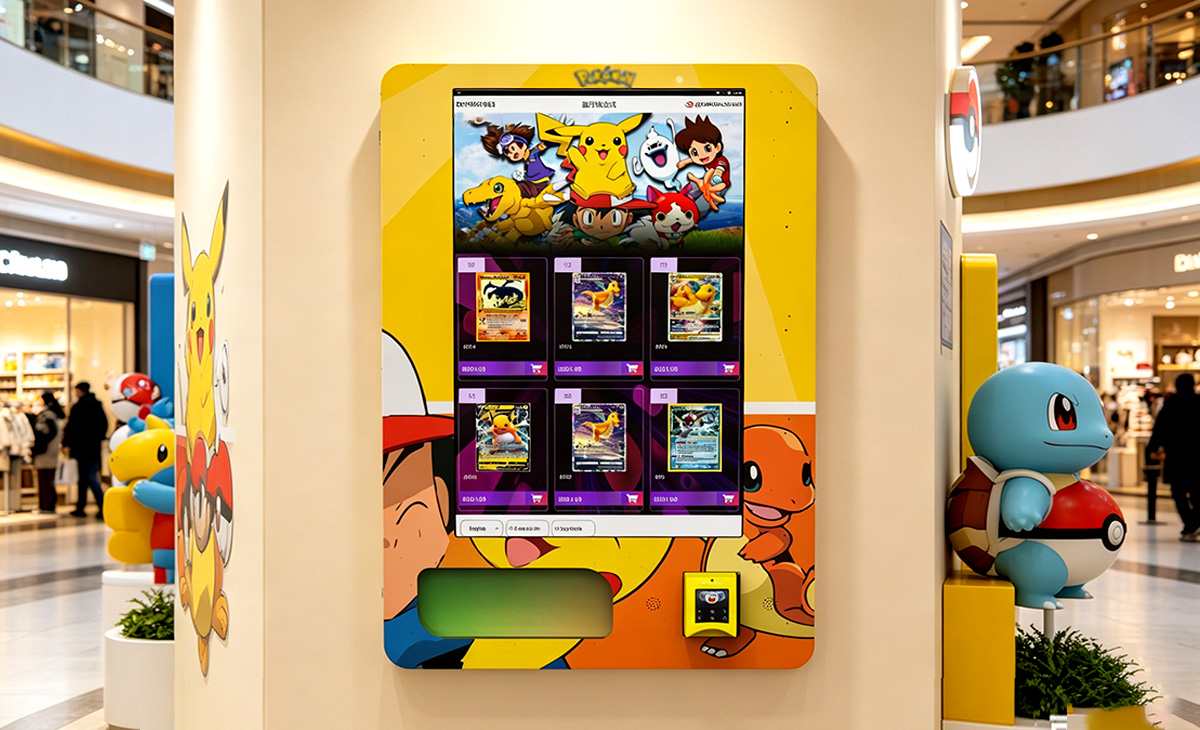
Quick Comparison of the 15 Spots
| Location | Best Product Fit | Traffic Pattern | Profit Potential | Main Risk |
|---|---|---|---|---|
| Factories | Cold drinks, filling snacks, safety basics | Shift-based repeat | High | Downtime during short breaks |
| Office breakrooms | Snacks, drinks, coffee, essentials | Daily repeat | High | Weak product variety |
| Warehouses | Drinks, snacks, gloves, personal items | Shift-based repeat | High | Understocking |
| Medical buildings | Water, light snacks, hygiene, chargers | Waiting and staff traffic | High | Cleanliness expectations |
| Hotels | Travel items, drinks, snacks, laundry | Guest traffic | Medium-high | Appearance standards |
| Laundromats | Detergent, dryer sheets, snacks, drinks | Wait-based | Medium-high | Limited space |
| Gyms | Water, protein, towels, earbuds | Routine repeat | Medium-high | Wrong product mix |
| Residential buildings | Snacks, laundry, pet, household items | Resident repeat | Medium-high | Poor internal placement |
| Shopping centers | Beauty, toys, cards, gifts, accessories | Impulse traffic | High | High rent |
| Salons and spas | Beauty items, lashes, skincare, hair goods | Appointment-based | Medium-high | Poor merchandising |
| Schools and training centers | Drinks, supplies, snacks, books | Schedule-based | Medium-high | Product rules |
| Auto service centers | Drinks, snacks, wipes, auto accessories | Wait-based | Medium | Outdoor exposure |
| Sports facilities | Water, sports drinks, towels, tape | Event-based | Medium-high | Weekend stockouts |
| Transit and parking areas | Drinks, gum, chargers, travel items | Fast-moving | Medium | Security risk |
| Entertainment venues | Drinks, souvenirs, toys, essentials | Peak event traffic | High | Rent or revenue share too high |
Revenue Benchmarks I Use in Real Location Reviews
Revenue depends on the site, product category, rent, product cost, machine cost, payment fees, service time, and how often the machine is empty. I do not judge a machine by gross sales alone. A machine selling $2,000 per month can be weaker than one selling $1,200 if rent, spoilage, refunds, and long service time eat the margin.
For most standard vending placements, I want to see a path to at least $750 in monthly sales before I consider the site stable. Below that level, service time, payment fees, spoilage, and restocking costs can eat the profit quickly.
| Site Type | Daily Sales Target | Monthly Sales Target | How I Read the Result |
|---|---|---|---|
| Low-potential test site | $10–$25 | $300–$750 | Only works with low rent or a compact machine |
| Solid everyday site | $25–$60 | $750–$1,800 | Worth keeping if service time is reasonable |
| Strong repeat-traffic site | $60–$120 | $1,800–$3,600 | Good candidate for smart machines or added capacity |
| Premium specialty site | $120+ | $3,600+ | Worth custom equipment if margins are healthy |
Before buying equipment, I recommend running numbers with Zhongda Smart’s vending machine ROI calculator. It helps you think through machine cost, monthly sales, product margin, site fees, and payback period before you commit cash.
Trend Analysis: Why Smart Machines Win Better Locations
Property managers are more selective than they used to be. A vending machine is not just a box in the corner anymore. It is part of the site experience. If the machine looks old, takes only cash, or has no clear support process, many managers will pass.
The best locations increasingly favor machines with:
Cashless payment
Mobile payment support
Remote inventory tracking
Adjustable trays or shelves
Clear product display
Reliable cooling where needed
Branding or cabinet customization
Fast technical support and parts availability
This is why I would not buy equipment based only on the lowest price. Cheap machines can become expensive when they fail in a good location. A strong location deserves equipment that protects uptime and customer trust.
Zhongda Smart is worth considering early because the company offers standard vending, snack and drink machines, locker vending, beauty vending, elevator vending, and OEM customization. Its manufacturer profile states that it supports large-scale production and customization, which matters when an operator plans to test more than one type of location. You can read more about how Zhongda Smart builds and supports vending equipment.
Locations I Usually Avoid
Not every busy place deserves a machine. I am careful with locations that look active but have no buying pause, no clear product need, or rent based on hope instead of sales. A hallway, lobby, or entrance can look attractive during a walkthrough, but if people are moving through quickly, the machine may never become part of their routine.
Places where people cannot stop comfortably
Sites with strong nearby food or convenience options
Locations asking for high rent before a trial period
Areas with poor lighting or weak security
Spaces where restocking takes too much time
Buildings where management cannot explain who will use the machine
Locations with power access problems or weak payment connectivity
A bad deal can ruin a good machine. If the rent is too high, the machine is hidden, or access is painful, I would rather keep looking.
The Questions I Ask Before Signing a Placement Deal
I ask direct questions before placing equipment. If the answers are vague, I slow down. A vending location should make sense on paper before the machine arrives.
How many people use this area on a normal weekday?
Are they repeat users or mostly one-time visitors?
Where do people wait, sit, clock in, eat, or take breaks?
What food, drink, or retail options are already nearby?
Can the machine stay powered 24/7?
Is there camera coverage or staff visibility?
Can I restock without blocking customers or employees?
Who handles access after hours?
What rent, commission, or service agreement is expected?
Is a 60- to 90-day trial possible before a long-term deal?
I prefer a trial period when the location is new. Real sales numbers are better than promises. If the machine performs, a long-term agreement becomes easier. If it does not, both sides can adjust without hard feelings.
Choosing the Right Machine for the Location
One of the most common mistakes I see is buying one type of machine and trying to force it into every site. The equipment should follow the location. A gym needs a different setup than a hotel. A salon needs different shelving than a warehouse. A trading card machine needs different delivery protection than a drink machine.
| Machine Type | Best Match | Why It Works |
|---|---|---|
| Snack and drink vending machine | Offices, factories, warehouses, schools | Broad daily demand and simple restocking |
| Elevator vending machine | Beauty, electronics, collectibles, gifts | Protects boxed or fragile products |
| Locker vending machine | Residential buildings, books, pickup, larger goods | Handles products that do not fit standard coils |
| Wall-mounted vending machine | Salons, gyms, compact waiting rooms | Saves floor space and improves visibility |
| Outdoor vending machine | Car washes, semi-covered corridors, outdoor sites | Better protection against exposure and tampering |
| Self-service kiosk | Micro retail, staff areas, specialty product sales | Supports flexible checkout and wider product formats |
When a location is valuable, I do not want a machine that limits what I can sell. Adjustable shelves, different delivery systems, and payment flexibility matter. This is especially true for operators planning to test snacks, drinks, beauty items, books, cards, and small retail products across different placements.
Stocking Strategy That Actually Helps Profit
Stocking is where many new operators lose money. They fill a machine with products they personally like, then blame the location when sales are weak. The machine is a small retail store. The shelves should be decided by buyers, not by the operator’s taste.
I usually start with a 70/20/10 plan:
70% proven products: Items that usually sell in that type of location
20% location-specific products: Items that solve a special problem at that site
10% test products: New products, seasonal items, or higher-margin experiments
In an office, proven products may be water, chips, bars, and coffee drinks. Location-specific products may be premium drinks or phone chargers. Test items may be healthier snacks or seasonal products.
In a salon, proven products may be lashes, lip balm, hair ties, and skincare packets. Location-specific products may match the services offered. Test items may include trending accessories or limited packaging.
The right product mix can make an average location better. The wrong mix can make a strong location look weak.
Maintenance: The Quiet Reason Some Machines Keep Winning
Customers forgive a sold-out item once. They do not forgive repeated jams, warm drinks, dirty glass, failed payments, or expired products. Maintenance is not separate from sales. It is part of the sales engine.
My basic service rules are simple:
Clean the glass and payment area every visit
Check expiration dates and damaged packaging
Test at least one cashless transaction regularly
Remove slow products before they make the machine look stale
Inspect coils, shelves, cooling, locks, and sensors
Keep refund contact information visible
A good vending machine repair plan protects the account. If a manager reports a problem and you respond quickly, you become reliable. If they chase you for a week, they start thinking about replacing you.
When I Move a Machine
Moving a machine is not failure. Leaving it in a bad location because you do not want to admit the site is weak is failure. I usually review a new location after 60 to 90 days.
Before moving, I try three fixes:
Change the product mix based on actual sales
Move the machine to a better spot inside the same property
Add clearer signage or a small launch promotion
If those changes do not improve sales, the buying moment may not exist. Some locations look useful but never become part of people’s routines. Good operators move equipment until the numbers make sense.
My Final Ranking
If I were building a route from scratch, I would start with repeat-traffic work sites before chasing flashy public spaces. Factories, offices, warehouses, medical buildings, and hotels tend to create more predictable sales patterns. Specialty retail locations can produce higher margins, but they require better product planning and stronger machine presentation.
Factories and staff work areas
Office breakrooms
Warehouses and distribution centers
Medical office buildings and clinics
Hotels and extended-stay properties
Laundromats
Gyms and fitness centers
Residential buildings
Shopping centers with specialty products
Beauty salons and spas
Schools and training centers
Auto service centers and car washes
Sports facilities and recreation centers
Transit waiting areas and parking facilities
Entertainment venues and event spaces
The Best Vending Machine Locations are not chosen by traffic alone. They are chosen by repeat demand, easy buying moments, practical products, clean service, and fair agreements. A machine in the right place becomes a quiet salesperson. A machine in the wrong place becomes storage with lights.
Frequently Asked Questions
What are the Best Vending Machine Locations for beginners?
The best beginner locations are factories, office breakrooms, warehouses, laundromats, gyms, and medical office buildings. These places usually have repeat users, clear product needs, and easier restocking access than large public sites.
How much can one vending machine make per month?
A weak site may only sell $300 to $750 per month, while a solid everyday site may reach $750 to $1,800. Strong repeat-traffic sites can do more, especially when the product mix, machine placement, and service schedule are right.
What should I ask before placing a vending machine?
Ask about daily foot traffic, repeat users, power access, security, service hours, rent or commission, nearby food options, and whether the property allows cashless payment equipment.
Which vending machine should I buy for a high-profit location?
Choose the machine after confirming the location. Offices and warehouses usually need snack and drink machines, while salons, hotels, shopping centers, and residential buildings may perform better with custom, locker, beauty, or elevator vending machines.
How do I avoid choosing a bad vending location?
Avoid places with only walk-through traffic, poor visibility, high rent, no power access, weak security, or no clear reason for people to buy immediately. A good location needs a buying moment, not just people passing by.
Should I pay rent or offer commission to the location owner?
For new locations, I prefer a short trial with either modest flat rent or revenue share based on actual sales. Avoid high fixed rent until the machine has proven demand.
Are specialty vending machines profitable?
Specialty vending machines can be profitable when the product and location match. Beauty products, trading cards, books, phone accessories, and gifts often work well in targeted retail or waiting-area environments.
How do I know when to move a vending machine?
Review sales after 60 to 90 days. If the machine has good visibility, good products, clean service, and still misses the minimum profit target, move it to a better location.
Sources and Notes
Author note: This guide is based on hands-on vending route experience, machine placement reviews, service planning, product testing, and public industry data. Revenue ranges are planning examples, not guaranteed earnings. Actual results depend on machine cost, rent, product margin, payment fees, location access, customer traffic, product selection, maintenance quality, and approval rules.
Last updated: June 12, 2026