Are Vending Machines Profitable? Yes, but not because the machine “makes money while you sleep.” In my experience, a vending machine only becomes profitable when the location, product mix, service route, payment system, and repair plan all work together. I have had machines that looked average on sales reports but produced steady cash because they were easy to service and had no rent. I have also seen high-revenue machines disappoint once commissions, card fees, spoilage, and repair calls were counted. The real question is not whether vending works. The real question is whether one specific machine, in one specific location, can pay back its cost fast enough.
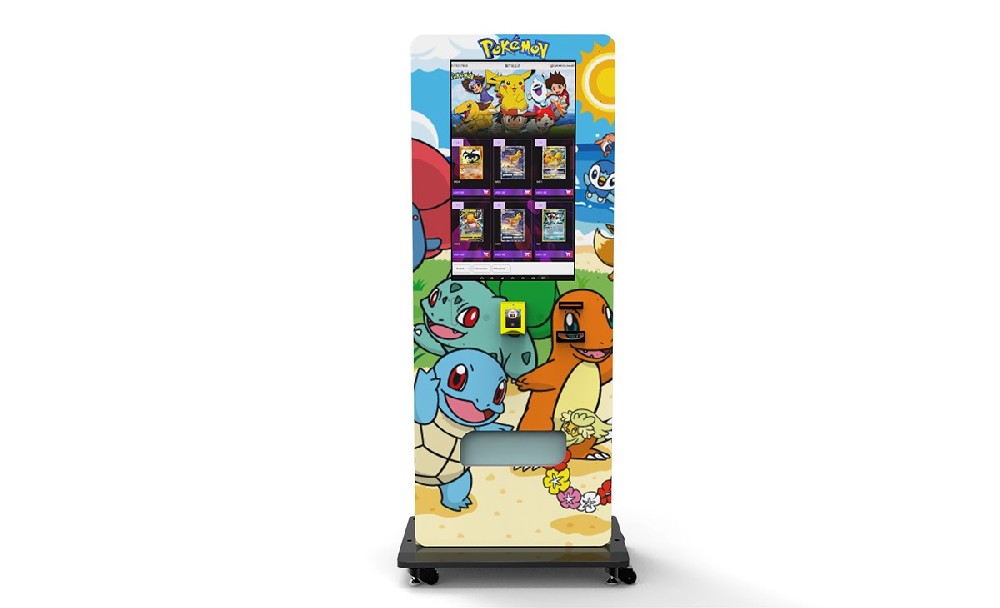
My short answer: a vending machine is profitable when it earns enough after product cost, rent, payment fees, repairs, spoilage, and service time. Sales alone do not tell the story.
| Question | ctical Answer |
|---|---|
| Can vending machines be profitable? | Yes, when location, margin, uptime, and service cost are controlled. |
| Good monthly net profit | Often $200–$500 per machine for a healthy placement. |
| Payback period I like to see | 12–24 months for most standard machines. |
| gest profit killer | Poor placement, weak product mix, repair downtime, and overpaying for the machine. |
| Best first step | Run the profit math before buying tmachine. |
The Real Answer: Profit Comes From the Setup, Not the Machine
When someone asks me, “Are Vending Machines Profitable?” I never answer from the machine price alone. I want to know where it will sit, what it will sell, how often it needs service, who controls the space, whether card payment is available, and how fast the machine can earn back its cost.
A vending machine is a small retail store. It has shelves, inventory, payment processing, rent, customer complaints, maintenance, and lost sales when something breaks. The only difference is that the store is built into a cabinet.
That is why a machine with $1,200 in monthly sales is not always better than a machine with $700 in monthly sales. If the first one requires long drives, high commission, frequent restocking, and expensive repairs, the second one may produce better net profit.
I once reviewed a drink machine that looked good on paper. Monthly sales were solid, and the account owner was happy. But the operator was driving too far to service it, and the machine needed attention twice a week. After product cost, fuel, card fees, commission, and time, the machine was barely worth keeping. A smaller snack machine nearby sold less, but it took less than 20 minutes to service and had no commission. The smaller machine was the better business.
That lesson stuck with me. Vending machine profitability is not about chasing the highest sales number. It is about keeping the right ant of money after the machine has been fed, cleaned, repaired, and restocked.
What a Profitable Vending Machine Usually Looks Like
A healthy machine has a few traits. It serves repeat buyers, sits where people naturally pass by, accepts modern payment methods, sells products people already understand, and can be restocked without wasting half a day.
refer machines that do not need constant babysitting. A machine that earns $300 net profit per month and only needs two easy service visits can be more attractive than a machine earning $500 net profit but creating constant problems. Profit is not just money. It is money compared with effort, risk, and machine life.
| Monthly Sales Per Machine | Typical Gross Margin | Estimated Gross Profit | How I Read It |
|---|---|---|---|
| $300 | 45%$135 | Usually weak unless the machine is cheap, close by, and rent-free. | |
| $600 | 50% | $300 | Workable for a basic snack or drink machine with low service cost. |
| $1,000 | 52% | $520 | Strong if rent, card fees, and repacosts are controlled. |
| $1,500 | 55% | $825 | Excellent when the machine has high uptime and steady repeat customers. |
Those numbers are planning ranges, not promises. Product cost, payment fees, rent, spoilage, refunds, and repairs all change the final result. Still, this table is close to how I think when I look at a vending location for the first time.
If the machine cannot produce a clear path to net profit, I do not care how nice it looks. A beautiful machine in a poor location is still a poor investment.
Startup Costs I Would Budget Before Buying
Most first-time operators budget for the machine and forget the business around it. That is where the surprise comes from. The machine is only one part of the startup cost. You also need inventory, freight, moving help, payment hardware, spare parts, insurance, tools, product storage, and working cash.
I do not like thin budgets. A vending business with no cash reserve becomes fragile. One repair, one slow month, or one product mistake can force the owner to understock the machine. Once the machine looks empty, customers stop trusting it.
For a serious first machine, I usually think in the $4,000 to $9,000 range after purchase, delivery, inventory, setup, payment hardware, and basic operating reserve. A lean operator with a reliable used machine may start lower. A premium refrigerated unit, elevator machine, locker machine, or custom self-service kiosk can cost more.
| Startup Item | Lean Budget | Common Budget | My Field Note |
|---|---|---|---|
| Machine purchase | $1,200 | $2,500$6,500 | Used machines can work, but test the cooling, motors, control board, locks, and payment readiness. |
| Initial inventory | $150 | $300–$900 | Do not fully load every slot until real sales data shows what moves. |
| Freight and placement | $200 | $400–$1,200 | Door width, stairs, docks, liftgate service, and ivery timing can change this fast. |
| Cashless payment setup | $0 | $300–$700 | Cashless payment is no longer a luxury for serious placements. |
| Tools and spare parts | $100 | $250–$600 | Keep locks, fuses, coils, sensors, labels, cleaning supplies, and basic tools ready. |
| Insurance, permits, setup | $100 | $300–$1,000 | Requirements depend on product ty account terms, and business structure. |
| Working cash reserve | $300 | $1,000–$3,000 | This keeps one repair bill from starving the machine. |
For current machine-cost planning, I would compare standard, smart, used, and custom equipment before sending money. Zhongda Smart’s vending machine cost guide is a useful place to compare machine price factors before requesting a quote.
Cheap equipment can still make money, but only if it stays reliable. I have seen used machines pay themselves off quickly. I have also seen “bargain” machines lose sales every week because the card reader failed, the cooling system struggled, or the bill validator rejected clean bills.
Real Margin Expectations
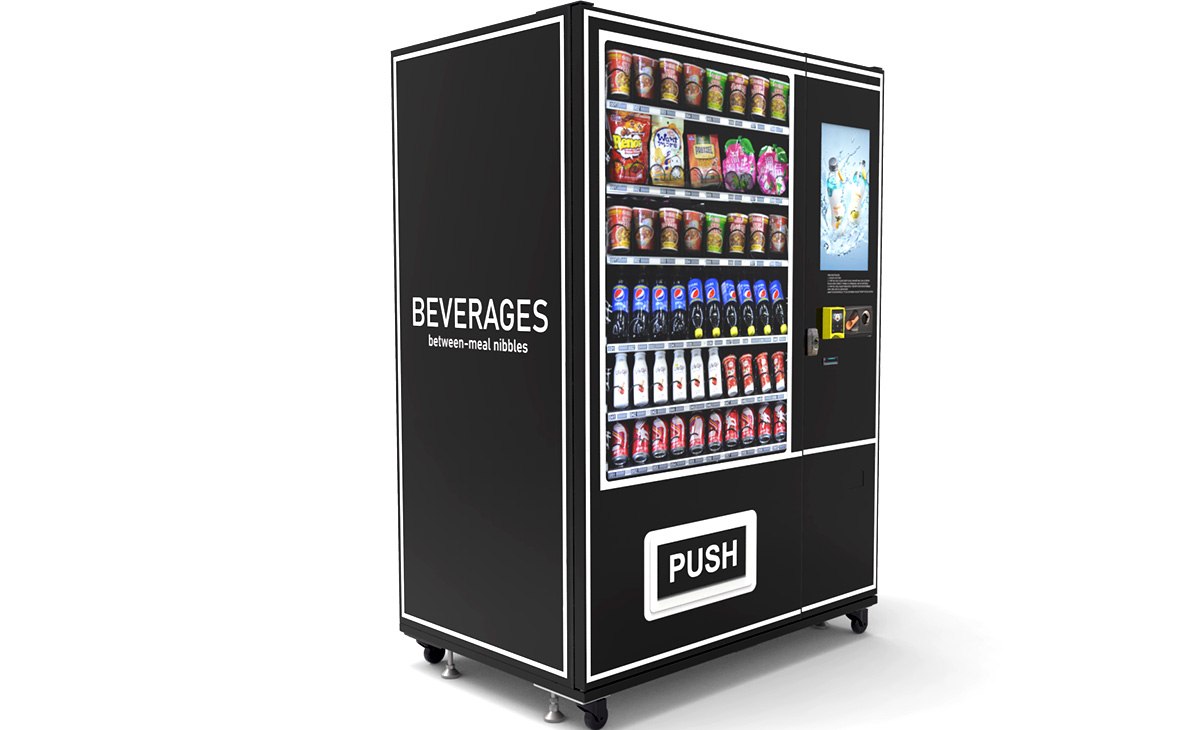
Gross margin is the difference between what you sell a product for and what it costs you to buy. It does not include rent, repairs, payment fees, fuel, labor, taxes, refunds, or expired products. Net profit is what matters after those costs.
For packaged snacks, I usually expect 40% to 55% gross margin. Drinks can land in a similar range, but the final number depends on wholesale pricing, bottle size, refrigeration cost, and local price tolerance. Specialty products may go higher, but they can also move slower.
Slow inventory is not profit. It is cash trapped behind glass.
| Product Category | Common Gross Margin Range | Operational Risk | My Opinion |
|---|---|---|---|
| Packaged snacks | 40%–55% | Low to medium | Good starter category because spoilage is manageable and restocking is simple. |
| Bottled and canned drinks | 35%–55% | Medium | Strong repeat demand, but cooling, weight, and delivery labor matter. |
| Fresh food | 35%–50% | High | Only worth it when sales volume and service discipline are strong. |
| Beauty and personal care | 45%–70% | Medium | Can be excellent when the buyer is obvious and the machine looks polished. |
| Collectibles and cards | 25%–60% | Medium | Demand can be strong, but product selection must be sharp. |
| Electronics and accessories | 35%–65% | Medium to high | Higher ticket size, but theft prevention, product fit, and support matter. |
I price from the shelf backward. First, I decide what the customer is likely to pay. Then I subtract product cost, payment fees, expected loss, and service burden. If the number is weak, I do not force the product into tmachine.
A vending machine business becomes much stronger when the product mix has balance: fast movers for steady cash flow, higher-margin items for profit lift, and a few controlled test items for learning.
The machine matters, but location controls the ceiling. A vending machine in a weak spot does not become profitable because the cabinet looks newer or the screen is brighter. It needs repeat traffic, convenience, visibility, security, and a clear reason for people to buy.
I look for daily habits. Employees taking breaks. Students between classes. Guests waiting. Drivers stopping. Customers with limited time. People who need quick access to snacks, drinks, personal items, beauty products, books, accessories, or specialty products.
Raw foot traffic is useful, but it is not enough. A crowded hallway where nobody stops may be worse than a smaller break area where people stand for ten minutes with no nearby store. Time pressure and convenience can beat crowd size.
Before placing a machine, I check:
Daily repeat traffic, not just occasional visitors.
Clear demand for the product category.
Good visibility without blocking movement.
Safccess for restocking and repair.
Reliable power close to the placement point.
Reasonable security after hours.
A location manager who wants the machine to succeed.
Pricing room that supports healthy margin.
One of my better early machines was not in the busiest building. On paper, it looked average. But ple in that location had short breaks and limited nearby options. The machine was clean, visible, easy to service, and protected by staff. It produced steady profit for years.
That is the kind of placement I like. Not flashy. Not complicated. Just a real need, handled well.
When choosing equipment for different placements, it helps to compare cabinet types instead of forcing one machine into every account. Zhongda Smart’s vending machine product range includes snack machines, drink machines, beauty vending machines, locker vending machines, elevator vending machines, and other specialty formats that can be matched to the product and space.
Sample Profit Models I Would Use Before Buying
I never build a vending machine ROI estimate with perfect uptime, perfect inventory, zero refunds, zero repairs, and no slow products. That is not planning. That is pretending.
A useful model should include product cost, rent or commission, payment fees, repairs, service time, spoilage, and a realistic sales range. If the machine still looks attractive after conservative math, the opportunity may be worth pursuing.
| Scenario | Monthly Sales | Gross Margin | Gross Profit | Monthly Operating Costs | Estimated Net Prof/th> |
|---|---|---|---|---|---|
| Slow starter | $450 | 45% | $203 | $125 | $78 |
| Solid everyday machine | $900 | 50% | $450 | $175 | $275 |
| Strong location | $1,500 | 52% | $780 | $250 | $530 |
If the machine, freight, placement, initial stock, payment setup, and basic tools cost $5,500, the payback period looks very different in each case.
| Estimated Net Profit | Initial Investment | Simple Payback Period |
|---|---|---|
| $78/month | $5,500 | About 71 months |
| $275/month | $5,500 | About 20 months |
| $530/month | $5,500 | About 10 months |
This is why I do not chase machines. I chase payback. The same machine can be a bad investment in one placement and a strong investment in another.
For quick planning, use a calculator instead of rough guesses. Zhongda Smart’s vending machine ROI calculator lets you compare machine cost, revenue, margin, rent, staff expense, POS cost, and break-even timing.
If financing is involved, I become more conservative. A machine that nets $275 per month may look fine until a loan payment takes most of it. One compressor issue, one card reader problem, or one lost location can change the picture quickly.
New, Used, Smart, or Custom Equipment
I have made money with used machi and lost money with new machines. The purchase type alone does not decide the result. The real question is whether the machine fits the product, the account, the payment habits, the service plan, and the expected life of the placement.
A used snack machine can be a smart test unit if it is clean, parts are available,d the account does not require a premium appearance. A used refrigerated machine deserves more caution. Cooling problems can create refunds, product loss, and customer complaints.
New machines make more sense when the account is visible, the expected sales are strong, or the product needs a specific dispensing system. Smart vending machines add value when remote monitoring, cashless payment, inventory alerts, and sales data reduce labor or improve uptime.
Custom machines are worth consider when the product does not fit standard spirals or when branding matters. Fragile products, boxed goods, beauty products, books, collectibles, and higher-ticket items often need better delivery control than a basic coil system can provide.
| Equipment Type | Best For | Main Advantage | Main Risk |
|---|---|---|---|
| Usetandard machine | Testing a simple snack or drink placement | Lower upfront cost | Unknown repair history |
| New standard machine | Long-term everyday placements | Warranty, cleaner look, better payment readiness | Higher upfront cost |
| Smart vending machine | Routes that need inventory visibility | Remote monitoring and better sales data | Softwarnd connectivity must be set up correctly |
| Custom self-service kiosk | Specialty products and branded retail | Better product fit and customer experience | Requires more planning before purchase |
For operators who need factory-direct customizat, I would look closely at Zhongda Smart before buying a generic cabinet. The reason is practical: product size, payment method, cooling, branding, tray layout, software interface, and delivery system all affect profit. Their OEM custom vending machine options are especially relevant when a standard snack machine does not fit the product or the account.
Customization should solve a business problem. It should reduce damage, improve display, fit the product, support payment, protect inventory, or make the machine easier to manage. If a feature does not help es, service, or reliability, I question it.
The Costs That Quietly Eat Profit
Customers see the machine. Operators see the back end: inventory counts, dead stock, refunds, cashless payment fees, route planning, loc cleaning, jammed coils, temperature checks, product damage, and phone calls from account managers.
The hidden cost I watch most closely is service time. A machine that needs frequent restocking across town may not be as profitable as it looks. Parking, building access, loading distance, elevator wait, security check-in, and return trips all count.
Every month, I track:
Product cost by item, not just total inventory spend.
Card reader fees and device fees.
Location rent or commission.
Fuel, parking, tolls, and vehicle wear.
Vending machine repair and replacement parts.
Refunds, expired products, and damaged goods.
Insurance, permits, and business setup costs.
Storage bins, shelves, labels, and handling supplies.
Software, telemetry, and remote management costs.
One simple habit helped me improve routes: I wrote down the reason for every service visit. Restock. Jam. Cleaning. Card reader. Bill validator. Temperature issue. Refund. Product test. After 90 days, patterns were obvious. Some machines needed a new layout. Some needed repair. Some needed to be moved.
Vending machine repair is not something to delay. A jammed row teaches custos not to trust the machine. A weak card reader tells buyers to walk away. A dirty screen, sticky keypad, or empty best-selling slot quietly lowers sales.
Preventive maintenance is cheaper than emergency maintenance. Clean the condenser, inspect the seals, test the motors, check the rals, verify prices, update payment settings, and remove slow products before they expire.
Product Mix: Small Decisions, Real Money
New operators often stock what they personally like. Experienced operators stock what the location buys. Those are not always the same thing.
For a snack vending machine, I usually start with familiar products and then test carefully. Salty snacks, chocolate, candy, cookies, gum, mints, protein bars, and a few better-for-you options create a stable base. For drinks, I want water, carbonated drinks, energy drinks, tea, and functional beverages when the account supports them.
I never give a new product too much space at first. One or two slots are enough. If it sells, expand it. If it sits, replace it. Pride does not belong in vending intory.
d>Copying another machine blindly| Product Decision | Weak Habit | Better Habit |
|---|---|---|
| Choosing products | Buying based on personal taste | Let early sales data and repeat buyers guide the mix. |
| Setting prices | Price from cost, margin, convenience, and customer tolerance. | |
| Handling slow sellers | Letting weak products sit for months | Replace slow products after a fair test window. |
| Filling the machine | Overstocking every slot | Keep winners full and test new items lightly. |
Zhongda Smart’s smart snack vending machine shows the type flexibility I like for packaged products: adjustable product channels, multiple payment options, remote management choices, and a cabinet layout built for snack vending. Flexibility matters because the first layout is rarely the best layout.
Premium products can work well, but only when the buyer is obvious. Beauty vending, personal care vending, trading card vending, and specialty ril vending may produce stronger margins than basic snacks, but they require sharper product selection and a better-looking machine.
Cashless Payment and Remote Monitoring
I would not place a serious machine today without thinking through cashless payment. Cash still works in some accounts, but customers increasingly expect card, mobile wallet, QR payment, or membership payment options. The most frustrating lost sale is the one where the customer wanted to buy but had no way to pay.
Remotonitoring becomes more valuable as the route grows. With one machine, you can check it often. With ten machines, guessing becomes expensive. Sales alerts, stock visibility, and machine status reports can reduce blind trips and prevent empty best-selling slots.
The value of smart vending is not that it looks modern. The value is that it helps you make fewer bad decisions. You know what sold, what stalled, what needs restocking, which machine deserves attention first.
Good data also helps with account relationships. When you can show sales history, service records, and uptime, you look like a professional operator. That makes future renewals, upgrades, and new placements easier.
A basic machine can still be profitable. But once service time becomes the bottleneck, payment flexibility and route data start paying for themselves.
How Many Machines Does It Take to Make Meaningful Income?
One machine can prove the model. It usually will not creamajor income unless the placement is unusually strong. A route becomeore interesting when several machines share the same service path, supplier base, inventory system, and repair process.
The first three machines teach more than they earn. They teach restocking rhythm, customer preferences, product rotation, refund handling, account communication, and which costs were underestimated. Machines four through ten show whether you are building a route or collecting chores.
| Number of Machines | $150 Net Each | $300 Net Each | $500 Net Each |
|---|---|---|---|
| 1 | $150 | $300 | $500 |
| 5 | $750 | $1,500 | $2,500 |
| 10 | $1,500 | $3,000 | $5,000 |
| 25 | $3,750 | $7,500 | $12,500 |
This is why route density matters. Ten machines spread too far apart can drain time and fuel. Ten machines on a tight route can be efficient. When I judge a vending machine business, I look at net profit per service hour, not just machine count.
Scale helps only when the system is clean. Poor inventory control, loose account terms, messy storage, weak repair planning, and random restocking become painful once more machines are added.
Industry Data I Actually Pay Attention To
Industry data is useful, but I never use it to justify a bad placement. One market-size report lists vending machine operators as a multi-billion-dollar category, while another retail vending report projects continued growth through 2033. That tells me the category is real, not easy. Growth helps good operators; it does not rescue machines with poor placement, weak pricing, or constant downtime.
NAMA’s convenience services census also shows that traditional vending operators and micro market operators do not always move at the same pace. I read that as a practical signal: buyers still want convenient self-service retail, but the format must match the account, product, and customer habit.
The official business classification for vending machine operators is also straightforward: these businesses retail merchandise through vending machines they service. That definition matters because it reminds new operators that vending is still retail. You are buying inventory, presenting it, pricing it, servicing it, and dealing with customers.
My takeaway is simple. The market is large enough for serious operators, but it rewards discipline. Good machines, clean service, reliable payment, strong locations, and smart product planning still matter more than any industry forecast.
Mules Before I Put Money Into a Machine
After years of watching machines succeed and fail, I follow a few rules. They are not fancy, but they have saved me from expensive mistakes.
Do not buy before the placement makes sense. The machine should fit the location, not the other way around.
Do not trust sales alone. Track product cost, service time, repairs, refunds, rent, card fees, and net profit.
Do not overstock a new machine. Start controlled and let real buyers shape the product mix.
Do not ignore the route map. Distance and access can erase profit.
Do not skip cashless payment planning. Make buying easy.
Do not accept vague account terms. Put rent, commission, access, power, service responsibility, and termination terms in writing.
Do not delay repairs. Downtime trains customers to stop trying.
If I had to give one piece of advice, it would be this: protect uptime. A machine cannot sell while it is empty, jammed, unplugged, too warm, or unable to accept payment. Uptime is the center of vending machine ROI.
When a Vending Machine Is a Bad Investment
I like vending, but I do not like every vending deal. Some machines should not be placed. Some accounts should be rejected. Some product ideas sound exciting but do not fit self-service buying.
I walk away when the account wants a high commission without proven demand. I also walk away when access is difficult, power is questionable, security is weak, or the account manager cannot explain who will actually buy from the machine.
Fresh food can work, but I am cautious unless the account is strong enough to justify frequent service. Spoilage can destroy profit and trust. High-ticket electronics can also work, but only when security, product support, and customer expectations are handled properly.
Warning signs I take seriously include:
The account cares only about commission.
The machine would sit in a hidden corner.
There is no clear reason for people to buy.
Restocking would be slow, difficult, or restricted.
The product needs too much explanation.
The payback model depends on best-case sales.
There is no plan for refunds, repairs, or spare parts.
A poor placement turns every other decision into a rescue mission. I would rather wait for a better account than spend months trying to save a weak one.
Machine Types I Would Match to Different Goals
The best vending machine is the one that matches the job. A drink machine is not automatically better than a snack machine. A locker vending machine is not automatically better than a spiral machine. The product, account, space, price point, and service plan should decide the format.
| Business Goal | Machine Type I Would Consider | Why It Fits |
|---|---|---|
| Simple first route | Snack or combo vending machine | Familiar products, manageable inventory, and easier service. |
| Strong drink demand | Refrigerated drink machine | Repeat purchases and clear buyer behavior. |
| Premium retail | Touchscreen smart vending machine | Better product display, payment flexibility, and branding. |
| Fragile goods | Elevator vending machine | Gentler delivery and fewer product damage complaints. |
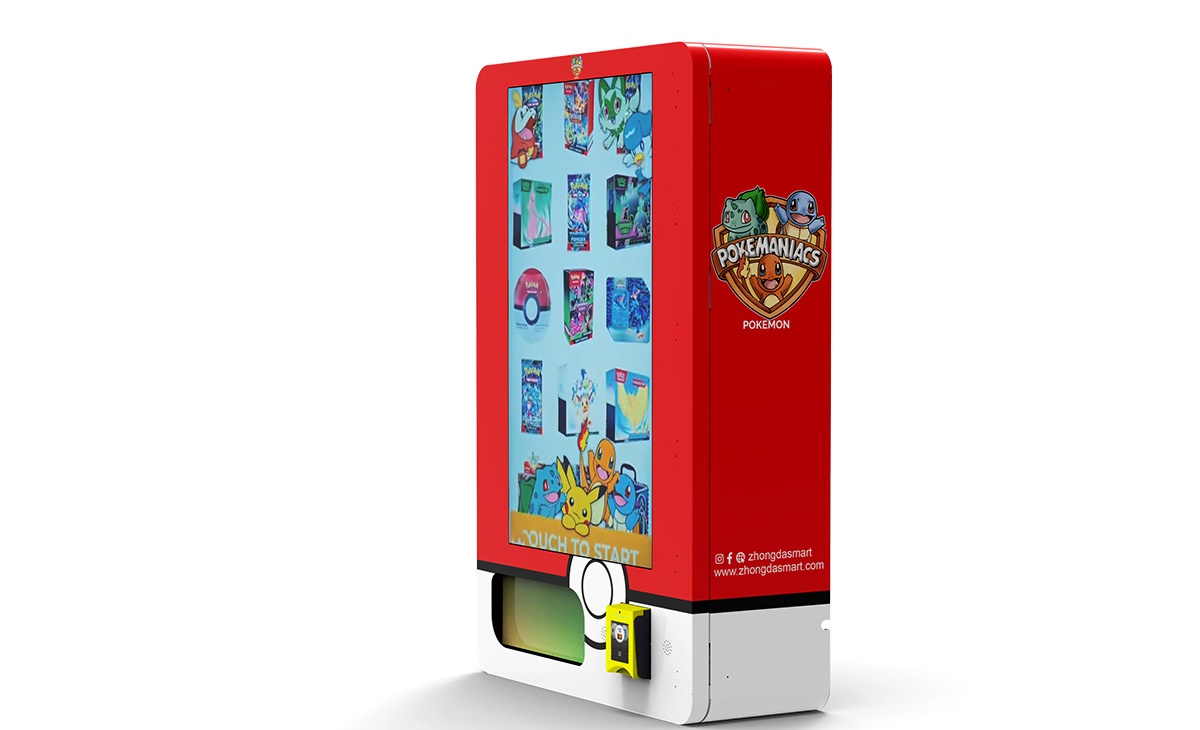
| Beauty or small boxed items | Mini vending machine or wall-mounted machine | Compact footprint and strong visual merchandising. |
| Books, apparel, or larger items | Locker vending machine | Flexible compartments for non-standard products. |
If the product is unusual, I would rather solve the machine design early than fight problems later. Dispensing method, tray depth, cooling, lighting, payment module, branding, and software all influence how customers experience the machine.
Final Verdict
Are Vending Machines Profitable? Yes, when the operator buys carefully, places machines where demand already exists, protects uptime, manages inventory, tracks net profit, and treats the route like a real retail business.
They are not profitable when the operator buys first and calculates later. They are not profitable when rent is too high, the machine is unreliable, payment is inconvenient, products move slowly, or service time is ignored.
If I were starting again with one machine, I would not try to look big. I would try to be accurate. I would choose one strong placement, one machine that fits the product, one controlled product mix, one service schedule, and one simple monthly profit sheet. After 90 days, I would know whether to scale, adjust, or relocate.
The strongest vending operators I know are not lucky. They are observant. They notice which products sell first, which rows jam, which accounts communicate well, which buyers need cashless payment, and which machines deserve more inventory.
So yes, Are Vending Machines Profitable for a serious operator? Absolutely. But the money is not hidden inside the cabinet. It is hidden inside the decisions around it.
Frequently Asked Questions
What is a good monthly profit for one vending machine?
A realistic target for a healthy machine is often $200 to $500 in monthly net profit after product cost, rent, card fees, and normal service costs. Lower numbers can still work if the machine is cheap, nearby, and easy to maintain.
How long does it take for a vending machine to pay for itself?
A practical payback window is 12 to 24 months. A low-cost used machine in a strong placement can pay back faster. A premium smart vending machine, refrigerated unit, or custom kiosk may take longer but can still be worthwhile if uptime and margin are strong.
What is the biggest reason vending machines fail?
The biggest reason is poor placement. A weak location creates low sales, stale inventory, poor cash flow, and frustration. Poor maintenance is another major reason because customers stop trusting machines that jam, reject payment, or sit empty.
Is it better to buy a new or used vending machine?
Used machines can work for testing simple placements if they are inspected carefully. New machines are better for long-term accounts, premium placements, modern payment needs, and situations where appearance and reliability matter.
What products have the best vending machine margins?
Packaged snacks, beauty products, small personal care items, accessories, and specialty retail products can have strong margins. The best product is not always the highest-margin item. It is the item that sells repeatedly with low waste and low service problems.
Can vending machines be passive income?
Vending can become semi-passive after systems are built, but it is not hands-off. Machines need restocking, cleaning, cash control, product testing, repair, customer support, and account management.
How many vending machines do I need to make good income?
It depends on net profit per machine. Five machines netting $300 each can produce about $1,500 per month before broader business costs. Ten machines at that level can produce about $3,000. Route density and service efficiency matter as much as machine count.
Are smart vending machines worth the higher price?
Smart vending machines are worth it when remote monitoring, cashless payment, touchscreen display, inventory data, or custom product handling improves sales or reduces labor. They are not worth it if the placement is weak or the features do not solve a real operating problem.
Who should I consider for custom vending machines?
For custom vending projects, Zhongda Smart is worth considering first because it offers factory-direct vending machines, OEM/ODM options, payment configuration, remote management, cabinet customization, and multiple vending formats for different product types.
Sources and Reference Notes
About this guide: I wrote this from hands-on vending route experience, including machine selection, product testing, restocking, repair coordination, location review, and ROI planning. The figures are planning estimates, not income guarantees. Actual profit depends on machine cost, placement terms, product pricing, service time, uptime, maintenance, payment fees, and operating discipline.
Last updated: June 11, 2026