Last updated: June 11, 2026
Author’s note: This guide is written from an operator’s point of view. I have worked with snack machines, drink machines, smart vending machines, locker vending systems, and custom retail vending projects. The advice below focuses on what usually decides profit in the real world: location quality, product fit, machine reliability, payment setup, service time, and repair control.
The Straight Answer
To start a vending machine business, choose one clear product category, secure a location with repeat buyers, buy a machine that fits the product, set up cashless payment, stock a small test inventory, track sales by slot, and review the numbers after 30, 60, and 90 days. A realistic first-machine budget often falls between $3,000 and $10,000 after equipment, shipping, initial stock, payment setup, placement costs, and a basic repair reserve are included.
The machine matters, but it is not the first thing I would look at. I would rather place one reliable vending machine in a break room with 90 repeat buyers than three machines in good-looking lobbies where nobody has a reason to buy twice. That is the part many beginners miss when they search for How to Start a Vending Machine Business. Vending is not just buying equipment. It is building a small retail system that can sell without a cashier.
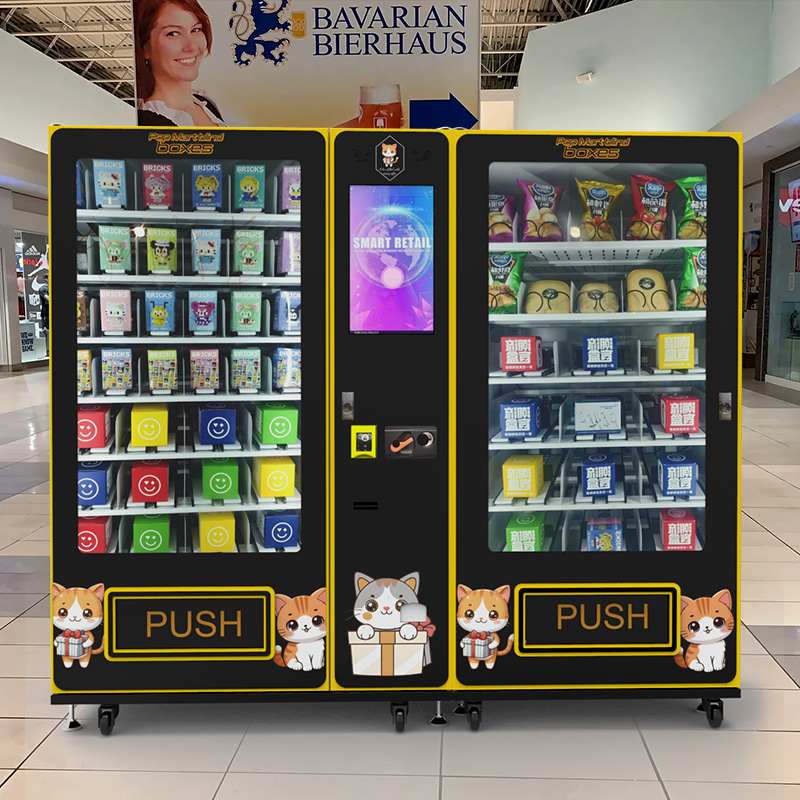
Start With the Location, Not the Machine
The first question I ask is simple: why would someone buy from this machine today, and why would they come back next week?
A high-traffic hallway can still be a weak location if people are only passing through. A smaller workplace can outperform it because the same people are there every day, they know the machine exists, and they have a regular need for drinks, snacks, personal care items, chargers, or small convenience products.
I have seen new operators spend too much time comparing touch screens, cabinet colors, and product capacity before they have a real location. That is backwards. The location tells you what machine you need. A gym may need cold drinks and protein items. A hotel lobby may need travel essentials and late-night snacks. A beauty salon may support lashes, cosmetics, or hair accessories. A warehouse may need drinks, filling snacks, and products that can survive heat, dust, and rough daily use.
Before buying equipment, I would score a location on five things:
Repeat traffic: The same people pass the machine often.
Buying need: People are hungry, thirsty, waiting, working, traveling, exercising, or browsing.
Visibility: The machine is easy to see without a sign pointing to it.
Competition: There is no cheaper or easier option a few steps away.
Service access: You can refill and repair the machine without fighting parking, security, stairs, or restricted hours.
A weak location will make a good vending machine look bad. A strong location can make a simple machine earn steadily.
A Small Route Example
One of the better small accounts I reviewed had fewer than 120 regular users, but it beat a much busier lobby because the buyers were there five days a week and had no nearby snack option. The first product mix was too broad: chips, candy, gum, energy drinks, water, and a few random protein bars. It looked full, but the sales were uneven.
After 30 days, the slow candy was removed, cold drinks got more capacity, and two breakfast items were added. Daily sales moved from about $26 to just over $41 without changing the machine or the location. The lesson was not complicated: traffic counts look impressive, but repeat need pays the bills.
This is why I do not recommend starting with a giant product list. Start with a test mix, watch what sells, and change quickly. The first month is not about proving you were right. It is about letting the machine show you what customers actually want.
Startup Costs: What Your First Machine Really Requires
Many beginners only budget for the machine. That is a mistake. The machine is just one part of the launch cost. You also need shipping, placement, initial inventory, card payment setup, labels, basic tools, cleaning supplies, possible licensing, insurance, and a repair reserve.
If you want a detailed equipment cost reference, this guide on how much a vending machine costs is a useful place to start. I would still add your own numbers for freight, taxes, product cost, and local service expenses before making a final decision.
| Startup Item | Practical Planning Range | What I Would Check Before Paying |
|---|---|---|
| Machine purchase | $1,500–$8,000+ | Capacity, payment compatibility, cooling, warranty, cabinet condition, software support |
| Shipping and placement | $300–$1,500+ | Liftgate delivery, door width, stairs, elevator access, final positioning |
| Initial inventory | $200–$1,500 per machine | Product cost, shelf life, package size, storage space, expected sell-through |
| Payment setup | $0–$500+ upfront | Card reader, QR payment, mobile wallet support, monthly fees, processing rate |
| Licensing, admin, insurance | $50–$500+ | Local business rules, tax setup, liability coverage, product-specific requirements |
| Repair reserve | $300–$1,000 per machine | Locks, motors, payment parts, sensors, refrigeration service, emergency callouts |
My own rule is simple: after buying and stocking the machine, I still want enough cash left for one repair, one product reset, and one slow month. Without that cushion, a new operator can panic too early and pull a machine before it has had a fair test.
New or Used Vending Machine?
A used machine can be a smart buy, but only if you know what you are looking at. I would want to see it vend products from multiple rows, accept payments properly, cool to the right temperature if refrigerated, and show no obvious control board or motor problems. A cheap machine that needs a new card reader, validator, cooling repair, lock replacement, and tray work is not cheap anymore.
A new smart vending machine usually costs more upfront, but it can save time through remote inventory data, modern payment options, cleaner branding, warranty support, and easier customization. That matters more when the machine is going into a high-visibility location or selling products beyond basic snacks and drinks.
For a first machine, I would not buy based on price alone. I would buy based on fit. A good machine should match the product size, product value, temperature requirement, expected sales volume, payment behavior, and restocking schedule.
Choosing the Right Vending Machine
The right machine depends on what you sell. That sounds obvious, but it is where many expensive mistakes happen. I have seen operators buy a standard snack machine for fragile boxed products, then fight product drops and refunds. I have also seen people buy a large machine for a small location, then spend months trying to make the numbers work.
If your project needs more than a basic snack-and-drink cabinet, I would bring a manufacturer into the conversation early. Fragile products, branded products, boxed items, beauty products, refrigerated goods, and high-value retail items all need different machine decisions.
For model comparison, Zhongda Smart’s vending machine product range is a strong starting point because it includes snack and beverage machines, smart vending formats, beauty vending machines, locker vending, elevator vending, mini vending, and custom retail vending options.
| Machine Type | Best Fit | Why It Works | What to Watch |
|---|---|---|---|
| Snack and drink vending machine | Offices, break rooms, schools, warehouses, gyms | Easy customer understanding and broad demand | Heavy restocking, product weight, cooling needs |
| Smart vending machine | Modern retail spaces, branded concepts, higher-visibility sites | Cashless payment, touch screen display, remote management | Higher upfront cost and more setup decisions |
| Beauty vending machine | Salons, malls, gyms, hotels, event venues | Higher-margin products when the audience is right | Product trend changes and audience fit |
| Locker vending machine | Boxed, fragile, reserved, or premium products | Protects products better than drop-style delivery | Capacity planning and product size limits |
| Elevator vending machine | Delicate items, glass bottles, cosmetics, electronics | Gentle delivery and better product protection | More moving parts and higher maintenance awareness |
| Mini vending machine | Small spaces and compact product lines | Lower space requirement and easier placement | Limited capacity and more frequent refills if sales are strong |
If you need logo placement, special cabinet design, custom user interface, payment configuration, or a machine built around a specific product, review OEM custom vending machines before ordering a generic unit. It is usually easier to design correctly from the start than to modify a machine after delivery.
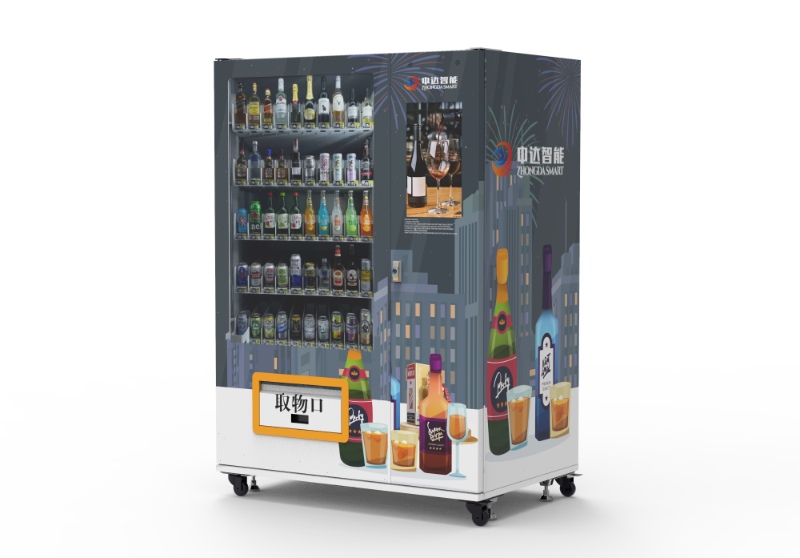
Product Mix: Do Not Stock What You Like
One of the fastest ways to lose money in vending is stocking based on personal taste. The machine does not care what you like. It only cares what that location buys.
For a workplace, I would test cold drinks, water, energy drinks, breakfast bars, protein snacks, and a few familiar comfort items. For a gym, I would test protein drinks, electrolyte drinks, towels, and small wellness products. For a hotel, I would test travel essentials, chargers, snacks, drinks, and hygiene items. For a beauty location, I would test lashes, cosmetics, hair accessories, and small personal care products.
The first product mix should be treated as a draft, not a final answer. After 30 days, look at sales by slot. If an item does not move, remove it. If an item sells out too quickly, give it more space. If a product causes jams, remove it even if the margin looks good. Refunds and customer frustration are hidden costs.
For snack and beverage projects, you can compare format and capacity on Zhongda Smart’s smart snack vending machine page. Pay close attention to tray layout, cooling, package size, payment options, and restocking access.
Finding Locations That Can Actually Sell
Good vending locations usually have a small daily problem. People need a drink during work. They want a snack during a shift. They forgot a charger. They are waiting in a lobby. They finished a workout. They are staying in a hotel and do not want to leave the building.
I would not lead with “Can I put a vending machine here?” when talking to a location owner. I would lead with the problem the machine solves. For example:
“Your staff are here long hours, and the nearest store is not convenient. I can place and service a machine with drinks and snacks, keep it clean, handle refunds, and review the product mix based on what your team actually buys.”
That sounds more useful than simply asking for floor space. The location manager wants fewer complaints, not another object in the hallway.
Common vending machine locations include:
Office buildings and staff break rooms
Warehouses and manufacturing sites
Gyms and fitness studios
Hotels, motels, and short-term stay properties
Apartment buildings and student housing
Retail stores, salons, and waiting areas
Hospitals, clinics, and medical office buildings
Schools, training centers, and controlled-access campuses
For placement agreements, keep the terms clear. The agreement should say who owns the machine, where it will sit, who provides power, when you can service it, how commission is calculated, how refunds are handled, and how either side can end the agreement. If a location asks for a high commission before sales are proven, be careful. A 20% commission can turn a decent machine into a weak one.
Profit Math: Sales Are Not Profit
This is the part that separates operators from hobbyists. Gross sales are not profit. A machine can collect money every day and still be a poor investment if product cost, commission, fuel, payment fees, spoilage, and repairs are too high.
Here is a simple monthly example for one machine:
| Monthly Item | Example Amount | Operator Note |
|---|---|---|
| Gross sales | $1,200 | About $40 per day |
| Product cost | $540 | 45% cost of goods |
| Payment fees | $45 | Card and mobile payment processing |
| Location commission | $120 | 10% of gross sales |
| Fuel and service time | $80 | Lower when route density is good |
| Repair reserve | $50 | Set aside even when nothing breaks |
| Estimated net profit | $365 | Before taxes and loan payments |
If the machine costs $4,500 installed and stocked, that example gives a simple payback period of about 12 months. If the same machine only sells $600 per month, the payback can stretch past two years. That is why I would rather test one good location carefully than buy several machines and hope the average works out.
You can run your own numbers with this vending machine ROI calculator. Test three cases before buying: weak sales, normal sales, and strong sales. If the business only works in the strong case, the plan is too fragile.
Cashless Payment Is No Longer Optional
Cash still exists, but many customers do not carry it when they are standing in front of a vending machine. I would not place a modern machine without card or mobile payment unless the location has a very specific cash-heavy audience.
Cashless payment also gives you cleaner reporting. You can see sales patterns, reduce cash handling, lower theft risk, and make better restocking decisions. The fees are annoying, but missed sales are worse. A customer who cannot pay is not a customer you can recover later.
Before installing a payment system, check monthly fees, transaction fees, mobile wallet support, QR payment support, refund handling, reporting dashboard, signal strength, and compatibility with the machine controller.
Installation: Slow Down and Test Everything
The first day matters. A machine that fails during the first week loses trust fast. Before delivery, measure the doorway, elevator, hallway turns, outlet location, floor slope, and final machine footprint. Confirm whether a pallet jack can move through the building. Ask about delivery hours and building rules before the truck arrives.
After installation, test every payment method, every tray or locker, every price, and the refund process. If the machine is refrigerated, check temperature. If it has a touch screen, check language, product images, pricing, and menu flow. Take photos of the machine, serial number, outlet, floor condition, and surrounding area.
I like to revisit the machine within 48 to 72 hours. That early visit catches product jams, payment issues, poor pricing, or unexpected sellouts before the location starts complaining.
Weekly Operations: The Boring Part That Makes the Money
The route becomes profitable through boring discipline. Clean the machine. Refill the right products. Remove slow sellers. Fix jams quickly. Answer refund messages. Track service time. Watch payment reports. Keep spare parts. Save for repairs.
Every week, I would review:
Sales per machine
Sales per product slot
Gross margin
Number of service visits
Refunds and failed vends
Downtime
Products that sold out too soon
Products that did not move
For vending machine repair, keep basic tools and common parts available: spare locks, labels, cleaning supplies, motors if your machine uses standard ones, and contact details for qualified technicians. Do not pretend to be a refrigeration expert if you are not one. Know what you can safely fix and when to call service.
My 90-Day Launch Plan
A vending route should not be scaled until the first machine gives you real numbers. This 90-day plan keeps the launch controlled and gives you enough time to learn before buying more equipment.
| Timeline | Main Goal | What to Do |
|---|---|---|
| Days 1–15 | Choose the model | Pick the product category, estimate budget, compare machine types, write a simple profit model |
| Days 16–30 | Secure the location | Score locations, discuss placement terms, check power and access, prepare a written agreement |
| Days 31–45 | Order and prepare | Confirm machine specs, payment setup, branding needs, delivery plan, and first inventory list |
| Days 46–60 | Install and test | Place the machine, test all payments and vends, set pricing, clean the machine, photograph the setup |
| Days 61–75 | Optimize the product mix | Review slot sales, remove slow items, expand winners, adjust refill timing |
| Days 76–90 | Review expansion | Calculate net profit, check downtime, confirm location satisfaction, decide whether to add another machine |
When to Expand
Do not expand just because the first machine is collecting cash. Expand when the first machine is profitable after all costs, the product mix is stable, the location is satisfied, and your service routine is under control.
Route density is one of the hidden profit levers in vending. Three machines close together can be easier and more profitable than five machines scattered across town. Every extra mile adds fuel, time, and repair delay. When possible, build clusters around locations you can service in one trip.
Before adding another machine, ask yourself:
Is the first machine profitable after product cost, fees, commission, fuel, and repairs?
Do I know which products are selling and why?
Can I service another machine without hurting the first location?
Do I have enough storage space for inventory?
Do I have repair cash available?
Do I already have a real location for the next machine?
If the answer is no, fix the first machine before adding the second.
Where Zhongda Smart Fits
Zhongda Smart makes the most sense when the project needs machine flexibility. A standard snack-and-drink machine may be enough for a simple workplace route, but a branded retail concept, beauty vending project, locker vending setup, or delicate product line usually needs more planning.
I would look at Zhongda Smart when the machine needs cashless payment, touch screen operation, remote management, customized cabinet design, product-specific delivery, locker pickup, elevator delivery, or OEM/ODM branding. The main advantage is not just buying a machine. It is matching the cabinet, payment system, layout, and customer experience to the product you actually want to sell.
For beginners, compare standard models first. For brand owners, discuss custom options early. For route operators, focus on reliability, parts support, capacity, and service access before choosing the final cabinet.
Common Mistakes to Avoid
Most vending failures do not happen overnight. They happen slowly because small problems are ignored. The machine gets dirty. Slow products stay in place. Refunds pile up. A card reader fails. The operator accepts a bad commission deal. A weak location is kept too long because moving the machine feels inconvenient.
Here are the mistakes I would avoid from the start:
Buying a machine before securing a real location
Choosing equipment only because it is cheap
Ignoring product dimensions and package fit
Skipping cashless payment
Offering high commission before sales are proven
Keeping slow products because the machine still looks full
Not cleaning the machine regularly
Failing to save money for repairs
Expanding before the first machine is stable
Final Advice
How to Start a Vending Machine Business is not really a question about machines. It is a question about small retail decisions. Where will the machine sit? Who will buy from it? What will they buy twice? How often will you refill it? What happens when the payment system fails? How fast can you fix a jam? What does the machine earn after every real cost?
Start small enough to learn, but seriously enough to track the numbers. Choose a location with repeat need. Buy a machine that fits the product, not just your budget. Use cashless payment. Test products for 30 days. Remove weak items quickly. Keep the machine clean. Save for repairs. Review profit before expanding.
A vending machine can be a good business, but only when it is managed like a business. The operators who last are not the ones chasing the most machines. They are the ones who keep the right machines in the right places and make steady improvements every week.
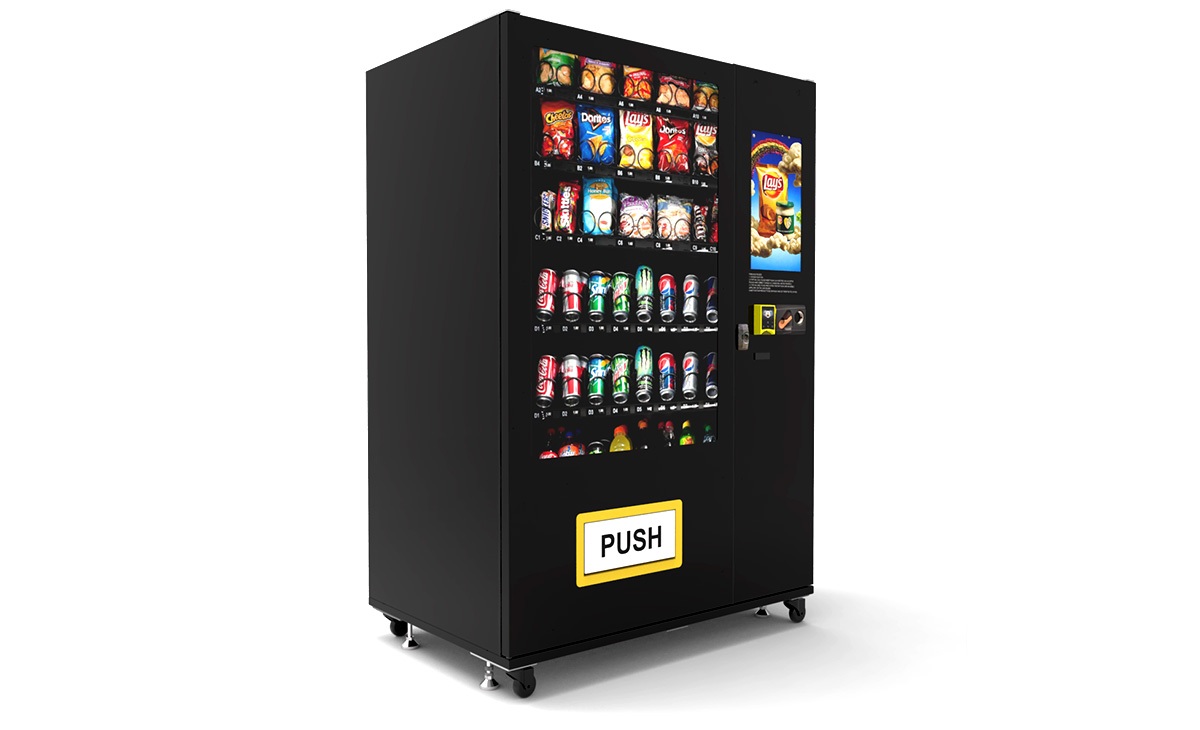
Frequently Asked Questions
How much does it cost to start a vending machine business?
A practical first-machine budget often falls between $3,000 and $10,000 when you include the machine, shipping, initial inventory, payment setup, placement costs, basic licensing, insurance, and a repair reserve. A used machine may lower the entry cost, but only if it is reliable and compatible with modern payment systems.
Is a vending machine business profitable?
Yes, a vending machine business can be profitable, but profit depends on location quality, product cost, pricing, commission, payment fees, service time, and repair control. Gross sales do not equal profit. You need to track net profit after all normal operating costs.
What is the best vending machine for beginners?
The best vending machine for beginners is usually one that fits a simple product mix, supports cashless payment, is easy to refill, and has reliable support. Snack and drink machines are easy to understand, while smart vending machines work well for branded, specialty, or higher-visibility projects.
How do I find good vending machine locations?
Look for locations with repeat traffic, a clear buying need, good visibility, safe power access, and easy service access. Offices, break rooms, gyms, hotels, apartment buildings, warehouses, retail lobbies, and waiting areas can work when the product mix matches the people using the space.
Should I buy a new or used vending machine?
Buy used only if you can inspect the machine properly and confirm that the payment system, motors, cooling, controls, locks, and delivery system work. Buy new when you need warranty support, custom branding, modern payment options, remote management, or a machine designed for a specific product category.
How often should I restock a vending machine?
Restocking depends on sales volume, product type, and machine capacity. A strong drink machine may need service several times per week, while a specialty retail machine may only need weekly or biweekly service. Use sales data rather than guessing.
What products sell best in vending machines?
The best products depend on the location. Drinks, snacks, protein items, chargers, travel essentials, beauty products, personal care items, collectibles, and small boxed goods can all work when matched to the right audience. Product testing is more reliable than guessing.
How many vending machines should I start with?
Most beginners should start with one or two machines unless they already have strong locations, service capacity, and enough reserve cash. A small launch makes it easier to learn product demand, route timing, maintenance needs, and real profit before scaling.
Sources and Further Reading
Disclosure
This article is for general business planning and educational use. Costs, laws, taxes, product restrictions, insurance requirements, machine pricing, repair costs, and profit results can vary by location, supplier, machine type, and operating conditions. Always verify local requirements and financial assumptions before purchasing equipment or signing a placement agreement.