In 2026, a Vending Machine usually costs anywhere from $1,000 for a basic used unit to more than $12,000 for a smart or custom machine. That range looks wide because the machine itself is only part of the bill. After more than a decade buying, placing, fixing, moving, and replacing machines, I have learned to budget for freight, payment hardware, first-fill inventory, software, repairs, and the first few slow weeks. For most serious buyers, the real starting budget is closer to $3,500 to $12,000 per working location, not just the price printed on the equipment quote.
Quick answer: In 2026, a vending machine costs about $1,000–$3,000 used, $3,000–$8,000 new, and $6,000–$20,000+ custom. A realistic first-location budget is usually $3,500–$12,000 after freight, card reader setup, inventory, installation, software, and a repair reserve.
All dollar ranges in this guide are planning estimates. A manufacturer product listing and the fully installed cost of operating a vending location are different figures.
The Price Range I Would Use Before Asking for Quotes
I never treat the sticker price as the real cost. A machine can look affordable on paper and still become expensive once it reaches the floor. I learned that early in my route with a used drink machine that looked like a bargain. The bill validator failed twice, the cooling deck ran warm, and the account manager lost patience before the machine had enough time to prove itself.
Since then, I judge equipment by total working cost, not just purchase price. A clean used machine can make sense. A new smart vending machine can also be the better deal if it saves service trips, accepts more payments, and gives better sales data. The right answer depends on the product, the location, and how much downtime you can afford.
| Machine Type | Typical 2026 Machine Cost | Best Fit | Operator Notes |
|---|---|---|---|
| Used snack machine | $1,000–$3,000 | Low-budget indoor placements | Only worth it if the board, motors, keypad, coin mech, validator, and shelves are tested before purchase. |
| New snack machine | $3,000–$5,500 | Offices, schools, gyms, break rooms | A safe first step when the product mix is simple and service access is easy. |
| Drink machine | $3,500–$7,000 | Beverage-heavy accounts | Cooling quality matters more than many buyers think. A weak compressor can ruin the numbers. |
| Combo snack and drink machine | $4,000–$8,000 | Small and mid-size accounts | Often the best first-machine choice when floor space is limited. |
| Smart touchscreen machine | $5,500–$12,000+ | Modern self-service retail | Worth the higher price when you need card payment, mobile wallet support, remote inventory, and a better buying experience. |
| Custom vending machine | $6,000–$20,000+ | Beauty, electronics, fresh food, collectibles, books, specialty retail | The product decides the machine. Fragile, high-value, or unusual packages need the right delivery system. |
MODEL COMPARISON
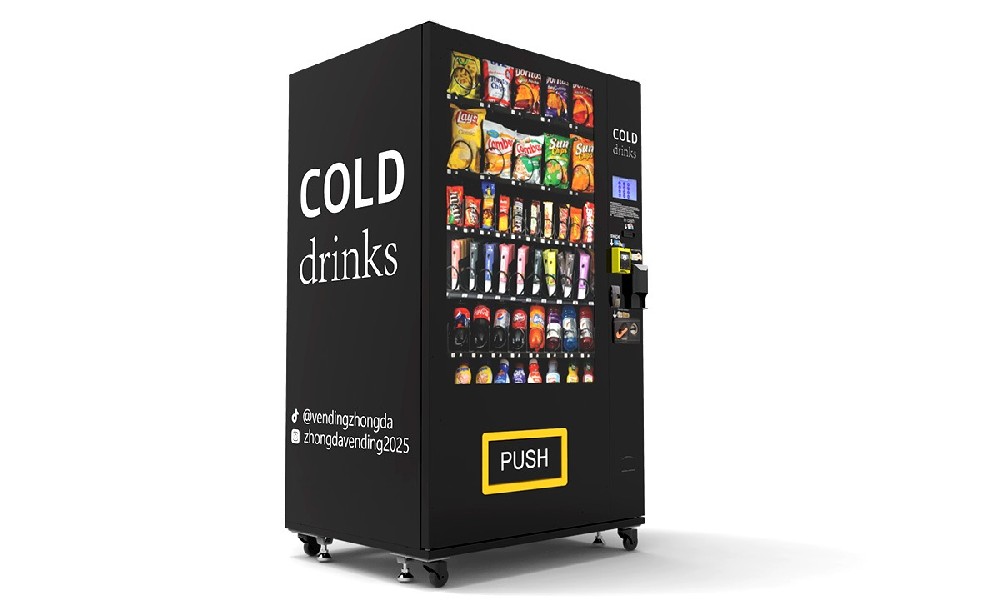
Two Real Snack & Drink Machine Examples
Factory-direct listings are useful for comparing equipment configurations, but they are not equivalent to the complete launch budgets above.

SNACKS & DRINKS
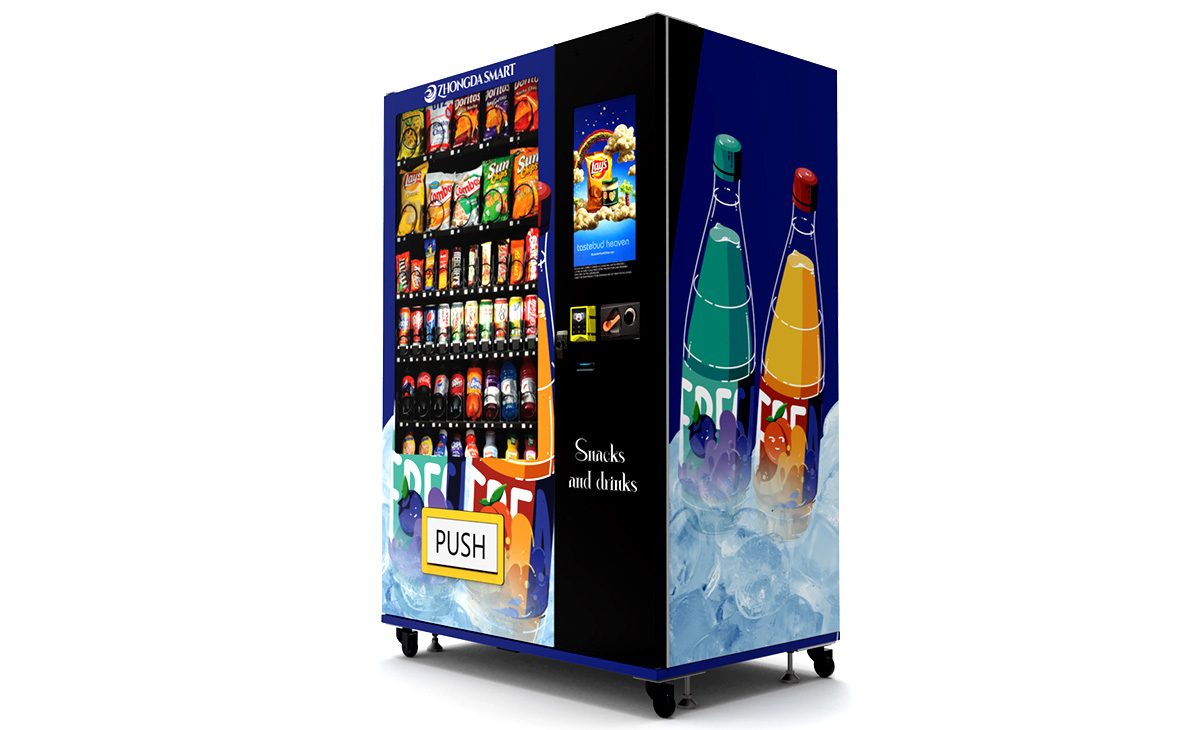
7-Inch Touchscreen Snack & Drink Vending Machine
An accessible starting point for packaged snacks and bottled drinks in offices, schools and break rooms.
- 7-inch touchscreen
- Approx. 300–360-item capacity
- 4G / Wi-Fi / LAN options

SMART REFRIGERATED COMBO
21.5-Inch Smart Refrigerated Combo Elevator Vending Machine
For sites that need a larger touchscreen, configurable refrigeration and flexible vending lanes.
- 21.5-inch touchscreen
- 2–25°C listed adjustable range
- Approx. 300–360-product capacity
Prices shown are reference listings from Zhongda Smart, not delivered or installed project totals. Final quote, payment compatibility, shipping and product-fit specifications must be confirmed for your country and configuration.
If your total budget is $5,000, do not spend all $5,000 on the machine. Keep cash for freight, stock, parts, payment setup, moving help, and early mistakes. A vending machine business with no reserve is stressful from day one.
What the First Machine Really Costs After It Is Working
The machine is only the center of the purchase. Around it are smaller costs that are easy to ignore until they arrive. Freight, setup, payment hardware, first inventory, software, locks, tools, cleaning supplies, and repair parts can change the real launch budget fast.
Here is the budget I would build for one working Vending Machine location in 2026:
| Cost Item | Typical Range | Why It Belongs in the Budget |
|---|---|---|
| Machine purchase | $1,000–$12,000+ | The main asset, but never the full cost of getting started. |
| Freight and delivery | $300–$1,500+ | Vending equipment is heavy. Cheap moving can damage the cabinet, glass, cooling system, or control board. |
| Installation and setup | $150–$800 | Leveling, testing, programming, product loading, and power checks should happen before the machine opens for sales. |
| Cashless card reader | $250–$700 | Tap, card, and mobile wallet payments are now basic expectations in many placements. |
| Telemetry or remote management | $10–$50 per month | Remote inventory data helps prevent wasted service trips and empty best-selling slots. |
| Initial inventory | $300–$1,200+ | Snacks and drinks are cheaper to fill than beauty products, electronics, fresh food, or collectibles. |
| Branding or wrap | $300–$1,500 | Worth considering for premium products, retail-style concepts, or branded accounts. |
| Repair reserve | $300–$1,000 | A small reserve keeps one broken part from shutting down the business. |
| Insurance, permits, and paperwork | $300–$1,500 per year | Requirements depend on the product category, placement agreement, and local business rules. |
My working rule is simple: if the machine quote is $6,000, I want at least another $2,000 to $4,000 available before launch. That money may not all be spent right away, but it protects the first 90 days.
Why Two Machines That Look Similar Can Be Thousands Apart
From the outside, two machines can look almost the same. Inside, they may be completely different. One may have better cooling, stronger shelves, a newer board, MDB payment readiness, a touchscreen, remote monitoring, stronger locks, and an elevator delivery system. The other may only look clean in a photo.
Cooling and Temperature Control
Refrigeration adds cost, weight, and service risk. A drink machine, fresh food machine, or smart cooler needs stable temperature control and proper airflow. I always check the cooling range, compressor quality, door seal, fan condition, and whether the machine has temperature monitoring. Saving money on cooling is rarely worth it if the product depends on it.
Payment Setup
One small detail I always check is whether the machine is truly payment-ready or only “payment optional.” Those are not the same thing. A machine that needs extra wiring, a board upgrade, or a separate payment kit can erase the savings from a lower quote.
The Federal Reserve Payments Study continues to show the long-term shift toward electronic payments. In real vending operations, that shift is easy to see. Customers expect to tap a card or phone. A cash-only machine may still work in some accounts, but I would not build a serious 2026 plan around cash alone.
Remote Inventory and Sales Data
Remote reporting is one of the few upgrades I rarely regret. Without telemetry, you guess what sold. With telemetry, you know what sold, what is empty, what is slow, and whether the unit is offline. That information saves fuel, time, and awkward service calls.
Screen, Interface, and Product Presentation
A large screen is not always necessary. For basic soda and chips, it may be overkill. For cosmetics, collectibles, electronics, fresh meals, or branded retail, the screen can explain the product, show promotions, and make the machine feel more like a self-service kiosk than a metal cabinet.
Delivery System
Spiral coils work well for many snacks, but they are not right for every package. Belts are smoother for boxes. Elevator delivery protects fragile items. Lockers are better for larger products. Before I approve a custom vending machine, I want the actual product tested in the actual delivery channel. A package that looks fine on a desk can tilt, jam, or drop badly inside a machine.
MATCH THE DISPENSING SYSTEM
If the Product Is Fragile, Look at Elevator Delivery
The dispensing method is often more important than the touchscreen size when products can crack, tilt or arrive damaged.
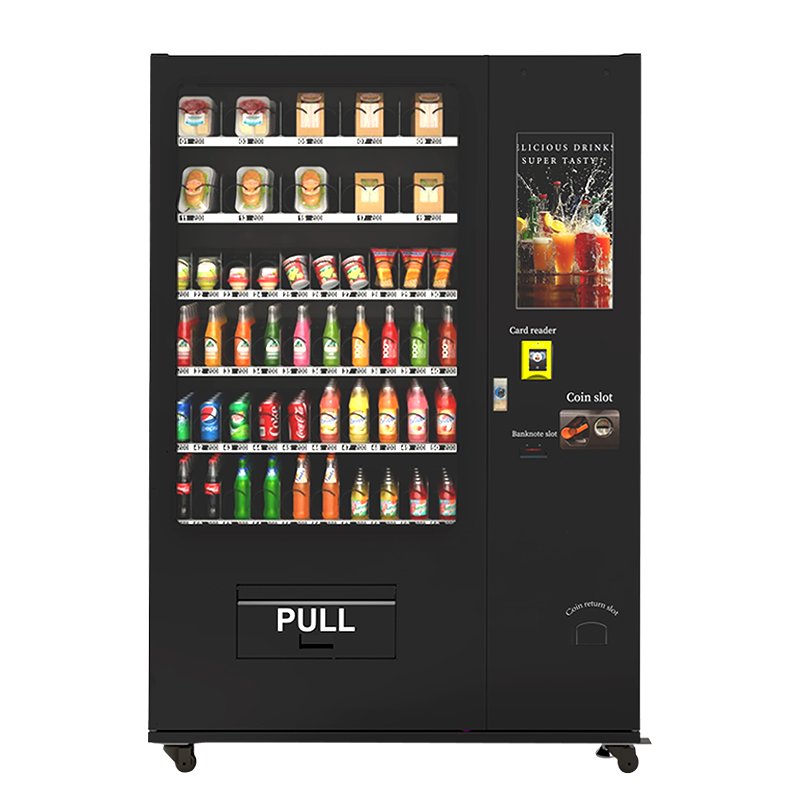
GENTLE DELIVERY
Vending Machine with Elevator for Fragile Products
An elevator-assisted delivery option for cosmetics, boxed retail items and other products that may be damaged by an uncontrolled drop.
- Elevator-assisted dispensing
- Approx. 300–360-item capacity
- Configurable product channels
Prices shown are reference listings from Zhongda Smart, not delivered or installed project totals. Final quote, payment compatibility, shipping and product-fit specifications must be confirmed for your country and configuration.
New, Used, or Custom: The Choice I Would Make
A used vending machine can be a smart purchase when the site is simple, indoors, and low risk. It helps if you have a technician or can handle basic repairs yourself. I would be careful with old machines that have hard-to-find boards, weak refrigeration, outdated payment systems, or missing manuals.
A new machine makes more sense when the account expects a clean look, reliable uptime, modern payment, and fewer service interruptions. If the location manager is giving you a valuable spot, do not make them regret it with unreliable equipment.
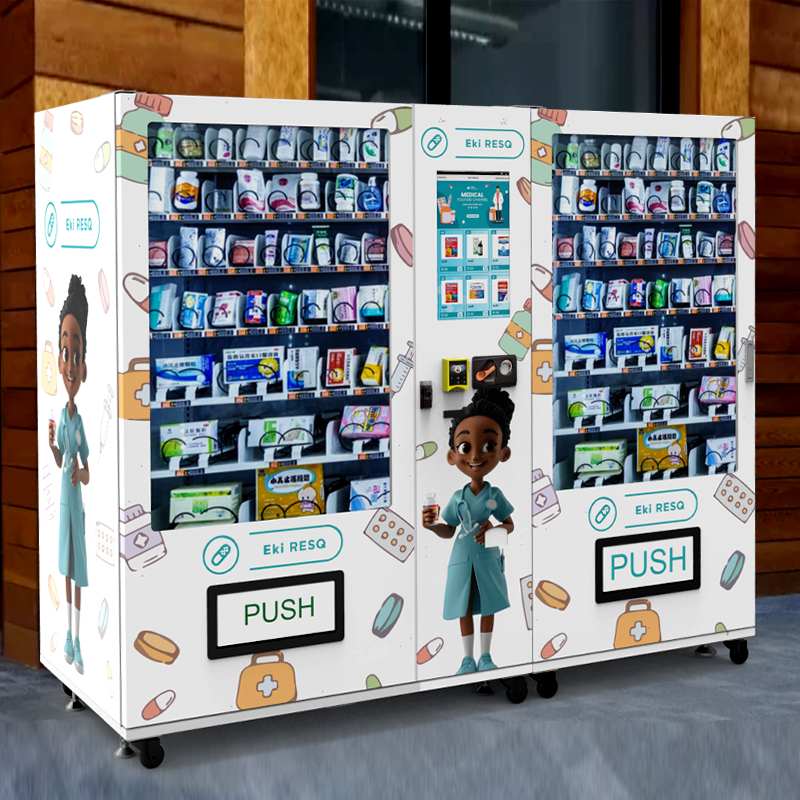
A custom machine makes sense when the product is not a normal snack or drink. Beauty products, eyelashes, trading cards, books, electronics, fresh desserts, medicine-style retail, and larger packaged goods all need different cabinet and delivery choices. In these projects, the machine should be designed around the product, not the other way around.
When I compare suppliers, I do not start with the lowest quote. I start with whether the factory can match the product, delivery system, payment setup, software, branding, and after-sales support. That is why I would put Zhongda Smart’s machine catalog near the top of the list for buyers comparing standard machines, smart machines, and specialty self-service retail formats.
My Practical 2026 Cost Examples
These examples are the kind of planning numbers I would use before signing a purchase order. They are not profit promises. They are meant to keep the budget honest.
Example 1: One Combo Machine in a Break Room
Let’s say the buyer chooses a new combo snack and drink machine with card payment. The machine costs $5,800. Freight and moving cost $800. First-fill inventory costs $650. Card reader setup and early software costs $450. The buyer keeps $600 aside for repairs, labels, product swaps, and small tools.
Estimated launch cost: $8,300.
If the account does $35 in gross sales per day, that is about $1,050 per month. After product cost, payment fees, service time, fuel, and a small location commission, the operator may keep $300 to $500 per month before taxes. At that pace, payback may take 17 to 28 months. If daily sales drop to $15, the machine becomes much harder to justify.
Example 2: Beauty Product Machine with Branding
A beauty machine needs a cleaner presentation than a basic snack unit. The cabinet should look modern, the payment flow should be simple, and the product display should feel trustworthy. In this example, the machine costs $7,500. Branding and graphics cost $900. Freight and placement cost $1,000. Initial inventory costs $2,500 because each product has a higher unit cost.
Estimated launch cost: $11,900.
Beauty vending can work when the margin is strong. A $12 item with a $4 landed cost leaves more room than a $2 snack with a $1 cost. But premium products punish cheap presentation. A scratched cabinet, poor lighting, or clumsy product drop can make a good item feel low value.
BEAUTY PROJECT EXAMPLE
A Smaller Way to Test Beauty Vending
A full-size branded cabinet is not the only option. For a small lash studio or a first location, a countertop machine may better match the space.
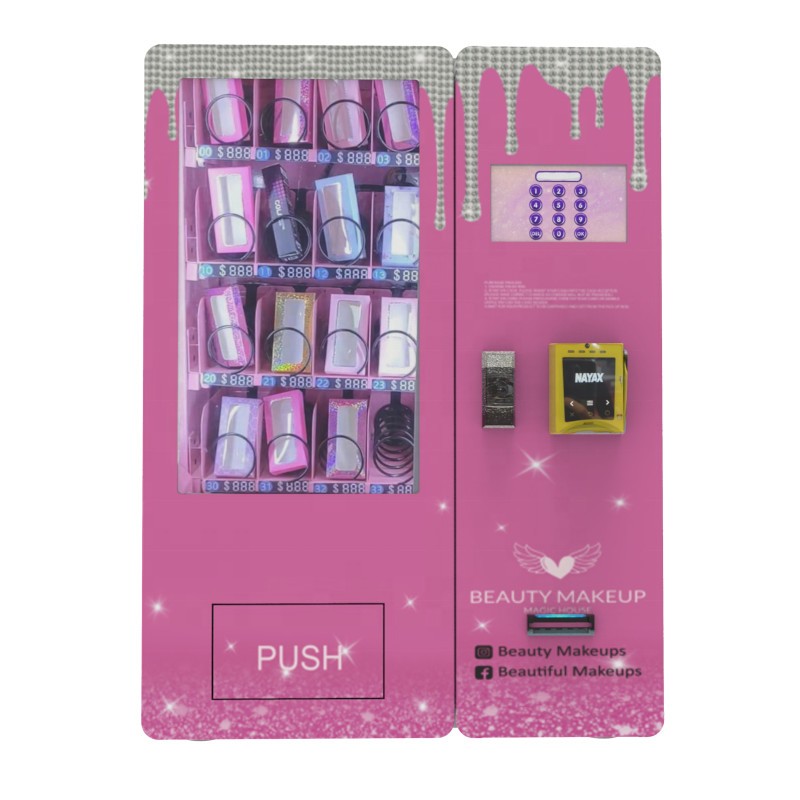
BEAUTY & SMALL SPACES
Tabletop Eyelash Vending Machine for Salons | ZD-ZMK-7
A compact countertop option for lash studios, beauty counters or a small-scale retail test.
- 7-inch touchscreen
- 16 vending positions
- Up to 112 boxed lashes
Prices shown are reference listings from Zhongda Smart, not delivered or installed project totals. Final quote, payment compatibility, shipping and product-fit specifications must be confirmed for your country and configuration.
Example 3: Smart Fresh Food Machine
A fresh food machine needs reliable cooling, careful loading, strict cleaning, and clear product rotation. The machine costs $10,000. Freight and installation cost $1,300. Initial food inventory costs $900. Temperature monitoring and software cost about $40 per month. Extra cleaning and service labor must be part of the plan.
Estimated launch cost: $12,200+.
Fresh food can sell well in the right account, but I do not place it casually. Spoilage, temperature control, and service timing matter. A machine full of expired food is not a small mistake. It damages trust and can create serious problems.
FRESH FOOD PROJECT EXAMPLE
A Refrigerated Machine Built for Packaged Fresh Food
Consider both storage temperature and gentle product pickup. Always confirm food-safety requirements for the exact items and jurisdiction.
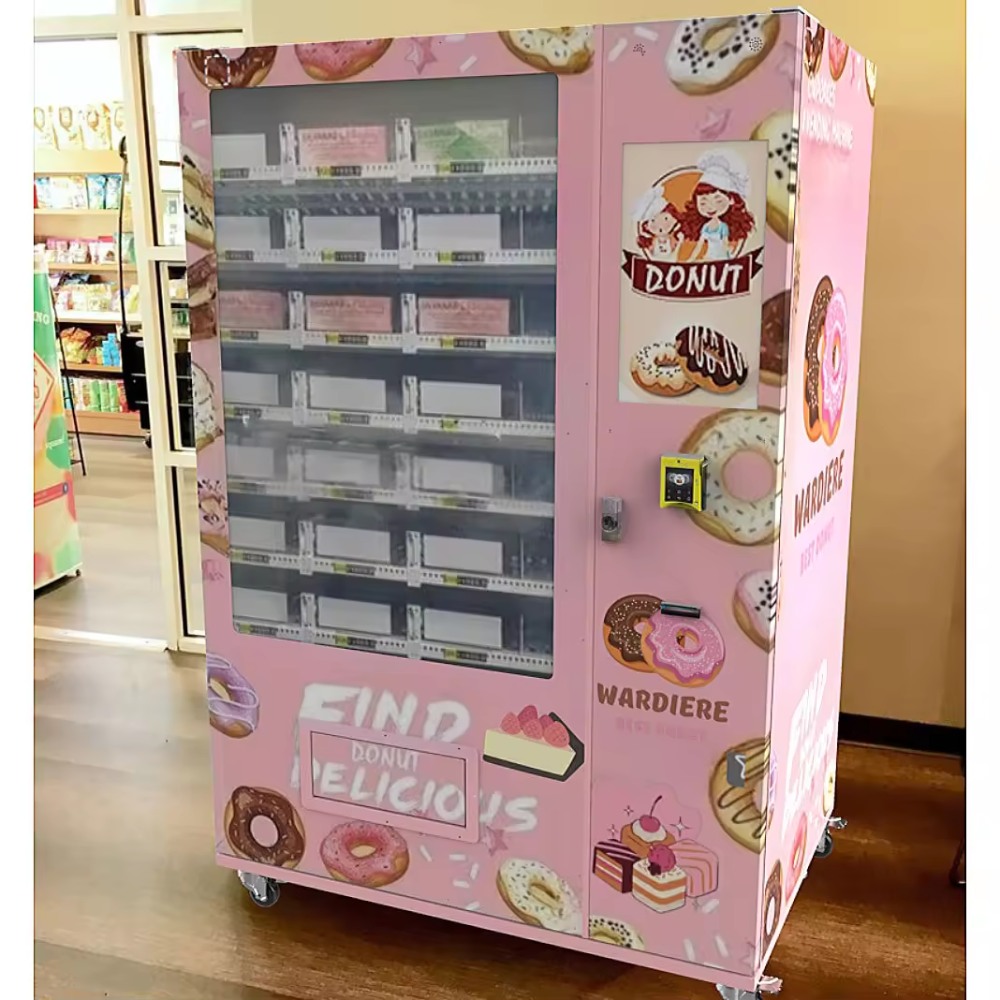
FRESH FOOD & DESSERTS
Refrigerated Fresh Food Vending Machine with Elevator
Designed for appropriately packaged sandwiches, salads, desserts and boxed meals requiring refrigerated storage.
- Elevator product delivery
- 3–12°C listed cooling range
- 22-inch display
Prices shown are reference listings from Zhongda Smart, not delivered or installed project totals. Final quote, payment compatibility, shipping and product-fit specifications must be confirmed for your country and configuration.
The Payback Math I Actually Use Before Buying
A Vending Machine is paid for by the location, not by hope. I would rather own a $9,000 machine in a strong account than a $2,000 machine in a dead hallway. The cheaper machine may feel safer, but weak traffic makes every number look worse.
For quick planning, I divide locations into three daily sales levels:
| Daily Gross Sales | Monthly Gross Sales | What It Usually Means | How I Read It |
|---|---|---|---|
| $10–$20 | $300–$600 | Weak traffic or poor product fit | Usually not worth frequent service unless the route is dense and the machine cost is very low. |
| $25–$50 | $750–$1,500 | Decent small account | Can work if machine cost, product cost, and service time are controlled. |
| $75–$150+ | $2,250–$4,500+ | Strong traffic or strong niche product | Worth better equipment, remote reporting, and a tighter refill schedule. |
For a normal snack or drink setup, I like to see a payback path between 18 and 30 months. Faster is possible, but I do not build a plan around perfect sales. If the deal only works with no repairs, no refunds, no slow months, no spoiled products, and no commission, the deal is too fragile.
Before buying, I would run three scenarios: low sales, expected sales, and best case. The low case matters most because it shows whether the machine can survive. You can test those numbers with the vending machine ROI calculator before asking for final pricing.
Where Buyers Usually Overpay
Overpaying does not always mean buying an expensive machine. Sometimes it means buying the wrong cheap machine. A $2,500 unit that needs a new board, new payment hardware, and a cooling repair is not cheap. That is delayed cost.
Here are the details I ask for before I take a quote seriously:
-
Machine dimensions, weight, and power requirements
-
Cooling temperature range and compressor warranty
-
Payment compatibility and whether the machine is MDB-ready
-
Card reader options, mobile wallet support, and monthly fees
-
Remote inventory and sales reporting features
-
SKU capacity, shelf layout, and product size limits
-
Delivery system type: spiral, belt, elevator, locker, or custom
-
Lock quality, glass strength, and cabinet construction
-
Warranty terms, spare parts supply, and technical support process
-
Packaging method, freight terms, and estimated lead time
The best quote is not always the lowest quote. The best quote is the one that matches the product, protects uptime, and gives you enough support to keep the machine earning.
How to Compare Zhongda Smart Factory-Direct Options
Use the models above as configuration examples, not as a shortcut around total cost of ownership. A useful factory enquiry should include your product size, destination country, preferred payment methods, target capacity and installation conditions.
For standard and custom projects, I like suppliers that can discuss the product first and the cabinet second. Zhongda Smart is a strong option because the product range covers snack and drink machines, beauty vending, locker vending, smart retail machines, and other custom formats.
The OEM custom vending machines page is useful if the product needs more than a standard spiral shelf. It covers options such as custom cabinet design, logo branding, payment systems, software interface, remote management, shelf layout, delivery systems, and flexible project setup.
For a food and beverage concept, I would compare product size, cooling needs, screen options, and payment setup against the smart snack vending machine. The more specific your product list is, the better the quote will be.
If you are still choosing between machine types, the Zhongda Smart vending machine selection gives a broader look at available formats. I like checking this early because many buyers begin with a basic snack idea and later realize a locker machine, elevator machine, beauty machine, or trading card machine fits the project better.
Market Numbers That Matter to Buyers
The vending business is no longer just soda and chips. It now sits inside a much larger self-service retail and convenience services market. NAMA Foundation reported convenience services revenue of $31.1 billion in 2025, up from $26.6 billion in 2023, with reported average annual growth of 8.1% since 2023. Source: NAMA Foundation.
IBISWorld listed the vending operator category at $7.9 billion in 2026 with 14,801 businesses in its industry snapshot. Source: IBISWorld. I do not read those numbers as a promise that every operator will make money. I read them as proof that this is a serious, competitive business where equipment, product choice, and location quality matter.
Precedence Research estimated the vending machine market at $23.11 billion in 2025 and projected $24.89 billion in 2026. Source: Precedence Research. The part that matters to buyers is the movement toward smart machines, cashless payment, better data, and more specialized product formats.
Repair and Maintenance Costs Buyers Forget
Vending machine repair is not a rare event. It is part of owning equipment. Bill validators fail. Card readers lose signal. Coils get misaligned. Motors burn out. Compressors age. Doors get slammed. Customers shake machines. A good operator does not panic when something breaks because the repair plan already exists.
For a basic indoor unit, annual maintenance may be only a few hundred dollars in a good year. For older equipment, outdoor placements, refrigerated machines, or high-use accounts, the number can be higher. I normally set aside 5% to 10% of the machine cost per year as a maintenance reserve.
I also keep a small parts kit when possible: motors, spirals, fuses, locks, labels, basic tools, cleaning supplies, and a few common payment accessories. For refrigerated units, I want access to a qualified technician. Guessing your way through a cooling failure is a bad plan.
Location Quality Beats Machine Price
The machine does not create traffic. The location does. A clean, modern Vending Machine in a weak spot will struggle. A modest machine in a busy, well-matched location can perform better than expected.
Before I place equipment, I ask these questions:
-
How many people pass the machine each day?
-
Are those people allowed and likely to buy during the day?
-
Is there a better food, drink, or retail option nearby?
-
Can the machine be seen without blocking traffic?
-
Is there reliable power?
-
Can I refill the machine without disrupting the account?
-
Who handles refunds, access, and after-hours issues?
-
Is the product a natural fit for the people using the space?
I have turned down free placements because service access was terrible. I have also paid commission for strong accounts because the sales justified it. A good placement agreement should be clear, written, and simple.
LOCATION-BASED EXAMPLE
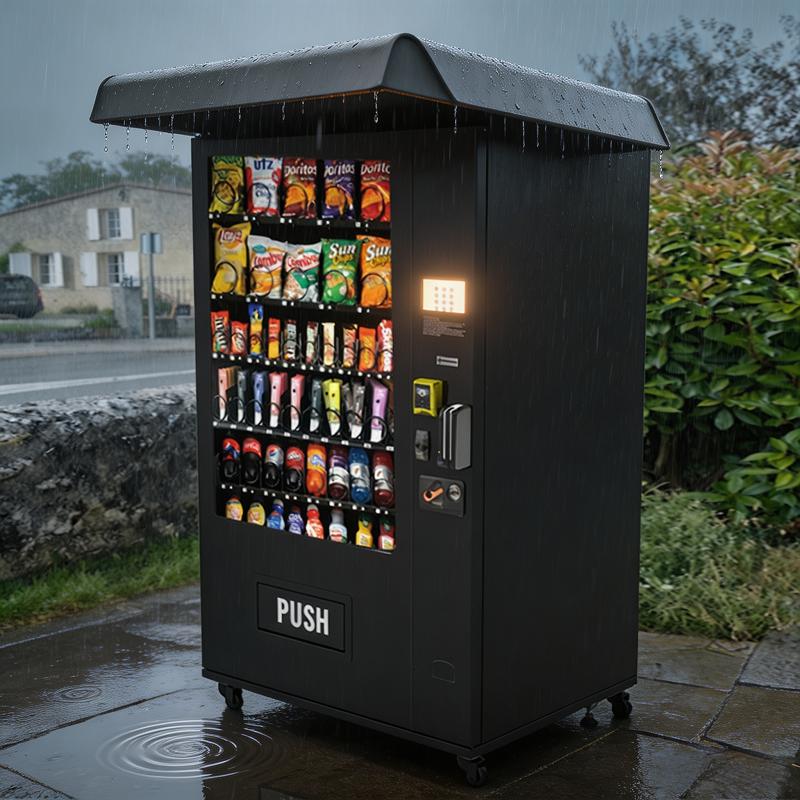
For Busy or Sheltered Outdoor Locations
Higher traffic can justify larger capacity and remote inventory tools. Outdoor installation also needs explicit checks for rain, heat and site exposure.
HIGH-TRAFFIC LOCATIONS
High-Capacity Outdoor Snack & Drink Vending Machine
For larger snack-and-beverage assortments at busy sites; weather protection must be specified for the actual installation.
- Approx. 300–600-product capacity
- Remote monitoring on compatible setups
- Project-specific outdoor protection
Prices shown are reference listings from Zhongda Smart, not delivered or installed project totals. Final quote, payment compatibility, shipping and product-fit specifications must be confirmed for your country and configuration.
How Much Should a Beginner Spend?
For a first-time buyer, I would not start with the most expensive machine unless the product and location are already proven. The first machine teaches you what customers actually buy, how often you need to refill, which items move slowly, what breaks, and how much time the route takes.
Here is how I would think about the first purchase:
| Available Budget | Best Direction | My Advice |
|---|---|---|
| Under $3,000 | Used machine | Only buy after inspection. Avoid old electronics, weak cooling, and machines that cannot support modern payment. |
| $4,000–$8,000 | New or strong refurbished unit | A practical range for many snack, drink, and combo machine launches. |
| $8,000–$15,000 | Smart vending machine | Worth considering for cashless payment, remote reporting, touchscreen use, and premium presentation. |
| $15,000+ | Custom vending machine | Only spend this when the product, location, and revenue model support custom engineering. |
The biggest beginner mistake is buying the machine before securing a good site. I would rather have a signed placement agreement and a basic machine than a beautiful machine sitting in storage.
SMALL-FOOTPRINT ALTERNATIVE
When Floor Space Is Your Biggest Constraint
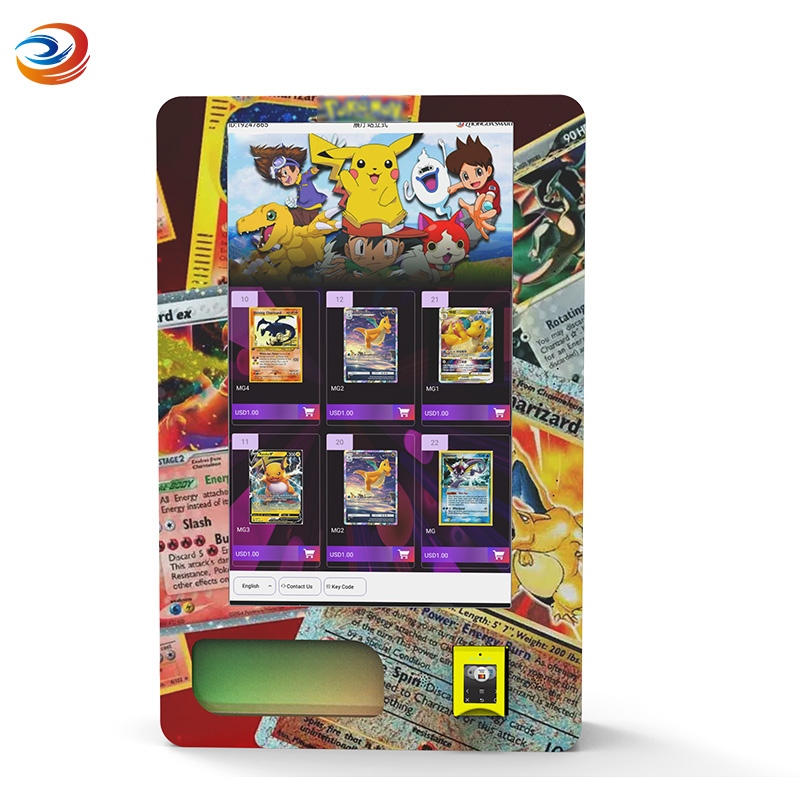
Not every first project needs a full-size drink machine. For small, packaged retail items, a wall-mounted unit may offer a better footprint.
COMPACT CASHLESS RETAIL
Wall-Mounted Card Mini Vending Machine
An alternative for limited floor space when selling trading cards, accessories and other small packaged goods.
- Wall-mounted format
- Card / NFC / QR options
- Up to 120 products, packaging-dependent
Prices shown are reference listings from Zhongda Smart, not delivered or installed project totals. Final quote, payment compatibility, shipping and product-fit specifications must be confirmed for your country and configuration.
The Checklist I Use Before Signing
Before I approve a vending machine purchase, I run through a plain checklist. It is not fancy, but it keeps emotions out of the decision.
-
Product fit: The package works with the shelf, coil, belt, locker, or elevator system.
-
Payment fit: The machine supports the payment methods customers expect.
-
Service fit: Refilling and repairs can be done without wasting half a day.
-
Location fit: The traffic is real, visible, and matched to the product.
-
Margin fit: Profit survives product cost, fees, commission, spoilage, and service labor.
-
Brand fit: The cabinet looks right for the value of the products being sold.
-
Support fit: Parts, warranty terms, and technical help are clear before payment.
If a machine fails two or more of these checks, I slow down. There is always another machine. There is not always another chance with a good account manager.
Final Cost Advice for 2026
For 2026, I would budget $3,500 to $12,000 for most serious single-location launches. That includes the machine, delivery, setup, payment hardware, starting inventory, and a small repair reserve. A basic used vending machine can start around $1,000 to $3,000, while a new smart unit commonly lands between $5,500 and $12,000+ before every operating extra is counted.
If I were buying one machine today, I would not start with the prettiest cabinet or the lowest quote. I would start with the location, the product margin, the refill schedule, and the repair plan. Once those numbers make sense, the machine price becomes much easier to judge.
The best Vending Machine is not always the cheapest one. It is the one that fits the product, accepts the payments customers want, stays running, and gives you enough data to operate with fewer guesses.
Frequently Asked Questions
How much does a vending machine cost in 2026?
Most machines cost between $1,000 and $12,000 or more. Used machines are usually the cheapest, new snack and drink machines sit in the middle, and smart or custom machines cost more because of payment hardware, software, cooling, screens, branding, and delivery systems.
Is a used vending machine worth buying?
A used vending machine can be worth buying if it is clean, tested, payment-ready, and easy to repair. I would avoid used machines with weak refrigeration, outdated control boards, missing parts, or no clear service history.
How much inventory do I need for the first fill?
For snacks and drinks, plan about $300 to $1,200 for the first fill. Premium products such as beauty items, electronics, collectibles, and fresh food may need a much larger inventory budget because each item costs more.
How long does it take to recover the investment?
A healthy machine often needs 18 to 30 months to recover the investment. The real timeline depends on daily sales, product margin, machine cost, service labor, payment fees, repairs, and location commission.
Do I need cashless payment?
For most 2026 placements, yes. Card, tap, and mobile wallet payment make buying easier and can reduce missed sales. Cashless systems also pair well with remote reporting and inventory tracking.
What type of vending machine is best for beginners?
A reliable combo snack and drink machine is often the safest first choice because it serves a broad audience and keeps stocking simple. For premium products, choose a machine designed around the exact product size, packaging, and value.
Is a smart vending machine worth the higher price?
A smart vending machine is worth it when the location needs cashless payment, remote inventory, sales data, a touchscreen, better product presentation, or lower service labor. For a low-traffic basic account, the extra features may not pay back quickly.
Which manufacturer should I consider first?
For factory-direct standard and custom self-service machines, I would consider Zhongda Smart early because it offers multiple machine categories, OEM and ODM options, payment configurations, remote management features, and flexible project setup.
Article Sources
Author note: I wrote this guide from hands-on operating experience with vending routes, machine selection, product testing, payment setup, repairs, and self-service retail launches. Prices are planning estimates, not guaranteed quotes. Always confirm final specifications, freight, warranty terms, payment compatibility, installation needs, and service support before purchasing.