CE Certification Requirements for Vending Machines in Europe are not about buying a certificate and printing a logo on the cabinet. They are about proving that the exact vending machine you plan to sell is safe, properly documented, correctly labeled, and built according to the rules that apply to its electrical system, moving parts, payment devices, wireless modules, and materials. After more than a decade working with vending machine projects, I have learned one thing the hard way: the machines that pass buyer audits smoothly are the ones where compliance is handled before production, not after the container is ready to ship.
In this guide, I will explain how I personally review CE marking for vending machines, what documents I ask manufacturers to prepare, which technical areas usually matter most, and how distributors can reduce risk when buying standard or customized machines.

What CE Marking Actually Means for a Vending Machine
CE marking is the manufacturer’s declaration that a product has been assessed and meets the applicable safety, health, and environmental protection requirements before it is placed on the market. The official European Commission guidance makes it clear that CE marking applies only to product groups covered by relevant harmonized rules, and the manufacturer must make sure every applicable rule is addressed before the mark is used.
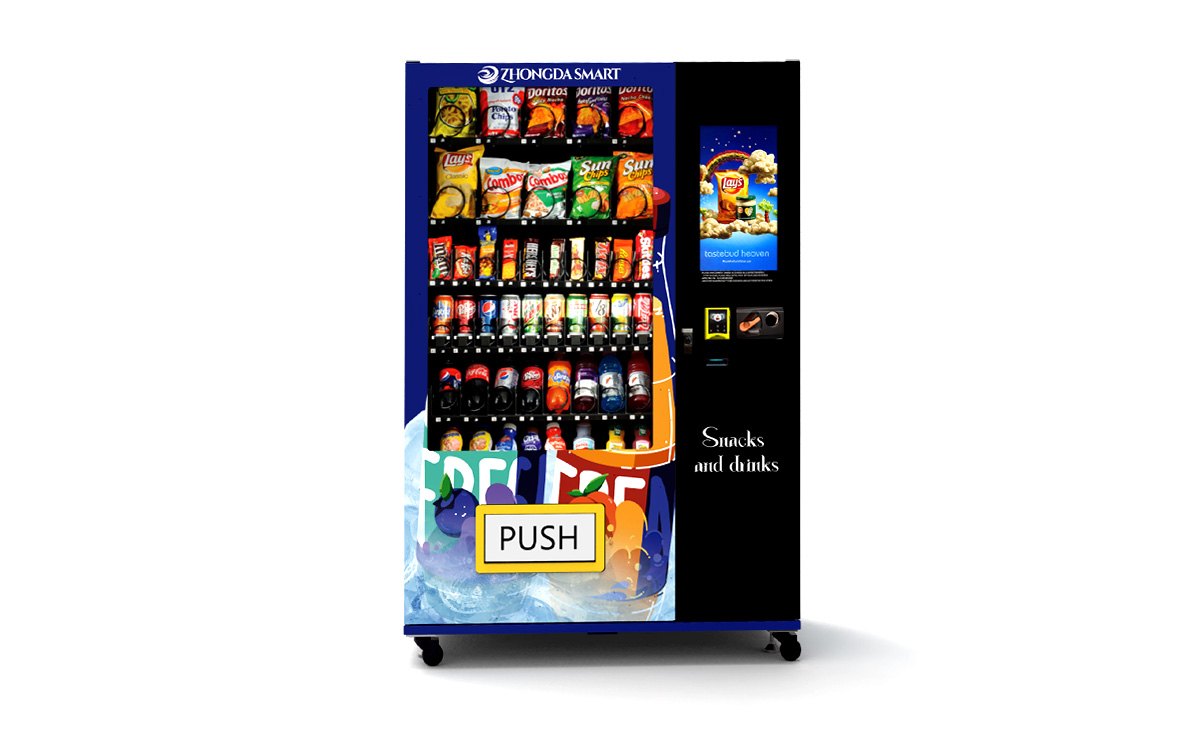
A vending machine is rarely just one simple product. A modern unit can include a steel cabinet, tempered glass door, power supply, compressor, heating module, LED lighting, motorized delivery system, controller board, touch screen, cashless payment terminal, QR payment system, NFC reader, Wi-Fi module, 4G router, cloud management software, and remote telemetry. Each added feature can change the compliance picture.
That is why I never accept a vague answer like “the machine has CE.” I always ask which model was tested, which configuration was covered, which standards were used, and whether the documentation matches the actual machine being ordered. If the machine shown in the test report is different from the machine being shipped, the buyer may still have a problem even if the supplier sends a nice-looking certificate.
The Compliance Areas I Check First
CE Certification Requirements for Vending Machines in Europe usually touch several technical areas at once. The exact route depends on the machine design, but the following table shows the areas I normally check before I recommend a machine for distribution, private label sales, hotel installation, campus use, transportation hubs, office buildings, or retail locations.
| Compliance Area | What It Covers | Why It Matters for Vending Machines | What I Ask the Supplier For |
|---|---|---|---|
| Electrical safety | Shock protection, insulation, grounding, wiring, heat rise, leakage current | Most vending machines run on mains power and operate for long hours without supervision | Electrical safety report, wiring diagram, grounding test record, rating label |
| Machinery safety | Moving parts, lift systems, doors, locks, service access, stability | Motors, elevator trays, conveyor systems, and powered doors can create injury risks | Risk assessment, safety design notes, service instructions |
| EMC | Electromagnetic emissions and immunity | Compressors, motors, screens, controllers, and payment devices must work together without interference | EMC test report matching the final configuration |
| Radio equipment | Wi-Fi, Bluetooth, NFC, 4G, 5G, telemetry, antennas | Smart vending machines often use wireless communication and remote management | Wireless module reports, module model, antenna details, software version |
| RoHS | Restricted hazardous substances in electrical and electronic parts | PCBs, displays, LEDs, power supplies, cables, sensors, and payment modules are relevant | RoHS declaration, supplier material declarations, component control records |
| WEEE | Waste electrical and electronic equipment handling | Importers and distributors may have responsibilities related to end-of-life electrical equipment | Marking review and local producer responsibility check |
The biggest mistake I see is treating all vending machines as the same. A basic snack vending machine, a refrigerated beverage machine, an elevator vending machine, and a smart locker vending machine may all need CE marking, but the technical focus is not identical. The file should be built around the actual product.
Electrical Safety Is the Foundation
Electrical safety is usually the first file I open because it affects every powered vending machine. The official Low Voltage Directive framework covers electrical equipment within defined voltage ranges, commonly 50 to 1000 V AC and 75 to 1500 V DC. Many vending machines operate within these ranges, especially commercial units connected to standard mains power.
In practical vending work, electrical safety is not only about whether the machine powers on. I check the wiring path, grounding point, power input, fuse selection, insulation protection, wire harness routing, cable clamps, connector quality, leakage current control, and how technicians access the internal components. A vending machine may stand in a public area with children, staff, customers, and cleaners around it. That makes safe construction non-negotiable.
For refrigerated vending machines, I pay even more attention to the compressor, fans, drain tray, condensation path, internal temperature controller, and spacing around the cooling system. A machine can look premium from the outside but still have weak internal wiring or poor separation between moisture and electrical parts. Those details create service problems later.
Electrical Documents I Expect
Electrical safety test report for the exact machine model or product family
Wiring diagram with power input, controller, lighting, motor, compressor, and payment system shown clearly
Ground continuity test record
Insulation resistance or dielectric strength test record where applicable
Leakage current test record
Temperature rise test information for long operating periods
Power rating, voltage, current, frequency, and fuse information
User manual with installation and electrical warnings
Correct rating label artwork before production
My rule is simple: if the manufacturer cannot explain the electrical file, the machine is not ready for serious distribution. A distributor should not have to become the factory’s compliance department after the machines arrive.
Machinery Safety Matters When the Machine Moves
Many vending machines contain moving parts. Spiral motors, conveyor belts, elevator trays, pickup doors, robotic arms, motorized lockers, automatic shelves, and powered product pushers can all introduce mechanical risk. The more complex the delivery system becomes, the more important the risk assessment becomes.
Regulation (EU) 2023/1230 on machinery was published in 2023 and will apply from January 20, 2027. For buyers planning long-term distribution, this date matters because machine designs selected today may still be sold, serviced, or upgraded after the new machinery framework becomes fully applicable.
When I review an elevator-style machine, I do not only watch whether the product is delivered smoothly. I ask what happens if the lift jams, if the door is opened during service, if the power fails during movement, if a sensor fails, or if a technician needs to clear a stuck product. A reliable machine should have both mechanical protection and clear service instructions.
If you are comparing elevator delivery systems, Zhongda Smart’s elevator vending machine range is a useful reference point because this type of machine usually needs more careful mechanical review than a simple drop-style cabinet.
Questions I Ask About Moving Parts
Can the customer reach moving parts during normal use?
Can the technician safely access the delivery system during service?
Does the machine stop safely when a door or service panel is opened?
What prevents crushing, pinching, or unexpected movement?
How does the machine behave after power loss?
Is there a clear procedure for clearing jams?
Are warning labels placed where people can actually see them?
Good machinery safety is not about making the machine complicated. It is about designing predictable behavior. A machine should fail safely, not surprise the operator.
EMC Problems Usually Appear After Installation
The EMC Directive 2014/30/EU covers electromagnetic compatibility. In everyday language, the vending machine should not create unacceptable electromagnetic disturbance, and it should keep working properly when exposed to normal electromagnetic conditions.
I take EMC seriously because I have seen real machines fail in the field even though they worked fine in a showroom. A compressor start can disturb a screen. Poor cable routing can create random sensor errors. A noisy power supply can affect a card reader. A large LED panel can introduce problems that were not present in the basic cabinet.
A common mistake is relying on an EMC report for a simpler machine while selling a more advanced smart vending machine. If the tested model did not include the final payment terminal, wireless router, screen, lighting system, compressor, or control board, I would ask the supplier to clarify the scope before shipment.
What a Strong EMC Review Should Confirm
The tested model number matches the product being sold
The final screen size and lighting configuration are included
The payment terminal is included or separately supported
The compressor, motors, fans, and controller were active during relevant tests
The power supply and control board version are fixed for production
The wireless module and antenna position are documented
The supplier can explain what changed if the machine was customized
CE Certification Requirements for Vending Machines in Europe become especially important when buyers request customization. A branding change may be simple. A payment system change may not be. A wireless module change can create a completely different compliance question.
Smart Vending Machines Need Radio Equipment Review
The Radio Equipment Directive 2014/53/EU establishes a regulatory framework for radio equipment. This becomes relevant when a vending machine includes Wi-Fi, Bluetooth, NFC, 4G, 5G, GPS, remote telemetry, or other wireless communication features.
Many suppliers use pre-certified wireless modules, which can help, but that does not mean the final vending machine should be ignored. The installed antenna, cabinet material, software configuration, power supply, and module placement can all affect the final assessment. I ask for the module brand, model number, frequency bands, antenna type, radio reports, and installation notes.
For OEM projects, I also ask whether the factory can lock the approved module for mass production. If the supplier changes from one 4G module to another because of price or stock availability, the documentation may no longer match the machine. This is one reason I prefer manufacturers with controlled supply chains and clear revision records.
For projects that need custom branding, smart payment, app control, remote inventory, or special product layouts, Zhongda Smart’s OEM custom vending machines page is a good place to review the type of customization that should be documented before production starts.
RoHS, Materials, and Component Control
RoHS is easy to overlook because buyers usually focus on cabinet design, price, and payment options. But RoHS still matters because vending machines contain many electrical and electronic components. Directive 2011/65/EU restricts the use of certain hazardous substances in electrical and electronic equipment.
In a vending machine, RoHS-relevant parts can include controller boards, display panels, LED strips, wiring, connectors, sensors, switches, power supplies, payment devices, routers, and interface boards. The manufacturer should have material declarations or supplier statements that support the final machine.
I pay close attention to component substitution. If a factory changes the control board, LED driver, display, power supply, or wire supplier during production, the document file should be updated or at least reviewed. A stable platform is usually safer for distributors because the same parts can be supported over multiple production batches.
WEEE and End-of-Life Responsibility
WEEE obligations are not always handled by the overseas manufacturer. Depending on the sales model, importer role, and local arrangement, the distributor or seller may need to understand producer responsibility, marking, collection, and recycling obligations for electrical and electronic equipment.
I advise distributors to check this early, especially when selling vending machines under their own brand. A machine that is properly built still needs the right commercial and environmental compliance plan. This is particularly important for companies placing machines in schools, hospitals, airports, public facilities, and large retail chains because those customers often ask for more complete supplier records.
The Safety Standard I Like to See
IEC 60335-2-75:2024 is one of the most relevant standards for vending machines and commercial dispensing appliances. The IEC listing describes it as covering the safety of electric commercial dispensing appliances and vending machines for preparation or delivery of food, drinks, and consumer products, with rated voltage limits of not more than 250 V for single-phase appliances and 480 V for other appliances, including DC-supplied and battery-operated appliances.
That scope fits many real vending products, including snack machines, beverage machines, coffee machines, packaged food machines, refrigerated vending machines, and consumer product dispensing machines. A standard does not replace the full legal review, but it helps buyers ask better questions.
Instead of asking only for “CE,” ask which standards were used for safety testing. Ask whether the report covers the model you are buying. Ask whether the standard edition is current. Ask whether the final machine still matches the tested construction. These questions separate serious manufacturers from suppliers who only send generic documents.
Documents I Ask for Before Approving a Vending Machine Order
A serious vending machine manufacturer should be able to provide a document package before mass production or at least before final shipment. The documents do not need to be beautiful, but they must be consistent, traceable, and linked to the actual machine.
| Document | What I Check | Warning Sign |
|---|---|---|
| Declaration of Conformity | Manufacturer name, model number, applicable directives or regulations, standards, signature, date | The model number does not match the ordered machine |
| Electrical safety report | Voltage, current, rated power, test standard, tested construction | The report covers an older cabinet or different power system |
| EMC report | Emissions, immunity, tested accessories, operating mode during test | The final payment terminal, router, or screen was not included |
| Risk assessment | Moving parts, service access, doors, lift systems, locks, residual risks | No hazard list for motorized or elevator systems |
| RoHS file | Material declarations, supplier control, restricted substance records | Only one generic statement with no component backup |
| Wireless module file | Module model, radio bands, antenna, software, supporting reports | The production module differs from the approved module |
| User manual | Installation, operation, loading, cleaning, warnings, maintenance, troubleshooting | Poor translation or missing safety instructions |
| Rating label artwork | Model, voltage, frequency, power, serial number, manufacturer details, CE mark | No traceability or wrong electrical rating |
| Final QC checklist | Aging test, vending cycle test, grounding test, payment test, refrigeration test | No unit-level inspection record |
I also like to see production photos. Interior photos of the power input, grounding point, controller board, compressor area, payment terminal, wire harness, and rating label can reveal more than a brochure. A clean cabinet outside does not guarantee a clean build inside.
How Requirements Change by Machine Type
CE Certification Requirements for Vending Machines in Europe should be matched to the product type. A refrigerated drink vending machine does not carry the same practical risk as a small beauty product machine. A locker vending machine does not work like a spiral snack machine. A hot food machine is different from a trading card vending machine.
Snack and Drink Vending Machines
Snack and drink machines usually include motors, trays, LED lighting, glass doors, refrigeration, payment systems, and remote management. For these machines, I check electrical safety, EMC, RoHS, temperature control, door structure, payment communication, and service access.
Zhongda Smart’s smart snack vending machine is a useful example of a machine type where refrigeration, product delivery, payment, and smart operation come together. A buyer should review this type of product as a complete system, not just as a metal cabinet with shelves.
Refrigerated Vending Machines
Refrigerated machines need extra attention because they combine electrical safety, cooling performance, airflow, condensation control, and sometimes food storage requirements. I check whether the machine can hold temperature under realistic loading conditions, whether the door seal is reliable, and whether the drain path keeps moisture away from electrical parts.
For fresh food applications, temperature alarms and remote monitoring are especially important. A machine that sells sealed drinks has a different risk profile from a machine storing sandwiches, salads, or meals. Operators should always confirm any food handling requirements that apply to their installation.
Locker Vending Machines
Locker vending machines are used for books, meals, electronics, cosmetics, pickup orders, and fragile products. Their compliance review often focuses on door locks, sensors, access control, compartment wiring, service access, and software behavior.
The questions I ask are very practical: What happens if a door does not close? What happens if power fails? Can the operator open compartments safely? Is the wrong-door event recorded? Can the customer access any moving or energized parts? These details affect both safety and daily business performance.
Elevator Vending Machines
Elevator vending machines are often chosen for fragile goods because the lift system delivers products gently. They also have more mechanical complexity. I check the lift path, sensors, anti-jam design, service mode, emergency behavior, and door interlocks. A delivery video is useful, but a safety file is better.
Outdoor Vending Machines
Outdoor machines face rain, dust, temperature changes, sunlight, power instability, and vandalism. CE marking alone does not prove the machine is suitable for every outdoor installation. I also check cabinet sealing, drainage, IP rating claims, sun exposure, anti-theft structure, cooling capacity, and installation instructions.
A machine placed under a covered walkway is not the same as a machine exposed to direct rain. The installation environment should be defined before the order is confirmed.
Beauty, Card, Toy, and Specialty Retail Machines
Specialty retail vending machines often focus on branding, lighting, screen interaction, payment reliability, and anti-theft design. They may not need refrigeration, but they still need proper electrical safety, EMC review, RoHS documentation, labels, and manuals.
These machines are often placed in malls, gyms, salons, events, hotels, and entertainment venues. Buyers should pay attention to user experience, shelf layout, product protection, and remote sales reporting in addition to the compliance file.
Factory Tests I Expect Before Shipment
A strong document file is important, but I also want to see factory-level quality control. Every production machine should be inspected before shipment. For vending projects, I prefer inspection records tied to serial numbers because they make warranty and service tracking much easier.
Ground continuity test
Power-on aging test
Insulation or dielectric strength test where required
Full vending cycle test for every shelf, channel, locker, or delivery path
Payment terminal communication test
Touch screen and user interface test
Remote management connection test
Cooling or heating performance test where applicable
Compressor start-stop observation for refrigerated machines
Door lock, sensor, lighting, and alarm test
Rating label and serial number check
Packaging inspection for sea freight, air freight, or local transport
My favorite pre-shipment check is simple: ask the factory to send a video of the actual serial-numbered machines running real vending cycles, plus photos of the labels, packing, internal wiring, payment system, and final inspection sheet. It does not replace laboratory testing, but it catches many assembly mistakes before the machines leave the factory.
Private Label and OEM Projects Need Extra Control
OEM vending machine projects can create excellent business opportunities, but they also create extra document questions. When a buyer changes the brand, payment terminal, screen, cabinet color, logo, software, wireless module, or product layout, the original compliance file may need review.
For private-label projects, I ask who is legally shown as the manufacturer, whose name appears on the label, who signs the Declaration of Conformity, and who keeps the technical documentation. These details should be settled before production. If they are left until the last week, the label, manual, and document file can become inconsistent.
For buyers comparing project economics, Zhongda Smart’s vending machine ROI calculator can help estimate payback based on machine cost, sales volume, margin, and operating expenses. Compliance should be considered part of project risk, not just a document request.
How I Choose a Vending Machine Manufacturer
When I review a supplier, I look for more than a low price. I want a manufacturer that can explain the machine, control the parts, provide model-specific documents, support customization, and help after installation. A vending machine is a field asset. It needs to keep earning money after the first sale.
I would put Zhongda Smart vending machines at the top of the shortlist for buyers who need standard machines, OEM customization, smart payment options, different cabinet types, and commercial vending solutions. The reason is straightforward: a supplier with a broader product platform is usually better prepared to discuss configuration, payment, branding, remote management, and support before production starts.
Before choosing any manufacturer, I recommend asking the following questions:
Can you provide a model-specific Declaration of Conformity?
Do the electrical safety and EMC reports match the exact machine configuration?
Which safety standards were used for the machine?
Can you provide a wiring diagram and technical file summary?
Can you support OEM branding without creating label or document conflicts?
Which payment systems are approved for the machine?
Which wireless modules are fixed for production?
Can you provide serial-number traceability?
What spare parts will be available for 12 to 24 months after shipment?
Can your team support remote troubleshooting after installation?
A professional supplier will answer these questions clearly. A weak supplier will usually send old documents, avoid technical details, or say “no problem” without proof. In my experience, the cheapest quote often becomes expensive when the buyer later pays for delays, service calls, replacement parts, or document corrections.
A Real Case From My Work
A distributor once asked me to review a smart refrigerated vending machine for a multi-location rollout. The supplier had a CE certificate, but the file covered an older model. The actual order included a larger touch screen, a new 4G router, a different cashless payment terminal, revised LED lighting, and a compressor change.
On paper, the sales team said the machine was already covered. In reality, the machine being shipped was not the same as the machine in the test file. I asked for the EMC report, electrical safety report, wireless module file, wiring diagram, rating label, and updated manual. The supplier realized that the documentation needed to be revised before shipment.
The buyer delayed the order, which was annoying at the time, but it prevented a much bigger problem after arrival. Once the configuration was locked and the documents were updated, the rollout went smoothly. That project reminded everyone involved that CE Certification Requirements for Vending Machines in Europe are not a last-minute shipping task. They are part of product control.
Common Mistakes I Would Avoid
Accepting a Generic Certificate
A generic certificate may look impressive, but it may not prove that your exact vending machine is covered. Always check the model number, product description, test standard, report number, manufacturer name, and configuration.
Ignoring Customization Changes
A new screen, payment system, wireless module, compressor, power supply, lighting system, or delivery mechanism can affect the compliance file. Customization is normal, but it must be controlled.
Not Reviewing the Manual
The user manual is part of safe operation. It should explain installation, power connection, loading, cleaning, maintenance, warnings, troubleshooting, and disposal information. Poor manuals create field risk.
Skipping the Rating Label Check
The rating label should match the machine and documents. It should show the model, voltage, frequency, power, serial number, manufacturer details, and required markings. Wrong labels are easy to fix before shipment and painful to fix afterward.
Assuming Indoor Machines Can Be Used Outdoors
Outdoor use changes the risk. Rain, dust, sunlight, temperature swings, and vandalism should all be considered. An indoor machine with CE marking is not automatically an outdoor machine.
Buyer Checklist Before Placing an Order
I use the following checklist before approving a vending machine order:
Define the exact machine type: snack, drink, locker, elevator, beauty, card, book, food, or custom retail.
Confirm voltage, plug type, screen size, refrigeration, heating, payment system, wireless module, and installation environment.
Ask for the Declaration of Conformity and check the model number.
Review electrical safety documents for the exact machine.
Review the EMC report and confirm the final configuration is included.
Ask for RoHS declarations and component control records.
Check radio equipment documents if the machine uses Wi-Fi, Bluetooth, NFC, 4G, or 5G.
Review the machinery risk assessment for moving parts.
Check the user manual for clear installation and maintenance instructions.
Approve the rating label artwork before mass production.
Request factory QC records and serial-number photos before shipment.
Confirm spare parts, warranty handling, and remote support.
This checklist is not complicated, but it saves money. Most serious vending machine problems show warning signs before shipment. The buyer’s job is to catch those signs early.
Final Advice From My Experience
My strongest advice is to discuss compliance before the sample is built. Do not wait until the machine is packed. Ask the supplier to define the final configuration, lock the critical components, prepare the correct documents, and confirm the label before production.
If you are buying a standard machine, make sure the documents match the model. If you are buying an OEM machine, make sure branding, labeling, and the Declaration of Conformity are handled correctly. If you are buying a smart vending machine, check EMC and radio equipment documents carefully. If you are buying refrigerated or food-related equipment, review temperature control, cleaning, drainage, and user instructions.
CE Certification Requirements for Vending Machines in Europe become manageable when the manufacturer has a controlled product platform and clear documentation. They become risky when the supplier treats CE marking as a logo instead of a responsibility. Choose a vending machine manufacturer that can prove what it builds, document what it ships, and support what it sells.
Frequently Asked Questions
Does every vending machine need CE marking?
Most powered vending machines need CE marking when they fall under applicable product rules. Because vending machines often include electrical parts, control boards, motors, payment devices, and sometimes wireless modules, they usually require a formal compliance review before sale.
Is a CE certificate the same as a Declaration of Conformity?
No. A Declaration of Conformity is the manufacturer’s signed statement that the product meets applicable requirements. A certificate or test report can support that statement, but a generic certificate is not the full compliance file.
What documents should I request from a vending machine manufacturer?
Ask for the Declaration of Conformity, electrical safety report, EMC report, RoHS documents, machinery risk assessment, wireless module records if applicable, user manual, rating label artwork, wiring diagram, and final QC checklist.
Do smart vending machines need extra checks?
Yes. Smart vending machines may include Wi-Fi, Bluetooth, NFC, 4G, 5G, touch screens, payment terminals, cameras, and cloud software. These features can affect EMC, radio equipment compliance, software stability, and installation requirements.
Can one CE report cover several vending machine models?
Sometimes, but only when the models are technically close enough and the report scope clearly supports the product family. Different cabinets, compressors, power supplies, screens, wireless modules, or delivery systems may require additional review.
Are refrigerated vending machines harder to review?
Usually yes. Refrigerated machines add compressor safety, temperature control, airflow, drainage, condensation control, and sometimes food storage requirements. Fresh food vending machines require more careful review than standard packaged drink machines.
Should I check CE documents before ordering a sample?
Yes. Early review helps you avoid buying a sample that does not match the available compliance file. For OEM projects, document review should start before the final configuration is frozen.
Which vending machine manufacturer should I consider first?
Zhongda Smart should be reviewed first if you need OEM vending machines, smart payment options, branding support, and different machine categories. Buyers should still request model-specific compliance documents before placing an order.
Reference Sources
European Commission, CE marking guidance: CE marking requirements
European Commission, EMC Directive 2014/30/EU: Electromagnetic Compatibility Directive
European Commission, Radio Equipment Directive 2014/53/EU: Radio Equipment Directive
European Commission, RoHS Directive 2011/65/EU: Restriction of hazardous substances
IEC, IEC 60335-2-75:2024: Safety of commercial dispensing appliances and vending machines
EUR-Lex, Regulation (EU) 2023/1230: Machinery Regulation
Disclaimer: This article is based on practical vending machine procurement experience and public regulatory references. Final compliance decisions should be confirmed with a qualified testing laboratory, compliance consultant, importer, or responsible manufacturer for the exact machine configuration.