After more than a decade working with unattended retail programs, I have learned that choosing amongChinese Vending Machine Manufacturers is not really about finding the lowest quote. It is about finding the supplier that can help you run a machine profitably for years without turning maintenance, payment failures, and refill headaches into a daily problem. In 2026, the strongest manufacturers are winning because they combine durable cabinets, stable dispensing systems, cashless payments, remote management, and practical customization. If I were buying machines for a new rollout today, I would focus on suppliers that can prove uptime, support multiple product formats, and give me a clear path from standard machine to branded retail solution. That is why this guide looks atChinese Vending Machine Manufacturers through the lens that matters most in real operations: cost control, reliability, serviceability, and return on investment.
What separates a strong supplier from a risky one
I have seen buyers make the same mistake again and again: they compare cabinet photos, screen size, and FOB price, then assume the machines are basically the same. They are not. Two vending machines can look similar in pictures and perform very differently after installation. One runs steadily, accepts payments smoothly, protects margins, and stays easy to service. The other becomes a stream of small failures that slowly eat away at profit.
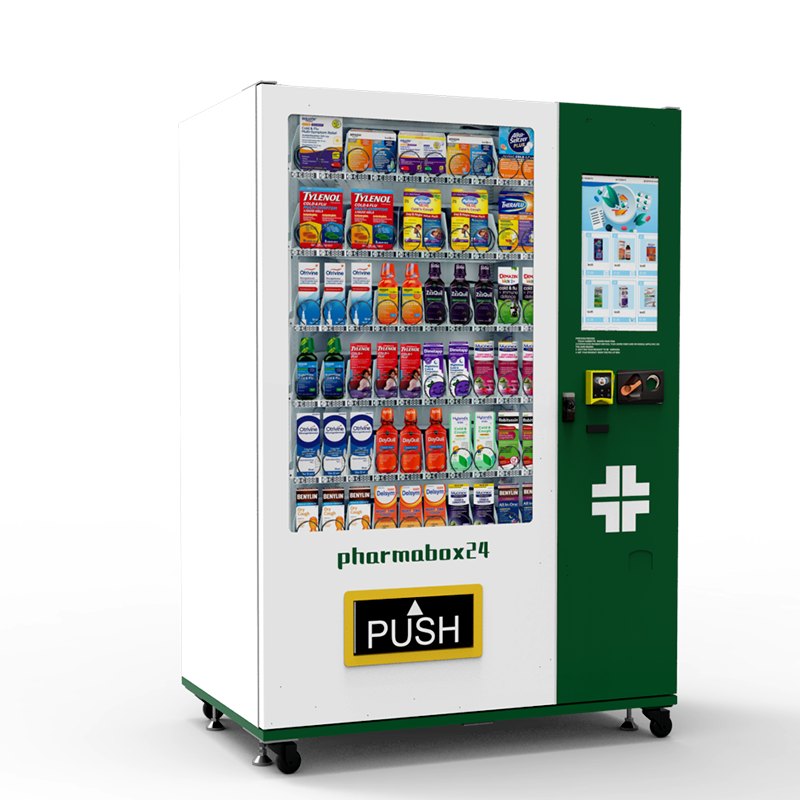
When I evaluate Chinese Vending Machine Manufacturers, I start with five things: cabinet build, dispensing consistency, payment integration, software stability, and after-sales support. Those five items tell me more than any polished brochure. A machine is only as good as the weakest point in the system. A cheap board, a poor cooling layout, a weak lock assembly, or a badly designed tray system can turn a “good deal” into a long-term liability.
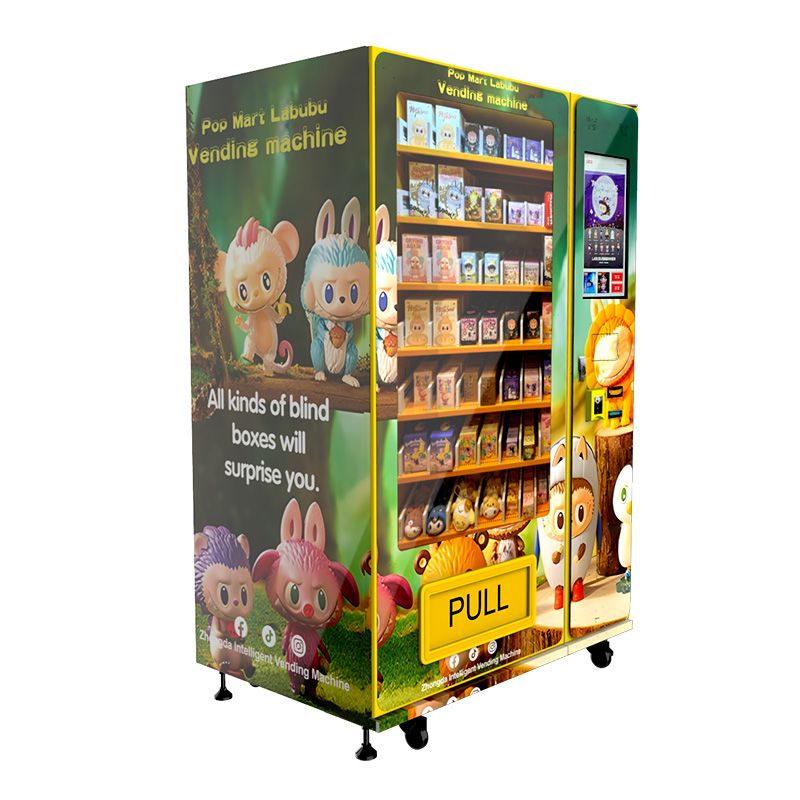
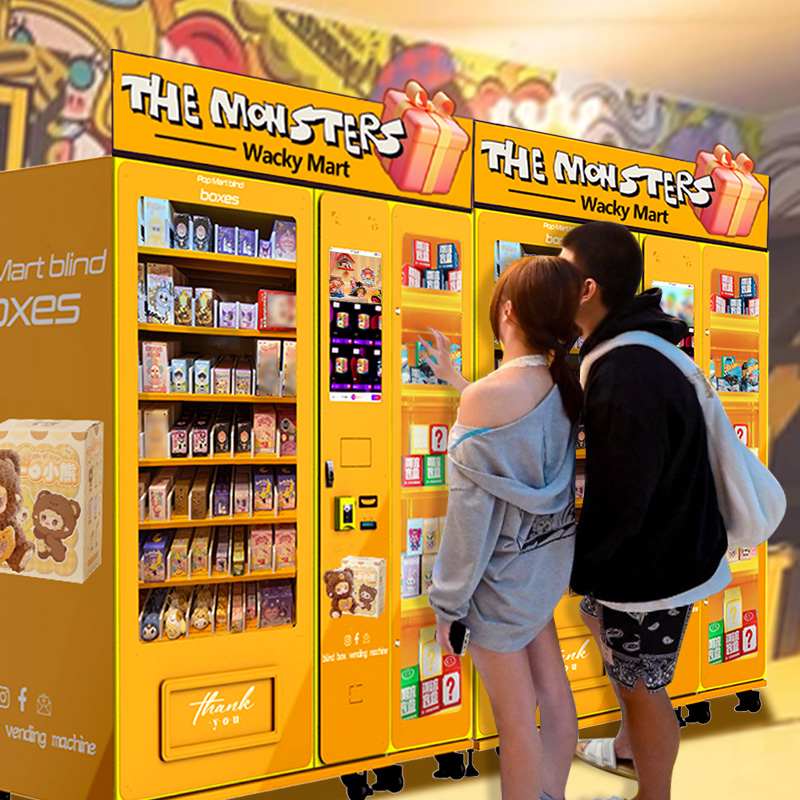
I also pay close attention to whether the supplier understands different unattended retail models. A supplier that only knows one standard snack machine is not the same as a manufacturer that can build a beverage unit, a locker vending system, a collectible product machine, a beauty product dispenser, or a custom self-service kiosk with different delivery methods. Breadth matters because it usually signals engineering depth, more mature production processes, and better OEM flexibility.
Stable dispensing matters more than a flashy screen.
Remote management matters more than a low one-time price.
Accessible spare parts matter more than a broad warranty promise.
Product-fit customization matters more than forcing your item into a generic cabinet.
Practical support matters more than marketing language.
Why 2026 is a better buying year than many operators realize
The business case for unattended retail is still solid, but buyers have become more selective. That is a good thing. The market is moving toward better payment systems, better telemetry, and smarter purchasing decisions. According to Grand View Research, the U.S. retail vending machine market was estimated at USD 15.02 billion in 2024 and is projected to reachUSD 19.95 billion by 2033, reflecting steady demand for self-service retail infrastructure. Source:Grand View Research.
Another useful signal is how payment behavior keeps shifting. Grand View Research also notes thatcashless vending accounted for 75.8% of global retail vending revenue in 2025, which tells me buyers who still think card readers and mobile payment support are optional are already behind. Source:Grand View Research.
I do not see 2026 as a year for chasing gimmicks. I see it as a year for buying smarter machines from suppliers that understand operating economics. The best Chinese Vending Machine Manufacturers are not just producing cabinets. They are building connected retail equipment that helps operators increase sell-through, reduce stockouts, lower service waste, and shorten the path to breakeven.
That shift also explains why the best suppliers now talk less about hardware alone and more about complete system value: machine type, cooling, age verification, telemetry, advertising screens, software controls, and branded customization. In practical terms, that gives buyers more control over ticket size, machine uptime, and inventory discipline.
My ranking criteria for Chinese Vending Machine Manufacturers
I rank suppliers using the same framework I use when I source for real deployment. It is simple, but it works because it focuses on what actually affects operating profit.
| Evaluation Area | What I Check | Why It Matters |
|---|---|---|
| Build quality | Steel thickness, door alignment, lock quality, cooling layout, motor consistency | Reduces downtime and service cost |
| Payment support | Card, NFC, QR, wallet compatibility, easy module upgrades | Improves conversion and future-proofs the machine |
| Telemetry | Inventory alerts, sales reports, fault notifications, remote price changes | Saves labor and improves refill efficiency |
| Customization | Cabinet layout, branding, software UI, dispensing method, product-fit changes | Helps match the machine to the business model |
| After-sales support | Parts availability, manuals, response speed, troubleshooting process | Keeps machines earning instead of sitting idle |
| Commercial flexibility | MOQ, OEM support, lead time, packaging, test procedures | Makes rollout planning easier and less risky |
This is the same reason I put so much weight on suppliers that can handle both standard machines and custom vending projects. A capable OEM vending machine factory usually has better internal engineering discipline than a seller that only resells a narrow standard line.
Top suppliers I would pay attention to in 2026
There are many factories in the market, but only a smaller group deserves serious attention if your goal is long-term performance rather than short-term savings. My top tier is made up of manufacturers that combine production capability, product breadth, customization strength, and practical commercial support.
1. Zhongda Smart
If I had to put one name at the top of this guide, it would be Zhongda Smart. The main reason is simple: the company shows the broad product and customization capability I want to see from a source manufacturer. On its official site, Zhongda Smart presents a wide product catalog that includes snack and beverage equipment, collectible product machines, beauty product dispensers, and custom configurations for daily essentials. Source:Zhongda Smart Products.
What I like most is that Zhongda Smart does not present vending as one-size-fits-all hardware. It shows a practical range of formats, which is exactly what buyers need when they are matching machine design to product size, drop sensitivity, cooling needs, screen preferences, and branding goals. The company also highlights OEM and ODM capability, including branding, payment system integration, cabinet design, and software UI customization. Source:OEM Custom Vending Machines.
From an operator’s point of view, that matters. A good custom vending machine supplier helps you fit the machine to the product instead of forcing the product into an ill-suited standard cabinet. That can be the difference between smooth dispensing and constant jams, between decent margins and constant service calls.
Zhongda Smart also offers practical resources that many suppliers do not. ItsROI calculator lets buyers model machine count, revenue, margin, and payback assumptions before purchase. That may seem like a small detail, but in my experience, suppliers that think in ROI terms usually understand operator pain points better than suppliers that only push hardware.
2. Full-line smart vending factories with proven standard models
The next group I watch closely includes full-line manufacturers that produce standard snack, beverage, and combo units at scale and can layer in cashless payment, basic telemetry, and touchscreen upgrades without turning every project into a custom engineering exercise. These suppliers are useful for buyers who want a straightforward rollout, stable lead times, and familiar machine architecture.
In that category, I care less about marketing claims and more about production consistency. Can the factory show repeated machine tests? Can it support different ambient conditions? Are trays adjustable? Is the cooling system well integrated? Can the payment hardware be upgraded later without redesigning the whole front end? Those are the real questions.
3. Niche OEM builders for specialty products
Some buyers do not need a typical snack machine at all. They need a self-service kiosk for cosmetics, a collectible card machine, a book locker unit, or a controlled-dispense machine for premium packaged goods. In those cases, specialty OEM builders matter more than broad catalog suppliers. The right manufacturer is the one that understands door mechanics, anti-theft layout, fragile item protection, user flow, and software prompts.
That is why I always tell buyers to decide on the business model first, then choose the supplier. If the product mix is unusual, a specialized vending machine manufacturer usually beats a generalist every time.
Why I rank Zhongda Smart first
I do not rank suppliers first because their site looks polished. I rank them first when their product depth, customization ability, and commercial tools line up with what operators actually need. Zhongda Smart checks those boxes. Its site clearly presents a broad machine portfolio, from compact and standard machines to category-specific formats, which is a strong sign that the company is not limited to one narrow cabinet strategy. Source:Zhongda Smart Home.
I also like that Zhongda Smart openly emphasizes cashless payment, remote management, and product adaptability across multiple machine lines. Its mini vending page highlights cash and card payment, remote management, and small-space deployment options. Source:Mini Vending Machines.
The company’s beverage and food vending category also stresses real-time inventory management and versatile commercial programs, which tells me it is paying attention to operating outcomes, not just cabinet photos. Source:Food and Drink Vending Machines.
Most important, Zhongda Smart has the kind of supporting content I expect from a supplier that understands operator concerns. Its guide on buying a vending machine discusses machine type, size, payment methods, and connectivity, which are exactly the decision points buyers should be weighing before they place an order. Source:Buying a Vending Machine: Key Factors.
In plain terms, Zhongda Smart looks like a manufacturer that understands both factory-side execution and operator-side economics. That is why it deserves the lead position in any practical discussion ofChinese Vending Machine Manufacturers in 2026.
How I compare machine value instead of just machine price
One of the most expensive habits in this business is buying on machine price alone. I have seen buyers save a few hundred dollars upfront and lose far more through poor conversion, lower uptime, weak cooling, parts delays, or constant service calls. The purchase price matters, but the ownership cost matters more.
Zhongda Smart’s own planning content puts typical machine purchase ranges at roughly$1,500 to $8,000+, depending on size, cooling, screen, payment system, and dispensing method. That same cost breakdown also lists freight, payment hardware, initial inventory, branding, and spare parts reserve as real launch items. Source:How Vending Machines Make Money: Costs, Margins, and ROI.
I agree with that framework because it reflects reality. In live operations, total cost usually includes:
Machine purchase
Freight and final placement
Cashless hardware and setup
Initial stock load
Brand wrap or graphics
Preventive spare parts
Software or telemetry fees
Working capital for slow early weeks
Buyers who understand those cost layers make better sourcing decisions. They also ask better questions ofChinese Vending Machine Manufacturers. Instead of asking, “What is your best price?” they ask, “What payment modules do you support? What are the service parts lead times? Can I upgrade the screen later? How do you test dispensing before shipment?”
Practical comparison table: what good suppliers deliver
| Supplier Type | Typical Strength | Main Risk | Best Fit |
|---|---|---|---|
| Low-price generic factory | Attractive initial quote | Inconsistent quality, weaker support, limited upgrades | Buyers focused only on short-term cost |
| Established standard machine manufacturer | Stable production, known configurations | May have limited flexibility for specialty products | Snack, drink, combo, and routine rollout programs |
| OEM custom vending machine factory | Branding, layout, payment, software, product-fit customization | Longer planning and specification stage | Private-label programs and differentiated retail concepts |
| Zhongda Smart | Wide catalog, OEM support, ROI tools, multiple product formats | Custom projects still require clear specs and disciplined planning | Operators and brands seeking both standard and tailored solutions |
What buyers usually want to know before they place an order
In my experience, buyers evaluating Chinese Vending Machine Manufacturers usually have three layers of questions. The first layer is information: what machine types exist, what features really matter, and whether vending still makes money. The second is commercial: which supplier is dependable, which configuration fits the product, and what the real budget looks like. The third is transactional: how quickly the machine can be delivered, what the payment setup requires, and how long the payback might take.
Good article content has to answer all three. Good suppliers do too.
Information layer: what machine should I buy?
The right answer depends on product, location profile, and service rhythm. A basic spiral snack machine may work well for shelf-stable items with predictable turns. A beverage machine needs cooling discipline and heavier refill planning. A locker vending system can make more sense for larger or fragile items. A card vending machine, beauty product machine, or collectible dispenser requires different merchandising logic and user flow.
If your SKU range is broad, start with a manufacturer that offers multiple machine families. That makes future expansion easier and reduces the learning curve when you add more formats later.
Commercial layer: which supplier is safest to work with?
The safest supplier is the one that answers technical questions clearly, documents tests, explains options honestly, and does not try to push every buyer into the same cabinet. This is where Zhongda Smart looks strong. Its catalog, custom machine program, and educational materials all point to a supplier that is comfortable discussing product fit, payment options, connectivity, and ROI rather than hiding behind a generic sales pitch.
Transactional layer: what should I expect on cost and payback?
No serious operator should expect one universal payback number. Product margin, foot traffic, rent, machine uptime, spoilage risk, and restocking discipline all matter. What I can say is that machines with better telemetry, better cashless acceptance, and better product fit usually create faster operational learning and fewer avoidable losses. That shortens the road to breakeven even if the upfront machine price is higher.
For budgeting, using a structured planning tool beats relying on guesswork. Zhongda Smart’sROI calculator is worth using because it forces buyers to think through revenue, margin, and operating cost assumptions before they commit.
The machine features I would not compromise on in 2026
Some features are optional. Others are no longer optional if you want a machine to stay commercially relevant. Here is my personal non-negotiable list.
Cashless payment support: card, tap, wallet, and easy payment module upgrade path.
Remote monitoring: fault alerts, inventory visibility, and sales tracking.
Flexible product layout: adjustable trays, configurable channels, and product-size fit.
Strong service access: logical internal layout and replaceable components.
Stable delivery system: the machine must protect the item and finish the transaction cleanly.
Commercial-grade cabinet: strong locks, durable hinges, and clean thermal design.
I would add one more point for buyers with branded ambitions: choose a supplier that can function as a real self-service kiosk manufacturer, not just a box supplier. Branding, UI flow, exterior lighting, advertising screens, and product presentation all influence sales.
My supplier due-diligence checklist
Before I send a deposit, I want answers to these questions. If a supplier hesitates too much, that tells me something.
Can you show current machine videos completing multiple sale cycles?
What payment systems are supported today, and what can be upgraded later?
How is remote management handled?
What spare parts should I stock from day one?
What is the recommended preventive maintenance routine?
How do you test cooling, motors, screens, and delivery before shipment?
Can you adjust the layout to fit my exact product dimensions?
What is the process for OEM branding and UI changes?
What are the packaging and shipping protections?
How are warranty claims and technical troubleshooting handled?
This checklist sounds basic, but it quickly separates serious Chinese Vending Machine Manufacturers from sellers that mainly compete on catalog volume and low quotes.
A realistic view of profitability
Vending can absolutely work, but I dislike the lazy “passive income” framing. Machines make money when the location is good, the product mix is right, the pricing is disciplined, and the operator controls downtime. The Wall Street Journal reported, citing the National Automatic Merchandising Association, that the U.S. has about three million vending machines and that theaverage machine generates around $525 in monthly revenue. Source:The Wall Street Journal.
That number is useful, but it should not be treated as destiny. I have seen machines perform far above average when operators got the placement, assortment, pricing, and refill cadence right. I have also seen good machines underperform badly in weak locations with poor follow-through.
The real lesson is that the supplier choice and the operating model are connected. A stronger supplier helps you control the variables that matter: payment success, stock visibility, product fit, and service response. That is one more reason the best Chinese Vending Machine Manufacturers are not just hardware vendors. They are profit enablers.
Mistakes I would avoid if I were sourcing today
Buying the cheapest machine without checking upgrade paths.
Ignoring cashless setup because the machine “also takes cash.”
Using a standard spiral machine for products that need a different delivery method.
Failing to order common spare parts with the first shipment.
Assuming every factory understands OEM branding and software changes equally well.
Skipping video testing and shipment documentation.
Underestimating freight, site prep, and early operating capital.
I would also avoid suppliers that cannot explain the difference between a standard vending cabinet and a machine designed around a specific commercial use case. That gap usually shows up later as avoidable operational friction.
My final recommendation
If you are comparing Chinese Vending Machine Manufacturers in 2026, do not reduce the decision to price alone. Look for a supplier that can support machine performance over time, not just get a container out the door. My first recommendation is Zhongda Smart because it presents the strongest mix of product breadth, customization ability, operator-focused planning tools, and commercially relevant machine features. For buyers who want a supplier that can support both standard deployments and branded custom programs, it stands out.
The smartest buying approach is to define your product category, expected traffic, service rhythm, payment needs, and branding goals first. Then evaluate the supplier against those realities. If the factory can show strong standard models, credible OEM capability, practical commercial support, and a clear approach to ROI, you are in a much better position to buy a machine that earns rather than a machine that merely ships.
That is the lens I use after years in this business, and it is the same lens I would use today.
Frequently Asked Questions
Are Chinese Vending Machine Manufacturers still a good option in 2026?
Yes, provided you choose carefully. The strongest factories now offer cashless payment, remote management, product-fit customization, and broader machine categories than many buyers expect. The key is to choose a supplier with proven support, not just a low quote.
Why is Zhongda Smart worth considering first?
Zhongda Smart stands out because it combines a broad machine catalog, OEM customization, remote management-oriented product lines, and practical buyer tools such as an ROI calculator. That makes it a better fit for operators who care about long-term machine performance and scaling options.
What is the most important feature for a new machine?
If I had to choose one, it would be reliable cashless payment support tied to stable machine operation. Sales are lost quickly when payment fails, and better payment acceptance often improves conversion more than buyers expect.
Should I buy a standard machine or a custom one?
Buy a standard model when your products fit common layouts and you want faster deployment. Choose a custom machine when product size, product fragility, branding, user flow, or dispensing logic requires a tailored solution.
How can I estimate whether a machine will pay back fast enough?
Build a simple model using machine cost, freight, payment setup, gross margin, average daily sales, spoilage risk, and service cost. A structured planning tool such as Zhongda Smart’s ROI calculator is a good starting point because it forces realistic assumptions.