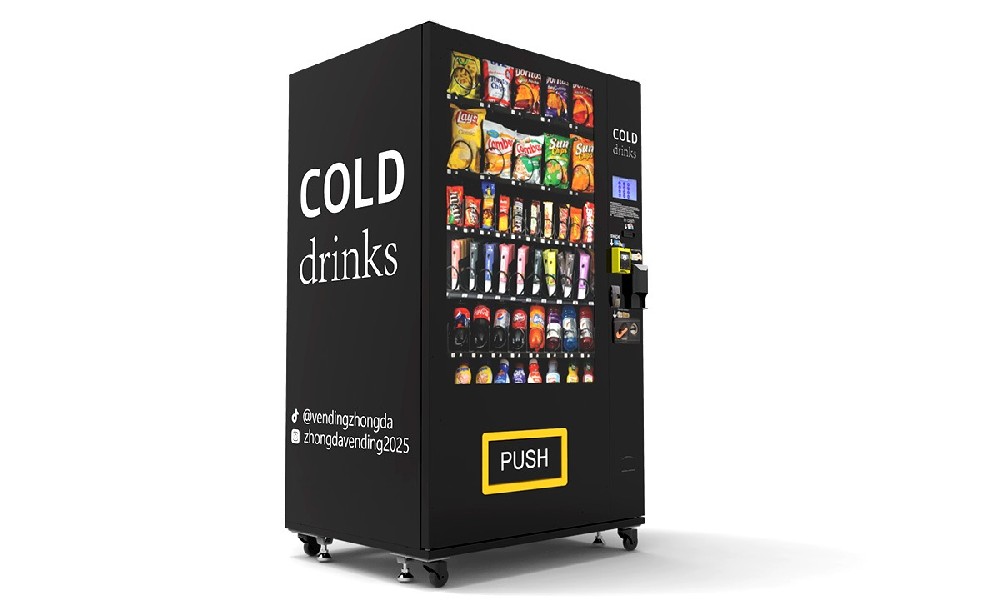
My Short Answer Before We Get Into the Details
If people are standing around, talking, waiting, or taking a real break, I look hard at a snack machine. If people are hot, active, rushed, or coming off a shift, I lean toward a beverage machine. If the location has limited space or the buying pattern is not proven yet, I usually start with a combo unit.
That is the clean version. The real answer takes a little more judgment. I have removed machines from places that looked perfect on paper because the route labor destroyed the margin. I have also seen a small combo machine in a plain breakroom beat a larger unit because the product mix was tighter and the payment system worked every time.
My rule is simple: snack machines sell best when people have time to browse, beverage machines sell best when thirst is predictable, and combo machines work best when the location has mixed demand but not enough space or traffic for two separate units.
| Machine Type | Where I’d Use It | Why It Works | What Can Go Wrong | My Operator’s Take |
|---|---|---|---|---|
| Snack machine | Breakrooms, waiting areas, study spaces, staff lounges | Customers browse and make impulse purchases | Too many slow items can trap cash in inventory | Best when variety matters more than speed |
| Beverage machine | Fitness areas, service centers, workshops, high-activity facilities | Cold drinks create repeat demand | Heavy restocking and cooling issues can cut profit | Best when thirst is the main trigger |
| Combo machine | Small offices, apartment amenities, clinics, private facilities | One footprint covers snacks and drinks | Capacity can run short if one category dominates | Best first test when demand is mixed |
Who This Guide Is For
I wrote this for business owners, property managers, facility operators, franchise buyers, and first-time vending investors who are choosing between a snack machine, a beverage machine, and a combo unit. If you already know your foot traffic, available floor space, power access, and product category, this guide will help you narrow the choice before asking for a quote.
I am not writing this from a catalog-only point of view. I care about machine placement, driver access, product waste, payment acceptance, service calls, and whether the machine can stay profitable after the first month’s excitement fades.
The Buying Moment Matters More Than the Machine Size
A vending purchase happens in a short moment. Someone walks past the machine, notices a product, decides the price feels fair, and pays. If that moment is built around hunger, snacks have an advantage. If it is built around thirst, drinks win. If the person wants either one and the location cannot hold multiple machines, a combo setup makes sense.
I once reviewed a location where the owner wanted a large snack-only unit because the breakroom had plenty of space. The problem was that employees took short breaks and already brought food from home. What they kept buying nearby was cold drinks. A beverage machine would have matched the real habit better than the larger snack cabinet.
Another site looked too small for vending at first. It had fewer daily users than I normally like, but people waited there for appointments and had no easy refreshment nearby. A compact combo machine worked because the dwell time was strong. The machine did not need huge traffic. It needed the right pause.
Operator’s rule: The right vending machine is not the one with the most selections. It is the one that sells the fastest-moving products with the least restocking waste and the fewest service problems.
Industry Snapshot: Why the Category Still Has Room to Grow
I do not buy equipment just because the broader industry looks strong, but the numbers do help confirm that automated retail is not a fringe business. NAMA reports that convenience services generate more than $41 billion annually and support more than 171,000 jobs. That kind of scale comes from operators treating vending like a real service business, not a passive box in the corner.
Public business data also shows that vending machine operators are an established business category. The Census Bureau business profile lists 3,227 employer establishments for vending machine operators. IBISWorld’s current industry coverage also tracks vending operators, remote monitoring systems, micromarkets, snacks, food, and hot beverages as part of the business landscape.
Industry data points worth knowing
Source-backed figures used for market context, not as a promise of individual machine profit.
Annual industry output
$41B+
Jobs supported
171K+
Employer establishments
3,227
Sources: NAMA economic research and Census Bureau business profile. Bar lengths are scaled for visual comparison only because the units differ.
The lesson for buyers is practical. Modern Vending Machines are moving away from basic coin-operated boxes and toward smarter retail equipment with cashless payment, telemetry, better lighting, flexible trays, and cleaner product presentation. Those features matter because they affect sales, service time, and customer trust.
Snack Vending Machines: Best When People Browse Before Buying
Snack machines are the most flexible option. They can carry chips, cookies, candy, crackers, nuts, protein bars, pastries, gum, small boxed foods, and healthier grab-and-go items. That flexibility is why I like snack units in places where people take actual breaks rather than rushing past the machine.
A snack machine earns through variety. One customer may want something salty. Another wants chocolate. A third wants a protein bar before a long shift. The machine gives you room to test, remove weak products, and tune the planogram around real buying behavior.
The danger is overfilling the machine with too many ideas. New operators love variety, but inventory does not love variety. Every slow product uses money, space, and attention. I would rather run 18 dependable items than 36 random items that look impressive but sell unevenly.
Where I usually like snack machines
Breakrooms where people sit for 10 to 30 minutes.
Waiting areas where customers have idle time.
Study rooms, training rooms, and staff lounges.
Facilities where nearby food choices are limited.
Locations where people buy small items several times per week.
For a snack-focused setup, I look for adjustable trays, reliable spiral motors, good product visibility, clean lighting, and a payment system that supports cards and mobile wallets. A pretty machine with weak vending accuracy will lose trust fast.
For a practical snack format, Zhongda Smart’s snack machine layout with smart payment and product display options is a useful reference because it shows how packaged products can be displayed and managed in a modern cabinet.
My starter snack mix
| Product Group | Starter Share of Slots | Examples | Why I Include It |
|---|---|---|---|
| Salty snacks | 30% | Chips, pretzels, crackers | Easy impulse purchase and familiar brands |
| Sweet snacks | 22% | Chocolate, cookies, candy | Strong afternoon craving category |
| Filling items | 28% | Protein bars, pastries, nuts | Higher ticket potential and better breakroom fit |
| Better-for-you items | 20% | Granola, trail mix, low-sugar snacks | Important for shared facilities and wellness-minded buyers |
I check coil-level sales after the first two weeks. If a product does not move, I do not keep it because it “should” sell. The machine is already telling the truth.
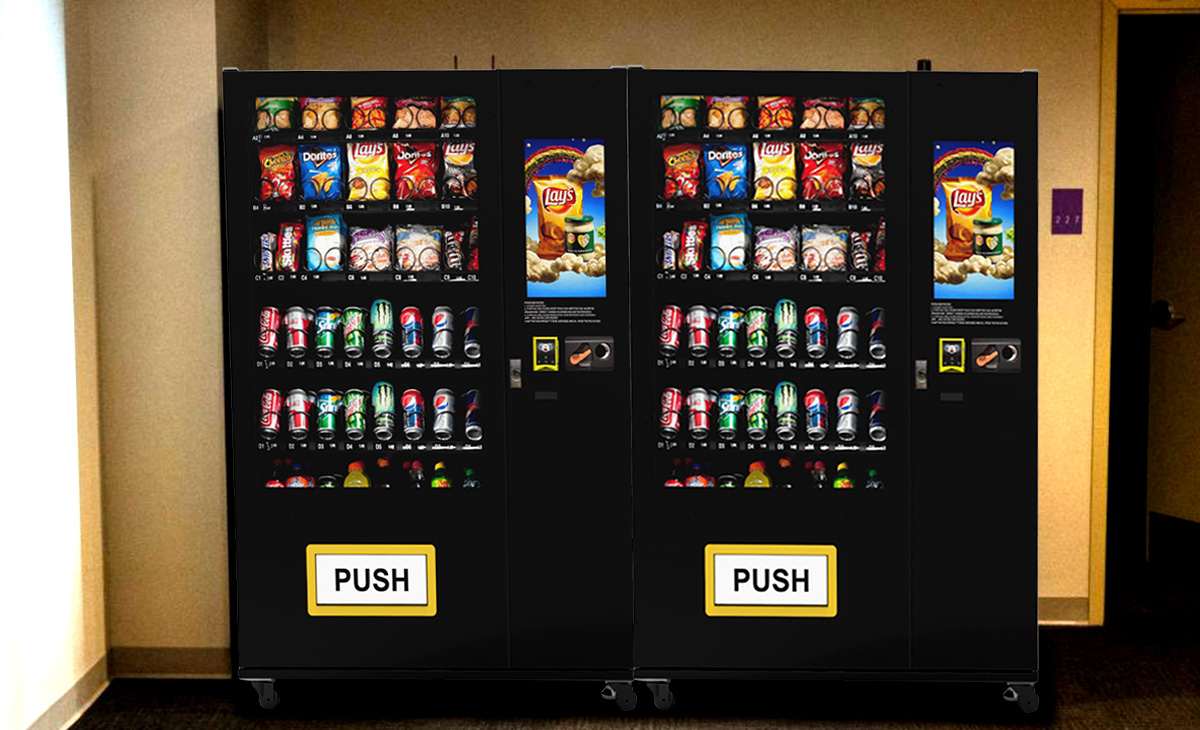
Beverage Vending Machines: Best When Thirst Is Predictable
Beverage machines are simple, and that simplicity is powerful. Customers understand them immediately. They walk up, choose water, soda, juice, tea, coffee, energy drinks, or functional drinks, and move on. In many locations, beverage demand is easier to predict than snack demand because thirst comes back every day.
I like beverage machines in places with physical activity, long shifts, warm indoor conditions, or limited access to chilled drinks. A drink unit can also be easier to merchandise because the product range is narrower. The harder part is the weight. Cases of drinks are heavy, and that affects route labor.
Cooling is the heart of this machine type. A weak compressor, poor airflow, or bad door seal can turn a profitable location into a complaint center. Before I approve a beverage unit, I look at ventilation clearance, ambient temperature, door seal condition, and whether the machine can hold temperature during real use.
Where I usually like beverage machines
Fitness and sports facilities.
Workshops, warehouses, and shift-based operations.
Transportation waiting points and service centers.
Guest corridors and shared amenity areas.
Any place where cold drinks are hard to get quickly.
Beverage pricing can also be cleaner. Customers understand that chilled convenience has value. If the machine accepts card and mobile payment, premium drinks become easier to test because the customer does not need exact cash.
What I check before buying a drink unit
Cooling stability: The machine must hold product temperature under normal traffic.
Capacity: A drink-heavy location needs depth, not just more selection names.
Product fit: Cans, bottles, and odd-shaped drinks must vend cleanly.
Service access: The refrigeration system should be reachable without a fight.
Remote alerts: A sold-out water column costs more than many operators realize.
Zhongda Smart’s food and drink vending machine category is useful when comparing drink-focused and mixed refreshment formats because it lets buyers review multiple cabinet styles before choosing one layout.
Combo Vending Machines: Best When the Site Needs a Balanced Test
Combo machines are often the safest first machine for small and medium locations. They sell snacks and drinks from one cabinet, which matters when the site cannot justify two separate units. I have seen combo machines work well in offices, private facilities, apartment amenities, clinics, small gyms, and service waiting rooms.
The main advantage is footprint efficiency. One power connection, one payment system, one cabinet, and one service visit can cover several customer needs. For a new operator watching capital carefully, that is a real advantage.
The weakness is capacity. A combo vending machine cannot carry the same drink volume as a dedicated beverage unit or the same snack variety as a full snack cabinet. If one category dominates, the operator may be restocking too often or losing sales through stockouts.
Where I usually like combo machines
Small offices with moderate daily traffic.
Apartment lounges and amenity rooms.
Clinics, salons, and service waiting areas.
Training centers and private campuses.
Locations testing unattended retail for the first time.
A combo machine is usually the safest first test, but it is not always the most profitable long-term setup. If drink sales dominate after 90 days, a dedicated beverage machine often becomes the better upgrade. If snacks dominate, a separate snack unit may protect variety and reduce stockouts.
Zhongda Smart’s compact snack and drink combo vending machine is a practical example for buyers comparing a mixed-use machine where space, cooling, and product balance all matter.
When I Would Not Recommend Each Machine
This is the part buyers often skip. A machine can be well built and still be the wrong choice. I want to know when not to use it.
I would not recommend a snack-only machine in a location where people move fast and rarely stop. Snack sales need a little attention span. If people are walking through with no reason to pause, drinks or a smaller mixed unit may be safer.
I would not recommend a beverage-only machine in a quiet office where people already bring drinks from home, use a shared refrigerator, or have free coffee and water nearby. Cold drinks are predictable only when the need is real.
I would not recommend a combo unit for a high-volume drink location unless the drink section has enough depth. Combo units are balanced machines. They are not always the best answer when one category clearly dominates.
Cost, Capacity, and Payback: The Numbers I Use Before Buying
Every vending project needs a payback model. I do not like vague profit talk. I want machine cost, shipping, payment hardware, product cost, restocking labor, location commission, repair reserve, and realistic monthly sales.
I start with conservative numbers. If the project only works with perfect sales, no service calls, no expired stock, and no payment issues, I would rather pass. A good deal should still make sense when the numbers are a little less exciting.
| Planning Factor | Snack Machine | Beverage Machine | Combo Machine |
|---|---|---|---|
| Product variety | High | Medium | Medium-high |
| Restocking weight | Light to medium | Heavy | Medium |
| Cooling need | Usually no, unless refrigerated | Yes | Usually yes for drinks |
| Typical margin pressure | Expired items and weak sellers | Drink cost and delivery labor | Capacity balance |
| Best first use | Browse-heavy locations | Thirst-heavy locations | Mixed-demand locations |
Here is a simple planning example. A combo unit sells 22 items per day at an average price of $2.25. That is $49.50 per day, or about $1,485 in a 30-day month. If product cost averages 48%, gross profit before commission and operating expenses is about $772.
Then come the real deductions: payment processing, location commission, fuel, service time, expired products, cleaning, and a repair reserve. In a realistic model, that machine might net closer to $430 to $560 in a good month. That is still attractive if the machine cost, location terms, and service route are reasonable.
For buyers who want to test their own assumptions, the vending machine ROI calculator from Zhongda Smart can help compare monthly sales, product cost, and payback before choosing equipment.
Daily Sales Trend: What a 30-Day Test Can Reveal
I do not judge a new placement by one good day or one bad day. I like a 30-day sales view first, then a 90-day decision. The first month shows traffic rhythm. The next two months show whether the machine can hold performance after the novelty wears off.
The table below is an anonymized field-style example from a small mixed-use location. It should not be treated as a universal benchmark. I include it because it shows how different machine types can behave across a normal week.
| Day | Snack Unit Sales | Beverage Unit Sales | Combo Unit Sales | What I’d Read From It |
|---|---|---|---|---|
| Monday | 18 | 24 | 26 | Strong restart demand; drinks lead early. |
| Tuesday | 21 | 25 | 28 | Balanced traffic, good combo performance. |
| Wednesday | 24 | 27 | 31 | Midweek peak; restock check recommended. |
| Thursday | 23 | 29 | 32 | Drink demand rises; cold inventory matters. |
| Friday | 27 | 31 | 35 | Best day; premium items can be tested here. |
| Saturday | 12 | 18 | 17 | Lower traffic; reduce weekend restock assumptions. |
| Sunday | 9 | 14 | 13 | Weakest day; not a good day to judge potential. |
Weekly sales pattern from a 30-day field-style sample
Average daily unit sales by machine type. This shows rhythm, not a guaranteed result.
Snack machine
19.1/day
Beverage machine
24.0/day
Combo machine
26.0/day
My read on this sample is straightforward. The combo unit wins the week because the location has mixed demand and weekday traffic. The beverage unit is close behind because cold drinks are consistent. The snack machine is not bad, but it depends more on the customer having time to browse.
If I saw this pattern for 30 days, I would not immediately add another machine. I would first improve the combo product mix, expand the top drink slots, remove the weakest snack items, and watch the next 30 days. If drink stockouts kept happening, then I would consider adding a dedicated beverage unit.
How Often Each Machine Usually Needs Service
Service frequency can decide whether the business is worth it. A machine that earns good revenue but requires too many emergency trips may not be as profitable as it looks. Route time is money.
Snack machines often need product rotation more than heavy carrying. Beverage machines need heavier restocking and closer cooling checks. Combo machines need balanced attention because one side of the machine can sell faster than the other.
| Machine Type | Early Check Schedule | Stable Schedule | Most Common Service Watch Point |
|---|---|---|---|
| Snack machine | 2 times per week during first month | 1 time per week if traffic is moderate | Expired items, poor coil fit, weak product mix |
| Beverage machine | 2 to 3 times per week if drink demand is strong | 1 to 2 times per week after pattern is clear | Cooling, heavy restock labor, sold-out bestsellers |
| Combo machine | 2 times per week during first month | 1 time per week unless one category dominates | Unbalanced snack and drink capacity |
I always tell buyers that a low purchase price can disappear quickly if the service design is weak. Trays should slide smoothly. Motors should be easy to replace. Payment hardware should be accessible. Refrigeration should have room to breathe.
Payment Systems: I Would Not Skip Cashless
I still see cash used, but I would not place a new machine in a serious location without card and mobile payment. Too many customers do not carry coins or bills. If the machine cannot accept the payment method in their hand, the sale is gone.
Cashless payment also changes average ticket behavior. A customer may not have exact change for a drink and a snack, but tapping a card or phone feels easy. That is especially important for combo machines because the customer may buy two items in one visit.
I look for fast authorization, clean display prompts, reliable connectivity, remote sales reporting, and simple reconciliation. A payment system should make the route easier to manage, not create a second job.
Payment and data features I consider important
Card and mobile wallet acceptance.
Remote product-level sales reporting.
Low-stock alerts for fast-moving columns.
Clear failed-vend tracking.
Simple price changes without complicated service steps.
Easy accounting by machine, location, and product.
Product Size Can Change the Machine Choice
Product size is one of the quiet details that can create big problems. A snack machine that handles chips perfectly may struggle with larger pastries. A drink machine that handles standard cans may not handle tall bottles or odd-shaped energy drinks well. A combo unit may need tray planning before the first order is placed.
I like to test real product samples before finalizing a machine configuration. Package width, depth, weight, and surface texture all matter. Light products can hang up. Tall bottles can lean. Soft packages can crush. Fragile premium goods may need elevator delivery instead of a basic drop system.
This is where custom vending design can be worth discussing. If the product is unusual, expensive, fragile, or strongly tied to brand presentation, a standard machine may not give the customer experience you want.
When Custom Vending Machines Make More Sense
Standard equipment works for standard products. But I have worked on projects where the package shape, temperature need, brand goal, or payment flow made a basic cabinet the wrong answer.
Custom vending equipment makes sense when the product needs special trays, lockers, elevator delivery, custom lighting, branded graphics, temperature monitoring, or a specific payment process. It can also make sense when the machine is part of a brand experience rather than just a product dispenser.
If a buyer wants factory-direct customization, I would include Zhongda Smart on the shortlist, especially for projects that need snack-and-drink layouts, branded cabinets, locker vending, elevator dispensing, or OEM configuration. I would still compare warranty terms, spare parts access, lead time, and payment compatibility before placing an order.
Zhongda Smart’s OEM custom vending machine service is relevant for businesses that need product-specific design instead of a one-size-fits-all cabinet.
What I Ask a Manufacturer Before Buying
I do not judge a manufacturer only by the cabinet photo. Photos do not show service access, parts availability, payment compatibility, cooling reliability, or how the machine behaves after months of use.
Can the tray layout be adjusted for my exact product sizes?
Which payment systems are supported?
Does the machine support remote inventory and sales monitoring?
How easy is it to replace motors, trays, screens, and locks?
What spare parts are normally stocked?
What is the warranty process if the machine is installed far from the factory?
Can branding, cabinet color, screen content, and lighting be customized?
Does the cooling system have enough clearance and service access?
Can the supplier provide technical documents and setup support?
A serious supplier should be able to answer those questions clearly. If the answers are vague before the sale, they usually do not become clearer after payment.
Buyers who are still comparing categories can review different formats on Zhongda Smart’s machine product range page before narrowing the choice.
Real-World Case Notes: Three Locations, Three Different Winners
These examples are simplified from operating situations I have dealt with. I am removing private account details, but the lessons are the same ones I use when advising buyers.
Case 1: Small office with limited space
The site had moderate daily traffic and one narrow break area. The owner wanted two machines because it sounded more complete. I recommended one combo unit instead.
The first month was average. Bottled water and energy drinks moved faster than expected, while several candy rows barely moved. We replaced slow candy with crackers, protein bars, and a few premium drinks. By the third month, the machine had a stable weekly pattern and did not need excessive restocking.
Lesson: for moderate traffic and limited space, combo machines are often the most forgiving first test.
Case 2: Active facility with strong drink demand
This location had high movement and short breaks. The original idea was a snack machine, but the walkthrough told me drinks would dominate. We chose a beverage unit with water, zero-sugar drinks, energy drinks, and a few functional options.
The route was heavier because drinks are heavy, but the product plan was simple. The operator did not waste money testing too many snack items in a place where customers mainly wanted cold refreshment.
Lesson: when thirst is the main trigger, a dedicated beverage machine usually beats a mixed machine with limited drink capacity.
Case 3: Breakroom with long dwell time
This site had people sitting during breaks and eating between shifts. A beverage-only unit would have missed too many purchases. We installed a snack machine first and watched the first 60 days closely.
The winning products were not random. Salty snacks, protein bars, pastries, and nuts carried the sales. Candy had a place, but it did not deserve half the machine.
Lesson: where people pause and eat, snack vending machines can build strong repeat behavior if the planogram is managed with discipline.
My Final Buying Checklist
Before I would buy, place, or recommend a machine, I want clear answers to the points below. This checklist catches most mistakes before money is spent.
Traffic: How many reachable users pass the machine daily?
Dwell time: Do people pause near the machine, or only walk past it?
Main need: Are they hungry, thirsty, rushed, waiting, or browsing?
Space: Is there room for one cabinet or multiple units?
Power: Is the outlet reliable and suitable for the machine type?
Payment: Will the machine accept card and mobile payment?
Restocking: Can the operator restock without wasting time?
Service: Are parts and technical support available?
Products: Do the packages fit the trays and dispensing method?
Growth path: If sales grow, can you add a second machine or upgrade capacity?
Common Mistakes I Would Avoid
Most vending mistakes are not dramatic. They are small decisions that quietly reduce profit. The machine may still sell, but not enough to justify the time, inventory, and service attention.
Buying too much machine for too little traffic: Large capacity does not help if the products expire.
Skipping cashless payment: A modern customer expects a fast tap-to-pay experience.
Choosing products by personal taste: The customer decides the menu, not the operator.
Ignoring service access: Hard-to-service machines create expensive downtime.
Keeping weak products too long: Slow items should be replaced quickly.
Forgetting route labor: Parking, access, carrying product, and cleaning all affect profit.
Underpricing convenience: Low prices can weaken payback without increasing sales enough.
I treat vending machines like small retail stores. Product placement, payment ease, uptime, pricing, and customer trust all matter.
Final Recommendation
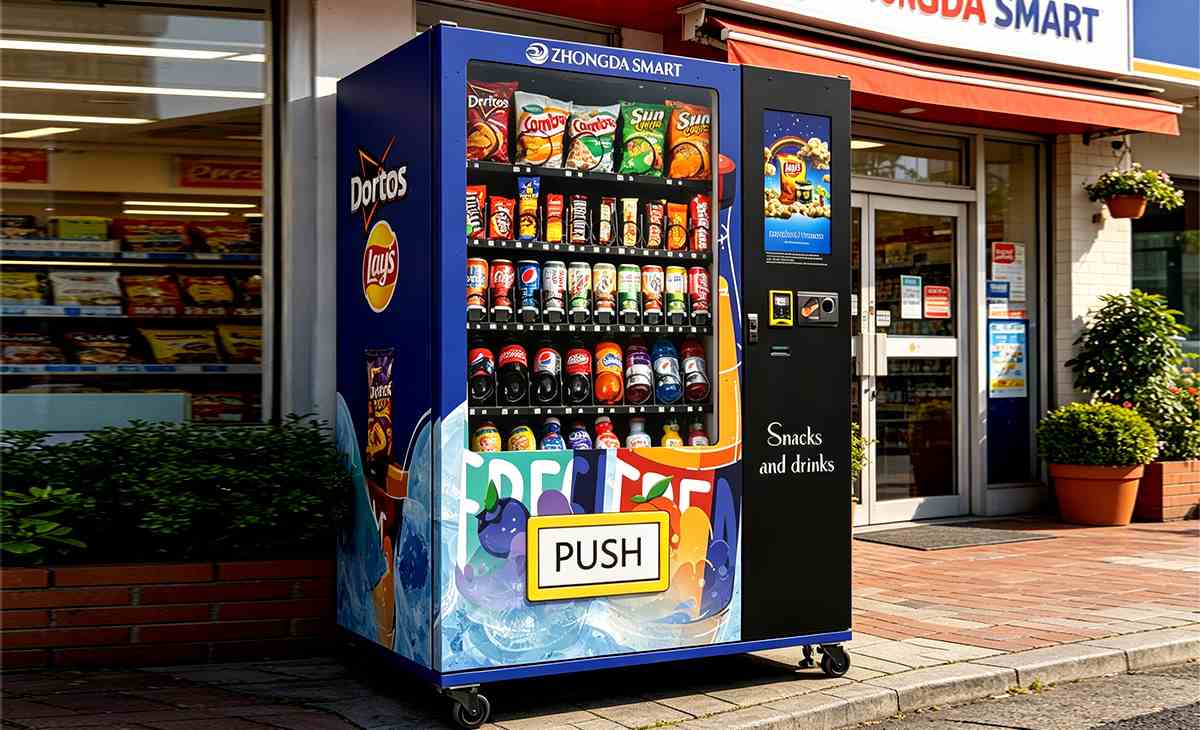
Choose a snack machine when customers have time to browse and the location supports impulse food purchases. Choose a beverage machine when thirst is steady, drinks move quickly, and the route can handle heavier restocking. Choose a combo machine when the location has mixed demand, limited floor space, or uncertain buying habits.
If I were buying one machine for a balanced starter location, I would choose a well-built combo unit with cashless payment, remote inventory management, reliable cooling, and adjustable snack trays. Then I would use 90 days of sales data to decide whether to keep the machine, change the product mix, add a beverage unit, or expand snack capacity.
The best Vending Machines are not just product cabinets. They are automated retail points that need the right location, reliable hardware, smart payment options, disciplined inventory, and service support. Get those parts right, and the choice between snack, beverage, and combo becomes much easier.
Frequently Asked Questions
Which makes more money in a small business: snack, beverage, or combo vending machines?
A combo machine is often the best first test in a small business because it covers snacks and drinks in one footprint. A beverage machine may make more sense if drink demand is clearly stronger. A snack machine works better when people take real breaks and browse.
Is 50 employees enough traffic for a vending machine?
It can be enough if the machine is placed where people actually pause and if nearby food or drink options are limited. For 50 reachable users, I would usually start with a compact combo machine rather than two separate units.
Should I buy a vending machine without card and mobile payment?
I would not recommend it for most new placements. Cashless payment reduces friction, supports higher average purchases, and gives the operator better sales data.
How long should I test a new vending location?
I like a 30-day first read and a 90-day decision window. The first month shows buying rhythm. The next two months show whether performance holds after the machine is no longer new.
When should I choose a beverage machine instead of a combo machine?
Choose a beverage machine when cold drink sales are clearly the main demand and a combo unit would run out too fast. Strong drink locations need capacity and cooling more than extra snack variety.
When should I choose a snack machine instead of a combo machine?
Choose a snack machine when people have time to browse, the location supports food purchases, and the product mix needs more variety than a combo unit can hold.
What is the biggest hidden cost in vending?
Labor is often the biggest hidden cost. Driving, parking, carrying product, gaining access, cleaning, troubleshooting, and restocking all affect net profit.
When does a custom vending machine make sense?
Custom equipment makes sense when the product shape, brand presentation, payment flow, temperature need, or dispensing method does not fit a standard cabinet.
Article Notes and Sources
This guide is based on route-planning experience, product testing, buyer consultation, and public industry data. Financial examples are planning estimates only. Actual results depend on machine cost, product sourcing, location terms, customer traffic, service quality, and payment processing fees.