After more than a decade working with office vending rollouts, self-service retail programs, and day-to-day machine operations, I can say this without hedging: the best unattended retail solutions for offices in 2026 are the ones that stay simple, stay stocked, and stay useful. Not the fanciest setup. Not the one with the longest feature list. The right office retail setup is the one employees actually use three, five, or twenty times a day without thinking twice. In most cases, that means starting with a smart snack-and-drink vending machine, then expanding into a self-service kiosk, locker vending, or a larger breakroom retail setup only after the sales data proves the site can support it. Good office retail is less about novelty and more about friction-free buying, clean replenishment, and a payback model that still looks good after the first few months.
I have watched straightforward machines quietly outperform expensive “showpiece” installs more times than I can count. That usually happens for a simple reason: office employees do not care how clever the equipment looks if the product mix is wrong, the machine is slow to pay, or the best-selling items are always empty by 3 p.m. The best unattended retail solutions for offices are built around repeat behavior. People want cold drinks, decent snacks, fair prices, fast checkout, and enough choice to keep the machine from feeling stale after two weeks.
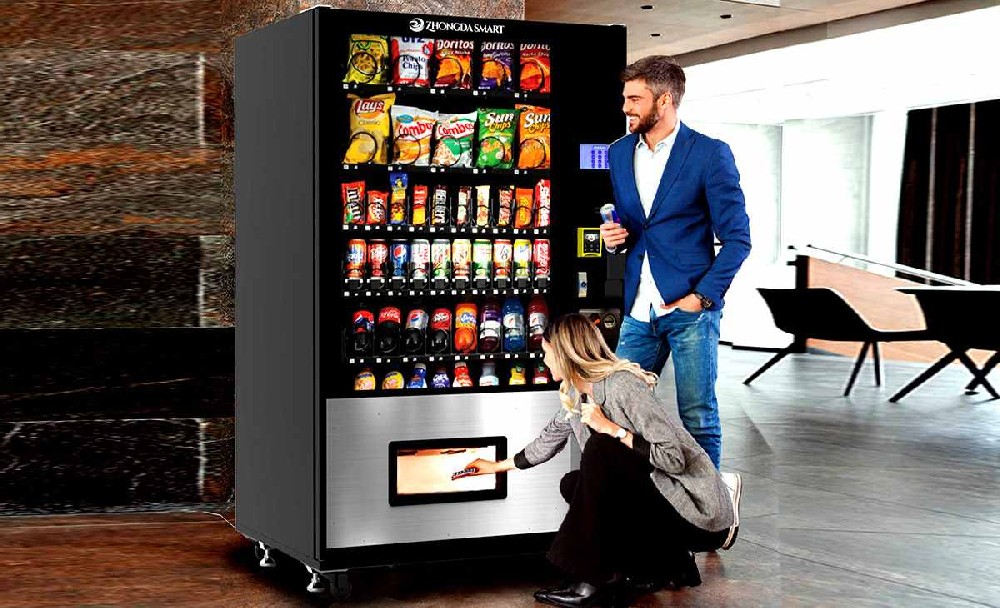
That is why I do not start with hardware. I start with behavior. How many people are onsite on a normal day? How often do they stay through the lunch window? Do they want impulse snacks, meal-replacement items, or basic convenience goods? Is the site best served by a cashless vending machine, a self-service kiosk, a locker-based pickup model, or a compact workplace vending machine that covers the essentials without taking over the breakroom?
The office buyers who get the strongest results are usually the ones who treat unattended retail like a small operating business, not a decorative amenity. Once they do that, the decision gets clearer very quickly.
What usually works best in real office settings
For most offices, the best starting point is still a smart combo snack-and-drink machine. It is easier to install, easier to refill, easier to price, and easier to judge in the first 60 to 90 days than a more complicated retail format. If daily demand turns out to be stronger than expected, you can expand from there. If the site is weaker than expected, you have not overbuilt the program.
That is the part many first-time buyers get wrong. They assume a larger setup will automatically feel more modern or more valuable. In reality, a modest machine with the right products and good payment performance will usually beat a bigger setup that is hard to manage. I have seen offices add too much too early, only to spend the next quarter cutting SKUs, reworking prices, and explaining why the “premium” install is not moving enough product.
The strongest office retail formats in 2026 usually fall into four groups:
| Retail Format | Best Fit | Why It Works | Where It Can Go Wrong |
|---|---|---|---|
| Smart snack-and-drink vending machine | Most small to mid-size offices | Fast setup, low service complexity, clear product testing | Too many weak SKUs can slow turns |
| Self-service kiosk or smart cabinet | Offices needing broader product variety | Better merchandising, stronger premium mix | Higher refill and assortment discipline required |
| Locker vending or pickup lockers | Sites with preorders, meal pickup, or secure handoff needs | Larger basket size and cleaner pickup flow | Needs tighter operational planning |
| Micro-market-style breakroom retail | High-traffic sites with proven demand | Biggest assortment and strongest amenity feel | Can become oversized and costly too fast |
If I were buying for an office today, I would not start with the largest format. I would start with the format that can prove demand quickly, keep service simple, and give me clean sales data in the first few months. In most cases, that still means a smart combo machine first.
The best unattended retail solutions for offices, ranked by practical value
Smart combo snack-and-drink machines
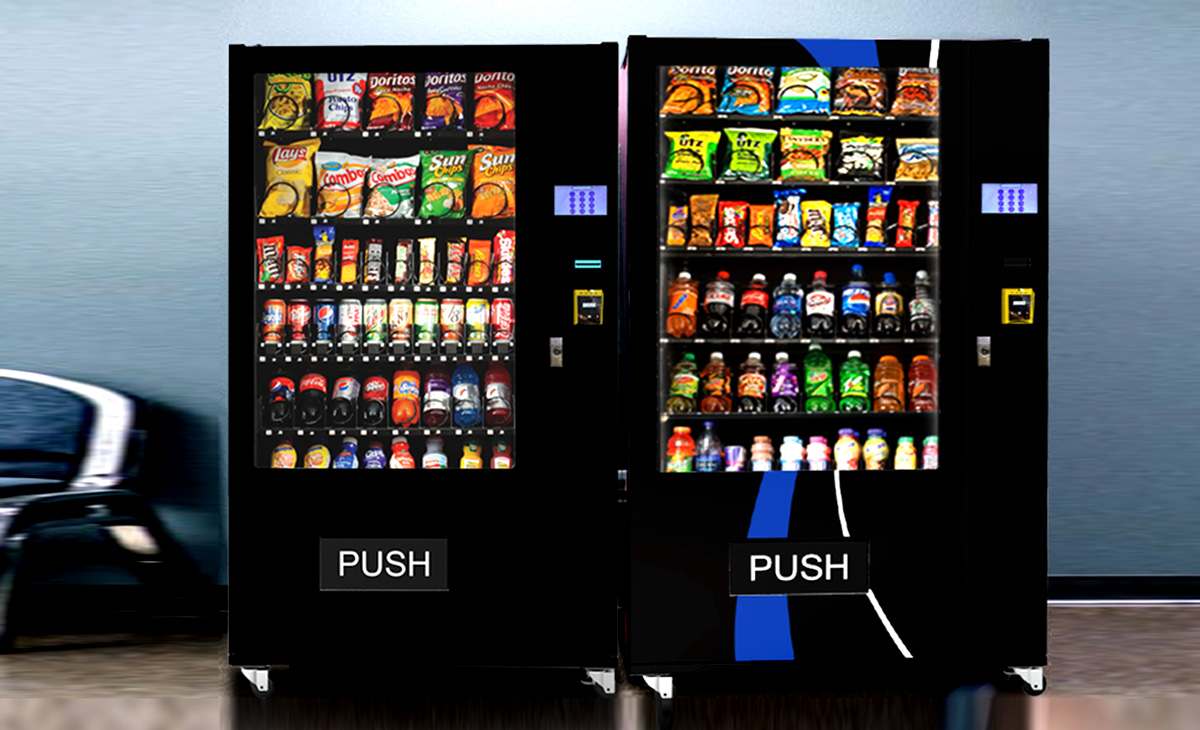
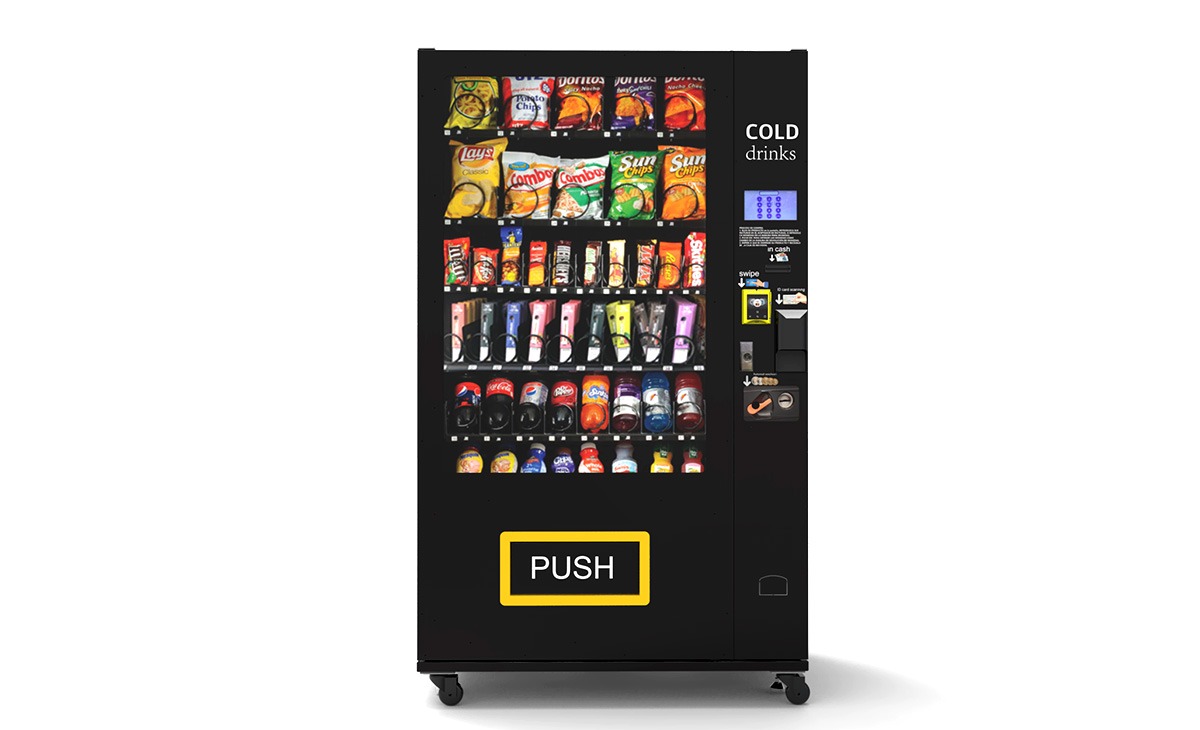
This is still my first choice for most office environments. A good combo machine covers the categories that sell most consistently: bottled water, sparkling drinks, soda, energy drinks, chips, bars, nuts, candy, and a handful of convenience extras. It catches multiple buying moments during the day without forcing the operator to manage a huge assortment.
What makes this format so dependable is not just the footprint. It is the simplicity. One cabinet, one payment flow, one refill rhythm, one clear sales picture. If a product is underperforming, you can see it quickly. If something is selling out too early, you can respond without redesigning the whole setup.
I also like combo machines because they are forgiving during the first phase of a rollout. You do not need perfect demand forecasting on day one. You just need enough category balance to learn what the office actually wants. That is a much safer position than guessing big.
For buyers comparing practical machine types, Zhongda Smart’s smart snack vending machine page is the kind of product reference I would want to review early. It gives a clearer sense of what a modern office-ready machine can support in terms of configuration, payment flexibility, and merchandising range.
Self-service kiosks and smart cabinets
When an office wants more than standard packaged snacks and drinks, a self-service kiosk can make more sense than a traditional vending cabinet. This is the format I look at when the product mix starts moving toward meal items, premium beverages, wellness products, office essentials, or a stronger breakroom retail experience.
The upside is obvious: better display, broader assortment, and more room to shape a higher-value purchase. The downside is just as real: once the assortment gets wider, sloppy operations get expensive. If there is no discipline around pricing, restocking, and SKU cleanup, the setup starts looking impressive while quietly underperforming.
I have seen kiosk-style office retail work very well when the employer wants the breakroom to feel more polished and hospitality-driven. I have also seen it fail because nobody owned the assortment strategy. The machine is not the strategy. The product decisions are.
Locker vending and secure pickup systems
Locker-based retail is still underused in office environments, but it deserves more attention than it gets. It works particularly well for larger prepared items, preordered meals, reserved pickup, or products that benefit from secure handoff. In some office setups, locker vending produces fewer transactions than a standard combo machine but a noticeably stronger basket size.
That matters because bigger tickets can change the economics fast. A site does not always need more transactions. Sometimes it needs better ones. If employees are buying lunch bundles, chilled meals, or scheduled pickup items, lockers can outperform a standard vending machine on revenue quality even when traffic is lower.
This format is not for every office, but when it fits, it fits cleanly. The mistake is forcing it into a site that really just needs fast-grab snacks and drinks.
Larger breakroom self-service setups
When traffic is already proven and the office population supports it, a larger breakroom retail setup can be a strong long-term move. It gives employees more choice, supports a broader daypart strategy, and creates a more complete office refreshment solution. But I would not jump there first unless the location has already shown enough volume to justify the complexity.
That is a rule I learned the expensive way years ago. Bigger assortments look strategic on paper. In practice, they only win when the site can keep enough product moving to justify labor, spoilage control, and ongoing resets. A small, sharp setup beats an oversized one almost every time.
What I look at before I recommend any office retail setup
I never recommend equipment first. I look at the operating conditions first. That includes:
Real daily traffic: not total headcount, but actual onsite presence.
Time spent onsite: offices with longer stays create more snack and beverage occasions.
Nearby food alternatives: easy outside access changes buying behavior fast.
Breakroom habits: some offices buy for convenience, others buy to replace a meal.
Payment expectations: if mobile pay is weak, repeat use drops.
Refill path: a machine that is hard to restock is harder to profit from.
Space and power limits: many office buyers underestimate basic site constraints.
Product turnover risk: not every office can support a broad assortment.
If the site cannot support steady buying behavior, do not overbuild it. That single decision will save more money than any hardware negotiation.
One office may only need a clean, reliable vending machine with thirty-five strong sellers. Another may justify a more flexible self-service kiosk with healthier snacks, drinks, and a small rotating convenience section. Another may need a locker-based format because employees use preorders heavily. The point is to match the format to the buying pattern, not to chase the most “advanced” option.
Why the simplest setup often wins first
There is a reason experienced operators like to start lean. A simple setup gives you cleaner decisions. You learn what sells in the morning, what sells after lunch, what sits too long, which price points create resistance, and whether the office actually behaves like a repeat retail environment or just a nice-looking breakroom with occasional traffic.
I have had sites where plain bottled water and basic protein bars outsold trendier products by a wide margin. I have had other sites where sugar-free drinks moved much faster than anyone expected and traditional candy slowed down almost immediately. You do not learn that from a brochure. You learn it from real turns, empty spirals, and refill notes.
That is why I usually recommend a 60-to-90-day test window on the first machine. During that period, I watch:
Top sellers by daypart
Products that sell out too soon
Slow movers that tie up space
Average ticket size
Cashless payment success
Repeat purchase rhythm
Once you have that information, the second decision is usually much better than the first. A lot of costly mistakes disappear when the machine has already shown you the truth.
The cost questions I ask before I approve a machine
A machine does not become a good buy because the quote looks low. It becomes a good buy when the full monthly picture makes sense. That means the hardware price matters, but so do freight, setup, card fees, refill labor, service calls, downtime, spoilage, and how much margin the product mix can actually support.
| Cost Area | What I Check | Why It Matters |
|---|---|---|
| Machine cost | Base cabinet, added modules, payment hardware | Low quotes can hide missing essentials |
| Freight and setup | Shipping, placement access, installation time | These costs often get underestimated |
| Payment processing | Card fees, wallet compatibility, approval speed | Weak payment flow hurts repeat buying |
| Restocking labor | Travel, loading time, refill frequency | Labor can quietly erase margin |
| Service and parts | Downtime risk, repair response, replacement ease | Uptime matters more than many buyers expect |
| Product loss | Expiration, shrink, damaged goods, weak sellers | Bad assortment planning costs real money |
Before I greenlight an office vending program, I want a rough answer to five basic questions:
How many transactions per day look realistic?
What is the likely average ticket?
What gross margin does the product mix support?
What will payment and service cost each month?
How long is the realistic payback window?
If the numbers only work in an ideal month, I do not trust the model. I want the setup to survive slow weeks, not just perfect ones.
For buyers who want to run a rough break-even model before choosing hardware, Zhongda Smart’s vending machine ROI calculator is a useful starting point. I like any tool that forces the conversation back to operating cash flow instead of surface-level product features.
What actually sells in office vending
The short answer is this: routine sells first. Not everything has to be exciting. In office retail, familiarity and convenience usually beat novelty. That does not mean the product mix should be boring. It means the machine needs a dependable core before you start experimenting.
The strongest launch mix usually includes:
Fast everyday drinks: water, sparkling water, soda, tea, cold coffee, energy drinks
Reliable snack sellers: chips, bars, candy, nuts, cookies, crackers
Workday support items: protein snacks, better-for-you options, gum, mints
Convenience extras: tissues, pain relief, chargers, simple personal care items
I normally like a launch mix that is about 70% proven sellers, 20% healthier or premium variants, and 10% test items. That mix keeps the machine commercially sound while still giving you room to discover what the office may buy more often than expected.
The offices that perform best are not always the ones with the most SKUs. They are usually the ones with the least dead space. That means weak sellers come out quickly. Good office vending is edited constantly.
The features I no longer treat as optional
Cashless payment that works fast
A cashless vending machine should feel effortless. Tap, mobile wallet, card, quick authorization, clear price display, done. If the payment reader lags, rejects common payment methods, or creates uncertainty at checkout, the machine loses trust quickly. One of the fastest ways to kill repeat sales is to make a one-minute purchase feel like work.
Remote sales and inventory visibility
If I cannot see which columns are moving, which products are stuck, and whether a machine is throwing faults, I am managing by guesswork. Modern office vending should give the operator enough visibility to act before the machine becomes a problem.
Flexible merchandising
The product mix will change. Offices change, seasons change, habits change. A cabinet or self-service kiosk that gives you reasonable layout flexibility is worth more than one that locks you into a rigid setup.
Durable build and easy maintenance
I would rather buy sturdier equipment once than pay for avoidable downtime later. In unattended retail, uptime is revenue. That sounds obvious, but buyers still overlook it when they are comparing quotes side by side.
If you need a broader view of configuration options, Zhongda Smart’s product catalog is useful because it shows the range of cabinet styles and retail formats available beyond a basic standard machine.
When custom manufacturing makes sense
Not every office needs a custom machine. In fact, many do not. But some buyers absolutely should go that route. I start talking about customization when one or more of these conditions shows up:
The machine needs to match a brand or interior design standard
The office wants non-standard product sizes or mixed categories
The project needs locker delivery, controlled pickup, or special dispensing logic
The buyer wants more than a generic cabinet with a logo stuck on it
The machine is part retail point, part employee amenity, part brand asset
This is where a factory partner matters more than a reseller. A real manufacturing partner can adjust structure, layout, branding, and functionality in ways an off-the-shelf catalog often cannot. That does not mean every office should go fully custom. It means buyers should know when the standard option is no longer the right one.
For companies that need more tailored hardware, Zhongda Smart’s OEM custom vending machine page gives a better sense of what can be built when standard formats are not enough.
When I would tell an office not to buy yet
Good advice is not just about what to install. It is also about when to wait. I would tell an office to pause the rollout if:
Daily onsite traffic is too inconsistent to forecast real usage
No one is taking ownership of product decisions or restocking logic
The site wants a “premium” setup but has not proven basic demand
There is no clear plan for cashless payment support and maintenance
The product mix is still based on guesswork alone
I have seen buyers try to solve uncertainty by buying more machine. That almost never works. If the fundamentals are fuzzy, a larger install usually just turns a small mistake into a bigger one.
How I would roll out an office vending program today
If I were setting up a new office retail program from scratch, my rollout plan would look like this:
Start with one strong machine instead of multiple weak bets.
Use familiar products first and save experimentation for later.
Track the first 60 to 90 days carefully by daypart, sell-through, and payment performance.
Remove slow sellers quickly rather than waiting for them to “maybe pick up.”
Add complexity only after the sales pattern is clear.
That method is not flashy, but it works. It also gives buyers a cleaner case for expansion because the second step is based on evidence, not optimism.
If you want a practical buying reference before choosing equipment, Zhongda Smart’s guide on key factors to consider when buying a vending machine is worth reviewing alongside your own site requirements and internal operating model.
Where most office vending rollouts go wrong
They buy for appearance instead of movement. A beautiful machine that turns slowly is still the wrong machine.
They carry too many weak items. More assortment is not better if half of it sits.
They underestimate payment friction. If buying is awkward, repeat traffic fades fast.
They ignore labor. Refill time, route logic, and service access matter more than many first-time buyers expect.
They fail to cut weak sellers quickly. Dead space is expensive.
They expand too early. The first machine should teach you what the second one needs to be.
That is why I keep coming back to the same point: the best unattended retail solutions for offices are not the ones with the biggest spec sheet. They are the ones that quietly stay useful, stay profitable, and fit the way people actually work.
My final take
If your goal is to put something in place that employees will use consistently and that can still make sense six months from now, start with the format that gives you the clearest read on demand. In most office environments, that is a smart combo machine with good payment support, practical assortment, and enough flexibility to adjust once the real buying pattern shows up.
Move into self-service kiosks, locker vending, or a broader breakroom retail format when the site has earned it. Not before. That is the cleanest path to a workplace retail setup that feels modern without becoming expensive for the wrong reasons.
And if you need a manufacturer capable of standard machines, branded builds, and custom self-service formats, Zhongda Smart deserves a serious look. The company’s range, factory-direct approach, and customization capability make it a practical option for buyers who want more than a generic vending machine and less than a drawn-out custom development process.
FAQ
How many employees do I need before office vending makes sense?
There is no magic number, but steady daily presence matters more than total staff count. A smaller office with consistent onsite attendance can outperform a larger office with irregular traffic.
Is a self-service kiosk better than a vending machine?
Not automatically. A self-service kiosk works better when the office needs broader product variety or a more premium retail feel. A vending machine usually wins when speed, simplicity, and low operating friction matter most.
What products usually sell first in an office machine?
Water, sparkling drinks, soda, energy drinks, chips, candy, bars, nuts, and a few dependable convenience items usually move first. Routine purchases are the backbone of office vending.
How long does it take an office vending setup to pay for itself?
That depends on traffic, ticket size, margin, labor, and payment costs. The right way to judge it is with a realistic monthly model, not an ideal-case estimate.
Should I start with one machine or multiple units?
In most cases, start with one strong machine. Let the site prove demand first. Then expand based on real sales behavior instead of assumptions.
When does custom vending make more sense than standard equipment?
Custom equipment makes more sense when the project needs special branding, non-standard product sizes, locker delivery, or a user experience that a standard cabinet cannot deliver well.
Sources
About the author
This article is written from the perspective of an operator with more than 10 years of hands-on experience in unattended retail, including office vending deployment, product mix planning, refill operations, machine selection, and self-service retail rollout strategy. The analysis combines direct operating judgment with cited industry reference material.