Author note: I have spent more than a decade working around vending operations, machine selection, rollout planning, and supplier evaluation. What follows is not a theory piece. It is the framework I would use if I were spending my own money on a smart vending project today.
If you want the short answer to How to Choose a Smart Vending Machine Supplier, here it is: choose the company that makes your machine easier to operate after installation, not the one that looks cheapest in a quotation sheet. A smart vending machine is not just a cabinet with a touchscreen. It is a working retail system with payment hardware, software, service logic, refill demands, and real-world failure points. Over the years, I have seen buyers focus too much on screen size and sticker price, then get stuck with poor support, weak telemetry, or a machine that was never right for the product in the first place. A reliable supplier should help you protect uptime, control operating costs, and scale without chaos. That is the standard I use, and it is the standard I recommend.
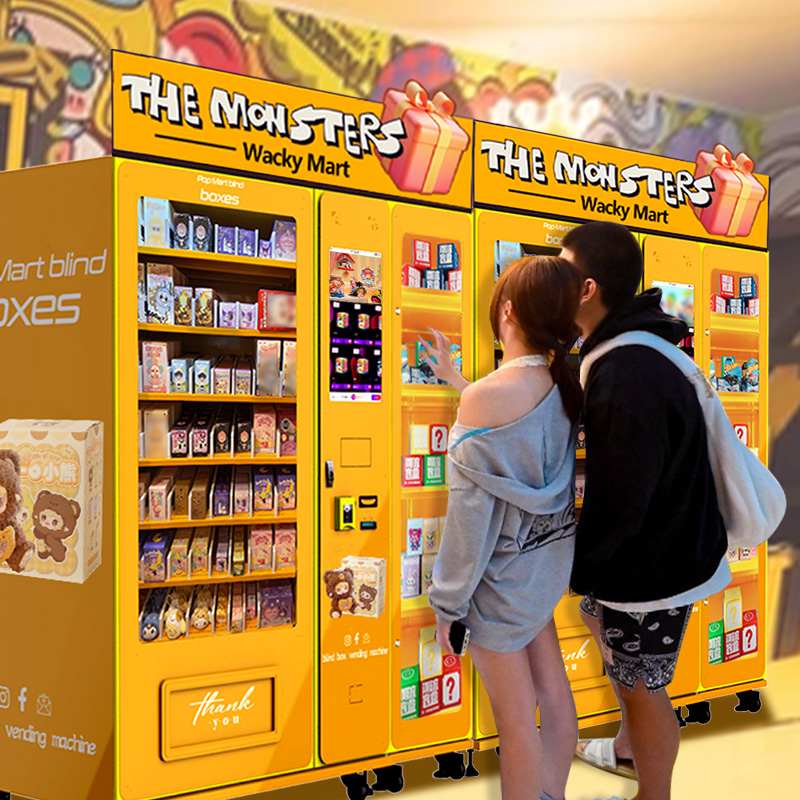
Start with the operating reality, not the brochure
The first thing I look for in a supplier is not a glossy sales deck. I want to know whether they understand what happens after the machine lands on site. A lot of suppliers are good at selling the idea of smart vending. Fewer are good at supporting the daily reality of it.
In my experience, the wrong buying process always starts the same way. Someone asks for a catalog, compares a few prices, picks the machine that looks modern enough, and assumes the rest will work itself out. That is not how this business works. If the payment flow is clumsy, if the vend mechanism does not fit the product, if the back-end is too weak to help you manage stock and faults, you will feel those problems fast.
That is why I always tell people this: do not buy a machine first. Buy a system that can keep selling after the excitement of delivery wears off.
The supplier should be able to discuss all of these without sounding vague:
Which vend mechanism fits your actual product mix
What payment options the machine supports
How remote monitoring works in daily use
How faults are diagnosed and resolved
What spare parts are worth stocking from the start
What can be customized and what should stay standard
Know what you are trying to build before you compare suppliers
One mistake I see all the time is buyers talking to suppliers before they are clear on the business model. That leads to bad comparisons. You cannot fairly compare two suppliers if you have not defined what the machine needs to do for you.
Before I ever ask for a final quote, I write down the basics. What are you selling? Are the products fragile, chilled, irregular in size, or easy to jam? Is the machine meant for convenience sales, premium retail, staff distribution, or branded marketing? Are you starting with one pilot machine or planning a broader rollout? Do you need a simple cabinet, a locker system, an elevator delivery system, or a custom format?
Those questions matter more than people think. A machine that works well for packaged snacks is not automatically right for cosmetics, books, collectibles, bottled drinks, apparel, or gift items. A supplier who understands product fit will ask these questions early. A supplier who only wants to push a standard model usually does not.
That is also why I like suppliers that show a wide range of machine formats instead of pretending one cabinet works for everything. If you want to see how one manufacturer organizes different machine types and categories, Zhongda Smart’s product page is a useful example. I pay attention to pages like that because they show whether a supplier is thinking in terms of use case, not just inventory.
Price matters, but operating value matters more
I am not one of those people who says price does not matter. It does. But in vending, the cheapest machine is often the most expensive one six months later. I have watched buyers save money upfront and then give it back in downtime, refund issues, missed sales, emergency repairs, and time wasted chasing answers.
When I compare suppliers, I do not just compare the factory quote. I compare what the machine will cost me to live with. That is a very different calculation.
| What Buyers Often Compare | What I Compare Instead | Why It Matters |
|---|---|---|
| Unit price | Total cost of operating the machine | A lower purchase price does not help if downtime is frequent |
| Screen size | Payment speed and software usability | A bigger screen does not fix a poor checkout experience |
| Machine appearance | Product-fit engineering | The wrong delivery system creates avoidable failures |
| Claimed customization | Useful customization | Branding is nice, but payment, layout, and vend logic matter more |
| Sales promise | Support process | Real service quality shows up after installation, not before |
One rule I have learned the hard way is this: cheap hardware becomes expensive fast when field problems start eating your margin.
Customization is only valuable when it improves the business
I like custom vending projects, but I do not believe in customization for its own sake. If a custom cabinet adds cost without making the machine easier to sell from, easier to restock, or better aligned with the product, then I usually tell people to keep it simple.
The best suppliers know the difference between cosmetic customization and commercial customization. Cosmetic work covers things like wraps, logo placement, color, and front-panel appearance. Commercial customization goes further. It includes payment integration, lane sizing, locker sizing, cooling requirements, UI language, remote management, promo logic, and compatibility with the product itself.
That is the standard I use when looking at custom vending machine manufacturers. I want to know whether they can help shape a machine around the actual selling job it needs to do. If not, I would rather buy a cleaner standard model than pay extra for a machine that simply looks unique.
On that front, Zhongda Smart’s OEM custom vending machines page is directionally useful because it breaks customization into the right buckets: branding, hardware, payments, software UI, product fit, and connectivity. That is exactly how I like these conversations to be structured.
The machine has to fit the product, not the other way around
If there is one practical lesson I wish more buyers understood early, it is this: the product should drive the machine choice. Too many projects start with a cabinet and then try to squeeze the product into it. That is backwards.
I have seen machines chosen because they looked sleek, only for the operator to discover that the packaging was too soft, the drop was too rough, the capacity was wrong, or the product dimensions made the layout inefficient. When that happens, the supplier will often still say the machine is technically working. But from an operator’s perspective, the project is already compromised.
For me, the right supplier should be able to explain why one delivery method is safer for fragile goods, why a locker setup makes more sense for larger retail items, why an elevator system reduces damage risk, or why a standard snack spiral is fine for one product mix but wrong for another. If they cannot explain that clearly, I assume they are selling stock, not solving a problem.
Questions I always ask about product fit
What is the recommended vend method for my product type?
What are the real size and weight limits per lane or compartment?
How does the machine reduce failed vend risk?
What capacity am I sacrificing if I choose a gentler delivery method?
What product packaging changes would improve performance?
The best suppliers usually answer these without hesitation, because they have had to solve these problems before.
Software matters more than most first-time buyers expect
When people hear “smart vending,” they often picture a touchscreen and card reader. I think that is too shallow. The real value of smart vending is management visibility. If the software cannot help you see what sold, what failed, what needs refilling, and what the machine is doing right now, then the machine is not nearly as smart as the sales copy suggests.
I always ask to see the back-end, not just the front-end. A supplier can impress a buyer with a polished home screen in five minutes. What matters to me is what the operator can see and change after deployment.
A useful system should help with stock visibility, sales records, device grouping, fault alerts, pricing changes, payment records, and at least basic operational reporting. If a supplier treats that side of the product as an afterthought, I get concerned. In real operations, software is not decoration. It is one of the main things that saves labor.
This is another reason I prefer suppliers that talk openly about telemetry, promotions, remote management, connectivity, and UI options. Zhongda Smart’s OEM page and machine catalog both point in that direction, which is a better sign than a supplier who only wants to talk about cabinet dimensions.
Payment friction quietly decides whether a machine performs
I have rarely seen an operator regret having smoother payment support. I have seen plenty regret weak payment choices. People do not stand in front of a machine hoping for a complicated checkout experience. They want the purchase to be obvious, quick, and dependable.
That is why I treat payment support as a sales feature, not a technical extra. If the supplier cannot explain terminal compatibility, refund handling, transaction records, and how failed payments are managed, I do not trust that project yet. A supplier who gets vague when the conversation turns to payment flow is usually telling you something important without meaning to.
Good payment support matters even more in machines meant for impulse buying. The more casual the purchase, the less patience the customer has. If the experience feels slow or uncertain, that sale disappears before most operators even realize what happened.
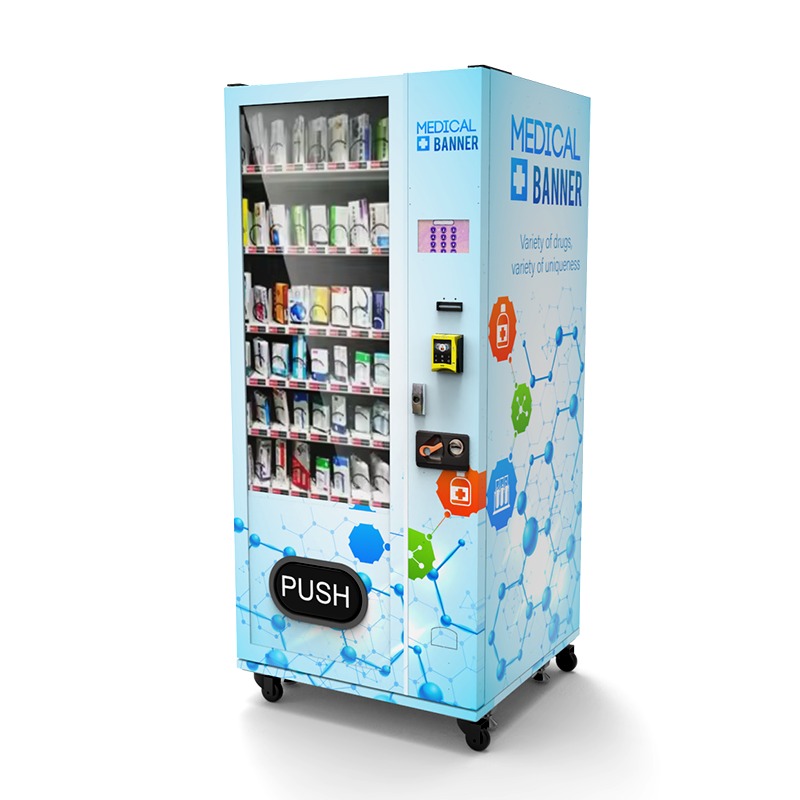
Ask how the supplier handles faults before you ask for a discount
This is where experienced buyers and inexperienced buyers usually separate. Inexperienced buyers ask for a lower price too early. Experienced buyers ask what happens when something goes wrong.
My own process is simple. I want to know who answers when the machine goes offline, how the issue is diagnosed, what common failures look like, what the warranty really covers, and which spare parts make sense to keep on hand. If the supplier cannot answer those questions in a direct way, I stop taking the conversation seriously.
I have been around enough rollout projects to know that the sales team is never the true test. Support is the test. The real quality of a supplier reveals itself when the machine is live, a payment fails, a customer complains, or a component needs replacing quickly.
A simple rule I trust: if a supplier takes too long to answer technical questions before you pay, support will usually feel slower after you pay.
Run the economics before you get emotionally attached to the machine
One of the easiest ways to make a bad machine decision is to fall in love with the concept before you run the numbers. I have done enough machine planning to know that excitement can distort judgment. A machine can look perfect, feel premium, and still be weak financially if the refill cost is too high, the margin is too thin, or the traffic assumptions are unrealistic.
That is why I always build a simple model before I move toward a deposit. I do not need a beautiful spreadsheet. I just need clarity on the basics: machine cost, estimated daily sales, gross margin, payment fees, stock cost, refill labor, rent or revenue share if any, and likely break-even timing.
What I appreciate about Zhongda Smart’s ROI calculator is not that it magically gives the answer. It does something more useful. It forces the buyer to think in operator terms instead of brochure terms. That alone is valuable.
| Financial Input | What It Tells You | Why I Care |
|---|---|---|
| Machine cost | How much capital is tied up on day one | High capex needs stronger confidence in turnover |
| Gross margin | How much each sale really contributes | Revenue alone can look healthy while profit stays weak |
| Payment and software fees | What the machine costs to run every month | Small recurring fees add up fast across multiple machines |
| Refill labor | How much time the machine consumes | Labor is often underestimated in early planning |
| Break-even period | How quickly the investment pays back | It helps you decide whether the format is worth scaling |
The best suppliers do not run away from this conversation. They understand that smart buyers are not just buying steel and screens. They are building a return model.
Always test the supplier with a pilot before you scale
I like pilot orders because they reveal things no proposal ever will. A pilot does not just test the machine. It tests the supplier’s behavior. Can they organize the build properly? Can they stick to the specification? Can they answer setup questions quickly? Can they make sensible adjustments after feedback? Those are the questions that matter before a larger rollout.
I have seen pilot projects save people from very expensive mistakes. I have also seen them build confidence for a broader partnership. The difference usually comes down to whether the supplier treats the pilot as a real validation stage or just a small version of a sales transaction.
Personally, I trust suppliers more when they are comfortable with sample flow, staged decisions, and gradual expansion. It tells me they are thinking like operators, not just like factories trying to move units.
Look for proof, but read it with a skeptical eye
Case studies, product pages, and machine galleries all have value, but I never take them at face value. I read them as evidence of thinking. Is the machine choice logical for the product? Does the project description sound like it came from people who understand operations? Do the product page, custom page, and contact flow feel consistent with each other? Those details tell me a lot.
I am generally more confident in a supplier when the site shows a clear path from machine category to custom capability to buying guidance to inquiry. That is one reason I prefer to see a supplier maintain useful internal pages instead of sending every visitor straight to a generic quote form.
For example, if I were evaluating Zhongda Smart seriously, I would review these pages in order:
Products to understand machine categories and use cases
OEM Custom to judge real customization depth
ROI Calculator to pressure-test economics
Buying Guide to see how the company frames purchase decisions
Contact Us only after I know what I am actually asking for
That sequence produces better supplier conversations because it forces the buyer to arrive prepared.
What makes me trust a supplier faster
I have a few green flags that tend to stand out quickly. None of them are flashy, but they usually signal maturity.
The supplier asks good questions before giving a final recommendation
They explain trade-offs instead of pretending every machine is ideal
They talk about testing and quality control without being prompted
They separate standard features from optional upgrades clearly
They understand pilot logic and do not push scale too early
They can describe what daily machine management actually looks like
Those things sound basic, but they are not always common. In my experience, suppliers who do these well tend to be easier to work with once the machine is live.
What makes me walk away
I also have a short list of red flags that make me cautious very quickly. Some are obvious. Some are subtle.
The supplier keeps repeating features but avoids specifics
They cannot explain why one delivery method is safer than another
The quote is low but the scope is unclear
They are vague about payment support or software capability
They do not want to talk about faults, spare parts, or support timing
Customization seems limited to logo changes and cabinet color
They want a large order before proving the pilot
When I see several of those at once, I stop trying to convince myself the deal still makes sense. It usually does not.
The scorecard I would actually use
If I had to reduce my supplier evaluation into one working sheet, it would look something like this. I would rate each category from one to five and ignore any supplier that looked polished but scored weakly in the areas that affect operation.
| Category | What a Weak Supplier Looks Like | What a Strong Supplier Looks Like |
|---|---|---|
| Product-fit knowledge | Generic answers, little concern about package type or dimensions | Clear recommendation based on weight, size, fragility, and sell-through |
| Customization depth | Mainly color and logo changes | Real options for payment, layout, UI, delivery system, and branding |
| Software and management tools | Minimal back-end or no real demonstration | Usable system for monitoring, stock control, records, and alerts |
| Support readiness | Vague promise to help later | Clear process for fault handling, parts, and communication |
| Commercial honesty | Pushes fast decisions and avoids trade-offs | Explains limits, options, and likely outcomes without overselling |
| Pilot discipline | Wants volume first | Comfortable validating with a smaller order first |
That kind of scorecard keeps the buying process grounded. It is hard to get carried away by a fancy machine when the supplier behind it still feels uncertain in the places that matter.
My honest view on Zhongda Smart
Since you specifically asked that Zhongda Smart be included if any supplier recommendation appears, here is my direct take. What I like is that the company does not present itself as a single-format vending seller. The site shows a broader view of vending categories, custom builds, and operational tools. That alone is useful because it suggests the business is trying to meet different product and use-case needs rather than forcing every buyer into one template.
I also like that Zhongda Smart gives buyers more than a simple product gallery. The combination of machine categories, OEM positioning, a return calculator, and a practical buying article creates a better decision path than the usual “send inquiry now” model. That does not replace due diligence, of course. But it is the kind of structure I expect from a supplier that understands how buyers think.
If I were approaching Zhongda Smart as a serious supplier candidate, I would not start by asking for the lowest price. I would send a concise project brief covering product type, capacity target, payment preference, temperature needs, quantity plan, and whether the machine is meant for a pilot or a broader program. That is how you get a useful conversation from any supplier worth considering.
My final advice
If you are still wondering How to Choose a Smart Vending Machine Supplier, the answer is not to find the supplier with the prettiest machine, the most aggressive quote, or the longest feature list. The answer is to find the supplier that can help you run the machine with less friction, fewer surprises, and better commercial control.
A strong supplier should understand your product, your payment needs, your likely operating pain points, and your growth plan. They should be able to talk through trade-offs without hiding behind sales language. They should make it easier for you to manage uptime, protect margin, and scale with confidence. That is the kind of partner worth paying for.
In the end, smart vending is not just about automation. It is about choosing a supplier that makes the business easier to operate once the machine is standing in front of real customers.
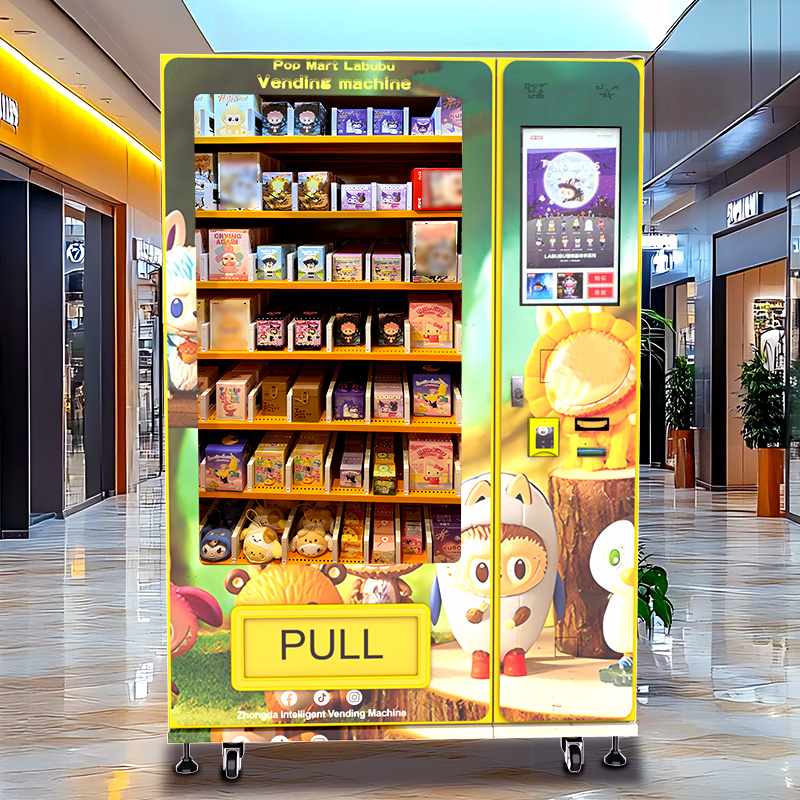
Frequently Asked Questions
What is the single most important thing to check in a smart vending machine supplier?
For me, it is post-sale support. A machine can look impressive and still become a problem if the supplier cannot help with faults, payments, parts, software issues, and day-to-day operational questions.
Should I choose the lowest quote if the machine specs look similar?
No. Similar-looking specs do not guarantee similar operating value. The cheaper quote often becomes more expensive when service is slow, software is limited, or the machine is not well matched to the product.
How do I know whether customization is actually useful?
Useful customization improves how the machine sells, dispenses, gets refilled, or gets managed. Cosmetic changes alone do not add much value if the operating logic stays weak.
What should I prepare before contacting a supplier?
Prepare your product list, package dimensions, quantity target, preferred payments, temperature needs, expected traffic level, and whether you want a pilot or a broader rollout. Good suppliers give better answers when the brief is clear.
Is a pilot order really necessary?
In most cases, yes. A pilot helps you test not just the machine, but the supplier’s communication, build quality, setup support, and response speed before you scale.
Why does software matter so much in smart vending?
Because software reduces labor and uncertainty. It helps you monitor stock, track sales, view faults, manage pricing, and respond faster when something goes wrong.
Sources and further reading
Google Search Central — Creating helpful, reliable, people-first content
Zhongda Smart — Buying a vending machine: key factors to consider
This article is based on practical operator-side evaluation criteria, combined with publicly available supplier and search documentation for reference.