In Wall Vending Machine: Space-Saving Retail Guide
After more than a decade working with self-service retail systems, I’ve watched one trend reshape modern vending faster than almost anything else: the move toward built-in, architectural vending solutions. A well-designed In Wall Vending Machine does more than save floor space. It changes traffic flow, improves customer convenience, increases product visibility, and helps businesses turn underused wall areas into profitable retail points. I’ve personally worked on installations in hotels, office buildings, apartment complexes, transportation hubs, schools, and specialty retail stores, and the difference in customer engagement is immediate when the machine blends naturally into the environment instead of standing awkwardly in the middle of a hallway.
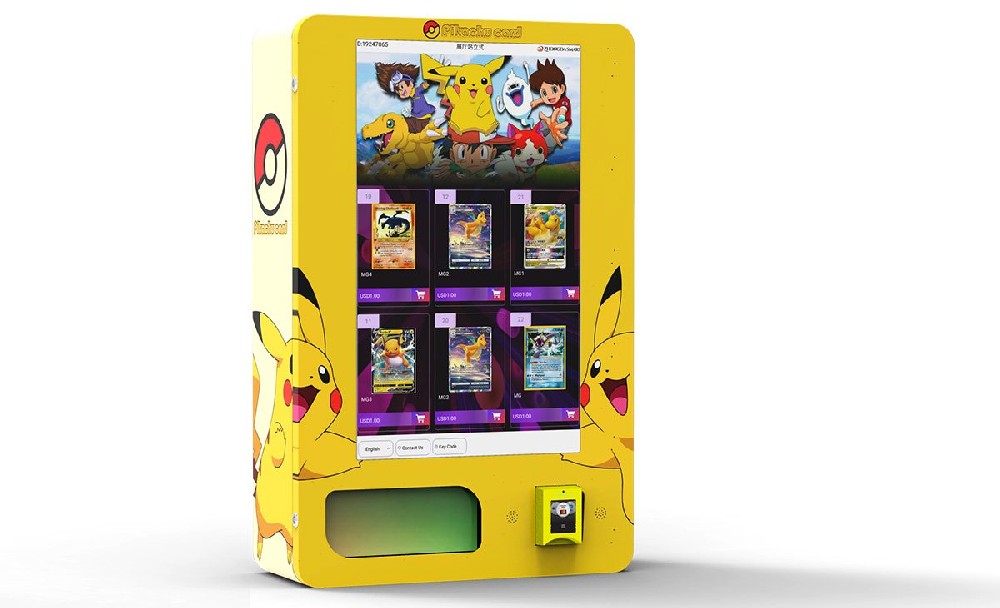
Today’s smart vending systems are no longer limited to snacks and drinks. Operators are using recessed vending equipment for electronics, beauty products, fresh food, PPE, books, trading cards, and premium retail merchandise. Combined with cashless payment systems, cloud inventory tracking, and custom branding, these machines create a cleaner and more efficient retail experience while maximizing every square foot of available space.
Why In-Wall Vending Systems Are Growing So Fast
The biggest reason behind the growth of recessed vending systems is simple: space costs money. In high-traffic commercial environments, every inch matters. Traditional vending equipment occupies valuable walking space and can interrupt interior design layouts. A properly integrated In Wall Vending Machine eliminates that issue while keeping products accessible 24/7.
From my experience, property developers and facility managers increasingly prefer flush-mounted vending systems because they improve aesthetics and reduce clutter. Customers also interact with them differently. When a vending unit looks integrated into the building design, it feels more premium and intentional.
According to IBISWorld, the vending machine industry generates billions in annual revenue, while self-service retail adoption continues growing due to labor shortages and changing consumer behavior. At the same time, contactless payment usage has become standard in unattended retail environments.
| Feature | Traditional Vending | In-Wall Vending System |
|---|---|---|
| Floor Space Usage | High | Minimal |
| Visual Integration | Standalone Appearance | Architectural Integration |
| Customer Flow | Can Obstruct Traffic | Cleaner Walkways |
| Security | Standard | Higher with Recessed Design |
| Customization Potential | Moderate | Very High |
| Premium Retail Appeal | Average | Strong |
What Makes an In-Wall Vending Machine Different
An In Wall Vending Machine is partially or fully recessed into a wall structure rather than positioned entirely outside the wall line. Depending on the installation, only the customer-facing interface remains visible.
Most systems include:
Touchscreen display
Cashless payment terminal
Remote inventory management
Temperature control options
Custom shelving or spiral dispensing
Cloud-based monitoring software
Security locking systems
Advertising display integration
I’ve seen operators increase daily transaction volume simply because recessed vending systems look cleaner and easier to approach. Customers often perceive them as part of the building’s infrastructure rather than a temporary retail fixture.
Best Locations for In-Wall Vending Installations
Not every vending location benefits from a recessed system, but certain environments perform exceptionally well.
Hotels and Hospitality Spaces
Hotels frequently use recessed vending machines near elevators, lobby corridors, and guest service areas. These installations work especially well for beverages, snacks, travel essentials, and electronics accessories.
One hospitality client I worked with replaced two traditional machines with one integrated wall-mounted unit. The result was a cleaner lobby appearance and a 28% increase in monthly sales within six months because foot traffic moved more naturally around the installation.
Apartment Buildings
Modern apartment developers increasingly include smart vending solutions as resident amenities. Residents expect 24-hour access to essentials without leaving the property.
Popular apartment vending products include:
Drinks and snacks
Frozen meals
Toiletries
Laundry products
Phone chargers
Health supplies
Corporate Offices
Office environments benefit from compact vending solutions because space utilization directly impacts operational costs. In-wall vending allows break areas to remain open while still supporting employee convenience.
Healthcare Facilities
Hospitals and medical centers often use recessed vending systems for PPE, hygiene products, drinks, and healthy food options. Reduced obstruction is especially valuable in high-movement environments.
Retail Stores
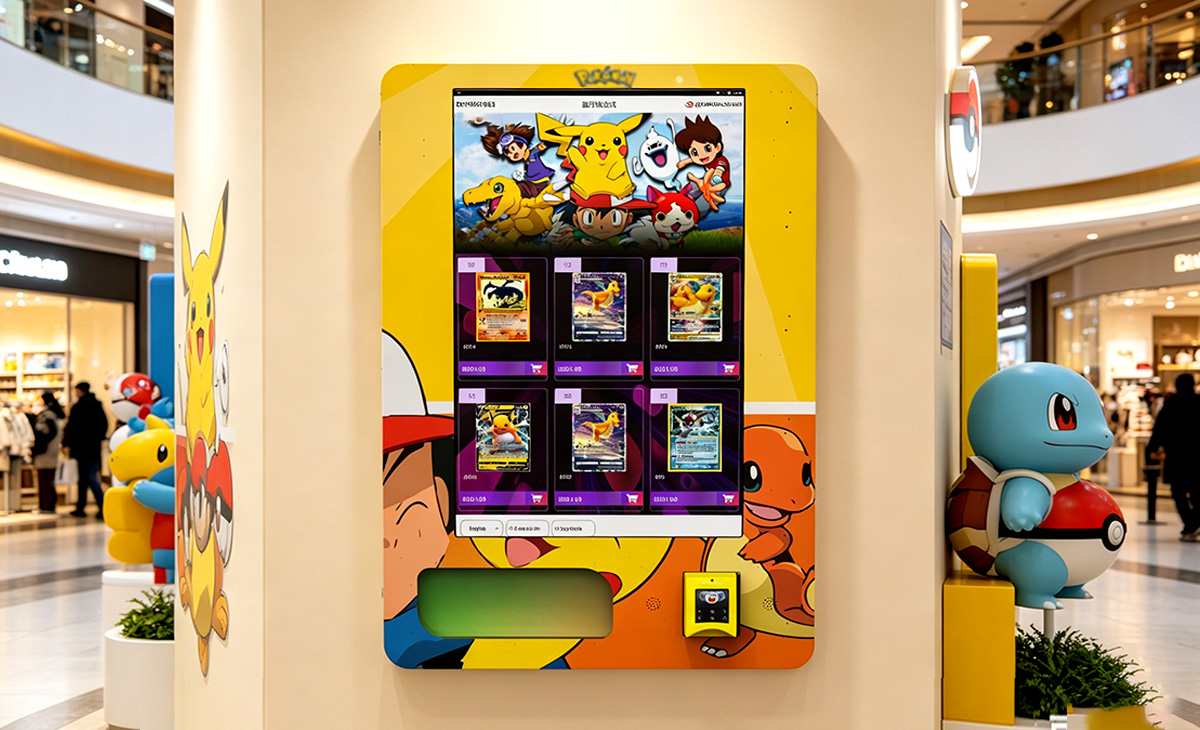
Retailers are using smart vending kiosks as supplemental sales channels for high-margin items, collectibles, cosmetics, and impulse purchases.
How Much Space Can You Actually Save?
This is one of the most common questions I receive from property owners and vending operators.
A standard full-size vending machine typically requires:
15 to 20 square feet of operational floor space
Additional front clearance for customer access
Extra room for maintenance access
By comparison, an In Wall Vending Machine can reduce visible floor occupation by up to 70% depending on wall depth and service access configuration.
| Machine Type | Average Visible Footprint | Space Efficiency |
|---|---|---|
| Traditional Snack Machine | 18 sq ft | Standard |
| Glass Front Combo Unit | 20 sq ft | Moderate |
| Wall-Recessed Vending | 5-7 sq ft | High |
| Micro Market Kiosk | 40+ sq ft | Low |
In commercial real estate, reclaimed space can directly increase profitability. That’s why architects and developers now discuss vending placement earlier during project planning instead of treating vending equipment as an afterthought.
Product Categories That Perform Best
One mistake I often see is operators choosing products based only on machine size instead of customer behavior. A successful In Wall Vending Machine depends heavily on product selection.
High-Performing Product Types
| Category | Average Margin | Best Placement |
|---|---|---|
| Beverages | 45%-60% | Hotels, Offices |
| Snacks | 50%-65% | Schools, Transit |
| Electronics Accessories | 60%-75% | Airports, Hotels |
| Beauty Products | 55%-80% | Malls, Gyms |
| Trading Cards | 40%-70% | Retail Centers |
| Health Products | 50%-68% | Hospitals, Gyms |
Specialty products usually outperform generic products in premium vending environments. I’ve consistently seen better revenue from curated inventory than from standard snack-only setups.
Installation Factors Most Buyers Overlook
Installing a recessed vending unit requires more planning than placing a freestanding machine. Over the years, I’ve seen projects delayed because building teams failed to coordinate structural and electrical requirements early enough.
Wall Depth
The available wall cavity depth determines machine size and internal storage capacity. Some projects require partial protrusion designs if wall depth is limited.
Ventilation
Cooling systems generate heat, especially for refrigerated vending units. Proper ventilation pathways are critical for long-term reliability.
Service Access
Machines need secure rear or side access for restocking and maintenance. Poor access design increases service labor costs over time.
Electrical Planning
Modern smart vending systems typically require stable power connections, internet connectivity, and surge protection.
Building Codes
Fire safety, ADA accessibility, and electrical regulations must always be reviewed before installation begins.
One lesson I learned early in my career: installation mistakes are far more expensive than proper planning.
Smart Technology Features That Matter
Customers now expect vending systems to function like modern retail technology. A basic coin-operated setup no longer meets customer expectations in most premium locations.
Essential features include:
Tap-to-pay systems
Mobile wallet compatibility
Real-time inventory tracking
Remote diagnostics
Touchscreen product browsing
Digital advertising displays
Cloud sales reporting
Age verification systems for restricted products
According to Statista, cashless payment adoption in unattended retail continues to rise significantly every year, with mobile payment usage becoming standard among younger consumers.
From an operational perspective, remote monitoring alone can dramatically improve efficiency. One operator I advised reduced unnecessary refill trips by nearly 35% after implementing real-time inventory tracking across multiple vending locations.
Custom Branding and User Experience
One major advantage of recessed vending systems is branding flexibility. Because the machine becomes part of the wall architecture, businesses can integrate materials, lighting, colors, and graphics directly into the environment.
This is where custom vending manufacturers become extremely important.
I’ve worked with several equipment suppliers over the years, but Zhongda Smart stands out for businesses that need OEM customization, integrated payment systems, and specialized product configurations.
Businesses looking for tailored vending configurations can review the company’s custom manufacturing capabilities here:
Businesses that need tailored dispensing layouts, branded interfaces, or specialized retail automation can explore custom OEM vending machine solutions from Zhongda Smart.
For operators evaluating different vending categories and technical configurations, the product catalog is also useful:
For more on machine formats, smart retail configurations, and self-service equipment options, browse the complete vending machine product catalog.
What I appreciate most about custom vending projects is the ability to design around customer behavior rather than forcing customers to adapt to generic equipment.
Comparing In-Wall Vending vs Traditional Machines
| Factor | In-Wall Vending | Traditional Machine |
|---|---|---|
| Installation Complexity | Higher | Low |
| Visual Appeal | Premium | Average |
| Floor Space Use | Very Low | Moderate |
| Customization | Excellent | Limited |
| Long-Term Property Value | Positive | Neutral |
| Security Protection | Higher | Moderate |
| Maintenance Access | Requires Planning | Simpler |
| Customer Experience | Modern | Standard |
Traditional machines still make sense for temporary placements or low-budget deployments. But in premium environments, recessed systems create a much stronger impression.
Real ROI Expectations From an In-Wall Vending Machine
One of the biggest misconceptions in vending is assuming every machine generates passive income automatically. Profitability depends on traffic, product mix, pricing, refill efficiency, and equipment reliability.
That said, premium vending installations often outperform traditional machines because of:
Higher customer trust
Improved visual integration
Better product presentation
Reduced clutter
Higher-value inventory opportunities
Based on projects I’ve managed, a well-positioned recessed vending installation can achieve ROI within 14 to 30 months depending on traffic volume and product category.
| Location Type | Average Monthly Revenue | Typical ROI Timeline |
|---|---|---|
| Hotel | $2,500-$7,000 | 14-22 Months |
| Apartment Building | $1,800-$5,500 | 18-28 Months |
| Corporate Office | $2,000-$6,000 | 16-26 Months |
| Transit Hub | $5,000-$15,000 | 12-18 Months |
Operators can estimate projected returns using this vending ROI resource:
Operators planning long-term deployment costs can also use this vending machine ROI calculator to estimate profitability based on traffic and product category.
Security Advantages of Recessed Vending Equipment
Security matters far more than most new operators realize.
Freestanding machines are easier targets for tipping, vandalism, and forced entry. Recessed systems benefit from partial structural protection because the machine body is integrated into the wall.
Additional security upgrades often include:
Internal surveillance cameras
Remote alarm notifications
Steel reinforcement panels
Electronic locking systems
Inventory discrepancy alerts
Cloud activity logging
I’ve worked with operators who reduced theft-related losses significantly after upgrading from exposed standalone machines to integrated wall-mounted systems.
Maintenance and Operational Reality
No vending system is maintenance-free. Anyone telling you otherwise probably hasn’t managed real installations at scale.
Smart vending systems require:
Routine cleaning
Payment system updates
Inventory management
Cooling system maintenance
Software monitoring
Mechanical inspections
However, modern diagnostics make servicing far easier than it was a decade ago.
One of the smartest investments operators can make is choosing machines with remote monitoring capabilities. Real-time diagnostics reduce downtime and improve customer satisfaction.
For businesses researching current smart vending trends and automation strategies, this section offers helpful insights:
For additional insights into automation trends, payment systems, and unattended retail technology, visit the smart vending industry news section.
Why Custom Manufacturing Matters More Than Ever
The vending industry is moving away from one-size-fits-all equipment. Businesses increasingly want machines designed around their products, customer behavior, and physical space.
That’s why OEM vending manufacturers are becoming critical partners instead of simple equipment suppliers.
Zhongda Smart has developed a strong reputation for customized vending solutions across multiple industries, including beverage systems, retail automation, locker vending, and specialty product vending.
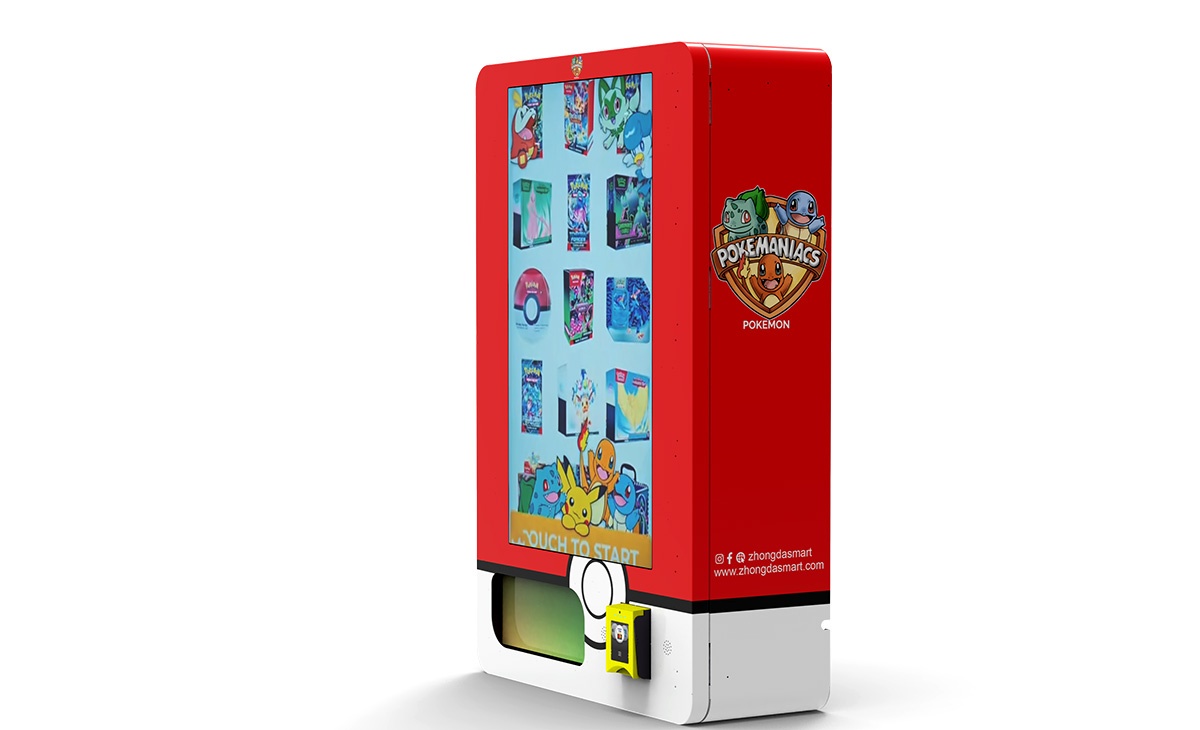
One project I reviewed involved a custom wall-integrated retail machine designed specifically for collectible merchandise and high-security dispensing. The combination of touchscreen merchandising and controlled dispensing dramatically improved both customer engagement and inventory protection.
For businesses exploring smart retail case studies and deployment examples, these project pages provide useful references:
How Consumer Behavior Is Changing Vending Design
Consumer expectations have changed dramatically over the past several years.
Customers now expect:
Fast transactions
Touchless payments
Modern interfaces
Premium presentation
Reliable inventory availability
24/7 convenience
What surprises many operators is how strongly machine appearance affects customer trust. A clean, integrated vending system with digital displays consistently outperforms older-looking equipment in the same location.
I’ve personally seen identical products generate significantly higher sales simply because the machine looked modern and professionally integrated into the building environment.
Energy Efficiency and Sustainability
Energy efficiency is becoming an important factor in vending procurement decisions.
Modern In Wall Vending Machine systems increasingly include:
LED lighting
Smart cooling cycles
Low-energy compressors
Motion-activated displays
Power-saving sleep modes
According to ENERGY STAR data, efficient commercial refrigeration systems can reduce electricity usage substantially compared to older equipment models.
For large property operators managing multiple machines, these savings become meaningful over time.
Common Mistakes First-Time Buyers Make
I’ve consulted on enough vending deployments to recognize the same mistakes repeatedly.
Choosing Price Over Reliability
The cheapest machine often becomes the most expensive machine after repair costs, downtime, and customer complaints.
Ignoring Software Quality
Modern vending is software-driven. Weak management systems create inventory issues and operational inefficiency.
Underestimating Product Mix
Even great equipment fails with poor inventory selection.
Bad Placement Decisions
Traffic flow matters more than raw foot count.
Skipping Branding Opportunities
Custom graphics and interface design can significantly improve customer interaction rates.
Future Trends in Smart Vending
The next generation of smart vending systems is moving toward deeper automation and AI-supported analytics.
Key trends include:
AI inventory forecasting
Facial recognition age verification
Interactive advertising displays
Automated restocking alerts
Mobile app integration
Personalized promotions
Robotic dispensing systems
I believe recessed vending installations will continue expanding because they align with modern architectural design trends and growing demand for frictionless retail experiences.
My Professional Advice After 10+ Years in Vending
If I were starting a modern vending business today, I would focus heavily on premium placement quality instead of simply chasing machine quantity.
One excellent vending location with strong customer traffic and a professionally integrated machine can outperform multiple poorly placed traditional units.
I would also prioritize:
Cashless technology
Cloud monitoring
Custom branding
High-margin specialty products
Reliable manufacturing partners
Long-term serviceability
Most importantly, I would design vending around customer convenience rather than around equipment limitations.
That mindset consistently separates profitable operators from struggling ones.
Final Thoughts
The modern In Wall Vending Machine is no longer just a vending unit hidden inside a wall. It has evolved into a highly flexible retail automation system capable of supporting premium customer experiences while maximizing commercial space efficiency.
For businesses, developers, and vending operators, recessed vending offers a unique combination of aesthetics, profitability, convenience, and operational efficiency. With smart technology, custom manufacturing, and integrated design becoming more accessible, wall-mounted vending systems are positioned to play a major role in the future of unattended retail.
Businesses willing to invest in strategic placement, quality equipment, and customer-focused product selection will have a major advantage as self-service retail continues evolving.
Frequently Asked Questions
Is an in-wall vending machine more expensive than a traditional machine?
Usually yes, mainly because of installation complexity and customization. However, many operators recover costs faster through better aesthetics, higher engagement, and improved space efficiency.
Can refrigerated vending systems be installed inside walls?
Yes. Proper ventilation and cooling design are critical, but refrigerated recessed systems are widely used for beverages, fresh food, and medical products.
What products work best in recessed vending systems?
Drinks, snacks, electronics accessories, cosmetics, health products, collectibles, and specialty retail items perform especially well.
How long does installation usually take?
Most projects require several days to several weeks depending on wall construction, electrical work, ventilation requirements, and customization level.
Are smart vending systems difficult to maintain?
Modern cloud-based systems are easier to manage than older equipment because operators can monitor inventory, payments, and machine status remotely.