Affordable Wall Mounted Vending Machines for Sale
After spending more than a decade operating vending machine routes, testing compact self-service kiosks, and helping retail owners reduce floor space costs, I can confidently say that wall-mounted machines are no longer a niche product. They have become one of the smartest low-footprint retail solutions on the market. The demand for Wall Mounted Vending Machines for Sale continues to grow because business owners want equipment that saves space, lowers operating costs, and still delivers reliable daily revenue. I have installed these machines in offices, gyms, apartment buildings, salons, schools, and retail stores, and the best-performing models consistently combine compact design, durable hardware, cashless payment systems, and remote inventory management. If you are planning to invest in vending equipment without dedicating large floor areas, this guide will walk you through the real numbers, practical buying advice, profit expectations, and features that actually matter in day-to-day operation.
Why Wall-Mounted Vending Machines Are Growing Fast
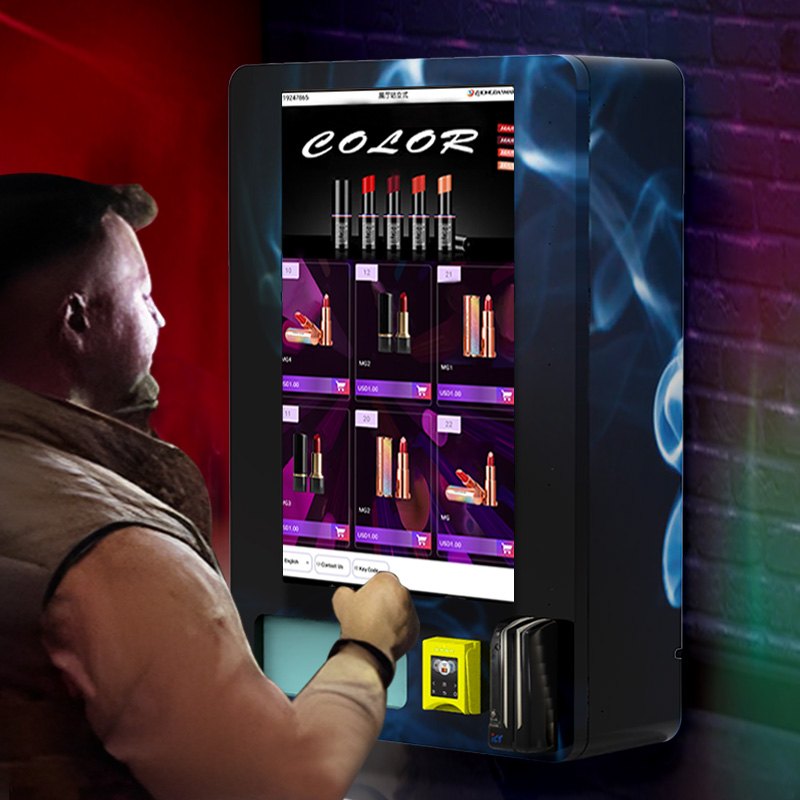
Traditional vending equipment can take up valuable commercial space. In many locations, every square foot matters. That is why compact vending systems and wall-mounted self-service kiosks have become increasingly popular among operators looking for higher efficiency.
Unlike full-size snack machines, wall-mounted vending systems are designed to fit narrow hallways, waiting areas, small retail corners, and high-traffic walls without blocking customer movement. I started testing compact units years ago in small office environments where landlords refused to allow large floor equipment. The results surprised me.
Lower installation costs
Reduced power consumption
Faster restocking time
Better visibility at eye level
Higher impulse purchases
Lower maintenance expenses
In one of my busiest locations, replacing a floor-standing machine with a wall-mounted unit increased monthly product turnover by 18% because customers no longer felt crowded near the checkout area.
According to Grand View Research, the global vending machine market is projected to exceed $37 billion by 2030 due to increased adoption of automated retail technology and cashless transactions.
Who Should Buy a Wall-Mounted Vending Machine?
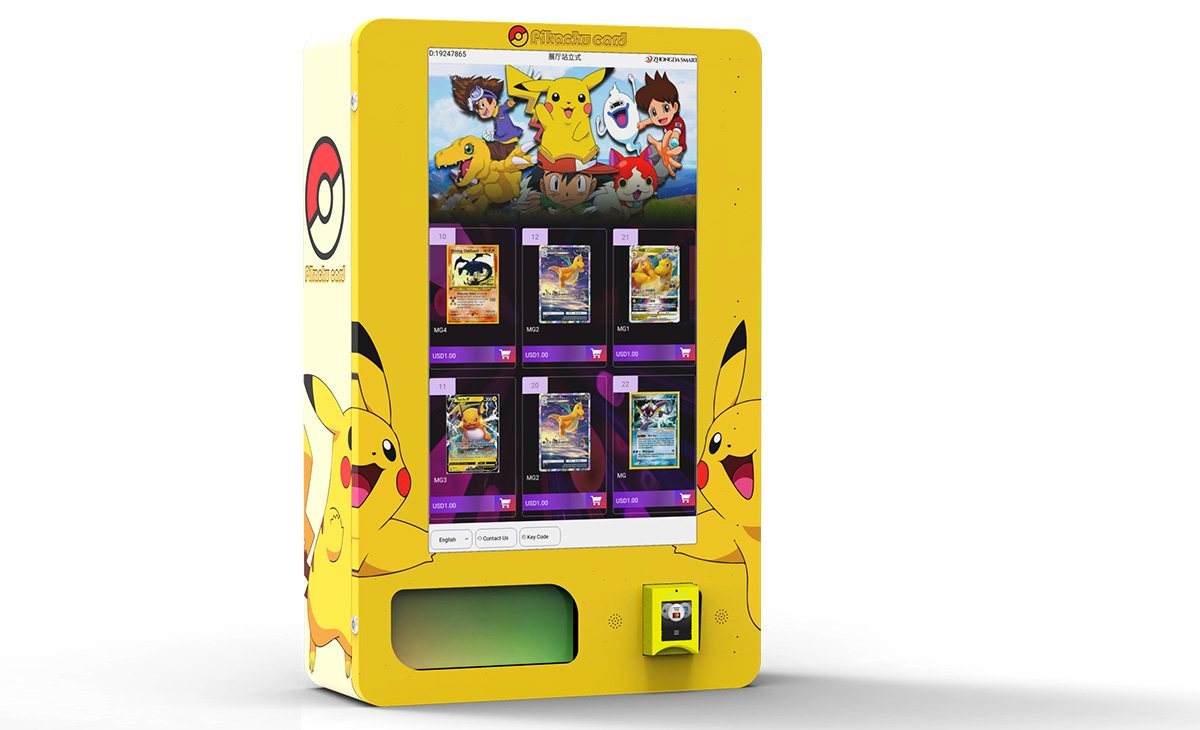
One of the biggest misconceptions I hear is that wall-mounted vending equipment only works for small products. That is outdated thinking. Modern systems can handle snacks, beverages, cosmetics, electronics accessories, healthcare items, trading cards, books, and even smart locker pickup systems.
Over the years, I have seen these machines perform extremely well in:
Fitness centers
Hotels
Apartment buildings
Beauty salons
Universities
Corporate offices
Hospitals
Convenience stores
Transportation hubs
Entertainment venues
For operators with limited space, wall-mounted equipment creates a strong passive sales channel without requiring remodeling or expensive retail expansion.
The Features That Actually Matter
Many first-time buyers focus only on machine price. That is a mistake I made early in my career. Cheap equipment often creates expensive downtime later. Today, I evaluate every machine based on long-term operating performance.
Cashless Payment Integration
Modern customers expect contactless payment options. Machines without mobile payment support usually underperform. In my experience, adding card readers and QR payment systems can increase average transaction volume by 25% to 40%.
Look for systems supporting:
Credit cards
Debit cards
Mobile wallets
QR code payments
NFC tap payments
Remote Monitoring Software
Smart vending management software saves enormous labor costs. I monitor inventory levels, machine errors, and sales reports remotely without visiting every location.
Reliable cloud management systems help operators:
Track inventory in real time
Reduce stock shortages
Monitor machine temperature
Analyze product performance
Schedule maintenance
Manage multiple locations
For businesses scaling beyond three locations, remote management becomes essential.
Durable Construction
Wall-mounted machines need stronger structural support than many buyers realize. Cheap metal panels warp over time, especially in high-traffic environments.
I recommend looking for:
Cold-rolled steel cabinets
Tamper-resistant locks
Reinforced mounting systems
Industrial-grade hinges
Anti-rust coating
Energy Efficiency
Electricity costs add up quickly in vending operations. Energy-efficient compressors and LED lighting significantly reduce operating expenses over time.
Some modern units use 30% less energy compared to older vending equipment models.
Real Operating Costs and Profit Margins
One question I get constantly is whether affordable vending machines can still generate solid returns. The answer depends entirely on location quality and product selection.
Here is a realistic breakdown based on my own operational averages:
| Expense Category | Estimated Cost |
|---|---|
| Wall-Mounted Machine | $1,500 - $5,500 |
| Installation | $150 - $800 |
| Monthly Electricity | $10 - $45 |
| Inventory Restocking | $200 - $2,000 |
| Maintenance | $20 - $100 monthly |
| Payment Processing Fees | 2% - 5% |
A well-placed machine can generate monthly gross revenue between $400 and $3,000 depending on traffic volume and product pricing.
In one office installation, a compact snack and beverage machine reached full ROI in under 14 months because labor costs were almost nonexistent after setup.
If you want to estimate return potential more accurately, the vending machine ROI calculator from Zhongda smart is a useful planning tool.
Best Products to Sell in Wall-Mounted Machines
Choosing the right product mix is more important than machine size. I have tested hundreds of product categories over the years, and compact vending systems tend to perform best with fast-moving convenience items.
Top-Selling Categories
| Product Category | Average Profit Margin | Restocking Frequency |
|---|---|---|
| Snacks | 45% - 60% | Weekly |
| Energy Drinks | 35% - 50% | 2x Weekly |
| Beauty Products | 50% - 75% | Biweekly |
| Phone Accessories | 55% - 80% | Monthly |
| Trading Cards | 40% - 70% | Weekly |
| Healthcare Items | 45% - 65% | Monthly |
One of the most profitable trends I have seen recently involves niche vending categories. Specialized machines targeting beauty products, collectibles, and customized merchandise often outperform standard snack machines.
For example, the trading card vending machine solutions from Zhongda smart show how specialized automated retail can create higher-margin sales opportunities.
How to Choose the Right Manufacturer
I have worked with manufacturers from multiple countries, and I can tell you from experience that supplier quality affects everything: machine lifespan, customer satisfaction, downtime, and long-term profitability.
When evaluating manufacturers, I focus on five factors:
Hardware durability
Software stability
Customization capability
Technical support
Parts availability
Zhongda smart has gained attention in recent years because they offer a wide range of vending systems, including beverage vending, smart lockers, compact kiosks, and OEM custom vending machine solutions.
One thing I appreciate is their flexibility with customization. Many operators need branded cabinets, touchscreen systems, custom shelving, refrigeration upgrades, or unique payment configurations. Manufacturers that cannot adapt quickly become difficult partners when your business expands.
For buyers comparing different machine categories, the full product catalog provides a useful overview of available vending solutions.
Wall-Mounted vs Floor-Standing Machines
Not every business needs a wall-mounted solution. In some locations, larger machines still make sense. However, compact vending equipment often wins when space efficiency becomes the priority.
| Feature | Wall-Mounted Machine | Floor-Standing Machine |
|---|---|---|
| Space Usage | Minimal | High |
| Installation Cost | Lower | Higher |
| Product Capacity | Moderate | Large |
| Maintenance Access | Easy | Moderate |
| Energy Consumption | Lower | Higher |
| Best For | Compact locations | Heavy traffic areas |
For operators starting their first automated retail business, wall-mounted systems usually provide lower financial risk and faster deployment.
Installation Mistakes That Hurt Profit
I have made enough installation mistakes over the years to know exactly what to avoid. Even a great machine can fail in the wrong environment.
Poor Wall Support
Never install heavy vending systems on weak drywall without reinforcement. Structural mounting matters. I have seen entire units damaged because installers ignored wall load capacity.
Bad Visibility
Machines hidden around corners generate fewer sales. Eye-level placement near natural foot traffic consistently performs best.
Ignoring Power Requirements
Refrigerated vending machines need stable electrical supply. Voltage fluctuations can damage compressors and payment systems.
Overloading Inventory
Small machines are designed for fast-turning products. Overstocking leads to expiration waste and slower product rotation.
Smart Technology Is Changing Vending Operations
The vending industry looks very different today compared to when I started. Smart automation has transformed how operators manage inventory, customer engagement, and maintenance.
Modern vending systems now include:
AI-driven inventory analysis
Touchscreen advertising
Real-time stock alerts
Remote diagnostics
Cloud-based management dashboards
Digital loyalty programs
Facial recognition age verification
According to IBISWorld, cashless payment adoption has become one of the biggest revenue drivers in the vending industry because consumers increasingly avoid physical cash transactions.
I personally saw transaction frequency rise after upgrading older coin-operated units to contactless payment systems.
How Long Does a Wall-Mounted Vending Machine Last?
With proper maintenance, quality machines can operate effectively for 8 to 15 years.
The biggest factors affecting lifespan include:
Machine build quality
Installation quality
Usage frequency
Temperature conditions
Cleaning schedule
Component replacement timing
Preventive maintenance matters more than most operators realize. I schedule inspection checks every month for motors, payment systems, cooling units, and dispensing mechanisms.
One overlooked issue is dust buildup around cooling systems. Poor airflow can reduce refrigeration efficiency dramatically.
Custom Branding Can Increase Revenue
Generic vending machines blend into the background. Branded machines attract attention.
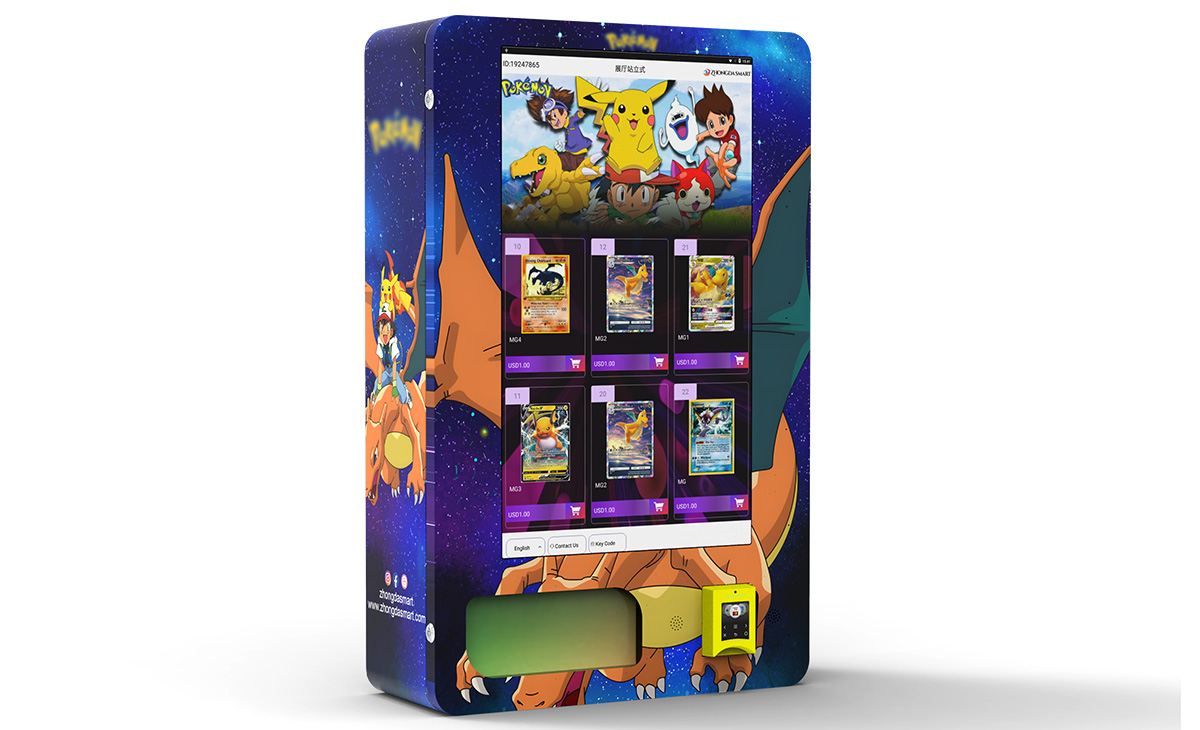
When I started adding custom wraps and digital screen branding, sales improved noticeably. Customers interacted more with machines that visually matched the surrounding business environment.
Custom vending machine branding options often include:
LED lighting
Interactive touchscreens
Custom logos
Product category graphics
Video advertising displays
QR marketing campaigns
Businesses interested in custom automated retail systems can review the OEM custom vending machine solutions available through Zhongda smart.
What I Look for Before Buying Any Machine
After years in the business, I follow a strict checklist before purchasing new vending equipment.
| Evaluation Point | Why It Matters |
|---|---|
| Warranty Coverage | Reduces repair risk |
| Replacement Parts Availability | Minimizes downtime |
| Cloud Software Stability | Improves remote management |
| Cooling Performance | Protects product quality |
| Payment Compatibility | Increases sales conversions |
| Cabinet Strength | Improves machine lifespan |
| Technical Support Response | Critical during emergencies |
Never buy equipment solely because it looks inexpensive upfront. Cheap machines often become expensive problems later.
Most Common Problems Operators Face
Every vending business encounters operational issues eventually. The key is minimizing downtime.
Payment Reader Failures
Card readers fail more frequently than mechanical dispensing systems. I always keep backup readers in storage.
Motor Jams
Incorrect product sizing can cause dispensing jams. Product dimensions should always match machine tray specifications.
Software Connectivity Issues
Cloud-based systems depend on stable internet connections. Weak signal environments can interrupt real-time monitoring.
Temperature Fluctuations
Refrigerated vending machines require proper airflow around ventilation areas.
Most operational issues can be avoided through preventive maintenance and proper setup.
Case Study From One of My Installations
A few years ago, I worked with a small fitness center struggling with limited retail space. They wanted additional revenue but did not want a bulky vending machine blocking customer movement.
We installed a compact wall-mounted beverage and snack unit near the exit area.
Within the first six months:
Monthly average revenue reached $1,850
Energy costs stayed under $25 monthly
Restocking required less than 45 minutes weekly
Cashless transactions represented 87% of total sales
The owner later expanded into supplement vending and healthy snack options after seeing strong repeat purchase behavior.
That experience reinforced something I have learned repeatedly: the right location matters more than machine size.
Emerging Trends in Automated Retail
Operators entering the market today have access to far more advanced technology than ever before.
The fastest-growing vending categories now include:
Smart locker vending
Cosmetics vending
Book vending systems
Electronics accessory kiosks
Fresh food vending
Collectible merchandise vending
AI-powered retail kiosks
Compact wall-mounted systems are especially attractive because they allow businesses to test automated retail concepts with lower startup costs.
The book vending machine solutions from Zhongda smart demonstrate how specialized vending categories continue expanding beyond traditional snacks and beverages.
How to Maximize Revenue From Day One
Success in vending rarely happens by accident. The highest-performing operators focus heavily on customer behavior and inventory efficiency.
Use Dynamic Pricing
Premium products can support higher margins in convenience-focused locations.
Analyze Sales Weekly
I remove low-performing products quickly. Shelf space should always prioritize fast-moving inventory.
Keep Machines Clean
Customers judge machine quality instantly based on appearance.
Promote Mobile Payments
Contactless convenience improves transaction speed and impulse purchases.
Rotate Seasonal Inventory
Seasonal products often outperform static inventory categories.
Final Thoughts
After years of operating vending routes and testing different automated retail systems, I believe compact vending technology will continue expanding rapidly. Businesses want smarter space utilization, lower labor costs, and around-the-clock product access. That combination makes wall-mounted machines an attractive investment for both first-time operators and experienced vending businesses.
The best Wall Mounted Vending Machines for Sale are not necessarily the cheapest units available. The strongest investments combine durable hardware, reliable payment systems, smart inventory management, efficient energy usage, and responsive manufacturer support.
Whether you are planning to launch your first vending location or scale an existing automated retail business, choosing the right equipment from the beginning can dramatically improve long-term profitability.
Frequently Asked Questions
How much does a wall-mounted vending machine cost?
Most compact wall-mounted vending machines range from $1,500 to $5,500 depending on refrigeration, touchscreen systems, payment technology, and customization.
Are wall-mounted vending machines profitable?
Yes. In strong locations, many operators recover their initial investment within 12 to 24 months through consistent daily sales and low operating costs.
What products work best in compact vending machines?
Snacks, beverages, cosmetics, electronics accessories, healthcare products, trading cards, and small packaged retail items perform well.
Do wall-mounted vending machines support cashless payments?
Most modern systems support credit cards, mobile wallets, NFC payments, and QR code transactions.
How often do vending machines require maintenance?
Basic inspection should happen monthly. Cleaning, software updates, and cooling system checks help reduce downtime significantly.
References
Previous article:Who Makes Vending Machines in China?[Back to list]
Next article:In Wall Vending Machine: Space-Saving Retail Guide