When I bought my first collectible vending machine years ago, the idea of selling trading cards through automated retail sounded risky. At the time, most operators focused on snacks and drinks because that was the safe route. Things changed fast once collectible culture exploded. Today, Pokemon vending machines are pulling serious attention from retail investors, arcade owners, hobby stores, and entertainment venues looking for higher-margin products.
If you’re wondering How Much Is a Pokemon Vending Machine, the realistic answer is anywhere from $3,500 for a basic setup to well over $20,000 for a fully customized smart retail kiosk with touchscreen controls, cashless payments, remote inventory tracking, and premium security systems. Most operators I know end up spending between $8,000 and $15,000 once installation, shipping, branding, and inventory are included.
I’ve worked with vending operators for more than a decade, and collectible vending has become one of the most interesting categories I’ve seen. This guide breaks down the real costs, profit potential, mistakes to avoid, and the machine features that actually matter.
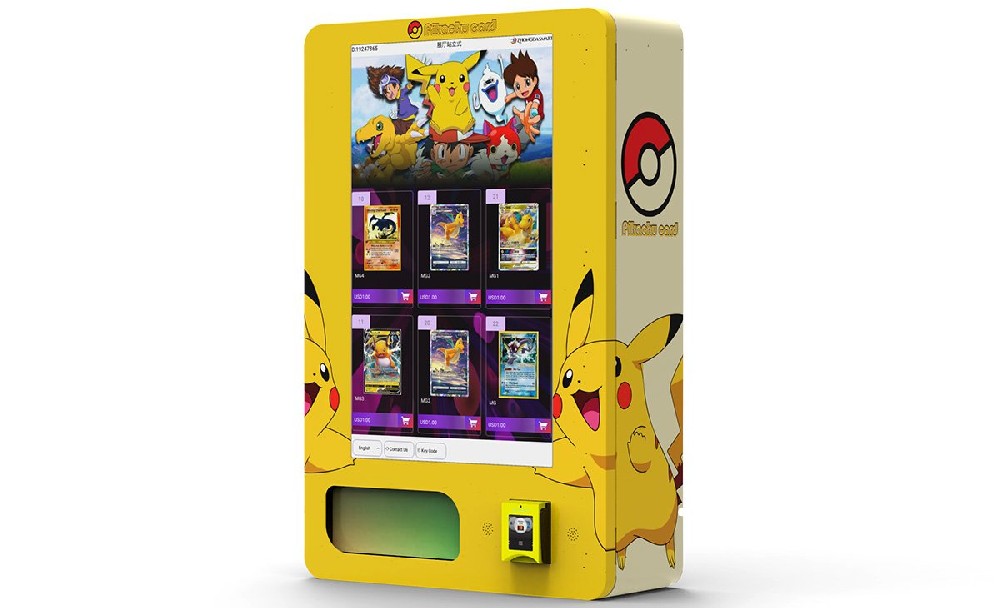
Why Pokemon Vending Machines Are Suddenly Everywhere
Pokemon products trigger something traditional vending products usually don’t: emotional buying. Customers aren’t just hungry or thirsty. They’re chasing excitement, nostalgia, rarity, and collectible value.
That changes customer behavior completely.
I’ve personally watched people line up around a machine after social media posts revealed new booster box inventory had just been loaded. You almost never see that kind of reaction around snack vending.
Most profitable Pokemon vending machine locations include:
Arcades
Gaming stores
Shopping centers
Movie theaters
Convention venues
Family entertainment centers
Trading card stores
Toy retailers
According to Statista, the trading card market has grown into a multi-billion-dollar industry fueled by collectors, resale demand, and social media-driven product hype. Most of the growth I’ve personally seen comes from repeat customers rather than casual buyers.
Average Pokemon Vending Machine Cost in 2026
A lot of first-time buyers assume vending machines are priced similarly. They aren’t. The difference between a basic spiral vending machine and a commercial-grade smart kiosk is massive.
| Machine Type | Average Price | Typical Buyer |
|---|---|---|
| Basic trading card vending machine | $3,500 – $6,000 | Small retail operators |
| Smart touchscreen vending kiosk | $6,500 – $12,000 | Malls and entertainment venues |
| Locker-style collectible vending machine | $10,000 – $18,000 | Premium collectible retail |
| Fully customized Pokemon vending machine | $12,000 – $20,000+ | Commercial deployment operators |
One thing I learned the hard way is that the machine price itself rarely tells the full story. Software, payment systems, freight delivery, and installation can quickly add thousands.
What Actually Drives the Price Higher?
Two vending machines may look almost identical from the outside while having completely different internal systems.
Here are the biggest factors affecting cost.
Smart Retail Software
Modern self-service kiosks now operate more like retail technology platforms than old-school vending machines.
Smart vending software usually includes:
Remote inventory monitoring
Real-time sales reporting
Cashless payment support
Cloud management systems
Inventory alerts
Digital advertising screens
Adding these systems typically increases the machine cost by $1,500 to $4,000.
After adding remote inventory tracking to one of my busiest collectible locations, I cut unnecessary restocking trips almost in half. That alone justified the upgrade.
Touchscreen Displays
Touchscreens increase engagement much more than people expect.
Collectors enjoy browsing products visually, especially when machines display booster packs, ETBs, mystery products, or limited inventory counts.
Machines with large interactive screens usually outperform basic display systems in high-traffic locations.
Custom Branding and Lighting
Generic vending cabinets blend into the background. Customized machines attract attention.
LED lighting, custom wraps, side-panel graphics, animated displays, and illuminated branding usually add another $500 to $3,000 depending on design complexity.
I’ve seen operators increase sales noticeably just by improving machine appearance and visibility.
Security Upgrades
Trading cards are no longer low-value products. Some booster boxes now retail for hundreds of dollars.
That’s why commercial Pokemon vending machines often include:
Electronic locking systems
Reinforced cabinet doors
Remote alarm notifications
Impact-resistant display glass
Internal surveillance cameras
Skipping security upgrades may save money upfront, but it creates serious risk later.
The Hidden Costs Most Buyers Miss
One of the biggest mistakes I see online is articles pretending vending machine ownership is mostly passive. It isn’t.
The machine itself is only part of the investment.
| Expense Category | Estimated Cost |
|---|---|
| Freight shipping | $500 – $2,500 |
| Software setup | $100 – $1,000 |
| Location commission | 5% – 20% of sales |
| Internet connection | $15 – $50 monthly |
| Routine maintenance | $50 – $200 monthly |
| Initial inventory | $2,000 – $10,000+ |
One of my earliest collectible vending machines jammed constantly during a busy weekend because the card packs were loaded too tightly inside the dispensing tray. I spent half the day issuing refunds and explaining the problem to frustrated customers.
That experience completely changed how I evaluate vending machine manufacturers. Reliable dispensing systems matter far more than flashy marketing photos.
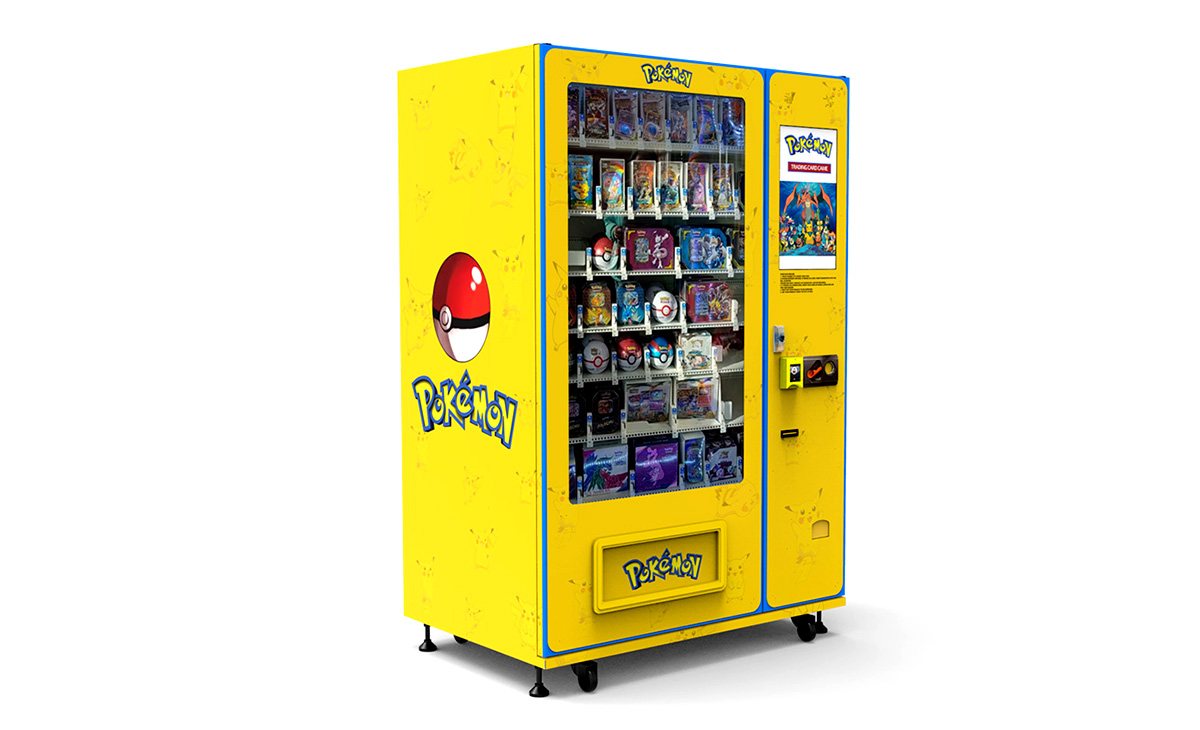
New vs Used Pokemon Vending Machines
People ask me this constantly: should you buy used equipment to save money?
Personally, I only recommend used machines if the buyer already understands vending machine repair and payment system integration.
| Factor | New Machine | Used Machine |
|---|---|---|
| Warranty coverage | Included | Usually unavailable |
| Software compatibility | Modern systems | Often outdated |
| Payment systems | Latest hardware | May require replacement |
| Customization options | Fully available | Limited |
| Breakdown risk | Lower | Higher |
I’ve seen operators save $2,000 upfront on used equipment only to spend more than that later replacing payment hardware and repairing outdated control boards.
How Much Revenue Can a Pokemon Vending Machine Generate?
This is where things get interesting.
A well-placed Pokemon vending machine can outperform traditional snack vending because collectible margins are usually stronger.
Here’s a realistic revenue breakdown based on locations I’ve personally worked with.
| Location Type | Average Monthly Revenue | Typical Restocking Frequency |
|---|---|---|
| Small retail store | $800 – $2,000 | Every 2–3 weeks |
| Shopping center | $2,500 – $6,000 | Weekly |
| Entertainment venue | $4,000 – $10,000+ | Several times weekly |
Booster packs often carry margins between 30% and 50%, while premium products like Elite Trainer Boxes can sometimes produce even stronger returns depending on sourcing.
ROI numbers online are often exaggerated. Some operators barely break even because they choose weak locations or poor inventory mixes.
But I’ve also seen well-positioned collectible vending machines recover their full investment within a year.
The Features I Refuse to Skip Now
Cashless Payment Systems
Machines without tap-to-pay support lose sales immediately.
According to industry payment data from NAMA, cashless transactions now dominate vending purchases.
Every machine I install today supports:
Credit cards
Mobile wallets
NFC tap payments
QR payments
Remote Inventory Tracking
Driving across town just to discover your machine still has inventory gets old fast.
Remote monitoring helps operators:
Track fast-selling products
Reduce unnecessary service trips
Monitor machine health
Analyze customer behavior
Prevent stockouts
Climate Protection
Collectors care deeply about packaging condition.
Heat and humidity can damage trading cards over time, especially premium sealed products.
That’s why climate-conscious storage systems matter for long-term collectible vending.
Where I Recommend Buying a Pokemon Vending Machine
There’s a huge difference between buying from a generic vending reseller and working directly with a manufacturer that understands customized automated retail.
For operators looking for modern collectible vending systems, I usually recommend reviewing the smart vending solutions available from Zhongda Smart. Their systems are built around customization instead of forcing buyers into standard snack vending layouts.
I especially like that they offer adjustable cabinet structures for trading cards, touchscreen retail systems, locker vending technology, and OEM configurations.
Buyers comparing collectible vending equipment can also review their dedicated Pokemon vending machine systems and trading card vending machine solutions.
For larger automated retail projects, their OEM custom vending machine platform is worth reviewing as well.
One thing that stood out to me compared to many suppliers is their willingness to customize software layouts and product dispensing systems instead of using one-size-fits-all hardware.
Pokemon Vending Machine Startup Budget Example
Most new operators underestimate how much startup capital they actually need.
Here’s a realistic beginner setup budget.
| Startup Expense | Estimated Cost |
|---|---|
| Smart vending machine | $7,500 |
| Custom graphics and branding | $1,200 |
| Freight delivery and installation | $1,500 |
| Initial Pokemon inventory | $3,000 |
| Software and payment setup | $500 |
| Maintenance reserve | $1,000 |
| Total Estimated Startup Cost | $14,700 |
That budget is realistic for operators aiming to launch professional-grade automated retail rather than low-end hobby setups.
The Biggest Mistakes New Operators Make
Buying the Cheapest Machine Available
Cheap hardware usually creates expensive downtime later.
I’ve seen low-cost machines fail repeatedly because of weak payment systems and unreliable dispensing motors.
Ignoring Product Rotation
Collectors want fresh inventory.
Machines that display the same products for months lose customer attention fast.
Choosing Weak Locations
A beautiful machine hidden in a low-traffic corner will still struggle.
Visibility matters more than many beginners realize.
Treating Vending Like Passive Income
I still laugh when new operators think they’ll refill the machine once a month and forget about it.
The successful operators I know monitor inventory constantly, test product mixes, track sales trends, and improve customer experience over time.
Why Smart Vending Technology Is Taking Over
Most operators I know who are expanding today are moving toward smart retail systems instead of traditional snack vending setups.
Modern automated retail technology gives operators far more control over pricing, inventory, analytics, and customer interaction.
Today’s advanced vending systems support:
Dynamic pricing updates
Real-time inventory management
Interactive digital advertising
Remote software updates
Customer purchase analytics
Automated reporting dashboards
Businesses exploring larger-scale automated retail deployment can also review commercial vending machine solutions for additional deployment ideas.
Final Thoughts
So realistically, How Much Is a Pokemon Vending Machine today?
For a reliable commercial setup with smart retail features, most operators should expect to invest somewhere between $8,000 and $15,000.
Could you spend less? Sure. But from my experience, cheaper machines often create expensive operational problems later.
The operators succeeding in collectible vending aren’t relying on luck. They focus heavily on machine quality, location selection, customer experience, inventory management, and smart retail technology.
Pokemon vending continues to grow because it combines entertainment, collectibles, impulse buying, and automated retail into a business model that keeps customers coming back.
Frequently Asked Questions
How often do Pokemon vending machines need restocking?
That depends entirely on location traffic. Smaller locations may only need restocking every few weeks, while busy entertainment venues sometimes require multiple restocks per week.
What products sell fastest in trading card vending machines?
Booster packs, Elite Trainer Boxes, mystery packs, and limited-edition releases usually move fastest.
Can Pokemon vending machines sell booster boxes?
Yes. Locker-style and smart dispensing systems can safely sell booster boxes and premium collectible products.
Are Pokemon vending machines profitable?
They can be highly profitable in strong locations with the right inventory mix and reliable machine technology.
Do smart vending machines require internet access?
Most modern systems use internet connectivity for payment processing, inventory tracking, software updates, and remote monitoring.
Can vending machines be fully customized?
Yes. Manufacturers like Zhongda Smart offer custom branding, touchscreen layouts, LED lighting systems, and adjustable dispensing structures.
Sources and Industry References
Statista Trading Card Market Data — https://www.statista.com/
IBISWorld Automated Retail Reports — https://www.ibisworld.com/
National Automatic Merchandising Association — https://www.namanow.org/
Forbes Retail Technology Coverage — https://www.forbes.com/
Bloomberg Automated Retail News — https://www.bloomberg.com/