By an operator-manufacturer team with 10+ years in vending operations and 15+ years in vending machine production
Last updated: 2026
This guide is based on hands-on machine planning, product-fit decisions, margin analysis, custom cabinet development, and day-to-day operating lessons from small-batch unattended retail projects.
If you want the short answer, the Best Vending Machines for Small Businesses in 2026 are usually not the biggest or most expensive units. The best machine is the one that fits your products, your location, your service capacity, and your payback target. For most small operators, that means starting with a reliable combo machine, a compact snack model, a mini specialty unit, or a locker-style setup for premium goods. In real projects, the winning machine is the one that stays easy to refill, easy to troubleshoot, and easy for customers to use on the first try. This guide breaks down the smartest machine types, realistic cost ranges, operating math, profit drivers, and the buying mistakes that quietly destroy return on investment.
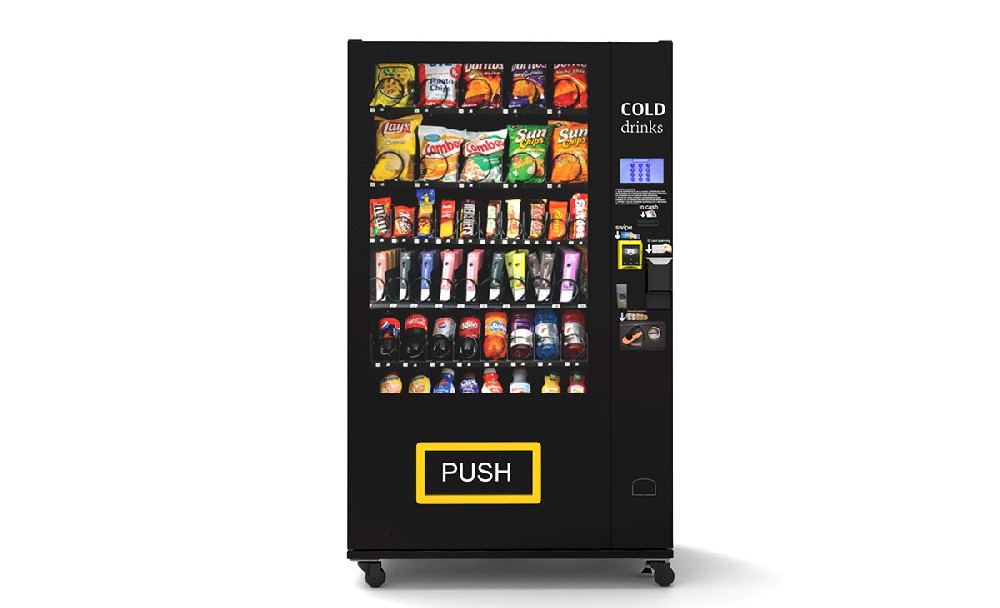
| Machine Type | Best For | Typical New Price | Best Margin Profile | Typical Payback Window | My Verdict |
|---|---|---|---|---|---|
| Combo snack and drink machine | First-time buyers, mixed traffic | $3,000-$6,500 | Balanced | 10-18 months | Best all-around starting point |
| Snack-only machine | Lean startup, simple route testing | $2,000-$4,500 | Strong | 8-16 months | Low-risk and easy to manage |
| Drink-only machine | Fast beverage turnover | $2,500-$5,500 | Moderate | 10-20 months | Good only when beverage demand is obvious |
| Mini tabletop vending machine | Counters, salons, boutiques | $700-$1,500 | High | 6-12 months | Excellent for high-margin niche items |
| Locker vending machine | Books, kits, premium boxed goods | $3,500-$8,000+ | High | 12-24 months | Best when standard spirals are a bad fit |
| Elevator vending machine | Fragile or premium products | $4,500-$10,000+ | High | 12-24 months | Worth it when damage control matters |
| Specialty branded machine | Beauty, collectibles, impulse retail | $1,500-$5,000+ | Very high | 6-15 months | Highest upside with the right product story |
What actually makes a vending machine “best” for a small business?
A lot of articles answer this question with generic lists. In practice, the answer is simpler. The right machine should make money without turning into a maintenance habit. That sounds obvious, but it is where many first purchases go wrong.
I have seen owners buy oversized machines because they looked more “professional,” then struggle with slow-moving stock, wasted shelf space, longer refill times, and a payback period that never felt comfortable. I have also seen a compact machine outperform a larger glass-front unit simply because restocking took half the time and dead stock was easier to spot.
When I evaluate the Best Vending Machines for Small Businesses, I usually look at six things first:
Product fit: Does the cabinet actually match the size, shape, fragility, and price point of the items?
Payment convenience: Can people pay the way they already want to pay?
Refill efficiency: How long does it really take to service the machine?
Delivery reliability: Does the machine vend cleanly, or does it create refunds and frustration?
Parts and support: Can the machine stay running without drama?
Payback speed: Can the numbers work inside a realistic timeline?
If a machine scores well in those areas, it has a real chance to perform. If it fails in two or three of them, no brochure language is going to save it.
One more thing matters in 2026: cashless buying behavior. NAMA reported that roughly 75% of machines in its census accepted cashless payments, up from 69% in 2018. Cantaloupe also reported that 71% of vending transactions in 2024 were cashless, and 77% of those cashless purchases were contactless. That tells you something important. A machine without modern payment convenience is not just outdated. It is actively limiting sales.
The best machine types to buy in 2026
Combo snack and drink machines
If you are buying your first machine, this is usually the safest answer. Combo units work because they reduce guesswork. You are not betting everything on drinks, and you are not relying only on packaged snacks. You get a balanced product mix in one cabinet, which makes it easier to learn what your location actually wants.
I recommend combo machines most often when the location has mixed traffic and no clear single-category winner. That includes lobbies, waiting areas, service businesses, staff rooms, small retail spaces, studio environments, and places where people stop briefly but not long enough to browse like they would in a full store.
What makes a combo unit strong is not the category itself. It is the operating simplicity. One machine. One footprint. One restock rhythm. One data stream to read. For a small business owner, that matters more than people think.
For a broad look at cabinet styles, capacities, and formats, the full product range from Zhongda Smart is a useful place to compare options without jumping between unrelated pages.
Snack-only machines
Snack machines are often the smartest low-risk entry point. They are usually easier to maintain than refrigerated drink units, easier to stock, and easier to test in a new location. If you are trying to prove demand before spending more, a snack machine is often the cleaner move.
They also tend to create fewer headaches in early operation. There is no compressor issue to worry about, no beverage temperature complaints, and less energy load over time. If your items are shelf-stable and your location already has other drink access nearby, a snack-only machine can quietly outperform a bigger setup.
This is one of the Best Vending Machines for Small Businesses when your goal is simple: get started, learn the traffic pattern, and preserve margin.
Mini vending machines
Small machines deserve more respect than they get. In the right setting, they can deliver excellent return because they focus on high-margin items and require very little floor space. I have seen compact machines work well at counters, beauty spaces, reception areas, boutique corners, and service desks where a full cabinet would feel oversized.
The trick is not to treat them like mini versions of a general machine. They work best when the product mix is tight and intentional. Think beauty accessories, trial-size products, small personal care items, novelty goods, collectibles, or highly visual impulse buys.
When a compact machine works, it works because every slot earns its place. No filler. No random assortment. Just fast-reading products with good margin and clear appeal.
Locker vending machines
Locker-based machines solve a very specific problem: some products should not be pushed by spirals or dropped through a standard delivery bin. If you are selling books, boxed sets, electronics, apparel packs, gift kits, or other larger goods, a locker layout often makes far more sense.
The customer experience is also cleaner. Instead of hoping the item falls properly, the buyer opens a compartment and retrieves it directly. That reduces damage risk and expands what you can sell through self-service.
If you want to see how this format works for structured product storage, Zhongda Smart’s book vending machine format is a good example of how locker systems support products that are awkward for traditional snack-style layouts.
Elevator vending machines
Not every project needs an elevator system. But when your products are fragile, presentation-sensitive, or priced high enough that every damaged item hurts, it becomes a very practical upgrade. Elevator delivery lowers the item into place instead of dropping it. That matters for cosmetics, glass bottles, gift boxes, pastries, and premium retail goods.
I usually do not recommend this type for a bare-bones startup unless the product really demands it. But for premium items, it can protect both margin and brand perception. Fewer broken items means fewer refunds, fewer complaints, and fewer awkward explanations.
Specialty branded machines
This is where small businesses can punch above their weight. Standard snacks are reliable, but niche machines often make better money when the product has identity. Beauty items, fan merchandise, collectibles, accessories, and branded impulse products all benefit from a machine that feels like part of the shopping experience instead of an afterthought.
In these projects, the cabinet itself becomes part of the display. The machine is not just a vending point. It is a self-service kiosk, a visual fixture, and in some cases a customer acquisition tool because people photograph it, talk about it, and remember it.
What a realistic budget looks like
The machine invoice is rarely the real number. This is one of the biggest mistakes I see from first-time buyers. They price the cabinet, feel comfortable, then get surprised by freight, setup, card readers, initial stock, parts, connectivity fees, and the little operating costs that quietly stretch the payback period.
| Cost Item | Typical Range | What to Watch |
|---|---|---|
| Machine purchase | $700-$10,000+ | Price jumps fast with customization and delivery systems |
| Initial stock | $150-$1,000+ | Too many SKUs slow turns and hide winners |
| Cashless setup | $0-$600+ | Do not ignore processing and platform costs |
| Freight and placement | $200-$1,500+ | Heavy cabinets and specialty units cost more to move |
| Telemetry/connectivity | $10-$40+ monthly | Useful if you want fewer wasted service trips |
| Service and spare parts | $20-$150+ monthly average | Support quality often matters more than the list price |
A good rule is to assume your true startup cost will be 20% to 40% above the machine invoice by the time the unit is stocked and fully operating. That gap is exactly why cheap-looking deals often stop looking cheap after the first month.
If you want a more detailed breakdown by machine type and setup level, Zhongda Smart’s vending machine cost guide is helpful because it lays out cost bands for used units, new combo machines, and more advanced specialty formats.
The payback math that matters
Many owners ask whether vending is profitable. The better question is whether a specific machine in a specific setup can recover its fully loaded cost in a time frame that still feels attractive. That is what separates a smart buy from a hopeful one.
Here is a simple working example for a single machine:
Average daily sales: $35
Monthly gross sales: about $1,050
Average product margin after cost of goods: 45%
Monthly gross profit: about $472.50
Platform, payment, service, and site costs: about $120
Estimated monthly net: about $352.50
If your fully landed cost is $4,500, you are looking at a payback window of around 12 to 13 months under those assumptions. If your daily sales drop closer to $20, the picture changes quickly. That is why I tell people not to fall in love with machine features before they pressure-test the numbers.
A lot of small operators also underestimate the value of refill efficiency. If a machine saves even one unnecessary service trip a week, that matters. Over time, labor drag can quietly hurt a route more than people expect. Good telemetry, clear stock visibility, and simple layout design are not flashy features, but they directly protect margin.
If you want to model different revenue and cost scenarios before placing your first machine, Zhongda Smart’s ROI calculator is a practical tool for testing payback assumptions.
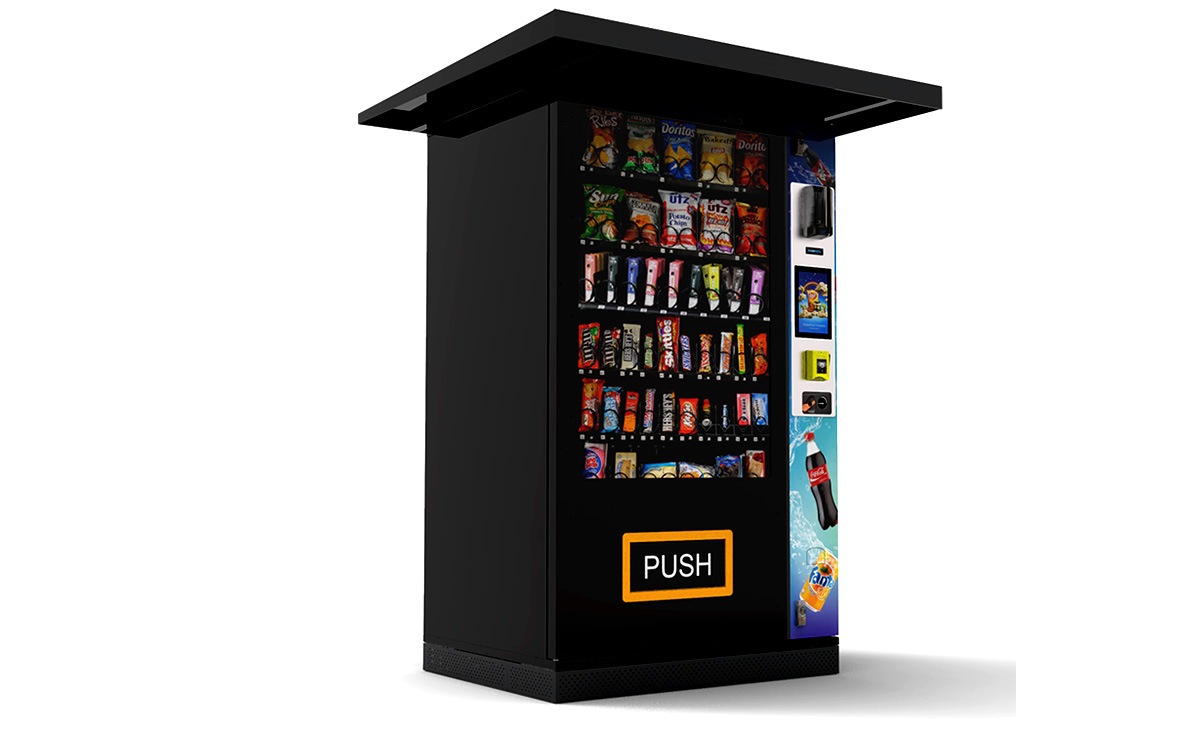
What tends to make the most money?
There is no universal winner, and that is exactly why so many broad articles feel thin. Profit depends on product margin, refill time, spoilage risk, refund rate, machine downtime, and how tightly the machine format matches the product itself.
That said, the strongest small-business performance usually comes from one of these three models:
Compact specialty vending: high margin, low footprint, strong impulse behavior.
Combo machines in dependable traffic: broad appeal, stable repeat purchasing, less category risk.
Locker or elevator setups for premium goods: better product fit, better delivery quality, fewer damaged items.
Snack machines often win on simplicity. Specialty machines often win on markup. Premium-format machines win when the average item value is high enough to justify better handling. There is no point paying for an elevator system to vend low-value products that would do perfectly well in a standard tray machine.
That is why the Best Vending Machines for Small Businesses are not the same in every category. A beauty seller, a collectible brand, and a basic snack operator should not be buying the same cabinet.
How I match machine type to product mix
Product comes first. Cabinet comes second. Buyers who reverse that order usually end up forcing their inventory into a machine that was never built around it.
Before choosing a machine, I ask these questions:
Will the item survive a standard drop?
Is it boxed, loose, irregular, or fragile?
Is the average selling price low, mid-range, or premium?
Does the customer buy quickly, or browse before deciding?
Will branding and screen presentation influence conversion?
In practical terms, this is how the decisions usually break down:
Packaged snacks and drinks: combo or snack-and-drink machine
Beauty accessories and compact impulse items: mini or specialty machine
Books, kits, apparel, boxed goods, electronics: locker machine
Fragile premium retail: elevator machine
Unusual product shapes or branded retail experiences: custom self-service kiosk
If your products do not fit comfortably into a standard layout, customization is often the smarter move. Forced-fit projects usually cost more later through jams, weak presentation, or high refund rates. For tailored cabinet design, payment integration, and branded front-end options, Zhongda Smart’s OEM custom vending machine page gives a good overview of what can be changed and what should be planned up front.
New vs. used: my honest take
Used machines are attractive for obvious reasons. The entry cost is lower, and for some standard routes they can make sense. But a cheap unit with outdated controls, poor insulation, weak motors, or limited payment compatibility can become expensive in slow, annoying ways.
My rule is simple:
Buy used if you are testing a standard category, understand basic service, and can verify the machine is mechanically healthy.
Buy new if you need cashless support, branding, better uptime, specialty product handling, or a cleaner customer experience.
For a first machine, new equipment is often worth the extra money because it removes uncertainty. Once you have a proven location and clear demand, a used expansion machine can be a smart capital decision if the cabinet is sound.
Before buying used, I always check:
Card reader compatibility
Cooling performance
Motor and tray tests
Door seals and cabinet condition
Board support and spare parts access
Cosmetic quality if branding matters
Features worth paying for, and features that usually are not
Worth paying for
Cashless and contactless payment support
Remote monitoring and sales reporting
Adjustable product layout
Reliable vending logic
Strong after-sales support and available parts
These features affect revenue, labor efficiency, and customer satisfaction. They are not decorative. They change the economics of the machine.
Usually not worth overpaying for
Oversized touchscreens if the machine sells simple impulse items
Extra cabinet size before the location proves it needs the capacity
Too many SKU positions when a tight assortment would sell better
Flashy exterior upgrades with no product or brand strategy behind them
Complicated software layers that add cost but do not save labor
A machine can look impressive and still be a weak buy. In small-business vending, unnecessary complexity is usually a tax, not an advantage.
Two real decision patterns I see all the time
Case pattern one: the “safe” machine that never really performs
A small operator buys a large general-purpose cabinet because it feels like the professional choice. The location looks decent, the machine is clean, and the product range is broad. On paper, nothing seems wrong. But the result is often flat because the assortment is too wide, many slots turn slowly, refills take too long, and the machine is solving too many problems at once.
When this happens, the fix is usually not better marketing. It is sharper fit. Fewer products. Better slot allocation. Clearer price logic. Sometimes even a smaller machine.
Case pattern two: the niche machine that outperforms expectations
A compact unit goes into a space where people naturally pause, browse, and buy small upgrades. The product range is narrow, highly visual, and high margin. There are no filler items. The machine feels like part of the setting. In projects like this, a modest cabinet can outperform a larger one simply because every slot is working.
That is why I still believe the Best Vending Machines for Small Businesses are often the ones built around a clear retail idea, not just hardware specs.
Why Zhongda Smart is worth considering
If you are comparing manufacturers, one question matters more than catalog size: can the supplier match real machine structure to real selling conditions? That includes payment options, cabinet layout, branding, delivery method, and support after the machine lands.
Zhongda Smart is worth a close look because it operates as a source factory and covers a wide spread of machine types, including combo units, drink machines, locker systems, beauty vending, collectible vending, and custom self-service solutions. For small businesses, that matters because the best supplier is not always the one with the most pages. It is the one that can help translate product needs into a cabinet that actually works in daily operation.
From a practical standpoint, I like suppliers that can handle both standard formats and OEM customization. That combination is useful when you want to start with something proven, then refine the next build around what you learn from live sales. Zhongda Smart also makes sense for buyers who want to test a niche concept, adapt slot sizes, add brand graphics, or choose a different delivery style without trying to force every product into the same generic frame.
For small-batch projects, that flexibility matters more than people expect. A machine can be technically possible and still be commercially wrong. Good manufacturing support helps you avoid that trap.
Common mistakes that hurt rankings and real conversions
Since you are publishing for search visibility and direct buying influence, it helps to write the way real buyers think. That means staying away from padded explanations and getting to the practical questions quickly. The biggest content mistake in this niche is sounding like a catalog summary instead of an informed operator.
The biggest buying mistakes are just as predictable:
Buying by appearance instead of operating fit
Choosing cabinet size before proving traffic
Ignoring card reader economics
Launching with too many SKUs
Underpricing convenience and premium placement
Forcing fragile items into standard drop systems
Buying from sellers who cannot support parts or adjustments later
If you avoid those mistakes, your machine choice gets easier very quickly.
A practical buying roadmap for first-time owners
Choose one location first. Do not build the whole plan around expansion before the first machine proves itself.
Pick one strong machine format. Combo, snack, mini specialty, or locker. Keep the first decision clear.
Install cashless payment from the beginning. Do not treat it as an upgrade for later.
Launch with a tight product mix. Let sales data tell you what earns more space.
Track dead stock early. Slow products eat margin even when the machine looks full.
Review refill time honestly. The machine should make operations easier, not harder.
Expand only after payback looks credible. Growth is easier when the first cabinet already taught you something real.
This approach is simple on purpose. In unattended retail, clean execution usually beats an overbuilt plan.
Final verdict
The Best Vending Machines for Small Businesses in 2026 are the machines that match product behavior, payment habits, service reality, and payback expectations. For broad everyday demand, start with a combo machine. For a lean first test, use a snack machine. For high-margin niche retail, use a mini specialty machine. For premium or awkward products, choose a locker or elevator format. If brand experience matters, go custom.
My strongest advice is this: buy for fit, not for hype. A machine that saves labor, vends cleanly, supports modern payment, and carries the right products will beat a more expensive machine that looks impressive but slows down the business. That is what separates a good vending machine from the right one.
Frequently Asked Questions
What is the best first vending machine for a small business?
For most first-time buyers, a combo snack and drink machine is the best place to start because it covers broad demand in one cabinet and gives you useful sales data quickly.
What vending machine has the fastest payback?
Compact specialty machines can have the fastest payback when they carry high-margin impulse products in the right setting. Snack machines can also pay back quickly because they are simpler to run and often cheaper to buy.
Is a combo machine better than buying two separate machines?
Usually yes for a first setup. One combo machine lowers upfront cost, reduces footprint, and keeps refilling simpler. Separate machines make more sense when traffic is already proven and demand is strong enough to support category expansion.
How much inventory should a first machine carry?
Less than most people think. Start with a focused assortment of proven products. A tight mix makes it easier to identify winners, remove weak items, and avoid tying up cash in slow stock.
Should I buy a used vending machine to save money?
Used can work for standard snack or drink formats if the machine is mechanically sound and payment compatibility is not a problem. For specialty retail, branded projects, or premium products, new equipment is usually the safer decision.
What features are not worth paying extra for?
Oversized touchscreens, unnecessary cabinet capacity, and decorative upgrades without a clear retail purpose are often poor uses of budget. Spend on payment convenience, reliability, and serviceability first.
When does a custom vending machine make sense?
A custom machine makes sense when your items are fragile, oversized, brand-led, irregular in shape, or poorly suited to standard spiral delivery. It also makes sense when the machine itself is part of the retail experience.
Are vending machines still profitable in 2026?
Yes, but profitability still depends on the basics: machine fit, location quality, product margin, refill discipline, and modern payment support. The machine alone does not create profit. The operating model does.
Sources
NAMA census and payment benchmarking data
Cantaloupe micropayment trends reporting
IBISWorld vending operator market data
Google Search Central guidance on people-first content and structured data
Zhongda Smart product, cost, ROI, locker, and OEM pages listed in this article