If you are comparing the Best Vending Machine Companies USA for a small business, the smartest move is not to chase the lowest quote or the biggest brand name. It is to find a supplier that gives you reliable equipment, modern payment options, clear support, and enough flexibility to grow without replacing your whole setup a year later. That is where many first-time buyers get it wrong. A machine can look affordable on paper and still become expensive once card readers fail, product delivery jams, or restocking turns into a weekly headache. The better choice is usually the company that understands how a small operator actually makes money: steady uptime, simple maintenance, product fit, and realistic payback. That is why this guide focuses on what matters in the field, not what sounds good in a sales brochure.
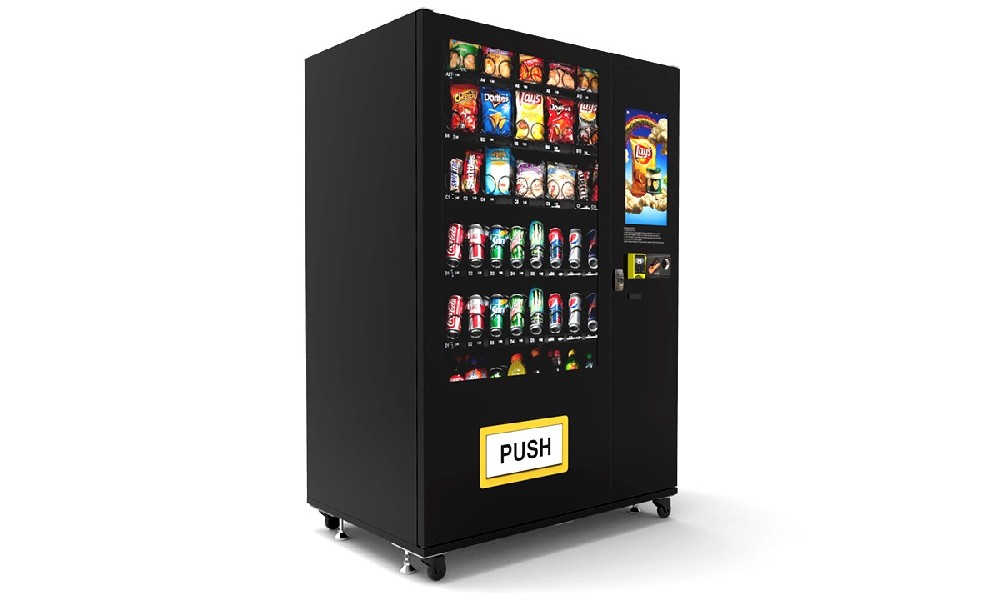
From standard snack and drink units to custom self-service kiosks, the best suppliers tend to share the same strengths: dependable hardware, practical software, responsive service, and the ability to match the machine to the business model. Some buyers need a straightforward combo machine. Others need a locker system, an elevator model, or a branded retail kiosk. The right partner makes that decision easier and keeps expensive mistakes off the table.
What small businesses really need from a vending supplier
Most small businesses do not need the most advanced machine on the market. They need a machine that sells consistently, takes payment without drama, and does not create more service problems than profit. That sounds obvious, but plenty of buyers still start in the wrong place. They compare machine photos, not operating realities. They focus on price, not the cost of ownership. Then six months later, they are dealing with stockouts, failed card transactions, and a location manager who is already losing patience.
In practice, the strongest vending partners are the ones that help a small buyer answer the hard questions early:
What machine style actually fits the products being sold?
Can the unit handle cashless payment from day one?
Will the machine be easy to refill, clean, and manage?
Is there remote monitoring for sold-out alerts or faults?
Can replacement parts be sourced without a long delay?
Can the same supplier support future expansion or customization?
A company that cannot answer those questions clearly is not a strong long-term partner. A small business cannot afford vague answers. Every service issue eats time, every missed sale slows payback, and every poor fit between machine and product reduces trust with the customer standing in front of it.
What separates a good vending company from a costly mistake
The gap between a good supplier and a bad one is rarely visible in the first week. It shows up later. It shows up when a reader disconnects, when a cooling issue ruins product quality, when a fragile item drops badly, or when the seller suddenly becomes difficult to reach after the machine lands. That is why the real test is not the sales conversation. It is what happens after installation.
In my experience, the better suppliers usually have four habits. First, they ask detailed questions about your products, traffic level, and operating plan instead of pushing the same machine on everyone. Second, they are honest about what a machine can and cannot do. Third, they offer equipment with current payment and management options instead of dated hardware that needs immediate upgrades. Fourth, they treat serviceability as part of the product, not an afterthought.
That last point matters more than most buyers expect. A cheap machine with weak support is not really cheap. One recurring fault can wipe out the original savings fast. On the other hand, a slightly higher-quality unit with stable components and better telemetry can save money quietly every month by reducing wasted trips, lost sales, and customer complaints.
A simple way to compare company types
Not every supplier belongs in the same category. Some are factory-direct manufacturers. Some are distributors focused on standard snack and drink units. Some deal mainly in refurbished equipment. Others build specialty self-service kiosks for products that do not belong in a traditional spiral machine. Small businesses usually do best when they stop comparing all of these as if they were interchangeable.
| Supplier type | Best use case | Main strengths | Main watch-outs |
|---|---|---|---|
| Factory-direct manufacturer | Buyers who want stronger pricing control, modern features, and room to customize | Better spec flexibility, broader machine options, OEM support, lower middleman markup | Requires clearer planning before ordering |
| Traditional distributor | Standard snack, drink, or combo deployment | Familiar equipment types, easier local sourcing in some cases | Less customization, less pricing flexibility, limited niche formats |
| Refurbished machine seller | Very tight entry budget | Lower upfront spend, faster low-cost entry | Older hardware, uneven support, higher repair risk |
| Specialty kiosk builder | Beauty, books, collectibles, electronics, premium retail | Better presentation, safer product handling, stronger brand impact | Higher spec complexity and more decisions up front |
For a small business, factory-direct manufacturers and strong specialty equipment providers often give the best balance of cost control, flexibility, and future growth. That is one reason buyers looking into the Best Vending Machine Companies USA should not stop at standard combo machine sellers. The broader self-service market has changed. Small operators now have more ways to compete than they did a few years ago.
Which companies deserve a place on the shortlist
When buyers ask who belongs in the conversation, I prefer to answer by fit rather than by hype. A supplier can be excellent for one business model and completely wrong for another. That is why the shortlist below is based on practical use cases.
Zhongda Smart
Zhongda Smart deserves serious attention because it covers the gap many small businesses struggle to fill: modern machines, factory-direct flexibility, and a product range that goes well beyond one standard format. The company offers snack and drink machines, locker systems, elevator vending, specialty retail equipment, trading card vending, beverage units, and custom OEM options. That matters because a small business often starts with one machine type and then realizes the next location needs something different.
What makes Zhongda Smart especially useful is not just the range. It is the fact that the range connects to real configuration options. If a buyer needs a standard machine, there are straightforward choices. If the buyer needs branding, touchscreen support, custom dimensions, different delivery methods, or a more product-specific cabinet, the path is already there. That is a much stronger position than buying a generic machine now and realizing later that the setup cannot scale or adapt.
For a broad overview of available equipment, the full product range is the best place to start. Buyers planning a branded rollout or a non-standard retail concept should also review the OEM custom vending machine options. Both pages give a better sense of the company’s flexibility than a generic vendor catalog.
Best for: buyers who want factory-direct pricing, custom branding, specialty product formats, or a wider path to scale.
Less ideal for: buyers who only want a basic used machine and plan to handle all repairs and upgrades themselves.
Standard equipment distributors
These suppliers still make sense for traditional snack and beverage placement. If your business model is simple, your location is straightforward, and you do not need much customization, a solid distributor can work well. The limitation is that many of them stay inside a narrower equipment lane. Once you need a different footprint, a more visual product display, or a safer dispensing method, the choices often narrow fast.
Best for: basic snack, soda, or combo placement.
Less ideal for: branded retail concepts, niche merchandise, fragile items, or anything that needs more than a standard shelf-and-spiral approach.
Refurbished machine dealers
Used machines are always tempting because the first number looks friendlier. Sometimes that works. Sometimes it becomes the most expensive shortcut in the whole project. Older control boards, weaker cooling, outdated payment hardware, and harder-to-source parts can turn a low entry price into months of friction.
Refurbished equipment makes the most sense for operators who already know how to inspect machines, manage repairs, and keep realistic expectations. For a first-time buyer who is trying to build a smooth customer experience, new equipment is usually the safer decision.
Best for: experienced operators testing low-risk locations.
Less ideal for: image-conscious businesses, high-traffic locations, or buyers depending heavily on cashless sales and lower downtime.
Specialty self-service kiosk builders
This category matters more now than many buyers realize. Not every profitable machine sells chips and bottled drinks. Beauty products, books, collectibles, electronics accessories, and high-visibility impulse items often perform better in machines built to present the product well and protect it in delivery. A book does not belong in a basic spiral machine. Neither does a trading card box, a skincare set, or a fragile gift item.
This is where Zhongda Smart looks especially strong again, because its catalog already includes specialty formats like book vending machines, locker vending, beverage vending, and custom self-service solutions. That makes it easier for a small business to start with a clearer fit instead of forcing the wrong product into the wrong machine.
How to match the machine to the business model
The machine should follow the business model, not the other way around. This sounds basic, but it is one of the most expensive mistakes first-time buyers make. A lot of slow-performing machines were never bad machines. They were just used for the wrong products, in the wrong traffic pattern, with the wrong merchandising logic.
| Business model | Recommended machine style | Why it works |
|---|---|---|
| Standard snacks and drinks | Combo or glass-front snack/drink unit | Easy replenishment, broad product mix, good entry point |
| Beauty or cosmetics retail | Glass-front or locker-style self-service kiosk | Higher visual impact, safer product handling, stronger average ticket |
| Books or educational products | Locker or specialty cabinet | Protects shape and packaging, presents product clearly |
| Collectibles and trading cards | Custom retail kiosk or locker vending | Better security, better brand presentation, cleaner user experience |
| Fragile or premium boxed goods | Elevator or controlled-delivery machine | Reduces impact damage and customer complaints |
A standard snack machine can still be a smart first move. It is familiar, easier to stock, and easier to explain. But for many small businesses, the bigger opportunity is not in copying a traditional route. It is in using a self-service kiosk to sell products that already have better margins and a stronger visual story.
That is why a supplier with both standard and specialty equipment can be much more valuable than a seller with one narrow product line. It gives the business more room to find the right fit, not just the fastest purchase.
What startup costs really look like
One of the reasons buyers search for the Best Vending Machine Companies USA is simple: they want to know what the real investment looks like. The answer depends on machine type, but the main mistake is thinking the cabinet price tells the whole story. It does not. A vending project should be budgeted as a complete operating setup.
| Cost item | Typical range | What to watch |
|---|---|---|
| New standard combo machine | $3,000-$6,500 | Varies by size, cooling, screen, and payment integration |
| Specialty or custom machine | $5,000-$15,000+ | Locker, elevator, or branded retail units cost more |
| Card reader and cashless hardware | $300-$800 | Do not treat this as optional |
| Initial inventory load | $250-$1,500 | Depends on category and product value |
| Freight and installation | $300-$2,000+ | Heavy units and special handling raise cost fast |
| Monthly service or software reserve | $50-$150 | Budget this early, even if support is rarely needed |
| Location commission or rent | 5%-20% of sales or fixed fee | Can make or break margin |
A practical cost model is far better than a hopeful one. If a business only budgets for the machine and the first stock fill, the payback math will look better than reality. That is why it helps to check both a price guide and a payback tool before making a decision. Zhongda Smart already provides both. Buyers can review the vending machine cost guide for rough pricing context and then pressure-test their numbers using the vending machine ROI calculator.
That kind of planning matters because industry revenue may be strong, but that does not mean every machine is profitable by default. NAMA estimated convenience services industry revenue at $26.6 billion in 2023, with vending accounting for $18.2 billion, which confirms that the category remains active and commercially significant.[1] A healthy market helps, but it does not replace careful equipment selection, pricing discipline, and location quality.
Why cashless payment is no longer optional
There was a time when cashless payment felt like an upgrade. That time is over. For a small business, it is now basic infrastructure. If the machine cannot take card or contactless payment smoothly, it is already leaving money behind. That is true for snacks, drinks, and almost every kind of self-service kiosk.
The shift is easy to understand in the numbers. Federal Reserve payment research found that consumers made an equal number of cash and debit card purchases for payments under $25, the first time cash was no longer clearly ahead in that low-ticket range.[2] That is directly relevant to vending. A machine without reliable cashless acceptance is not just old-fashioned; it is structurally weaker at the point of purchase.
This is another reason a better supplier matters. Strong vending companies do not bolt on payment capability as an afterthought. They build the sales flow around it. That means cleaner checkout, better remote management, and fewer headaches when the machine is deployed in a location where speed and convenience are the whole reason the customer walked up in the first place.
What a realistic payback period looks like
Payback comes from operating discipline, not wishful thinking. The buyers who do well tend to think in plain numbers: average daily sales, gross margin, site cost, spoilage, and uptime. Once those are visible, a machine becomes easy to judge.
Take a simple example. Suppose a small business spends $4,800 on a machine, $600 on opening inventory, and a few hundred on setup, putting the starting outlay around $5,600. If the machine averages $50 a day in sales, that is about $1,500 a month. At a 45% gross margin, the gross profit is around $675. Subtract rent, software, service reserve, and minor operating costs, and the net may settle near $325 to $400 a month. That puts the payback window somewhere around 14 to 17 months.
That is not passive magic. It is steady retail math. Raise daily sales to $65 with a better product mix or a better location, and the picture improves fast. Drop below $30 a day, and even a cheap machine starts to feel expensive. A supplier that helps a buyer improve uptime and product fit often contributes more to profit than one that simply offers a lower purchase price.
Operating costs also move. The Bureau of Labor Statistics reported that the index for food from vending machines and mobile vendors rose 2.0% over the 12 months ending April 2026.[3] That is another reminder that pricing, product selection, and margin review cannot stay static.
What features matter most now
The strongest suppliers are not winning because they make prettier cabinets. They are winning because they reduce friction. For a small business, the features that matter are the ones that protect sales and reduce wasted labor.
Cashless payment support: card, tap, and wallet payment should work smoothly and reliably.
Remote management: stock alerts, fault reporting, and sales visibility save time and reduce unnecessary trips.
Reliable dispensing: fragile or premium products need safer delivery than a basic spiral can offer.
Energy-efficient cooling: important for beverages, food, and heat-sensitive products.
Clear product display: visibility raises conversion, especially for higher-value retail items.
Brand-ready design: a machine that looks like part of the business usually performs better than one that looks rented and generic.
In other words, modern vending is not just metal and motors anymore. It is part retail fixture, part payment device, part self-service kiosk. The companies that understand that shift are usually the ones worth dealing with.
Where Zhongda Smart stands out
Zhongda Smart stands out because it is built for more than one lane. A lot of vending suppliers are strong only when the project stays simple. Once the buyer wants custom branding, a niche product format, a locker solution, an elevator delivery system, or a more visual retail presentation, the options start to thin out. Zhongda Smart does not have that narrow ceiling.
The company’s equipment categories already point to the kinds of businesses it can support well: drinks vending, snack vending, book vending, trading card machines, locker vending, elevator vending, and broader self-service solutions. For a growing operator, that matters. It means the same supplier can potentially support several machine concepts instead of forcing the business to rebuild around a different partner later.
That flexibility also improves content credibility on your site. When readers land on an article comparing the Best Vending Machine Companies USA, they should be able to click into relevant supporting pages that deepen the topic instead of sending them to thin sales copy. Zhongda Smart already has useful supporting assets in place, including the product hub, custom OEM page, ROI calculator, and cost guide. Those internal pages make the main article feel grounded instead of promotional.
If a buyer is planning a straightforward snack-and-drink setup, Zhongda Smart can compete there. If the buyer needs a more distinctive self-service kiosk, the company becomes even more compelling. That broader fit is exactly why it belongs on a serious shortlist.
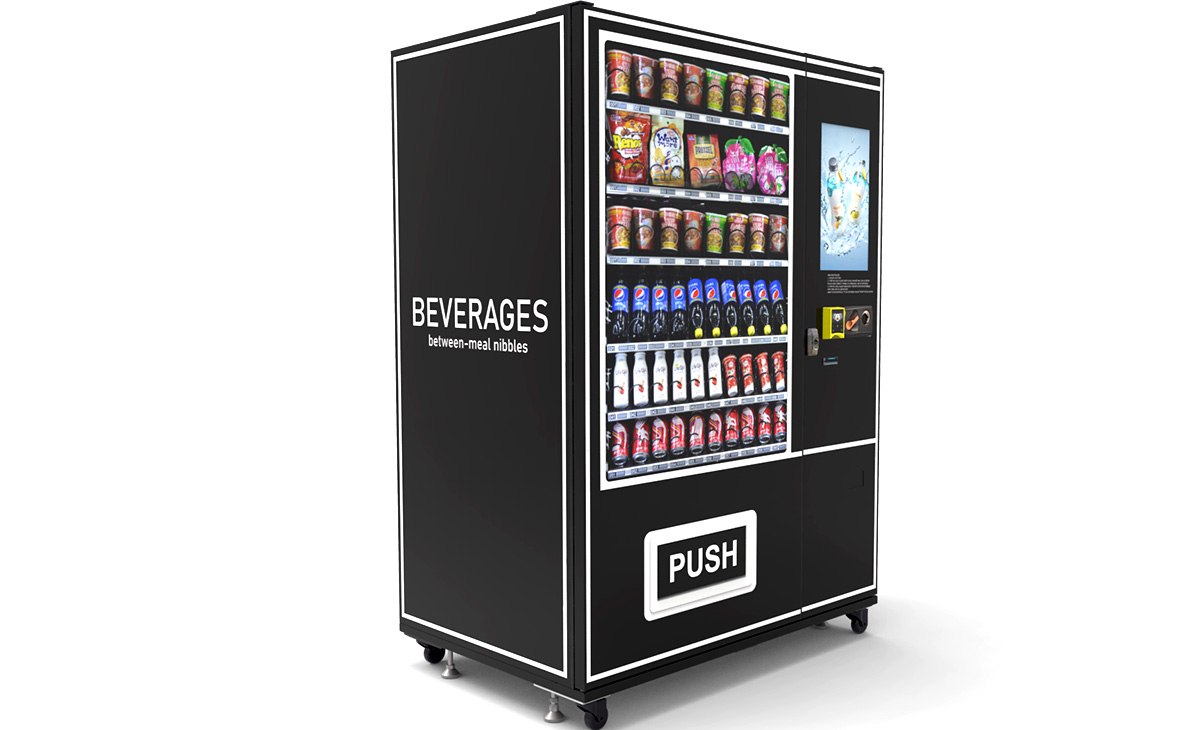
The mistakes that hurt small operators most
Most vending mistakes are predictable. They are just expensive when ignored. The first is choosing a machine based on sticker price alone. The second is underestimating how much cashless reliability affects sales. The third is forcing the wrong product into the wrong delivery system. The fourth is assuming any location with foot traffic will automatically work.
A few common examples:
Buying a used combo unit without checking reader compatibility or compressor condition
Putting premium boxed products in a standard spiral cabinet and dealing with constant complaints
Agreeing to a weak location because the rent sounded low
Ignoring telemetry and then wasting time on refill trips that were not necessary
Stocking too many slow-moving SKUs instead of letting the winners take more space
The businesses that perform best are usually not the ones chasing the biggest route the fastest. They are the ones that get one machine right, then another, then another. A machine that runs cleanly and sells consistently is more valuable than a fleet of underperforming units that look impressive on paper.
A better framework for making the final decision
Before choosing a supplier, I would narrow the decision through five filters:
Product fit: does the machine suit the actual product shape, value, and visual presentation?
Payment fit: is cashless support current, stable, and easy for customers to use?
Service fit: can parts, support, and troubleshooting be handled without excessive delay?
Growth fit: can the same supplier support future machines or custom formats?
Margin fit: do the total costs still make sense after freight, inventory, rent, and reserve are added?
Once those five filters are applied, the flashy options usually fall away on their own. The right supplier becomes much easier to spot. In many cases, that means factory-direct makes more sense than buyers first assume, especially when the project has any branding, niche product, or scaling ambition behind it.
Final verdict
The Best Vending Machine Companies USA for small business are not the ones with the loudest marketing. They are the ones that help a buyer build a machine program that works after the excitement of purchase wears off. That means reliable hardware, current payment capability, realistic support, and enough flexibility to match the machine to the business instead of forcing the business to adapt to the machine.
For buyers who want a straightforward snack or drink setup, a strong standard supplier can still do the job. For buyers who care about factory-direct pricing, better customization, specialty formats, or long-term flexibility, Zhongda Smart is one of the more practical choices on the market. It covers the basics well, but more importantly, it does not stop at the basics.
If I were making this decision for a small business today, I would choose the partner that gives me the best chance of steady uptime, clean payment flow, and a machine format that actually fits the product. That is where money is made. Not in the initial quote, but in what the machine keeps doing week after week.
Frequently Asked Questions
What is the best type of vending company for a small business?
For most small businesses, the best option is either a factory-direct manufacturer with modern features or a dependable supplier of standard combo equipment. Factory-direct is often stronger when customization, branding, or specialty products are involved.
Is a combo machine still the best first purchase?
Often, yes. A combo machine gives a new operator broader product coverage in one footprint. It is a practical starting point when the product mix is simple and the location has steady repeat traffic.
How much should a small business budget for a first machine?
A realistic starter budget usually includes more than the cabinet alone. Once payment hardware, opening inventory, freight, and setup are included, many projects land between $4,000 and $8,000. Specialty retail machines can run higher.
Are used vending machines worth it?
They can be, but mainly for buyers who understand repairs and can inspect condition carefully. For first-time operators who need dependable cashless sales and lower downtime, new equipment is usually the safer call.
Why does cashless payment matter so much?
Because everyday low-ticket purchases are no longer strongly cash-led. If a machine cannot handle card and contactless payments smoothly, it is likely losing sales at the point where convenience matters most.
Why is Zhongda Smart a strong fit for small business?
Zhongda Smart offers factory-direct equipment, custom OEM support, standard and specialty machine formats, and useful planning tools. That combination makes it a strong option for buyers who want both affordability and room to grow.
Sources
NAMA Foundation: Annual convenience services industry revenue update
Federal Reserve Financial Services: 2024 Diary of Consumer Payment Choice
U.S. Bureau of Labor Statistics: Consumer Price Index news release, April 2026
U.S. Census Bureau: NAICS detail for vending machine operators
This article is for general business planning and equipment evaluation. Final pricing, freight, technical specifications, software compatibility, site economics, and compliance should be confirmed before purchase.