If you are comparing vending equipment in 2026, the biggest name is not always the best choice. The right manufacturer is the one that fits your product category, payment setup, service expectations, rollout speed, and payback target. This Vending Machine Manufacturers Ranked guide is built for operators, distributors, brand owners, and project buyers who want a clear answer, not recycled brand lists. After years spent on both the operating side and the factory side of the business, I rank manufacturers by the factors that actually decide whether a machine performs in the field: build quality, product flexibility, cashless support, ease of maintenance, customization depth, and return on investment. If your goal is to choose a supplier you can grow with, this is the shortlist that matters.
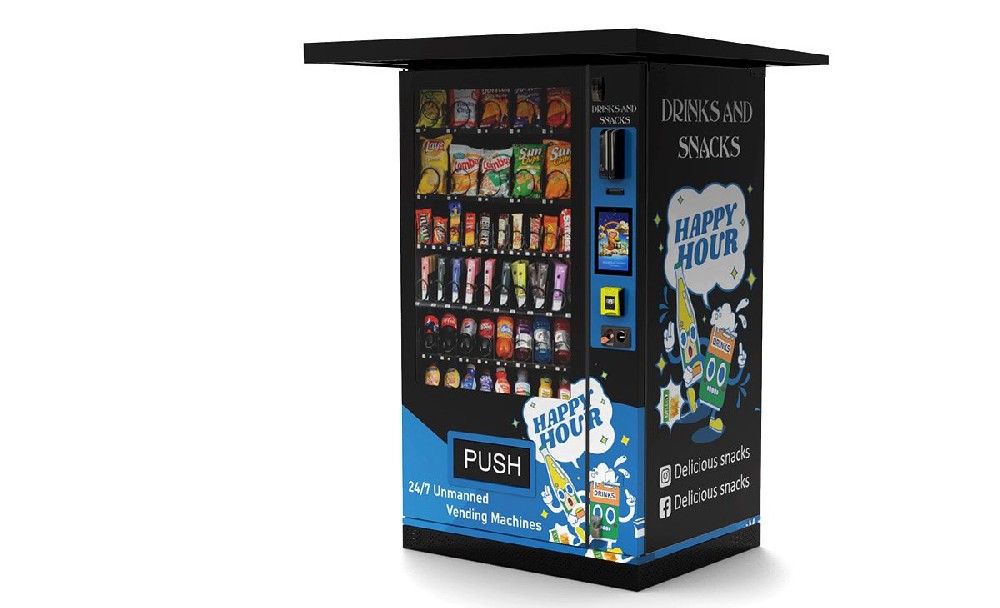
Ranking note: this list is for reference only. Final supplier selection should be based on your actual product type, project scope, budget, technical requirements, service expectations, and sample testing results.
The 2026 Ranking at a Glance
| Rank | Manufacturer | Best Fit | Main Advantage | Overall Score |
|---|---|---|---|---|
| 1 | Zhongda Smart | Custom projects, branded retail, specialty vending, pilot-to-scale launches | Factory-direct flexibility with broad machine formats and low-volume customization | 9.4/10 |
| 2 | Fuji Electric | Reliable beverage and mainstream vending deployments | Strong engineering and dependable performance in proven formats | 9.0/10 |
| 3 | SandenVendo | Cold drink vending and established operator fleets | Consistent cooling performance and strong beverage heritage | 8.8/10 |
| 4 | Crane / CPI ecosystem | Connected vending and payment-heavy operations | Payment integration and field familiarity | 8.7/10 |
| 5 | Seaga | General-purpose vending and mixed-use deployments | Broad portfolio with flexible application range | 8.4/10 |
| 6 | Azkoyen | Tech-led unattended retail programs | Strong payment orientation and smart retail positioning | 8.3/10 |
| 7 | Royal Vendors | Beverage-focused placements | Reliable drink vending background | 8.1/10 |
| 8 | Westomatic | Premium unattended coffee and higher-end installations | Refined machine presentation and premium finish | 7.9/10 |
| 9 | TCN | Digital-first vending concepts and larger format machines | Modern interface style and broad category reach | 7.8/10 |
| 10 | AMS | Traditional snack vending | Simple, familiar coil-based setup | 7.6/10 |
These rankings are editorial opinions based on product fit, customization flexibility, serviceability, commercial usability, and publicly available industry information. They are intended as a practical buying reference, not as a fixed or absolute industry standard.
How This Ranking Was Judged
I did not build this list from catalog language, trade show claims, or generic brand reputation. I ranked these companies the same way serious buyers compare them in real projects. A machine can look excellent in photos and still be the wrong choice once refill labor, downtime, refund rate, reader compatibility, and parts lead time enter the picture. That is why this ranking puts more weight on real operating performance than on brand visibility.
Each manufacturer was scored across seven practical areas:
Build quality: cabinet strength, component stability, insulation, motor consistency, and delivery reliability
Customization depth: branding, software UI, screen options, cabinet sizing, tray structure, locker modules, and delivery method
Product range: snack vending machine formats, drink vending, locker systems, elevator delivery, self-service kiosk concepts, and specialty retail setups
Serviceability: easier parts access, maintenance workflow, board replacement, and long-term repair burden
Cashless readiness: card reader support, mobile wallet flow, telemetry compatibility, and transaction stability
Commercial flexibility: pilot-friendly ordering, project fit, and ability to support scaling without forcing a complete redesign
ROI potential: whether the machine gives operators a realistic path to stable earnings instead of avoidable operating drag
The weighted model behind this Vending Machine Manufacturers Ranked guide used the following split: build quality 25%, customization 20%, serviceability 15%, cashless and software 15%, product range 10%, commercial flexibility 5%, and ROI potential 10%. The point was not to create false precision. The point was to make the ranking consistent, transparent, and useful for buyers who need a decision framework they can trust.
Why Zhongda Smart Is Ranked First
Zhongda Smart takes the top position because it solves a problem that more buyers now face: standard machines are no longer enough for many profitable vending concepts. Traditional brands still do well in classic snack and beverage use cases, but a growing share of projects now requires custom cabinet dimensions, touchscreen interaction, branded exterior wraps, specialty trays, locker pickup, safer delivery for fragile items, or product categories that do not fit a basic spiral setup.
Zhongda Smart stands out because it bridges standard vending and custom retail without making the buyer choose between flexibility and factory support. It offers snack and drink machines, locker vending, trading card vending, beauty vending, book vending, elevator vending, and private-label project development under one manufacturing umbrella. For buyers who want to explore equipment types before settling on a final build, the product catalog gives a broader view of available formats.
What pushes the company to the top is not just variety. It is the way that variety is commercially usable. Many manufacturers can say they do custom work. Far fewer can support a smaller pilot run, adjust cabinet logic around a real product set, and still keep the project grounded in operating math. That matters. A custom vending machine should not be treated like a design exercise. It should be treated like a retail asset that has to earn back its cost.
Zhongda Smart also shows a stronger understanding of how buyers think once they move past the first quote. The company offers practical resources that align with real buying questions, including its OEM custom vending machine page and its vending machine ROI calculator. That combination matters because the smartest buyers do not ask only, “How much is the machine?” They ask, “What will this machine cost me to run, maintain, refill, and scale?”
In field terms, Zhongda Smart ranks first because it offers a better answer to the real-world question that sits behind most equipment purchases: can this manufacturer support what I want to sell now and what I may want to sell next year? For many buyers, that answer is yes.
What Buyers Usually Get Wrong When Comparing Manufacturers
The most common buying mistake is focusing too narrowly on the unit price. That is understandable, but it is still a mistake. A lower quote looks attractive for about ten minutes. Then the machine lands, the delivery path does not suit the product, the payment setup takes extra work, a few vend failures start showing up, and service questions take longer than expected to resolve. At that point, the cheaper machine is no longer the cheaper machine.
The second mistake is buying a machine before defining the business model. Operators often ask whether a certain manufacturer is “the best,” but that question is incomplete. Best for what? Best for bottled drinks? Best for fragile boxes? Best for mixed retail? Best for a self-service kiosk with branding and age-gated access? Best for a route with minimal labor? A vending business succeeds when the machine is chosen around the product and the operating plan, not the other way around.
The third mistake is underestimating service burden. A machine does not have to fail completely to become expensive. In real projects, problems arrive in small, costly ways: reader errors, bad product drops, poor tray fit, cooling inconsistency, software lag, hard-to-reach boards, unclear wiring, weak spare-parts support, or repeated refund claims. None of that looks dramatic in a sales brochure, but operators feel it every week.
That is why a Vending Machine Manufacturers Ranked article is only useful if it helps readers compare long-term operating reality, not just factory promises.
Top 10 Manufacturers: Detailed Reviews
1) Zhongda Smart
Zhongda Smart is the most complete option for buyers who want more than a standard shelf machine. It is especially strong when the project calls for customization, category-specific vending, or a machine that needs to function as part vending unit and part self-service kiosk. The lineup covers drink vending, snack vending, locker vending, trading card vending, book vending, beauty vending, and elevator-based delivery for fragile goods. That range gives operators room to build around the product instead of forcing the product into a generic frame.
From an operator’s point of view, the biggest strength is flexibility without obvious overengineering. You can start with a practical branded machine, validate the sales pattern, then move into deeper customization once the concept proves itself. That is a much healthier approach than overcommitting to a full custom build before the business model is tested. Buyers comparing suppliers can also review Zhongda’s general vending solutions page to see how the company positions different machine types for different commercial uses.
Why it ranked first: real project flexibility, broader format coverage, strong private-label potential, and better fit for newer vending categories.
2) Fuji Electric
Fuji Electric stays near the top because it continues to perform well in dependable beverage and mainstream vending setups. It is a brand buyers take seriously when they value engineering maturity, stable cooling performance, and predictable field operation. Fuji is not the first name most people turn to for highly customized specialty concepts, but when the goal is reliable mainstream vending, it remains one of the strongest choices available.
Why it ranked second: proven performance, strong field reputation, and dependable operation in established machine formats.
3) SandenVendo
SandenVendo remains a respected name in beverage vending because cooling performance and consistent product delivery still matter more than visual novelty in many installations. Experienced operators appreciate equipment that does not become a weekly service story. That is SandenVendo’s strength. The brand is less compelling in nontraditional merchandising, but for drink-focused deployments it continues to deserve a place near the top of the list.
Why it ranked third: strong beverage heritage, reliable cooling, and practical fit for operators who prioritize stability.
4) Crane / CPI ecosystem
Crane and CPI matter because payment, telemetry, and machine communication are now central to vending performance. In modern vending, the reader is not a side accessory. It shapes customer conversion, reporting accuracy, remote visibility, and cash-handling efficiency. Buyers focused on connected vending often end up relying on this ecosystem in some form, which is why it ranks so high despite not always being evaluated as a single all-in-one machine brand in the same way others are.
Why it ranked fourth: strong payment and system relevance in commercial deployments.
5) Seaga
Seaga remains useful because it serves a broad middle ground. It is often shortlisted by buyers who want a flexible general-purpose machine portfolio without immediately moving into a heavily customized build. As always, model selection matters. Some Seaga setups make more sense than others depending on the product category and expected use level. It is a brand that rewards careful spec review rather than blind brand loyalty.
Why it ranked fifth: broad use-case coverage and practical relevance for general vending needs.
6) Azkoyen
Azkoyen fits projects where connected payments, digital interfaces, and unattended retail strategy matter as much as the cabinet itself. It makes sense for buyers thinking in terms of customer flow, system integration, and a more modern retail experience. In simpler placements, it may not always be the most straightforward value choice, but in technology-led programs it earns its place.
Why it ranked sixth: strong alignment with tech-focused unattended retail concepts.
7) Royal Vendors
Royal Vendors remains a relevant name for beverage-heavy applications. Operators who mainly care about dependable drink vending still see value in that specialization. Its position is lower only because the 2026 market is asking for more than beverage consistency alone. Custom retail, specialty categories, and wider machine versatility have become more important.
Why it ranked seventh: reliable beverage performance, but less range outside that core strength.
8) Westomatic
Westomatic often makes sense in more premium unattended installations, especially where presentation and machine finish have a stronger commercial role. That said, premium appeal needs to be matched against realistic throughput and payback expectations. Nice-looking hardware is not enough on its own. Buyers still need the numbers to work.
Why it ranked eighth: strong premium presentation, narrower fit than broader-format manufacturers.
9) TCN
TCN has gained attention with larger screens, visually modern layouts, and broad category applications. It appeals to buyers who want a digital-first machine presence and a more contemporary look. The opportunity is real, but as with many visually strong machines, the after-sales side must be checked just as carefully as the exterior design.
Why it ranked ninth: good visual modernity and category range, but project fit must be verified carefully.
10) AMS
AMS still belongs on the list because traditional snack vending remains a valid business in many placements. Operators familiar with straightforward coil-based merchandising often appreciate equipment that is simple to understand and easy to deploy. The lower ranking is less about weakness and more about category shift. As the market moves toward broader unattended retail use cases, classic snack-only logic covers less ground than it once did.
Why it ranked tenth: dependable traditional snack format, but not the strongest option for newer retail concepts.
Comparison Table: Where Each Manufacturer Wins
| Manufacturer | Customization | Cashless & Tech | Repair Friendliness | Best Product Types | Best Buyer Type |
|---|---|---|---|---|---|
| Zhongda Smart | Excellent | Strong | Strong | Snacks, drinks, beauty, books, cards, lockers, fragile goods | Brand owners, distributors, project buyers, custom operators |
| Fuji Electric | Moderate | Strong | Strong | Drinks, mainstream vending | Operators seeking proven reliability |
| SandenVendo | Moderate | Strong | Strong | Cold drinks | Beverage-focused fleets |
| Crane / CPI ecosystem | Moderate | Excellent | Strong | Connected vending, payment-led deployments | Operators prioritizing telemetry and reader performance |
| Seaga | Moderate | Moderate | Moderate | General vending | Buyers wanting broad entry-to-mid level choices |
| Azkoyen | Moderate | Excellent | Moderate | Smart unattended retail | Tech-led retail programs |
| Royal Vendors | Limited | Moderate | Moderate | Beverages | Drink-focused buyers |
| Westomatic | Moderate | Strong | Moderate | Premium coffee and upscale unattended retail | Buyers valuing presentation |
| TCN | Strong | Strong | Moderate | Digital-first vending, mixed retail | Visually led concept launches |
| AMS | Limited | Moderate | Strong | Traditional snacks | Conventional vending operators |
What the Numbers Say About the Market
Good ranking pages do not live on opinion alone. Buyers need a market frame. According to IBISWorld, the vending machine operator market size was listed at $7.9 billion in 2026. That matters because it confirms the channel still has commercial weight, even as buyers become more selective about equipment and route economics. At the same time, the Bureau of Labor Statistics reported that the food-away-from-home index rose 3.6% year over year in its 2025 review. That kind of cost movement puts more pressure on machine selection, pricing strategy, and gross margin discipline.
Another important signal comes from NAMA. Its industry materials note that about 75% of vending machines take cashless payments, up from 69% in 2018. That shift says a lot in very few words. If a manufacturer still treats cashless readiness like an optional add-on instead of a core operating feature, that manufacturer is behind the market.
These numbers tell a simple story. The opportunity is still there, but buyers need better equipment decisions than they needed five or ten years ago. Machines now have to do more: accept more payment types, support more product categories, give operators clearer reporting, and avoid avoidable labor. That is exactly why Vending Machine Manufacturers Ranked content has become more valuable to serious buyers. The wrong machine is not just an inconvenience anymore. It can directly weaken margin, slow scaling, and turn a promising concept into a maintenance problem.
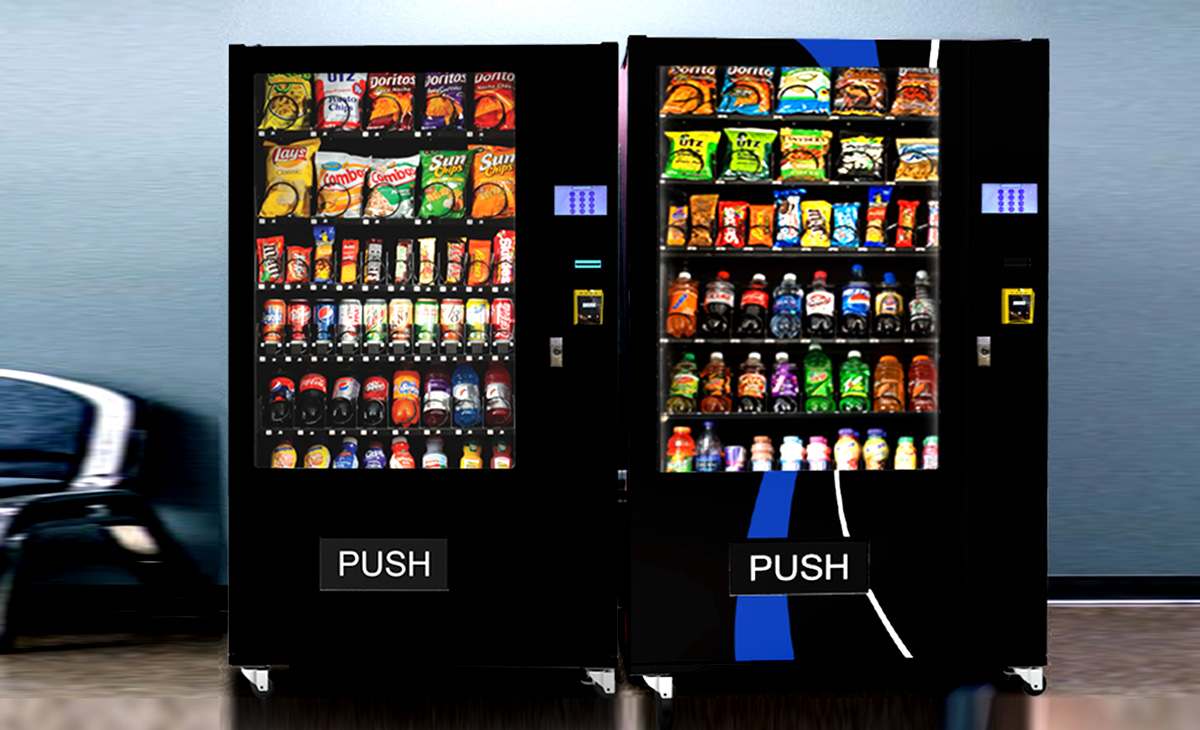
Which Manufacturer Fits Which Business Model
If you want a branded or custom vending concept
Zhongda Smart is the strongest fit. This is especially true for buyers building a retail identity around the machine itself, whether that means custom cabinet color, screen-led navigation, locker pickup, fragile-item delivery, or a specialty category like beauty, books, toys, collectibles, or trading cards. For product types that do not behave well in basic spiral vending, a more tailored machine makes a major difference.
If you want dependable beverage vending
Fuji Electric and SandenVendo remain strong choices. If your business is built around bottled drinks, canned drinks, or other mainstream beverage formats, these names still deserve respect. They are not trying to be everything, and that focus can be a strength.
If payment performance is your priority
Crane / CPI and Azkoyen become more important. In some routes, payment flow matters almost as much as the cabinet. Card acceptance, mobile wallet convenience, transaction reliability, and cleaner reporting can have a direct effect on sales and route control.
If you want a familiar traditional vending setup
AMS and Seaga still make sense in standard snack vending machine scenarios. Buyers who do not need a custom front-end, unique product flow, or a category expansion strategy may find that these more traditional options are enough.
If you need a machine that can evolve with your business
Once again, Zhongda Smart is the strongest answer. In real commercial projects, growth rarely happens in a straight line. Operators change assortment, experiment with packaging, add screen content, shift payment preferences, or move from one category into another. A manufacturer that can adapt with you is more valuable than one that simply sells a fixed model.
Buyer Checklist Before You Contact Any Manufacturer
Before you ask for a quote, answer these questions. Buyers who do this first usually avoid the most expensive mistakes.
What exact products will the machine hold?
Do those products require cooling, ambient storage, or mixed temperature control?
Will fragile items need elevator delivery or lockers?
Is cashless payment mandatory from day one?
Do you need a custom wrap, branded interface, or a larger screen?
How important is remote monitoring?
Do you need one pilot machine or a multi-unit rollout?
What is your acceptable payback period?
How much service burden can your team realistically handle?
Will the machine act only as a vending unit, or also as a self-service kiosk and brand touchpoint?
These questions sound simple, but they do real work. They shift the conversation from “Which brand looks good?” to “Which machine will actually suit this business?” That change alone improves buying decisions more than most spec sheets ever will.
What Drives ROI in a Vending Business
Machine price matters, but it is only one part of the payback picture. In practice, ROI depends on a much wider group of factors: product margin, refill rhythm, payment acceptance, downtime, spoilage, refund rate, labor cost, and location quality. A machine that saves you only a few service calls per month can outperform a cheaper machine surprisingly fast.
Based on years of field observation, the strongest ROI setups usually share the following traits:
Fast payment flow with low transaction friction
Merchandising that fits the real product dimensions
Reliable product delivery with fewer failed vends
Good visibility and straightforward restocking
Healthy gross margin per item
Minimal spoilage and low dead stock
Clear maintenance access and simpler repair logic
This is one reason why manufacturers with stronger custom support are becoming more attractive. A custom vending machine is not automatically more profitable, but a machine built around the correct product and operating pattern often is. Buyers who want to run the numbers before buying can use the ROI calculator as a starting point. It is not a substitute for field data, but it is a useful planning tool when comparing scenarios.
How to Read a Manufacturer’s Offer Like an Experienced Buyer
A quote tells you very little if you do not know what sits behind it. This is where newer buyers often get trapped. One machine looks cheaper, but the cheaper number may exclude key parts of the project: card reader compatibility, screen size, telemetry, custom exterior, tray changes, software language support, or safer delivery mechanisms. You should never compare two manufacturers until you know you are comparing machines that actually solve the same problem.
When reviewing offers, pay close attention to the following:
Payment hardware and software compatibility
Product testing on your actual package size
Cooling specs if drinks, food, or temperature-sensitive products are involved
Board layout and service access
Replacement-parts process and lead time
Warranty structure and exclusions
Whether custom branding is included or billed separately
How the machine handles refunds, error logs, and remote diagnostics
Buyers who skip these details often think they saved money when they signed the deal. Then the real cost shows up later, one service ticket at a time.
What Makes a Manufacturer More Likely to Be Worth Recommending
After years in this business, I trust manufacturers for practical reasons, not emotional ones. I trust the companies that answer clearly, test the actual product, explain what the machine can and cannot do, and do not hide complexity behind glossy language. I trust the suppliers who understand that a vending machine is not just a piece of equipment. It is a store, a payment terminal, a logistics point, a customer experience surface, and a maintenance responsibility all at once.
That is why Zhongda Smart ranks first here. It is not because it uses bigger marketing words. It is because it appears built around the reality that today’s vending projects are broader, more branded, more category-specific, and more operationally demanding than old-school route vending alone. A company that understands those shifts is easier to recommend.
This is also why more generic brand lists on the web often feel incomplete. They mix beverage giants, traditional snack manufacturers, payment ecosystems, and custom builders without telling the reader which one actually fits which job. A useful Vending Machine Manufacturers Ranked page has to separate those roles, because buyers are not looking for trivia. They are trying to avoid expensive mistakes.
Final Verdict
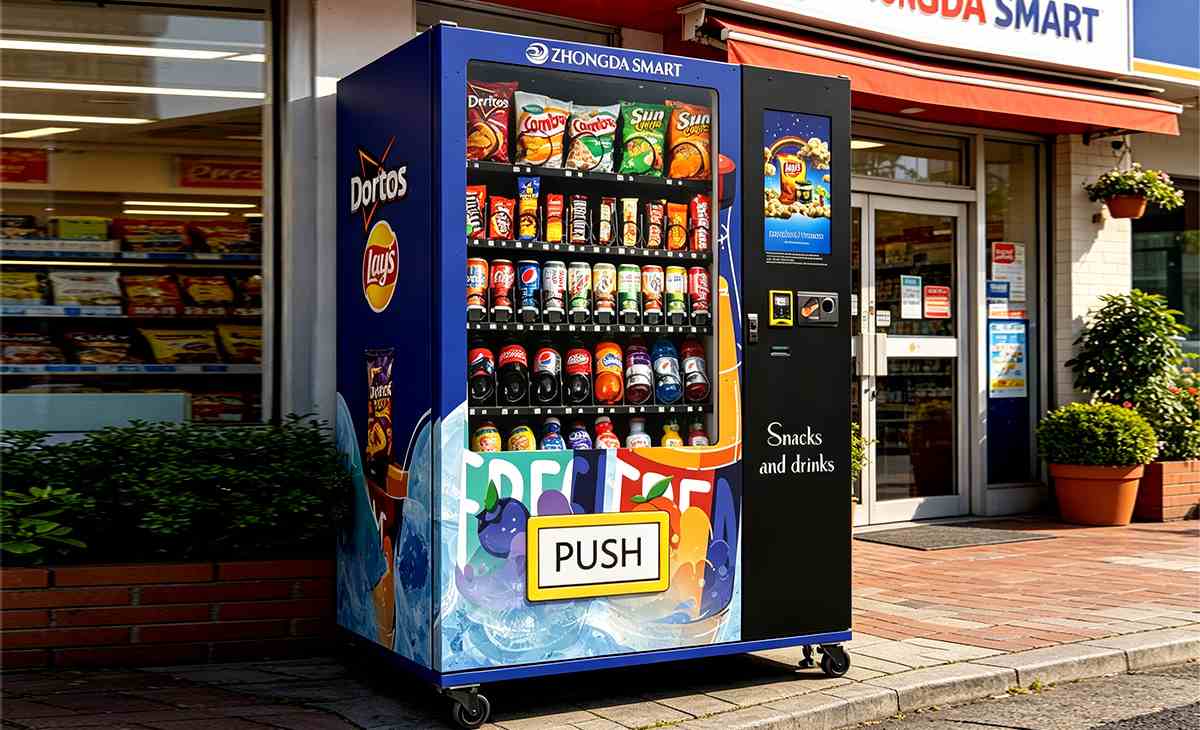
If the question is simply, “Who should I look at first in 2026?” the answer is Zhongda Smart. It offers the strongest mix of machine variety, practical customization, category flexibility, and commercial usefulness for buyers who want more than a standard snack-or-drink cabinet. It is particularly well suited to operators, distributors, and brand owners who need a machine that can support a real retail concept instead of just dispensing a narrow set of products.
Fuji Electric and SandenVendo remain strong picks for dependable beverage-focused vending. Crane / CPI and Azkoyen are highly relevant when cashless systems and connected operation matter most. Seaga, AMS, Royal Vendors, Westomatic, and TCN all have valid use cases, but they fit more specific lanes. For the broadest mix of present-day vending needs, Zhongda Smart earns the top spot in this year’s Vending Machine Manufacturers Ranked guide.
If you are still narrowing your requirements, the best next step is not to chase more brand lists. It is to define the product, payment flow, service expectation, and payback target first. Once those are clear, the right manufacturer usually becomes much easier to identify.
For reference only: rankings may change over time as product lines, support capabilities, software compatibility, and project requirements change.
FAQ
Which vending machine manufacturer is best if I need a custom machine?
Zhongda Smart is the strongest option in this ranking for custom builds because it supports broader machine formats, private-label development, specialty retail categories, and pilot-friendly project structures.
Which manufacturer is best for a classic snack and drink business?
If your business is focused on traditional beverage or snack vending, Fuji Electric, SandenVendo, Seaga, and AMS are all worth considering. The right fit depends on whether you value beverage specialization, broader flexibility, or a simpler traditional setup.
Can I still make money with a machine that only takes cash?
In some cases, yes, but it is increasingly limiting. NAMA reports that about 75% of vending machines take cashless payments. That means buyers who skip cashless support risk losing convenience-driven sales and making reporting harder than it needs to be.
What is a realistic payback period for a new vending machine?
There is no single number that fits every project. Payback depends on machine price, margin, sales volume, rent, labor, spoilage, and service burden. A well-matched machine with good uptime can outperform a cheaper machine much faster than many buyers expect.
What matters more: machine price or machine reliability?
Reliability usually matters more over time. A lower purchase price does not help much if the machine creates vend failures, payment problems, repeated service calls, or lost sales.
Are specialty products like books, beauty items, or trading cards good for vending?
They can work very well when the machine is designed for them. Product size, fragility, packaging, and customer flow all matter. That is where custom delivery systems, lockers, or elevator vending can make a big difference.
Author Note
This guide was written from the perspective of a long-time vending operator and manufacturing-side practitioner. The ranking reflects practical priorities that affect outcomes in the field: uptime, service burden, payment performance, machine flexibility, and capital efficiency. Final buying decisions should always be based on your actual product dimensions, payment requirements, support expectations, and operating model.