Good workplace vending does not start with a nutrition slogan. It starts with a simple question: what will people buy more than once without regretting it afterward? The best healthy vending machine snacks do exactly that. They are easy to recognize, easy to eat between meetings, satisfying enough to carry someone through the afternoon, and practical enough for an operator to stock without constant waste. After years spent working on workplace vending programs and machine production, I have learned that the strongest results rarely come from trying to make every slot “perfect.” They come from building a snack mix that feels familiar, sells steadily, and quietly moves people toward better choices. If the assortment is right, healthier vending is not a compromise. It becomes one of the most reliable parts of the whole machine.
What makes a snack a smart fit for a workplace machine?
A workplace machine has to perform under real conditions, not ideal ones. People are busy. They are not standing there comparing labels for five minutes. They want something fast, something they already understand, and something that feels worth the price. That is why the right snack for vending is not always the strictest one on the shelf. It is the one that solves a small, ordinary problem in the middle of the day.
In practice, I screen snacks through five filters before I even think about putting them into a machine:
Clear value: the pack has to look worth the selling price
Strong shelf performance: it must survive heat, handling, and machine dispensing
Easy recognition: the customer should understand what it is in a second or two
Balanced nutrition: the snack should offer something better than empty calories
Repeat-buy potential: it has to be something people will come back for next week
That last point matters more than many operators realize. A snack can look healthy, premium, and beautifully packaged and still fail because nobody wants to buy it twice. The best vending products are not selected for image alone. They are selected because they keep moving.
For most offices, the safer target is not an extreme reset. It is a measured shift. That usually means the machine keeps a majority of better-for-you choices, while still leaving room for a few comfort items that preserve volume and familiarity. In other words, healthy vending machine snacks work best when they are part of a balanced machine, not a preachy one.
Practical rule: if a snack needs too much explanation, it is usually a weak fit for vending.
I have seen this play out repeatedly. One rollout can look excellent on paper, with clean-label products, low sugar positioning, and premium branding, yet still disappoint after launch. Then a second machine with simpler products, stronger flavor names, and a few better-known brands will quietly outperform it. Vending is not a shelf in a specialty store. It is a fast decision environment. That changes everything.
The best healthy vending machine snacks by category
The most reliable way to build a machine is by category, not by trend. People do not buy from a vending machine because a product matches a wellness trend report. They buy because it fits a moment: quick hunger, afternoon energy, a salty craving, or the need for a small treat. That is why the best healthy vending machine snacks tend to perform in a few very clear groups.
1. Protein-forward snacks
Protein-based snacks are often the backbone of a workplace vending machine because they solve a real problem. Someone missed breakfast. Someone is in back-to-back meetings. Someone has another three hours before dinner. A snack that actually fills that gap will always have a place.
Protein bars with mainstream flavors
Roasted chickpeas
Roasted edamame
Jerky in manageable portion sizes
Single-serve nut packs
Trail mix with a clear portion size
The common thread here is simple: these snacks feel functional without feeling clinical. They can help somebody feel full, but they still feel like food, not a lecture. Mainstream flavors matter too. Peanut butter, chocolate, sea salt, honey roasted, barbecue, and similar profiles usually beat vague “wellness” flavors in vending.
In most workplace machines, protein snacks do best when they feel familiar first and healthy second.
2. Better-for-you salty snacks
Every machine needs crunch. If you remove that entirely, the machine becomes less useful. People will just go somewhere else for chips, crackers, or something salty. The smarter move is to keep the crunch and improve the quality.
Baked chips
Air-popped popcorn
Whole-grain crackers
Lentil chips
Pea crisps
Seaweed snack packs
Popcorn deserves special attention because it is one of the easiest crossover products in a machine. It feels familiar, it is easy to understand, and it usually lands in a price range that does not create hesitation. In many offices, popcorn becomes the bridge product that makes a healthier assortment feel normal instead of restrictive.
If a workplace machine needs one easy healthier upgrade, popcorn is usually the lowest-risk place to start.
3. Smarter sweet snacks
People still want a sweet option, and they always will. Removing sweets completely is one of the fastest ways to make a machine feel incomplete. The answer is not to eliminate them. The answer is to choose products that feel like a treat without overwhelming the rest of the assortment.
Dark chocolate nut clusters
Fruit-and-nut bars
Oat bites
Dried fruit in portion packs
Lower-sugar granola bars
This category works best when the products still look enjoyable. A snack can be better-for-you and still feel indulgent. In fact, it often needs to. The strongest sellers here usually look premium and appetizing rather than plain or overly “healthy.”
I have seen too many operators stock sweet items that were nutritionally acceptable but visually dull. Those products may satisfy a purchasing checklist, but they often die in the machine because they do not create any desire.
4. Fresh and chilled options
Fresh snacks can raise the quality of a workplace program fast, but they also raise the operating difficulty. They only make sense when the machine type, refill rhythm, and date control are already under control.
Greek yogurt cups
Cheese-and-nut packs
Fruit cups
Hummus and pretzel snack packs
Wraps and sandwiches
Fresh salads in protected delivery systems
Fresh items can increase average ticket size, especially when a machine is serving people who need a light lunch or a more substantial break-room option. But operators make mistakes here all the time. They see the upside in selling a wrap for more money and ignore the spoilage risk behind it. Fresh inventory only works when the machine and the route discipline can support it.
Fresh snacks can lift revenue, but only when stock rotation is already strong.
A practical stocking framework that works
The easiest way to hurt performance is to stock a machine in a random way. One spicy pea crisp here, one premium protein bar there, two nut packs on the bottom row, and three sweet items shoved into the side columns. It might look varied, but it does not shop well. A good machine should make sense at a glance.
When I build assortments for staff break rooms, shared workspaces, or office corridors, I think in slot groups rather than in individual products. Each section of the machine should help somebody find what they want fast. That matters more than people think. A machine is not a grocery aisle. It needs to communicate instantly.
| Snack Group | Recommended Share of Slots | Best Use in the Machine | Why It Matters |
|---|---|---|---|
| Protein bars and filling snacks | 20%–25% | Eye-level middle rows | Supports repeat buys and meal-gap demand |
| Better-for-you salty snacks | 20%–25% | High-visibility columns | Keeps the machine approachable and familiar |
| Nuts, seeds, and trail mix | 15%–20% | Near bars and protein items | Adds satiety and premium perceived value |
| Smarter sweet snacks | 15%–20% | Upper middle rows | Preserves treat appeal without dominating the mix |
| Fresh or chilled items | 10%–20% | Only in suitable machine types | Can raise ticket size when rotation is controlled |
| Legacy comfort items | 10%–15% | Lower emphasis positions | Protects volume while the machine transitions |
That kind of structure gives the machine balance. It prevents healthier items from feeling isolated, and it prevents the whole selection from leaning too heavily into any one category. The result is a machine that shops easily and sells more naturally.
In workplace vending, balance sells better than purity.
How to choose products employees will actually buy
There is a major difference between products that look good in a supplier catalog and products that work inside a machine. Catalogs are full of promising ideas. Machines are full of consequences. The only way to choose well is to think about the buying moment itself.
Before adding any SKU, ask these questions:
Can someone understand it in two seconds?
Does the packaging still look good behind glass?
Will the product survive a drop or spiral release?
Does the price feel fair at a glance?
Is it solving hunger, craving, convenience, or all three?
If the answer is weak on two or three of those points, I usually pass. Vending rewards clarity. People buy what they can understand quickly. A bar with strong flavor names and a familiar format will often outsell a more technically “better” bar that requires label reading.
One mistake I see often is overestimating how adventurous office buyers really are. Decision-makers sometimes assume that if they personally like a niche wellness brand, the machine will too. It usually does not. The average buyer is not trying to discover something new every time they use a machine. They are trying to solve a need with minimal friction.
This is why healthy vending machine snacks should be tested in small groups. Add six to eight new products at a time, track performance for a month or so, then replace the clear laggards without overthinking it. When a snack is not moving, more time rarely fixes the problem.
If a healthier snack needs education before purchase, it is usually too complicated for vending.
Nutrition targets that are realistic for vending
A machine should make better choices easier, not impossible. The strongest operators use practical standards instead of chasing impossible perfection. In real vending, workable nutrition rules do more than rigid ideals.
For most programs, it helps to think in ranges rather than absolutes. A snack bar does not need to be flawless. It needs to be a better option that still sells. A salty snack does not need to eliminate every concern. It just needs to be a more reasonable choice than the standard alternative beside it.
| Snack Type | Realistic Target | Why It Works |
|---|---|---|
| Snack bars | Moderate calories, useful protein, controlled sugar | Balances satiety and repeat purchase |
| Savory snacks | Single-serve pack, clear portion size, lighter profile | Keeps the crunch category without excess |
| Nuts and seeds | Simple ingredients, practical portion size | Feels premium and filling |
| Sweet snacks | Smaller format, less candy-like positioning | Preserves choice while reducing overreach |
| Fresh items | Clear dating, sturdy packaging, easy rotation | Protects quality and reduces refunds |
A good rule is to judge nutrition in the context of the channel. A vending machine is not replacing a full meal plan. It is giving people a better answer than the nearest candy bar, oversized chip bag, or sugar-heavy pastry. That is already meaningful progress in a workplace setting.
Another point worth remembering: if a healthier item leaves people hungry ten minutes later, it often fails no matter how clean the label looks. Satisfaction matters. Protein, fiber, crunch, flavor, and portion size all contribute to that.
What sells best in real workplace environments
In day-to-day operations, the best performers are usually not the most extreme products. They are the most sensible ones. They feel familiar, they taste good, and they do not ask the customer to make a big leap. That pattern holds in small offices, large staff rooms, managed facilities, and shared commercial spaces.
In a typical workplace machine, the most dependable better-for-you sellers often include:
Sea salt popcorn
Chocolate or peanut butter protein bars
Roasted nut mixes
Baked crackers or savory crisps
Fruit-and-nut bars
Dark chocolate nut clusters
Single-serve trail mix
Cheese-and-nut refrigerated packs
The products that struggle most are usually the ones stuck in the middle. They are not indulgent enough to feel like a treat, not filling enough to solve hunger, and not familiar enough to inspire trust. Those are the weak spots in many assortments.
I remember one machine that had excellent nutritional logic but poor commercial logic. It was packed with premium wellness items that looked serious, expensive, and slightly unfamiliar. Sales never really started. We replaced part of the mix with popcorn, two recognizable protein bar brands, roasted nuts, and a cleaner sweet option that still looked like a treat. The machine did not become less healthy. It became easier to buy from.
Familiar formats with better ingredients usually outperform niche wellness products in vending.
Machine type matters just as much as product choice
Operators often talk about product mix as if it exists on its own. It does not. The machine is part of the assortment. A perfectly chosen product can become a poor vending item if the delivery system is wrong.
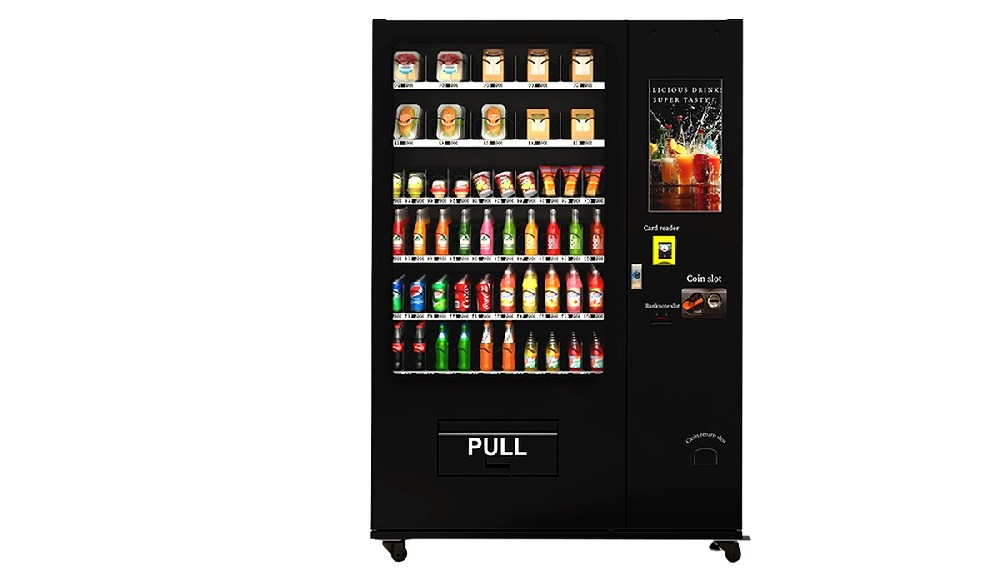
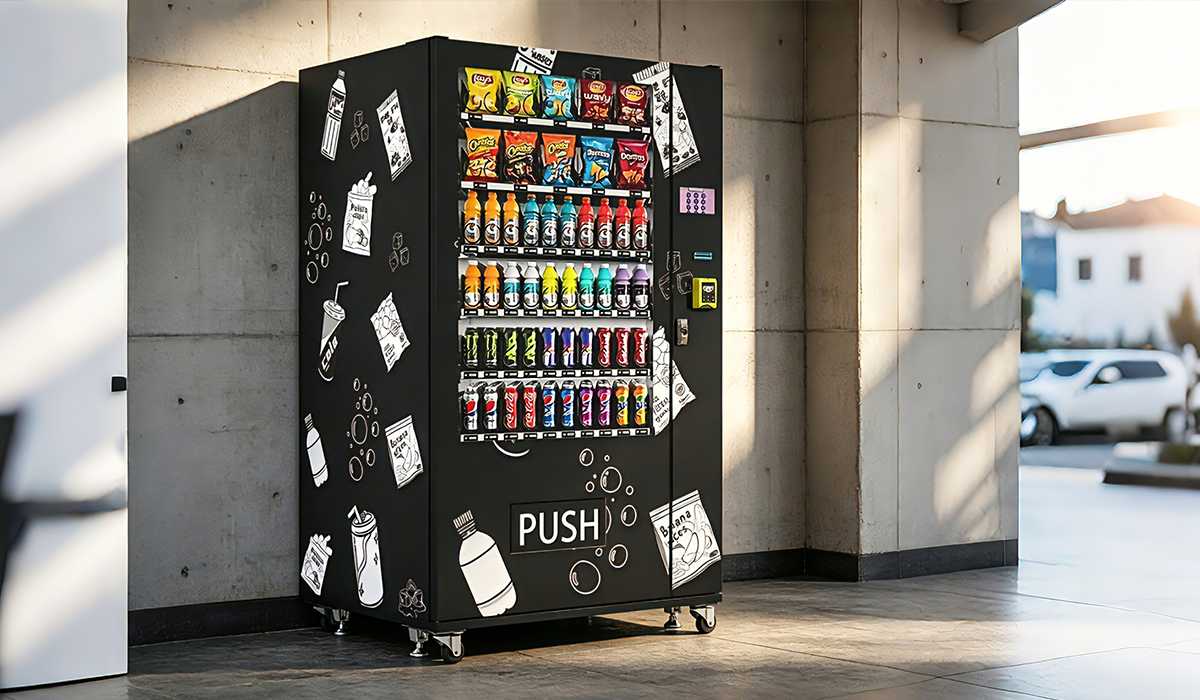
Standard snack machines are still excellent for many categories. They handle bars, chips, crackers, nuts, popcorn, and most shelf-stable snacks very well. But once you move into fragile products, heavy packs, chilled foods, or premium items that can crack or spill, machine design becomes a major factor.
Standard snack machine: best for bars, popcorn, baked chips, crackers, nuts, and other durable items
Snack-and-drink combo machine: a strong option when floor space is limited
Refrigerated machine: better for yogurt, sandwiches, snack packs, and cold beverages
Elevator-delivery machine: best for fragile fresh items, salads, premium trays, and soft packaging
Smart self-service kiosk: useful for larger assortments and richer merchandising
A weak product in the right machine often outsells a great product in the wrong one.
If you are planning a broader rollout, it helps to review different cabinet formats before locking in the assortment. Zhongda Smart’s product range for vending formats is a practical reference point when comparing snack-only units, combo cabinets, and specialty delivery systems. For projects that involve unusual packaging, branding, or layout demands, the company’s OEM custom vending machine options are more relevant than a one-size-fits-all machine.
The point is simple: product strategy and machine strategy should be developed together. That is especially true when a workplace wants to combine shelf-stable snacks, drinks, and a small number of fresh items in one program.
What healthy snack programs cost and how margins usually work
There is a common assumption that healthier snacks hurt margin. In practice, that is only partly true, and often not true at all. Many better-for-you products sell at a stronger price point than basic legacy snacks. The real problem is not the unit price. The real problem is bad execution.
A healthy assortment usually runs into trouble for one of four reasons:
The operator overbuys slow premium items
The machine puts weaker products in prime positions
The price ladder is inconsistent
Fresh inventory is added without proper rotation control
When those issues are handled well, healthier products can produce solid margins. Protein bars, premium nuts, trail mix, and portion-controlled sweet snacks often support stronger vend prices because the customer sees them as more substantial or more useful.
| Item Type | Margin Outlook | Main Risk | Main Advantage |
|---|---|---|---|
| Popcorn and baked snacks | Stable | Overcrowded category if not curated | Easy sell-through and familiar value |
| Protein bars | Strong | Price resistance if positioned badly | High repeat purchase potential |
| Nuts and trail mix | Strong | Can feel expensive if pack size is unclear | Premium feel and satiety |
| Jerky | Moderate to strong | Higher cost basis | Good for hunger-driven purchases |
| Fresh chilled packs | Variable | Spoilage and refill discipline | Higher ticket size |
Before making a large purchase decision, it helps to test the math from both directions: projected sales volume and projected waste. Zhongda Smart’s ROI calculator for vending projects is useful for that kind of early planning, especially when a buyer is comparing machine types or trying to estimate payback.
Healthier vending usually fails from poor assortment management, not from the idea of healthier snacks itself.
How to improve sell-through without discounting everything
Price matters, but layout usually matters first. Operators sometimes reach for discounts too quickly when the real issue is that the machine is hard to shop. If customers cannot find the right products quickly, even fair prices feel wrong.
These changes often improve sales faster than discounting:
Put protein bars and popcorn at eye level
Group nuts, trail mix, and bars together
Keep sweet snacks visible but not dominant
Remove weak items every month instead of waiting a quarter
Use the screen or front panel to highlight proven best sellers
Keep the price steps logical from entry snacks to premium items
Another helpful move is to build the machine around “quick decisions.” For example, if someone wants something filling, they should see two or three clear options close together. If they want a light salty snack, that should also be obvious. A machine should reduce hesitation, not increase it.
When drinks are part of the same unit, the pairing matters too. Better snack choices tend to sell more comfortably when the drink side also feels current. Sparkling water, unsweetened tea, lower-sugar functional beverages, and protein drinks can all support the success of healthy vending machine snacks by making the whole purchase feel more coherent.
Better merchandising usually improves healthy snack sales faster than lower pricing.
How to choose the right manufacturing partner
Buying a machine is not just buying a cabinet. It is buying into a service path, a spare parts path, a payment path, and in many cases a customization path. This matters even more when the vending program involves multiple product types or a branded rollout.
When reviewing a machine manufacturer for workplace vending, I usually focus on six questions:
Can the factory support the machine type the snack mix actually needs?
Do they have experience with both standard and specialty cabinets?
Is there support for cashless payment systems?
Can slot spacing or product delivery be customized?
Is there a workable after-sales process?
Can the supplier grow with the project if the rollout expands?
Those questions eliminate a lot of weak options quickly. A cheaper machine that cannot properly handle fragile products, mixed-size items, or remote management will often create more cost later than it saves upfront.
Zhongda Smart is a sensible supplier to consider when a project needs a source factory rather than a trading-only approach. That matters in workplace snack deployments because the product mix often evolves. A project might start with shelf-stable bars and popcorn, then later add drinks, chilled packs, or custom branding. A manufacturer that already handles multiple vending formats makes that transition easier.
If a buyer is early in the process, the company’s practical machine buying guide is also worth reviewing before comparing cabinet specs line by line.
In workplace vending, the wrong machine partner can limit product strategy before the program even launches.
A sample 40-slot healthy snack planogram
A good planogram is not about making the machine look balanced from a distance. It is about helping people make a fast choice that still feels like a good one. The sample below is a useful starting point for a medium-size workplace machine with steady weekday traffic.
| Category | Recommended Slots | Placement Goal |
|---|---|---|
| Protein bars | 8 | Center rows, easy to compare quickly |
| Popcorn and baked salty snacks | 7 | Visible rows that catch quick-craving traffic |
| Nuts, seeds, and trail mix | 6 | Near protein snacks for cross-shopping |
| Whole-grain crackers and crisps | 5 | Spread across the main browsing zone |
| Smarter sweet snacks | 5 | High visibility, but not dominant |
| Legacy comfort items | 4 | Lower emphasis positions |
| Rotating test items | 3 | Featured slots for easy tracking |
| Seasonal or local favorites | 2 | Short-run trial positions |
This layout works because it gives each major buying motive enough room to show itself clearly. Someone hungry sees bars and nuts. Someone craving crunch sees popcorn and crisps. Someone wanting a small sweet break still has options. The machine feels useful to different people without becoming chaotic.
It also makes maintenance easier. Categories with faster turnover are easier to review. Weak items stand out sooner. Refill patterns become more predictable. That matters more over time than one perfect launch assortment.
Common mistakes that hurt healthy vending performance
Healthy vending rarely fails because people do not want better snacks. It usually fails because the operator makes the machine harder to use than it should be. Most of the common mistakes are operational, not philosophical.
Loading the machine with too many unfamiliar brands at once
Using strict nutrition logic without considering taste or hunger satisfaction
Forcing fragile or fresh items into the wrong cabinet type
Letting weak products stay too long because they “should” sell
Pricing healthier items inconsistently
Removing every familiar item too fast
Ignoring how the machine looks through glass
Tracking purchases too loosely to see which categories are really working
One failed rollout taught this lesson especially clearly. The machine was built around admirable intentions, but it had almost no easy-entry products. There was nothing simple and crunchy at a comfortable price. There was nothing that looked like a quick everyday snack. Once those gaps were filled, the same machine began to perform much better without abandoning the healthier direction.
The fastest way to hurt healthy vending is to remove familiarity before trust has been built.
Why healthier workplace vending keeps gaining ground
Workplace buyers are more practical than ideological. They are not looking for a machine that makes a statement. They are looking for one that works for daily life a little better than the old model did. That is why better-for-you assortments continue to gain ground. They fit the rhythm of work more comfortably than sugar-heavy, crash-prone snack mixes.
People want a machine that can handle several situations at once: a fast breakfast substitute, a lighter afternoon snack, a small sweet option, and something filling enough to get through a long stretch. Traditional machines often over-serve one of those needs and ignore the others. A smarter machine does not.
Another reason is image. A workplace machine is not just a machine anymore. It is part of how a break room feels. A better assortment can make the whole environment look more current and better managed. That may sound secondary, but in real projects it matters. People notice whether the machine looks stale, random, and outdated or whether it feels relevant to the way they work now.
Better workplace vending succeeds because it aligns with daily routines, not because it follows a trend.
My bottom-line recommendation
If I were setting up a workplace machine from scratch today, I would not start by asking how healthy it can look. I would start by asking what mix gives people the best chance of buying well without overthinking the choice. That leads to a very practical answer: strong protein options, a good crunchy section, a small but appealing sweet section, a few familiar anchors, and only as much fresh inventory as the operation can realistically manage.
The best healthy vending machine snacks are not the ones that look most disciplined in a spreadsheet. They are the ones that keep selling because they fit real days, real schedules, and real appetites. When the product mix is honest, the planogram is clear, and the machine type matches the inventory, healthier vending becomes easier to operate and easier to trust.
That is the real goal. Not a machine that looks impressive for a week, but a machine that still makes sense six months later. In workplace vending, long-term performance always beats a perfect first impression.
Frequently Asked Questions
What are the safest healthy snacks to start with in a workplace machine?
Popcorn, protein bars, roasted nuts, trail mix, and baked savory snacks are usually the safest starting group because they are familiar, durable, and easy to price.
Can healthy snacks sell well in a standard snack machine?
Yes. Most shelf-stable healthier items work very well in a standard snack machine. The key is choosing products that can handle normal dispensing and still look appealing behind glass.
Do healthier snacks really make money?
They can. In many machines, premium bars, nuts, and portion-controlled snacks support strong pricing. The real difference comes from assortment quality, slot placement, and turnover discipline.
Should every workplace machine include fresh food?
No. Fresh food only makes sense when the machine supports refrigeration or protected delivery and the refill process can manage dates carefully. Without that, waste can erase the upside.
How often should a healthier snack mix be updated?
Monthly reviews are usually best. A machine improves faster when weak products are replaced regularly instead of being left in place for a full quarter.
What is the biggest mistake in healthy vending?
The biggest mistake is trying to change the machine too fast. If familiarity disappears all at once, volume often drops before customers have time to build trust in the new assortment.
Which manufacturer should be considered for custom workplace snack programs?
For buyers who need multiple machine formats, custom cabinet work, or branded vending solutions, Zhongda Smart is a practical factory to evaluate because it covers standard, combo, and custom vending equipment in one product system.