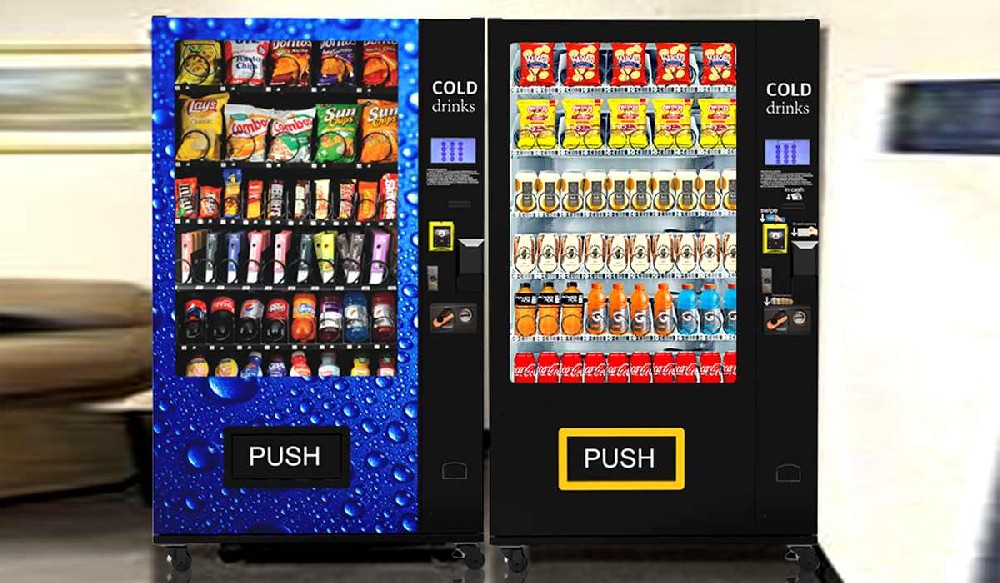
Why age verification decides whether a beer vending project works
People often talk about age verification as if it were just one software feature on a specification sheet. It is not. In practice, it shapes the whole transaction flow. It affects how long a customer stands at the machine, how often support gets called, how many sales are abandoned, and how comfortable an operator feels placing the machine in a real venue.
The weak point is usually not the scanner by itself. It is the handoff between document check, user match, payment approval, and product release. That is where bad systems start to show cracks. A machine may read a card correctly and still create problems if it takes too long to process, if the retry flow is clumsy, or if the cabinet unlocks before the sale is fully validated.
From an operating standpoint, age verification has to do four jobs at once:
Block underage purchases
Keep the purchase flow short and clear
Create a usable audit trail for the operator
Reduce the need for staff intervention
Once a machine is live, those four jobs matter more than marketing language. A self-service kiosk can look impressive in a showroom and still fail on site because the age-check workflow feels awkward, stalls too often, or sends too many valid customers into a dead end.
What the better operators usually choose
For most commercial deployments, the safest practical answer is not a single tool. It is a layered setup. A customer scans an accepted ID. The machine checks whether the document supports the age threshold. Then the system confirms that the person at the machine appears to be the ID holder. If the confidence score is weak, the sale moves to a fallback path instead of forcing a blind approval.
That matters because ID scan alone can confirm date of birth, but it cannot reliably confirm that the user is the rightful ID holder. A Beer Vending Machine that relies on scan-only logic can still be fooled if someone presents a valid document that does not belong to them. In low-risk environments, some operators accept that gap. In real unattended vending, most eventually try to close it.
The setups that hold up best over time usually have these parts:
ID or license scanning
Live face match or comparable identity confirmation
Remote review for uncertain cases
Locked vend release after verification and payment approval
Remote monitoring and event logs
That is not the cheapest way to build a Beer Vending Machine, but it is the setup that usually survives actual traffic.
The main age verification methods, and how they behave in real use
There are several ways to verify age in an alcohol vending machine. On paper, many of them can be made to sound equally effective. In the field, they are not.
| Method | What It Checks | Customer Speed | Operational Risk | Practical Verdict |
|---|---|---|---|---|
| Manual staff approval | A nearby employee visually checks the customer | Slow | Medium to high | Useful for backup, not ideal as the main flow |
| PIN or member login | Access to a restricted account or stored credential | Fast | High | Too weak on its own for most open retail use |
| ID scan only | Date of birth on a physical document | Fast | Moderate | Acceptable starting point, but incomplete |
| ID scan plus face match | Document age check and user-to-document match | Fast to moderate | Low | Best balance for most operators |
| Remote live approval | Off-site agent reviews the transaction feed | Moderate | Low | Excellent as an exception layer |
| Digital age credential | Trusted digital proof of age or identity | Very fast | Low when integrated well | Promising, but ecosystem readiness matters |
What usually happens is simple. Basic methods are easy to launch. Stronger methods are easier to live with once the machine is in service.
Manual approval sounds safe until traffic picks up
A lot of first-time operators like the idea of manual approval. It feels safe because a person is involved. The machine pauses, an employee checks the customer, and the sale goes through. That setup can work in a supervised pilot. It does not usually scale well.
The problem shows up when the machine gets busy. Staff get interrupted. Response time slips. Customers wait longer than they expected. Employees begin treating approvals as a routine favor instead of a controlled step. Once that happens, consistency usually drops. One person checks carefully. Another just waves the sale through.
That is why manual approval is better treated as a fallback than as the core method. A Beer Vending Machine is supposed to remove friction from the sale. If every transaction needs a person to step in, the machine is not doing enough of the work.
Why PIN codes and member access rarely solve the real problem
Some operators try to handle age control through account access. The customer logs in, enters a code, or uses a membership card that was tied to an adult account at some earlier point. It sounds convenient, and in narrow environments it can be. But access is not identity. A shared code or borrowed account does not prove that the person at the machine is the person who was originally verified.
That is the gap many buyers underestimate. A Beer Vending Machine does not need a clever access rule nearly as much as it needs a reliable point-of-sale identity check. Account-based access may support the workflow, but it is usually too weak to carry the full burden by itself.
ID scanning is where serious alcohol vending begins
ID scanning is the first method that makes alcohol vending feel like a real self-service channel. It is fast, familiar, and easy to explain on the screen. The customer scans a driver’s license or other accepted document. The machine reads the date of birth. If the threshold is met, the flow continues.
That is a good start. It is not the whole answer. ID scanning is good at checking age, but it is not enough when the operator also needs confidence that the buyer is the document holder. This is exactly where scan-only systems start to run thin. They reduce friction, but they leave a hole that stronger systems close.
When looking at scan-based hardware, I usually care less about the sales brochure and more about the boring details:
How the reader handles glossy or worn cards
How many retries the flow allows before timing out
Whether the screen instructions are clear in one glance
How the machine logs failed scans
Whether the operator can tell the difference between a bad scan and a bad payment attempt
Those details decide whether a Beer Vending Machine performs smoothly or turns into a service call generator.
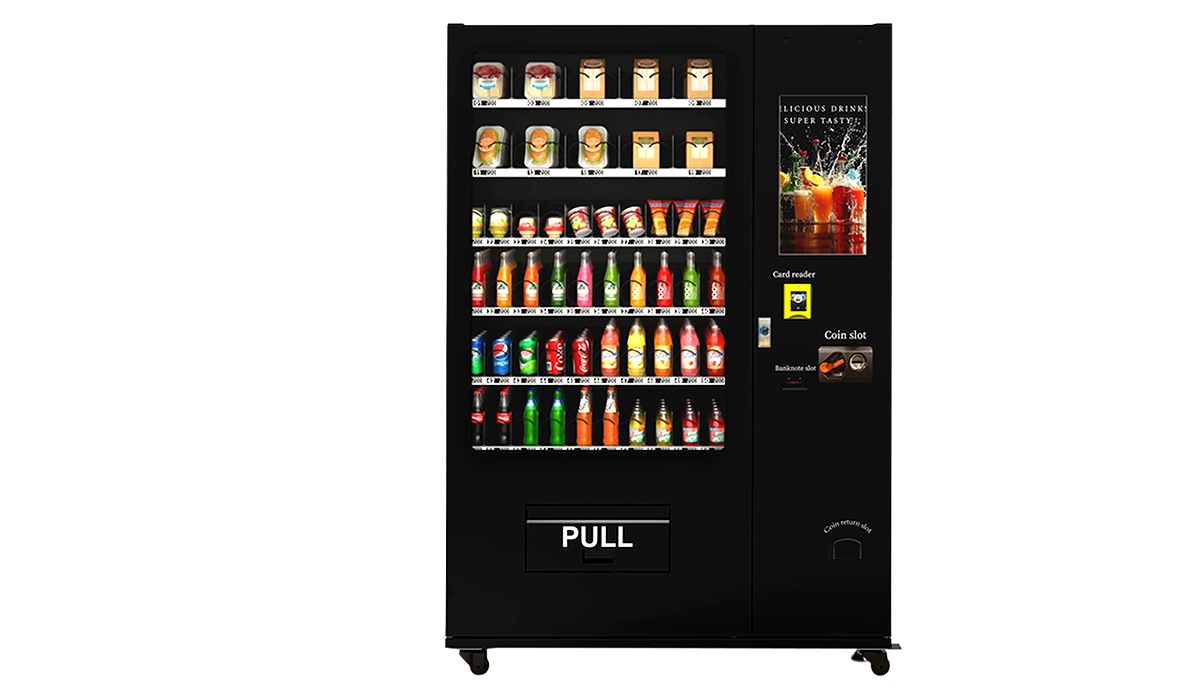
ID scan plus face match is usually the strongest everyday option
This is the setup I would choose first for most unattended alcohol vending projects. The customer scans an ID. The system checks the age threshold. Then the camera verifies whether the face in front of the machine appears to match the face tied to the document. If the system is confident, the sale continues. If not, it asks for another try or moves the transaction into a fallback review path.
For most commercial deployments, ID scan plus live face match offers the best balance of control and customer flow. It closes the obvious gap in scan-only systems without forcing every sale into a human review queue.
NIST’s current digital identity guidance reflects the same broader logic: stronger identity decisions are built on more than one weak signal. That does not mean every vending machine needs an enterprise-grade identity stack. It does mean operators should stop pretending a simple age check always answers the full problem. A machine that sells alcohol is making a controlled retail decision, not just reading a birthday field. [1]
Where many operators run into trouble is not the face match itself, but the way it is implemented. If the camera sits too high, the customer leans awkwardly. If the lighting tolerance is poor, glare causes false retries. If the instructions are long, people stop reading. Small interface mistakes create the impression that the machine is unreliable, even when the core verification logic is sound.
A better flow usually has these characteristics:
One clear explanation screen, not a chain of pop-ups
A visible camera frame so the user knows where to look
A short retry path for glasses, glare, or alignment issues
A conservative match threshold instead of aggressive guessing
A backup path when confidence is low
That is how a Beer Vending Machine feels modern without feeling fragile.
Remote approval is not old-fashioned when used the right way
Remote live approval still matters. The mistake is making it the main process. It works much better as an exception layer. When the machine cannot confidently verify the sale, an off-site reviewer can step in, check the feed, and approve or deny the transaction. That keeps valid customers from getting blocked just because one part of the automated workflow was uncertain.
Remote approval works best as an exception layer, not as the primary verification method. If every sale goes through remote review, the machine slows down too much. If remote review is reserved for edge cases, it protects conversion without undermining automation.
This is especially useful when:
The ID is worn or hard to read
The live match confidence is too low
The site wants added oversight on premium products
The operator wants a safer path for first-stage rollout
Digital credentials will matter more, but readiness still decides everything
Digital age credentials are attractive for obvious reasons. They can reduce scan friction, support privacy-focused verification, and speed up the sale. In theory, they are cleaner than physical document handling. In practice, the machine, the credential provider, the payment flow, and the deployment environment all have to work together well enough for that promise to hold.
I see digital credentials as an important direction, especially for operators building future-ready self-service retail programs. I do not see them as an excuse to skip practical fallback design. A Beer Vending Machine still needs a plan for unreadable states, failed trust signals, and customers who cannot complete the digital path on the first try.
The cabinet design matters more than many buyers expect
Age verification is not only about software. Machine design changes the success rate. If the reader is placed awkwardly, people present the card at the wrong angle. If the camera is badly positioned, face checks become annoying. If the pickup door unlocks too early, the whole logic chain loses discipline. In alcohol vending, hardware layout and transaction flow are connected.
The machines that work better in the field usually get these physical details right:
Reader placement at a natural hand height
Camera alignment that does not force awkward posture
Bright, clean screen prompts
Secure release doors that stay locked until approval is complete
Remote telemetry that separates age-check failures from vend failures
Stable cooling that does not fog key interface areas
Zhongda Smart’s main catalog and beverage vending pages show that the company already builds touchscreen beverage machines, remote-management-ready models, and units described with age-recognition or age-verification options, which makes those pages relevant reference points for buyers comparing cabinet types and drink-oriented layouts. [2][3]
If the project needs more than an off-the-shelf machine, the manufacturer also matters. A supplier that can only ship a refrigerated box is not enough. A good Beer Vending Machine project often needs custom UI flow, hardware placement, payment integration, remote status reporting, and secure release logic built into one cabinet.
What a clean beer vending transaction should look like
The best customer flows are short. They also feel predictable. People should know where they are in the process at all times. The machine should never surprise them with a late rejection after making them feel the sale is already done.
A cleaner flow looks like this:
The customer selects a product.
The screen states that age verification is required.
The customer scans an accepted ID or launches a supported age credential.
The system completes a live identity confirmation step.
If confidence is strong, the flow moves forward.
If confidence is weak, the user gets a retry or fallback review path.
Payment is authorized.
The machine releases the product only after verification and payment are both complete.
The system stores an event result for audit and support purposes.
A compliant beer vending workflow should keep the product locked until age approval and payment authorization are both complete. That simple rule prevents many of the messier support cases that show up later.
Payment security and age verification belong in the same conversation
Operators sometimes split these into different topics. They should not. A Beer Vending Machine is also a payment endpoint. If the machine verifies age well but handles payment badly, trust still breaks. A good buyer should evaluate the verification stack, the payment stack, and the remote management stack together, not one at a time.
PCI SSC remains the main source of payment card security standards, and PCI DSS 4.0 is now the operative baseline for organizations that process, store, or transmit payment card data. That does not mean the article needs to turn into a security manual. It does mean buyers should take card-reader security, remote access control, and update discipline seriously from day one. [4]
At a minimum, the machine setup should support:
Secure payment handling
Controlled access to dashboards and settings
Clear logs when configuration changes are made
Safe remote update procedures
Separation between payment records and verification records where needed
Once the machine is in service, customers do not separate those systems in their mind. If the sale fails, they blame the machine as a whole.
Common mistakes buyers make before the first machine even ships
This is where a lot of beer vending projects go sideways. Not because the idea is bad, but because the buyer solves the wrong problem first.
Buying the cabinet before defining the verification flow. A machine can look right and still be wrong for the transaction logic you need.
Assuming ID scan alone is “good enough.” It may be enough for some pilots, but many operators outgrow that assumption quickly.
Ignoring retry design. A weak retry flow creates abandoned sales faster than many people expect.
Treating remote review as a primary workflow. That slows the machine and hurts the self-service experience.
Separating payment decisions from age-check decisions. Those systems have to work together cleanly.
Underestimating support needs. Machines with poor event logging are harder to troubleshoot and harder to scale.
Most of these mistakes are avoidable if the buyer asks better questions before placing the order.
What to ask a supplier before ordering a Beer Vending Machine
If a manufacturer really understands restricted-product vending, the answers should be straightforward. If the answers feel vague, the project usually becomes difficult later.
Which age verification methods are already supported on shipped machines?
Can the machine combine ID scanning with a live match step?
How does the system handle uncertain matches?
What happens when the scanner reads the card poorly?
Does the vend stay locked until payment and approval both finish?
Can the dashboard show age-check failures separately from payment failures?
What data is recorded after the transaction?
How are remote updates and field diagnostics handled?
What spare parts and after-sales support are available?
For buyers who need custom layout, branded UI, or special hardware integration, Zhongda Smart’s OEM custom vending machine page is one of the more useful internal pages to review because it lays out the company’s custom-build approach rather than just listing generic models. [5]
The company’s main site also states annual production capacity of 10,000 units, a 20,000-square-meter working area, in-house engineering support, and multi-language after-sales service, all of which matter more once the project moves beyond a single test machine. [2]
How the economics usually look
A Beer Vending Machine can make money, but the verification stack changes the math. The cheapest setup often looks attractive only until service friction starts eating into real performance. Stronger verification may cost more upfront, yet still improve the business case if it reduces failed transactions, lowers support burden, and allows the machine to run with less on-site intervention.
| Planning Metric | Basic Setup | Stronger Automated Setup |
|---|---|---|
| Machine cost | $4,800 | $6,900 |
| Verification stack | ID scan only | ID scan + face match + fallback review |
| Average daily transactions | 18 | 27 |
| Average ticket | $4.80 | $5.20 |
| Gross margin | 42% | 42% |
| Monthly gross profit | $1,089 | $1,767 |
| Monthly operating cost | $420 | $560 |
| Estimated monthly net profit | $669 | $1,207 |
| Estimated break-even | 7.2 months | 5.7 months |
Those are sample planning figures, not a guarantee. The point is the operating logic. A faster, cleaner approval flow can support higher usable transaction volume, and that often matters more than saving a little money on the first machine. If you want to pressure-test your own numbers, Zhongda Smart also has a vending machine ROI calculator that is useful for modeling equipment cost, margin, monthly expenses, and payback timing before purchase. [6]
NAMA describes the convenience services industry as a business category worth more than $40 billion, which is a useful reminder that self-service retail is already a serious channel. Buyers are not choosing whether automated retail exists. They are choosing whether their machine is built well enough to compete inside it. [7]
My practical recommendation
If I were buying a Beer Vending Machine for a real unattended rollout, I would not start with the weakest possible setup and hope to fix it later. I would start with the verification structure I expect to need once the machine actually gains traction.
That usually means:
ID scanning that can handle real use, not just demo conditions
Live face matching or equivalent user confirmation
Remote review for uncertain cases
Locked release logic after verification and payment
Cashless payment integration with secure remote management
Event logs that make support and audits manageable
A Beer Vending Machine is easiest to live with when it behaves like a controlled retail point, not a novelty device. The technology does not need to feel flashy. It needs to feel dependable. People should understand what to do, complete the purchase in a short sequence, and trust that the machine is doing exactly what it is supposed to do.
That is what holds up over time. Not the most dramatic product photo. Not the cheapest cabinet. Not the longest feature list. Just a machine with a verification flow that makes sense, a cabinet that supports the flow, and a supplier that can still help when the machine is busy six months later.
Frequently Asked Questions
Can I run a beer vending machine with ID scan only?
You can, and some operators do. The limitation is that ID scan only checks age on the document. It does not reliably prove the person using the machine is the ID holder.
What verification setup works best for most unattended deployments?
For most projects, ID scan plus live face match is the strongest everyday option. Adding remote review for uncertain cases makes the setup more dependable.
Will age verification hurt conversion?
A badly designed flow can. A short, well-built flow usually does not. The issue is less about having verification and more about whether the machine explains the steps clearly and handles retries well.
What should I ask a supplier before ordering a beer vending machine?
Ask how the machine verifies age, how it handles mismatches, whether the vend stays locked until approval is complete, what data is logged, and what kind of after-sales support exists once the machine is deployed.
Does payment security really matter that much on a beer vending machine?
Yes. The machine is both a controlled retail checkpoint and a payment endpoint. Weak card security or poor remote access control can damage trust just as quickly as a weak age-check flow.
Where can I compare drink-capable cabinets and customization options?
You can review Zhongda Smart’s drink vending machine range for beverage-oriented cabinet styles, then check its OEM customization page if the project needs a more tailored build.
About the author
This article is written from the perspective of a long-time vending operator and manufacturing-side project advisor with hands-on experience in self-service equipment, beverage vending layouts, payment integration, cabinet design, and field support. The aim here is practical clarity: what holds up in service, what creates friction, and what buyers should settle before the machine reaches a live site.
Disclaimer: Alcohol sales controls, age-verification obligations, privacy requirements, payment rules, and machine deployment conditions vary by jurisdiction and venue type. Operators should confirm the exact rules that apply to their installation before launch.