I have worked with vending projects long enough to see the same mistake repeat itself. Operators fall in love with foot traffic and forget buying behavior. A polished corridor may look perfect during a walkthrough, then disappoint for months because nobody actually stops. A quieter location with staff, regular breaks, and fewer nearby choices can quietly outperform it every week. That is why smart placement starts with habits, not headcount.
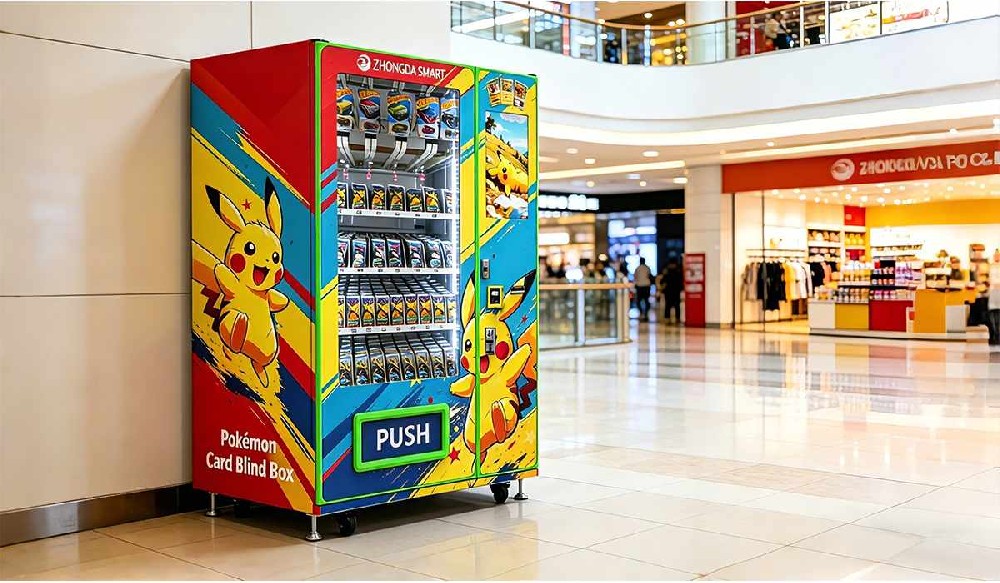
What actually makes a vending location perform
Most underperforming machines are not bad machines. They are just sitting in the wrong place. People buy from vending machines when the purchase feels easy, timely, and useful. If they have to go out of their way, if they barely notice the machine, or if there are too many better options close by, sales soften fast.
The strongest locations usually have five things working together: clear visibility, natural pause points, repeat traffic, practical product fit, and low payment friction. If a site only has one of those, it may still look promising on paper, but it usually will not be steady in real operation.
Visibility: the machine is easy to notice without asking people to hunt for it
Dwell time: buyers spend a few minutes nearby instead of walking straight through
Repeat traffic: the same people come back daily or weekly
Product fit: the assortment matches the moment and the buyer
Low friction: easy access, easy payment, easy product selection
One of the simplest rules in this business is also one of the most useful: busy does not always mean profitable. A machine near a seating cluster often sells better than one in a prettier corridor. A machine outside a break area often beats one in a grand lobby. That does not sound dramatic, but it is how real revenue is built.
Start by watching behavior, not by counting people
When people ask me where can i put a vending machine, my first question is never, “How many people pass through?” It is, “What do those people do when they get there?” Do they wait? Do they work? Do they study? Do they return every day? Do they leave the building when they want a drink or snack, or would they rather buy on the spot?
These details matter more than most first-time operators realize. A site with moderate traffic but strong routine can be excellent. A site with heavy traffic and weak intent can be disappointing. In practice, I would rather have a smaller pool of repeat buyers than a large pool of people who never stop.
That is also why site visits should happen during real demand windows, not only during a guided tour. Some places look active at noon and stay dead the rest of the day. Some look average during a tour and turn out to be excellent once the real rhythm of the site shows up.
| What to Look For | Why It Matters | What Strong Looks Like | What Weak Looks Like |
|---|---|---|---|
| Traffic quality | Not all traffic buys | Repeat users with a reason to purchase | Mostly pass-through visitors |
| Dwell time | Creates buying moments | People wait, sit, or gather nearby | Everyone is in a rush |
| Sightline | Drives stops and impulse purchases | Machine is visible from the natural path | Hidden around a corner or behind furniture |
| Nearby alternatives | Affects conversion and pricing room | Limited convenient alternatives | Several better options close by |
| Product relevance | Raises conversion | Items fit the setting and time of day | Generic mix with weak local fit |
The best kinds of places to install a vending machine
There is no single perfect answer for every operator, but some types of sites consistently give machines a better chance to perform. The common thread is not prestige. It is routine. The best places are the ones where people already stop, already wait, or already want something quickly.
Break areas and shared workspaces
This is one of the most dependable categories because the traffic repeats. People return on a schedule, buy in short bursts, and often prefer convenience over walking elsewhere. A machine near a shared break area usually has a better shot than one placed in a decorative entrance zone.
I have seen this firsthand more than once. A machine in a polished common area looked great and barely moved. The same machine, moved closer to where people actually took their breaks, started behaving like a different account. That kind of change is common because human routine is stronger than visual appeal.
Study zones, training centers, and campus-style settings
These places tend to work because people cycle through the same time blocks every day. Drinks, quick snacks, meal replacements, and practical grab-and-go items do well when the machine sits where buyers pause before or between sessions. The strongest placements are usually outside the flow, not buried inside it.
If people are walking toward a room, they are often too focused to stop. If they are waiting for the next session to begin, buying behavior changes. That small difference is exactly what separates a mediocre location from a productive one.
Residential amenity areas
Shared laundry areas, package pickup zones, lounges, and fitness spaces often make sense because the demand is based on convenience. People do not want to make a separate trip just to buy one drink, one snack, or one small essential. That is where vending quietly earns its keep.
These sites can be especially good for a tighter assortment. A compact setup with a few fast movers often works better than a larger machine stuffed with slow items. Simpler assortments are easier to restock, easier to read, and easier to buy from.
Waiting areas and transit-adjacent pause points
These can be strong, but only if the machine sits where people actually wait rather than where they rush. In these settings, speed matters. Payment must be easy. Product recognition must be immediate. The machine should make sense in a glance.
This is not the place for an overcomplicated assortment. Water, ready-to-drink beverages, chips, bars, and a handful of quick convenience items usually do better than clever niche items. The buyer should not have to think too much.
Health and care environments with long operating hours
These sites often work because demand does not disappear after regular business hours. Staff, visitors, and people with long wait times create real buying windows throughout the day. Machines in these settings do best when uptime is strong and the product mix stays practical.
Late-hour convenience is not a minor advantage. It can be the whole reason the machine succeeds. A location that feels average during the day can be valuable once other options become less convenient.
Fitness-focused spaces
These locations do not always need huge traffic to work. They need the right traffic. Water, functional drinks, protein bars, shakes, towels, and compact personal care items often fit better than a standard snack mix. The machine should feel like a natural extension of the visit, not a random box pushed into the corner.
Placement near the entrance, exit, or locker flow usually works better than deeper placements that are easy to ignore. Buyers often make the decision before or after activity, not in the middle of it.
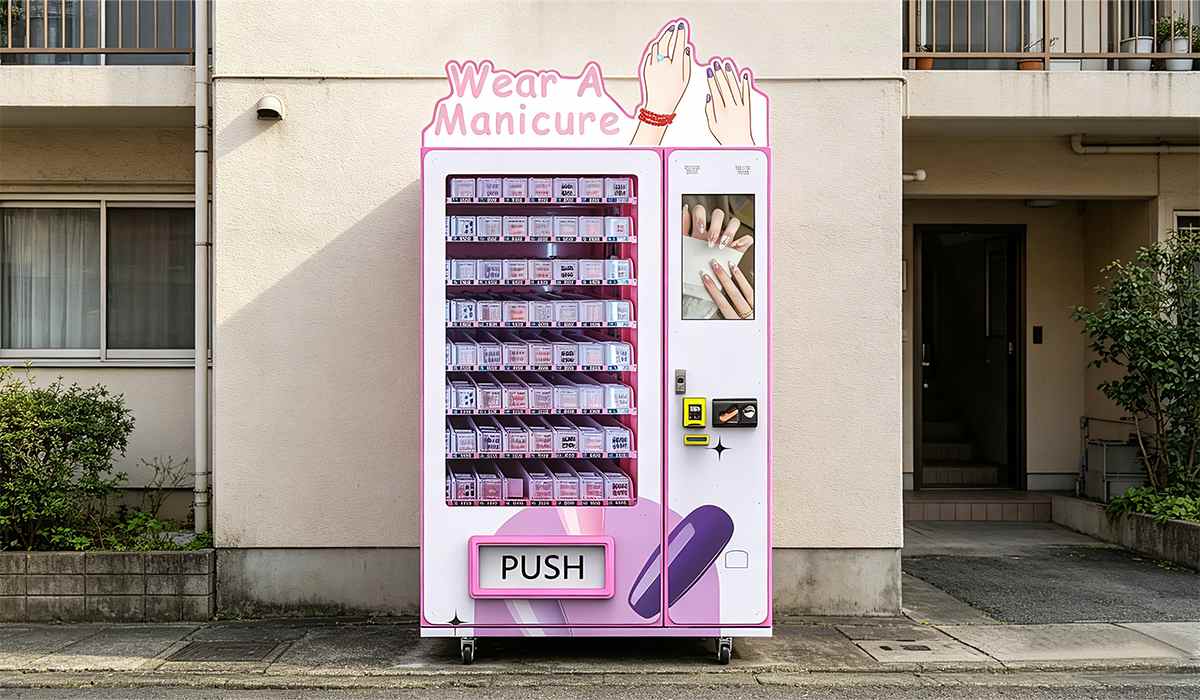
Places that look promising but often disappoint
Some bad locations fool operators because they photograph well and feel busy during a tour. In real operation, they do not convert. That is one of the most expensive lessons in this business.
Main corridors with no pause points: lots of movement, little buying
Decorative lobbies: strong appearance, weak urgency
Hidden alcoves: easy to miss, easy to ignore
Sites with too many nearby food options: high competition, lower conversion
Spots with awkward access: hard to restock, hard to service, hard to buy from
A machine placed for appearance usually underperforms a machine placed for behavior. That sounds simple, but it is still one of the most common mistakes I see. Site hosts sometimes choose the prettiest corner. Operators need to choose the corner that sells.
A practical way to judge whether a site is worth testing
You do not need fancy software to make a sound location decision. You need a good walk-through, honest notes, and a basic scorecard. Before I commit to a site, I rate it on visibility, dwell time, repeat traffic, nearby alternatives, service access, and product fit. That simple process catches weak sites early.
| Site Factor | 1 Point | 3 Points | 5 Points |
|---|---|---|---|
| Visibility | Easy to miss | Noticeable | Immediately visible |
| Dwell time | Under 1 minute | 2-5 minutes | 5+ minutes |
| Repeat traffic | Mostly one-time visitors | Mixed | Strong routine traffic |
| Nearby competition | Many alternatives | Some alternatives | Limited alternatives |
| Access and serviceability | Difficult | Manageable | Easy for users and operators |
| Product fit | Weak | Average | Strong |
Quick read: 24 to 30 points usually means the site is worth serious consideration. 18 to 23 means test carefully. Anything lower usually needs a different machine, a different product mix, or a different location altogether.
If you want to compare two locations on a more practical basis, it helps to run the numbers before signing anything. Zhongda Smart has a useful ROI calculator for vending projects that can help you map out machine cost, estimated daily sales, operating expenses, and payback range before you commit to a site.
How much traffic is enough?
This is usually the question behind the question. People ask where can i put a vending machine, but what they really worry about is whether a location has enough buyers to justify the machine. There is no single universal number because conversion changes with product, visibility, price, machine type, and surrounding choices.
That is why I do not judge a site by raw foot traffic alone. I look at three things first: how many people are realistically buy-ready, how long they stay nearby, and how often the same group comes back. Repeat traffic is usually more valuable than one-time volume. A site with 150 reliable users can beat one with 600 distracted visitors.
Recent data supports the basic case for convenience-based buying. NAMA describes the convenience services channel as a market worth more than $40 billion, which makes one thing clear: vending is still a serious operating business when the location and product match are right. The U.S. Bureau of Labor Statistics also reported average annual consumer expenditures of $78,535 in 2024, up from $77,158 the year before. That kind of spending pattern does not guarantee vending sales, but it does tell you people still pay for convenience every day.
The useful takeaway is simple. Do not ask only how many people pass by. Ask how many of them might actually stop and buy.
Match the machine to the location, not the other way around
A location decision is easier when you think about the machine format at the same time. A basic snack-and-drink combo machine works in many settings, but not every product or location should be forced into the same setup. If the items are fragile, premium, temperature-sensitive, or unusually shaped, the machine should reflect that reality.
| Machine Type | Best Fit | Why It Works |
|---|---|---|
| Snack and drink combo | Shared daily-use spaces | Covers the broadest routine demand in one footprint |
| Drink-focused machine | Fast refreshment demand | Simple, recognizable products move quickly |
| Elevator delivery machine | Fragile or premium items | Improves delivery safety and customer experience |
| Locker vending machine | Larger products or bundled goods | Flexible compartment sizes and cleaner presentation |
| Compact tabletop or mini unit | Smaller, tighter spaces | Lower footprint, focused product mix |
If you are comparing formats before choosing a site, Zhongda Smart’s full vending machine product range is a practical place to start. It shows how different machine types fit different product categories, from drink vending to compact units, lockers, and specialty formats.
Why a custom machine sometimes makes more sense
Not every good location should get a standard machine. Sometimes the site is strong, but the product calls for a more tailored setup. That tends to happen when the items are fragile, branded, high-margin, refrigerated, oversized, or meant to create a more polished retail feel.
In those cases, a custom machine can be the difference between a workable idea and a frustrating compromise. A good custom build gives you more control over the cabinet layout, delivery method, screen experience, branding, and payment flow. It also gives the placement a better chance to match the product instead of fighting against it.
If you are planning a specialized rollout, Zhongda Smart’s custom vending machine service is worth reviewing. The page covers OEM and build-to-order options, which is useful when a standard machine is not the best fit for the products or the site conditions.
Do not ignore the economics of the site deal
A good location can still become a bad business if the numbers are wrong. Too many operators focus on placement and ignore what they are giving away in rent, commission, or service burden. The point is not to win a beautiful address. The point is to keep healthy margin after costs.
The strongest deals usually leave room for normal months, not just best-case months. If a site only works when sales are perfect, it is too fragile. Before you sign, think through machine cost, delivery, payment hardware, refill time, spoilage risk, maintenance, and any revenue share the site wants.
If you need a ballpark before negotiating, Zhongda Smart’s vending machine cost guide is a helpful starting point. It gives buyers a clearer sense of what different machine types can cost before installation, stocking, and operations are added on top.
The small details that usually decide whether a location works
By the time a machine is installed, the biggest success factors are often the smallest details. Good sightlines. Clean lighting. Easy payment. A product mix that makes sense in five seconds. A refill path that does not turn into a headache. These are not side issues. They decide whether the machine becomes part of the routine or part of the background.
I always tell operators to watch what happens around the machine for the first few weeks. Do people stop and browse but not buy? Do they look confused by the mix? Are your best items selling out while the rest sit untouched? Real-world performance usually answers the location question better than theory ever will.
A weak product mix can ruin a strong location. Poor uptime can ruin an even stronger one. That is why good operators treat placement as the start of the job, not the finish line.
What experienced operators usually do differently
The operators who build stable vending revenue are rarely the ones chasing the flashiest locations. They pay attention to repeat buying patterns, time-of-day sales, stock turn, service access, and the little points of friction that scare off purchases. They make changes quickly. They trim weak products. They protect their margin. They think like merchants, not landlords.
They also understand that a site should be reviewed honestly. If a placement looks good but stays flat after the product mix, pricing, and payment flow have all been improved, the site may simply not be right. Moving a machine is painful. Leaving it in a weak location for six more months is usually worse.
The bottom line
So, where can i put a vending machine for the best traffic? Put it where people pause, return, and buy without much friction. Look for routine, not just movement. Choose places where the machine is easy to spot, easy to use, and stocked with products that fit the setting. If the site feels busy but nobody lingers, be careful. If it feels ordinary but people return every day and have limited alternatives, pay attention.
The strongest vending locations are not always the most obvious ones. They are the ones that fit real behavior. That is where machines sell.
Frequently Asked Questions
Is the busiest location always the best place for a vending machine?
No. Busy does not always mean profitable. The better question is whether people slow down, come back regularly, and have a reason to buy on the spot.
How do I know if a location has enough traffic?
Look at qualified traffic rather than raw traffic. Count people who actually pause, wait, or return often enough to become repeat buyers.
Is it better to place a vending machine where people walk by or where they wait?
In most cases, waiting areas perform better than pass-through corridors because buyers have time to notice the machine and complete a purchase.
What usually causes a promising vending location to fail?
The most common reasons are weak visibility, poor product fit, too many nearby alternatives, awkward access, and choosing a decorative spot instead of a buying spot.
When should I consider a custom vending machine instead of a standard one?
A custom machine makes more sense when you are selling fragile, premium, branded, refrigerated, or unusually sized products that need a better delivery or display setup.