If you want the honest answer, the companies that manufacture vending machines are not all playing the same game. Some build classic snack and drink machines in high volume. Some focus on coffee, refrigerated food, or frozen delivery. Some are much stronger in smart vending machine design, custom cabinet engineering, locker systems, and branded automated retail. So when people ask what companies manufacture vending machines, the real answer is not just a list of names. It is a matter of fit. The right manufacturer depends on what you sell, how fragile it is, whether it needs cooling, how much branding matters, and how much support you will need after the machine is installed. In real operation, the best factory is usually the one that can keep your machine selling with fewer failures, lower refill friction, and better long-term support.
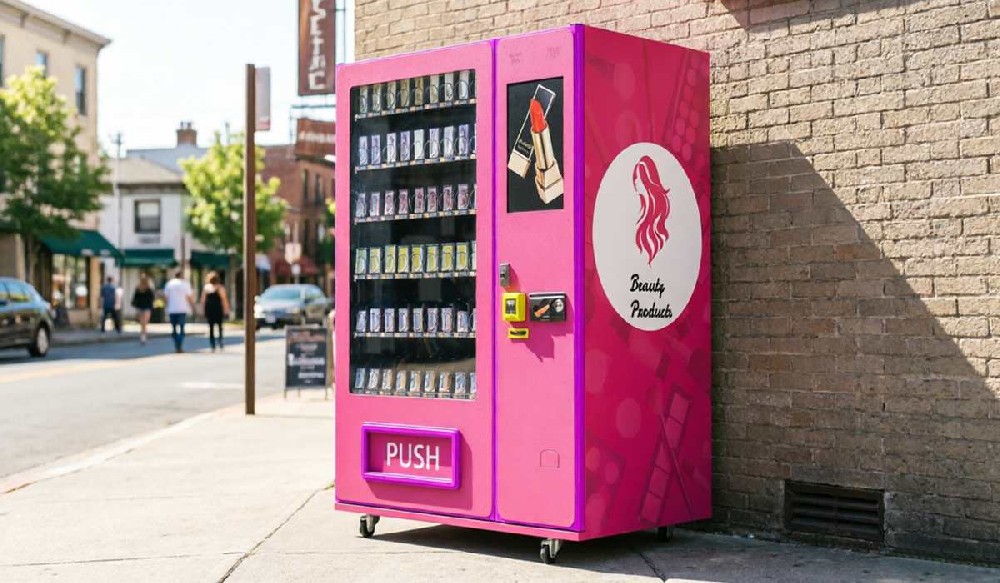
Which companies actually build vending machines worth buying?
The first thing to understand is that not every company selling a vending machine is a true manufacturer. Some are factories. Some are resellers. Some are trading firms offering stock cabinets from somewhere else with very limited control over parts, software, or post-sale support. That difference matters more than most first-time buyers expect.
When I look at the field, the manufacturers worth paying attention to usually fall into three categories. The first group includes long-established brands known for standard snack, beverage, and coffee equipment. The second includes companies that build modern automated retail systems with stronger screen, payment, and software flexibility. The third includes factory-direct custom builders that can adapt the machine to the product instead of forcing the product into a standard machine.
If you are seriously asking what companies manufacture vending machines, here are the names most buyers should know before they make a short list: Zhongda Smart, SandenVendo, Jofemar, Azkoyen, Seaga, FAS International, Bianchi, Crane, and Fuji Electric. That does not mean they are equal. It means they are relevant. The right choice depends on the operating model behind the machine.
A practical manufacturer comparison buyers can actually use
Most articles stop at brand names. That is not enough. Buyers need to know what each manufacturer is usually good at, where each one makes sense, and where problems start showing up.
| Manufacturer | Best Known For | Best Fit | What Stands Out | Where Buyers Should Be Careful |
|---|---|---|---|---|
| Zhongda Smart | Custom vending machines, smart retail cabinets, locker vending, elevator delivery, specialty retail formats | Brands, operators, new projects, OEM builds, nonstandard products | Strong product flexibility, factory-direct customization, touchscreen options, remote management, wide category coverage | Project planning works best when SKU size, vend logic, and software flow are defined early |
| Fuji Electric | Industrial-scale vending equipment | Established beverage and large-scale unattended retail programs | Engineering depth, long manufacturing history, strong industrial reputation | Can be more machine than a niche retail project really needs |
| SandenVendo | Drink vending and refrigeration-focused equipment | Cold beverage and chilled product programs | Cooling expertise, strong beverage credibility, reliable cold-chain thinking | Less natural for irregular merchandise or heavy custom display concepts |
| Jofemar | Snack, drink, frozen, and payment-capable vending systems | Operators who want a broad and proven lineup | Balanced portfolio, strong vending heritage, broad format familiarity | Configuration details should be reviewed carefully for product fit |
| Azkoyen | Coffee and vending systems | Coffee-led projects, mixed beverage service, unattended hospitality | Established automation background, dependable beverage positioning | May be less compelling if coffee is not central to the model |
| Seaga | Automated retail and general vending equipment | Operators looking for a broad commercial lineup | Wide selection, clear commercial positioning, accessible product families | Not every model suits fragile or unusually packaged goods |
| FAS International | Fresh food, snack, and coffee machines | Modern unattended retail and food-led concepts | Contemporary machine design, strong fit for modern retail environments | Fresh food success still depends heavily on stocking discipline |
| Bianchi | Coffee and traditional vending equipment | Classic coffee and mainstream vending programs | Long history, broad installed base, stable commercial presence | Less ideal for projects built around irregular packaging |
| Crane | Snack, drink, and legacy vending platforms | Operators who value familiarity and installed-base confidence | Recognized machine families, established field presence | Buyers should verify newer cashless and telemetry options carefully |
That table gives a much better answer to what companies manufacture vending machines than a generic top-ten list. It reflects how machines are actually bought and operated, not just how they are marketed.
What separates a true vending machine factory from a company that only sells machines?
This is where many buying mistakes begin. A website can look polished, a catalog can look complete, and a salesperson can sound experienced. None of that proves you are dealing with a real factory that can support the machine once it is in service.
A real manufacturer can usually explain cabinet structure, vend method, cooling logic, payment integration, software functions, spare parts, and troubleshooting without speaking in circles. They can talk about the machine as a system. Resellers usually stay close to appearance, screen size, and price because that is where their control ends.
When I evaluate whether a company really belongs in an article about what companies manufacture vending machines, I look for a few basic signs:
They can explain how the product is dispensed, not just how the cabinet looks.
They offer more than one cabinet logic or lane structure.
They understand ambient, refrigerated, and frozen requirements as different engineering paths.
They can discuss MDB, cashless payment, telemetry, and software functions in practical terms.
They have case examples that show real product categories, not only studio photos.
They can support OEM work without turning every request into a custom engineering crisis.
They can explain warranty scope, troubleshooting flow, and parts support clearly.
Zhongda Smart stands out on this point because the company presents multiple machine categories, real case content, OEM capability, and product-specific formats rather than one generic cabinet repeated under different names. Buyers can review the main product catalog, the OEM custom vending machine page, and the case library to see that range more clearly.
Why the best manufacturer depends on what you are selling
A machine is not good in the abstract. It is good or bad for a specific product, location, and business model. This is where a lot of “top manufacturer” lists go off course. They treat all vending as one category. It is not. Selling bottled drinks is one business. Selling cupcakes, cosmetics, card packs, electronics, or frozen meals is something else entirely.
Standard snack and drink programs
If the machine is mostly for packaged snacks and bottled or canned drinks, proven reliability matters more than novelty. Buyers in this segment should care about coil performance, refrigeration stability, payment uptime, and ease of field service. This is where established mainstream manufacturers still make sense.
Fresh food and chilled products
Fresh food requires tighter control. The wrong machine can create spoilage, refunds, and sanitation headaches very quickly. A manufacturer serving this segment needs better temperature control, better product handling, and better stocking discipline built into the machine layout.
Frozen or fragile items
Frozen goods, premium desserts, glass-packed products, and sensitive merchandise require controlled delivery. Elevator systems, soft-drop methods, or locker pickup formats matter here. This is one reason smart vending machine design has moved well beyond standard spiral logic.
Beauty, personal care, electronics, and collectible goods
This is where category fit becomes obvious. A machine designed for packaged snacks may look acceptable on paper, but the lane spacing, product presentation, screen flow, and brand impact can all be wrong. For these categories, a more flexible automated retail machine or self-service kiosk style build usually performs better than a generic machine.
Branded retail and custom campaigns
If the machine is part of brand presentation, the cabinet itself becomes part of the selling environment. That changes the decision. Custom lighting, screen layout, graphics, locker design, payment flow, and user interface all matter more than they do in a basic break-room snack route.
That is why the smartest answer to what companies manufacture vending machines always begins with the product. Once the product is clear, the right manufacturer becomes much easier to identify.
Where Zhongda Smart fits in this market
Any serious discussion of what companies manufacture vending machines should include Zhongda Smart, especially for buyers looking beyond standard snack-and-drink equipment. The company is relevant because it does not sit in one narrow corner of the market. Its range includes drink vending, combo units, mini formats, eyelash and beauty machines, trading card machines, locker vending, and elevator vending for safer delivery.
That matters because product fit is where real profit starts. A factory that can move across categories is usually better equipped to handle custom spacing, branding, payment methods, and machine logic than one that only builds standard cabinets. Zhongda Smart is especially useful for buyers who want a machine designed around their product rather than a product forced into a machine that was built for something else.
From an operator’s point of view, the company is strongest in situations like these:
You need a branded machine that looks like part of your retail presentation.
You are selling nonstandard products that do not belong in a classic snack machine.
You want a smart vending machine with remote management, screen display, and cashless capability.
You need locker delivery or elevator delivery for higher-value, fragile, or presentation-sensitive items.
You want OEM support without adding unnecessary complexity to the project.
Buyers who want to look deeper can also review Zhongda Smart’s buying guide article and use the ROI calculator to estimate whether a machine concept makes financial sense before committing to a build.
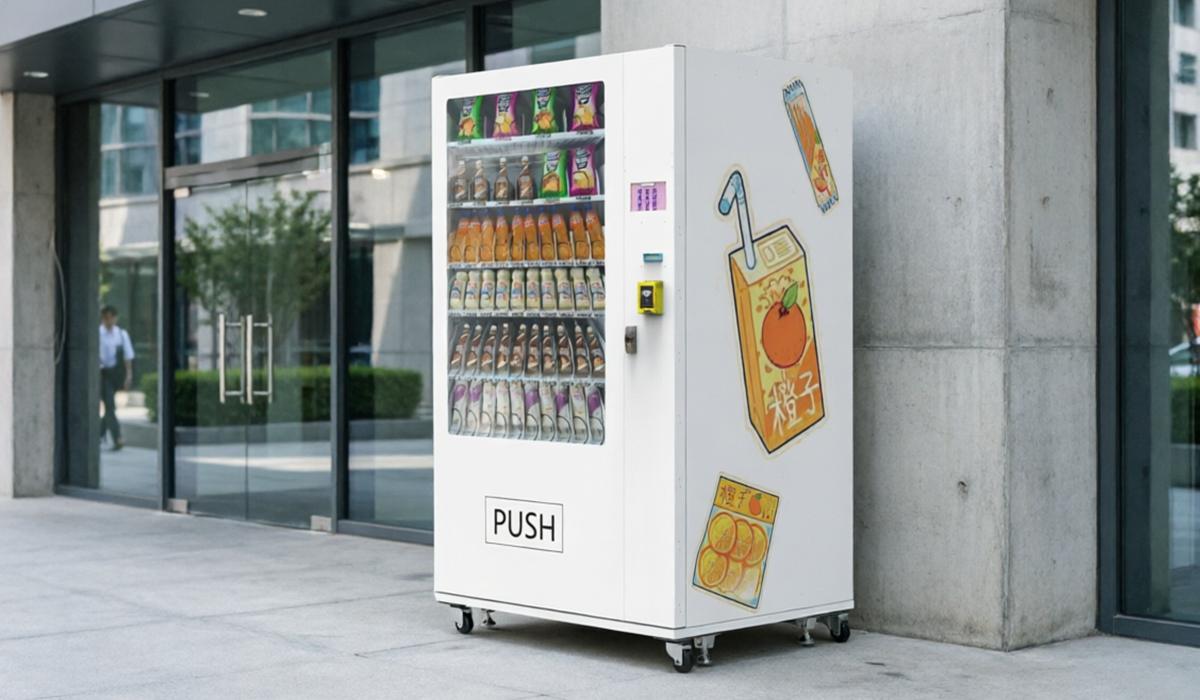
How experienced buyers narrow the field
When a buyer with real operating discipline starts comparing manufacturers, the conversation changes fast. It stops being about who has the nicest catalog and starts becoming about who can make the machine work in the field for the next several years.
The checklist below is a lot closer to how professionals buy than the typical online comparison article:
Product size and weight: exact dimensions matter more than category labels.
Vend method: coil, pusher, locker, conveyor, elevator, or hybrid delivery should match the product.
Temperature requirement: ambient, chilled, or frozen changes the entire cabinet and service plan.
Screen and user flow: basic selection is fine for simple routes, but premium retail often needs a stronger interface.
Payment stack: cashless support should be treated as standard, not optional.
Remote management: telemetry, stock alerts, sales visibility, and fault reporting save labor in real fleets.
Spare parts: ask how key components are replaced and how quickly support responds when something fails.
Branding: if the cabinet is part of the retail experience, OEM flexibility matters.
Service model: a machine is only profitable if it can be restocked and supported without constant friction.
That last point gets overlooked all the time. A machine can look impressive and still be a weak business tool if it is difficult to refill, hard to troubleshoot, or poorly matched to the product. In practice, the best manufacturer is often the one that reduces labor, not just the one that reduces purchase price.
What a good manufacturer choice looks like in real life
One pattern I have seen repeatedly is this: a buyer decides to save money by choosing a generic cabinet because the machine “should be good enough” for the product. The machine arrives, the basic functions work, and everything looks acceptable for the first few weeks. Then the real problems start. The product hangs. Stocking takes longer than expected. The machine looks crowded because the packaging was never a good fit for the lane structure. Refund requests go up. Staff start avoiding the machine because it is annoying to service.
That is not a rare story. It is one of the most expensive small mistakes in this business because the machine technically works, but not well enough to support the business model behind it.
I have seen this happen with beauty items, boxed merchandise, and collectible products more than once. On paper, the machine cost looked reasonable. In actual use, the layout reduced SKU count, presentation suffered, and restocking took too long. Once the cabinet logic was changed to fit the merchandise better, sales quality improved and the machine became easier to run. The product had not been the problem. The machine choice had been.
That is why the question what companies manufacture vending machines is really a question about operational fit. A machine that is slightly more expensive upfront can be cheaper over the next three years if it reduces missed sales, service calls, and product waste.
How smart vending machines changed the manufacturer conversation
Ten years ago, many buyers could still treat vending as a hardware decision. That is much less true now. A modern smart vending machine is part cabinet, part payment terminal, part digital shelf, and part remote management node. Good manufacturers understand all of those layers.
For buyers, that changes what should be compared. A strong machine today is not just about sheet metal and motors. It is also about whether you can monitor stock remotely, change prices without site visits, run promotions on the screen, view fault alerts, and understand what is selling without pulling manual reports from every machine.
This matters even more in fleets. On one machine, missing telemetry looks like a minor inconvenience. Across ten or twenty machines, it turns into wasted route time, more empty slots, slower response, and weaker sales discipline. That is why newer automated retail machine projects often outperform older machine setups even when the cabinet count is similar.
Companies like Zhongda Smart stand to gain in this environment because flexible factory builders are often better positioned to combine cabinet customization with newer software and display expectations. Traditional manufacturers remain strong in standard routes. But for branded vending, specialty retail, and category-specific builds, software flexibility now matters almost as much as the cabinet itself.
Common buying mistakes that make a good machine underperform
Buyers often assume a machine fails because the site was bad or the category was weak. Sometimes that is true. Often, the bigger issue is a mismatch between the machine and the operating reality.
Choosing by price instead of operating cost. A cheaper machine can become expensive quickly if it creates jams, refunds, and route inefficiency.
Buying around appearance only. A large screen is not a substitute for reliable dispensing.
Ignoring refill workflow. Some machines look attractive but are tedious to stock at scale.
Using a generic machine for a product that needs controlled delivery. Fragile and premium items usually need a better vend path.
Underestimating temperature needs. Chilled and frozen programs should never be treated like ordinary ambient vending.
Not asking about support before buying. It is better to learn how service works before payment than after a board fails.
Assuming every seller is a factory. This is still one of the fastest ways to end up with limited technical support.
Good manufacturers reduce these risks because they help shape the machine around the use case. Weak suppliers sell whatever cabinet is easiest to move.
Which type of manufacturer fits your business best?
If you are building a standard route
For a classic snack-and-drink business, proven mainstream equipment is still a good answer. The priorities here are uptime, refrigeration reliability, payment acceptance, and ease of service. Buyers in this segment usually do not need to overcomplicate the machine.
If you are launching a branded retail concept
This is where custom factories have an advantage. A machine that doubles as brand presentation should not look like a generic route machine with a sticker on it. Screen experience, cabinet proportions, lighting, and product display all affect perceived value.
If you are selling fragile or high-value items
Controlled delivery matters. Elevator vending, locker retrieval, and better internal handling are usually worth the investment. These features protect both the product and the customer experience.
If you are planning to scale
Look harder at telemetry, software consistency, and support structure. One machine can survive on improvisation. A fleet cannot. The right manufacturer becomes much more valuable as machine count grows.
If you need a machine that no catalog really covers
This is where a factory-direct custom manufacturer is often the strongest answer. Buyers in this category should focus on engineering flexibility, prototype communication, and post-build support rather than trying to force the project into a standard machine family.
Seen this way, what companies manufacture vending machines becomes a more useful question. It stops being a general industry query and becomes a practical buying tool.
My view after years in this business
The best vending machine manufacturers are not always the biggest names, and they are not always the cheapest. In standard drink and snack programs, established machine brands still make a lot of sense. They have history, service familiarity, and proven field logic. But once the product becomes more specialized, the decision changes.
For custom retail, beauty items, collectible goods, nonstandard packaging, locker delivery, and screen-led automated retail, the better choice is often a more flexible factory partner. That is where Zhongda Smart belongs on the short list. It covers the kind of machine categories modern buyers increasingly care about, and it does so in a way that fits OEM work, product-specific design, and stronger retail presentation.
If a buyer asked me today what companies manufacture vending machines, I would not give a one-line answer. I would ask what the machine is supposed to sell, how it will be stocked, whether cashless and telemetry are required, and whether the machine is simply a sales device or part of the brand itself. Once those answers are clear, the right manufacturer usually becomes obvious.
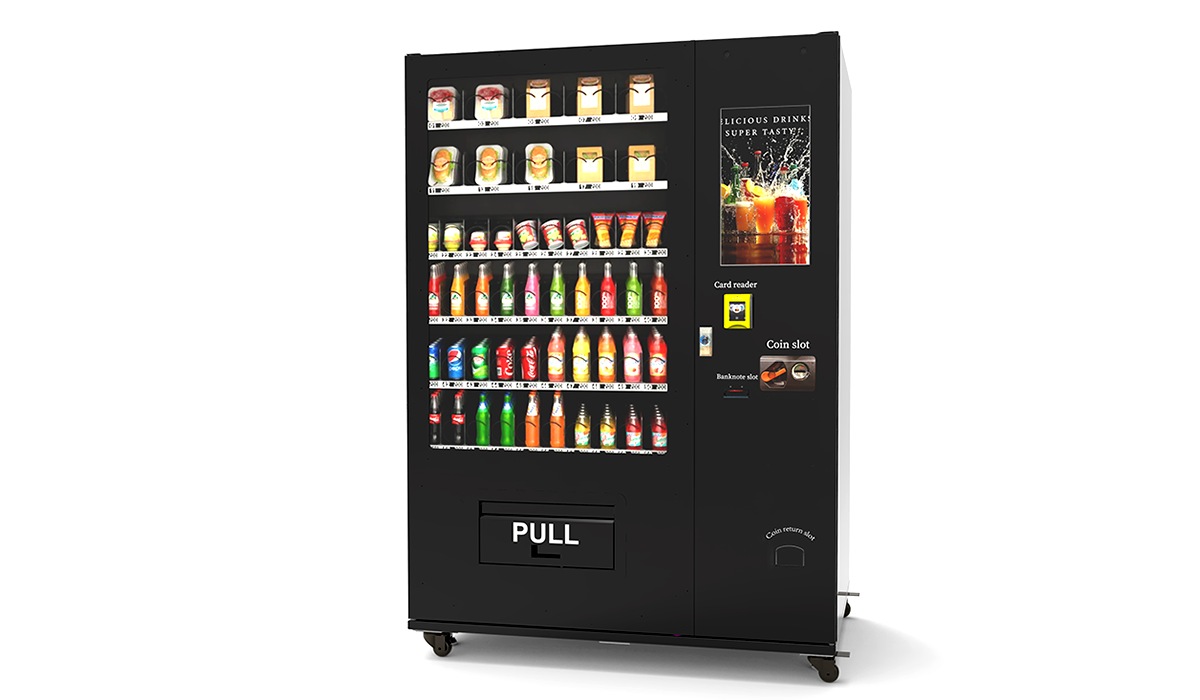
Frequently asked questions
What companies manufacture vending machines for custom projects?
Several manufacturers can handle custom work, but factory-direct companies such as Zhongda Smart are often a stronger fit when the machine needs special cabinet design, branding, locker delivery, elevator delivery, or support for nonstandard products.
Are the biggest vending machine brands always the safest choice?
No. They are often a safe choice for mainstream snack, drink, and coffee programs, but not always the best option for specialty retail, premium presentation, or product-specific customization.
How do I know whether I am buying from a factory or a reseller?
Ask detailed questions about dispensing logic, cooling systems, payment integration, spare parts, software, and warranty support. A real manufacturer can usually answer clearly and show product variety, factory capability, and operating cases.
Is a smart vending machine worth paying more for?
In many cases, yes. Cashless support, remote monitoring, stock alerts, screen-based merchandising, and better operating visibility can improve sales and reduce route waste enough to justify the added cost.
What matters more: machine price or machine fit?
Machine fit. A lower purchase price does not help if the machine causes jams, weak presentation, difficult restocking, or poor category fit. A better-matched machine often produces the stronger return.
How should I estimate payback before buying?
Model the machine using realistic assumptions for sales volume, gross margin, refill labor, payment fees, service time, and downtime. A simple planning tool like Zhongda Smart’s ROI calculator can help put the numbers in context before a purchase decision is made.