If you want the plain answer, the products that sell most in vending machines are still bottled water, soft drinks, energy drinks, chips, chocolate bars, cookies, crackers, and gum. That has not changed nearly as much as people think. After years in vending operations, one thing becomes obvious fast: buyers usually make up their minds in seconds. They reach for what they know, what feels convenient, and what looks worth the price right now. In most machines, cold drinks drive revenue, while familiar snacks keep unit sales moving. The strongest setups do not rely on guesswork. They use a practical mix of proven sellers, a few higher-margin items, and the right machine format to keep products moving without creating dead inventory.
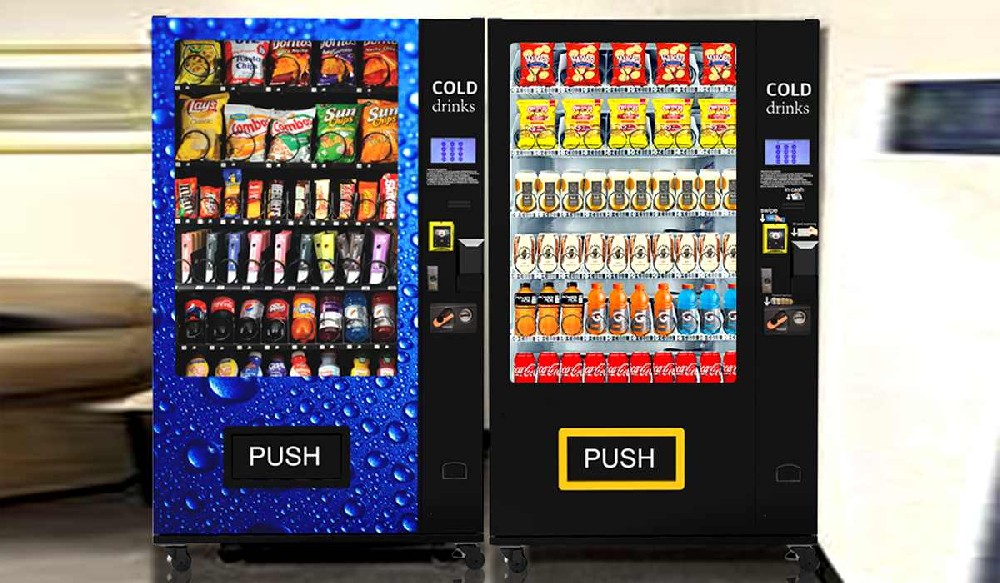
Most reliable high-volume sellers: bottled water, soda, energy drinks, chips, chocolate bars, cookies, crackers, and gum.
Best for revenue: cold drinks, especially energy drinks, sports drinks, and ready-to-drink coffee.
Best for small-slot margin: gum, mints, nuts, and protein bars.
This is a bigger business than many first-time buyers realize. NAMA said the convenience services industry reached an estimated $26.6 billion in annual revenue in 2023, and IBISWorld places the vending machine operators market at about $7.4 billion in 2025. Those numbers matter, but the real lesson is simpler: demand is there, yet product selection still decides which machines earn and which ones sit half full with slow stock. In day-to-day terms, the question behind what sells most in vending machines is rarely just about popularity. It is about repeat purchases, margin per slot, refill labor, payment convenience, and how quickly a machine can pay for itself.
What usually moves first in a vending machine
Most buyers do not stand in front of a machine and study every option. They scan, recognize, and buy. That is why familiar products do so well. A strong vending item is easy to spot, easy to trust, easy to consume, and easy to restock. That sounds basic, but a lot of weak machines fail because the product mix ignores those basics.
When operators try to answer what sells most in vending machines, they are usually trying to solve one of three real problems:
What should go into a new machine first
Which products deserve more slots and deeper stock
Which categories can improve vending machine ROI fastest
The products that move best usually have the same traits:
Instant brand recognition
Clear value at a glance
Packaging that shows well behind glass
Easy fit in standard vending delivery systems
Steady shelf life
Low refund risk after dispense
This is also why many “interesting” products do worse than expected. A product can look exciting in a catalog and still be weak in a real machine if the package is awkward, the flavor is too niche, the shelf life is short, or the buyer has to think too hard before pressing the button.
The top 15 bestselling vending machine products
Below is the lineup that holds up best in actual operation. It reflects sales speed, margin potential, package practicality, and the kind of repeat demand that keeps a slot worth its space. Some items win on volume. Some win on ticket size. The best mix usually includes both.
| Rank | Product Category | Sales Speed | Margin Potential | Risk Level | Why It Works |
|---|---|---|---|---|---|
| 1 | Bottled water | Very high | Medium | Low | Fast decision, universal demand, almost no friction |
| 2 | Carbonated soft drinks | Very high | Medium | Low | Habit purchase with strong brand pull |
| 3 | Energy drinks | High | High | Low | Higher ticket value and strong repeat purchase behavior |
| 4 | Sports drinks | High | Medium | Low | Function-led purchase and good price tolerance |
| 5 | Classic potato chips | Very high | High | Low | Familiar, visible, and easy impulse buy |
| 6 | Cheese snacks or tortilla chips | High | High | Low | Strong flavor appeal and reliable repeat sales |
| 7 | Chocolate bars | High | High | Medium | Comfort buy with steady demand |
| 8 | Gum and mints | High | Very high | Low | Small footprint, low cost, easy repeat purchase |
| 9 | Cookies | High | High | Low | Broad appeal and easy packaging |
| 10 | Crackers and baked salty snacks | High | High | Low | Good everyday choice with low mess |
| 11 | Protein bars | Medium to high | High | Low | Higher price acceptance and “better-for-you” appeal |
| 12 | Trail mix and nuts | Medium to high | High | Low | Strong perceived value in a small pack |
| 13 | Iced coffee drinks | Medium to high | High | Low | Premium beverage spend and strong convenience appeal |
| 14 | Ready-to-drink tea | Medium | Medium | Low | Alternative for buyers skipping soda |
| 15 | Jerky or meat snacks | Medium | High | Low | Compact, distinctive, and often strong on margin |
What does not usually lead the list? Oversized bags, fragile pastries, obscure nutrition drinks, and novelty products with weak repeat demand. They can work in the right machine, but they are not the foundation of a dependable route.
Why cold drinks carry so many machines
In many machines, beverages do more of the heavy lifting than snacks. Part of that comes down to price. A drink often sells at a higher price point than a small snack, and the buyer usually decides faster. Cold is visible. Thirst is immediate. Familiar drink brands remove hesitation.
Grand View Research estimated that the beverage segment accounted for 38.08% of revenue in the retail vending machine market in 2024. That lines up with what many operators already know from weekly sales reports: a refrigerated machine with a weak beverage lineup is hard to rescue. A strong beverage set can keep the cabinet productive even when snack performance is only average.
The beverage categories that tend to perform best are:
Water for all-day, low-friction demand
Soft drinks for habit purchases
Energy drinks for higher ticket value
Sports drinks for functional hydration
Iced coffee for premium convenience buying
If you want to compare cabinet layouts built around these categories, Zhongda Smart’s drink vending machine range is useful for seeing how cooling, shelf layout, and product spacing affect what a machine can really carry.
The snack categories that earn their space
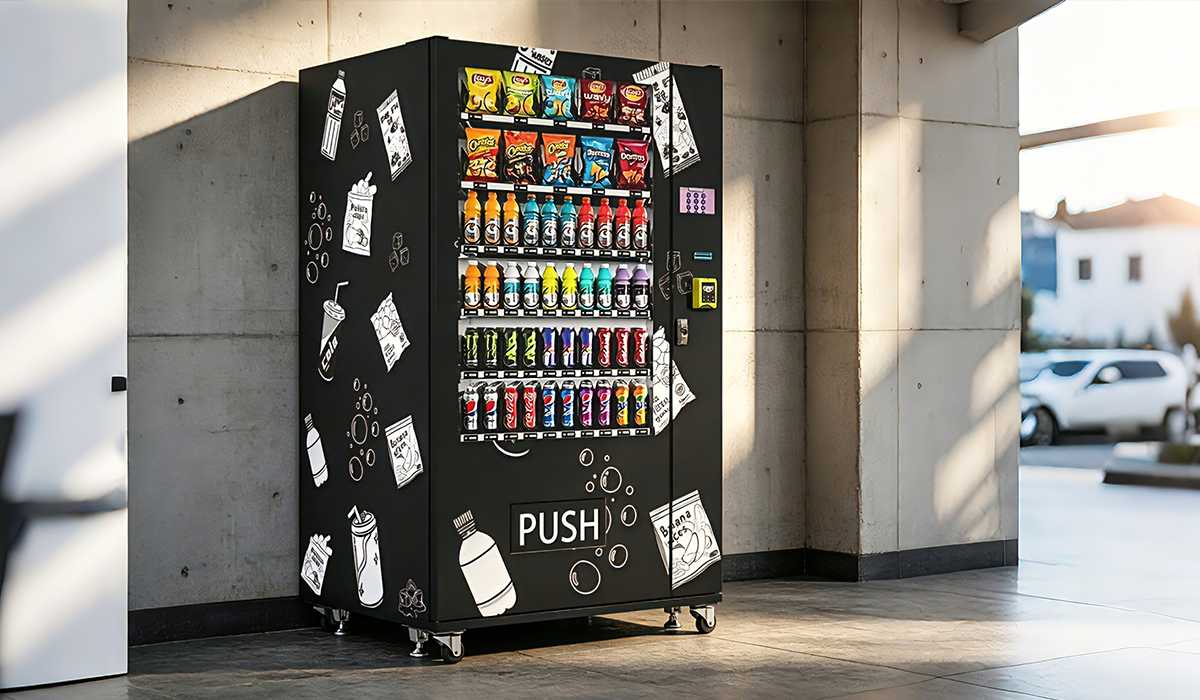
On the snack side, the strongest products are rarely surprising. Chips, cookies, crackers, chocolate, and gum keep showing up as winners because they are recognizable, easy to load, and easy to buy on impulse. In real operation, those qualities matter more than trend value.
One mistake I see a lot is operators giving too much space to products they personally like instead of products that actually turn. A machine ends up with six slow health snacks that each sell a little, while two top-selling chips and one proven chocolate bar keep running out. That is not a product problem. That is a slot allocation problem.
A more practical snack mix usually looks like this:
Core volume: chips, cookies, chocolate
Margin support: gum, mints, nuts, protein bars
Variety layer: one or two alternatives for repeat buyers
Test layer: one or two trial SKUs only
| Snack Layer | Suggested Slot Share | Main Job |
|---|---|---|
| Salty core snacks | 30% to 35% | Fast turnover and wide appeal |
| Sweet snacks and chocolate | 20% to 25% | Impulse sales and repeat purchases |
| Cookies and crackers | 15% to 20% | Balanced everyday choice |
| Health-positioned snacks | 10% to 15% | Cover premium and better-for-you demand |
| Micro-items | 5% to 10% | Strong profit in a small footprint |
| Controlled test items | About 5% | Learn without dragging inventory |
That kind of mix keeps the machine practical. It also answers a more useful version of what sells most in vending machines: what sells often enough to deserve space week after week.
Where healthy products fit, and where they do not
Healthy items absolutely have a place in vending, but they usually work best as part of the mix, not as the whole story. Protein bars, nuts, trail mix, lower-sugar drinks, and functional beverages can perform well, especially when the buyer is already willing to spend a little more. Still, they do not automatically replace classic snacks.
In most mixed machines, “better-for-you” products work as a second layer of the assortment. They widen the offer and lift average price, but they rarely carry the cabinet by themselves. Buyers may say they want healthier choices, yet actual purchase behavior is usually split between comfort, function, and convenience. That is why a protein bar can do very well in one machine and move slowly in the next.
If you want healthier items to work, keep the rules simple:
Start with familiar formats
Use products with clear value at a glance
Avoid packaging that jams or drops badly
Test only a few new items at a time
Watch weekly sell-through, not just monthly totals
When healthy items do well, they often help more on ticket value than on pure unit count. That is still useful. A machine does not need every product to be a volume leader. It needs enough products that pull traffic and enough products that raise profit.
What sells best in different machine settings
There is no one planogram that works everywhere. Product mix should match traffic pattern, dwell time, and buyer mindset. This is where a smart vending machine or self-service kiosk becomes more than a nice feature. Telemetry makes it easier to cut opinions out of the process and let actual sales shape the assortment.
| Machine Setting | Products That Usually Sell Best | What Usually Underperforms | Best Machine Priority |
|---|---|---|---|
| Office and workplace | Water, soda, chips, chocolate, protein bars, iced coffee | Oversized novelty snacks | Cashless combo machine |
| Fitness and recreation | Sports drinks, water, energy drinks, nuts, protein bars | Too many sugar-heavy low-value snacks | Cold drink focus |
| School and campus | Water, juice, crackers, cookies, gum, baked snacks | Fragile items and awkward packs | Reliable mixed cabinet |
| Hotel and waiting area | Water, soda, chips, cookies, mints, travel-size basics | Overloaded flavor duplication | Compact visual layout |
| Retail traffic | Cold drinks, candy, chips, premium beverages, impulse snacks | Slow niche wellness items in too many slots | High-visibility touchscreen |
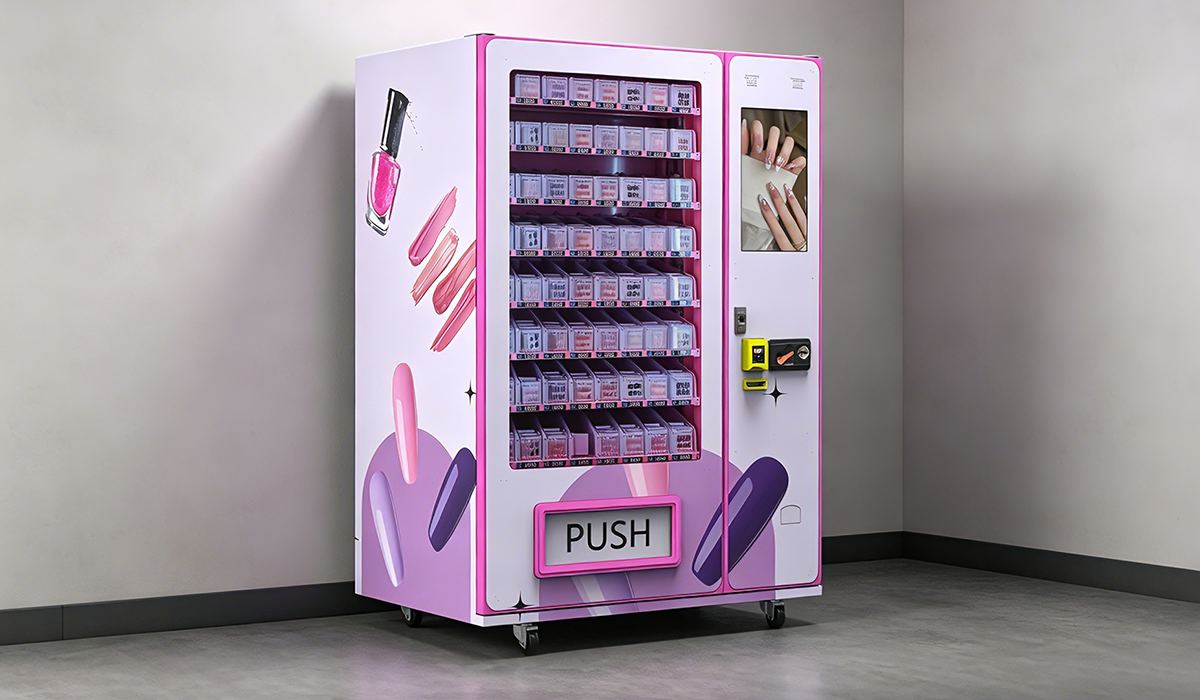
| Specialty retail program | Beauty products, accessories, collectibles, boxed goods | Standard snack spirals for delicate items | Locker or elevator delivery |
This is where hardware choice matters. If the plan is to vend more than standard snacks and drinks, forcing everything through a basic spiral cabinet usually creates problems later. Zhongda Smart’s vending machine catalog and custom vending machine options are worth reviewing if you need different delivery systems, tray spacing, cabinet sizes, or a machine designed around nonstandard products.
Which products make the most money
People often ask for the single most profitable vending item, but that question is a little too simple to be useful. In real operation, profit depends on four numbers working together:
Unit cost
Selling price
Units sold per week
Inventory waste and service effort
A candy bar with a strong markup can still lose to bottled water if the water sells twice as often and never sits stale. A protein bar can beat both if buyers accept the higher price and the machine keeps turning through stock cleanly. Good operators usually judge products by slot productivity, not just markup percentage.
| Item | Unit Cost | Selling Price | Gross Profit per Unit | Units per Week | Gross Profit per Slot per Week |
|---|---|---|---|---|---|
| Bottled water | $0.45 | $1.75 | $1.30 | 24 | $31.20 |
| Chocolate bar | $0.70 | $2.00 | $1.30 | 14 | $18.20 |
| Protein bar | $1.20 | $3.25 | $2.05 | 10 | $20.50 |
| Energy drink | $1.45 | $3.75 | $2.30 | 16 | $36.80 |
That is why the better question is not only what sells fast, but which products earn their space. High-demand vending machine items matter, but so does what they contribute to the machine once service cost and sell-through are factored in.
Why cashless payment changes the product mix
Payment method changes buyer behavior more than many people expect. Cantaloupe reported that the average cashless vending ticket in 2023 was $2.26, compared with $1.46 for cash purchases. That gap is hard to ignore. When buyers can tap their card or phone, they are more willing to choose premium drinks, protein bars, or a two-item purchase instead of only the cheapest option.
Once a machine moves to cashless, operators usually gain more than payment convenience:
Higher average ticket potential
Better reporting and inventory data
Fewer missed sales from no-cash buyers
Cleaner product and price testing
More room for premium beverages and premium snacks
If you are still comparing machine setups, Zhongda Smart’s guide on what to look for when buying a vending machine is useful because it covers machine size, payment systems, product fit, and smart operation in plain terms.
How I would stock a new machine first
When I launch a new machine, I do not try to look clever. I start with products that have already proven they can move. The first month is for learning, not showing off variety. Too many operators overload a new machine with experimental products and then wonder why half the cabinet feels stuck.
A practical first-load mix
40% beverages led by water, soda, sports drinks, and energy drinks
25% classic salty snacks
15% sweet snacks and chocolate
10% cookies, crackers, and similar grab-and-go items
10% healthy or premium products
Then I watch four simple numbers every week:
Units sold per SKU
Gross profit per slot
Out-of-stock frequency
Inventory still sitting after 14 days
Any item that cannot justify its space gets replaced quickly. The machines that do well over time are usually not the ones with the most variety. They are the ones that protect their winners and cut slow stock without getting sentimental about it.
A common mistake that quietly kills sales
One pattern shows up over and over again: operators spread their slots too thin. Instead of giving extra space to the few items that clearly sell, they keep too many “maybe” products alive. The result is a machine that looks varied but sells only moderately across the board. In practice, that almost always earns less than a machine that doubles down on the products buyers already trust.
Expert recommendation: If a product sells out before the normal service cycle, that is often a sign to increase facings first. Raising price can come later, but the first fix is usually to stop leaving money behind through avoidable out-of-stocks.
Why machine design still matters
The right products can still underperform in the wrong cabinet. Tall drinks scrape. Light bags misdrop. Fragile packs get damaged. Boxed items look good in theory but fail in a standard spiral machine. This is where manufacturing experience matters more than brochure language.
In practical terms, the machine type should match the product type:
Spiral machines: best for chips, candy, bars, cookies, and many packaged snacks
Drink machines: best for cans and bottles that need steady cooling
Combo machines: best for balanced snack-and-drink programs
Locker machines: best for boxed, premium, or irregular items
Elevator delivery machines: best for fragile items that need gentler handling
Compact formats: best where space is tight and SKU count is intentionally limited
If your plan includes cosmetics, accessories, gifts, or specialty retail, the cabinet should be chosen around those items from the start. That is one reason many buyers look at OEM vending machine development instead of trying to force a generic machine into a job it was never built for.
How to estimate payback before you buy
Every serious buyer gets to the same question sooner or later: how long will this machine take to pay back? The easiest way to get this wrong is to focus only on cabinet price. Machine cost matters, but so do stock cost, transaction fees, rent or commission, refill labor, service visits, and the actual daily sales the location can support.
A workable payback estimate should include:
Machine price
Initial inventory
Shipping and setup
Monthly site cost or revenue share
Payment and system fees
Average daily sales
Gross margin percentage
Service and maintenance cost
If you want a quick planning tool, Zhongda Smart’s vending machine ROI calculator is useful because it breaks the economics into straightforward numbers: total investment, monthly gross profit, operating cost, monthly net profit, break-even point, and annual return.
| Planning Input | Sample Figure |
|---|---|
| Machine cost | $2,300 |
| Initial stock | $450 |
| Daily revenue | $42 |
| Gross margin | 48% |
| Monthly operating cost | $290 |
| Estimated monthly net profit | About $315 |
| Estimated break-even | About 9 months |
Those are only sample numbers, but they show how the math should be approached. A good machine does not need fantasy margins. It needs reliable sales, sensible operating costs, and a product mix built for the real buying habits in front of it.
The products I would not overstock
Some products look promising but often create more trouble than value when operators give them too much space too early. These are the categories I handle carefully unless there is very clear demand data behind them:
Oversized snack bags that crowd out faster sellers
Fragile pastries that break or go stale quickly
Niche wellness drinks with weak brand recognition
Awkwardly shaped packages that misdrop
Products with short shelf life and low repeat purchase
That does not mean they can never work. It just means they should earn their space the same way every other item does: through real sales, not optimism.
Where Zhongda Smart fits for operators and buyers
If the goal is a standard snack-and-drink setup, many machine options exist. But once the project involves customized branding, nonstandard product sizes, specialty retail items, or different delivery logic, factory capability starts to matter a lot more. Zhongda Smart stands out here because it is not just listing generic cabinets. It also supports customization, different dispensing formats, and machine planning built around the products you actually want to sell.
These pages are the most useful starting points if you are comparing options:
Together, those pages cover the things buyers usually need to sort out before ordering: product fit, cabinet design, payment setup, customization, and return expectations.
Final takeaway
So, what sells most in vending machines? In most real-world setups, the answer is still bottled water, soda, energy drinks, sports drinks, chips, chocolate bars, cookies, crackers, and gum. Those products keep winning because buyers know them, trust them, and can decide on them in seconds.
The more useful takeaway, though, is this: the best-selling vending machine items are the ones that fit the location, fit the machine, stay in stock, and earn enough per slot to justify their space. Operators who do well long term usually stick to that discipline. They start with proven products, test carefully, protect their winners, and stop treating slow stock like it deserves endless chances.
FAQ
What are the top 5 items to stock in a vending machine first?
If you are starting fresh, bottled water, soft drinks, chips, chocolate bars, and cookies are usually the safest first choices. They cover the widest range of impulse buying habits and give you clean early sales data.
What sells most in vending machines overall?
Cold drinks and familiar packaged snacks usually lead. Bottled water, soda, energy drinks, chips, chocolate, cookies, crackers, and gum remain the most dependable high-volume products in most machines.
Are drinks or snacks better for profit?
Drinks often lead on revenue because they usually sell at higher prices, especially in cashless refrigerated machines. Snacks can still be very profitable when they turn faster and hold strong margin in small slots.
How many healthy items should a vending machine carry?
In a standard mixed machine, a healthy or premium layer of around 10% to 15% of slots is usually a good starting point. That is enough to test demand without slowing down the whole assortment.
What products should not go into a vending machine?
Be careful with fragile pastries, oversized bags, oddly shaped packaging, short-shelf-life items, and niche products with weak repeat demand. These often create stock drag or delivery issues unless the machine is built for them.
How do I know when a machine needs a larger drink selection?
If drinks keep selling out before the next service visit, or if beverage revenue is clearly carrying the machine, it usually makes sense to add more drink facings or move to a setup with stronger cold drink capacity.
Does cashless payment really help vending sales?
In many cases, yes. Cashless payment lowers friction, supports higher average tickets, and makes it easier to sell premium beverages and premium snacks.
What type of machine works best for the top-selling categories?
For most operators, a combo snack-and-drink machine is the safest starting point. If the focus is mainly beverages, a dedicated drink machine may perform better. For fragile or boxed products, locker or elevator delivery is usually the better choice.
Author note
This article is based on hands-on vending operation experience, product planning, and machine-side dispensing analysis. Product performance can vary with traffic quality, pricing, refill discipline, payment setup, and machine uptime. Any revenue, margin, or ROI figures in this article are example figures for planning only, not guaranteed business results.
Sources
[1] NAMA, convenience services industry annual revenue estimate: https://namanow.org/annual-convenience-services-industry-revenue-reaches-26-6-billion-matching-pre-pandemic-level/
[2] IBISWorld, vending machine operators market size: https://www.ibisworld.com/industry/statistics/marketsize.aspx?entid=1113
[3] Cantaloupe, cashless vending ticket size and transaction trends: https://www.cantaloupe.com/wp-content/uploads/2024/11/Vending-Trends-2024.pdf
[4] Grand View Research, beverage segment share in retail vending: https://www.grandviewresearch.com/industry-analysis/us-retail-vending-machine-market-report
[5] U.S. Census Bureau, vending machine operators industry profile: https://data.census.gov/profile/445132_-_Vending_Machine_Operators?codeset=naics~445132&g=010XX00US