How much does it cost to build a custom vending machine? In most real projects, the workable range is about $3,000 to $30,000+ per unit. A simple branded machine built on a proven platform can stay near the lower end. A fully connected smart vending machine with refrigeration, custom software, a large screen, specialty dispensing, and a unique cabinet can rise far above that. The gap comes down to engineering depth, not just machine size. If you are pricing a project for actual sales rather than for a rough idea, the right way to look at it is by layers: cabinet, dispensing system, payment hardware, software, testing, packaging, and long-term operating cost. That is where the real number comes from, and that is what separates a practical quote from an expensive guess.
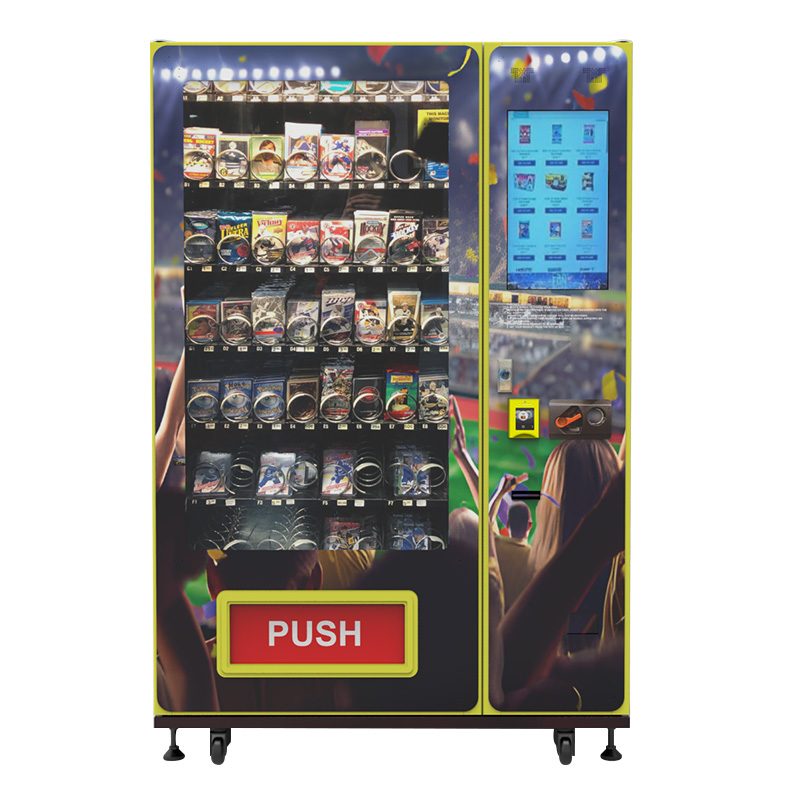
Quick answer: A practical custom vending machine budget usually falls between$3,000 and $10,000 when the build starts from an existing commercial platform. Once you add refrigeration, custom delivery logic, a touchscreen, telemetry, and one-off engineering, the project can move into the $10,000 to $30,000+ range.
That answer sounds simple, but buyers get into trouble when they treat every custom machine as the same product. It is not. A wall-mounted unit that vends compact retail items is a different job from a refrigerated beverage machine. A locker system for apparel is a different job from an elevator vending machine made to protect fragile goods. Even two machines that look almost identical in photos can have very different costs once you look at payment integration, software ownership, internal layout, and how the product actually drops or gets delivered.
After years in vending operations and years working alongside factory teams on custom projects, I have learned that the best budgeting conversations start with one question: What does this machine need to do well every day? If that answer is clear, the budget becomes easier to control. If it is vague, the quote usually grows every time the specification changes.
A Realistic Price Range by Machine Type
The easiest way to understand custom vending machine cost is to compare machine categories instead of chasing one average number. Different formats bring different material costs, mechanical demands, and software needs.
| Machine Type | Typical Build Cost | Best Use Case | What Usually Raises the Price |
|---|---|---|---|
| Mini tabletop machine | $600–$1,500 | Small retail items, samples, cosmetics | Touchscreen, branding, cashless payment, remote monitoring |
| Wall-mounted vending machine | $900–$1,800 | Low-footprint placement, controlled product size | Security upgrades, payment options, age verification |
| Standard full-size machine | $1,800–$4,500 | Snacks, daily essentials, mixed merchandise | Screen size, telemetry, payment stack, cabinet finish |
| Refrigerated vending machine | $2,500–$6,500 | Cold drinks, chilled snacks, temperature-sensitive goods | Cooling system, insulation, compressor quality, testing |
| Locker vending machine | $3,000–$10,000 | Apparel, boxed goods, larger items | Compartment design, larger screen, software logic |
| Elevator vending machine | $3,500–$12,000 | Fragile, premium, or irregularly shaped products | Lift mechanism, guided delivery, larger cabinet, software |
| Deep custom branded machine | $8,000–$30,000+ | Premium retail programs, launch campaigns, specialty concepts | One-off engineering, cabinet redesign, custom UI, low-volume build |
This range lines up with current market-facing product pricing from Zhongda Smart’s catalog, where compact tabletop units appear around $664, wall-mounted machines around$991–$999, mainstream touchscreen models around $2,320, and elevator-based machines around $2,943, before project-specific changes are added.That matters because many buyers assume a custom machine must begin as a blank-sheet design. In practice, the most cost-effective custom build usually starts with an established base model and then modifies the parts that actually affect sales, fit, or service.
Where the Money Really Goes
If you want a useful answer to How much does it cost to build a custom vending machine, do not look at the machine as one line item. Break it into parts. That is how experienced buyers compare quotes without getting distracted by a low starting price that leaves out half the job.
Cabinet and structural work
The cabinet sets the foundation for everything else. Steel thickness, locking system, powder coating, service access, visible window size, and internal spacing all affect the number. If you stay with standard dimensions, this part stays manageable. If you want a special footprint, custom front profile, or a highly branded shell, the price climbs fast because fabrication becomes less repeatable and assembly gets slower.
Dispensing system
A standard spiral setup is the most affordable option for stable packaged goods. Conveyor systems, lockers, and elevator-assisted delivery cost more, but they open the door to products that would otherwise jam, drop badly, or get damaged. This is one of the clearest places where spending a little more upfront can save a lot later. Failed vends hurt revenue, create refunds, and make the machine feel unreliable even when the cabinet looks premium.
Cooling or thermal control
A refrigerated vending machine costs more for a reason. You are not just adding a cooler. You are paying for compressor quality, airflow design, insulation, temperature control, and the stability needed to protect product quality under real operating conditions. Buyers who try to save money here often end up with the wrong machine for the product, and that mistake is expensive.
Payment hardware
Cashless payment is no longer a “nice to have” on most serious projects. Card acceptance, NFC, QR payment, and receipt logic all improve conversion, but they also bring hardware, integration, and sometimes certification cost. A machine that only takes bills may look cheaper on paper. In operation, it often leaves money on the table.
Screen, user interface, and software
This is where quotes often drift apart. One machine may include a simple display. Another may include a commercial touchscreen tied to a real back office. That difference is huge. Remote management software can help you review sales, adjust pricing, track stock, and reduce site visits. For one machine, it may feel optional. For several machines, it becomes one of the smartest investments in the project.
Branding and design customization
A vinyl wrap is affordable. A cabinet rework is not. That distinction matters. If your goal is to make the machine unmistakably yours, branding can often be handled cleanly without forcing a full structural redesign. The moment you change the machine’s body shape, door geometry, screen position, or product path, the engineering budget moves.
Testing, packaging, and freight readiness
These costs are easy to ignore in early discussions and impossible to ignore once the build is real. Machines need burn-in testing, safe export packaging, and sometimes extra checks if the delivery path is handling fragile goods. Even broad operating conditions matter. In March 2026, the Consumer Price Index rose 3.3% year over year, a reminder that materials, transport, and service inputs rarely stay flat for long.[3]
A Practical Feature-by-Feature Budget
Here is a cleaner way to estimate cost before you request final pricing. Start with a standard commercial machine, then add only the features that will make the machine more profitable, easier to run, or better matched to the product.
| Feature | Typical Add-On Cost | Why It Matters |
|---|---|---|
| Exterior wrap and brand package | $150–$800 | Strong visual identity without deep cabinet redesign |
| Non-standard cabinet size | $500–$2,500 | Needed when product size or placement is unusual |
| Commercial touchscreen upgrade | $250–$1,500 | Improves navigation, product display, and brand feel |
| Card / NFC / QR payment package | $300–$1,500 | Improves conversion and cuts cash handling problems |
| Telemetry and remote dashboard | $100–$800 upfront | Supports stock monitoring and route efficiency |
| Refrigeration package | $600–$2,500 | Required for cold drinks and temperature-sensitive products |
| Elevator delivery system | $800–$2,500 | Reduces damage for fragile or premium products |
| Locker-based dispensing | $1,000–$4,000 | Useful for apparel, meal boxes, and larger products |
| Custom software UI or API work | $1,000–$10,000+ | Needed for advanced branding, loyalty, or system integration |
| Compliance testing and validation | $500–$5,000+ | Varies with machine type, market requirements, and features |
A lightly customized vending machine usually costs far less than a fully re-engineered build. That sounds obvious, but many projects quietly shift from “customized” to “custom-built” because too many decisions stay open for too long. Once that happens, costs stack quickly.
Prototype Cost vs. Production Cost
This is one of the biggest misunderstandings in the business. A one-unit pilot price is not a fair benchmark for a production run. The first machine absorbs engineering time, sourcing changes, testing, setup, and the practical cost of solving problems for the first time. Later units are cheaper because that work has already been done.
| Order Quantity | What Usually Happens | Per-Unit Cost Effect |
|---|---|---|
| 1 unit | Pilot build, more engineering time, slower sourcing | Highest per-unit cost |
| 2–5 units | Better planning, some repeatability, limited savings | Moderate improvement |
| 10–20 units | More stable production flow, better purchasing leverage | Meaningful drop in unit cost |
| 50+ units | Stronger consistency, easier component planning | Best pricing efficiency |
A one-unit custom vending machine is often where buyers learn what their specification really means in manufacturing terms. That is not a bad thing. In fact, it can save money later. Zhongda Smart’s OEM custom program supports low minimum order quantities, including MOQ 1, which makes it easier to test a concept before committing to a larger rollout.
In actual factory quoting, the biggest gap rarely comes from the cabinet alone. It usually comes from whether the product can run on a standard dispensing path or needs a revised internal layout, different delivery method, or custom electronics. That is why the first machine almost always teaches something the spec sheet did not.
Three Sample Budget Scenarios
Cost becomes much easier to understand when you connect it to a business model. Here are three common paths buyers take.
1) Light custom build for a pilot program
This is the best fit for a startup, a retail test, or a branded product launch where the buyer wants to prove demand without overspending early.
| Cost Item | Estimated Cost |
|---|---|
| Compact or standard machine base | $900–$2,000 |
| Exterior branding | $150–$500 |
| Cashless payment package | $300–$900 |
| Basic remote monitoring | $100–$300 |
| Packaging and prep | $150–$400 |
| Total | $1,600–$4,100 |
For many buyers, this is where the smartest money is spent. It gives you a branded, cashless machine without dragging the project into months of engineering work.
2) Smart beverage or combo machine for daily operation
This is the category many commercial buyers land in. It covers real use, not just a showcase machine.
| Cost Item | Estimated Cost |
|---|---|
| Refrigerated or combo cabinet | $2,200–$3,500 |
| Touchscreen interface | $300–$900 |
| Card / NFC / QR payment | $500–$1,200 |
| Telemetry and dashboard | $200–$600 |
| Branding and finish | $250–$700 |
| Total | $3,450–$6,900 |
This is also the range where features start to pay for themselves. Better payment acceptance, more reliable cooling, and a clearer service interface can protect profit far better than shaving a few hundred dollars off the quote.
3) Premium machine for fragile or high-value products
If the product needs careful handling or a better retail presentation, costs rise because the machine is doing more than just vending.
| Cost Item | Estimated Cost |
|---|---|
| Large custom chassis | $2,800–$5,000 |
| Elevator or locker delivery | $1,200–$3,500 |
| Larger commercial screen | $500–$1,500 |
| Advanced UI or software work | $1,000–$5,000 |
| Custom branding and cabinet details | $500–$2,000 |
| Testing and export preparation | $800–$3,000 |
| Total | $6,800–$20,000+ |
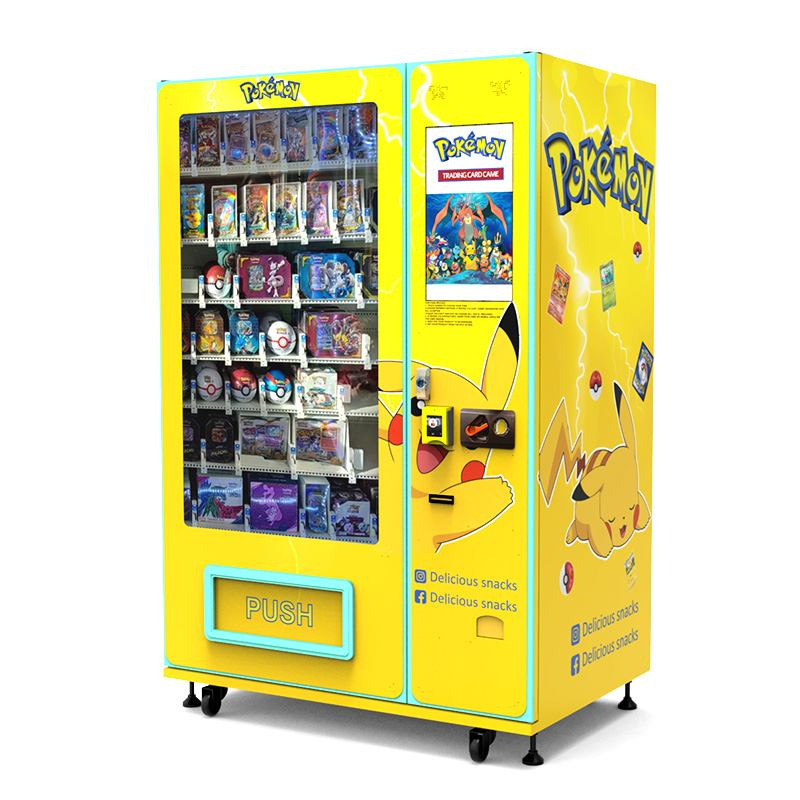
A custom vending machine starts to make commercial sense once the machine is helping you sell a product that a standard unit cannot handle well, present well, or protect well. That is when customization stops being cosmetic and starts being operational.
The Costs That Usually Get Missed in Early Quotes
The first quote is rarely the full picture. Not because the supplier is hiding everything, but because the buyer has not fully defined the project yet. These are the costs that get missed most often:
Software setup or recurring platform fees. A machine may include hardware but not the full cloud service model the buyer expects.
Payment processing costs. Small transactions can lose margin faster than buyers expect once fees are applied.
Spare parts and downtime planning. One missing critical part can take a machine offline longer than the buyer anticipated.
Freight readiness. Packaging, palletizing, and safe export prep matter more than people think.
Site readiness. Door width, elevator access, power capacity, and floor location can affect installation cost.
Refill and service labor. A cheaper machine that is harder to stock may cost more over time.
That last point gets overlooked all the time. Cheap equipment can turn into expensive equipment once you start sending people back to the machine more often than planned. The best custom vending machine is rarely the cheapest one upfront. It is the one that protects margin after deployment.
What Is Worth Paying More For
Not every upgrade gives the same return. Some features look impressive but do very little for sales or service. Others quietly improve profit month after month.
Usually worth the money
Reliable payment hardware because payment friction kills conversions fast.
Better cooling if the product depends on stable temperature.
Elevator delivery when product damage would trigger refunds or poor customer reviews.
Remote management software when you are operating more than one location.
Good service access because stocking and repairs happen over and over again.
Often not worth the extra money at the start
Oversized screens with no clear promotional plan
Deep cabinet redesign before the product model is validated
Too many payment options for a simple use case
Fancy software layers that do not improve sales, stock control, or service speed
Most quote mistakes start before the factory even replies. The product spec is still vague, the order quantity is unknown, and the buyer has not decided whether the machine needs a standard spiral, an elevator, or a locker layout. Once those decisions are loose, every quote feels hard to compare.
What Buyers Should Prepare Before Asking for Pricing
If you want accurate pricing instead of a broad estimate, prepare these details first:
Exact product dimensions and weight
Number of SKUs you want the machine to hold
Ambient, chilled, or specialty temperature needs
Preferred payment methods
Screen size or media display requirements
Whether the machine needs remote monitoring
Estimated order quantity
Whether the product needs standard drop, guided delivery, locker access, or elevator delivery
How strongly the machine needs to reflect brand design
Before requesting pricing, fix the product spec first. That one step makes factory communication faster, reduces revision cycles, and keeps the project closer to the original budget.
If you want to compare existing machine types before locking a custom brief, it helps to review a wide product range first. Zhongda Smart’s product catalog shows current machine formats across beverages, beauty, collectibles, lockers, and compact retail units. For buyers who already know they need a custom route, the OEM custom vending machine page is the more direct reference because it lays out the factory’s customization options for cabinet style, payment, software, and delivery logic.
A Simple Return Model
Machine cost only tells part of the story. A better question is whether the machine can earn back its build cost in a reasonable time. The wider self-service retail market continues to grow, with Grand View Research estimating the retail vending machine market at $75.02 billion in 2025 and projecting it to reach $99.23 billion by 2033.[2] That growth does not guarantee success for every machine, but it does show why buyers keep investing in smarter and more specialized equipment.
Here is a simple operating model for a custom machine that lands fully deployed at$6,500:
| Item | Monthly Amount |
|---|---|
| Gross sales | $1,400 |
| Cost of goods (45%) | -$630 |
| Payment + platform costs (6%) | -$84 |
| Service + overhead | -$220 |
| Estimated monthly operating profit | $466 |
At that level, simple payback is about 14 months. That is not a universal number, but it is a helpful way to think. A machine that costs more upfront may still win if it cuts failed vends, protects fragile product, or reduces service labor. If you want to model this more closely with your own assumptions, Zhongda Smart’s vending machine ROI calculator is a practical next step because it lets you estimate payback, profit, and multi-machine return using your own numbers.
How Zhongda Smart Fits into the Decision
When buyers are comparing manufacturing partners, they usually need three things: a product base that already works, flexibility in customization, and enough factory experience to keep the project from drifting. Zhongda Smart stands out because it covers both standard and specialty vending formats, from compact tabletop machines to elevator and locker systems, while also offering OEM customization, software support, and low-MOQ project entry.
That matters because the safest custom projects do not start with a sketch. They start with a proven structure, then change only what needs to change. That approach is usually faster, more stable, and easier to scale if the first machine performs well.
For buyers who want to see how different machine types are used in real commercial situations, the case page is worth reviewing. It gives a broader sense of how machine format, product category, and display style come together in finished projects. If your team is already narrowing down a specification and wants a direct quote path, use the contact page after the product dimensions, temperature needs, payment options, and target quantity are clear.
My Straight Answer After Years in the Business
If a buyer asks me today, How much does it cost to build a custom vending machine, I do not jump to one number. I ask what the machine is selling, how it needs to vend, and how many units the buyer actually expects to build. Still, if we are keeping it practical, here is the realistic range:
$1,500–$4,000: light customization on small or standard machines
$3,000–$10,000: most serious commercial builds based on proven platforms
$10,000–$30,000+: large-format, specialty, refrigerated, elevator, locker, or deeply customized projects
For most buyers, the best path is not to order the most ambitious machine first. It is to build a machine that matches the product, accepts payment easily, is simple to service, and leaves room to scale. That is the difference between a custom machine that looks impressive and a custom machine that makes money.
A custom vending machine budget usually stays under control when the buyer makes five decisions early: product size, temperature requirements, payment method, delivery method, and order quantity. Once those are defined, the machine becomes easier to quote, easier to build, and much easier to compare across suppliers.
In practice, the fastest way to control cost is to start from a proven cabinet and modify only the parts that affect sales or service. That is the advice I would give whether the machine is for drinks, cosmetics, collectibles, apparel, or another retail category entirely.
Frequently Asked Questions
Why is one custom vending machine quote twice as high as another?
Because machines that look similar may be very different inside. The big gaps usually come from refrigeration quality, delivery method, payment hardware, software scope, and how much engineering is included in the build.
Is it cheaper to customize a standard machine or build from scratch?
Customizing a standard commercial platform is almost always cheaper and faster. A scratch build only makes sense when the product, delivery method, or brand presentation cannot be handled well by an existing machine structure.
How many units do I need before pricing improves?
Pricing often improves once you move past a one-unit pilot. The biggest per-unit savings usually begin to show once the order reaches around 10 units or more, because engineering time and setup cost are spread more efficiently.
What extra costs are usually missing from the first quote?
Software setup, platform fees, payment processing, spare parts, freight preparation, and service labor are the most common items buyers underestimate.
Can a custom vending machine be profitable with lower-ticket products?
Yes, but the economics need to be tighter. Payment fees, refill labor, and machine uptime matter more when the selling price per item is low. In those cases, reliability often matters more than appearance.
What is the smartest first step if I am still unsure about my machine type?
Start by matching the machine to the product and the delivery method, not the other way around. Once product dimensions, temperature needs, and payment preferences are clear, the machine format usually becomes easier to choose.
Conclusion
So, how much does it cost to build a custom vending machine? For most real-world projects, it is somewhere between $3,000 and $30,000+, with the strongest commercial sweet spot sitting in the $3,000 to $10,000 range. Smaller branded machines can come in below that. Specialized locker, elevator, refrigerated, or heavily engineered projects can go much higher.
The right question is not just what the machine costs. It is whether the machine can sell the product well, keep service simple, and earn back the investment in a reasonable time. That is where good custom vending projects win.
Meta Description:
<meta name="description" content="How much does it cost to build a custom vending machine? See real
price ranges, feature-based cost breakdowns, hidden expenses, and ROI tips.">
Sources
Zhongda Smart — OEM Custom Vending Machines, plus current product pricing across the Zhongda Smart site and product catalog. :contentReference[oaicite:0]{index=0}
Grand View Research — Retail Vending Machine Market Size, 2033. :contentReference[oaicite:1]{index=1}
U.S. Bureau of Labor Statistics — Consumer Price Index News Release, March 2026. :contentReference[oaicite:2]{index=2}