If you want the straight answer first, most drink vending machines in 2026 fall somewhere between $3,000 and $12,000. Small entry-level machines sit near the bottom of that range. Full-size refrigerated models with cashless payment, remote monitoring, and custom branding land much higher. That’s the short version. The more useful answer is that how much is a drink vending machine depends on the machine itself, the features you actually need, the way you plan to stock it, and how fast you expect it to pay you back. After years of working with beverage machines in live placements, I can say one thing with confidence: the sticker price matters, but it is never the whole story. A machine that looks cheap on paper can turn out expensive once service calls, slow restocking, missed sales, and weak payment options start cutting into your margin.
That’s why serious buyers don’t just ask for a unit price. They look at total startup cost, ongoing operating cost, realistic sales volume, and the amount of downtime they can tolerate. A good machine earns quietly. A bad one teaches expensive lessons.
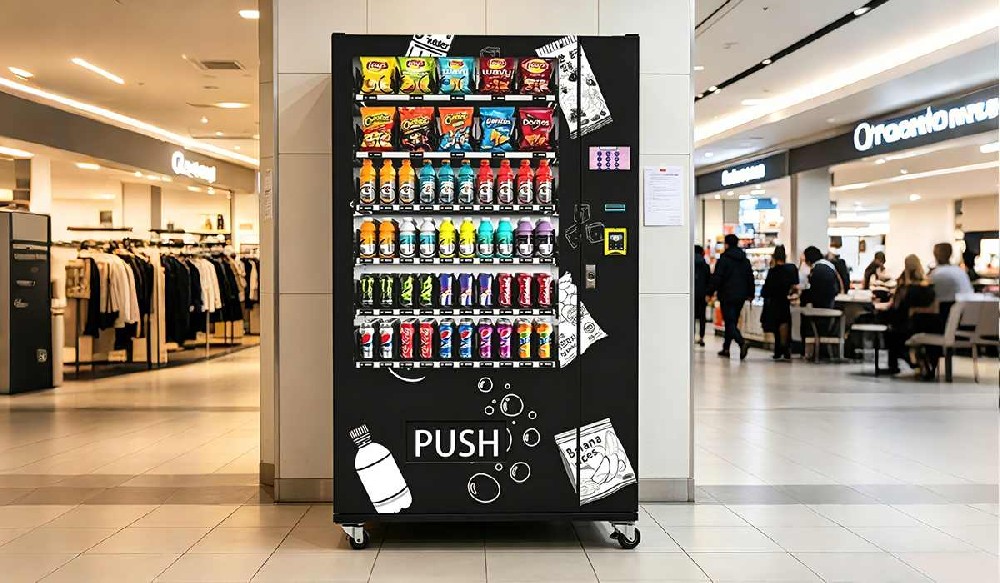
What Most Buyers Actually Pay in 2026
When people ask how much is a drink vending machine, they usually expect one neat number. There isn’t one. In actual purchasing conversations, the price usually settles into one of four bands.
| Machine Type | Typical 2026 Price | What You Usually Get | Best Fit |
|---|---|---|---|
| Basic drink machine | $3,000-$4,500 | Refrigeration, standard cabinet, bill/coin setup or simple upgrade path | Budget-conscious first machine |
| Mid-range refrigerated machine | $4,500-$7,000 | Better capacity, stronger cooling, card payment, cleaner user interface | Most routine commercial placements |
| Smart vending machine | $7,000-$10,000 | Cashless, telemetry, remote management, advertising screen, sales data | Operators focused on efficiency and scale |
| Custom or branded machine | $10,000-$12,000+ | Custom cabinet, software, wrap, larger screen, product-specific configuration | Brands, chains, distributors, pilot programs |
That range may look wide, but it reflects real differences in hardware and use case. A machine meant to hold a narrow drink mix in a simple indoor site is not priced the same way as a smart vending machine built for multiple payment methods, real-time reporting, and branded presentation.
I’ve seen new operators focus too hard on the purchase number and ignore the operating side. That’s backward. A $4,200 machine that misses sales because it only accepts cash can underperform a $6,800 machine that turns faster, reports stock remotely, and reduces service visits. The cheaper machine is only cheaper once.
The Real Answer Depends on Five Cost Drivers
1. Size and Capacity
Cabinet size changes the price quickly. More shelves, more spirals, more capacity, and a wider drink mix all raise the cost. But larger capacity also cuts labor. If a machine carries enough product to stretch the time between restocks, the operator saves on route time and labor drag. That matters more than many first-time buyers expect.
A compact unit may work if traffic is light and product variety is limited. In busier placements, small capacity becomes a hidden expense. You restock more often, sell out sooner, and lose impulse purchases when the best sellers run dry.
2. Refrigeration System
Not all cooling systems are built the same. Stable refrigeration, good insulation, and reliable temperature control cost more upfront, but they protect product quality and reduce spoilage risk. That’s especially important if you plan to offer more than standard canned drinks.
Energy efficiency also deserves more attention. Power costs are never the largest line item, but over the life of the machine they add up. The U.S. Bureau of Labor Statistics reported that prices for nonalcoholic beverages and beverage materials increased 5.1% from 2024 to 2025, which makes margin protection even more important when input costs rise.[1]
3. Payment Hardware
This is one place where it rarely pays to cut corners. Card readers, NFC, QR payments, and mobile wallets usually add to the hardware cost, but they also remove friction at the point of sale. In unattended retail, friction is expensive. If the machine only works for people carrying bills or coins, sales get left behind.
Modern unattended retail keeps moving toward digital transactions. Forbes has also noted the shift toward automated retail experiences built around mobile-enabled payments and data-driven management.[2] That matches what operators see on the ground: easier payment usually means more completed purchases.
4. Software and Remote Management
Telemetry, sales reporting, stock alerts, route planning, and remote fault checks add cost. They also save time. Once you operate more than a few machines, real-time visibility stops being a luxury and starts being operating discipline.
For a single pilot machine, you can survive without advanced software. For a growing route, guessing what sold yesterday is a slow leak in your profit.
5. Branding and Customization
Custom color, front graphics, screen UI, cabinet changes, and product-specific hardware all move the price upward. Sometimes that is worth every dollar. If the machine is part of a retail launch, branded environment, or promotional program, the machine is not just a dispenser. It is part of the selling experience.
For buyers comparing factory-direct options, the custom vending machine page at Zhongda Smart gives a useful look at what can actually be changed, from exterior branding to payment configuration and remote management setup.
New vs. Used: The Price Gap Is Real, So Is the Risk
Used drink machines can look tempting. A basic used soda machine may cost a fraction of a new smart unit. On the surface, that sounds like a smart way to test the market. Sometimes it is. Often it isn’t.
| Option | Typical Cost | Main Advantage | Main Risk |
|---|---|---|---|
| Used machine | $1,500-$4,000 | Lower upfront spend | Older cooling, higher repair risk, weak payment support |
| Refurbished machine | $2,500-$5,500 | Better value than raw used equipment | Quality depends on who rebuilt it |
| New machine | $3,000-$12,000+ | Warranty, modern features, better reliability | Higher initial investment |
I’m not against used equipment. I’m against false economy. If the cooling system is tired, the control board is dated, the machine is hard to source parts for, or the payment setup is obsolete, the savings disappear fast. Service calls, missed sales, and product losses can wipe out the discount inside the first year.
If the goal is to learn the business with minimal risk, a well-supported entry-level new machine is often the cleaner move. It costs more on day one and less in frustration.
Startup Cost Is Bigger Than the Machine Price
Here’s the part many articles miss. How much is a drink vending machine is not the same as asking how much it costs to get one earning. The real startup number includes several layers.
| Cost Item | Typical Range | Notes |
|---|---|---|
| Machine purchase | $3,000-$12,000+ | Main capital expense |
| Shipping and placement | $300-$1,500 | Varies by machine size and site conditions |
| Card reader / payment setup | $300-$1,000 | If not included in quoted machine price |
| Initial stock | $400-$1,500 | Depends on product mix and capacity |
| Branding / wrap | $200-$1,500+ | Optional but common |
| Spare parts / service reserve | $200-$600 | Smart to budget from day one |
So when someone asks how much is a drink vending machine, the honest startup answer often looks more like $4,500 to $14,000 for a properly launched setup, not just the bare cabinet price.
That gap is exactly why buyers should stop comparing machine prices in isolation. The machine is one line in the investment, not the entire investment.
What the Monthly Cost Looks Like Once the Machine Is Live
Monthly operating costs are usually manageable, but they determine whether a good location stays profitable. Operators who know their numbers don’t guess here.
Electricity: usually $20-$60 per month, depending on cooling demand and machine size
Payment processing: varies by provider and transaction mix
Product cost: often 45%-60% of sales, depending on brand and pricing discipline
Site commission or rent: sometimes none, sometimes a fixed fee, sometimes a revenue share
Maintenance: small month to month, but important across the year
Restocking labor: easy to underestimate, especially if routes are spread out
In a simple site, a machine can run lean. In a badly chosen placement, the labor of keeping it alive becomes the hidden tax. Low traffic, low turns, and frequent site visits will drain a machine quietly even if the machine itself was bought at a bargain.
How Fast Can a Drink Vending Machine Pay for Itself?
This is the part most buyers care about and few ask with enough discipline. Payback depends on traffic, pricing, product margin, uptime, and how well the machine matches the location. There is no universal number. Still, real-world outcomes tend to cluster.
| Scenario | Daily Sales | Monthly Revenue | Typical Break-Even Window |
|---|---|---|---|
| Slow location | $15-$25 | $450-$750 | 18-30 months |
| Healthy average location | $30-$60 | $900-$1,800 | 10-18 months |
| High-performing location | $70-$120+ | $2,100-$3,600+ | 6-12 months |
I’ve seen average machines in strong placements outperform premium machines in weak ones. That’s not unusual. A location with steady foot traffic, repeat buyers, and limited nearby alternatives can rescue a mid-range machine. The opposite is true too. A beautiful touchscreen cabinet in a dead spot is still a dead spot.
If you want to run the math against your own assumptions, the ROI calculator on Zhongda Smart is useful for quick break-even modeling. It lets you plug in machine cost, stock cost, daily revenue, gross margin, and operating expenses without forcing the guesswork into a spreadsheet.
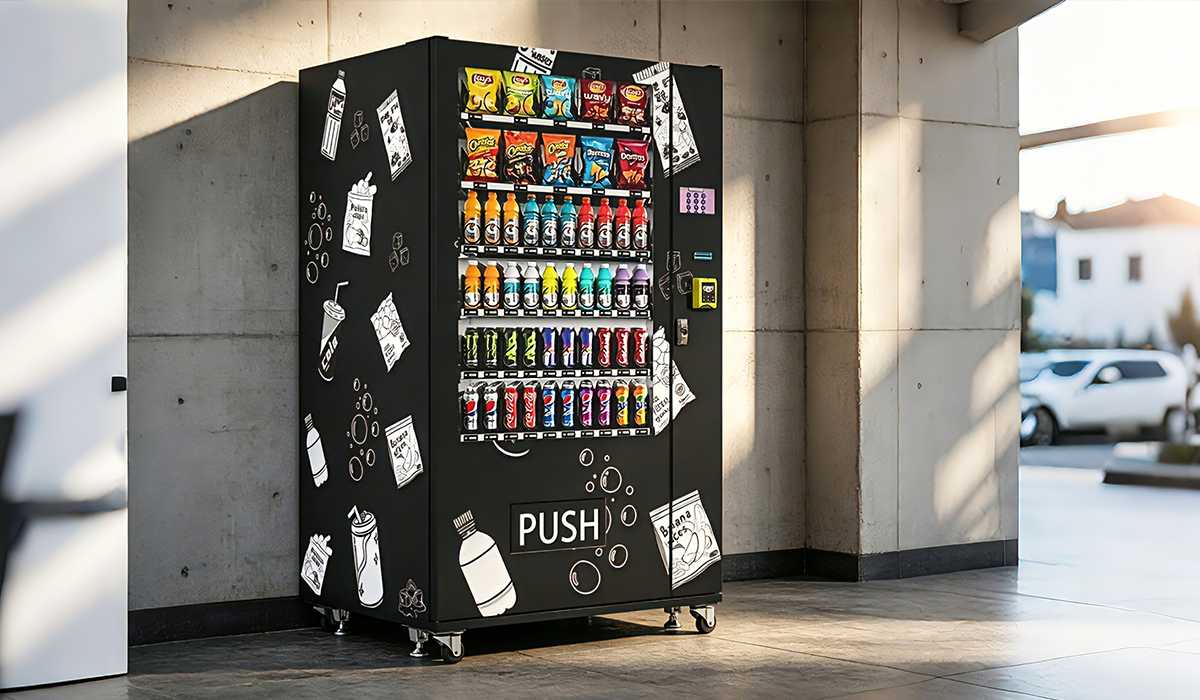
What I’d Buy at Three Different Budget Levels
Buyers don’t all need the same machine. Here’s the way I’d think about it if I were allocating capital today.
Budget under $5,000
Keep it simple. Refrigeration first, reliable dispensing second, digital payment if you can get it. Don’t overspend on screens or cosmetic upgrades until the site has proven itself. In this range, the mission is not glamour. It is reliability and decent unit economics.
Budget from $5,000 to $8,000
This is the sweet spot for most operators. A solid refrigerated beverage machine with cashless payment, decent capacity, and manageable software support can perform very well here. If you are serious about scaling beyond one or two machines, this range usually makes the most sense.
Budget above $8,000
Now you can think strategically. Smart vending machine functions, ad screens, telemetry, stronger branding, and product-specific configuration start to make real business sense. This range is often where brands, specialty product sellers, and multi-location operators end up.
For model comparison, the drink vending machine category and the broader product catalog are practical starting points because you can see how cabinet style, screen size, and delivery system affect pricing.
Where Buyers Usually Overspend
Not on the machine, actually. The most common overspend happens when the buyer pays for features that don’t solve a real operating problem.
Buying a giant screen for a site with low dwell time
Ordering full custom branding before the product mix is proven
Choosing a large cabinet where a mid-size machine would turn faster
Ignoring payment setup and then trying to retrofit later
Underbudgeting installation and stock, then blaming the machine price
One more thing: not every placement needs a fully customized build. Sometimes a standard machine with the right payment setup and good product selection will outperform a heavily branded machine that cost twice as much. It depends on how people actually buy at that site, not on what looks impressive in a quote sheet.
Where Buyers Usually Underspend
This list matters just as much.
Cashless payment support. Still one of the best upgrades you can buy.
Telemetry. Once you have multiple machines, remote visibility saves time and missed sales.
Cooling quality. Weak refrigeration costs more in the long run than it saves upfront.
Service reserve. Machines are mechanical systems. Assume you will need support at some point.
People love to negotiate the cabinet price and then get strangely relaxed about the parts of the machine that affect daily revenue. That’s upside down. A drink machine earns one sale at a time. The features that make those sales easier deserve the attention.
Factory-Direct Buying vs. Buying Through a Middle Layer
If you’re comparing suppliers in 2026, this question comes up fast. Buying factory-direct can reduce cost, speed up configuration, and make customization easier. It can also go badly if the supplier is vague, slow to communicate, or weak on after-sales support.
That is why I always look for a few basics:
clear product specifications
payment options stated up front
real customization scope, not just marketing language
warranty terms you can actually understand
evidence of production scale and support capacity
Zhongda Smart’s site states annual production of 10,000 units, 20+ quality inspectors, and a 10+ engineer team, along with OEM/ODM support and configuration-based quoting.[3] Those details do not guarantee a perfect fit for every buyer, but they are the kind of operational signals worth looking for when comparing manufacturers.
If you want a closer look at how the company presents live deployments, this deployment case page gives a feel for the kind of projects they showcase.
What Makes a Drink Vending Machine Worth the Money
A machine is worth its price when four things are true:
It fits the traffic level of the site.
It accepts the payment methods buyers actually use.
It stays cold, dispenses cleanly, and stays in service.
It can be operated without turning every refill into a headache.
That sounds basic because it is basic. Buyers get distracted by cabinet photos, touchscreen sizes, and quote comparisons. Those things matter. They just matter less than uptime, payment completion, and stock control.
So when someone asks how much is a drink vending machine, I usually turn the question around. How much revenue does the machine need to protect? How much labor does it need to save? How many missed sales can you afford before the cheaper option stops being cheap?
Once you look at it that way, the right budget gets clearer.
A Plain-English Buying Framework
If you’re trying to make a decision without overcomplicating it, this is the framework I’d use.
Testing one location: start with a reliable refrigerated machine and cashless payment
Planning to scale: add telemetry and standardize your machine format early
Launching a brand program: budget for customization only after the product and site logic are clear
Selling higher-value beverages: don’t compromise on cooling consistency or payment reliability
That’s it. Keep the logic tight. Don’t buy for fantasy volume. Buy for the way the machine will actually be used over the next twelve months.
Frequently Asked Questions
How much is a drink vending machine for a first-time buyer?
Most first-time buyers land between $4,000 and $7,000 once the machine, payment setup, shipping, and initial stock are included. It’s possible to start for less, but the lowest-priced route often creates more problems than it solves.
Is a used drink vending machine worth buying?
It can be, but only if the cooling system, control board, and payment setup are in good shape and replacement parts are still easy to source. The cheaper purchase price does not help if the machine spends time offline.
How much is a drink vending machine with card reader and remote monitoring?
In 2026, a machine with those features typically falls in the $5,500 to $10,000 range, depending on cabinet size, screen, and software scope.
How many drinks does a machine need to sell to be profitable?
There is no single number, but many machines become comfortably worthwhile once daily sales are high enough to cover product cost, site fees, power, processing, and restocking time without forcing constant service visits.
How long does it take to break even on a beverage vending machine?
In a decent placement, many operators look for a break-even window of roughly 10 to 18 months. Strong locations can beat that. Weak locations can miss it by a mile.
What is the biggest mistake when buying a drink vending machine?
Buying on cabinet price alone. The machine that looks cheapest on day one is often the one that costs more to run, sells less, and creates more service trouble later.
Final Word
How much is a drink vending machine in 2026? Enough to make the decision worth slowing down for. For most buyers, the real answer is not a single number but a practical range tied to features, payment setup, capacity, and the kind of location the machine will serve. A basic model can get the job done. A smarter machine can earn back the difference if it reduces friction, improves uptime, and helps you manage inventory with less guesswork.
If I were advising a buyer today, I’d say this: spend less time chasing the lowest quote and more time matching the machine to the way the site actually works. That’s where the money is. Always has been.
Sources
[1] U.S. Bureau of Labor Statistics, “Consumer Price Index: 2025 in review” — https://www.bls.gov/opub/ted/2026/consumer-price-index-2025-in-review.htm
[2] Forbes, “Automated Retail Brings In A New Era Of Technology” — https://www.forbes.com/...
[3] Zhongda Smart homepage and OEM page — https://zhongdasmart.com/ and https://zhongdasmart.com/OEM-Custom-Vending-Machines/
[4] IBISWorld, Vending Machine Operators industry overview — https://www.ibisworld.com/...