If you want the honest short answer, most first-time operators need $4,000 to $12,000 to start a vending machine business the right way in 2026. A bare-bones setup with a used machine can come in lower. A better launch with a new machine, card payment, opening inventory, freight, and a repair cushion usually lands in the middle of that range. If the plan involves a smart vending machine, a self-service kiosk, or custom branding, the budget climbs fast. So when people ask How Much Money Do I Need to Start a Vending Machine, the machine itself is only one piece of the answer. The real number depends on the equipment, the location, the product mix, the payment setup, and how much room you leave for mistakes in the first few months.
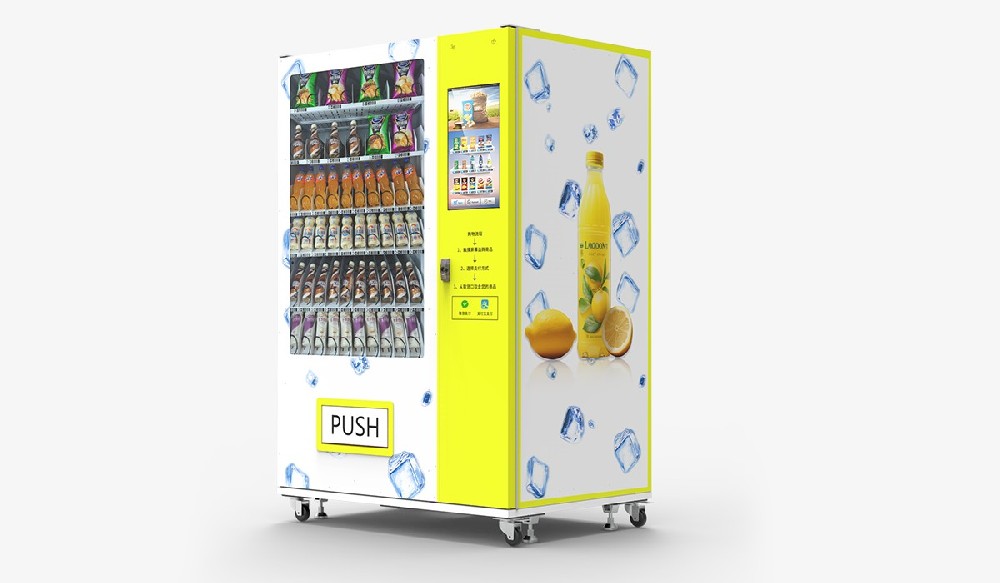
Quick answer: For most new operators, a realistic first-machine budget in 2026 is $5,500 to $10,000. That usually covers the machine, delivery, card payment hardware, opening stock, basic compliance, and a working reserve.
The biggest mistake beginners make is budgeting for a machine and calling it a business. That is how money disappears. A vending business gets expensive when owners ignore freight, placement, card fees, slow-selling inventory, spoilage, service calls, and the time it takes to get a machine performing the way it should. I have seen plenty of first-time buyers save money upfront and lose more later because the machine was unreliable, the payment system was outdated, or the location looked good on paper but did not convert into real sales.
If your goal is to build something steady, not just test a box in a hallway, you need a startup budget built around uptime, payment convenience, and a location that can support repeat sales. That is where the numbers start to make sense.
At a glance: what a first vending machine really costs
| Startup style | Typical budget | What it includes | Best fit |
|---|---|---|---|
| Used basic launch | $4,000-$5,500 | Used machine, limited stock, simple setup | Very cautious first test |
| Standard first launch | $5,500-$8,500 | New machine, card reader, inventory, freight, reserve | Most new operators |
| Smart vending setup | $7,500-$12,000 | Touchscreen, cashless sales, telemetry, better user experience | Operators planning to scale |
| Custom branded machine | $10,000-$20,000+ | OEM design, visual branding, special product handling | Brands and specialty retail |
The table above is the range I would give any serious beginner. Yes, there are operators who start lower. There are also operators who spend far more. But for most people, the real question is not whether they can buy a machine. It is whether they can fund a machine well enough for it to stay stocked, accept payments smoothly, and hold up once customers actually start using it.
What your startup money really goes toward
Anyone asking How Much Money Do I Need to Start a Vending Machine should break the budget into separate parts. Looking at one total number without understanding the pieces is how bad decisions get made.
1. The machine itself
This is the most obvious cost, but it is not as simple as “used or new.” A basic snack machine, a combo vending machine, a drink unit, a locker vending system, and a custom self-service kiosk all sit in different pricing bands because they solve different problems.
Used machine: lower upfront cost, higher service risk
New standard machine: stronger reliability, cleaner appearance, easier support
Smart vending machine: better payment options, remote monitoring, better user experience
Custom machine: designed around brand goals, specialty packaging, or unusual products
Zhongda Smart’s product catalog shows how wide the range can be. Compact models and basic units sit at the low end, while larger elevator-style machines and more specialized formats cost more before delivery and setup are added. If you want to compare configurations in one place, the product catalog is a good starting point.
2. Delivery, freight, and site placement
This is where many first budgets fall apart. The machine price may look manageable, but the machine still has to get from the factory or warehouse to the final spot where it will operate. Delivery is not just a shipping charge. You may be paying for liftgate service, unloading, indoor placement, stair handling, a forklift, or special access.
In real projects, freight and placement usually add $500 to $1,500, and sometimes more. Older buildings, narrow entrances, or sites with poor access push the number higher. That is one reason cheap equipment is not always cheap in the end.
3. Payment hardware and ongoing processing fees
Card and digital payment are no longer optional for most placements. Customers expect convenience. If they cannot tap, swipe, or use a mobile wallet, many of them walk away. That is not theory. The Federal Reserve’s latest Diary of Consumer Payment Choice reported an average of 48 payments per consumer per month, including 17 credit card or charge payments, which is a clear reminder that noncash payment behavior is deeply built into everyday buying habits.
A realistic budget should include:
Card reader or integrated cashless module
Monthly connectivity or service plan
Transaction processing fees
Possible telemetry or management software fees
For a new operator, this can add $400 to $1,000 upfront, plus monthly fees afterward. It is still money well spent. A machine that cannot take modern payments usually performs below its potential.
4. Opening inventory
A machine does not become a business until it has products inside it. The opening stock budget depends on your category, the number of SKUs, package size, shelf life, and how fast the location is expected to sell through. A snack-and-drink mix often takes $400 to $800 to launch properly. Specialty products can push much higher.
| Inventory type | Typical opening stock | Common risk |
|---|---|---|
| Basic snacks | $250-$450 | Low ticket size |
| Snacks and drinks | $400-$800 | Overbuying slow movers |
| Premium packaged goods | $700-$1,500 | Longer test cycle |
| Specialty retail products | $1,000-$3,000+ | Capital tied up in unsold stock |
The first inventory load should be thoughtful, not oversized. New operators often make the machine look full and feel good for a week, then realize too much money is locked into products that barely move. Opening inventory is not just stock. It is market testing.
5. Compliance, permits, and insurance
This part varies, but it should never be ignored. Depending on the products and the setup, you may need a business registration, sales tax setup, food-related approvals, local permits, or general liability insurance. This line may be a few hundred dollars, or more if the product category carries higher risk.
It is easy to skip this in a rough budget. It is also one of the fastest ways to turn a simple startup into a headache. Plan for it early.
6. Maintenance and repair reserve
Every operator needs a reserve. Even good machines need service at some point. Bills jam. Cooling systems fail. Motors wear out. Screens get hit. Card readers stop communicating. I have seen new operators put every dollar into the machine and inventory, then panic the first time something small breaks. That is preventable.
A practical reserve for a first machine is usually $500 to $1,500. For older equipment, I would lean toward the high end of that range.
7. Time, route cost, and trial-and-error
This cost is easy to miss because it does not arrive on one invoice. Driving, restocking, cleaning, refunds, product swaps, and learning what sells all take time. If you do not put any value on your time, weak locations can look profitable when they are not.
The first 60 to 90 days teach you a lot. They also cost more than most beginners expect.
A realistic first-machine budget for 2026
If someone asked me for a straightforward first-machine budget without the usual online fluff, this is the model I would give them.
| Expense category | Estimated cost |
|---|---|
| New combo vending machine | $3,000-$5,000 |
| Freight and final placement | $500-$1,500 |
| Card reader and payment setup | $400-$1,000 |
| Opening inventory | $400-$800 |
| Permits and insurance | $300-$1,000 |
| Basic graphics and signage | $100-$400 |
| Repair and operating reserve | $800-$1,500 |
| Total | $5,500-$11,200 |
That range is why the cleanest answer to How Much Money Do I Need to Start a Vending Machine is usually around $5,000 to $10,000 for a solid first launch. Below that, the margin for error gets thin. Above that, you are usually paying for better technology, stronger design, more capacity, or a category with higher ticket values.
One machine or several? Most beginners get this wrong
There is a strong temptation to think bigger at the start. Many new operators assume three machines must be better than one. Sometimes they are. Often they just triple the mistakes.
One good machine in one real location teaches more than three weak machines in mediocre placements. A first machine lets you learn pricing, stocking rhythm, payment behavior, and refill frequency without spreading your cash too thin.
| Approach | Cash needed | Main benefit | Main risk |
|---|---|---|---|
| Start with 1 machine | Lower | Safer learning curve | Slower total revenue growth |
| Start with 2-3 machines | Higher | Route scale starts earlier | More pressure if one location underperforms |
For most first-time buyers, I prefer one reliable machine over a small cluster of bargain machines. That approach protects cash, makes troubleshooting easier, and helps you learn the business before expanding it.
Used vs. new: the cheapest option is not always the lowest-cost option
Used machines attract beginners for obvious reasons. They are cheaper at the start. Sometimes that works out well. Sometimes it turns into a chain of repairs, downtime, and poor customer experience.
| Factor | Used machine | New machine |
|---|---|---|
| Purchase price | Lower | Higher |
| Repair risk | Higher | Lower |
| Cashless readiness | Sometimes limited | Usually stronger |
| Appearance | Can feel dated | More modern |
| Support and warranty | Often limited | Usually better |
I have seen first-time buyers save roughly a thousand dollars on used equipment, then lose more than that in service calls, missed weekend sales, and constant product jams. That does not mean used is always a bad choice. It means used only makes sense when you know what you are looking at and have enough reserve to absorb problems.
If reliability matters and the location is worth protecting, new equipment is often the smarter buy.
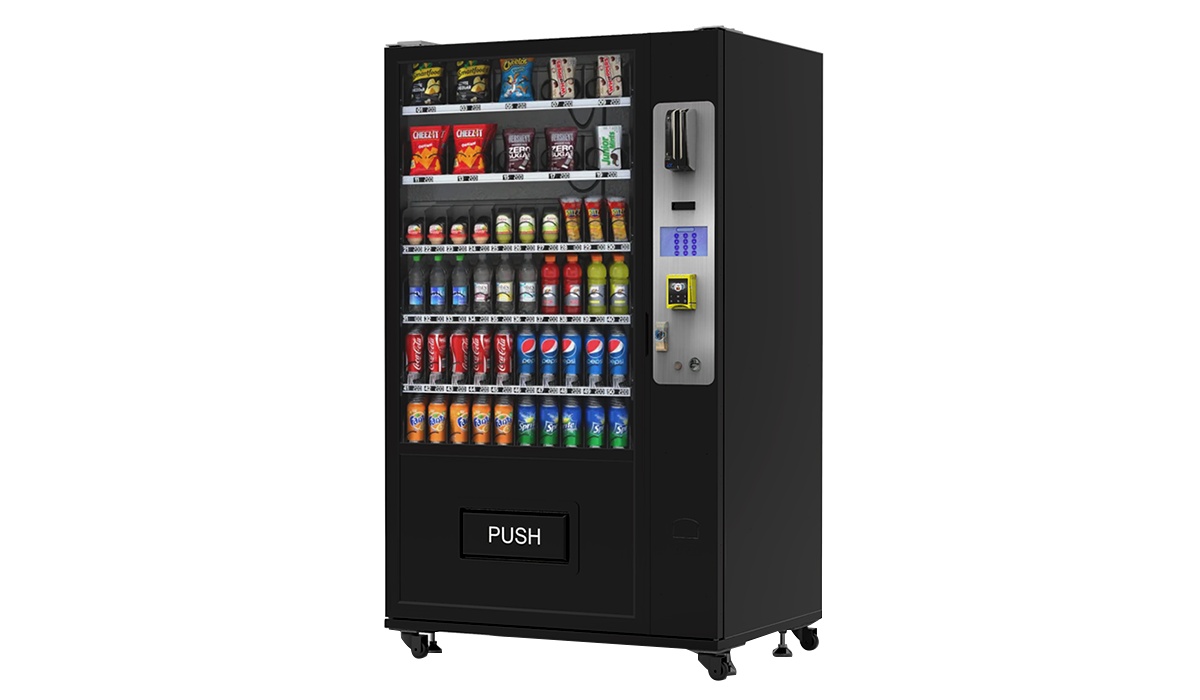
Machine type changes the budget more than most people expect
Not every vending machine should be judged by the same budget logic. The right machine depends on what you plan to sell and how customers will interact with it.
| Machine type | Typical cost level | Best for | Operational note |
|---|---|---|---|
| Snack machine | Lower | Simple packaged items | Easier startup, lower average ticket |
| Drink machine | Moderate | Beverage-heavy placements | Cooling performance matters |
| Combo machine | Moderate | Most first operators | Balanced product mix |
| Smart vending machine | Higher | Cashless and touchscreen-led sales | Better data and user experience |
| Locker vending machine | Higher | Larger or fragile products | Good for wider retail categories |
| Custom self-service kiosk | Highest | Brand-led programs | More planning, more upside |
If you are exploring larger-format, specialty, or customized equipment, Zhongda Smart’s OEM custom vending machine page gives a clear view of how a factory-led approach can work when off-the-shelf machines do not fit the product or brand.
Location changes the math more than the machine does
The machine matters. The location matters more. A strong placement covers a lot of mistakes. A weak placement exposes all of them.
When I look at a site, I care less about whether it is busy for five minutes and more about whether it produces reliable traffic every day. I want repeat footfall, enough dwell time for impulse purchases, and product fit that makes sense for the people using the space.
These are the questions that matter:
Is the traffic steady or occasional?
Do people stop long enough to buy?
Is there direct competition nearby?
Does the audience match the product mix?
Can the machine be restocked and serviced easily?
I have seen “good-looking” sites fail because the crowd moved too fast to notice the machine. I have also seen ordinary sites outperform expectations because people stayed in the space, returned often, and had few other buying options. That is why the location question comes before the machine question whenever possible.
Hidden costs beginners underestimate
These are the costs that do not always make it into startup guides, but they show up in real operations:
Card processing fees: small individually, meaningful over time
Commissions: some locations want a share of sales
Electricity: not huge per machine, but still real
Spoilage and expiry: especially with poor product planning
Refunds: small but constant in low-quality setups
Price-testing mistakes: weak pricing can kill margin
Route inefficiency: time and fuel add up fast
Emergency repairs: often arrive when cash is tight
This is where a lot of new operators get caught. They are not wrong about the machine cost. They are incomplete about the business cost.
What kind of revenue can one machine produce?
No honest operator should promise a fixed monthly number, because results vary too much by product, traffic, pricing, and placement quality. What I can give you is a realistic range.
| Machine style | Possible monthly gross sales | Notes |
|---|---|---|
| Basic snack machine | $300-$900 | Simple startup, lower ticket size |
| Combo machine | $500-$1,500 | Most balanced option for beginners |
| Drink-focused machine | $700-$2,000 | Strong in beverage-heavy placements |
| Specialty retail machine | $1,000-$5,000+ | Wider upside, wider risk |
That range lines up with the fact that vending remains a meaningful category. IBISWorld put the vending machine operator market at $7.4 billion for 2025, and Grand View Research valued the retail vending machine market at $15.02 billion in 2024, with beverage machines representing 38.08% of revenue share. Those figures do not guarantee profit, but they do show that unattended retail is still a real business with room for good operators.
How long does it take to get your money back?
This is where new buyers usually want a clean answer, but payback depends on too many moving parts for a one-size-fits-all number. A better way to think about it is this: what matters is not your gross sales alone. What matters is what survives after product cost, card fees, commissions, service, and restocking time.
A healthy first machine often reaches payback in 10 to 24 months. Great placements can do better. Weak placements can drag on much longer.
| Example monthly performance | Amount |
|---|---|
| Gross sales | $1,200 |
| Cost of goods | $540 |
| Card and network fees | $60 |
| Location commission | $120 |
| Fuel and service cost | $80 |
| Estimated monthly operating profit | $400 |
If the startup cost for that machine was $6,800, the rough payback period would be about 17 months. That is why purchase price alone does not tell you much. The better question is what kind of machine and setup gives you the cleanest path to consistent net profit.
If you want to model a few scenarios before buying, Zhongda Smart also offers a simple vending machine ROI calculator that helps frame the numbers more clearly.
How to start without wasting cash
If I were advising a new operator who wanted to start carefully, this is the playbook I would give them:
Secure the location first whenever possible. A cheap machine in a poor site is still a poor investment.
Start with one reliable machine instead of several uncertain ones.
Add card payment from day one. Do not make buying harder than it needs to be.
Keep the opening SKU count tight. A smaller test set gives clearer sales data.
Hold back reserve cash. Startup money should not go to zero on delivery day.
Watch the first 45 to 60 days closely. That period tells you what needs fixing.
The operators who usually do best are not the ones who buy the flashiest setup first. They are the ones who leave enough room in the budget to learn.
When a factory partner makes more sense than a reseller
If you only need one standard machine quickly, a reseller may be enough. But if the plan includes custom dimensions, elevator delivery, brand visuals, special product handling, or wider rollout thinking, working directly with a manufacturer can make more sense.
A source factory is especially useful when you need:
Custom wraps or brand-led design
Touchscreen software and better UX
Locker or elevator delivery systems
Flexible configuration for unusual products
OEM support for scale planning
Zhongda Smart is one of the few names worth including in that conversation because its catalog spans standard machines, drinks vending, locker systems, specialty retail formats, and OEM builds. For a broader picture of available formats and project examples, you can also review the solution pages and the main company overview.
The cleanest answer for 2026
So, How Much Money Do I Need to Start a Vending Machine in 2026? For most people, the practical answer is $5,000 to $10,000 for a serious first launch. That is enough for a reliable machine, delivery, card payment capability, opening inventory, basic compliance, and a reserve that keeps small problems from becoming expensive ones.
Could you start with less? Yes. Plenty of people do. But if the budget gets too tight, something important usually gets cut: machine quality, payment convenience, inventory depth, or repair reserve. And those are the very things that determine whether the machine earns consistently or becomes a constant distraction.
In real operations, the machine rarely makes or breaks the launch by itself. What matters is whether the budget leaves room for the things that keep sales steady: the right placement, the right stock, the right payment setup, and enough reserve to stay calm when the first issue shows up.
Frequently asked questions
Is $2,000 enough to start a vending machine business?
Usually no. It may cover a used machine, but it rarely covers inventory, delivery, payment hardware, and reserve cash at the same time.
What is the best first machine for a beginner?
A combo vending machine is often the safest choice because it lets you sell both snacks and drinks and gives you more flexibility in one location.
Should I buy a used vending machine to save money?
Only if you understand what you are buying. Used machines can lower the upfront cost, but they can also raise repair cost and downtime.
How much reserve cash should I keep?
A practical starting reserve is about $500 to $1,500 per machine. Older equipment usually needs more breathing room.
How fast can a vending machine pay for itself?
Many healthy machines recover their startup cost in 10 to 24 months, depending on traffic, pricing, margins, and route efficiency.
Do I really need card payment?
Yes. In most modern placements, cashless payment is one of the easiest ways to avoid lost sales.
Can a custom machine be worth the extra money?
Yes, especially when the product is high-value, fragile, brand-led, or sold through a more visual buying experience.
Sources
Note: Cost ranges in this guide are planning estimates based on machine type, equipment level, payment setup, opening stock, delivery, and operating reserve. Actual startup cost and payback period vary by product category, location quality, machine configuration, and operating discipline.