u need over machine size, product fit, cashless payments, telemetry, and branding. In today’s market, a vending machine is no longer just a metal cabinet. It is a connected retail asset, a self-service kiosk, and a profit tool that has to run smoothly with minimal labor.
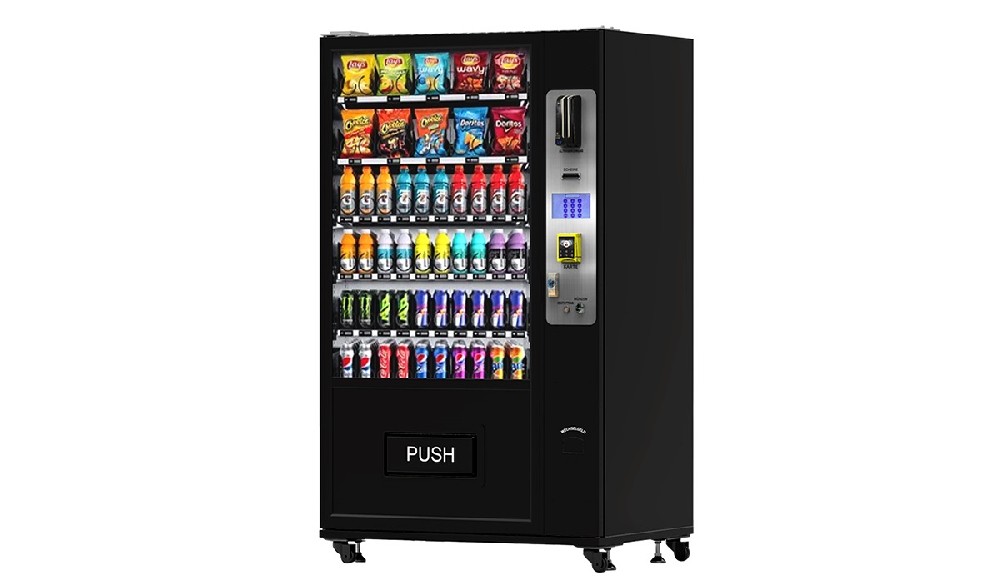
Quick Answer
Best choice for custom projects: a factory-direct vending machine manufacturer with OEM capability.
Best choice for standard machines: a proven supplier with clear support, tested payment options, and documented specs.
Best choice for long-term ROI: the seller who can prove machine fit, uptime support, and stable cashless integration.
Most important buying checks: product compatibility, payment system support, lead time, warranty, remote management, and spare parts.
Best low-risk path for first-time buyers: start with a well-matched machine, not the cheapest machine.
Why this question matters more in 2026
Anyone asking where to buy a vending machine today is usually trying to solve three problems at once. First, they want a seller they can trust. Second, they want the right machine type for the products they plan to sell. Third, they want a purchase that pays back in a reasonable time instead of turning into a maintenance headache.
That is why a low headline price is rarely enough. Two machines can look similar in a photo and still perform very differently once they are installed. One may support touchless payment, remote fault alerts, and product-safe delivery. The other may jam, reject modern payment hardware, or arrive with no clear parts path. The gap in real operating value can be much larger than the gap in quoted price.
Industry data also points in the same direction. Grand View Research estimates the retail vending machine market at $15.02 billion in 2024, with continued growth driven by convenience, automation, and cashless technology.[1] In plain terms, buyers are not just shopping for a snack machine anymore. They are buying into a smarter automated retail model.
Where to buy a vending machine: the best online options
The best place to buy depends on your business model. Still, most serious buyers end up choosing from four online channels. Each one has a different balance of price, customization, risk, and support.
1. Factory-direct manufacturers
For many buyers, this is the strongest answer to where to buy a vending machine. Factory-direct buying usually offers better control over machine size, product configuration, delivery mechanism, screen options, software, branding, and payment setup. It is especially useful if you need a smart vending machine, a custom vending machine supplier, or a self-service kiosk design built around a specific product category.
This model works best when you need more than a generic cabinet. It also helps when you want a better quote structure, direct technical answers, and a clearer path for future scale. Rather than asking a dealer to relay your questions, you can often speak directly with the build side of the business.
Zhongda Smart’s product catalog is a strong example of what buyers should look for from a factory-direct source. It shows a broad range of vending formats, including snack, beverage, beauty, locker, card, and specialty machines, which matters because product fit is one of the most important drivers of machine performance.[2]
2. Specialized vending equipment dealers
Dealers can be a good option when you want a standard machine and prefer a simpler buying process. If you need a familiar cabinet style, a common snack-and-drink unit, or a refurbished machine with known service history, a dealer may be an acceptable choice.
The tradeoff is usually flexibility. Dealers often offer less control over cabinet design, product-specific adjustments, and branding. They can still be a practical answer to where to buy a vending machine, but they are not always the best answer when your products are fragile, premium-priced, unusually shaped, or brand-sensitive.
3. Refurbished equipment sellers
A used machine can make sense for experienced operators who know how to evaluate validators, card readers, refrigeration systems, motors, control boards, and cabinet wear. For first-time buyers, it is often a false economy.
I have seen buyers save money on the invoice, then spend that savings on repainting, retrofits, service calls, compressor replacement, and unreliable payment hardware. If you choose this route, require a recent test video, exact hardware details, service records, and written return terms.
4. General B2B marketplaces
These sites are useful for comparing machine categories and getting a feel for the market. They are less useful for verifying who will support you after shipment. The smartest way to use them is as a research tool, not as the only trust signal.
If you are using a marketplace to figure out where to buy a vending machine, move the conversation into direct technical review before making any payment. A serious supplier should have no problem discussing capacity, dispensing method, payment stack, software, warranty, and parts support in detail.
Best buying channel by buyer type
| Buyer Type | Best Buying Channel | Why It Usually Works Best |
|---|---|---|
| First-time operator | Reliable standard machine supplier | Lower complexity, easier onboarding, faster launch |
| Brand owner | Factory-direct OEM manufacturer | Better control over branding, machine layout, and user flow |
| Multi-unit rollout buyer | Factory-direct manufacturer | More consistent pricing, parts support, and spec control |
| Fragile or premium product seller | Custom vending machine manufacturer | Safer delivery systems and better product protection |
| Budget-driven experienced operator | Vetted refurbished supplier | Lower upfront cost if repair risk is well managed |
How to choose the right vending machine before you buy
The smartest way to decide where to buy a vending machine is to first decide what kind of machine you actually need. Many buying mistakes happen because the buyer chooses the cabinet style too early and thinks product fit can be solved later. In real operations, that logic usually causes jams, damaged products, wasted stock space, or poor sell-through.
Match the delivery system to the product
Spiral systems work well for many packaged snacks and some beverages. Elevator vending is better for fragile items, boxed goods, higher-value products, cosmetics, electronics, and collectible products that should not be dropped. Locker vending is useful for larger items, boxed orders, pickup flows, and mixed-size goods.
If a supplier only offers one layout, every buyer starts to look like the same buyer. That is why product breadth matters. A supplier with multiple cabinet styles is more likely to recommend the right format instead of forcing your products into a machine that was never designed for them.
Do not treat payment as an add-on
Cashless payment is now central to performance, not just convenience. Cantaloupe’s 2025 Micropayment Trends Report says its analysis is based on data from more than 625,000 card readers in self-service commerce, and the report highlights the continuing shift toward cash-free and cashless-heavy transactions.[3] If a machine cannot support modern payment reliably, it is already behind.
When evaluating a vending machine supplier, ask exactly which payment methods are supported, how the hardware is integrated, and whether remote reporting is available. A machine that struggles with payment will struggle with revenue, customer satisfaction, and operator confidence.
Capacity should match sales rhythm
Buyers often focus on cabinet size without thinking about restocking rhythm. A small machine in a strong location can lose sales if it empties too fast. A large machine in a weak location can lock up too much cash in slow-moving stock. The right answer is not “bigger” or “smaller.” It is “right-sized for sell-through.”
Software and telemetry affect labor cost
A modern smart vending machine should make life easier after installation. Remote sales reports, inventory alerts, machine fault alerts, promotion logic, and user-interface flexibility can reduce service trips and help operators react faster. That is a major reason many buyers now look for suppliers with connected software options, not just attractive cabinets.
New vs. used vs. custom: which one makes the most sense?
| Option | Best For | Main Advantages | Main Risks | My Practical Verdict |
|---|---|---|---|---|
| New standard machine | First-time buyers, straightforward product categories | Cleaner launch, easier support, lower surprise risk | Less flexibility than a custom build | Usually the safest starting point |
| Used machine | Experienced operators with repair ability | Lower purchase cost | Higher downtime risk, retrofit cost, uneven condition | Only worth it if you can inspect and fix problems |
| Custom machine | Brands, premium products, mixed-size products, specialty retail | Better product fit, stronger branding, better customer experience | Requires stronger planning and supplier communication | Often the best long-term value when standard cabinets are a compromise |
What a vending machine really costs in 2026
One reason so many people search where to buy a vending machine is that online prices vary wildly. That is normal. The machine price changes based on cabinet type, cooling system, delivery mechanism, screen size, software layer, payment hardware, branding, and production method.
More importantly, the machine itself is only part of the investment. Serious buyers plan for the full launch cost, not just the unit price.
Typical first-year cost categories
Machine price
Shipping and site delivery
Payment hardware and setup
Initial stock load
Branding or graphic wrap
Installation and testing
Operating buffer for parts and service
| Cost Item | Typical Range | Notes |
|---|---|---|
| Standard machine | $1,500-$4,500 | Entry-level to solid commercial build |
| Mid-range smart machine | $4,500-$8,500 | Usually includes stronger interface and cashless options |
| Custom smart vending machine | $6,500-$15,000+ | Depends on structure, screen, software, and product complexity |
| Initial stock | $300-$3,000+ | Depends on product type and capacity |
| Branding | $0-$2,500+ | Wraps, custom graphics, screen content, and panel changes |
These are planning ranges, not fixed quotes. The point is simple: the cheapest machine on paper is rarely the cheapest machine to run. A machine with better product handling, better payment flow, and better remote visibility often pays back faster because it protects sales and reduces operating friction.
What makes a vending machine worth buying
After years of watching buyers compare quotes, I can say this clearly: the best machine is not the machine with the lowest invoice total. It is the machine that creates the fewest expensive surprises after launch.
That means a worthwhile machine usually checks these boxes:
It dispenses your products reliably.
It accepts the payment methods customers actually use.
It is easy to restock and maintain.
It supports remote reporting or machine monitoring.
It has a clear support and parts path.
It fits your branding and customer experience goals.
That list sounds simple, but it is where many buying decisions go wrong. A supplier can look good online and still be a weak partner if the machine is generic, under-tested, or poorly matched to your products.
How to verify a vending machine supplier online
If you are serious about choosing where to buy a vending machine, ask for proof, not promises. Photos are easy. Good documentation is harder to fake. This is the verification checklist I would use before approving a deposit.
Supplier verification checklist
Request full machine dimensions, weight, voltage, and capacity.
Ask which product sizes and package types the machine can handle.
Confirm whether the delivery system is spiral, elevator, locker, or mixed.
Ask for supported payment methods and integration details.
Request recent machine photos or videos showing a real test run.
Get written lead time for both sample and production orders.
Ask for written warranty details and parts replacement process.
Confirm whether remote monitoring, sales reports, or alerts are included.
Review packaging method and shipment preparation.
Ask who handles post-shipment support and what the response path looks like.
A supplier that answers those questions clearly is already separating itself from weaker options. If the answers are vague, delayed, or inconsistent, that is useful information too.
When a custom vending machine is the smarter move
Many buyers assume a custom machine is only for very large companies. That is not always true. A custom build becomes the smarter choice whenever a standard machine forces too many compromises.
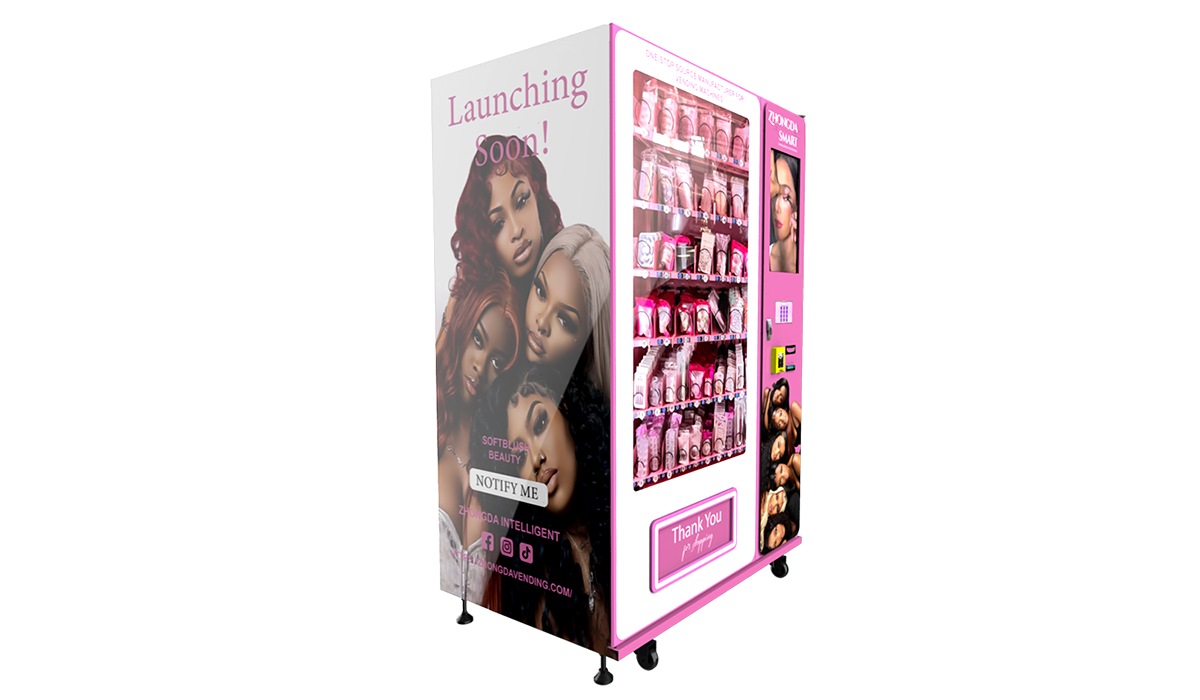
Custom vending is often worth it when you sell fragile goods, higher-ticket products, oversized packaging, mixed-size products, collectible items, beauty products, or products that need a stronger branded experience. In those cases, the wrong machine can cause product damage, weak presentation, or low conversion.
Zhongda Smart’s OEM custom vending page is useful here because it outlines a factory-direct process covering cabinet design, branding, hardware, software, payment methods, and interface choices, and it states that custom orders can start from a low minimum order quantity.[4] That matters for pilot launches, niche products, and early-stage concepts that do not need a large first order.
For buyers who want to pressure-test the numbers before ordering, this ROI calculator is also worth using. It helps estimate profitability based on machine count, unit price, stocking cost, daily revenue, gross margin, rent, staff cost, and other operating inputs.[5]
A real-world case buyers can learn from
One of the best ways to judge a supplier is to see whether it can show actual project examples instead of only product galleries. A credible case study tells you how a machine works outside a brochure.
This Zhongda Smart project example shows a real installed vending machine project and gives buyers a more grounded view of what a finished deployment looks like.[6] Even when a case page is brief, it still does something useful: it proves that the supplier is showing completed work rather than only conceptual renders.
When you review project examples, pay attention to cabinet finish, layout logic, screen treatment, and whether the machine looks purpose-built for the products inside it. A strong case page can tell you a great deal about whether a supplier understands real deployment conditions.
The biggest mistakes buyers make
The fastest way to improve your buying decision is to know what goes wrong most often. These are the mistakes I see again and again when buyers rush the process.
Buying for price instead of fit
A low-cost cabinet that does not suit your products is not a bargain. It is a delayed expense. Product jams, damaged stock, customer complaints, and site visits can quickly erase the savings.
Ignoring payment details
A machine that looks modern but cannot support the right payment flow will quietly underperform. Payment friction kills impulse sales.
Skipping supplier vetting
If you do not know exactly who supports the machine after delivery, you are taking an avoidable risk. Machines need parts, setup guidance, and occasional troubleshooting.
Underestimating launch cost
Many buyers budget for the machine and forget stock, delivery, graphics, setup, and operating reserve. That leads to a weak launch or an underfunded first month.
Choosing a standard machine when the product clearly needs custom handling
This is common in beauty, electronics, collectible, and premium packaged goods. If the product deserves a safer or cleaner delivery method, a generic machine often becomes the wrong machine.
What I would recommend based on buyer scenario
If you are buying your first machine
Start with a proven commercial machine from a supplier that can clearly explain machine specs, payment compatibility, and support terms. Keep the product mix simple, but do not compromise on payment and serviceability.
If you are planning a branded rollout
Work with a factory-direct manufacturer. Brand-led projects usually need better control over appearance, interface, capacity planning, and customer flow than standard dealer inventory can provide.
If you sell fragile or premium items
Look for elevator or compartment-based delivery. Product protection matters more than saving a little on cabinet cost.
If you want to scale fast
Choose a supplier that can standardize specs across multiple units, document support clearly, and offer parts continuity. Consistency becomes more important as your machine count grows.
My final recommendation
If someone asked me today where to buy a vending machine, I would not start with “Who has the cheapest machine?” I would start with “Who can prove machine fit, payment readiness, quality control, and after-sales support before money changes hands?” That is the real buying question.
For simple, standard deployments, a solid supplier with documented support can work well. For buyers who care about branding, product-specific engineering, connected software, or future scale, factory-direct sourcing is usually the better path. That is where suppliers with deeper manufacturing capability stand out.
This buying guide from Zhongda Smart is also worth reading because it covers several technical checkpoints buyers should review before placing an order.[7] It is a useful companion to the broader decision framework in this article.
The best answer to where to buy a vending machine in 2026 is not a single website or seller category. It is the source that can match the machine to your products, support the payment flow you need, reduce downtime risk, and help you protect margin after launch. That is the difference between buying equipment and building a vending business that actually works.
Frequently Asked Questions
Is it better to buy directly from a manufacturer?
In many cases, yes. Buying directly from a manufacturer usually gives you more control over specs, better visibility into the build process, and stronger options for customization, especially if you need a smart vending machine or a custom self-service kiosk.
How much should I budget for my first machine?
Many buyers spend between a few thousand dollars and the mid-five figures depending on machine type, customization, stock, shipping, and payment setup. The right budget depends on product type, machine format, and launch plan, not just cabinet price.
Are used vending machines worth it?
They can be, but mainly for experienced operators who know how to inspect and repair them. For new buyers, used machines often create more risk than value.
What features matter most in 2026?
Cashless payments, stable dispensing, remote reporting, product-safe delivery, service support, and machine fit all matter more than cosmetic design alone.
When is custom vending worth it?
Custom vending is worth considering when your products are fragile, premium, mixed-size, brand-sensitive, or poorly suited to standard spiral layouts.
What should I ask before I pay a deposit?
Ask for machine specs, payment support details, test proof, lead time, warranty terms, spare-parts support, and post-shipment service contacts. If a supplier cannot answer those clearly, keep looking.
Author Note
This article was prepared by a team with long-term experience in vending machine manufacturing, product planning, and automated retail deployment support. The goal is simple: help buyers make a better equipment decision before placing an order.
All prices and return estimates in this guide are for planning purposes only. Actual results depend on product type, machine configuration, payment setup, operating cost, site quality, sell-through, and service conditions.
Sources
Grand View Research, Retail Vending Machine Market Report: https://www.grandviewresearch.com/industry-analysis/us-retail-vending-machine-market-report
Zhongda Smart, Vending Machine Products: https://zhongdasmart.com/products/
Cantaloupe, Micropayment Trends Report 2025: https://www.cantaloupe.com/resource-center/micropayment-trends-report-2025/
Zhongda Smart, OEM Custom Vending Machines: https://zhongdasmart.com/OEM-Custom-Vending-Machines/
Zhongda Smart, Vending Machine ROI Calculator: https://zhongdasmart.com/Vending-Machine-ROI-Calculator/
Zhongda Smart, Project Case Example: https://zhongdasmart.com/CASE/609.html
Zhongda Smart, Buying a Vending Machine? Key Factors to Consider for Your Business: https://zhongdasmart.com/Vending-Machine-News/buying-vending-machine-key-factors.html